what is the 2.5 meter garden room rule?
Navigating the intricacies of outdoor space regulations can be a proverbial garden maze for many UK homeowners. Central to understanding these complexities is the 2.5 meter garden room rule, a pivotal component of UK garden planning guidelines. Embraced within the scope of permissible development rights, this rule allows individuals to enrich their properties with the addition of a garden room, all without the need for formal planning permission. Adherence to this height restriction is essential for anyone looking to maximise their outdoor space legally and seamlessly.
Inhaltsverzeichnis
Key Takeaways
- The 2.5 meter rule is a staple in outdoor space regulations in the UK.
- Adhering to UK garden planning guidelines, this rule facilitates the addition of a garden room without planning permission.
- Permissible development rights enable homeowners to maximise outdoor space while following the 2.5 meter height restriction.
- Understanding this rule is crucial for legal and hassle-free property enhancement.
- Homeowners seeking to increase their living area can benefit greatly from this provision.
Introduction to the 2.5 Meter Garden Room Rule
The 2.5-meter garden room rule serves as a cornerstone regulation affecting the utilisation of outdoor space in residential properties across the UK. This regulation not only influences development rights but also plays a crucial role in property enhancement. Understanding these basic regulatory dimensions is essential for any homeowner considering the addition of a garden room, shed, or similar structure to their property.
Understanding the Basics
At its core, the 2.5-meter garden room rule stipulates that any outbuilding within the boundaries of a residential home must not exceed a height of 2.5 meters. This rule is primarily in place to maintain aesthetic harmony and ensure that each alteration to the property does not obstruct the rights of neighboring properties. It is pivotal for outdoor space utilisation, keeping suburban and urban areas pleasant and accessible.
Importance for Homeowners
For homeowners, adhering to this rule is vital for several reasons. Compliance not only secures development rights but also significantly enhances the property’s appeal and potential market value. Non-compliance, on the other hand, can lead to legal disputes or the requirement to modify or remove non-conforming structures, which can be both costly and time-consuming. By understanding and integrating this rule into their property enhancement projects, homeowners can avoid these pitfalls and maximise their return on investment.
Moreover, the 2.5-meter rule also simplifies the planning process. Many garden room or shed projects that adhere to this height restriction are often classified as permissible development, which means they may not require full planning permission. This advantage can save considerable time and resources, empowering homeowners to focus more on the creative aspects of their outdoor space utilisation.
The Origin of the 2.5 Meter Rule
The establishment of the 2.5 meter garden room regulation is a fascinating chapter in the UK planning policy history. This rule was introduced as part of a broader reform aimed at simplifying the bureaucratic processes associated with property development rules, thus encouraging more homeowners to improve and extend their properties without the arduous need for extensive permissions.
Historically, garden building regulations were stringent, with a myriad of controls and standards that had to be met before any form of construction could commence. The evolution of these regulations can be traced through key policy adjustments that sought to alleviate pressures on homeowners and stimulate private property improvements.

The shift was significantly influenced by the desire to support homeowners in maximising their property’s potential while adhering to reasonable standards that would neither impede aesthetic nor practical enhancements. This was a turning point in property development rules, aimed at reducing the red tape that often hampers small scale personal property projects.
Below is an outline of key dates and policies that marked the progression towards more relaxed garden building regulations:
| Year | Policy Introduction | Impact on Garden Building Regulations |
|---|---|---|
| 1995 | Initial Proposals for Planning Reforms | Suggested simplifications to the existing framework to encourage minor developments |
| 2001 | Adoption of the Reforms | Implementation of less stringent regulations for small-scale constructions |
| 2010 | Further Simplification of Garden Building Rules | Introduction of the 2.5 meter rule under specific conditions |
This table highlights how incremental policy shifts made it progressively easier for homeowners to add or alter garden buildings, culminating in the current 2.5 meter rule. This rule’s adoption marked a significant milestone in the UK planning policy aimed at fostering easier modifications and enhancements to residential properties.
What Does the 2.5 Meter Garden Room Rule Entail?
Exploring the specifics of the 2.5-meter garden room rule sheds essential light on height limitation rules and the finer details behind obtaining planning permission for garden structures. This section delves into these core aspects, helping homeowners understand when their building project aligns with the required garden room specifications without needing formal planning approval. We also pinpoint exceptions which might necessitate a trip through local planning frameworks.
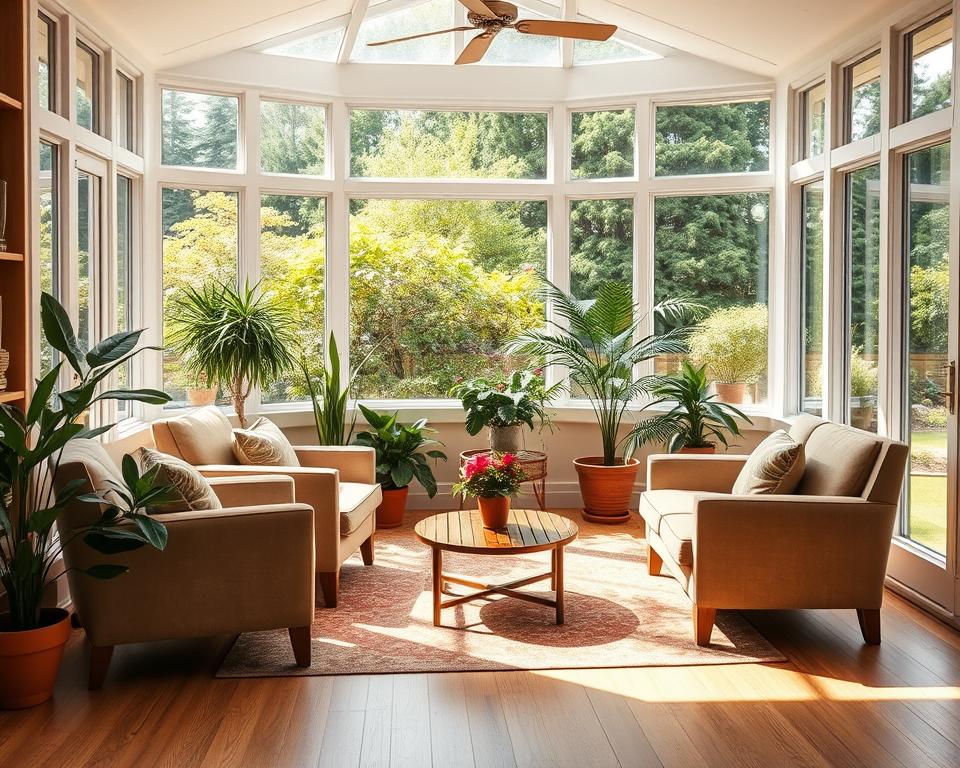
Before proceeding, here is a visual representation of how a garden room complying with the 2.5-meter rule might look:
Height Restrictions Explained
Under the 2.5-meter rule, the key determinant is that garden rooms must not exceed this height when positioned within 2 meters of a property boundary. This height limit is an essential criterion under the planning permission criteria to mitigate intrusions on neighbour privacy and to ensure the garden room integrates seamlessly into the surrounding environment. This rule applies to many types of garden buildings, including sheds, summerhouses, and more complex outbuildings like outdoor offices or studios.
Exceptions to the Rule
While the 2.5-meter rule simplifies planning permission criteria for many homeowners, exceptions exist. These exceptions often relate to the garden room’s use or its exact location on the property. For example, if the structure is intended for residential use or includes sleeping accommodations, different height limitation rules and planning permissions could apply despite the structure’s height.
Below is a concise breakdown of scenarios where exemptions to standard garden room specifications might occur:
| Usage | Typical Height Allowance | Planning Permission Required? |
|---|---|---|
| Storage | Up to 2.5 meters | No |
| Residential | Over 2.5 meters | Yes |
| Commercial | Up to 2.5 meters | Conditional |
This table illustrates a straightforward view of when additional planning criteria need consideration, especially if your garden structure deviates from the standard garden room specifications in terms of use or height, even if it remains within the 2.5-meter restriction.
How to Measure Your Garden Room Accurately
Ensuring that your garden room adheres to specific dimensions can be crucial for both legal compliance and personal satisfaction in your DIY projects. Accurate garden structure measurement is essential, particularly when dealing with regulations such as the 2.5-meter rule. This section provides practical advice on how to measure your garden room effectively, ensuring precise outdoor planning and DIY planning compliance.
- Tape measure – A reliable and flexible option for measuring physical distances
- Level – To ensure your measurements are perfectly horizontal or vertical
- Calculator – For quick calculations of area and volume, critical in planning
- Notebook – To jot down measurements and make any necessary calculations
- Camera or smartphone – To take pictures for future reference and to ensure all details are recorded accurately
Step-by-Step Guide to Measuring:
- Begin by clearing any debris or obstructions in the area where measurements will be taken.
- Use the tape measure to determine the ground dimensions starting from one corner to another. Ensure the tape is straight and level.
- Measure the height at various points to check for consistency, especially if the ground is uneven.
- Record all measurements in the notebook, taking extra care to double-check figures.
- Use the level to verify that all lines measured are straight, adjusting measurements where necessary.
- Photograph the setup with your camera or smartphone for your records.
- Finally, review all measurements and verify against compliance requirements for precise outdoor planning.
With these steps, you can be confident in achieving accurate measurements of your garden structure, complying with specific garden room regulations, and ensuring a successful execution of your outdoor projects.
Planning Permission and the 2.5 Meter Rule
The interplay between the 2.5-meter rule for garden rooms and the planning application process is intricate, emphasising the importance of adherence to avoid common pitfalls and ensure legal compliance. Understanding when one needs to obtain planning permission can be crucial for homeowners endeavouring to keep their property enhancements within legal bounds.
When You Need Planning Permission
Planning permission is generally not required for garden structures that are within the 2.5-meter height limit and are used for purposes incidental to a home. However, if the garden room is intended for residential use, exceeds the prescribed height, or is positioned less than 2 meters from a boundary, the planning application process becomes necessary. This adherence is vital for avoiding planning breaches that could lead to penalties.

Benefits of Complying with the 2.5 Meter Rule
Adhering to the 2.5 meter garden room rule brings multiple advantages, primarily revolving around legal compliance and peace of mind. Staying within these regulations not only prevents the potential for disruptive enforcement actions but also enhances the appeal of your property to future buyers who value proper authorisation and construction.
- Avoiding disputes with local councils or neighbours over construction norms and boundaries.
- Streamlined approvals where relevant, making it quicker and easier to start building works.
- Potential to increase property value with legally compliant additions that attract discerning buyers.
Designing a Garden Room Under the 2.5 Meter Rule
Creating a garden room that adheres to the 2.5 meter height limitation presents a unique challenge that blends creativity with compliance. This section explores the techniques and concepts necessary for achieving an optimal garden room design without surpassing height restrictions, thus ensuring both utility and compliance with height restrictions.
Maximising Space While Complying
To effectively utilise every centimetre of your garden room, careful planning and innovative use of space are paramount. Employing built-in storage solutions and choosing furniture that can be folded or stacked can free up floor space, making your garden room feel more spacious even within the confined vertical limit.
Innovative Design Ideas
Considering the constraint, incorporating retractable roofs or adjustable window designs can enhance the usability of your creative outdoor spaces. These features not only comply with height regulations but also introduce versatility, allowing for natural light adjustments according to your needs.
| Feature | Description | Benefits |
|---|---|---|
| Retractable Roof | Roof that can be opened or closed as needed. | Maximises natural light and increases headroom when open; complies with height limits when closed. |
| Adjustable Windows | Windows designed to change size or opaqueness based on controls. | Enhances privacy, controls light entry, helps in maintaining an ideal indoor environment. |
| Built-in Storage | Storage units integrated into walls or under seats. | Saves floor space, keeps the area uncluttered, and improves functionality. |

Designing within regulations doesn’t mean sacrificing beauty or functionality. Instead, it’s an opportunity to rethink traditional structures and push the boundaries of what’s possible within set limits. Consider these guidelines as a starting point for personalising your outdoor retreat while adhering to the 2.5 meter rule.
Common Misconceptions About the 2.5 Meter Garden Room Rule
When it comes to enhancing your home with a garden room, understanding the nuances of legal outdoor improvements is essential. However, some planning myths debunked over time still linger, creating confusion among homeowners. This section aims to clear up some common misconceptions by providing straightforward garden room facts.
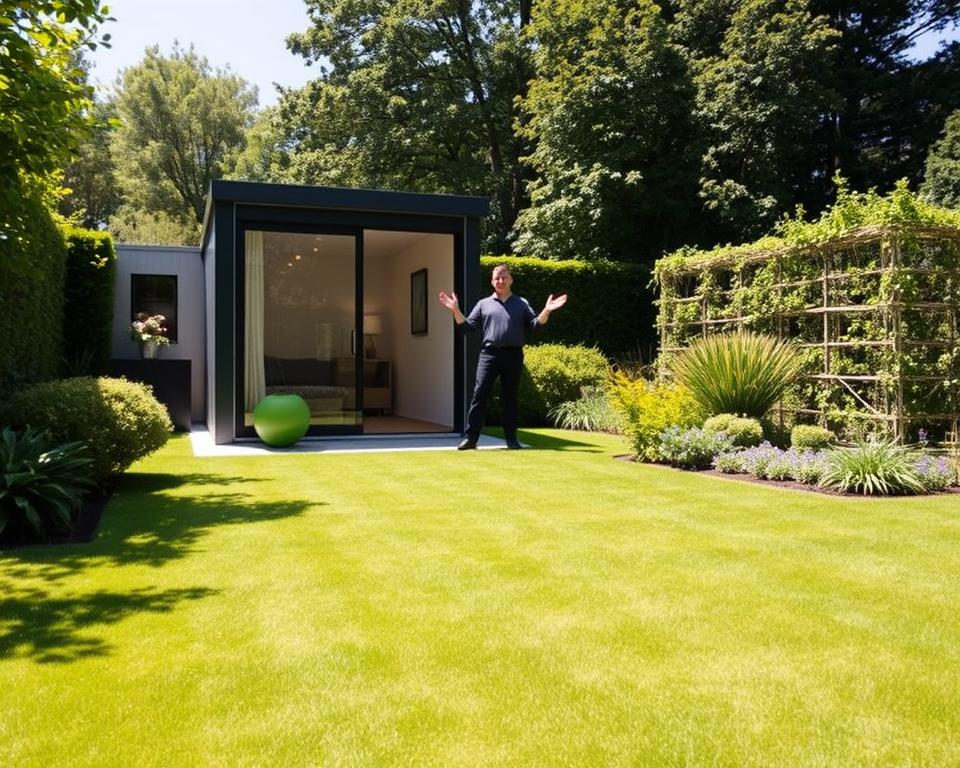
Firstly, many believe that any garden room under 2.5 meters in height is automatically exempt from planning permissions. While it’s true that garden rooms of this height often do not require planning permission, this is only the case if they meet certain other criteria—such as being built at least two meters away from the property’s boundary.
| Myth | Fact |
|---|---|
| Planning permission not needed if under 2.5 meters | Permission is not required if other conditions, such as location within the property, are also met |
| Garden rooms do not affect property value | A well-planned garden room can significantly increase property value, contingent on quality and compliance |
Another frequently encountered myth is the notion that garden rooms are a type of structure that can be built without adhering to any building regulations. It’s crucial to understand that while garden rooms are often less regulated than full building extensions, they must still comply with regulations concerning electrical installations and sometimes fire safety, especially if used as a living space.
To sum up, while the 2.5 meter rule does allow for certain freedoms, it’s encased within a framework of legal outdoor improvements designed to ensure safety and compliance. Always check with your local council to clarify any specifics related to your garden room project before starting works, ensuring you abide by the legal stipulations.
Case Studies: Successful Garden Room Projects Under 2.5 Meters
Exploring real-life examples of garden room examples under the strict height limitation demonstrates not only the creativity of homeowners but also their commitment to real-life planning adherence. These cases showcase both the aesthetic and practical benefits of such successful outdoor projects.
- Each garden room example selected for this showcase adhered to the 2.5-meter ceiling rule, affecting design choices from the outset.
- Homeowners focused on multifunctionality, integrating features like retractable furniture and vertical gardens to maximise space efficiently.
- The use of skylights and strategically placed windows enhanced the feeling of spaciousness within the limited height.
- Materials chosen typically involved eco-friendly options, which also complemented the garden aesthetically, fostering a seamless indoor-outdoor connection.
How Homeowners Benefited:
- By sticking to real-life planning adherence, many homeowners found that completion times were faster and there was less likelihood of costly post-completion adjustments.
- The addition of a garden room often significantly increased property value, providing an excellent return on investment.
- These successful outdoor projects provided much-needed additional living space without the necessity for full-scale home extensions.
- Functionality and style were not compromised, with each project tailored specifically to the homeowners’ lifestyle needs and personal aesthetics.
Conclusion
As we draw our discussion to a close, the garden room planning summary has underscored the significance of the 2.5-meter rule—and its implications for those wishing to enrich their UK outdoor space enhancement projects. We’ve navigated through the rule’s history, practicalities, and the critical measure of adherence that ensures homeowners do not fall foul of UK planning regulations.
The insights provided not only serve as a guide to tackling the planning phase but extend into the realms of design and construction. Whether you’re an aspiring garden room owner or a seasoned constructor, understanding the caveats and strategies for compliance is crucial in executing a successful project. The case studies highlighted have illustrated how diligent project planning insights, coupled with aesthetic and functional design, can create stunning, compliant garden rooms that add value and tranquility to one’s home.
With this comprehensive overview, we hope to have equipped you—the homeowner, designer, or planner—with the knowledge to seamlessly integrate the 2.5-meter garden room rule into your future ventures. Remember, the rule is not merely a regulatory hurdle but a stepping stone to creating harmonious, legal, and innovative outdoor spaces that capture the essence of bespoke British home enhancement. Cheers to your next inspired outdoor retreat!
FAQ
What is the 2.5 meter garden room rule?
The 2.5 meter garden room rule is a UK planning regulation that allows homeowners to build garden rooms, sheds, or similar outdoor structures without planning permission, provided the building does not exceed 2.5 meters in height at its highest point when situated within 2 meters of a property boundary.
Why is the 2.5 meter rule important for homeowners?
This rule is important as it gives homeowners the flexibility to enhance their property by adding a garden room or shed with minimal bureaucratic hurdles, potentially increasing property value and utility space, while ensuring compliance with UK planning laws.
What is the origin of the 2.5 meter garden room rule?
The 2.5 meter garden room rule originates from changes in UK planning policies aimed at streamlining processes for homeowners. The government introduced these modifications to reduce red tape and enable easier home improvements.
What are the height restrictions of the 2.5 meter garden room rule?
The height restrictions state that if the garden room is within 2 meters of the property boundary, it must not exceed 2.5 meters in height. For buildings farther from the boundary, different height allowances may apply.
Are there exceptions to the 2.5 meter rule?
Yes, there are exceptions. If the garden room is more than 2 meters from a boundary, it may be taller than 2.5 meters. Additionally, buildings in designated areas, such as Areas of Outstanding Natural Beauty or conservation areas, may face stricter regulations.
What tools do I need for accurately measuring my garden room?
You will need a tape measure, a ladder for access, a spirit level to ensure level measurements, and potentially, a laser level for precision.
When do I need planning permission in relation to the 2.5 meter rule?
You will need planning permission if your garden room exceeds the permitted development height restrictions, is intended for residential use, covers more than half the area of land around your home, or is within designated land.
What are the benefits of complying with the 2.5 meter rule?
Complying with the rule avoids the need for planning permission, helps to prevent enforcement action from your local authority, ensures peace of mind, and maintains good relations with neighbours.
How can I design a garden room within the 2.5 meter height restriction?
You can design a garden room within this restriction by focusing on space efficiency, considering low-profile roofing options, and selecting furnishings that maximise usability while enhancing the aesthetic appeal within the height limit.
What are some common misconceptions about the 2.5 meter garden room rule?
A common misconception is that the rule applies to the entire structure, while in fact, it specifically refers to the height within 2 meters of a boundary. Another is that any garden building under 2.5 meters is exempt from regulations, which isn’t always the case, particularly in designated areas.
Can you provide examples of successful garden room projects under 2.5 meters?
Certainly, there are numerous case studies where garden rooms have been constructed within the height restriction, offering creative workspaces, relaxation areas, or entertainment rooms, all adding functional and financial value to properties.