Essential Furnishing Tipps Summerhouse: Your Complete Guide
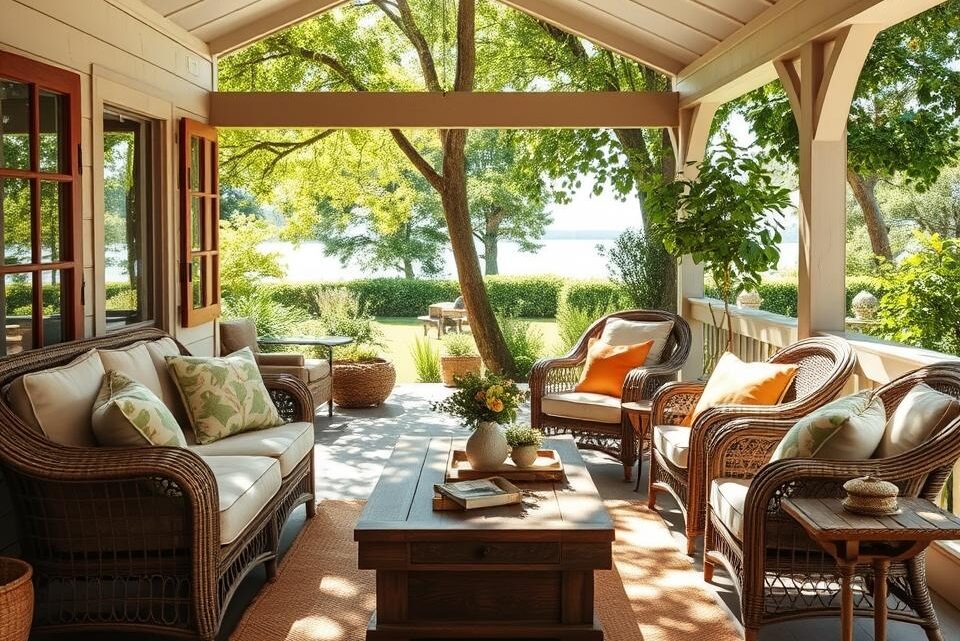
Creating the perfect garden retreat requires thoughtful planning and smart design choices. Your outdoor building can become a comfortable sanctuary where you escape daily stress and enjoy peaceful moments throughout the warmer seasons.
This comprehensive guide explores practical strategies for selecting the right summerhouse furniture that maximises both comfort and functionality. Whether you’re working with a compact studio or spacious garden room, you’ll discover how to optimise every square metre effectively.
From essential seating solutions to clever storage ideas, we’ll cover everything needed to transform your space. You’ll learn about budget-friendly approaches and discover how thoughtful garden room decor creates an inviting atmosphere perfect for relaxation and entertaining guests.
Our expert recommendations will help you avoid common mistakes whilst creating a personalised retreat that reflects your style and meets your specific needs.
Inhaltsverzeichnis
Key Takeaways
- Choose furniture that maximises space whilst maintaining comfort and functionality
- Prioritise weather-resistant materials for long-lasting outdoor furniture investments
- Implement clever storage solutions to keep your garden room organised and clutter-free
- Balance decorative elements with practical needs for optimal room design
- Consider multi-purpose furniture pieces to make the most of limited space
- Plan your layout before purchasing to ensure proper flow and accessibility
Planning Your Summerhouse Layout and Design
Before selecting your first piece of outdoor furniture, establishing a clear vision for your summerhouse is essential. This planning phase determines how effectively you’ll use your space and influences every furnishing decision that follows. Thoughtful preparation saves both time and money whilst ensuring your finished summerhouse meets your specific needs.
“Good design is a lot like clear thinking made visual. It’s about making the complex simple and the simple beautiful.”
Assessing Your Available Space and Requirements
Start by measuring your summerhouse accurately, noting ceiling height, floor dimensions, and any architectural features. Record window positions and door swing patterns, as these affect furniture placement significantly. Consider how natural light enters throughout the day and identify areas with the best ventilation.
List your intended uses for the space. Will it serve as a home office, relaxation retreat, or entertaining area? Different functions require different furniture arrangements and storage solutions. Factor in seasonal usage patterns and whether you’ll need heating or cooling systems.
Creating a Functional Floor Plan
Sketch your summerhouse to scale, marking fixed elements like windows and doors. Create zones for different activities, ensuring smooth traffic flow between areas. Leave adequate space for people to move comfortably around furniture pieces.
Consider sight lines from seating areas to windows and focal points. Plan electrical outlet locations early, as this affects where you can position lighting and electronic devices. Remember that flexibility allows you to adapt the space for different seasons and occasions.
Choosing Your Overall Design Theme
Select a summerhouse design theme that complements your garden and home architecture. Rustic cottage styles work beautifully with traditional gardens, whilst contemporary minimalist approaches suit modern landscapes. Coastal themes bring a relaxed holiday feeling, perfect for creating a retreat atmosphere.
Your chosen theme guides colour palettes, material selections, and decorative elements. Consistency in style creates visual harmony and makes furnishing decisions easier. Consider how your theme will look throughout different seasons and weather conditions.
Essential Furnishing Tipps Summerhouse: Core Furniture Selection
Smart furniture selection determines whether your summerhouse becomes a cherished retreat or a disappointing investment. The key lies in choosing pieces that balance comfort, functionality, and durability whilst withstanding the unique challenges of seasonal use. Your core furniture forms the foundation upon which all other decorative elements will build.
When selecting weatherproof furnishings, consider materials that can handle temperature fluctuations, humidity, and occasional moisture exposure. Quality pieces will serve you well for years, making the initial investment worthwhile.
Selecting Weather-Resistant Seating Options
Your seating choices set the tone for comfort and relaxation in your summerhouse. Treated timber furniture offers natural beauty and excellent durability when properly maintained. Teak and cedar naturally resist moisture and insects, making them ideal for year-round use.
Powder-coated aluminium frames provide lightweight yet sturdy support for cushioned seating. These frames won’t rust or corrode, ensuring longevity even in damp conditions. Weather-resistant rattan offers a classic look whilst handling humidity changes effectively.
Consider modular seating systems that allow flexible arrangements. Sectional pieces can be reconfigured for different occasions, from intimate conversations to larger gatherings.
Choosing Durable Tables and Work Surfaces
Multi-purpose tables serve various functions throughout the seasons. Solid wood tables with protective finishes resist warping and staining whilst maintaining their natural appeal. Look for tables with reinforced joints and quality hardware.
Composite materials offer excellent weather resistance without the maintenance requirements of natural wood. These surfaces handle hot dishes, spilled drinks, and craft projects with ease. Folding or extending tables maximise space efficiency when needed.
Consider height-adjustable options that work for both dining and workspace activities. This versatility proves invaluable for remote working or creative projects.
Essential Storage Furniture Pieces
Seasonal storage solutions keep your summerhouse organised and protect belongings from dust and moisture. Built-in storage benches provide seating whilst hiding cushions, games, and seasonal items. These dual-purpose pieces maximise limited space effectively.
Weatherproof cabinets with proper sealing protect valuable items from humidity damage. Choose pieces with adjustable shelving to accommodate different storage needs throughout the year. Ventilated storage prevents condensation build-up that could damage contents.
Ottoman storage pieces offer flexible seating and hidden compartments for frequently used items. Select models with removable, washable covers for easy maintenance. These versatile pieces work equally well indoors and on covered outdoor areas.
Invest in furniture with multiple functions to maximise your space and budget. Quality core pieces form the backbone of your summerhouse, supporting both daily comfort and long-term enjoyment of your retreat.
Creating Comfortable and Inviting Seating Areas
Transform your summerhouse into a haven of comfort by carefully planning seating areas that invite both solitude and socialising. The key lies in understanding how different arrangements serve various purposes throughout your garden retreat. Whether you’re seeking a quiet reading nook or a vibrant entertaining space, thoughtful seating placement makes all the difference.
Consider how budget decorating techniques can help you achieve professional results without overspending. Smart furniture choices and creative arrangements often matter more than expensive pieces.
Indoor Seating Arrangements
Start by creating distinct zones within your summerhouse interior. Position a comfortable armchair near a window to establish a perfect reading corner. This arrangement takes advantage of natural light whilst providing a peaceful retreat.
For conversation areas, arrange seating in a U-shape or circular pattern. This encourages interaction whilst maintaining comfortable distances between guests. A small side table within reach of each seat proves invaluable for drinks and personal items.
“The best seating arrangements feel natural and unforced, allowing people to move and interact comfortably.”
Consider the relationship between your seating and summerhouse lighting. Position reading chairs where they benefit from both natural daylight and evening artificial light sources.
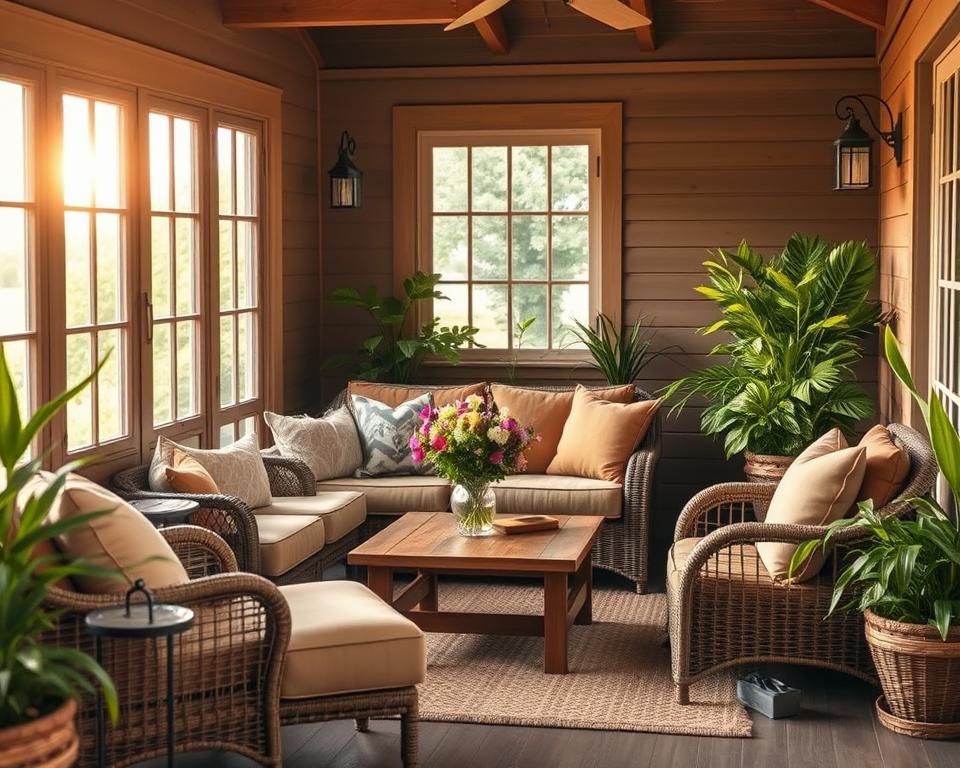
Extending to Outdoor Spaces
Create seamless transitions between indoor and outdoor seating areas. Place weather-resistant furniture just outside your summerhouse doors to extend your living space naturally.
Outdoor seating works best when it mirrors your indoor arrangements. Use similar colour schemes and styles to maintain visual continuity. This approach makes your entire space feel larger and more cohesive.
| Seating Type | Best Location | Primary Use | Weather Resistance |
|---|---|---|---|
| Armchairs | Indoor corners | Reading, relaxation | Low priority |
| Benches | Outdoor perimeter | Casual seating | Essential |
| Dining sets | Central areas | Meals, games | Moderate |
| Loungers | Sunny spots | Sunbathing, napping | High priority |
Adding Cushions and Soft Furnishings
Soft furnishings transform basic seating into inviting comfort zones. Choose fabrics that resist fading and moisture whilst remaining easy to clean. Outdoor-rated materials work excellently for both indoor and outdoor applications.
Layer different textures and patterns to create visual interest. Mix solid colours with subtle patterns to avoid overwhelming your space. This approach supports effective budget decorating by maximising impact from fewer pieces.
Store cushions and throws in waterproof containers when not in use. This simple step extends their lifespan significantly and maintains their fresh appearance throughout the seasons.
Maximising Storage and Organisation Solutions
A well-organised summerhouse transforms your garden building interior into a truly functional outdoor living space. Smart storage solutions prevent clutter from overwhelming your retreat. They also ensure every item has its designated place.
Effective organisation extends the usable life of your furnishings. It protects valuable items from damage and makes maintenance much easier. Planning your storage strategy from the outset saves both time and money.
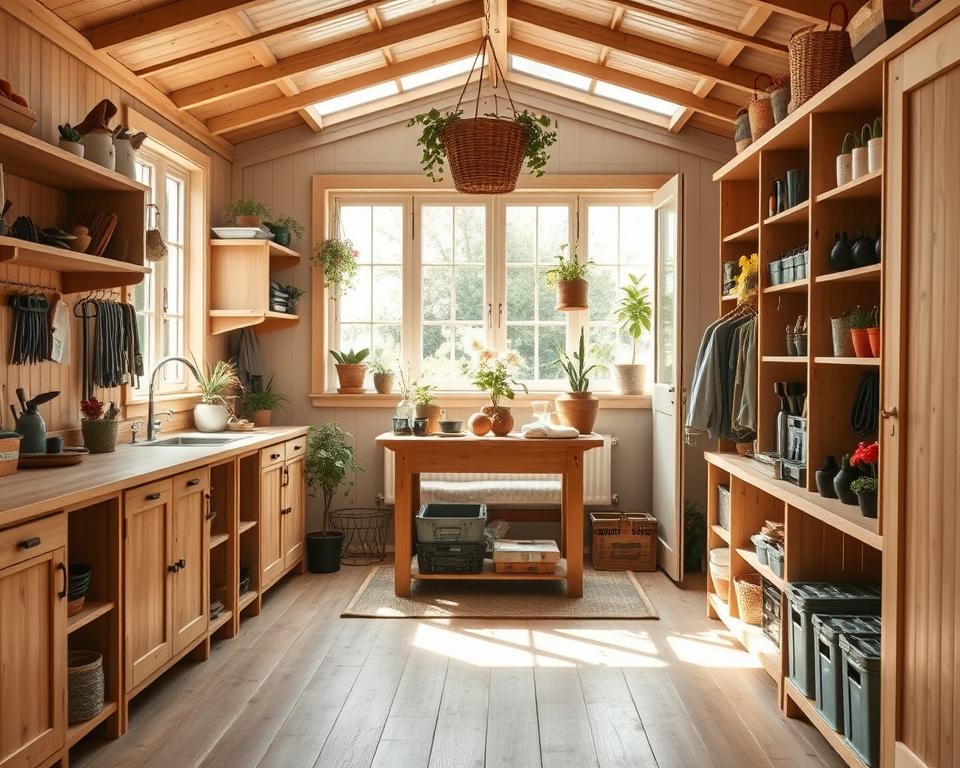
Installing Built-in Storage Systems
Built-in storage maximises every available inch without compromising floor space. Under-bench storage creates hidden compartments for tools and equipment. Wall-mounted cabinets keep frequently used items within easy reach.
Ceiling-hung solutions work brilliantly for seasonal decorations. They utilise otherwise wasted vertical space effectively. Custom shelving systems can be tailored to fit awkward corners and angles.
Consider installing pull-out drawers beneath seating areas. These provide excellent access to stored items. Sliding doors save space compared to traditional hinged alternatives.
Utilising Multi-functional Furniture
Multi-functional pieces serve double duty in compact spaces. Storage ottomans provide seating whilst hiding cushions and throws. Expandable dining tables accommodate varying group sizes efficiently.
Modular seating systems offer remarkable flexibility for different occasions. They can be reconfigured quickly as needs change. Invest in quality pieces that withstand frequent rearrangement.
Bench seating with lift-up tops creates substantial storage capacity. Coffee tables with built-in compartments keep magazines and games organised. These solutions maintain clean lines whilst maximising functionality.
Organising Seasonal Items Efficiently
Seasonal organisation requires systematic planning and appropriate containers. Waterproof storage boxes protect cushions from moisture damage. Clear labelling systems help locate items quickly when needed.
Create designated zones for different categories of items. Garden tools require different storage than outdoor games. Rotating seasonal displays keeps your space feeling fresh and current.
| Storage Type | Best For | Capacity | Weather Protection |
|---|---|---|---|
| Built-in Cupboards | Tools & Equipment | High | Excellent |
| Storage Ottomans | Cushions & Textiles | Medium | Good |
| Wall Shelving | Books & Decoratives | Medium | Fair |
| Under-bench Drawers | Games & Accessories | High | Excellent |
Implementing Effective Lighting Solutions
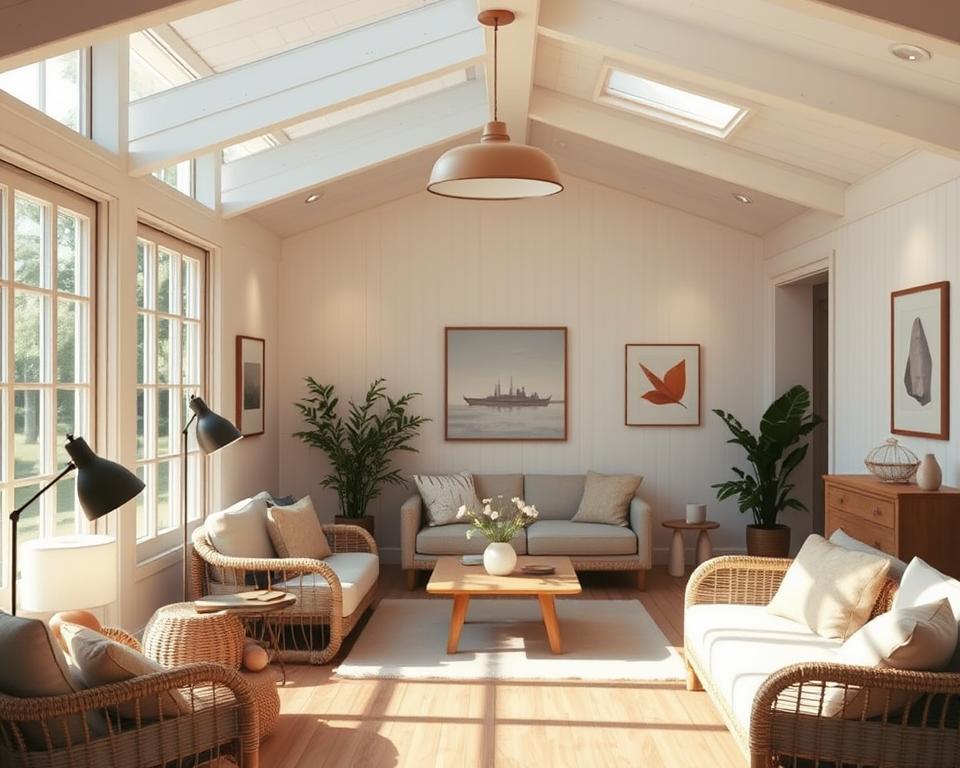
The right lighting scheme can dramatically enhance your summerhouse interior design, creating an inviting atmosphere for any time of day. Well-planned illumination extends your space’s usability from early morning through late evening. This transforms your garden building into a truly versatile retreat.
Successful lighting design involves layering different types of illumination to create depth and functionality. You’ll want to combine natural light optimisation with carefully chosen artificial systems. The goal is creating zones that serve different purposes whilst maintaining visual harmony.
Optimising Natural Light Sources
Natural light forms the foundation of any effective lighting strategy. Position mirrors strategically opposite windows to bounce daylight deeper into your space. This simple technique can double the perceived brightness without any electrical work.
Choose window treatments that maximise light whilst providing privacy when needed. Sheer curtains or adjustable blinds allow you to control brightness levels throughout the day. Light-coloured furnishings and walls also help reflect natural illumination around your space.
Consider installing skylights or additional windows if your summerhouse structure allows. These modifications can transform darker corners into bright, usable areas. Strategic furniture placement ensures nothing blocks your precious natural light sources.
Installing Artificial Lighting Systems
Artificial lighting systems range from mains-powered solutions to solar and battery alternatives. LED strip lights under shelving create subtle illumination without overwhelming your space. These energy-efficient options provide excellent value for money.
Table lamps and floor lamps offer flexibility for your garden retreat furnishing scheme. You can easily move these around to suit different activities or seasons. Battery-powered options eliminate the need for complex electrical installations.
Consider installing dimmer switches for overhead lighting. This allows you to adjust brightness levels according to the time of day or activity. Smart lighting systems can even be controlled remotely via smartphone apps.
Creating Ambient and Task Lighting Zones
Ambient lighting provides general illumination for your entire space. Ceiling-mounted fixtures or wall sconces work well for this purpose. Aim for even distribution without harsh shadows or glare spots.
Task lighting focuses on specific activities like reading, crafting, or food preparation. Desk lamps, under-cabinet lighting, or adjustable spotlights serve these purposes effectively. Position these lights to eliminate shadows on your work surface.
“Good lighting is like good bone structure. You don’t think about it, but it makes everything look better.”
Accent lighting highlights decorative features and creates visual interest. LED strips behind furniture or small spotlights on artwork add drama to your space. These finishing touches elevate your summerhouse from functional to fabulous.
Layer these three lighting types to create a sophisticated scheme that adapts to any occasion. Start with ambient lighting as your base, add task lighting where needed, then finish with accent pieces for atmosphere.
Adding Character with Decorative Elements
The right decorative touches can elevate your summerhouse from functional space to inspiring sanctuary. These personal elements reflect your unique style whilst creating an inviting atmosphere that draws you in throughout the seasons. Thoughtful decoration transforms any garden building into a true extension of your home, making it a place where you genuinely want to spend time.
Your decorative choices should balance visual appeal with practicality. Garden buildings face unique challenges from humidity and temperature changes. This means selecting items that can withstand these conditions whilst maintaining their beauty over time.
Wall Art and Weather-Resistant Decorations
Choose wall art specifically designed for variable conditions when exploring outdoor decor ideas. Metal sculptures and ceramic pieces work brilliantly in summerhouses. They resist moisture damage whilst adding sophisticated visual interest to your walls.
Canvas prints require protective glass or acrylic covers to prevent warping. Vintage-style metal signs and wooden plaques treated with weatherproof finishes create charming focal points. Consider creating a gallery wall with mixed materials for maximum impact.
Floating shelves display smaller decorative objects beautifully. Arrange collections of interesting stones, shells, or vintage finds to personalise your space without overwhelming it.
Plants and Natural Elements
Indoor plants breathe life into your summerhouse whilst improving air quality. Snake plants and pothos thrive in varying light conditions. These low-maintenance options continue flourishing even when you’re away for extended periods.
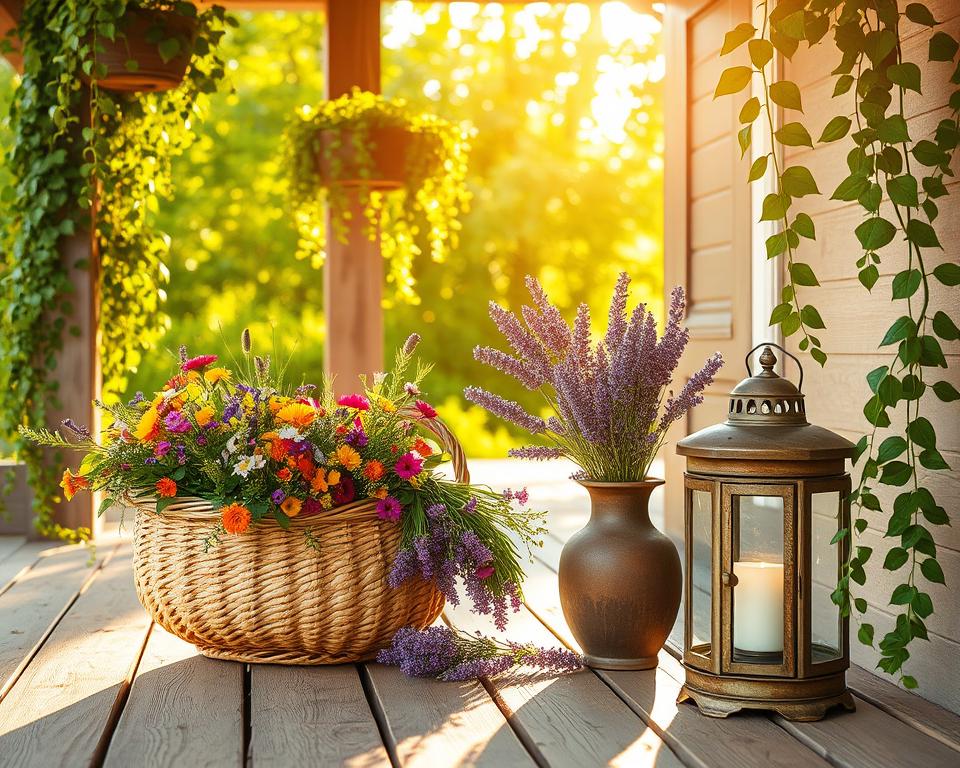
Dried flower arrangements and preserved botanicals add natural beauty without requiring water or regular care. Incorporate driftwood, interesting branches, or stone collections to strengthen the connection with your garden setting.
Herb planters on windowsills serve both decorative and practical purposes. Fresh basil, mint, or rosemary provide wonderful scents whilst offering ingredients for outdoor cooking.
Textiles and Finishing Touches
Successful summerhouse styling includes textiles that add warmth and comfort. Choose outdoor-rated fabrics for cushions and throws. These materials resist fading and moisture damage whilst providing the softness indoor fabrics offer.
Natural fibre rugs define seating areas and add texture underfoot. Jute and sisal options work particularly well in garden buildings. Lightweight curtains or blinds provide privacy whilst filtering harsh sunlight during peak summer months.
Small finishing touches make the biggest difference. Candles in hurricane lanterns, interesting bookends, or a vintage clock complete your decorative scheme whilst maintaining the practical nature of your summerhouse retreat.
Weatherproofing and Seasonal Maintenance
Effective furniture protection and seasonal maintenance strategies can extend the lifespan of your summerhouse furnishings by decades. Weather conditions pose constant challenges to outdoor and semi-outdoor furniture. Proper care ensures your investment continues providing comfort and beauty throughout many seasons.
Understanding the specific threats your furnishings face helps you develop targeted protection strategies. Moisture, temperature fluctuations, and UV exposure can cause significant damage over time. Prevention remains far more cost-effective than replacement.
Shielding Items from Environmental Hazards
Wooden furniture requires regular application of protective treatments to maintain its integrity. Apply weatherproof stains or sealants annually before the wet season begins. These treatments create barriers against moisture penetration and UV damage.
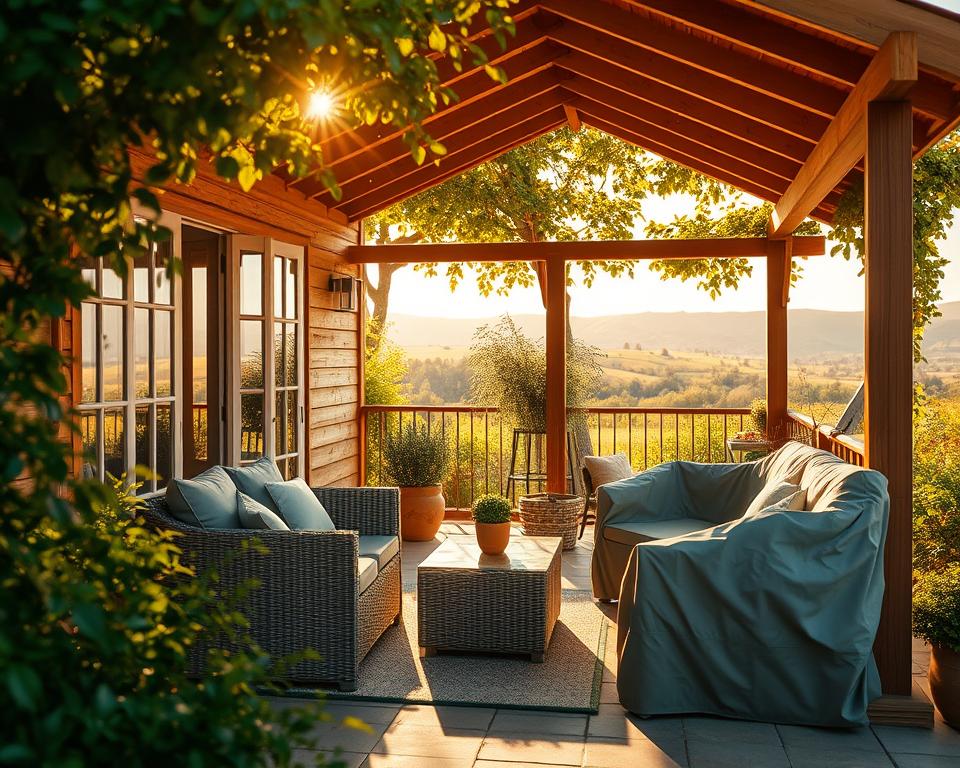
Fabric furnishings benefit from waterproof covers during periods of non-use. Choose breathable materials that prevent condensation buildup whilst blocking rain and debris. Remove covers periodically to allow air circulation and prevent mould growth.
Metal furniture needs protection from rust and corrosion. Clean surfaces regularly and apply appropriate protective coatings. Store cushions and removable fabric elements indoors during harsh weather periods.
Winter Storage Preparation
Thorough cleaning precedes proper winter storage preparation. Remove all dirt, moisture, and organic matter that could attract pests or promote decay. Allow everything to dry completely before storage.
Disassemble furniture where possible to maximise storage space and reduce stress on joints. Store components in dry, well-ventilated areas away from direct ground contact. Use moisture absorbers in enclosed storage spaces.
Arrange stored items to promote air circulation whilst protecting surfaces from scratches. Cover delicate finishes with soft cloths or protective wrapping materials.
Ongoing Care Throughout Summer
Regular seasonal maintenance routines prevent minor issues from becoming major problems. Inspect furniture monthly for signs of wear, loose joints, or developing damage. Address problems immediately to prevent escalation.
Establish weekly cleaning schedules appropriate for each material type. Dust accumulation and organic debris can cause staining and deterioration if left unattended. Use appropriate cleaning products for different surfaces.
| Material Type | Monthly Inspection | Cleaning Frequency | Protection Method |
|---|---|---|---|
| Wooden Furniture | Check for cracks, loose joints | Weekly dusting, monthly deep clean | Annual staining/sealing |
| Metal Pieces | Look for rust spots, corrosion | Bi-weekly cleaning | Protective coating application |
| Fabric Items | Check for tears, fading | Weekly vacuuming, spot cleaning | Waterproof covers, indoor storage |
| Wicker/Rattan | Inspect weaving integrity | Weekly dusting, monthly washing | UV protection spray, covers |
Document your maintenance activities to track patterns and plan future care schedules. This systematic approach ensures nothing gets overlooked whilst building valuable experience for future seasons.
Smart Budget-Friendly Furnishing Strategies
Smart furnishing approaches can help you achieve a stunning summerhouse design whilst keeping costs firmly under control. Creating your perfect affordable summerhouse furniture collection requires strategic thinking rather than substantial spending. The key lies in combining creative solutions with savvy shopping techniques.
Budget-conscious homeowners can transform their spaces through careful planning and resourceful approaches. These strategies ensure every pound spent contributes meaningfully to your overall vision.
Creative Projects and Upcycling Opportunities
Transforming existing items into beautiful summerhouse pieces offers tremendous savings potential. Upcycling old furniture with weather-resistant paints creates unique statement pieces at fraction of retail costs.
Consider these rewarding DIY garden room projects:
- Refinishing wooden chairs with marine-grade varnish
- Converting old ladders into rustic shelving units
- Creating storage benches from reclaimed timber
- Repurposing vintage crates as decorative storage
These projects typically cost 60-70% less than purchasing equivalent new items. Reclaimed materials add character whilst reducing environmental impact.
Discovering Quality Pieces at Reasonable Prices
Strategic shopping timing significantly impacts your furnishing budget. End-of-season sales offer substantial discounts on garden furniture and accessories.
| Shopping Source | Best Timing | Average Savings | Quality Level |
|---|---|---|---|
| Garden centres | September-October | 40-60% | High |
| Online marketplaces | Year-round | 30-50% | Variable |
| Furniture outlets | January-February | 50-70% | Medium-High |
| Local craftspeople | Winter months | 20-40% | Excellent |
Implementing a Phased Furnishing Approach
Spreading purchases across multiple seasons prevents budget strain whilst ensuring thoughtful selections. Phase one should focus on essential seating and basic storage.
Subsequent phases can introduce decorative elements and specialised pieces. This approach allows you to assess each addition’s impact before committing to further purchases.
Planning phases around seasonal sales maximises value whilst building your ideal affordable summerhouse furniture collection gradually.
Transform Your Garden Retreat Into the Perfect Sanctuary
Your summerhouse transformation journey begins with the practical steps outlined in this guide. Each element works together to create a space that serves you throughout every season.
Smart planning forms the foundation of garden building success. Start with your layout and build upon it with weather-resistant furniture that matches your lifestyle needs. The seating arrangements you choose will determine how you use the space for years to come.
Storage solutions and lighting systems might seem like small details, but they make the difference between a functional retreat and a cluttered shed. Decorative elements add personality whilst weatherproofing protects your investment.
Budget-friendly approaches mean you can create your ideal space without financial strain. Begin with essential pieces and add character over time. DIY projects and careful shopping will stretch your pounds further than you might expect.
Your summerhouse should reflect your personal style whilst serving practical purposes. Whether you need a quiet reading nook, entertaining space, or hobby room, the right furnishing choices will make it happen.
Take the first step today. Choose one area to focus on and begin your summerhouse transformation. Small changes create big impacts, and your garden building success starts with a single decision to improve your outdoor living experience.
FAQ
What are the most essential furniture pieces I need for my summerhouse?
The core essentials include weather-resistant seating (such as treated timber or powder-coated metal chairs), a durable table for dining and activities, and storage furniture like built-in benches or weatherproof cabinets. Start with these basics and gradually add decorative elements and comfort features like cushions and soft furnishings to create a fully functional space.
How do I measure my summerhouse space properly for furniture planning?
Begin by measuring the interior dimensions including length, width, and height, then note the positions of doors, windows, and any built-in features. Create a simple floor plan marking these elements, and consider door swing patterns and natural light sources. Leave adequate space for movement between furniture pieces – typically 60-90cm for walkways.
Which materials work best for summerhouse furniture in British weather?
Treated timber, powder-coated aluminium, and weather-resistant rattan are excellent choices for British conditions. These materials handle humidity and temperature fluctuations well. Avoid untreated wood or fabrics that aren’t specifically designed for outdoor use, as they may warp, fade, or develop mould in damp conditions.
How can I maximise storage in a small summerhouse?
Focus on multi-functional furniture like storage ottomans and benches with hidden compartments. Install wall-mounted cabinets and utilise ceiling-hung storage to keep floor space clear. Consider modular systems that can be reconfigured as needed, and use vertical space efficiently with tall, narrow storage units.
What’s the best way to arrange seating for both relaxation and entertaining?
Create flexible seating arrangements using moveable pieces that can be reconfigured. Position a comfortable armchair in a quiet corner for reading, and arrange additional seating in a conversation area facing each other. Consider extending seating to outdoor spaces with portable options that can move between indoor and outdoor areas.
How do I protect my summerhouse furnishings during winter?
Apply protective treatments to wooden furniture before winter, use breathable covers for upholstered pieces, and ensure proper ventilation to prevent condensation. Store delicate items in weatherproof containers, and consider moving valuable pieces indoors. Regular cleaning before storage prevents mould and pest issues.
What lighting options work best for summerhouse use?
Combine natural light optimisation with layered artificial lighting. Use mirrors to enhance daylight, install LED strip lights for general illumination, and add task lighting for reading or crafting. Solar-powered and battery-operated options work well if mains electricity isn’t available, providing flexibility without wiring complications.
How can I furnish my summerhouse on a tight budget?
Focus on DIY projects and upcycling existing furniture with weather-resistant paints and treatments. Shop seasonal sales, explore online marketplaces, and consider a phased approach – start with essentials and add pieces gradually. Repurposing household items and creating custom storage solutions can significantly reduce costs.
What plants work well inside a summerhouse?
Choose low-maintenance houseplants that tolerate varying light conditions and humidity levels. Spider plants, pothos, and snake plants are excellent choices. Consider seasonal arrangements with potted herbs or flowering plants that can move outdoors when weather permits, creating a seamless indoor-outdoor connection.
How do I choose the right design theme for my summerhouse?
Consider your garden setting and personal preferences when selecting a theme. Rustic cottage styles work well with traditional gardens, whilst contemporary minimalist approaches suit modern landscapes. Ensure your chosen theme complements your main house and garden design for a cohesive overall appearance.
What’s the best way to maintain summerhouse furniture throughout the season?
Establish a regular cleaning schedule using appropriate products for each material type. Inspect furniture monthly for signs of wear or weather damage, and address issues promptly. Apply protective treatments as recommended by manufacturers, and ensure good ventilation to prevent moisture buildup and mould growth.
How can I create effective zones in my summerhouse layout?
Define functional areas based on your intended use – dining, relaxation, work, or storage zones. Use furniture placement, lighting, and decorative elements to create visual separation between areas. Consider traffic flow between zones and ensure each area has adequate natural light and ventilation for its intended purpose.