Design Ideas for a Summer House with a Veranda
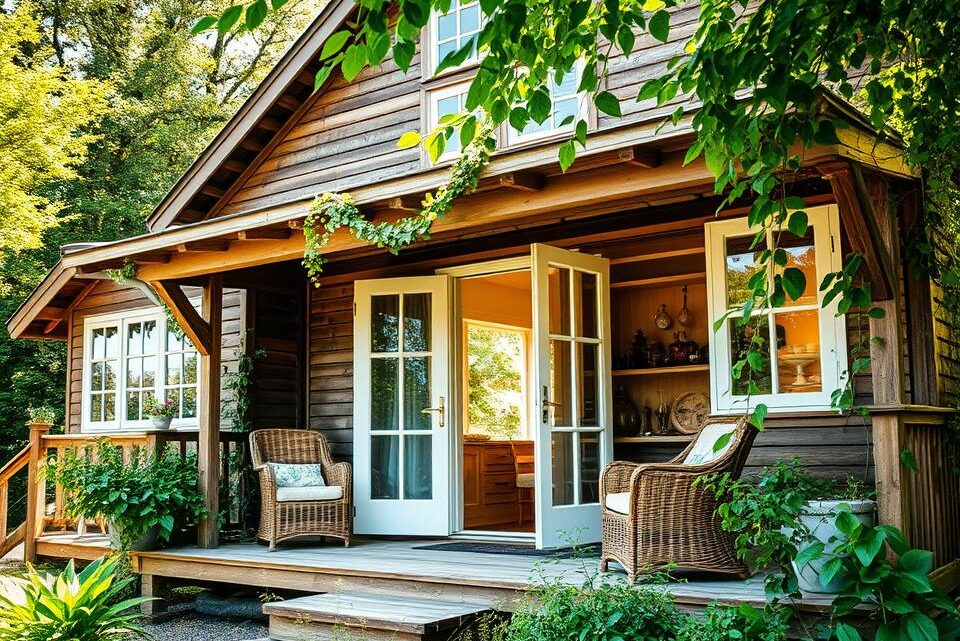
A summer house with a veranda is more than just an outdoor structure—it’s a versatile retreat that blends seamlessly with your garden. Whether used as a home office, a cosy reading nook, or an alfresco dining spot, these spaces offer both practicality and charm.
Open Space Concepts specialises in insulated garden rooms, ensuring year-round comfort. Their designs cater to modern lifestyles, from sleek glass extensions to compact Aura Pods. The integration of natural light and open-air elements enhances relaxation and productivity.
Spending time in such outdoor spaces has proven health benefits, including reduced stress and improved mental clarity. With thoughtful planning, your summer house can become a sanctuary tailored to your needs.
Inhaltsverzeichnis
Key Takeaways
- Summer houses with verandas provide flexible uses, from workspaces to relaxation zones.
- Insulated garden rooms ensure comfort throughout the year.
- Natural light and open designs boost wellbeing and focus.
- Modern upgrades like glass extensions suit contemporary gardens.
- Outdoor structures enhance property value and lifestyle quality.
Introduction to Summer Houses with Verandas
Stepping into a garden room with a veranda instantly transports you to a peaceful retreat. These structures are detached garden buildings designed for transitional outdoor living, blending shelter with open-air freedom.
Studies show that spending time in such spaces lowers stress hormones and lifts mood. “Nature connectivity fosters mental clarity,” notes a recent wellbeing report. A veranda extends your living space, offering sunlight and fresh air—key ingredients for relaxation.
Versatility is another perk. These garden rooms serve as:
- Quiet home offices for remote workers
- Leisure zones for family gatherings
- Cosy corners for reading or meditation
For UK climates, durability matters. Open Space Concepts, a Trustpilot-rated provider, crafts designs resilient to rain and wind. Their year-round solutions include insulated walls and reinforced roofing.
| Feature | Benefit |
|---|---|
| Weather-resistant timber | Withstands UK seasons |
| Double-glazed windows | Retains heat in winter |
| Sliding doors | Enhances indoor-outdoor flow |
A veranda isn’t just an add-on—it’s a bridge between your home and garden. Whether sipping morning coffee or hosting evening dinners, this space adapts to your lifestyle seamlessly.
Types of Summer Houses to Consider
From sleek contemporary builds to rustic log cabins, summer houses come in diverse styles to suit every taste. The right choice depends on your garden’s layout, aesthetic preferences, and how you plan to use the space.
Contemporary Summer Houses
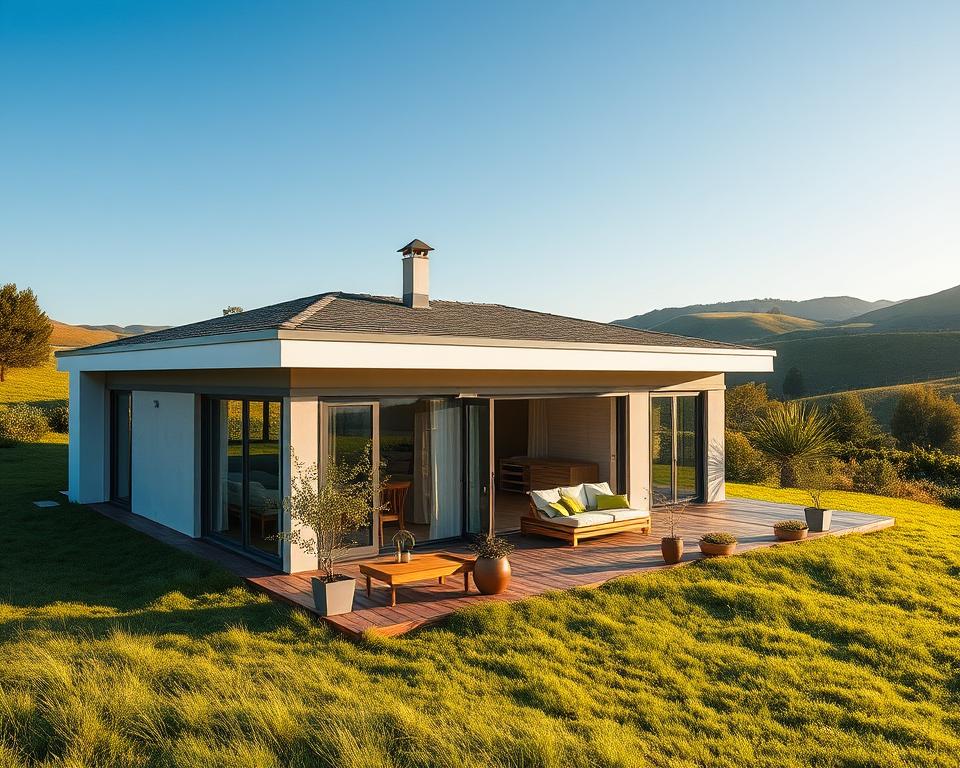
For a minimalist look, models like the BillyOh Bella Pent feature clean lines and glass panels. These structures suit modern gardens, offering seamless indoor-outdoor flow. Ideal for home offices or yoga studios, they prioritise light and space.
Traditional Garden Rooms
Ornate apex roofs and wooden detailing define classics such as the BillyOh Holly Apex. These garden rooms evoke countryside charm, perfect for tea nooks or potting sheds. Double-glazed windows ensure year-round cosiness.
Corner Summer Houses
Compact yet functional, the BillyOh Picton maximises awkward garden corners. Its angled designs include built-in storage, making it a practical pick for small plots.
Log Cabin Designs
Blending rustic appeal with modern durability, log cabins thrive in woodland settings. Their thick timber walls insulate against British weather, creating a snug retreat for all seasons.
| Style | Best For | Key Feature |
|---|---|---|
| Contemporary | Urban gardens | Glass walls |
| Traditional | Countryside plots | Apex roofs |
| Corner | Small spaces | Space-saving angles |
| Log Cabin | Woodland areas | Insulated timber |
Whether you prefer the crisp lines of a modern garden building or the warmth of a log cabin, each style offers unique perks. Consider your garden’s size and your lifestyle needs to make the perfect match.
Key Design Elements for Your Summer House
The right materials and layout transform a simple garden structure into a year-round retreat. Focus on durability, seamless transitions, and ambient touches to create a space that suits your lifestyle.
Choosing the Right Materials
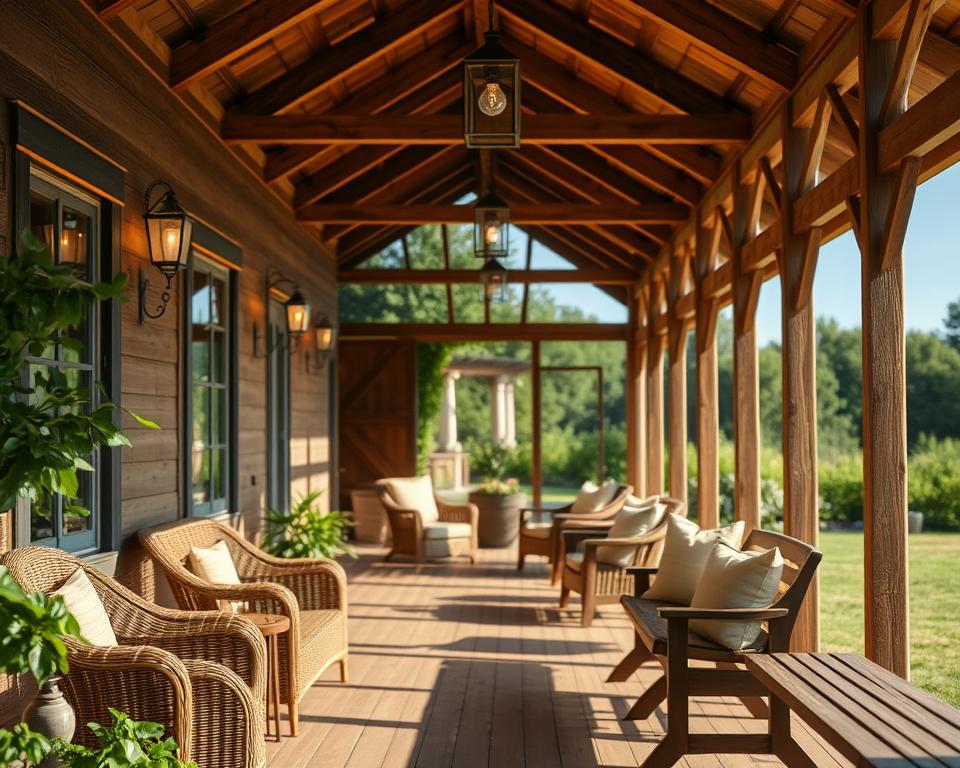
Weather-resistant materials ensure longevity. Pressure-treated timber, powder-coated steel, and toughened glass are top picks for UK climates. Open Space Concepts uses insulated glass and sustainable timber in their designs, like the adaptable Aura Pods.
For year-round use, prioritise thermal cladding and double-glazing. These features keep the space warm in winter and cool in summer.
Incorporating a Veranda
A veranda extends your living area. Consider these details:
- Width: At least 2 metres for comfortable seating.
- Roof overhangs: Protect against rain while allowing sunlight.
- Decking transitions: Use composite boards for low-maintenance durability.
Lighting and Ambience
Lighting sets the mood. LED strips under eaves add a modern glow, while solar-powered markers illuminate pathways. Pendant lamps over seating areas create a cosy evening atmosphere.
| Material | Pros | Cons |
|---|---|---|
| Pressure-treated timber | Affordable, natural look | Requires annual sealing |
| Powder-coated steel | Minimal upkeep, sleek finish | Less rustic appeal |
| Toughened glass | Maximises light, modern | Higher cost |
Blending these elements makes your garden structure both functional and inviting. A veranda is a great way to enjoy the outdoors, whatever the season.
Functional Uses for Your Summer House
Transform your garden into a multi-functional haven with these clever uses for your outdoor space. A well-planned structure blends work, dining, and relaxation seamlessly.
Outdoor Office Space
Working from home? A garden office boosts productivity with natural light and quiet surroundings. Opt for ergonomic furniture, WiFi boosters, and acoustic insulation for a professional setup.
Open Space Concepts’ Vue Collection offers hobby studios with ample glazing. “Nature views reduce stress and enhance focus,” notes a recent workplace study.
Al Fresco Dining Area
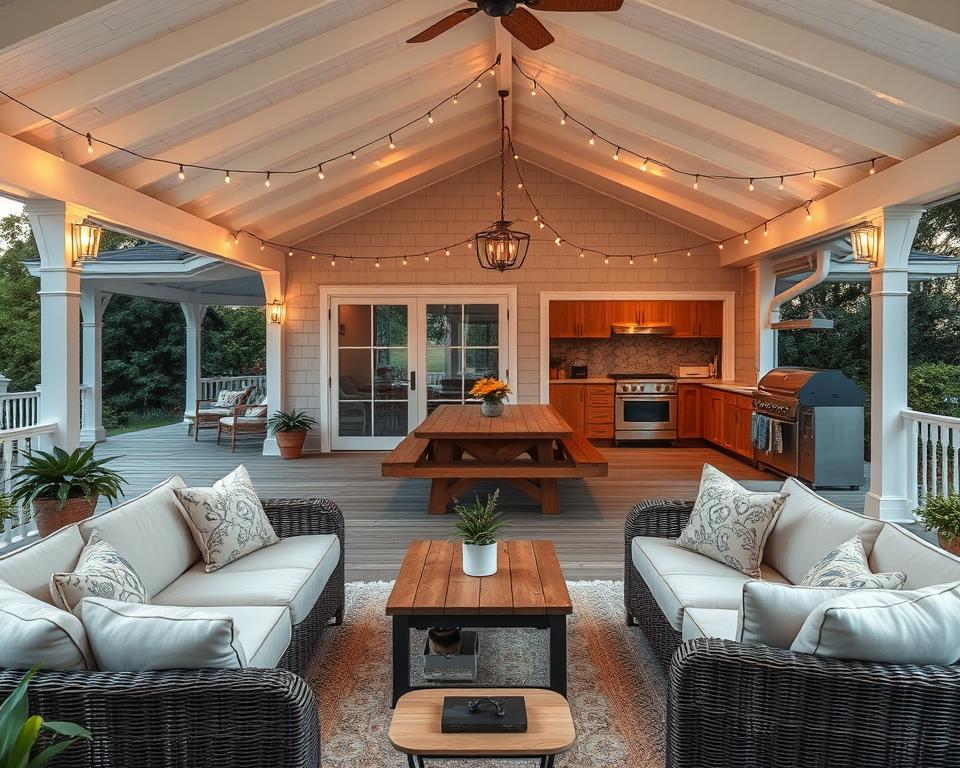
Turn your veranda into a kitchen hub for all-weather entertaining. Durable dining sets under covered areas withstand rain, while composite decking ensures safety.
Consider these essentials:
- Weather-resistant tables and chairs
- Overhead heaters or festoon lighting
- Built-in storage for crockery
Cosy Reading Nook
Create a quiet spot with a daybed, bookshelves, and thermal curtains. This setup is perfect for unwinding with a book or enjoying afternoon tea.
Multi-generational uses add value. Think teen study zones or grandparents’ relaxation corners—versatility at its best.
| Use | Key Features | Ideal For |
|---|---|---|
| Office | Ergonomic desk, soundproofing | Remote workers |
| Dining | Covered veranda, hardy materials | Family gatherings |
| Reading | Daybed, soft lighting | Solo relaxation |
Adapting your garden room is a great way to enhance daily life. Whether for work or leisure, it’s an investment in comfort and style.
Styling Your Summer House Interior
The interior of your garden retreat deserves as much attention as its exterior. A well-curated space blends functionality with personal flair, making it a true extension of your home. Whether you prefer minimalist chic or rustic warmth, these tips will help you craft a inviting room.
Furniture Selection
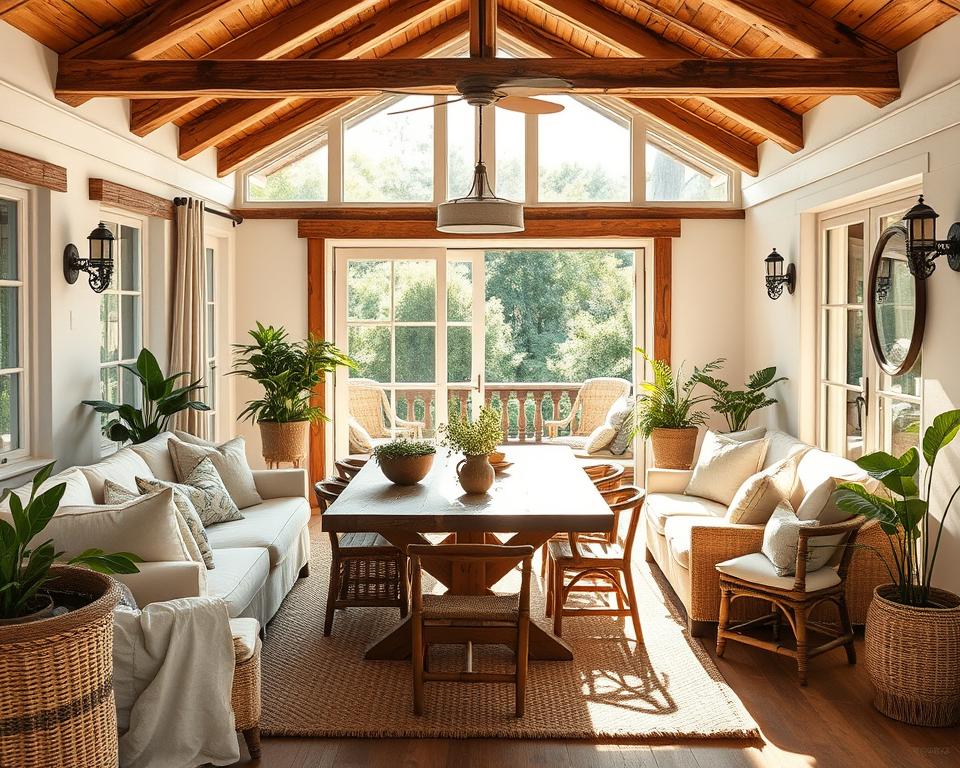
Opt for versatile furniture that maximises space. Foldable pieces like nesting tables or wall-mounted desks suit compact layouts. “Multi-functional designs keep clutter at bay,” advises a London-based interior stylist.
Charity shops are treasure troves for vintage stools or wicker chairs. Pair them with a built-in bench featuring lift-up seats for hidden storage.
Textiles and Cushions
Layer textures to create warmth. Start with a jute rug, then add machine-washable outdoor cushions and faux fur throws. These elements withstand British weather while adding cosiness.
Pampas grass in woven baskets and LED candles introduce soft lighting. For a cohesive look, stick to a neutral palette with pops of colour.
Personalised Decor
Infuse character with gallery walls or potted herbs. Mirrors strategically placed opposite windows amplify light in north-facing rooms.
Floating shelves display books or ceramics, while themed colour palettes—think coastal blues or earthy greens—tie the space together. Your garden retreat should reflect what makes you happiest.
Modern Upgrades: Glass Garden Rooms
Glass garden rooms redefine outdoor living with seamless indoor-outdoor transitions. These modern upgrades blend luxury with practicality, offering unobstructed garden views while shielding from unpredictable British weather.

Panoramic walls with UV-protected glazing ensure natural light floods the space without overheating. For year-round comfort, consider additions like underfloor heating and retractable blinds. “Climate control turns glass structures into four-season retreats,” notes a UK architect.
Open Space Concepts’ designs merge bi-fold doors with structural glazing, creating sleek summer house design alternatives. Their aluminium-framed models outperform traditional conservatories with:
- Streamlined aesthetics and minimal maintenance
- Enhanced thermal efficiency
- Permitted development status (no planning hurdles)
| Feature | Glass Garden Room | Traditional Conservatory |
|---|---|---|
| Frame Material | Powder-coated aluminium | PVC or timber |
| Insulation | Double-glazed structural glass | Single-glazed panels |
| Planning Rules | Often permitted development | May require approval |
Whether hosting dinners or working remotely, these spaces adapt effortlessly. A glass addition elevates both functionality and property value, making it a savvy investment for modern homeowners.
Creative Themes for Your Summer House
Inject personality into your outdoor space with inspired design themes. Whether you crave minimalist calm or vibrant rustic charm, a cohesive look ties your retreat together. Below are three standout styles to spark your creativity.
Scandinavian Hygge Haven
Scandinavian designs favour clean lines and cosy simplicity. Whitewashed walls amplify light, while sheepskin rugs and minimalist wooden furniture add warmth. “Less clutter means more room for tranquillity,” says a Nordic lifestyle expert.
Key touches include:
- Neutral palettes with muted blues or greys
- Lanterns or candle clusters for soft lighting
- Built-in storage to maintain the uncluttered ethos
Oriental-Inspired Retreat
Channel serene Japanese tea houses with delicate latticework and bamboo screens. Paper lanterns cast a gentle glow, while bonsai displays bring nature indoors. This theme thrives in compact spaces, making it a smart solution for urban gardens.
For authenticity:
- Use tatami mats or low seating
- Add a water feature for ambient sound
- Frame the view with sliding shoji screens
Vine-Covered Rustic Charm
Wisteria or climbing roses transform a plain wall into a living facade. Reclaimed materials—think distressed wood and wrought-iron fittings—enhance the countryside vibe. Terracotta pots and wildflower arrangements complete the look.
Perfect for hosting friends, this style pairs well with:
- Mismatched vintage furniture
- String lights draped over beams
- A fire pit for cooler evenings
Whichever theme you choose, let it reflect your personality. A modern garden retreat should feel as unique as you are.
Maximising Small Spaces
Compact gardens demand clever solutions to maximise every inch of space. The BillyOh Penton corner models exemplify this, blending storage with leisure in tight footprints. With thoughtful planning, even the smallest area can feel spacious and functional.
- Vertical storage: Install tall cabinets or overhead racks for garden tools, freeing up floor space.
- Multipurpose furniture: Fold-down desks or ottomans with hidden compartments serve dual roles.
- Sliding doors: These save space compared to hinged alternatives, perfect for narrow small spaces.
Positioning is key. Corner summer houses utilise underused garden edges, while diagonal floorboard layouts visually expand the area. Light-coloured walls and mirrors amplify natural light, creating an airy feel.
“A well-organised small space outperforms a cluttered large one,” notes a UK garden designer. Whether for work or relaxation, these tricks make your retreat a great way to enjoy the outdoors—no matter the size.
Seasonal Adaptations
Keeping your garden retreat comfortable through all four seasons requires smart adaptations. The right materials and features ensure it remains a cosy haven, whether it’s frosty winter mornings or balmy summer evenings.
Insulation for Year-Round Use
Proper insulation transforms a seasonal space into one you can enjoy every month. Open Space Concepts uses thermal cladding in their designs, while Hansa Garden Ltd offers 44mm or 70mm wall thickness options for enhanced warmth.
Key insulation solutions include:
- Celotex panels in walls and roofs for maximum heat retention
- Rubber roofing membranes to prevent leaks during heavy rain
- Double-glazed windows with thermal breaks to reduce condensation
Weather-Resistant Features
British weather demands durable solutions. Composite decking stands up to frost without warping, while powder-coated metal fittings resist rust in coastal areas.
For winter months, consider:
- Wood-burning stoves with proper flue kits for safe heating
- Thermal curtains or plantation shutters to regulate temperature
- Frost-proof exterior taps if including a small kitchen area
| Feature | Benefit | Best For |
|---|---|---|
| Thermal cladding | Reduces heat loss | Year-round use |
| Composite decking | Withstands freeze-thaw cycles | Verandas |
| Powder-coated hardware | Prevents corrosion | Coastal locations |
With these adaptations, your garden house becomes a versatile space that’s ready for any time of year. The investment in quality materials pays off in comfort and longevity.
Landscaping Around Your Summer House
Thoughtful landscaping enhances both privacy and aesthetics around your garden retreat. By blending greenery with structural elements, you create a seamless transition between your outdoor space and the wider landscape. Whether screening for seclusion or adding ambient touches, every detail matters.
Planting for Privacy
Evergreen hedges like laurel or yew offer year-round screening, while climbers such as clematis soften pergola extensions. For a eco-friendly touch, wildflower roofs attract pollinators and add colour. “Layered planting adds depth and texture,” advises a Royal Horticultural Society guide.
Top picks for privacy:
- Bamboo: Fast-growing and modern (use root barriers).
- Ivy: Trails elegantly over walls or trellises.
- Lavender: Fragrant and low-maintenance for window boxes.
| Plant | Growth Rate | Maintenance |
|---|---|---|
| Laurel | Fast | Trim annually |
| Yew | Slow | Drought-resistant |
| Bamboo | Very fast | Contain roots |
Pathways and Lighting
Gravel pathways with edged borders prevent mud and add texture. Solar-powered bollard lights ensure safe evening access while reducing energy costs. For a tranquil vibe, position water features near seating areas to mask street noise.
Lighting tips:
- Warm LED strips under eaves for a subtle glow.
- Motion-sensor spots for security without glare.
- Festoon lights above decking for festive evenings.
Raised planters define zones without blocking views, making small gardens feel organised yet spacious. With these touches, your outdoor space becomes as functional as it is beautiful.
Budget-Friendly Design Tips
Creating a stylish outdoor retreat doesn’t have to break the bank. With clever hacks and affordable materials, you can achieve a polished look without overspending. It’s a great way to enjoy your garden without compromising on style.
Start by upcycling pallets into shelving or coffee tables. Sand them down and add a coat of weatherproof paint for a rustic-chic finish. Charity shops are goldmines for unique accessories—think vintage lanterns or woven baskets.
Here are five cost-effective ways to enhance your space:
- Refresh existing structures: A lick of paint revitalises tired timber cladding.
- Peel-and-stick tiles: These add instant charm to kitchenettes or splashbacks.
- Scaffolding boards: Sanded and sealed, they make sturdy worktops or shelves.
- Fast-growing plants: Sweet peas or nasturtiums provide quick, colourful screening.
- Bulk deals: Negotiate combined quotes for landscaping and building works.
Focus on high-impact, low-cost changes. “Small upgrades create big transformations,” says a DIY expert from Brighton. Second-hand finds and natural elements keep costs down while adding character.
With these budget-friendly ideas, your outdoor haven will feel both personal and polished. Smart choices mean you can splurge on key pieces later.
Planning Permission and Practicalities
Understanding planning rules ensures your garden building complies with local regulations. Most UK structures under 2.5m tall qualify as permitted development, avoiding lengthy approvals. This simplifies creating your outdoor retreat.
- Maximum footprint: 30m² for detached structures.
- Eaves height: Up to 2.5m if within 2m of boundaries.
- Roof shape: Single-storey with dual-pitched roofs under 4m tall.
Exceptions apply for listed property or conservation areas, where council consent is mandatory. Always leave 1m clearance around boundaries for maintenance access—overhanging foliage can spark disputes.
Foundations matter. Concrete pads offer stability for heavier designs, while adjustable pedestals suit sloping gardens. “Proper foundations prevent subsidence in clay soils,” advises a Surrey-based architect.
Consult your local council before purchasing oversized models. Pre-application advice (often free) clarifies grey areas, saving time and money. With these practicalities covered, your garden home addition will be both legal and stress-free.
Conclusion: Creating Your Perfect Summer House
Your garden room should balance durability, style, and functionality. Choosing weather-resistant materials ensures it lasts for years, while thoughtful touches make it uniquely yours.
Consider how you’ll use the space—whether as a workspace, relaxation spot, or outdoor space for gatherings. Open Space Concepts specialises in bespoke solutions, offering year-round comfort with insulated designs.
Their team provides free garden assessments to help position your summer house perfectly. It’s a great way to maximise sunlight and privacy.
Ready to start? Call 0808 168 0043 or visit their showrooms. Explore brochures to visualise your ideal retreat today.
FAQ
What are the best materials for a summer house?
Timber is a popular choice due to its natural look and durability. Cedar and redwood offer excellent weather resistance, while treated softwood is a budget-friendly option. For a modern touch, consider composite materials or aluminium.
Do I need planning permission for a summer house?
In most cases, a summer house falls under permitted development if it meets certain criteria, such as height restrictions and distance from boundaries. However, always check with your local council, especially if your property is in a conservation area.
How can I make my summer house usable all year?
Proper insulation, double-glazed windows, and a small heater can transform your space into a cosy retreat even in winter. Adding thermal blinds or curtains also helps retain warmth.
What lighting works best for a garden room?
Warm LED spotlights create a welcoming atmosphere, while fairy lights add charm. Solar-powered pathway lights enhance safety and aesthetics around the veranda.
Can I use my summer house as a home office?
Absolutely! A well-insulated garden room with power sockets and Wi-Fi makes an ideal workspace. Opt for ergonomic furniture and plenty of natural light for productivity.
How do I maintain a wooden summer house?
Treat the wood with a protective stain or paint every few years. Regularly check for damp or rot, and ensure proper ventilation to prevent moisture buildup.
What’s the ideal size for a summer house?
It depends on your needs. A compact 2.5m x 2.5m structure suits a reading nook, while a 4m x 3m space can accommodate dining or an office. Measure your garden first to ensure a balanced fit.
How can I add privacy to my veranda?
Trellises with climbing plants, bamboo screens, or outdoor curtains offer seclusion without blocking light. Tall shrubs like laurel or privet also work well as natural barriers.
Are glass garden rooms suitable for hot weather?
Yes, but opt for tinted or frosted glass to reduce glare. Adding retractable shades or planting deciduous trees nearby provides shade in summer while allowing sunlight in winter.
What flooring is best for a summer house?
Hardwood or laminate flooring is durable and stylish. For a budget option, vinyl works well. Outdoor-rated rugs add warmth and texture underfoot.