Popular Log Cabin Sizes: A Complete UK Guide
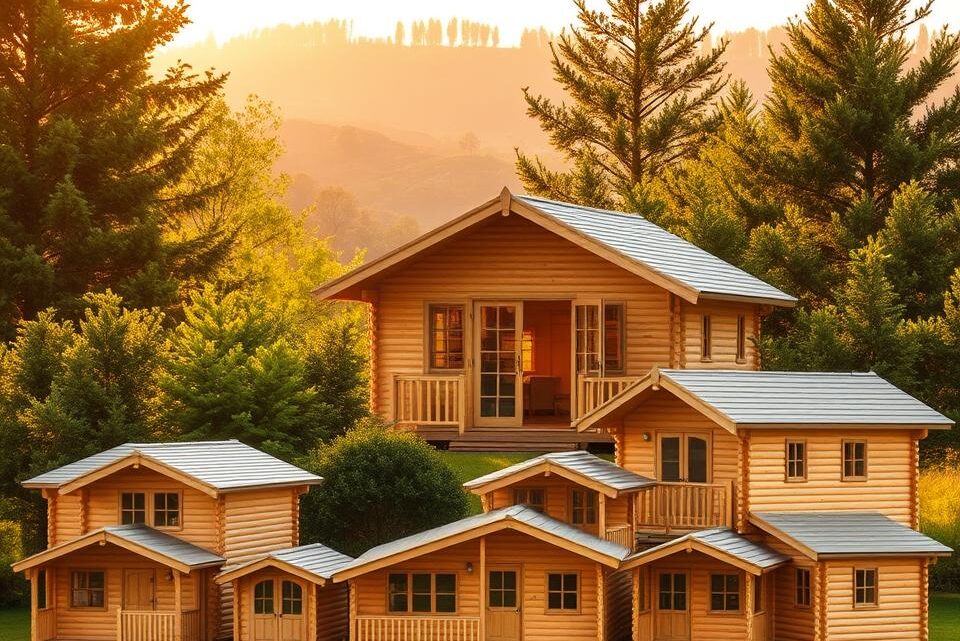
Throughout the United Kingdom, the allure of log cabins as quintessential wooden retreats endures. Encompassing cosy nooks to substantial sanctuaries, log cabin dimensions in the UK are as varied as the landscapes they inhabit. Whether you dream of a quaint garden log cabin to serve as your personal office or envision a grand bespoke log cabin for recreational gatherings, the importance of selecting the correct size cannot be overstated. This guide illuminates the spectrum of popular sizes and their associated uses, and underscores the significance of size when addressing planning permissions and optimising the utilisation of your garden space.
As we delve into this comprehensive look at log cabin sizes, we aim to assist you in making informed decisions that blend functionality with personal taste, establishing a haven that complements both your aesthetic and practical aspirations.
Inhaltsverzeichnis
Key Takeaways
- Variety in log cabin dimensions in the UK caters to diverse preferences and needs.
- Garden log cabins can be customised to create bespoke wooden havens.
- Size considerations are crucial for planning permissions and maximising garden space.
- Understanding cabin sizes helps match the structure to its intended use.
- Choosing the right size can have a significant impact on functionality and aesthetics.
Understanding Log Cabin Sizes in the UK Context
When considering the construction or installation of a log cabin in the UK, understanding the interplay between UK planning permission, log cabin regulations, cabin functionality, and size impact is crucial. This section explores how these elements converge to influence your log cabin project from its planning stages to its ultimate functionality.
The Role of Planning Permissions
UK planning permission is often pivotal when determining the feasible size for a log cabin. Specific size thresholds might necessitate a formal approval process. For instance, log cabins over a certain size, or those intended for residential use, typically require a more rigorous examination under local log cabin regulations. Prospective cabin owners must ensure they adhere to these guidelines to avoid potential legal and financial repercussions.
How Log Cabin Sizes Influence Use and Functionality
The size of a log cabin closely dictates its potential uses, be it as a secluded home office, a cosy artist’s studio, or an inviting guest house. Smaller cabins are perfect for couples or individuals needing space-efficient solutions, focusing on functionality over expansiveness. In contrast, larger cabins can accommodate ebbing and flowing familial needs, transforming from storage spaces to full-size living quarters.
Different cabin sizes also bring varied costs and maintenance needs, with larger structures typically requiring more upkeep and potentially higher expenses. Understanding the balance between size impact and cabin functionality is key to achieving a harmonious and practical log cabin setup in one’s property.
The Compact Charm: Small Log Cabin Sizes
Opting for small garden cabins can be a delightful and practical choice for many homeowners. These cosy structures are perfect for adding a unique touch to limited outdoor spaces or serving as a sanctuary without the need for extensive land or high expenditure. Under 15 square metres in size, these compact log cabin designs cater exceptionally well to individual needs, crafting an intimate environment for relaxation and creativity.
Space-saving log cabins are ingeniously designed to maximise every centimetre of their footprint. They prove endlessly versatile, moulding into whatever your imagination desires—from a peaceful reading nook bathed in natural light to a vibrant craft room buzzing with creative potential. The compact size does not limit their functionality but rather enhances it, encouraging efficient use of space and smarter storage solutions.

Here are some creative uses and space-maximising strategies for small log cabins:
- Home Office: Transform your cabin into a focused workspace free from the distractions of the main household.
- Art Studio: Use natural lighting and the serene setting to inspire your artistic endeavours.
- Yoga Studio: Create a tranquil spot for meditation and yoga, connecting with nature.
- Guest Room: Offer a comfortable and private retreat for visiting friends and family.
To further aid in efficient use of space, integrating multi-functional furniture such as fold-away desks or wall-mounted shelves can make a significant difference. Additionally, bespoke built-ins are an excellent way to maintain a spacious feel while providing ample storage.
Compact log cabin design not only meets the aesthetic and functional needs but also adheres to sustainability with minimalistic construction that reduces material waste.
Middle of the Road: Mid-Sized Log Cabins
The allure of mid-sized log cabins rests in their perfect balance of spaciousness and cosy ambience, making them incredibly versatile across a variety of uses. From quaint garden retreats to functional home offices, these cabins blend functionality with aesthetic appeal, showcasing incredible versatile cabin designs. Below, we explore both the versatility and the crucial design considerations necessary for optimising these mid-range structures.
The Versatility of Mid-Sized Cabins
Mid-sized log cabins, typically ranging from 15 to 30 square metres, offer the ideal solution for those seeking a multi-purpose space. These structures serve not only as serene garden cabin ideas for relaxation but also as efficient spots for home-based work or creative studios. The adaptability of these cabins makes them a popular choice among those looking to add a practical yet charming structure to their property.
Design Considerations for Mid-Sized Structures
When designing mid-sized log cabins, the aim is to create a space that feels both open and intimate without wasting any area. Strategic use of interior layouts and careful selection of furnishings can help achieve this balance. Here are some design tips for making the most out of your mid-sized cabin:
- Multi-functional furniture: Opt for pieces that offer storage solutions or can be folded away when not in use to maximise the floor space.
- Lighting: Utilise large windows or skylights to bring in natural light, making the space feel larger and more welcoming.
- Outdoor integration: Consider adding a deck or patio to enhance the indoor-outdoor flow, which is ideal for entertainment and leisure activities.
Incorporating these elements ensures that your mid-sized log cabin is not only functional but also aesthetically pleasing, reflecting the best in modern versatile cabin designs.
Popular Log Cabin Sizes
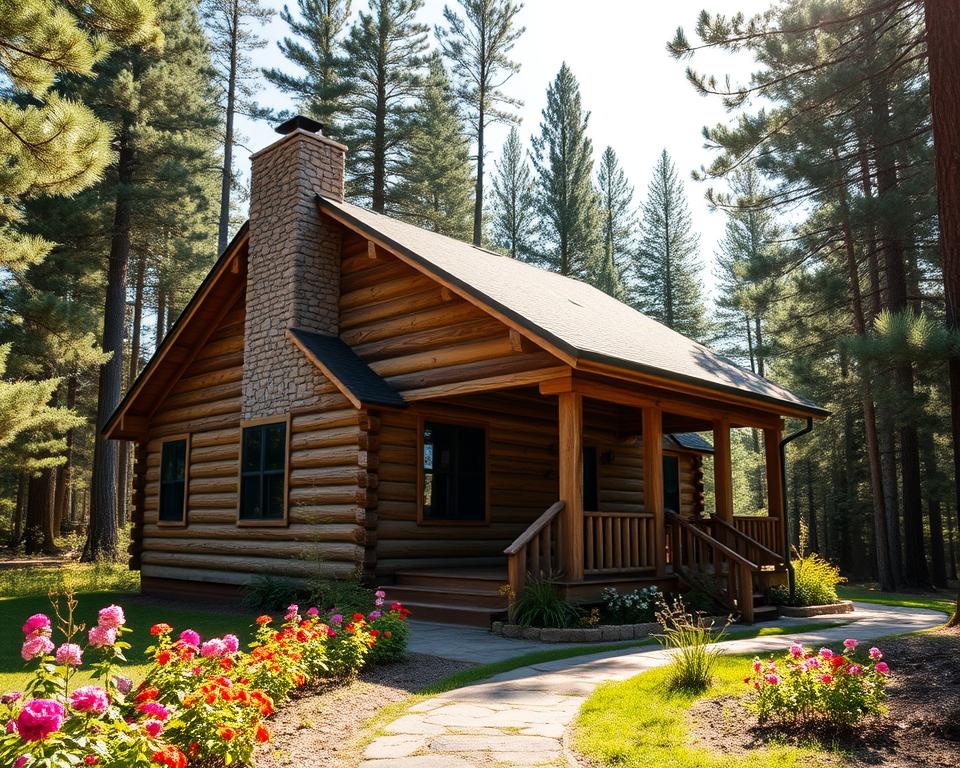
When choosing a log cabin for your garden or a rural retreat, the right dimensions can make all the difference. In the UK, standard log cabin sizes are not only preferred for their simplistic beauty but are incredibly functional, blending cost-effectiveness with efficient use of space. Below, we delve into the reasoning behind their popularity and provide guidance on how to personalise these spaces while adhering to the most well-liked models.
Standard Dimensions and Their Appeal
The appeal of standard log cabin sizes lies in their tried and tested dimensions which have been tailored over time to maximise practicality and aesthetic appeal. Most homeowners opt for sizes that are large enough to provide ample living or working space yet compact enough to fit comfortably in a medium-sized garden. Typical garden building dimensions for these standard sizes range from 10×10 feet for a simple garden office to 20×30 feet for a more comprehensive living space.
Opting for these standard dimensions usually means lower construction costs and streamlined planning permissions. It simplifies the building process, as materials and plans are readily available, making it an ideal choice for those looking to install their cabin swiftly and without fuss.
Customising Your Log Cabin Within Popular Sizes
Even with standard log cabin sizes, there is plenty of room for customisation. Providers of custom log cabins UK-based offer numerous ways to tailor standard models to better meet individual needs and aesthetics. Whether it’s choosing unique window treatments, adding decorative eaves, or selecting a specific wood finish, personalisation options are abundant.
Integration of modern amenities like improved insulation, bespoke joinery, or state-of-the-art lighting systems can transform a standard garden cabin into a luxurious retreat or a highly functional workspace. Thus, while the footprint might be standard, the possibilities inside are limitless.
Whether you’re planning a compact summer house or a fully equipped home office, understanding the garden building dimensions and how you can modify them without altering the charm of the standard sizes is key. By doing so, you ensure that your log cabin is not only a building but a personalised sanctuary tailored to your specific lifestyle and needs.
The Spacious Splendour: Large Log Cabin Sizes
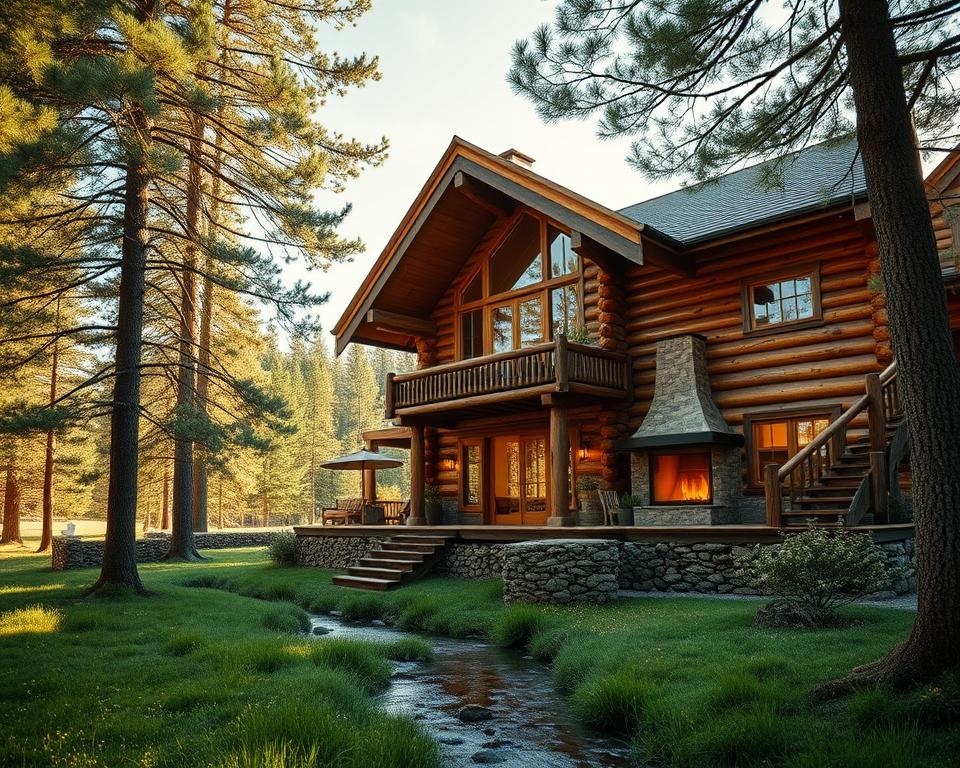
The appeal of large log cabins in the UK extends far beyond their traditional residential use, embracing roles from lavish guesthouses to dynamic business premises. A deeper look into these spacious wooden cabins reveals a world of potential for both personal and professional use, positioning them as truly multipurpose log structures.
Large log cabins offer the space and versatility needed to tailor environments for various purposes, from serene yoga studios to bustling conference centres.
Large Cabins: Beyond Residential Use
Exceeding 30 square metres, large log cabins in the UK provide ample space that is perfect for a variety of non-residential functions. Whether it’s setting up a creative studio that inspires or a boutique shop that attracts discerning customers, these cabins can be transformed into nearly any type of business venue. Furthermore, they serve excellently as entertainment hubs, with ample room for features like home cinemas and games rooms.
Design and Layout Ideas for Larger Cabins
When designing spacious wooden cabins, utility blends with aesthetic appeal to create environments that are both functional and inviting. Strategic planning in layout design can significantly boost the usability of these structures, ensuring that every square metre is optimised.
| Design Aspect | Functionality | Aesthetic Value |
|---|---|---|
| Open plan interiors | Enhances flexibility of use | Creates an illusion of even more space |
| Large windows | Increases natural light | Offers expansive outdoor views |
| Integrated technology | Supports modern usage needs such as remote work or entertainment | Adds a modern touch to rustic designs |
| Multipurpose areas | Supports various activities simultaneously | Allows for creative interior arrangements |
Every large log cabin in the UK, therefore, is not just a building; it’s a potential catalyst for lifestyle enhancement and business innovation, making these spacious wooden cabins a wise investment in versatility and style.
Aesthetics and Practicality: Choosing the Right Size
When integrating a new structure into an existing landscape, the cabin size selection becomes crucial not only for maintaining garden aesthetics but also for ensuring a practical log cabin layout. The key is to strike a perfect balance that complements the natural beauty of your garden while adapting to practical needs.
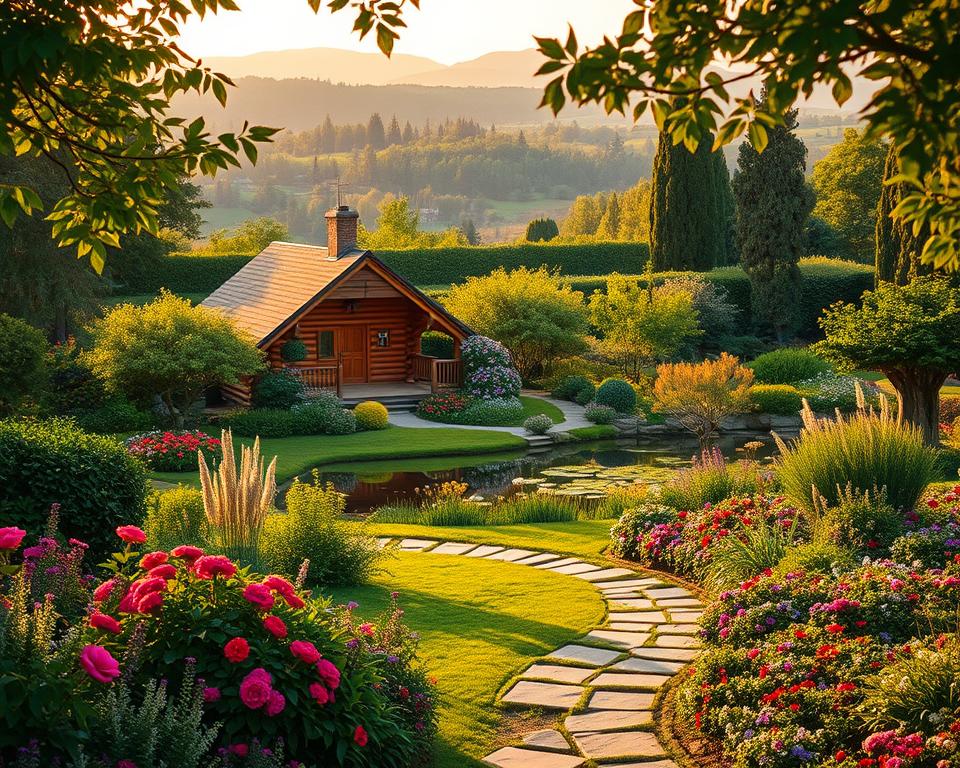
Respecting the dimensions of your outdoor space can enhance the overall harmony of the area. A well-sized cabin can serve as a focal point or blend seamlessly into the background, depending on one’s aesthetic desires and functional requirements.
Matching Cabin Size to Landscape
The process of matching cabin size to your landscape involves considering the scale of your garden and the visual impact you wish to achieve. Whether it’s a quaint reading nook or a grand guesthouse, the size of the cabin should harmonise with the elements of your garden.
Practical Benefits of Size Consideration
Choosing the right cabin size bears significant practical benefits. A compact cabin might best serve those looking for minimal maintenance and lower heating costs while larger structures, by virtue of their design, can be more easily adapted to accommodate lifestyle changes. Each choice in cabin size brings its unique set of advantages, shaping the long-term enjoyment and utility of the space.
Log Cabin Foundations and Sizes
Choosing the right foundation for your log cabin is crucial, not only for the structure’s integrity but also to accommodate the specific cabin size implications. The type of foundation required can vary significantly based on the size and intended use of the cabin, influencing the stability and longevity of your build.
Impact of Size on Foundation Choices
The selection of log cabin foundations is fundamentally influenced by the size of the structure. Smaller cabins may only require minimal base construction, such as a gravel bed, which provides adequate stability without extensive excavation or material costs. Conversely, larger cabins necessitate a more robust foundation, typically a concrete base, to handle the increased weight and potential load stresses.
Best Practices for Foundation Preparation
To ensure a solid and reliable base for any sized cabin, adhering to best practices in foundation preparation is imperative. A thorough assessment of soil conditions and proper leveling can prevent future settling issues, which are common pitfalls in base construction. Additionally, consideration of moisture barriers or drainage solutions is essential, particularly in areas prone to dampness, to extend the life of the log cabin foundations.
The impact of cabin size implications on foundation selection cannot be overstressed. As the size increases, so does the complexity of the foundation needed. Here is a detailed comparison of different foundation types suitable for various cabin sizes:
| Cabin Size | Recommended Foundation Type | Complexity |
|---|---|---|
| Small (<20 m2) | Gravel Pad | Low |
| Medium (20-50 m2) | Concrete Slab | Medium |
| Large (>50 m2) | Reinforced Concrete | High |

Understanding the interplay between cabin size and foundation type is key to a successful project. By considering the specific base construction and log cabin foundations, property owners can ensure their build not only stands securely but also blends harmoniously with their natural surroundings.
Material Considerations for Different Sized Log Cabins
When constructing log cabins in the UK, materials play a pivotal role not only in the aesthetic appeal but also in ensuring the sustainability and durability of the structure. This section delves into the specifics of selecting appropriate materials that cater to the environmental and structural exigencies of different sized log cabins.
Choosing Eco-Friendly Materials for Smaller Cabins
Smaller log cabins greatly benefit from the use of eco-friendly cabin materials. The compact nature of these structures demands materials that are sustainably sourced, reducing environmental impact while maximising space and energy efficiency. Lightweight, renewable materials such as bamboo and cork are excellent choices. They not only offer superior insulation properties but also ensure that the ecological footprint of smaller cabins is kept to a minimum.
Structural Integrity and Materials for Larger Cabins
Larger cabins, typically utilised for residential or commercial purposes, require robust materials that uphold the structural integrity UK cabins are known for. In these constructions, the choice of material needs to effectively support weight and withstand environmental stressors, making engineered wood products and treated woods preferred options. Such materials guarantee longevity and resistance against decay and pests, which is crucial for maintaining the safety and integrity of larger structures.
“Selecting the right materials for log cabin construction influences not only the environmental sustainability but also the lasting durability and safety of the structure.”
Given the diverse requirements for different cabin sizes, it is crucial to tailor material choices to specific needs. Here’s a comparative overview:
| Material Type | Use in Smaller Cabins | Use in Larger Cabins |
|---|---|---|
| Bamboo | Excellent for insulation | Used for decorative interior finishes |
| Engineered Wood | Less common due to cost | Primary for structural support |
| Cork | Highly sustainable, good for flooring and walls | Used in areas requiring sound insulation |
| Treated Wood | Used sparingly for specific weather resistance | Essential for exterior durability and longevity |
Incorporating these materials into log cabin construction not only enhances the eco-friendliness of smaller cabins but also fortifies the structural integrity of larger cabins, making them adept at handling diverse UK climates and conditions.
Navigating UK Building Regulations for Log Cabins
When planning to build a log cabin in the UK, familiarising oneself with the UK building regulations is crucial. These regulations ensure that structures are safe, efficient, and environmentally responsible. Specifically, log cabin compliance must be adhered to in order to establish a legally sound and functional residence or workspace. Below, we discuss critical aspects of these regulations, especially focusing on size and permissibility, and offer guidance on aligning your cabin’s design with local authority guidelines.
Key Points on Size and Permissibility
Understanding the limitations and allowances regarding the size of log cabins can highly influence your building process. The UK building regulations specify dimensions and placements that are permissible without requiring planning permission, known generally as “permitted development”. Typically, cabins under 2.5 metres in height and situated more than 2 metres from any boundary fall into this category. However, if your plans exceed these measurements or if the cabin is intended for residential use, it is likely that you will need full planning permission.
How to Ensure Your Cabin Meets Local Regulations
To guarantee that your log cabin complies with all relevant local authority guidelines, consider the following steps:
- Pre-Planning: Before initiating any construction, consult your local planning authority (LPA) to understand specific local variations under the UK building regulations.
- Site Survey: Have a professional assess your land to note potential issues such as flooding risk or land stability that could influence planning consent.
- Detailed Applications: When applying for planning permission, ensure your application includes all necessary drawings, impact assessments, and a clear outline of intended use to streamline the approval process.
- Regular Consultations: Maintain ongoing communication with your LPA throughout the construction process to ensure all aspects of your log cabin are compliant with the latest local authority guidelines.
Adhering to these steps will significantly increase the likelihood that your log cabin project proceeds without any compliance issues.
Understanding and navigating the regulations for constructing log cabins in the UK can be complex, but with proper guidance and a proactive approach, you can efficiently achieve log cabin compliance. Always stay updated on changes in legislation and local authority guidelines to ensure your cabin remains compliant and sustainable for years to come.
Tailoring Interior Designs to Cabin Size
When it comes to enhancing the aesthetic and functionality of your log cabin, integrating thoughtful interior design for cabins is crucial. This approach varies significantly between compact cabin interiors and luxury log cabin decor, catering to different sizes and ensuring every square metre is optimised for both style and comfort.
Small Spaces, Big Ideas: Design Tips for Compact Cabins
To maximise the potential of compact cabin interiors, the focus should be on creating a sense of spaciousness and incorporating multi-functional furniture. Light colours and strategic placement of mirrors can also help to visually expand the area, making it feel more open and less confined.
- Use light, neutral colours to enhance the perception of space.
- Opt for furniture that serves multiple purposes, such as a bed with storage drawers underneath.
- Install mirrors strategically to reflect natural light and extend the room visually.
Luxury and Comfort in Larger Log Cabins
For those desiring luxury log cabin decor, the options are extensive. Larger cabins can be adorned with high-end furnishings, ambient lighting, and statement pieces that reflect the owner’s personal style and provide an opulent living experience.
| Feature | Benefit |
|---|---|
| Designer furniture | Adds a touch of elegance and comfort |
| High-quality textiles | Enhances the sense of luxury and warmth |
| Custom lighting solutions | Creates ambient interiors and highlights architectural features |
Each design strategy, whether for small or large spaces, can significantly influence the feel and functionality of the cabin. By choosing the right elements, you can transform any cabin into a beautifully designed space that perfectly fits its environment and user needs.
Landscaping Around Your Log Cabin
Enhancing the external surroundings of your log cabin not only boosts its aesthetic appeal but also increases the functionality of the outdoor space. Whether you have a quaint garden cabin or a larger retreat, integrating effective landscaping strategies can dramatically transform your experience.
The art of log cabin landscaping involves choosing designs that complement the structure and its natural surroundings. Effective garden cabin surroundings bring together the rustic charm of the cabin with the innate beauty of the garden, creating a harmonious outdoor living area.
For smaller cabins, the focus should be on enhancing outdoor space to make it seem more expansive and inviting. Strategic plantings, such as vertically growing plants or hanging gardens, can add depth and character without occupying much ground space. This approach not only maximises the utility of limited areas but also enhances the cabin’s presence within its environment.
- Use of multi-functional furniture that integrates storage solutions.
- Creating a focal point such as a fire pit or water feature to draw the eye and expand the sense of space.
On the other hand, landscaping around larger cabins can afford to be more expansive, incorporating wider paths, larger trees, and even outdoor entertainment areas like kitchens or fireplaces. These features create functional outdoor living spaces that make the most of your garden’s capacity, ideal for family gatherings or social events.
- Construction of pergolas or gazebos to define outdoor areas and offer shade.
- Incorporating a variety of lighting options to enhance the garden’s usability after sunset.
Through thoughtful garden cabin surroundings planning, each element, from plants to pathways, can work together to create a cohesive and welcoming environment. By enhancing outdoor space, you extend the usable area of your property and enhance the overall value and enjoyment of your log cabin setting.
Conclusion
Throughout this UK log cabin guide, we’ve explored the intricacies of choosing log cabin sizes, shedding light on how dimensions play a pivotal role in their use and functionality. From the snug allure of small constructions to the grandeur of larger builds, it’s clear that the size of a log cabin can significantly enhance both your lifestyle and your property’s value. Whether you yearn for a cosy retreat or a substantial space for business or leisure, understanding the array of sizes available—and their respective advantages—is integral to making an informed decision.
When contemplating the final considerations for your log cabin, remember that UK building regulations must not be overlooked, and the harmony between aesthetics and practicality should guide your path. The foundations, materials, and interior design all require meticulous thought, and these factors should harmonise with the log cabin size you choose. The importance of aligning the cabin’s size with the surrounding landscape cannot be overstated, as it ensures an organic integration with your property’s natural beauty.
In summary, whether it’s a petite outpost or a spacious sanctuary, selecting the right size for your log cabin is a decision that beckons careful consideration. This guide serves as a compass to navigate through the considerations vital to enhancing the charm and functionality of your space. Immerse yourself in the process of selecting your ideal log cabin size; a choice that not only reflects your personal needs but also complements the verdant British scenery, standing as a testament to your discerning taste and prudent planning.
FAQ
What factors should I consider when choosing the size of a log cabin in the UK?
When selecting a log cabin size, you should consider the intended use, such as a garden office or recreational space, the available garden space, planning permission requirements, your budget, and desired aesthetics to match your landscape.
How do planning permissions affect log cabin sizes in the UK?
In the UK, planning permissions can dictate the maximum size of a log cabin that can be built without needing approval. Log cabins over a certain size may require planning permission, so it’s important to check with your local council for the latest regulations before proceeding.
Can small log cabins be functional as well as attractive?
Absolutely! Small log cabins can serve many purposes such as cosy reading nooks, craft rooms, or home offices. With innovative design and multi-functional furniture, you can maximise the utility and charm of a compact log cabin.
Are mid-sized log cabins a good choice for versatility?
Mid-sized log cabins offer great versatility, as they can be used for a variety of functions, including as hobby rooms, guest houses, or workshops. They offer a balance between space and cosiness, often without needing extensive grounds or higher budgets required for larger cabins.
Why might someone choose a standard log cabin size?
Standard log cabin sizes are popular due to their ease of construction and cost-effectiveness. They also tend to comply with planning regulations more easily and can be easily customised with personal touches to meet individual needs.
What are some uses for large log cabins?
Large log cabins can be utilised for a range of purposes beyond traditional residential use. They can serve as business premises, entertainment areas, spacious workshops, gyms, or even as guest accommodation, thanks to their generous space.
How does log cabin size relate to its practical benefits?
The size of a log cabin affects various practical aspects, including maintenance requirements, heating/cooling efficiency, and long-term adaptability. Choosing the right size for your needs can contribute to functionality as well as energy and cost savings.
Does the size of my log cabin impact the type of foundation I need?
Yes, the size of your log cabin will influence the foundation required. Smaller log cabins may only need simple gravel bases, whereas larger cabins might necessitate more complex and sturdy foundations, like concrete slabs, to ensure stability and support the weight of the structure.
How should I select materials for my log cabin based on size?
For smaller cabins, focus on sustainable, eco-friendly materials that are adequate for lighter structures. For larger cabins, it’s crucial to choose materials that provide structural integrity, robustness, and good insulation to support the larger frame and maintain energy efficiency.
What are key considerations for ensuring a log cabin meets UK building regulations?
To ensure your log cabin complies with UK building regulations, you need to consider the cabin’s size, positioning on your property, and its intended use. It’s recommended to consult with your local council, use compliant materials, and possibly hire a professional to ensure all regulations are met.
How can I tailor the interior design of my log cabin to its size?
For compact log cabins, utilise clever storage solutions, mirrors, and light colours to create a sense of space. In larger cabins, you can consider luxurious furnishings, dividing the space into different areas, and including modern amenities for comfort and style.
What landscaping techniques can enhance my log cabin?
For small cabins, use landscaping to create a seamless transition between the cabin and the garden, with plantings that complement its size. For larger cabins, you could design outdoor living spaces, such as patios or fire pits, that take advantage of the ample outdoor space available.