Log Cabins, Sheds & Summerhouses: Choosing the Right Wall Thickness
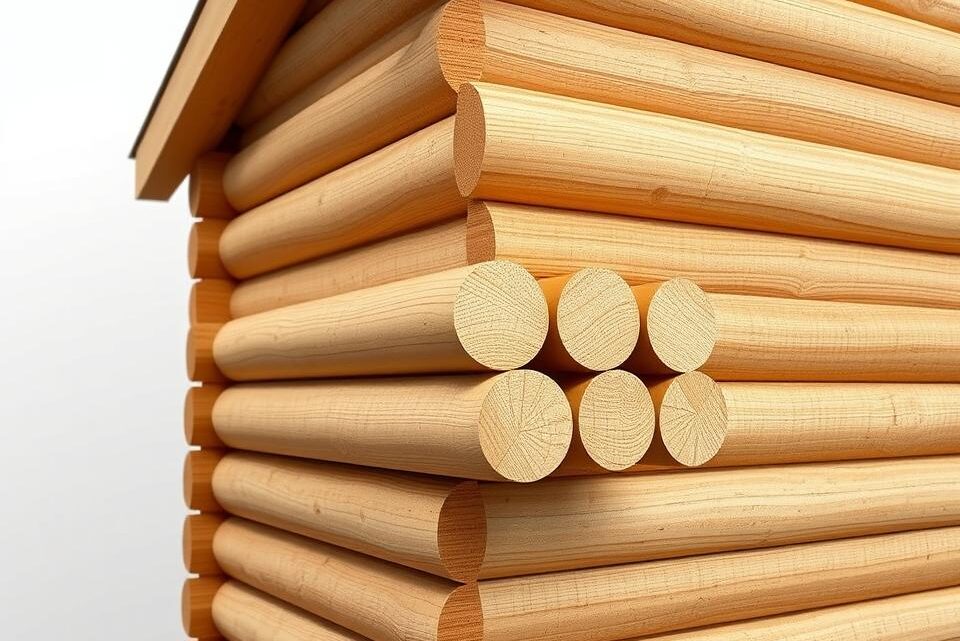
Building a picturesque oasis in the comfort of your garden with wooden structures such as log cabins, sheds, and summerhouses has never been closer to perfection. Delving into the essence of UK log cabins and garden buildings, the optimal wall thickness is not just a measurement; it’s the cradle of comfort, strength, and longevity. Making an informed decision on the wall thickness is a nuanced process that ensures your garden haven is not only captivating but structurally sound to withstand the UK’s dynamic weather and also offers that revered, year-round snugness.
Whether you’re building from scratch or choosing a pre-fabricated model, understanding the difference between 12 mm thin walls and robust 90 mm ones is paramount. From garden offices to tranquil retreats, the optimal wall thickness for your structure supports thermal insulation and resilience against the elements, all while adhering to aesthetic splendour.
Join us in an explorative journey on how to harmonize your desires with the crucial aspects of wooden structures, ensuring that your choices yield a space that resonates with your personal style and meets the practical demands of outdoor living.
Inhaltsverzeichnis
Key Takeaways
- Selecting the right wall thickness is key for the durability and insulation of garden buildings.
- Thicker walls will generally offer better thermal performance, making them ideal for year-round use in the UK climate.
- Understanding the range of available wall thicknesses helps in making an informed choice that matches both aesthetic desires and functional necessity.
- Choosing the optimal wall thickness is essential for maintaining the structural integrity of log cabins and other wooden garden structures.
- Wall thickness impacts not only the comfort inside the garden building but also its overall longevity and maintenance requirements.
- Each thickness bracket, from 12 mm to 90 mm, provides distinct advantages and limitations, and should be considered carefully.
Understanding the Importance of Wall Thickness in Garden Buildings
Choosing the right wall thickness for garden buildings is not just a matter of aesthetics but is crucial for ensuring structural stability, energy efficiency, and robust insulation properties. The wall thickness significance cannot be overstated, as it impacts everything from durability to energy consumption, influencing how these structures interact with their environments.
Why Wall Thickness Matters
Wall thickness in garden buildings is a critical factor that affects several aspects of its performance. It is the backbone that supports the structural stability of the building, helping it withstand variable weather conditions and other environmental stresses. In regions where weather conditions can be harsh, selecting adequate wall thickness becomes even more important.
Impact on Durability and Insulation
The correlation between wall thickness and insulation properties is particularly significant. Thicker walls generally mean better insulation, which helps in maintaining more consistent internal temperatures. This is not only beneficial for comfort but also enhances energy efficiency by reducing the need for additional heating or cooling. Furthermore, thicker walls are typically more durable and provide increased resistance to decay and damage over time.
Understanding these aspects ensures that your choice in wall thickness not only extends the lifespan of the garden building but also makes it a more sustainable and energy-efficient investment. Such insight drives better decision-making for anyone looking to improve or build their garden structure.
The Basics of Wall Thickness: From 12 mm to 90 mm
When designing or selecting garden buildings, understanding wall thickness measurements is crucial. This knowledge not only impacts durability but also influences the cost-effectiveness and suitability of the structure for specific needs. In this section, we delve into the standard thickness measurements, particularly focusing on the implications of opting for 12 mm, 17 mm, or 19 mm, which are considered lightweight structures and often emerge as budget-friendly options.
Overview of Standard Thickness Measurements
Wall thickness in garden buildings can greatly vary, presenting a wide array of choices to aficionados and homeowners. Thinner walls, typically around 12 mm, are often sufficient for smaller and less permanent structures. On the other hand, measurements such as 17 mm or 19 mm provide greater insulation and robustness, suitable for more substantial, yet still economical garden constructions.
Choosing Between 12 mm, 17 mm, and 19 mm
Deciding on the optimal wall thickness depends largely on the intended use and location of the garden building. For instance, if the primary requirement is a cost-effective solution for seasonal use, 12 mm walls might suffice. However, for a more permanent structure that demands moderate insulation from weather conditions, opting for 17 mm or 19 mm walls would be more prudent. These lightweight structures offer a commendable balance between affordability and functionality, making them popular among those looking to enhance their outdoor spaces without breaking the bank.
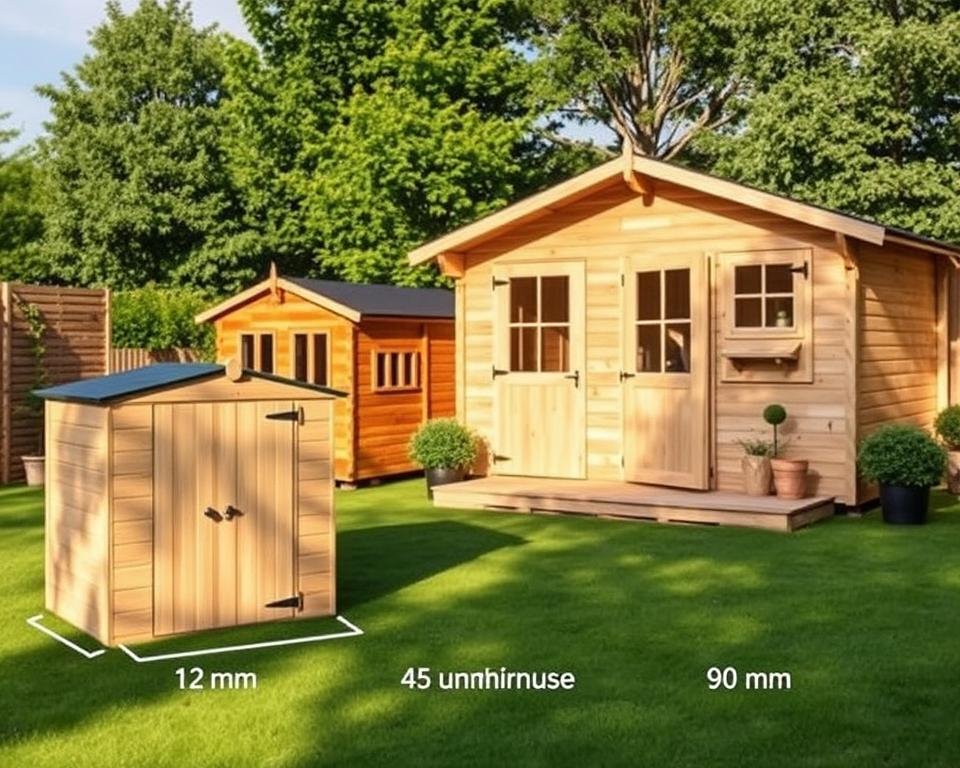
- 12 mm wall thickness – Ideal for temporary structures or garden sheds.
- 17 mm wall thickness – A better option for extended seasonal use that requires a bit more durability and insulation.
- 19 mm wall thickness – Best suited for frequently used garden buildings needing moderate insulation.
Choosing the right wall thickness is not just about measuring the material’s dimension, but it’s also about weighing its implications on the building’s overall functionality and sustainability. Whether you are building from scratch or selecting a prefabricated kit, being informed about the differences in wall thickness can guide you in making the most out of your investment.
Determining the Best Wall Thickness for Your Needs
Choosing the right wall thickness for your garden building is crucial, be it for a cosy summerhouse, a robust workshop, or an all-year-round home office. The decision primarily hinges on your intended use, local climate conditions, and your specific thermal requirements. Here, we guide you through assessing your use case and understanding the implications of climate and seasonal use, ensuring your customised garden space meets all your needs efficiently.
Assessing Your Use Case
Every garden building serves a unique purpose. Whether you’re storing delicate plants or setting up a productive office space, the wall thickness plays a pivotal role in the usability of the space. Thicker walls often provide greater insulation, making them ideal for all-season garden buildings where temperature control is needed. On the other hand, if your building is primarily for summer use, a thinner wall might suffice.
Climate and Seasonal Use
The UK’s climate is variable: wet, cold winters and relatively warm summers dictate the need for well-insulated outdoor buildings if they are to be used year-round. Factors such as thermal requirements for heating in winter and cooling in summer must be considered. The right wall thickness ensures that your garden building remains comfortable, energy-efficient, and usable no matter the season.
| Use Case | Recommended Wall Thickness | Benefits |
|---|---|---|
| Storage (seasonal tools) | 28 mm | Basic insulation, cost-effective |
| Home Office (year-round use) | 45 mm | Enhanced insulation, better acoustics |
| Art Studio (year-round use) | 70 mm | Optimal thermal retention, privacy |
Pros and Cons of Thinner Walls: 12 mm to 22 mm
When it comes to constructing garden buildings, opting for thinner wall thicknesses such as 12 mm to 22 mm presents a set of unique advantages and challenges. This section dives into the details, analysing why such specifications could either be ideal or insufficient for your particular needs.
Benefits of Going Slim
Thinner walls in garden structures are often lauded for their cost-effective solutions and quick assembly. The reduced material usage significantly lowers the costs, making it an attractive option for those on a budget. Moreover, the lightweight nature of thinner wood panels speeds up the assembly process, allowing for a garden shed or summerhouse to be set up within a day or even a few hours.
Limitations of Lesser Thickness
However, the trade-off with thinner walls is the reduced insulation capabilities, which can be a considerable disadvantage in colder climates. Buildings with walls ranging from 12 mm to 22 mm tend to be less efficient at retaining heat, making them more suitable for seasonal use during milder weather. Additionally, such structures may not be as durable or robust, necessitating frequent maintenance and potentially shortening their overall lifespan.
Understanding these trade-offs is crucial for homeowners considering thinner walls for their garden buildings. It’s advisable to evaluate whether the benefits of lower cost and quicker setup outweigh the drawbacks related to insulation and durability.
- Cost-effective solutions: Lower material cost, ideal for budget constraints.
- Quick assembly: Less time and effort required for construction.
- Reduced insulation: Limited suitability for colder seasons without additional modifications.
Note that for anyone living in colder areas or planning on using their garden building year-round, considering thicker walls might be wise to ensure comfort and efficiency. However, for temporary or seasonal use, the thinner options can suffice, blending affordability with functionality.
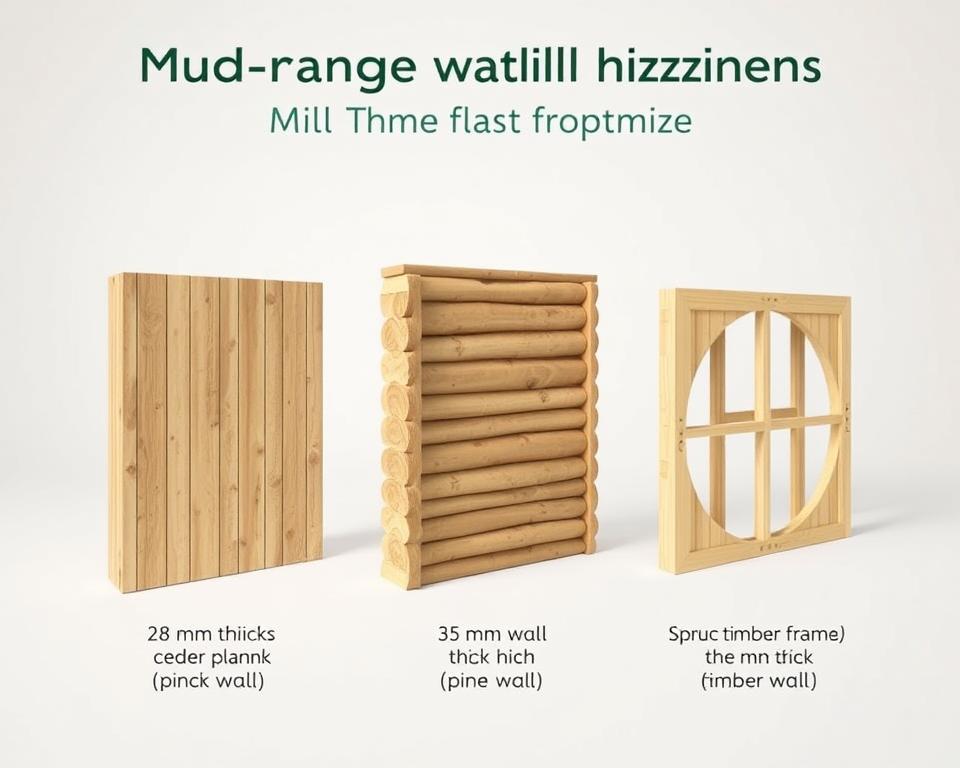
Mid-Range Options: 28 mm to 45 mm Wall Thickness
Opting for mid-range wall thicknesses offers a balance of enhanced sturdiness, improved insulation, and significant aesthetic appeal for garden buildings. This range provides a cost-effective solution without compromising on quality and effectiveness, which makes it ideal for many homeowners.
When assessing which thickness to choose for a garden building like a summerhouse, shed, or log cabin, factors such as climate, intended use, and personal preferences in design and appearance play crucial roles. The three common thicknesses within this range — 34 mm, 38 mm, and 45 mm — each offer different benefits and suit various needs and conditions.
| Thickness (mm) | Sturdiness | Insulation | Aesthetic Affect |
|---|---|---|---|
| 34 mm | Good | Better | Simple yet Elegant |
| 38 mm | Better | Improved | Robust |
| 45 mm | Best | Excellent | Luxurious |
Each increment in thickness not only enhances the sturdiness of the structure but also contributes to better thermal regulation. Naturally, this leads to improved comfort during both warmer and cooler months, highlighting the practicality of choosing thicker walls for better insulation.
From a visual standpoint, a thicker wall can offer more depth and character to the design of the structure. The aesthetic appeal is significant because it adds to the overall value of the property while blending seamlessly with its surroundings. Whether it’s a quaint garden shed or a grand summerhouse, the construction benefits immensely from the right choice in wall thickness.
This insight into the variations between 34 mm, 38 mm, and 45 mm wall thicknesses assists in making an informed decision tailored to enhance your garden building’s functionality and charm.
The Advantages of Thicker Walls: 70 mm to 90 mm
When considering premium garden buildings, choosing the right wall thickness plays a critical role in enhancing the structure’s longevity and functionality. Walls ranging from 70 mm to 90 mm offer exceptional insulation and robust construction, setting the standard for high-quality outdoor spaces.
Why Choose High-End Thickness
Opting for thicker walls in garden buildings ensures superior thermal performance, making these structures ideal for year-round use. The added thickness acts as an excellent barrier against external temperature fluctuations, maintaining a comfortable interior environment. This feature is particularly beneficial in climates that experience extreme weather conditions, thereby ensuring energy efficiency and reducing heating costs.
Use Cases for 70 mm and Beyond
Thicker walls are not only about enhanced durability and insulation but also about versatility in usage. These structures are perfectly suited for several applications:
- Year-round residential garden offices
- Luxurious summerhouses
- Durable workshops or studios
- Commercial spaces requiring robust construction and security
The financial benefits of these premium garden buildings are also significant. The exceptional insulation properties and durability of thicker walls reduce maintenance needs and operational costs, making them a wise investment for anyone looking for longevity and minimal upkeep.
Wall Thickness: Maximising Thermal Efficiency and Sound Insulation
As garden buildings evolve from simple storage solutions to fully functional home extensions, prioritising thermal efficiency and soundproofing capabilities has never been more crucial. The right wall thickness can transform these structures into eco-friendly garden buildings, offering energy savings and significantly improving living comfort. Below, we explore how enhanced wall thickness contributes to better thermal and sound insulation.
How Thickness Affects Thermal Performance
The correlation between wall thickness and thermal efficiency is evident in how these dimensions serve as barriers against external temperature changes. Thicker walls compose various layers of insulation materials and air gaps, intensifying the building’s capability to maintain stable internal temperatures irrespective of exterior climatic conditions. This quality is vital for those who desire their garden buildings to be feasible year-round, reducing the need for additional heating or cooling and thereby promoting lower energy consumption.
Sound Insulation Benefits
Similarly, the soundproofing capabilities of garden buildings are greatly enhanced by increased wall thickness. Dense walls are naturally more competent at obstructing sound transmission, allowing for a quieter and more tranquil environment inside the building. This feature is especially beneficial for those situated in noisy neighbourhoods or for properties close to busy streets, where external disturbances can disrupt the serene atmosphere typically associated with garden spaces.
| Wall Thickness (mm) | Estimated Thermal Resistance (R-Value) | Noise Reduction (dB) |
|---|---|---|
| 28 mm | 0.75 | 22 dB |
| 44 mm | 1.35 | 29 dB |
| 70 mm | 2.15 | 38 dB |
It is clear from the table that as wall thickness increases, both thermal resistance and sound attenuation properties improve, making thicker walls an excellent choice for those aiming to enhance the functional versatility and comfort of their garden buildings. Integrating these features into the design considerations of eco-friendly garden buildings not only ensures comfort but also supports sustainable living practices.
Maintenance and Longevity Concerns by Wall Thickness
When considering the sustainability of garden buildings, the thickness of the walls plays a crucial role not only in their structural integrity but also in their maintenance needs and overall longevity. Thicker walls generally suggest a sturdier construction, capable of withstanding adverse weather conditions, which promotes weather resistance as a key factor in the longevity of such structures. This section will highlight how different wall thicknesses necessitate varying levels of maintenance while impacting the lifespan of garden buildings prominently.
Upkeep of Different Thicknesses
Maintenance demands can vary significantly based on the wall thickness of garden buildings. Thinner walls, while cost-effective, often require more frequent checks and repairs to ensure that they have not been compromised by environmental factors. On the other hand, thicker walls are generally more resilient and require less frequent maintenance. This resilience contributes to the sustainability of materials used in construction, as fewer resources are required for repairs and replacements over time.
Furthermore, proper treatment and use of quality materials can greatly enhance the durability of these walls. Investing in treated wood or composite materials can be considered a long-term investment, as these options generally offer better protection against the elements and infestation, reducing overall maintenance costs and efforts.
Impact on the Lifespan of Garden Buildings
The longevity of garden buildings is significantly influenced by the choice of wall thickness. Buildings with thicker walls typically offer superior insulation properties, which helps in managing internal conditions regardless of external environmental changes. This insulation capability is valuable in terms of both sustainability and long-term investments, as energy costs are reduced and the structure remains functional for a longer period.
Thicker walls also contribute to better sound insulation, making these buildings more suitable for a variety of uses, from workshops to residential extensions, thus enhancing their lifespan through versatility. Here, the emphasis on sustainability of materials is evident as well, as thicker, well-insulated walls can help maintain temperatures without over-reliance on heating or cooling systems, which in turn reduces the building’s carbon footprint.
Incorporating Aesthetics with Functional Wall Thickness
When selecting the wall thickness for your garden building, it is crucial to consider both the functional aspects and the harmonisation with the existing architectural style. The right choices can enhance the overall visual appeal of your outdoor space, creating a seamless transition between the home and its tailored garden structures.
Matching Thickness with Design
Wall thickness plays an indispensable role in matching the design and aesthetic of garden buildings with the main residence or the surrounding landscape. A well-chosen thickness not only supports structural integrity but also compliments the architectural nuances, contributing to a visually appealing outdoor area.
- Thicker walls for rustic, robust appearances
- Slimmer profiles for modern, sleek designs
- Mid-range options for classic, versatile structures
Customisation and Aesthetic Considerations
Customising your garden building involves more than just choosing a style; it’s about making sure every aspect, including wall thickness, aligns with your personal taste and practical requirements. This approach not only ensures durability but also elevates the aesthetic quality of the building.
- Integrating with the garden’s layout to enhance cohesiveness
- Using materials and finishes that complement the chosen thickness and design
- Considering insulation and durability alongside aesthetics
By thoughtfully considering both the practical aspects and the aesthetic impact, the wall thickness of your garden building can significantly contribute to the property’s charm and functionality. Ultimately, a well-planned structure provides not only utility but also a testament to refined tastes, fitting perfectly within the architectural style of your surroundings.
Conclusion
The quest for the ideal garden building hinges upon informed decision-making; the wall thickness being a pivotal aspect that warrants careful consideration. Throughout this article, we explored various thicknesses, starting from the modest 12 mm to the robust 90 mm, delving into the impact these measurements have on durability, insulation, and overall efficacy of the structure. Whether it’s a whimsical summerhouse, a practical shed, or a sturdy log cabin, selecting the right wall thickness is a testament to future-proof construction, ensuring that the building can endure climatic variations and remain serviceable for years to come.
Factoring in the use case scenarios and climatic conditions peculiar to the United Kingdom, we appreciate that each potential addition to your garden serves a unique purpose and thus demands a customised approach. The interplay between aesthetics and functionality cannot be overstated; ensuring that the chosen wall thickness not only complements the visual appeal but also meets the practical needs of insulation and strength. It is imperative that as a homeowner, you weigh the pros and cons, maintenance requirements, and long-term viability of various thickness options discussed herein.
In essence, the journey towards erecting the ideal garden building is one paved with insights on thermal efficiency, sound insulation, and the substance of materials. As you embark on this venture, let the knowledge amassed guide you towards a decision that marries form with function, where beauty meets resilience. By prioritising an informed approach, you forge not just a structure, but a haven in your garden tailored to withstand the test of time and offer lasting enjoyment.
FAQ
Why is selecting the correct wall thickness for a garden building important?
Choosing the correct wall thickness is vital for a garden building’s structural integrity, thermal insulation, and overall comfort. It can affect the building’s durability, how well it holds heat, and how it stands up to the UK weather conditions.
What is the significance of wall thickness in terms of a building’s durability and insulation?
Wall thickness plays a pivotal role in a building’s ability to withstand external elements and maintain consistent internal temperatures. Thicker walls generally offer better insulation, which leads to improved energy efficiency and greater structural stability over time.
What should I consider when choosing between wall thicknesses of 12 mm, 17 mm, and 19 mm?
When considering these thinner options, think about the intended use of the building, your budget, and the expected longevity you require. Thinner walls are more cost-effective but may not offer the same durability or insulation as thicker ones.
How does the UK climate influence wall thickness selection?
The UK climate can be variable, so it’s important to select a wall thickness that can ensure your garden building remains comfortable throughout the seasons. This includes adequate insulation against the cold and the ability to keep cool during warmer months.
Are there benefits to choosing thinner walls, and what are the limitations?
Thinner walls can be more cost-effective and quicker to assemble. However, they may provide less insulation, potentially resulting in higher heating costs, and may not be as durable as thicker walled structures.
When might mid-range wall thicknesses, such as 28 mm to 45 mm, be most appropriate?
Mid-range thicknesses strike a balance between affordability and performance. They are suitable if you require better insulation and strength than what thinner walls offer, but don’t need the premium qualities of the thickest options.
Why would one invest in higher-end thickness such as 70 mm or 90 mm?
Investing in thicker walls like 70 mm or 90 mm offers exceptional insulation, robustness, and longevity. These thicknesses are ideal for buildings used all year round or for commercial purposes, and can provide long-term savings on maintenance and energy costs.
How does wall thickness contribute to a garden building’s thermal efficiency and sound insulation?
Wall thickness has a direct impact on a building’s thermal efficiency, retaining heat in the winter and keeping interiors cool in the summer. Thicker walls also offer superior sound insulation, creating quieter and more peaceful spaces.
What are the maintenance requirements for garden buildings with different wall thicknesses?
Thinner walls may require more frequent maintenance to ensure they remain weather-tight and insulating, whereas thicker walls typically offer greater durability and less regular upkeep, contributing to a longer overall lifespan of the building.
Can I personalise my garden building while still choosing an appropriate wall thickness?
Absolutely, you can tailor your garden building to your aesthetic preferences without compromising on functionality. Select a suitable wall thickness that meets your practical needs first, then customise the design to match your personal taste and garden style.