Downsides of Wooden Greenhouses Explored

This article offers a practical, evidence-based look at what are the disadvantages of a wooden greenhouse? It is written for homeowners, allotment holders and horticulturalists across the United Kingdom who are weighing whether to buy, build or keep a timber greenhouse.
We focus on wooden greenhouse downsides that matter in the UK: durability in wet and changeable weather, maintenance demands, hidden costs, environmental trade-offs and health considerations. The piece compares timber with alternatives such as aluminium and uPVC so readers can judge wooden greenhouse problems in context.
The article is structured to be directly useful. You will find a clear checklist, lifecycle cost estimates, mitigation strategies and a comparison of materials. Our aim is to help you decide with confidence, whether you are replacing an ageing lean-to on a suburban plot or planning a new build for an allotment plot.
Inhaltsverzeichnis
Key Takeaways
- Expect higher maintenance and regular treatments to prevent rot and decay.
- Wooden greenhouse downsides include sensitivity to UK humidity and wind events.
- Compare lifecycle costs with aluminium and uPVC, not just purchase price.
- Pest and fungal risks are real but can be managed with correct species and treatments.
- Design, site and ventilation choices greatly affect long-term performance.
what are the disadvantages of a wooden greenhouse?
Wooden greenhouses offer charm and traditional appeal. Gardeners often favour timber for its natural look. Still, there are practical downsides that deserve careful thought before purchase.
Summary of primary drawbacks
Wood is prone to rot, fungal decay and insect attack when exposed to persistent damp. Regular painting, staining and preservative treatment are essential to slow this process.
Timber frames demand higher ongoing maintenance than aluminium or uPVC. That maintenance raises long-term costs and can offset any initial price advantage.
Structural limits matter in exposed sites. Heavy snow and strong gusts can stress joinery. Poor moisture management can also harm plant health inside the greenhouse.
How these disadvantages affect gardeners in the UK climate
The UK climate amplifies many wooden greenhouse drawbacks. Frequent rain and humidity increase swelling, shrinkage and risk of mould on timbers.
Coastal or exposed gardens face salt spray and higher wind loads. Timber left untreated or with thin coatings will age faster under these conditions.
Ventilation becomes more than comfort. Without good airflow and routine checks, damp conditions can lead to fungal problems on both structure and crops.
Quick checklist for prospective buyers
Use this wooden greenhouse UK checklist when comparing models and sites. It helps you weigh aesthetic appeal against practical needs.
| Item | What to check | Why it matters |
|---|---|---|
| Timber species | Prefer rot-resistant timbers such as cedar or oak, or pressure-treated softwoods | Species and treatment determine lifespan and resistance to decay |
| Finish and warranty | Inspect factory coatings, joinery quality and ask about warranty terms | Good finish reduces maintenance and clarifies long-term costs |
| Glazing and seals | Check double-glazing or polycarbonate options and sealing details at joins | Proper glazing reduces condensation and heat loss |
| Site exposure | Assess wind, sun and proximity to salt spray; choose sheltered or reinforced designs if needed | Exposure influences structural needs and maintenance frequency |
| Foundations | Confirm a solid, level base and drainage provisions | Good foundations prevent timber contact with damp ground and reduce rot risk |
| Maintenance estimate | Calculate annual time and cost for treatments, painting and repairs | Realistic figures help compare wooden greenhouse drawbacks with alternatives |
| Alternative options | Compare aluminium and uPVC models if low maintenance and longevity are priorities | Alternatives may have higher upfront cost but lower lifecycle expense |
Durability concerns compared with alternative materials
The long-term performance of a greenhouse frame depends on material choice, site exposure and maintenance. Wooden greenhouse durability varies widely with species and treatment. Aluminium and uPVC alternatives offer different lifespans and care needs that gardeners should weigh before buying.

Susceptibility to rot and fungal decay
Timber in constant contact with moisture or poor ventilation can suffer brown rot, white rot and soft rot fungi. Typical failure points include base rails, sill plates and joints where water collects. Untreated or poorly sealed timber in damp UK conditions can start to decay within a few years, creating a timber rot greenhouse risk that accelerates structural weakening.
How timber species and treatment affect lifespan
Natural durability varies by species. Western Red Cedar and Siberian Larch resist decay better than many softwoods. Pressure-treated softwoods, such as treated Scandinavian redwood, give improved longevity. Preservative treatments like copper-based wood preservatives, together with high-quality exterior paints or microporous stains, slow moisture ingress.
Expected lifespans differ. Untreated softwood commonly lasts 5–10 years on damp UK sites. Treated or durable hardwoods and quality maintenance can extend life to 15–30+ years. Regular sealing and prompt repair of damaged areas remain crucial to preserve wooden greenhouse durability.
Comparison with aluminium and uPVC greenhouses
Aluminium frames resist corrosion, demand little upkeep and often last 25+ years. They provide superior structural strength for glazing and handling wind or snow loads, which is a key factor in the aluminium vs wooden greenhouse decision. uPVC frames resist rot and need minimal maintenance, though prolonged UV exposure can make panels more brittle over decades.
Both aluminium and uPVC typically incur lower maintenance costs and fewer frequent repairs than timber. For gardeners who want reduced ongoing labour, the aluminium vs wooden greenhouse or a focus on uPVC greenhouse durability can be decisive.
| Material | Typical lifespan (UK, with maintenance) | Main vulnerabilities | Maintenance intensity |
|---|---|---|---|
| Untreated softwood | 5–10 years | Timber rot greenhouse, fungal decay at bases and joints | High: frequent sealing and repairs |
| Pressure-treated softwood (e.g. Scandinavian redwood) | 15–20 years | Delayed decay, chemical treatment breakdown over time | Medium: periodic preservative and paint work |
| Durable species (Western Red Cedar, Siberian Larch) | 20–30+ years | Slow natural decay if well detailed and ventilated | Medium: occasional staining and checks |
| Aluminium | 25+ years | Potential galvanic corrosion at poor fittings, denting | Low: occasional cleaning and fastener checks |
| uPVC | 20–30 years | UV-related brittleness, gasket ageing | Low: clean and replace seals as needed |
Maintenance demands and long-term care
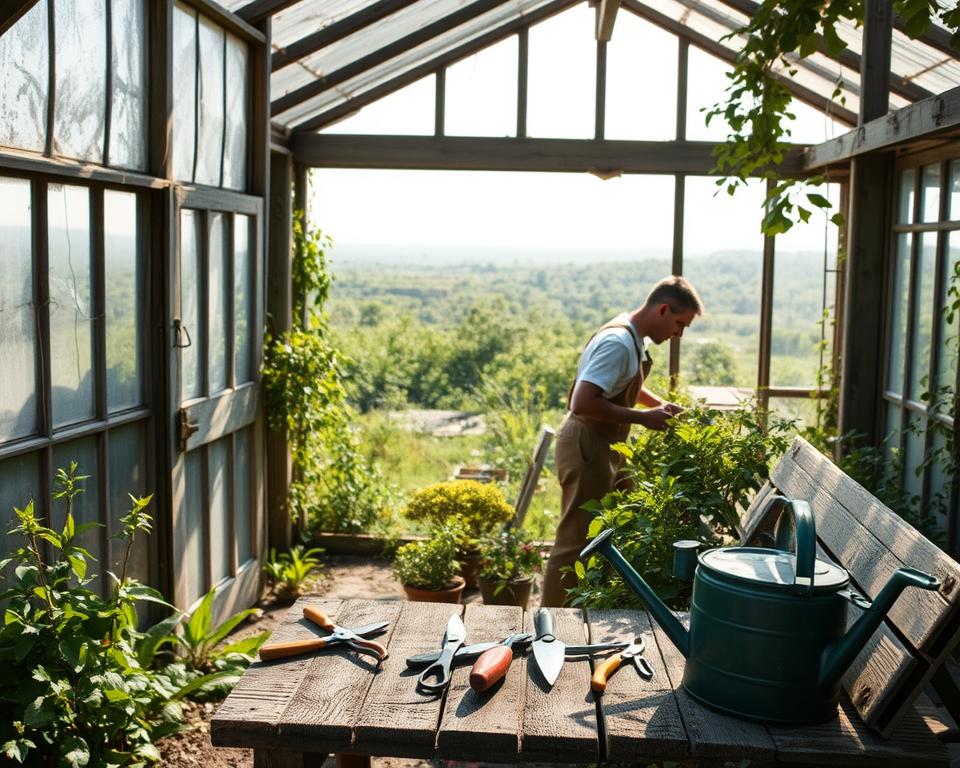
Wooden greenhouses reward with warmth and charm, yet they need steady attention to stay sound. A clear, steady plan for wooden greenhouse maintenance protects timber and glazing, keeps plants healthy and limits expensive repairs later.
Regular treatments and protective coatings
Inspect frames yearly and touch up exposed areas after severe weather. Apply microporous paints or specialist exterior wood stains to allow timber to breathe while shedding moisture. A full re-coating every three to six years is typical, depending on product performance and exposure.
Seasonal checks and repairs
Carry out spring and autumn checks on base and sill for signs of rot. Look over window seals, glazing clips and putty, door alignment and hinge wear. Clear gutters and downpipes, verify drainage runs freely and test ventilation mechanisms before the growing season.
Replace any decayed boards as soon as they appear to stop spread. Tighten loose glazing clips and renew sealant where beads have cracked. These small tasks reduce the chance of larger failures and cut greenhouse repair costs UK over time.
Costs and time commitment over a decade
Plan on several hours each year for minor upkeep such as paint touch-ups and sealant work. Material costs for routine tasks typically fall between £50 and £200 annually, depending on product choice and whether a tradesperson is used.
Major re-treatments or joinery repairs every three to six years can cost several hundred pounds. If extensive joinery replacement is required, bills rise further. Over ten years cumulative outlay for maintenance and occasional repairs can approach the lifecycle cost of a low-end aluminium greenhouse.
Budgeting realistically for wooden greenhouse maintenance and selecting high-quality greenhouse protective coatings at the outset often reduces long-term expense. Regular attention saves time and lowers greenhouse repair costs UK in the long run.
Cost considerations beyond initial purchase
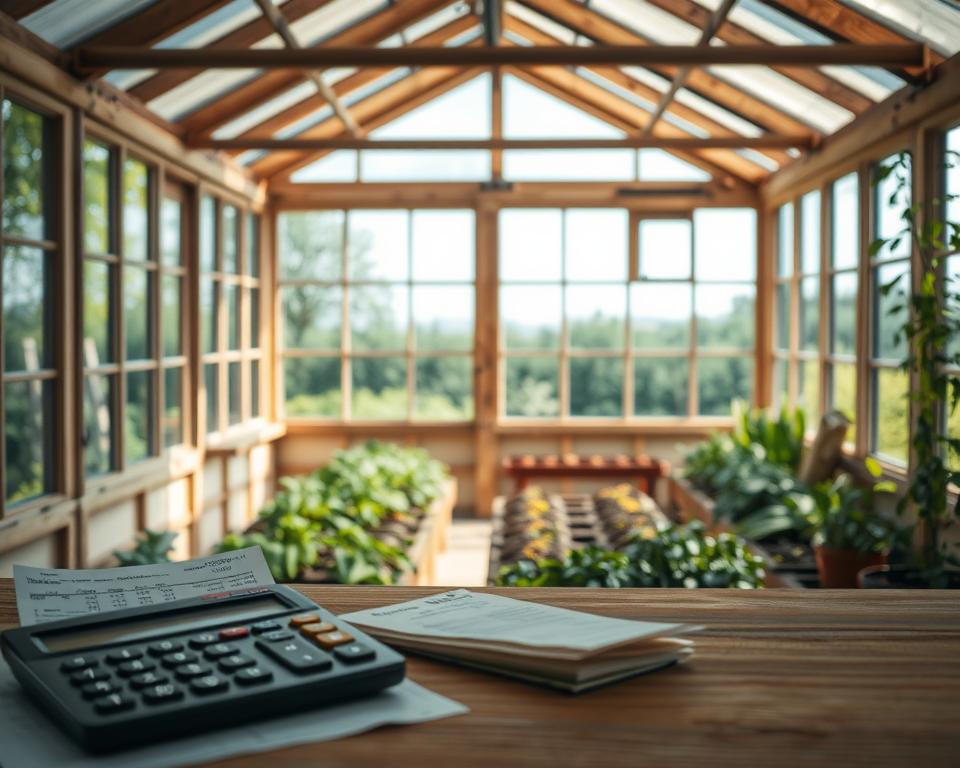
Choosing timber for a greenhouse can feel budget-friendly at point of sale. Short-term savings may hide rising bills over time. A clear view of ongoing expenses helps buyers compare real value.
Hidden costs: maintenance, repairs, and replacements
Routine treatments, preservative coats and repainting are recurring items. Replacement glazing strips, sealant and the odd carpentry repair add up.
Pest treatments and the need to replace rotted base rails or uprights can be costly. Labour rates for a local carpenter or joiner vary by region and timber quality from suppliers shifts expense forecasts.
Insurance and resale value implications
Some home and garden insurance policies ask for records of timber treatment or impose higher premiums if the structure is untreated. That can raise annual ownership costs.
Visible deterioration can harm greenhouse resale value UK prospects. Well maintained timber helps preserve resale appeal. Low-maintenance aluminium alternatives often score better with buyers seeking minimal upkeep.
Lifecycle costing versus upfront savings
Compare total sums over 10–25 years, not just the sticker price. Cheaper wooden models can look economical initially but attract higher cumulative outlay for maintenance and occasional major repairs.
Aluminium or galvanised steel may demand a larger upfront investment. Over two decades they tend to need less upkeep, lowering the wooden greenhouse cost of ownership for many UK gardeners when lifecycle costing is applied.
Balanced budgeting should include an allowance for greenhouse hidden costs, potential insurance adjustments and realistic estimates for greenhouse resale value UK when planning any purchase.
Moisture management and ventilation challenges
Wooden frames add warmth and charm to a greenhouse. They demand careful attention to moisture and timber behaviour. A well-planned approach to ventilation shapes the greenhouse microclimate UK growers need for healthy plants and a lasting structure.
How wood reacts to humidity changes
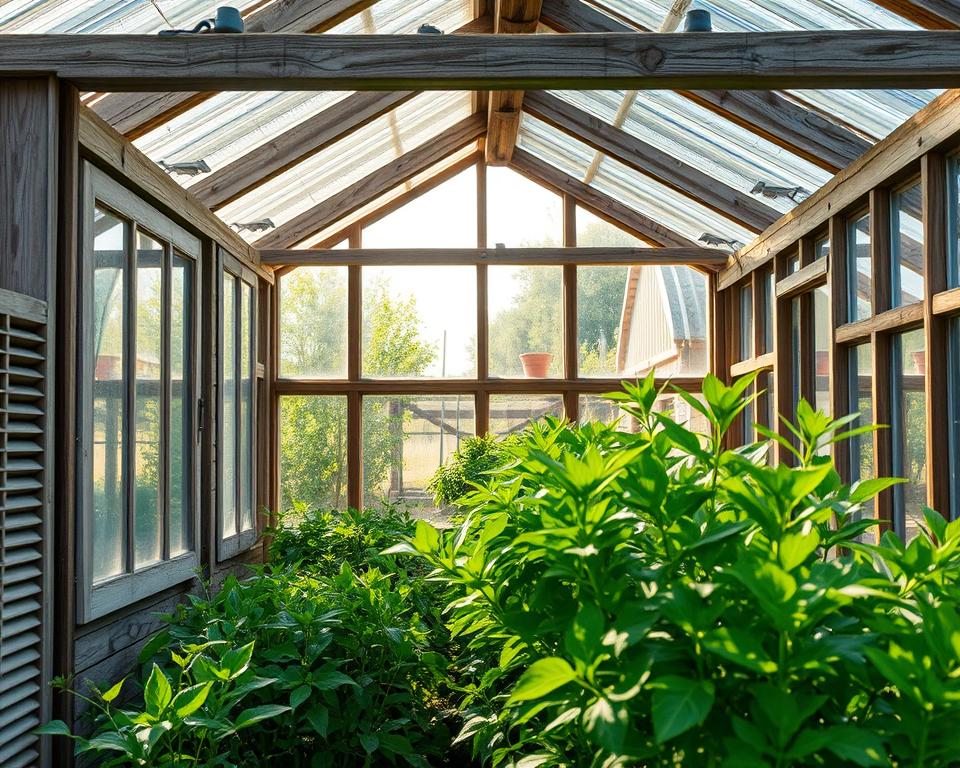
Wood is hygroscopic. It swells as it absorbs moisture and shrinks when the air dries. These cycles can warp frames, crack paint and loosen joints.
Persistent damp at the base and junctions speeds decay. That undermines structural integrity and raises repair bills.
Design strategies to improve airflow
Install roof vents and side louvres to encourage cross-ventilation. Automatic vent openers from companies such as Halls or Leabrook reduce reliance on manual adjustment.
Raise timber off the ground on rot-proof bases or a concrete plinth. Add drip channels and generous overhangs to keep splashback away from timber. Choose glazing carefully; toughened glass holds less moisture than some multiwall polycarbonate systems, which can influence humidity levels.
Consequences for plant health and microclimate control
Poor wooden greenhouse ventilation traps moisture. That encourages mould, mildew and fungal leaf diseases affecting tomatoes, cucumbers and ornamentals.
Inconsistent humidity produces stressed plants and can attract pests. Use a mix of venting, controlled heating and a small dehumidifier to stabilise conditions in a greenhouse microclimate UK gardeners can manage.
| Issue | Design or product response | Benefit |
|---|---|---|
| Frame swelling and shrinkage | Use seasoned, treated timbers and leave expansion gaps at joints | Reduces warping and prolongs service life |
| Ground-level rot | Concrete plinths or galvanised supports with drainage | Prevents water contact and slows decay |
| High internal humidity | Roof vents, louvres, cross-ventilation and automatic openers | Improves air exchange and lowers disease risk |
| Condensation on glazing | Prefer toughened glass, increase ventilation, add passive vents | Reduces surface moisture and mould growth |
| Mould and fungal disease | Combine ventilation with occasional heating and dehumidification | Creates a stable environment for crops and timber |
Pest and biological threats to wooden structures
Wooden frames add charm to a greenhouse. They can also invite biological hazards when moisture and poor ventilation come together. This short guide covers the insects and fungi that most commonly attack timber in UK gardens and offers practical steps to limit damage.
Insect infestation risks
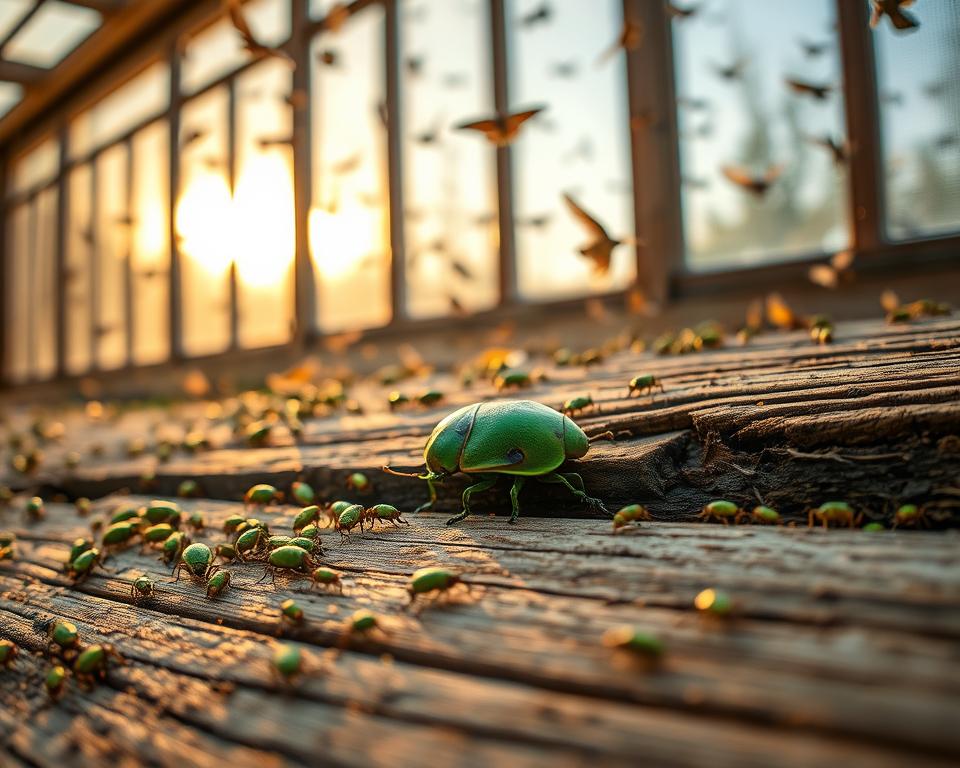
Damp or decaying timber attracts wood-boring beetles often referred to as woodworm. Species such as common furniture beetle and deathwatch beetle make tunnels that weaken joists and glazing bars. Termites are rare in the United Kingdom, but drywood-borer activity and occasional carpenter bee damage can occur in sheltered, sun‑warmed corners. A visible sign of attack is fine frass or powdery “spore dust” beneath small exit holes. Severe infestations demand a specialist inspection and targeted treatment to protect structural members.
Fungal growth and mould issues
Fungi such as brown rot and white rot colonise timber that stays wet for long periods. Surface mould and mildew thrive in poorly ventilated corners and behind planting benches. Affected wood may feel soft, show discolouration and emit a musty smell that harms air quality. Internal mould is a risk for both plant health and gardeners with respiratory sensitivities. Early detection keeps repair bills down and prevents wider spread.
Preventative measures and treatments available
Start with pressure‑treated or naturally durable species like cedar or larch to reduce vulnerability. Boron-based insecticides deter wood-boring pests without severe toxicity to gardeners when applied correctly. Fungicidal preservatives tackle decay fungi when used to the manufacturer’s guidance. Physical measures are essential: fit a damp-proof membrane, raise timber clear of soil, provide firm, well-draining foundations and design for cross ventilation. Regular inspections, especially after wet winters, catch problems early and avoid costly structural work.
For those who prefer an added layer of protection, scheduled resealing with breathable exterior preservatives extends service life. Professional contractors such as local joiners and pest control firms can assess risk zones and recommend precise treatments for a woodworm greenhouse or for general greenhouse mould prevention. Routine care and the right materials make timber a resilient choice in most British gardens.
Environmental and sustainability trade-offs
A wooden greenhouse can look beautiful and lower embodied carbon compared with metal alternatives. Buyers must weigh the benefits against the environmental costs tied to timber sourcing, chemical use and disposal. Choosing responsibly helps reduce negative effects on habitats and garden health.
Source of timber and responsible forestry considerations
Opt for certified options such as an FSC timber greenhouse or PEFC-certified frames to confirm legal, managed forestry. Certification shows chains of custody and helps protect old-growth habitats and biodiversity.
Timber from sustainably managed forests often stores carbon for many years, lowering lifecycle emissions compared with aluminium. Still, buyers should request documentation from suppliers and check that species come from regional, well-managed sources.
Chemical treatments versus ecological impact
Treated timber improves durability but raises concerns about greenhouse chemical impact. Common preservatives include copper-based treatments and boron salts; older options like creosote are now largely phased out for domestic use.
Runoff from treated frames can affect soil life and nearby plants. Gardeners should consider low-toxicity alternatives, pressure-treated timber from reputable mills, or thermally modified wood where available to reduce long-term chemical load.
End-of-life disposal and recyclability
Treated timber has limited end-of-life options. It cannot be safely composted or burned due to preservatives, so disposal may require council bulky waste services or licensed recycling centres.
By contrast, aluminium frames are widely recyclable and often easier to repurpose. Planning for future reuse or selecting an FSC timber greenhouse with minimal treatment can ease disposal challenges.
| Aspect | Wooden greenhouse (treated) | FSC timber greenhouse (certified) | Aluminium greenhouse |
|---|---|---|---|
| Embodied carbon | Low to moderate, varies by source | Low, certified sustainable sourcing | Higher, energy-intensive production |
| Chemical footprint | Moderate to high if heavily treated | Lower when minimal treatment used; documented | Low chemical runoff; no preservative required |
| End-of-life options | Disposal restrictions; not compostable | Easier to repurpose; still may need specialist disposal | Widely recyclable and often re-used |
| Habitat impact | Risk if unsustainably sourced | Reduced risk with certification | Resource extraction impacts; different profile |
| Recommended action | Check treatment labels; limit contact with soil | Request FSC chain-of-custody and choose low-toxicity finishes | Consider recycling pathways and long-term durability |
Structural stability and load-bearing limitations
Wooden greenhouses offer warmth and a classic look, yet they face clear structural challenges in the British climate. Lighter timber frames can flex under load. Long spans, shallow roof pitches and weak glazing fixings make some designs vulnerable during severe weather.
Snow loading and wind resistance in the UK
Snow is usually intermittent across the UK, but heavy falls can occur in upland areas and during cold snaps. Timber members sized for mild winters may struggle when snow sits on a broad roof. The phrase wooden greenhouse structural limits describes how much weight a frame should safely carry.
Storm-force winds add lateral forces that exploit weak connections. Poorly anchored bases and inadequate cross-bracing let frames rack or lift. Check bearing points, ridge lines and the integrity of glazing fixings if you expect winter extremes.
Design reinforcements and engineering solutions
Start by specifying thicker section timbers where loads concentrate. Add steel or aluminium reinforcement plates at joints to reduce movement. Cross-bracing at gable ends and purlin strengthening at the ridge improve overall stiffness.
Use galvanised fixings and stainless steel screws for durability. Mechanical joinery, such as bolted mortice-and-tenon or plated splice joints, outperforms simple nailed connections when holding up to wind and snow.
When to choose a framework upgrade
Consider an upgrade if repairs become frequent or after significant weather damage. If you plan heavy glazing, multiple shelving layers or fixed benches, the original wooden greenhouse structural limits may be reached.
Hybrid frames combine timber aesthetics with internal aluminium or steel reinforcement. This approach lets owners strengthen wooden greenhouse performance while keeping the look of natural wood.
Aesthetic appeal versus practical performance
Many UK gardeners pick timber for its warm, traditional look and how it sits among borders and roses. The visual charm can transform a plot into a cottage-garden scene that metal frames struggle to match. That visible warmth explains why wooden greenhouse aesthetics remain popular despite the upkeep they demand.
The next few points look at reasons for that choice, common decorative greenhouse issues and ways to keep attractive designs working well without excess trouble.
Why gardeners choose wood for looks
Timber offers texture and depth that painted aluminium cannot copy. Many gardeners favour painted finishes from brands such as Farrow & Ball or Dulux to match garden schemes. The result is a frame that feels part of the planting.
Wood lends itself to traditional profiles, curved bars and a softer silhouette. That soft look can make a greenhouse feel less industrial and more like an extension of the garden room.
Practical downsides of decorative designs
Ornate finials, complex glazing bars and shallow raked roofs create more joints and crevices. These areas trap moisture and debris, raising the risk of rot. Small mouldings lengthen painting time and hide spots that need repair.
Decorative features also make resealing and replacing glazing more fiddly. Annual maintenance jumps when there are many tight corners and little timber mouldings to treat.
Balancing form and function in greenhouse selection
Choose clean profiles with simple glazing bars to cut maintenance. Retain timber where it shows and use steel or galvanised brackets in concealed structural points to boost strength without losing the look.
Decide whether a highly decorative design justifies extra work. For many, a compromise works best: a timber exterior for appearance and hidden metal reinforcements for longevity, delivering both greenhouse form and function.
Treatment chemicals and health considerations
Wooden greenhouse frames often need protection from decay and pests. Choosing the right preservative affects plant safety and gardener health. This short guide explains common options, the main exposure routes and practical steps to reduce harm.
Common preservatives used on greenhouse timber
Copper-based formulations are widespread. Copper azole and other waterborne copper systems give long-lasting defence against rot. Chromated copper arsenate (CCA) has been largely restricted in the UK for residential uses, though it exists in older structures.
Boron salts are popular for insect control and are favoured for interior timbers because they have low toxicity to mammals when dry. Microporous stains and water-repellent treatments add surface protection without sealing the wood completely.
Potential risks for edible crops and gardeners
Treated timber can transfer residues to soil through runoff or leaching. Direct contact between planters, raised beds or pots and treated timber increases the chance of contamination for edible crops.
Gardeners risk skin contact or inhalation when cutting, sanding or applying preservatives. Pesticide risks greenhouse often arise where older, restricted products remain in use, or where application rules are ignored.
Safer alternatives and best practice handling
Use certified low-toxicity products and seek preservatives with minimal leachability. For internal timber that contacts soil or plants, opt for boron-based treatments or timber sealed with a certified microporous paint.
Install physical barriers such as plastic liners or raised bed timbers separated from treated frames. Wear gloves, eye protection and a suitable mask when treating or machining wood. Follow manufacturer safety data sheets and COSHH guidance when storing, applying and disposing of preservatives.
Quick comparison
| Treatment type | Main benefits | Key precaution |
|---|---|---|
| Copper-based (e.g. copper azole) | Strong decay protection, long life | Avoid direct contact with edible soil; use barriers |
| Boron salts | Low mammalian toxicity, good insect control | Protect from heavy rainfall to reduce leaching |
| Microporous stains / water repellents | Improve weather resistance, maintain breathability | Reapply as recommended; check compatibility with sealants |
Choosing safe timber treatments and limiting exposure reduces pesticide risks greenhouse gardeners face. Careful selection and simple barriers protect crops while preserving the life of the structure.
Installation complexity and site requirements
Choosing where and how to install wooden greenhouse UK models affects longevity, performance and neighbour relations. Careful site selection and correct groundwork reduce stress on timber and prevent early failures.
Ground preparation and foundation needs
Good greenhouse foundations are essential. A concrete plinth gives a rigid, level base that resists movement and keeps timber off the soil. Slab bases work well where drainage is stable and provide a simple, flat platform for timber frames.
Pressure-treated timber bearers set on a damp-proof membrane suit sites where a full concrete pour is impractical. This approach keeps the timber away from moist ground and helps prevent rot. Whatever option you choose, ensure the base is perfectly level to avoid twisting forces that accelerate joint failure.
Professional installation versus DIY challenges
Skilled carpentry is needed for neat joinery and secure glazing. Poor sealing or incorrect fixings allow water ingress and movement, which shortens life of the structure. A professional fitter, such as a local greenhouse specialist or an experienced joiner, can deliver accurate setup and preserve any manufacturer warranty.
DIY installation can reduce initial cost. That saving comes with risk if work lacks precision. Amateur errors in levelling, sealing or anchoring are common causes of long-term problems and extra repair bills.
Permits, planning considerations and garden layout impact
Most small garden greenhouses fall under permitted development, but rules change if a structure sits near a boundary or if the property lies in a conservation area. Check local authority guidance before you commit. Getting the wrong advice can mean costly alterations or removal.
Practical layout choices matter. Consider access for delivery and installation, orientation for maximum sunlight and distance from trees to reduce shade and falling debris. Think about surface water run-off and proximity to neighbours to avoid disputes over drainage or overshadowing.
Conclusion
This wooden greenhouse conclusion draws together the main points raised: higher maintenance demands, sensitivity to moisture and fungal decay, vulnerability to pests, potential chemical and environmental trade-offs, structural limits in severe weather and often greater lifecycle costs. Readers asking what are the disadvantages of a wooden greenhouse? should weigh these factors against the clear aesthetic benefits that timber brings to a garden setting.
For greenhouse buying advice UK readers, the practical takeaway is simple. If you favour wood, choose durable species such as larch or cedar, insist on responsible sourcing, invest in quality preservative treatments and a solid foundation, and plan for regular maintenance. If low upkeep and structural robustness matter most, consider aluminium, uPVC or hybrid frames that keep the timber look while reducing long-term work.
Before you decide, run a short checklist: assess the site for drainage and shelter, specify timber type and certification, prepare a maintenance plan and realistic lifecycle budget, and decide whether to hire professional installers. Following these steps will help gardeners in the UK make an informed purchase or upkeep decision that balances style, cost and resilience.
FAQ
What is the purpose of this article on wooden greenhouses?
This article offers a practical, comprehensive examination of the disadvantages of wooden greenhouses for gardeners and homeowners in the United Kingdom. It focuses on durability, maintenance, cost, environmental trade-offs, health implications and installation issues. It also compares timber with alternative materials such as aluminium and uPVC to help readers make a balanced choice.
Who is the intended audience?
The guidance is aimed at UK homeowners, allotment holders and horticulturalists who are deciding whether to buy, build or keep a wooden greenhouse. It takes into account the specific climatic challenges of the UK, including high humidity, frequent rain, variable temperatures and occasional snow and storms.
What primary disadvantages of wooden greenhouses should I be aware of?
Key drawbacks include susceptibility to rot and fungal decay, high maintenance demands (painting and re-treating), vulnerability to wood-boring pests, possible concerns over chemical treatments, greater long-term costs in some cases, structural limitations under heavy snow or strong winds, and moisture-management challenges that can harm both structure and plants.
How does the UK climate specifically affect wooden greenhouses?
Frequent rain and persistent humidity accelerate wood decay, encourage mould and increase swelling and shrinkage cycles that stress joints and finishes. Coastal or exposed sites add wind and salt exposure risks. Poor ventilation in damp conditions raises the chance of internal mould and plant disease, so site selection and ongoing maintenance are crucial.
What should I check before buying a wooden greenhouse?
Use a concise checklist: confirm timber species and preservative treatment, check warranty and finish quality, verify glazing type and seals, assess site exposure and foundation requirements, estimate maintenance schedule and annual costs, and consider aluminium or uPVC alternatives if low maintenance and longevity are priorities.
How likely is timber to rot or suffer fungal decay?
Timber in contact with moisture or with poor ventilation is prone to brown rot, white rot and soft rot fungi. Typical failure points are base rails, sill plates and joints. Untreated or poorly sealed softwood can begin to fail within a few years in damp UK locations.
Do certain timber species last longer than others?
Yes. Durable species such as Western Red Cedar and Siberian Larch naturally resist decay better. Pressure-treated softwoods, for example treated Scandinavian redwood, also extend service life. With correct preservative treatment and maintenance, lifespans can range from 15–30+ years for durable timbers; untreated softwoods may last only 5–10 years in wet sites.
How do wooden frames compare with aluminium and uPVC?
Aluminium frames are corrosion-resistant, low maintenance and structurally strong, often lasting 25+ years. uPVC resists rot and needs minimal upkeep but can become brittle under prolonged UV exposure. Both alternatives generally require less frequent repair and have lower lifetime maintenance costs than timber.
What regular maintenance does a wooden greenhouse need?
Expect annual or biennial inspections and touch-up painting or staining, with full re-coating every 3–6 years depending on products used. Typical seasonal checks include base and sill inspections, glazing seals, gutter clearing and hinge alignment. Prompt replacement of any decayed boards prevents spread of damage.
How much will maintenance cost over time?
Minor annual maintenance might cost £50–£200 in materials and take several hours. Major re-treatments or joinery repairs every 3–6 years can run to several hundred pounds. Over ten years cumulative maintenance and repair costs can exceed the initial saving on a cheap wooden greenhouse and approach the lifecycle cost of an aluminium structure.
Are there hidden costs I should budget for?
Hidden costs include preservatives, paints, replacement glazing strips, and possible carpentry labour for repairs. You may also face pest treatments and replacement of rotted base rails or uprights. Costs vary with timber quality, site exposure and whether professional trades are engaged.
Will a wooden greenhouse affect insurance or resale value?
Some insurers may ask for treatment records or apply higher premiums if timber is untreated. A well-maintained wooden greenhouse can hold value, but neglected timber structures may reduce property appeal compared with low-maintenance aluminium alternatives and can complicate resale.
How does wood react to humidity fluctuations and why does that matter?
Wood is hygroscopic: it expands when wet and shrinks when dry. These cycles cause warped frames, cracked paint and loosened joints. Continued moisture absorption accelerates decay, particularly at ground-level junctions, threatening structural integrity and glazing seals.
What design strategies improve ventilation and moisture control?
Use roof vents, louvre panels, automatic vent openers and cross-ventilation layouts. Raise timber on rot-proof bases or concrete plinths, include drip channels and overhangs to reduce water contact, and choose appropriate glazing (toughened glass or polycarbonate) to help manage internal humidity.
How does poor ventilation affect plants in a wooden greenhouse?
Inadequate airflow traps moisture, increasing mould, mildew and fungal leaf diseases. Inconsistent microclimates can stress plants and encourage pests. Humidity control—through venting, dehumidifiers or heating—is important both for crop health and for protecting timber.
What pest and biological threats are common in the UK?
Wood-boring beetles (woodworm) and other borers attack damp or decaying timber. Termites are rare in the UK but other borers and occasional carpenter activity can occur. Fungal colonisation (brown rot, white rot) and surface mould are common in poorly ventilated, damp greenhouses.
How can I prevent pest infestations and fungal growth?
Use pressure-treated timber, apply fungicidal preservatives and boron-based insect treatments where appropriate, and maintain raised foundations, damp-proof membranes and good drainage. Regular inspections and rapid replacement of decayed sections reduce spread and structural impact.
Are there environmental trade-offs with wooden greenhouses?
Timber often has a lower embodied carbon than aluminium, but ecological impact depends on sourcing. Certified timber (FSC, PEFC) reduces risk of habitat loss. Chemical preservatives extend life but can cause runoff and soil contamination, so their environmental cost should be weighed against longevity benefits.
How should treated timber be disposed of at end of life?
Treated timber cannot be composted or safely burnt due to preservatives. Disposal typically requires council bulky waste collection, skip hire or specialist recycling streams. By contrast, aluminium is widely recyclable and easier to repurpose.
Are wooden greenhouses structurally vulnerable to snow and wind?
Lighter timber frames can flex or fail under heavy snow or storm-force winds, especially with long unsupported spans, shallow roof pitches or weak glazing fixings. Regular assessment of load-bearing capability is essential in exposed UK locations.
What engineering measures increase structural stability?
Use thicker section timbers, galvanised or stainless-steel fixings, steel or aluminium reinforcement plates at joints, cross-bracing, ridge strengthening and deeper foundations. Hybrid designs that combine timber appearance with internal metal reinforcement offer improved strength without losing the look of wood.
When should I upgrade a timber framework?
Consider upgrading when repairs become frequent, after significant weather damage, or if heavier glazing or shelving loads are planned. Upgrading is also wise if foundations are failing or ongoing maintenance costs are escalating beyond acceptable levels.
Why do gardeners still choose wooden greenhouses for aesthetics?
Wood provides a traditional cottage-garden appearance, a warm natural texture and an ability to integrate with planting and landscape in ways aluminium or uPVC often do not. Painted finishes and detailed glazing bars add to its visual appeal.
What practical downsides come with decorative wooden designs?
Ornate mouldings, complex glazing bars and shallow raked roofs trap moisture and dirt, increase painting time and create hidden crevices prone to rot. Decorative features can raise maintenance complexity and cost compared with simpler profiles.
Are chemical treatments on greenhouse timber safe for edible crops?
Modern preservatives are generally low in leachability, but contamination risks remain via runoff or direct soil contact. Growers of edible produce should avoid direct contact between treated timber and soil, use physical barriers, and follow COSHH guidance and manufacturers’ safety data sheets.
What safer alternatives or handling practices exist for timber treatment?
Choose certified low-toxicity preservatives or microporous stains, seal internal timbers with paint, install plastic liners between timber and soil, wear gloves and PPE when handling or applying treatments, and follow disposal guidance for treated materials.
What foundation and ground preparation does a wooden greenhouse need?
Recommended foundations include concrete plinths, pressure-treated timber bearers on damp-proof membranes or slab bases that keep timber off soil. A flat, level foundation prevents twists and stresses that accelerate timber failure and glazing misalignment.
Should I install a wooden greenhouse myself or hire a professional?
Professional fitters or joiners offer precise carpentry, correct sealing and secure fixing that preserve warranties and structural integrity. DIY can save money but increases risk of long-term problems if joinery, glazing and sealing are not executed to a high standard.
Do greenhouse installations need planning permission in the UK?
Many small garden greenhouses fall under permitted development, but siting near boundaries, in conservation areas or on land with restricted rights may require planning consent. Consider access for installation, orientation for sunlight, and proximity to trees and neighbours when siting the structure.