Essential Shed Security Tips
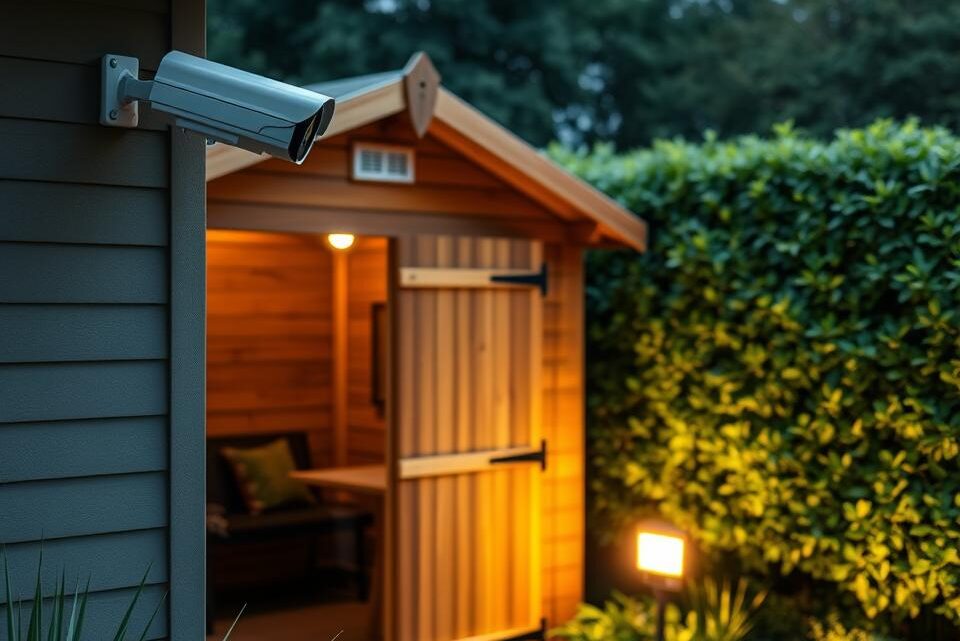
This guide offers practical, UK‑focused advice to improve shed security and shed safety for homeowners, renters with garden access, allotment holders and small business operators. Police reports and insurers in the United Kingdom have noted a rise in theft and vandalism affecting garden outbuildings, so a layered approach—combining physical, electronic and administrative measures—is essential to protect garden shed contents and reduce future losses.
Readers will learn how to assess vulnerabilities, choose locks and hardware that meet British Standards, pick effective deterrent lighting and smart devices, and adapt landscaping to remove hiding places. Simple, cost‑effective steps such as replacing weak hasps, adding motion lights and anchoring equipment can make an immediate difference. Higher‑investment measures like reinforced doors, alarm systems and CCTV further enhance outbuilding security.
Throughout the article we focus on clear, actionable steps to create a secure shed that balances affordability with effectiveness. Follow the sections that follow for a step‑by‑step plan to assess risks, strengthen doors and windows, organise valuables inside, meet insurance requirements and ultimately build a more resilient outbuilding security strategy.
Inhaltsverzeichnis
Key Takeaways
- Adopt a layered approach combining physical, electronic and administrative measures for better shed security.
- Start with a simple audit to identify weak points in doors, windows and locks.
- Small upgrades—strong hasps, motion lights, and anchors—offer good value and quick gains in shed safety.
- Invest in British Standards‑rated locks and fittings for long‑term protection of a secure shed.
- Improved outbuilding security can reduce insurance risk and may help lower premiums.
Understanding the importance of shed security
Sheds sit at the back of many UK gardens. They store valuable, portable items such as lawnmowers, power tools, bicycles and petrol generators. Their location and construction make them vulnerable. Weak timber panels, corrugated metal and basic locks offer low resistance. That combination explains why sheds are targeted by opportunist thieves.
Why sheds are a common target
Thieves look for quick gains with little effort. An unsecured outbuilding is an easy win. Poor lighting, overgrown boundaries and limited sightlines from the house increase the chance of theft. Items kept inside are often small to carry and simple to sell, which raises local outbuilding crime rates.
Typical losses and insurance implications
Insurers regularly receive claims for stolen garden machinery, bicycles and DIY tools. Repairing damage from forced entry or vandalism adds to replacement costs. For small businesses that use outbuildings, theft can disrupt work and hit earnings. Shed insurance implications include policy exclusions, excesses and requirements for specific locks or alarms.
How improved security reduces risk and premiums
Improving security lowers the chance of a claim. Fit BSI‑rated locks, reinforce doors, add alarms and consider external lighting and cameras. Keep receipts and photograph upgrades. Many insurers and the National Business Crime Centre note that documented improvements can reduce premiums or satisfy policy conditions.
Assessing your current shed security
Start with a pragmatic review of your outbuilding. A simple shed security audit sets the scene for practical improvements. Carry out checks in daylight and again at dusk to judge sightlines and lighting. Note access routes, neighbouring visibility and any obvious gaps under doors.
Conducting a security audit
Follow a step-by-step checklist to make the outbuilding inspection thorough and repeatable. Inspect door and window strength, test locks and fixings, and evaluate external lighting. Try to open or lift doors to reveal loose hinges or removable pins. Record results so you can track changes over time.
Use a simple score for each element: secure, needs attention, or insecure. Repeat the shed security audit annually or after storms, renovations or extended absences.
Identifying weak points in doors, windows and walls
Look for thin or rotten timber panels, single-glazed windows and poorly fixed hinges. Check for staple hasps that can be levered, gaps under doors and unsecured skylights. Examine earth anchors for corrosion or absence.
Perform hands-on tests. Apply pressure to doors, try to lift them off hinges and test whether screws can be removed from the outside. Note any weak fittings that would let tools or a crowbar gain entry.
Recording an inventory of stored items
Create a clear list that documents make, model and serial numbers where possible. Add purchase receipts and an approximate value for each item. Keep one copy in cloud storage and a second copy in the house so you can access it after a theft or loss.
Maintaining an accurate inventory shed contents log helps police investigations and speeds insurance claims. Regularly update the inventory when you buy or dispose of equipment.
| Audit area | Checklist items | Action |
|---|---|---|
| Access routes | Gate locks, clear paths, sightlines from road | Trim hedges, fit gate lock, add signage if needed |
| Doors and hinges | Timber condition, hinge security, lift test | Replace rotten panels, fit security hinges, add reinforcing plate |
| Windows and glazing | Single glazing, frame integrity, skylight fixings | Upgrade glazing, fit bars or internal shutters, secure skylights |
| Locks and fixings | Padlocks, hasps, screw security, anchor points | Fit rated padlocks, replace staple hasps, install ground anchors |
| Lighting and visibility | Existing lights, dusk performance, shadowed areas | Install motion lights, remove hiding spots, adjust angles |
| Inventory and records | Make, model, serial numbers, receipts, value | Digitise records, store offsite copy, photograph high-value items |
| Anchoring and fixings | Earth anchors, ground bolts, corrosion checks | Replace corroded anchors, add fixing points for equipment |
Physical deterrents for sheds
Good physical security starts with strong, visible barriers. Simple upgrades to doors, windows and fixings can deter casual thieves and make forced entry much harder. The notes below set out practical steps you can take with readily available products from UK suppliers such as Yale, Chubb and Abus.

Robust doors and reinforced frames
Replace flimsy hollow or thin doors with solid timber or steel alternatives. Fit reinforced frames and use coach bolts rather than basic screws to secure hinges and strike plates. Fit hinge bolts and an anti‑lift device where possible to stop attackers levering the door free.
Install a deadbolt or a multipoint lock compatible with the door leaf. Reinforce the doorjamb with metal plates around the strike area to resist crowbar attacks. Where the layout allows, hang doors so they open inwards to reduce prying leverage.
Window security options and glazing choices
Single glazing is vulnerable. Replace it with laminated or toughened glass where budgets permit. Apply security film to existing panes to reduce the chance of smash‑and‑grab thefts.
Consider external metal grilles, window bars or mesh screens for visible protection. Internally fitted grills that mount into the frame are useful where vandalism risk is higher because they cannot be removed from the outside. Secure ventilators so they cannot be unscrewed and used as entry points. These measures improve window security for sheds while preserving ventilation.
Ground anchors and fixing points for valuable equipment
Choose the right anchor for the item and surface. Concrete ground anchors and heavy‑duty ground bolts work well for sit‑on lawnmowers and generators. Wheel clamps and purpose‑made bike anchors provide effective restraint for cycles.
Install anchor points in the shed floor or tie‑off points on internal walls to bolt down valuable kit. British suppliers such as GroundLock and Abus sell robust ground anchors for equipment. For heavy installations, seek professional fitting to ensure the anchor embeds securely and meets manufacturer torque specifications.
Choosing the right locks and hardware
Selecting the correct locks and fittings is a practical step that greatly strengthens shed security. Choose hardware that matches the value of what you store and the level of exposure to weather and theft. Consider how padlocks, hasps and stainless steel fittings work together to create a resilient defence.

Padlocks, hasps and stainless steel fittings
Closed‑shackle high‑security padlocks and disc padlocks offer good protection against bolt cutters and leverage attacks. Look for hardened steel shackles or shroud designs that reduce access to cutting tools.
Use through‑bolt fixings for hasps for sheds to stop screws being prised out from the outside. Opt for shed‑specific hasps with internal fixing screws and anti‑tamper features to prevent easy removal.
Choose stainless steel fittings for hinge plates and fixings where corrosion is likely. That prevents seized parts and keeps mechanical joints strong over time.
British Standards and ratings to look for
Seek BS EN rated locks such as those meeting BS EN 12320 for padlocks. Look for Sold Secure Bronze, Silver or Gold ratings and Secured by Design approvals where possible. Insurers often prefer products with recognised certification for outbuildings.
Pair certified padlocks with correct hasps for sheds to ensure the weakest component is not the hinge or fixing. Certified combinations reduce the chance of rejection by insurers.
Maintenance to keep locks functioning
Lock maintenance is essential to keep mechanisms reliable. Lubricate with graphite or a specialist lock lubricant; avoid general oils that attract grit.
Carry out seasonal checks in spring and autumn and after heavy weather. Tighten fixings, replace corroded screws and clean keyways. Keep spare keys at home in a secure place, not hidden on the shed.
Lighting and visibility strategies
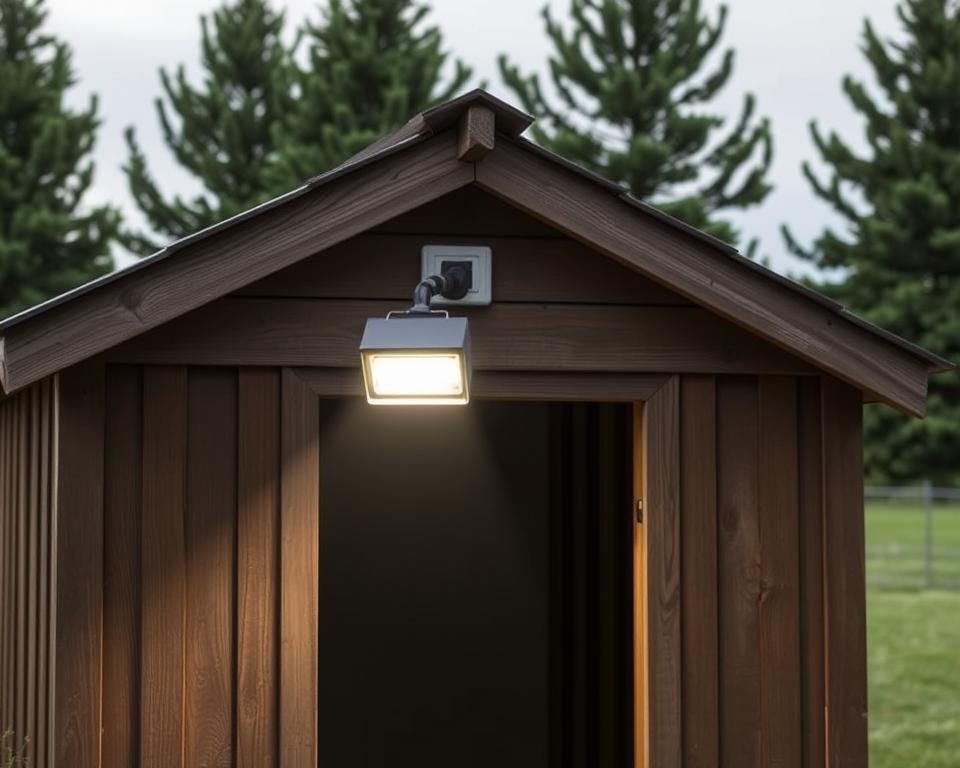
Good lighting turns a shed from an easy target into a visible, unattractive option for intruders. This short guide looks at sensor types, sensible siting and energy-wise choices to create an effective shed lighting deterrent for UK gardens.
Motion-activated lighting choices
Choose between PIR (passive infrared) sensor lights, microwave sensors and combined lamp-and-sensor units. PIR models respond to body heat and work well for typical garden approaches. Microwave sensors detect movement through slight motion and suit enclosed areas where PIR can be triggered by temperature changes.
Look for adjustable sensitivity, dusk-to-dawn settings, an appropriate IP rating for outdoor use and built-in timers. Warm white or cool white LEDs give clear colour rendering at night. For those seeking a reliable motion sensor lights UK option, brands such as Philips and Ring offer robust ranges with weatherproof ratings.
Placement for maximum deterrent effect
Mount lights to illuminate access routes, doors and likely hiding spots while avoiding light spill into neighbours’ gardens. Position sensors around 2–3 metres high with a clear sightline to paths and gates. Use two or more fittings when a single unit leaves blind spots.
Test coverage after dark and fine-tune angles and sensitivity to reduce false triggers from hedgehogs or foxes. A properly placed light provides a consistent shed lighting deterrent without causing nuisance lighting.
Using timers and low-energy options
For sheds without mains power, solar motion lights and battery-backed LED fittings offer practical protection. Select units with sufficient PIR range and battery capacity to cope with long UK winter nights. High-quality lithium batteries keep performance steady in cold conditions.
Timers can simulate occupancy on summer evenings and lower running costs. Choose low energy security lights with efficient LED modules to cut consumption. Reputable UK suppliers such as Solarbrite and Hive supply models with proven durability and useful performance specs.
| Feature | PIR Sensor | Microwave Sensor | Solar Motion Lights |
|---|---|---|---|
| Best use | Open approaches and typical garden paths | Enclosed areas or through-glass detection | Sheds without mains power or remote outbuildings |
| Weather resistance | Good with IP65+ units | Good with IP65+ units | Varies; choose IP65 and above |
| Power source | Mains, battery backup | Mains, battery backup | Solar with battery storage |
| False trigger risk | Low from foliage, higher from warm vehicles | Higher from electronic motion, walls reflect waves | Depends on sensor type; test placement |
| Energy efficiency | High with LED lamps | High with LED lamps | High; inherently low energy security lights |
| Typical PIR range | 6–12 metres | 6–15 metres | 4–10 metres depending on panel size |
| Recommended sensitivity | Adjustable; moderate to avoid wildlife triggers | Adjustable; set lower near roads | Adjustable; test after installation |
shed security
Good shed security sits within the wider garden security plan. Treat the outbuilding as part of the home rather than a separate risk. Simple steps on gates, fences and lighting reduce temptation and make technical measures more effective.
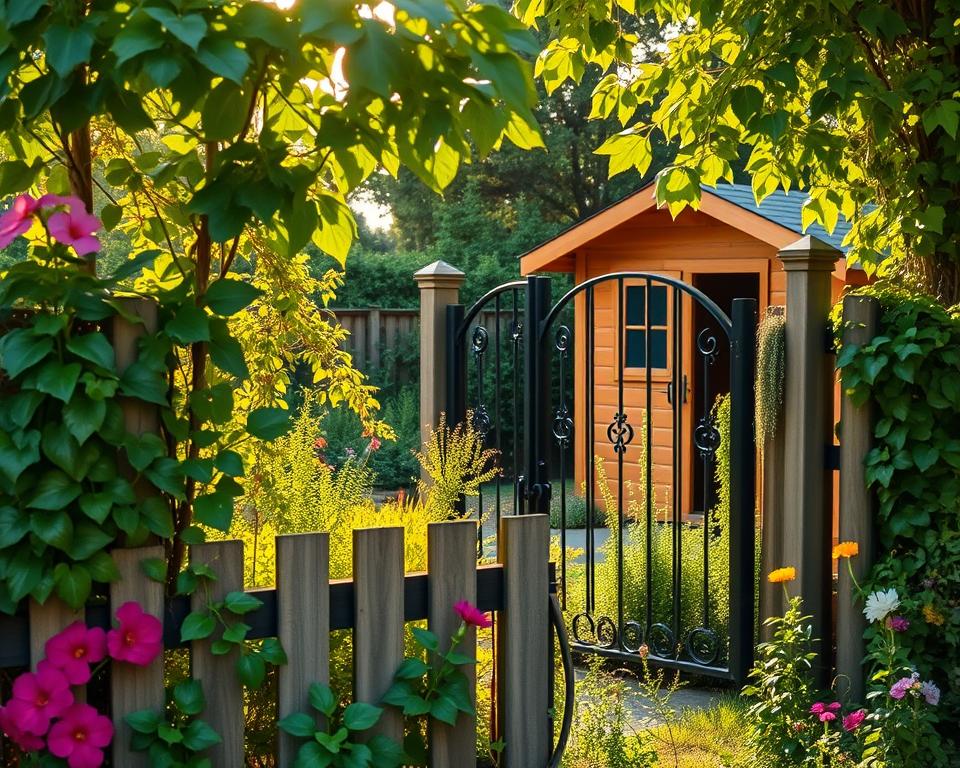
Integrating shed measures into overall garden security
Lock garden gates and keep boundary treatments well maintained. A sturdy fence or trellis cuts sightlines and forces intruders into view. Match door and window upgrades on the shed to the standards you use for external doors on the house.
Where possible, integrate shed alarm or camera alerts with the home security system. Linking devices gives immediate notification to the homeowner and avoids isolated false alarms. That approach helps to integrate shed security into a single, manageable setup.
Signage and psychological deterrents
Use clear, honest signs such as CCTV in operation, alarmed premises or private property. A shed signage deterrent works best when paired with visible measures like good locks, external lighting and a camera lens that can be seen.
Do not claim systems you do not have. False warnings can reduce credibility and encourage persistent offenders. Place signage where it is readable from access points and repeat messages at gates and along paths.
Neighbourhood watch and community awareness
Neighbourhood Watch schemes are valuable for sharing local intelligence about suspicious activity. Report break‑ins promptly and circulate descriptions of any vehicles or persons involved to neighbours.
Encourage neighbours to keep sightlines and to register contact details for quick checks. Practical community steps make properties less appealing to opportunistic thieves and reinforce garden security for the whole street.
| Measure | Practical action | Benefit |
|---|---|---|
| Gate and boundary | Fit lockable gate and repair fence or trellis | Reduces casual access and blocks sightlines |
| Integrated alerts | Link shed camera or alarm to home system or phone | Provides immediate notification and central control |
| Signage | Install honest CCTV/alarmed premises signs | Acts as a shed signage deterrent when visible |
| Community action | Join Neighbourhood Watch and share reports | Creates collective vigilance for neighbourhood watch sheds |
| Lighting | Use motion sensors and timed low-energy lamps | Improves visibility and increases perceived risk to intruders |
Electronic security and smart devices
Electronic solutions can transform shed security with practical, affordable options. This section covers alarm systems, camera choices and power approaches that suit garden outbuildings. Short explanations and product pointers help you decide what fits a typical UK shed.
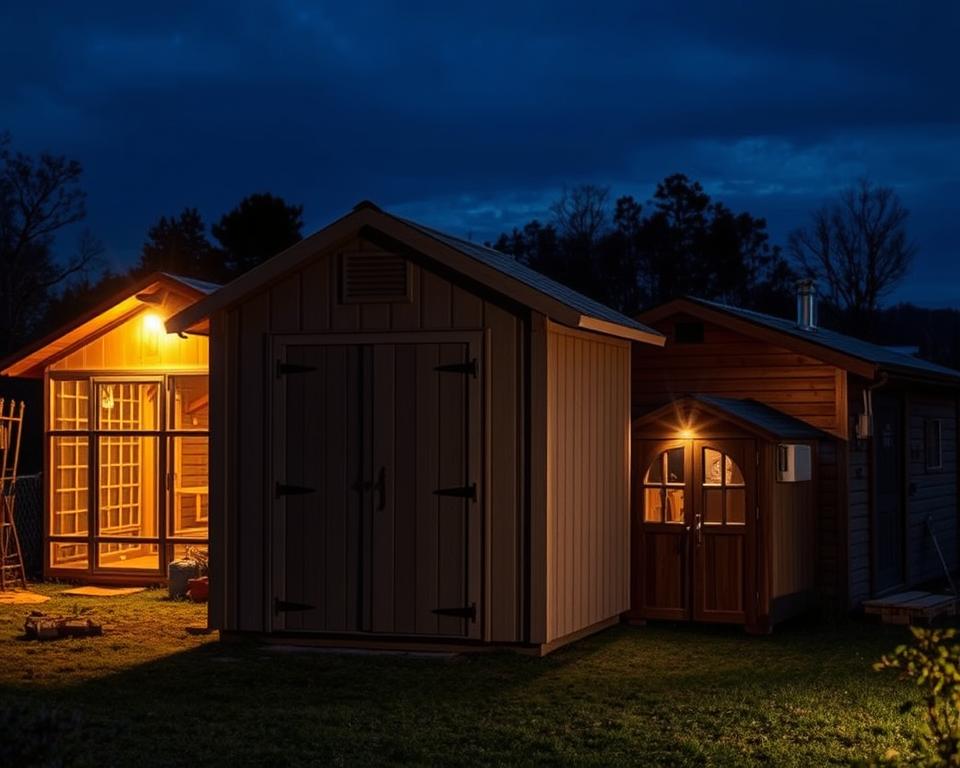
Alarm systems suitable for outbuildings
Standalone shed alarm systems come with shock and vibration sensors, plus door and window contacts. Units from Yale and Ajax offer loud sirens measured in decibels and push notifications to an app or SMS for instant alerts.
Look for pet‑immune sensors to reduce false alarms and features such as entry delay, tamper detection and battery status alerts. Basic kits start under £50. Advanced multi‑zone systems with GSM backup and app control typically range from £150 to £400 when professionally installed.
Wireless cameras and remote monitoring
Wireless CCTV for sheds is available as battery or solar‑powered models, using Wi‑Fi or cellular links. Popular options from Arlo, Ring and Reolink offer HD image quality, night vision and motion detection with cloud or micro‑SD recording.
Choose cameras with local storage plus encrypted cloud services to limit GDPR risks. Two‑way audio helps deter intruders. Secure passwords and regular firmware updates are essential for data security and reliable remote monitoring outbuildings.
Power options: mains, battery and solar
Mains power gives steady supply but may need a qualified electrician to extend to detached sheds. Batteries are simple to fit and suit low‑power cameras and alarms; expect to recharge or swap them every few months depending on use.
Solar CCTV UK kits pair panels with deep‑cycle batteries to run year‑round. Panels must be sized for UK sunlight and winter demand. Protect equipment in lockable enclosures to prevent tampering and ensure cable runs are secure and discreet.
| Feature | Typical Benefit | UK Example |
|---|---|---|
| Shock/Vibration sensors | Detect forced entry on doors or walls | Ajax DoorProtect |
| Wireless CCTV for sheds | Flexible placement with cloud or local recording | Reolink Argus / Arlo Pro |
| Solar CCTV UK kits | Off‑grid power for remote sheds | EcoWorthy solar systems |
| Remote monitoring outbuildings | Instant alerts and live view on phone | Ring Alarm with app alerts |
Selecting the right mix of alarm, camera and power depends on shed location, value of contents and budget. Combine devices for layered protection and test systems regularly to keep them effective.
Landscaping and site layout to deter intruders
Good landscaping for security changes the way intruders move around a property. Simple adjustments to planting, sightlines and paths make sheds harder to reach and easier to watch from the house and street.
Natural barriers and thorny planting
Plant dense, thorny shrubs such as pyracantha, Berberis and common holly beneath shed windows and along vulnerable fence lines. A thorny plants deterrent raises the physical and psychological cost of climbing or forcing entry.
Combine defensive planting with low walls or gravel bands so that movement is channelled into visible areas. Use evergreen varieties where year‑round cover is useful, but keep them trimmed to avoid creating new hiding spots.
Clearing sightlines and removing hiding places
Keep the area around the shed free from tall, dense vegetation, compost heaps and stacked timber. Clear sightlines garden-wide so neighbours and householders can spot suspicious movement early.
Regularly trim hedges, remove undergrowth and replace bulky screens with low, see‑through fencing or gravel borders that produce audible footsteps. These steps improve natural surveillance and reduce opportunities for concealment.
Pathway design to limit access points
Design paths to funnel visitors past well‑lit and monitored zones. A considered pathway design security approach uses gates, trellis panels and planting to close side alleys and limit approach angles.
Install locked gates at the ends of narrow routes and place lighting or cameras where the path passes into view. Restricting approaches and directing movement through monitored corridors raises the chance of detection and deters opportunistic theft.
| Measure | What to use | Security benefit |
|---|---|---|
| Defensive planting | Pyracantha, Berberis, holly | Creates physical barrier; thorny plants deterrent discourages climbing |
| Sightline management | Low fencing, trimmed hedges, gravel bands | Improves clear sightlines garden; reduces hiding places |
| Path and access control | Defined paths, locked gates, trellis | Pathway design security funnels movement into visible, monitored areas |
| Combined hardscape | Low walls, lighting, audible surfaces | Channels movement; increases detection through noise and light |
Secure storage and organisation inside the shed
A tidy, well-organised shed reduces theft risk and speeds repairs. Treat the interior as part of the security system by planning fixed anchor points, sensible storage and clear sightlines. Aim for a balance between convenience and protection so everyday access does not mean easy pilfering.
Anchoring high-value items
Bolt heavy equipment to floor or wall anchors that are fixed into concrete or substantial timber. Use Sold Secure approved anchor plates and thief-resistant chains for motorised items. For bicycles and ride-on mowers, wheelchair-style anchors or ground anchors work well when you need to anchor bikes shed securely without obstructing movement.
Combine physical anchors with an alarm sensor on the anchored object. A vibrating alarm or alarmed ground anchor increases the chance of detection and deters removal attempts.
Concealment vs. accessibility
The trade-off between concealment vs access is crucial. Concealment deters opportunistic thieves by keeping valuables out of sight. Frequent-use items should remain visible and organised to avoid daily friction.
Store high-value, portable items out of sight and behind locks. Use clear labelling and logical placement so users find tools quickly without exposing everything on entry.
Using lockable cabinets and tool racks
Choose metal lockable cabinets for power tools and hazardous materials. Folding wall racks and lockable pegboards save floor space and secure hand tools. Ensure cabinets have ventilation and moisture control to protect electrical equipment and metal tools.
Fit robust padlocks and consider cabinets with internal anchor points to bolt them to the floor. Add inventory tags or QR codes inside lockable cabinets for shed contents to speed identification and insurance claims.
Small steps such as anchoring, considered concealment and fitted lockable cabinets for shed create a layered defence. This approach keeps tools safe while preserving day-to-day usability of the workspace.
Insurance, record-keeping and marking valuables
Protecting items stored in a garden building starts with knowing what your policy will pay for and what it will not. Many household insurers include outbuildings, but limits, excesses and exclusions vary. Read your policy wording and ask providers such as Aviva, Direct Line or AXA about specific outbuilding policy cover for tools, machinery and bicycles. Some insurers will demand locks that meet a set standard and require notification if high-value goods are kept in the shed.
Insurer checks make a difference when a claim is made. Typical exclusions include cash and business stock unless you have a tailored add-on. Replacing lost or stolen kit is quicker when you can show proof of purchase and serial numbers. Good records may reduce disputes about whether an item was stored in the outbuilding at the time of loss.
Photographing possessions insurance style helps with both police reports and claims. Take clear, date-stamped photos of each item, plus close-ups of serial numbers and maker’s marks. Keep receipts and warranty cards with the images. Store one copy of this catalogue in cloud storage and another at a separate physical address to avoid total loss.
Use simple spreadsheets or apps to log purchase dates, values and locations. A concise inventory speeds up police enquiries and speeds any settlement from your insurer. Make sure you note whether items were kept inside the main house or an outbuilding, since that can affect outbuilding policy cover limits.
Mark valuables immobilise-style to deter thieves and aid recovery. Forensic fluids such as SmartWater, engraving, UV pens and tamper-proof VIN plates work well on different items. Register marked property on national databases such as Immobilise and BikeRegister to increase the chance of return if goods are recovered.
Property marking reduces the resale value of stolen items and raises the risk for offenders. Where possible, combine marking with secure anchoring and clear photographic records. Mention any marking systems to your insurer when you check shed insurance UK options; some providers may view marked items as less risky.
Practical steps create a robust record and recovery system:
- Photograph items with date stamps and close-ups of serial numbers.
- Keep receipts and warranties in a cloud folder and a separate physical file.
- Engrave or apply forensic marking and register items on Immobilise or BikeRegister to mark valuables immobilise.
- Notify your insurer of valuable goods in an outbuilding to secure appropriate outbuilding policy cover.
Small, consistent actions provide the best support when things go wrong. Clear records, visible marking and a policy that matches your needs make it simpler to recover items and resolve claims with insurers such as Aviva, Direct Line or AXA.
Conclusion
This shed security summary pulls together a layered approach: assess vulnerabilities, strengthen doors, windows and locks, add effective lighting and visibility, consider electronic monitoring where appropriate, anchor and organise valuables inside, and adapt landscaping to deter access. A secure outbuilding checklist based on these steps makes it easier to prioritise what needs doing now and what can wait.
For practical next steps, carry out a quick security audit, tackle low-cost fixes first such as upgrading hasps and fitting a motion light, then invest in British Standard or Sold Secure certified locks and, if needed, an alarm or camera for high‑value contents. Contact your insurer to update cover and ask whether specific upgrades reduce premiums — many insurers provide guidance for outbuildings.
Most shed burglaries are opportunistic and can be prevented with modest investment and attention. For further help consult local police crime prevention officers, Neighbourhood Watch, Secured by Design guidance, Sold Secure lists, Immobilise and major UK insurers’ advice pages. Use this secure outbuilding checklist to protect shed UK assets today and gain greater peace of mind.
FAQ
What is the purpose of essential shed security advice?
The guidance aims to give practical, UK‑focused steps to protect garden sheds and outbuildings from theft, vandalism and weather damage. It highlights the rise in shed crime reported by UK police forces and insurers, and promotes a layered approach combining physical, electronic and administrative measures to reduce risk and potential loss.
Who should follow these shed security recommendations?
Homeowners, tenants with garden access, allotment holders and small business owners who use outbuildings will find the advice relevant. The measures help assess vulnerabilities, choose British Standard locks and hardware, select deterrent lighting and smart devices, improve landscaping, organise valuables and meet insurer requirements.
Why are sheds a common target for thieves?
Sheds often contain high‑value, portable items such as lawnmowers, power tools, bicycles and generators. They are frequently at the rear of properties with limited visibility and may be built from thin timber or corrugated metal, offering easy opportunities for opportunistic offenders.
How can improving shed security affect my insurance?
Upgrading security with BSI‑rated locks, alarms, CCTV and sturdy fixings can lower the likelihood of a claim and may reduce premiums or satisfy policy conditions. Keeping receipts and documenting upgrades supports claims and often meets insurer requirements from providers like Aviva, Direct Line and AXA.
How do I conduct a simple security audit of my shed?
Walk the property at day and dusk. Check access routes, door and window strength, visibility from neighbours, external lighting and lock fixings. Test doors for weakness, look for gaps under doors, insecure hinges and corroded anchors, and note areas that need fixing.
What should I include in an inventory of items stored in my shed?
Record make, model, serial numbers, purchase receipts and approximate value for each item. Store a digital copy (cloud backup) and a physical copy away from the shed. Photographs and date‑stamped evidence speed police enquiries and insurance claims.
What door and frame upgrades offer the best protection?
Replace hollow or thin doors with solid timber or steel options, fit reinforced frames, hinge bolts and anti‑lift devices. Use coach bolts rather than screws, install a deadbolt or multipoint lock, and reinforce doorjambs with metal plates. Where feasible, fit doors to open inwards to reduce prying risk.
How can I secure shed windows affordably?
Fit laminated or toughened glass where possible, or apply security film to existing panes. Add external grilles, internal mesh screens or bars, and secure ventilators. These measures deter vandalism and make forced entry harder without major expense.