Best Felt for Shed Roof: Quality Options Reviewed
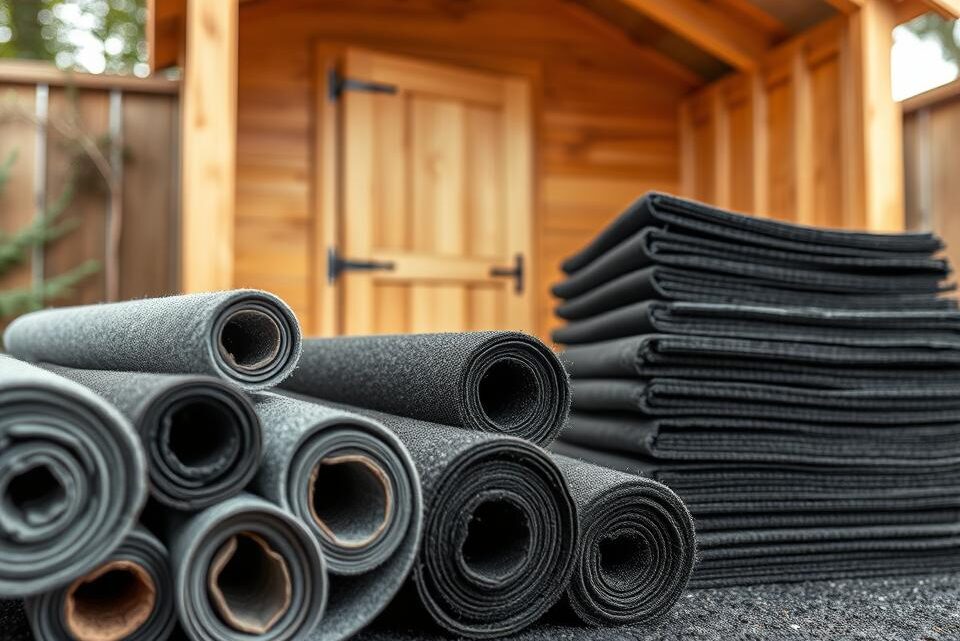
This article compares and reviews the best felt for shed roof available in the UK. It aims to help homeowners, DIYers and small builders choose shed roofing felt that is durable, cost‑effective and suitable for garden buildings.
Choosing the correct felt improves waterproofing, extends the roof’s lifespan and protects stored items such as garden tools and furniture. This guide draws on manufacturer specifications from IKO, Wiper & Trade and Onduline, UK building regulations guidance, independent product tests and customer feedback from retailers including Wickes, Screwfix and B&Q.
The article covers why selection matters, types of roofing felt and membrane materials, detailed product reviews of the best shed roof felt options, installation steps, maintenance advice and environmental considerations. It targets garden shed owners and contractors across the United Kingdom looking for practical, evidence‑based recommendations.
Inhaltsverzeichnis
Key Takeaways
- Correct felt selection boosts waterproofing and longevity for garden shed roof felt.
- We review brands such as IKO, Wiper & Trade and Onduline, and retailer feedback from Wickes, Screwfix and B&Q.
- The guide compares traditional bitumen felt with synthetic and rubberised options.
- Practical advice covers preparation, installation methods and maintenance tips.
- Cost, warranties and environmental impact are evaluated to aid buying decisions.
Why choosing the right felt for shed roof matters
Choosing the correct roofing felt sets the tone for a watertight and durable shed. The right material gives reliable shed roof protection and affects the longevity of shed roof felt. A poor choice risks frequent repairs, ruined contents and hidden timber rot.
Impact on longevity and weather resistance
Felt acts as the primary waterproof layer on pitched shed roofs. Quality makes a real difference to resistance against rain, snow and wind-driven rain, plus UV degradation from long summer exposure. Typical lifespans vary: economy bitumen felt lasts around 5–10 years, multi-layer reinforced felts reach 10–20 years, and modern synthetic membranes often exceed 20 years depending on model and installation.
Better performance reduces damp ingress and the risk of structural deterioration to roofing timbers. Manufacturers such as IKO and Onduline publish expected lifetimes for reinforced and synthetic products. Selecting a material rated for local climate conditions supports a consistently weatherproof shed roof.
Cost implications and long-term value
Upfront cost influences choice, yet a low price can mean more frequent replacement. Comparing material cost against replacement frequency clarifies the true value of roofing felt. Durable products may raise initial spend and labour time, sometimes requiring specialist fixings or skilled installation, but they lower lifetime cost through fewer repairs and less disruption.
Return on investment shows in reduced repair bills, protected stored items and minimal downtime. Homeowners should balance immediate budget limits with projected lifespans to measure the value of roofing felt accurately.
Influence on shed interior and stored items
A watertight finish prevents damage to tools, garden equipment and combustible materials kept inside. Certain felts and membranes limit water vapour transfer, cutting condensation and helping to preserve paintwork and metal components.
Correct installation and adequate ventilation work together with the felt to maintain a dry interior. Good ventilation reduces trapped moisture and extends service life, making shed roof protection most effective when paired with proper detailing and airflow.
Types of roofing felt and membrane materials for sheds
The choice of roofing material shapes longevity, cost and ease of fit on garden sheds. This section outlines common options so homeowners can compare types of shed roof felt and choose the best match for their project.
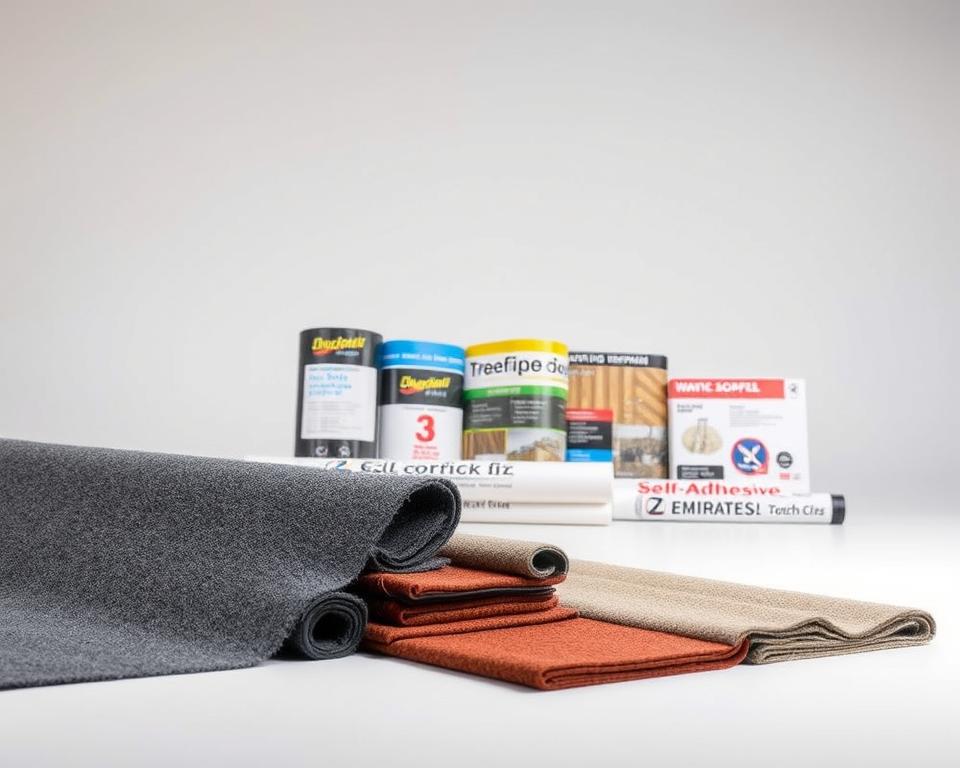
Traditional bitumen felt: characteristics and uses
Bitumen felt uses a saturated base—often jute or a fibreglass mat—impregnated with bitumen and surfaced with mineral granules or sand. Single-layer rolls suit basic repairs while multi-layer variants give improved durability.
This material is popular for low-cost pitched shed roofs and quick DIY replacements. It pairs well with timber decking and is simple to cut and fix with nails or staples.
Pros include wide availability and low purchase cost. Cons include a shorter lifespan and vulnerability to UV breakdown and tearing. Performance varies with weight and reinforcement, so check specifications before buying bitumen felt.
Rubberised and synthetic felts: benefits and drawbacks
Rubberised and synthetic options include EPDM, TPO, PVC and polymer-modified bitumen membranes. These materials deliver improved elongation, tear resistance and UV stability compared with traditional felt.
Many are supplied as large sheets, making them suitable for both small and larger roofs. Some require adhesives or heat welding during installation, while EPDM commonly uses adhesive bonding.
Benefits are longer service life and strong resistance to weathering. Drawbacks include higher material cost and the possible need for specialist fixings or adhesives. Certain warranties demand professional fitting for validity.
Self-adhesive vs torch-on options for small roofs
Self-adhesive shed felt comes as peel-and-stick rolls that bond quickly to primed decking. This makes it a practical choice for most homeowners. No naked flame is needed, which reduces fire risk and simplifies DIY work.
Torch-on felt uses heat-applied bitumen to fuse seams for a robust, long-lasting bond. It performs well on flat and low-pitched roofs and is favoured by professionals for durability.
Safety and practicality matter when choosing between the two. Torch-on felt offers excellent seam welding but requires caution with naked flames and may be unsuitable near combustible materials. Self-adhesive shed felt is safer and simpler for many small garden sheds, though it can cost more per roll in some cases.
| Material | Common Form | Typical Uses | Key Strengths | Common Drawbacks |
|---|---|---|---|---|
| Bitumen felt | Single-layer, multi-layer rolls; surfaced/unsurfaced | Low-cost pitched shed roofs, DIY repairs | Affordable, easy to cut and fix, widely stocked | Shorter lifespan, UV and tear susceptibility |
| EPDM | Large rubberised sheets | Flat or low-pitched roofs needing long service life | Excellent elasticity, tear and UV resistance | Higher material cost, may need adhesives |
| TPO / PVC | Thermoplastic membrane sheets | Durable coverings for small commercial and large garden roofs | UV stable, long lasting, heat-weldable seams | Specialist welding or fixings can be required |
| Polymer-modified bitumen | Reinforced sheets, torch-applied or self-adhesive | Low-pitched roofs where seam strength is vital | Good weathering, choice of application methods | Torch-on needs skill; cost higher than traditional felt |
| Self-adhesive shed felt | Peel-and-stick rolls | Small sheds, quick repairs, DIY installations | No flame, fast to fit, safer for homeowners | Can be pricier per roll; surface must be well primed |
Top-rated felt for shed roof products reviewed

Choosing the right covering makes a big difference to watertighting and roof life. Below are compact reviews of top options available in the UK market, from value rolls to long-lasting membranes. Each item suits a different budget and project need.
Best overall: durable multi-layer felt
Multi-layer shed felt built from bitumen with fibreglass reinforcement offers a robust choice for pitched shed roofs. Brands such as IKO and Wiper & Trade supply mineral-surfaced rolls with higher GSM and greater thickness that resist tearing and lift in strong winds. Expect a balanced cost and longevity profile, with an anticipated service life of around 10–15 years when fitted correctly.
Best budget option: economy shed felt
For tight budgets, lightweight single-layer bitumen felt remains widely used. Retailers like B&Q and Wickes carry sand or plain-surfaced rolls that are easy to handle and cheap to replace. Performance suits small sheds and short-term fixes; typical life expectancy sits between 5 and 8 years. Frequent inspections are sensible when selecting budget shed felt.
Best premium option: reinforced synthetic membrane
Polymer-modified membranes such as EPDM or reinforced torch-on felts provide the highest performance. Firestone EPDM and premium ranges from established manufacturers deliver excellent UV resistance and tensile strength. These premium roofing membrane systems are low maintenance and can last 20 years or more, though they carry higher initial cost and may need professional fitting to maintain warranties.
When weighing choices, think about installation skill, expected lifespan and what you store inside the shed. Multi-layer shed felt suits many DIYers and tradespeople seeking value with durability. Budget shed felt answers immediate needs at the lowest price. The premium roofing membrane is for owners who prioritise a long-term, low-maintenance roof.
How to assess felt quality and specifications
Choosing the right product starts with clear data. Review the felt weight gsm and felt thickness mm listed on technical sheets. These figures tell you about durability and suitability for different roof pitches and exposures.
Felt weight gsm refers to grams per square metre for bitumen-backed felts. Economy options sit around 150–200 gsm. Reinforced varieties range from 250–400 gsm or higher. Synthetic membranes use felt thickness mm as the key metric, with EPDM and similar membranes commonly between 1.2–1.5 mm and above.
Match weight and thickness to local weather and wind exposure. Low-pitch or exposed roofs need heavier or thicker materials. Use this felt quality guide to avoid under‑specifying a product for a busy British coastline or upland site.
Reinforcement matters for tear resistance. Look for fibreglass or polyester mats and scrim layers that improve dimensional stability. Multi-layer construction, such as two- or three-ply systems, provides redundancy and stronger waterproofing.
Check tensile strength and tear resistance on manufacturer data sheets. Values appear as N or kN/m. Higher numbers indicate better resistance to wind uplift and handling damage during installation.
Roofing felt specifications often include wind uplift, cold-flexibility and UV resistance. Compare these against your roof’s expected stresses. Note any required primers, fixings or installation methods that affect performance.
Felt warranties vary widely. Basic product guarantees may span 5–10 years. Premium membranes often carry performance warranties of 15–20 years. Read exclusions carefully to understand coverage limits.
Certifications and approvals add confidence. Look for British Standard references such as BS 747, CE marking and BBA reports where applicable. These documents back manufacturer claims and help with compliance.
Warranties frequently require specific installation practices and proof of purchase. Keep installation records, invoices and any contractor details to support future claims under felt warranties.
| Specification | Typical Range | What to look for |
|---|---|---|
| Felt weight gsm | 150–400+ gsm | Match 150–200 gsm for economy; 250–400+ gsm for reinforced applications |
| Felt thickness mm | 1.0–2.0 mm (membranes) | Choose 1.2 mm+ for EPDM; thicker for heavy-duty roofing felt specifications |
| Reinforcement | Fibreglass / polyester scrim | Prefer scrim or mat layers for better tear resistance and dimensional stability |
| Tensile / Tear Ratings | Specified in N or kN/m | Higher ratings reduce risk of wind uplift and installation damage |
| Certifications | BS 747, BBA, CE | Choose accredited products for verified performance |
| Felt warranties | 5–20 years | Check exclusions, required installation methods and proof requirements |
Preparing your shed roof before installing felt
Good preparation makes felt installation quicker and more durable. Start with a careful inspection of the roof deck to spot rotten, warped or loose boards. Replace damaged timbers and ensure the deck is secure, flat and supported to the minimum thickness recommended by the felt manufacturer.
Inspecting and repairing the roof deck
Lift a few boards and check the joists for rot and damp. Pay attention to raised nails or screws and plane down any rough edges that might puncture the membrane. Use exterior-grade plywood or tongue-and-groove boarding as a substrate where possible for a firmer base.
Ensure adequate ventilation beneath the roof to reduce condensation. If you need shed roof decking repair, remove all soft timber and fit new joist fixings to restore rigidity. Confirm the deck is dry before laying any underlay or adhesive.
Required tools and safety equipment
Gather every item before starting to avoid interruptions. Typical tools for felt installation include a utility or roofing knife, galvanised clout nails or ring-shank nails, a hammer or nail gun, tape measure, chalk line and tin snips for flashing. Add a straight edge and a brush for primer work.
Safety gear is essential. Use a sturdy ladder, fall protection when working at height, work gloves, eye protection and sensible footwear. For torch-on systems wear flame-resistant clothing and have a fire blanket and extinguisher to hand; follow any hot work permit requirements in built-up areas.
Priming and underlay recommendations
On bare timber apply a suitable roofing primer where manufacturers advise, particularly before fitting self-adhesive membranes. A correct roofing primer improves adhesion and reduces failure risk.
Use a breathable underlay or temporary roofing felt to protect the deck during wet spells. Always check compatibility between primer, underlay and your chosen felt or membrane against manufacturer datasheets to keep warranties valid.
Step-by-step guide to installing felt on a shed roof
Fitting roofing felt to a shed is a task that rewards careful measuring and neat finishing. Read each step before you start so you know how to install shed roof felt correctly and safely.
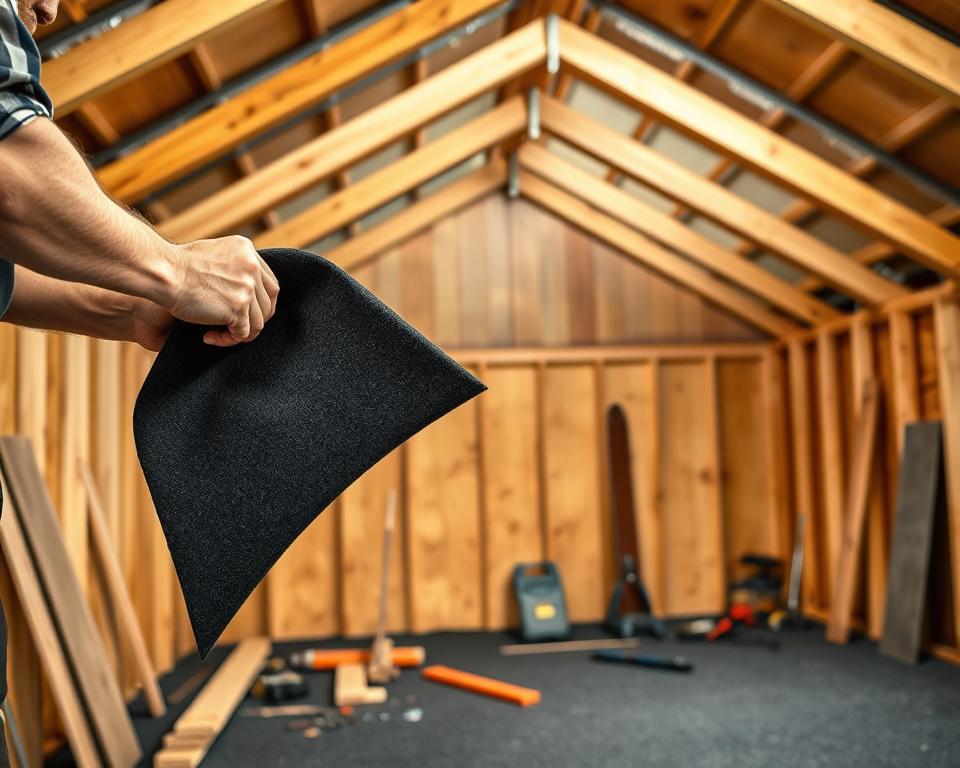
Measuring and cutting felt to size
Measure the roof length and width, adding an overhang of 50–75 mm at the eaves and 50–100 mm at the verges. Allow 75–100 mm for end laps. Work out roll quantities and include a 10–15% waste allowance for cuts and overlaps.
To cut felt to size, roll it out on a flat surface. Use a straight edge and a sharp utility knife. Keep edges square for tidy overlaps and easier sealing.
Fixing methods: nails, staples and adhesives
Start by tacking the felt in place and check alignment. To fix felt with nails, use galvanised clout nails or ring-shank nails. Space fixings about 150–200 mm along laps, following the product guidance.
Heavy-duty galvanised staples can help position the felt. Use them alongside nails for a longer-lasting job. For self-adhesive membranes, prime the deck and press the membrane down firmly per manufacturer instructions.
Torch-on systems need a trained operator. Warm the underside with a flame to bond the felt. Use contact or bitumen adhesives for EPDM or thermoplastic membranes and respect cure times.
Sealing overlaps and flashing details
Stagger end laps to avoid a continuous weak line. Press and roll overlaps firmly. Where recommended, add mastic or seam tape to improve watertightness.
Install roof flashing for sheds at abutments, verges and ridges. Use pre-formed lead or aluminium flashings, or a timber batten cap with a metal verge trim. Seal nail heads with bitumen mastic to prevent water ingress and reduce wind uplift.
Take time at the edges and abutments; neat fixing and correct flashing are the parts that keep a felt roof watertight for years.
Maintenance tips to extend felt roof lifespan
Good upkeep keeps a shed roof felt performing well for longer. Schedule quick checks and basic cleaning to spot problems early and avoid costly replacements.
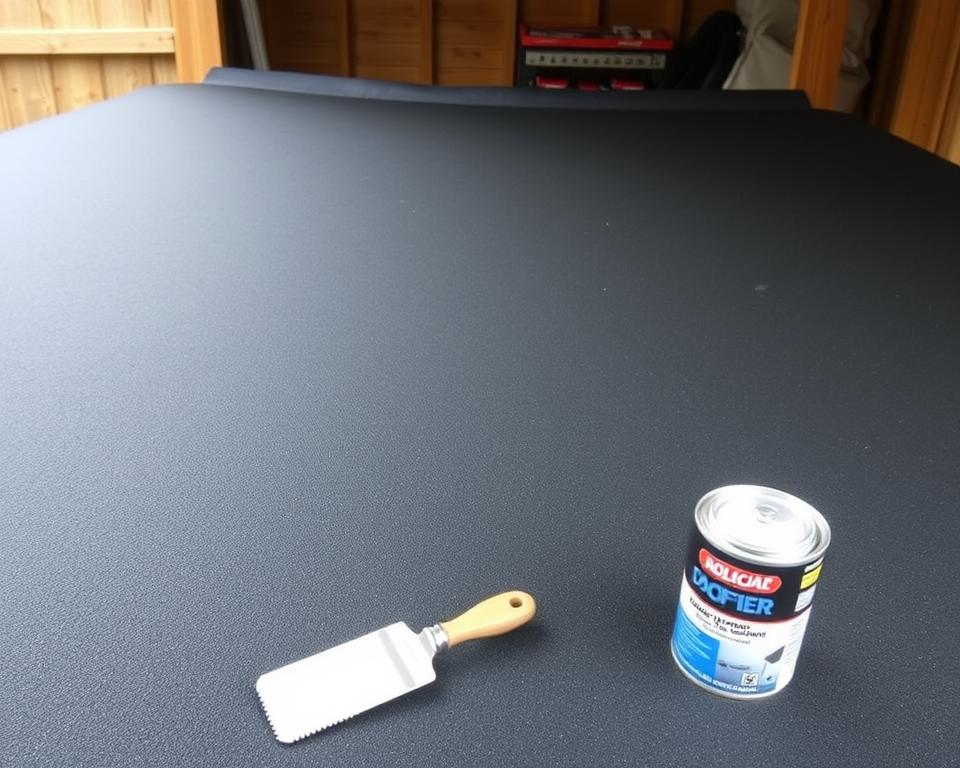
Inspect felt roof at least twice a year, in spring and autumn, and after any severe storms. Look for bubbling, cracking, tears, seam separation and uplift at edges. Inside the shed, watch for water staining and gritty surface loss. Record findings with dated photos to track deterioration over time.
Clear debris, leaves and overhanging branches that trap moisture and promote moss on roof growth. Use a soft brush to remove loose moss; harsh scraping can tear the material. Consider a moss-killing treatment that is safe for roofing products when physical removal is not enough.
Keep gutters and verges clear to prevent ponding at the eaves. Ensure downpipes are unobstructed and water is directed away from the shed base. These steps reduce freeze–thaw damage and the chance of water reaching the felt edge and lifting it.
For small tears, use butyl repair tape or bitumen mastic for an immediate, weatherproof patch. A small piece of matching felt bonded with a compatible adhesive works well for larger patches. Always clean and dry the area thoroughly before applying repair materials.
Replace the felt when blistering is widespread, seams fail repeatedly or the membrane is beyond its expected lifespan. Recurrent fixes signal that repair roof felt is no longer cost effective. For extensive damage or structural concerns, seek a roofing contractor to assess options and provide a quote.
| Task | Frequency | Tools / Materials | Signs to escalate |
|---|---|---|---|
| Visual inspection | Spring and autumn + after storms | Camera, ladder, gloves | Bubbling, widespread cracking, seam separation |
| Debris and moss removal | Quarterly or as needed | Soft brush, moss treatment | Persistent moss on roof or torn felt |
| Gutter and downpipe clearing | At least twice a year | Gloves, trowel, ladder | Ponding at eaves, overflow during rain |
| Patch small tears | As discovered | Butyl tape, bitumen mastic, matching felt, primer | Repeated repairs or large area damage |
| Professional assessment | If damage is extensive | Qualified roofer inspection | Structural rot, extensive seam failure |
Cost comparison and budget planning for felt roofs
Planning a shed roof project starts with clear numbers. Work out the cost of shed roof felt early, then build a realistic shed roof budget that covers materials, labour and extras. A simple estimate keeps choices focused when comparing economy felt rolls, reinforced options and synthetic membranes.
Material cost vs labour: DIY or hire a tradesperson
Material ranges vary. Economy felt rolls often sit under £20–£50 per roll. Multi-layer or reinforced felt can be £30–£100+ per roll. EPDM and synthetic membranes cost more, depending on sheet size and thickness. Add adhesives and primers to the shed roof materials estimate.
DIY vs professional roofing is a key choice. Doing the job yourself saves labour costs but needs time, kit and some skill. Professional roofers may charge call‑out fees for small sheds. They can provide insured workmanship and may protect manufacturer warranties.
Estimating quantities and waste allowance
Measure the roof area accurately. For a pitched roof, calculate each slope then total the coverage. Check manufacturer roll coverage to decide how many rolls to buy. Allow 10–15% waste for simple shapes. Complex roofs need a higher allowance.
As an example, a 2 m × 3 m pitched roof requires measuring each slope. Compare that area to roll coverage and round up. Buying slightly more avoids delays and leaves sealed spare material for future repairs.
Hidden costs: disposal, scaffolding and permits
Factor in removal and disposal of old felt. Skip hire or specialist disposal fees add to the final price. Contaminated or treated waste can increase charges.
Access equipment can push up the shed roof budget. Ladder hire is cheap. Tower scaffolds or mobile platforms cost more for taller or awkward sites. For torch-on systems, certified installers bring specialised kit that affects labour rates.
Planning should include checks with the local authority. Most replacements need no planning permission, yet listed buildings or conservation areas may impose restrictions. Confirm rules early to avoid unexpected permit costs.
| Cost element | Typical range (UK) | Notes |
|---|---|---|
| Economy felt roll | £20–£50 | Good for sheds with low foot traffic; check weight and warranty |
| Reinforced/multi-layer roll | £30–£100+ | Better tear resistance and longer life |
| EPDM/synthetic membrane | Varies widely | Higher upfront cost; long lifespan reduces lifecycle spend |
| Adhesives, primer, nails | £10–£60 | Depends on roof size and chosen system |
| Labour (small shed) | £100–£300+ | May include minimum call-out; complex jobs cost more |
| Access and disposal | £30–£250+ | Includes skip hire, scaffold or platform rental |
| Permits or consents | Variable | Check local council for listed building or conservation rules |
Environmental and safety considerations for shed roofing felt
Choosing the right felt for a shed roof goes beyond cost and durability. Consider environmental impact of roofing felt, local safety rules and practical handling steps before you buy. Small choices at specification stage shape long-term performance and waste streams.
Recyclability and material impacts
Traditional bitumen felt tends to have limited felt recyclability and is often classed as mixed roofing waste. Some manufacturers and merchants now run recovery schemes for old rolls. Polymer membranes such as EPDM and TPO usually offer better recycling potential. Look for product take-back schemes from known brands such as Firestone when assessing options.
Consider embodied carbon and service life when comparing materials. A longer-lasting membrane may reduce the environmental impact of roofing felt by lowering replacement frequency and associated waste.
Fire performance and regulations
Roof fire ratings UK are part of building safety checks. Check Approved Document B and local guidance for any restrictions that apply to your site. Some projects, especially near boundaries or on shared walls, require higher-rated coverings.
Seek products with a clear fire classification such as BROOF(t4) where relevant. Manufacturers publish fire test data and guidance for installers. Note that torch-applied systems can raise insurer and local authority concerns when naked flame is used.
Safe storage and handling of bitumen
Follow safe handling bitumen practices on site. Store rolls off the ground in a dry, shaded area and avoid prolonged exposure to heat. High temperatures degrade adhesives and can make rolls stick together.
Wear nitrile or heavy-duty gloves to prevent skin contact. Use good ventilation when applying primers and adhesives. Consult COSHH sheets for chemical products and keep waste segregated. Never burn bitumen waste due to toxic emissions; follow local waste disposal rules for contaminated materials.
When in doubt, speak to suppliers such as SIG Roofing or Travis Perkins for product data and recycling options, and to your local authority for planning or fire-safety queries.
Conclusion
Choosing the best felt for shed roof conclusion comes down to balancing cost, lifespan, installation and safety. For most UK homeowners a reinforced multi-layer bitumen felt delivers the best mix of durability and value. Economy felt can be a sensible short-term choice if you inspect and maintain it more often, while synthetic membranes such as EPDM or PVC suit those who want a low-maintenance, longer-lasting solution and can pay a premium.
Before you choose shed roof felt, prepare the roof deck and address any rot or structural defects. Follow manufacturer data sheets and fitting instructions closely, and consider professional installation for premium systems to retain warranties and ensure correct sealing. Regular checks, moss clearance and prompt repair of small tears will extend roof life significantly.
Use this shed roofing summary to measure your shed, compare product types and check local regulations. Compare prices at reputable suppliers such as Wickes, Screwfix, Jewson and B&Q, and consult a qualified roofer for complex or high-value installations. With the right preparation and maintenance, the correct felt will protect your shed and its contents for many years.
FAQ
What is the best type of felt for a shed roof in the UK?
The best option for most UK sheds is a reinforced multi‑layer bitumen felt with fibreglass or polyester scrim. It balances cost, durability and ease of installation, typically offering a 10–15 year service life when fitted correctly. For long‑term, low‑maintenance solutions, consider EPDM or other polymer membranes such as those from Firestone or Onduline, which can last 20+ years but usually cost more and may need specialist installation.
How do I choose between traditional bitumen felt and synthetic membranes?
Choose traditional bitumen felt for low upfront cost, simple DIY installs and small pitched roofs. It’s readily available from retailers like B&Q, Wickes and Screwfix. Opt for synthetic membranes (EPDM, TPO, PVC) if you want superior UV stability, tear resistance and a much longer lifespan. Take into account installation requirements, warranty conditions and whether you need adhesives, primers or a professional fitter.
Is self‑adhesive felt a good choice for garden sheds?
Yes. Self‑adhesive (peel‑and‑stick) felts are convenient and safer for DIYers because they avoid naked flame. They bond well to a primed, dry decking and are ideal for small shed roofs and repairs. Ensure the decking is properly primed and compatible with the membrane to retain adhesion and any manufacturer warranty.
Can I use torch‑on felt for a small shed roof?
Torch‑on systems offer robust seams and long life but require experience and strict safety measures. They are generally better suited to larger or flat roofs installed by professionals. For small garden sheds, torch‑on can be impractical and riskier due to the naked flame and nearby combustible materials; self‑adhesive or EPDM are usually safer alternatives.
How should I prepare my shed roof before fitting felt?
Inspect and repair the roof deck: replace rotten or warped boards, secure loose fixings and ensure good ventilation to reduce condensation. Use exterior‑grade plywood or tongue‑and‑groove boards fixed to manufacturer guidance. Prime bare timber where required and confirm primer compatibility with the chosen felt or membrane.
What tools and safety equipment do I need for installation?
Basic tools include a utility knife, galvanised clout or ring‑shank nails, hammer or nail gun, tape measure, chalk line and a brush for priming. Safety gear should include a sturdy ladder, gloves, eye protection and suitable footwear. For torch‑on work add flame‑resistant clothing, a fire blanket and an extinguisher; consider a hot work permit where required.
How much overlap and overhang should I allow when cutting felt?
Typical overhangs are 50–75 mm at the eaves and 50–100 mm at the verge depending on finishing. End laps are usually 75–100 mm. Always follow the product guidance for exact measurements and allow 10–15% waste when ordering rolls to cover cutting and overlaps.
How often should I inspect and maintain a felt roof?
Inspect the roof at least twice a year (spring and autumn) and after severe storms. Look for bubbling, cracks, seam separation, edge uplift and grit loss. Keep gutters clear, remove debris and treat or remove moss carefully to avoid tearing the felt. Small tears can be patched with butyl repair tape or bitumen mastic; replace the roof if damage is widespread or beyond expected life.
How do I repair small tears in shed felt?
Clean and dry the damaged area, then apply a patch of matching felt or butyl repair tape with bitumen mastic or an approved adhesive. Press and seal the edges; for best results do repairs in dry, mild weather. For EPDM use manufacturer‑approved adhesives and primers. Record repairs and photos to track deterioration.
What are the typical lifespans for different felt types?
Economy single‑layer bitumen felts generally last 5–8 years. Reinforced multi‑layer felts typically reach 10–15 years if installed well. EPDM and high‑quality polymer membranes can exceed 20 years. Actual life depends on installation quality, exposure, maintenance and local weather.
How do weight (GSM) and thickness affect felt performance?
Higher GSM and greater thickness generally indicate better durability. Economy felts may be 150–200 gsm, reinforced felts 250–400 gsm or more, while synthetic membranes are measured in mm (for example EPDM 1.2–1.5 mm+). Match weight and thickness to roof pitch, exposure to wind and expected lifespan.
Are roofing felts recyclable and what are the environmental considerations?
Traditional bitumen felt has limited recyclability, though some suppliers run recovery schemes. EPDM and TPO can be more recyclable; check manufacturer take‑back programmes such as those offered by Firestone. Consider embodied carbon and product longevity when choosing materials—longer‑lasting membranes can reduce frequent replacement and overall environmental impact.
Do I need planning permission or building regulations approval to replace shed felt?
Most shed roof replacements do not need planning permission. However, check local rules for listed buildings or conservation areas. Building regulations and fire performance requirements may apply in specific situations; consult Approved Document B and product fire ratings (e.g. BROOF classifications) if the shed is attached to another building or in a sensitive location.
Should I hire a professional or DIY the roof replacement?
DIY can save labour costs for straightforward, small pitched roofs if you have the skills and tools. Hire a professional for torch‑on systems, large sheds, complex details or when you need a warranty that requires certified installation. Factor in potential hidden costs such as skip hire, access equipment and disposal when budgeting.
Which brands and retailers supply reliable shed roofing products in the UK?
Reputable brands and suppliers include IKO, Firestone (EPDM), Onduline and manufacturer lines stocked by Wickes, Screwfix, Jewson and B&Q. Check product data sheets, BBA approvals and customer reviews. Buy from established suppliers to access technical support, compatible primers and recommended fixings.
What warranties should I look for when buying felt or membranes?
Look for clear product and performance warranties. Economy products often carry 5–10 year guarantees, while premium membranes may offer 15–20 year performance warranties. Read exclusions carefully—many warranties require specific primers, fixings or professional installation for claims to remain valid and may exclude damage from poor deck preparation or lack of ventilation.