Moisture Barrier for the Floor of a Wooden Summer House Guide
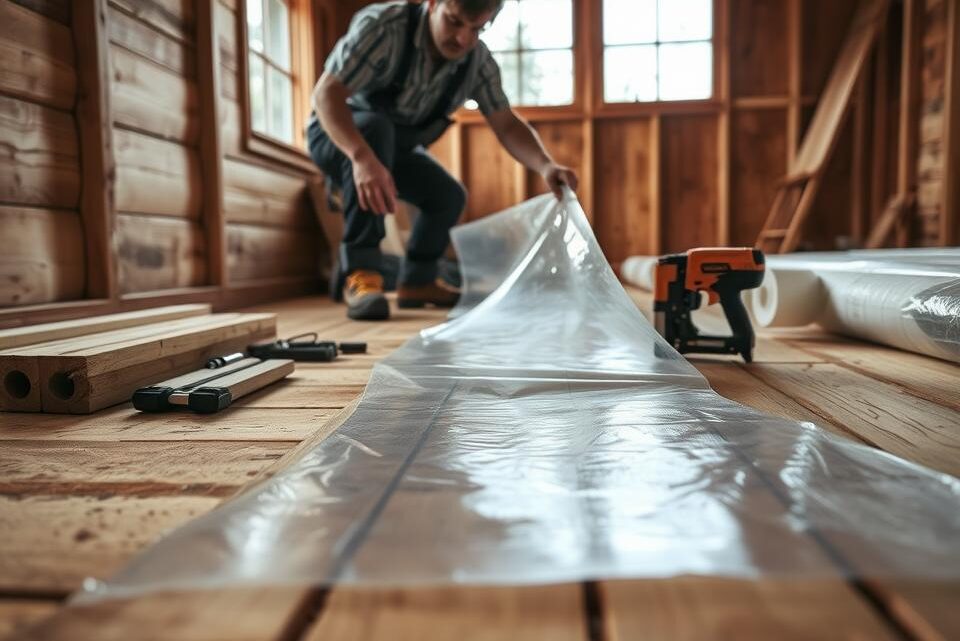
Your garden building deserves proper protection from ground dampness. This comprehensive guide shows you how to safeguard your structure’s foundation.
Installing effective insulation beneath your floor prevents costly damage. It keeps your retreat dry and comfortable throughout all seasons.
We focus on UK climate conditions and typical garden structures. Our step-by-step instructions ensure professional results for new builds or upgrades.
Proper installation extends your building’s lifespan significantly. It protects your investment and maintains structural integrity for years.
Inhaltsverzeichnis
Key Takeaways
- Ground dampness protection is essential for garden buildings
- Proper insulation prevents structural damage and costly repairs
- UK-specific techniques ensure optimal performance
- Professional results are achievable with correct guidance
- Investment protection through extended building lifespan
- Seasonal comfort maintained through effective installation
- Suitable for both new constructions and existing structures
Why Your Wooden Summer House Needs a Moisture Barrier
Your garden retreat requires robust defence against Britain’s damp conditions. Installing proper protection beneath your structure prevents serious issues and preserves your investment.
This section explains the critical importance of this protective measure. We examine the specific threats and how proper installation safeguards your building.
The Risks of Moisture Damage to Wooden Structures
Untreated timber suffers significantly when exposed to humidity. Without adequate protection, water vapour penetrates the material’s pores.
This infiltration leads to fungal growth and dry rot. Your building’s framework becomes compromised as the material weakens.
Excessive dampness encourages mould and mildew development. These organisms pose health risks and create unpleasant odours.
How Moisture Barriers Prevent Rot and Structural Damage
Specialised protective layers block water vapour from rising upwards. They create an impermeable shield between the ground and your floor.
This defence mechanism stops condensation issues before they begin. It maintains better air quality within your garden building.
Proper installation helps keep internal temperature levels stable. Your retreat remains comfortable throughout seasonal changes.
Climate Considerations for UK Summer Houses
Britain’s weather presents unique challenges for outdoor structures. Frequent rainfall and high humidity accelerate deterioration.
Single-glazed windows are particularly prone to condensation problems. Double-glazed units perform better but still require comprehensive protection.
Addressing these climate-specific issues early prevents costly repairs. It significantly extends your building’s lifespan and maintains its value.
Essential Materials and Tools for Installation
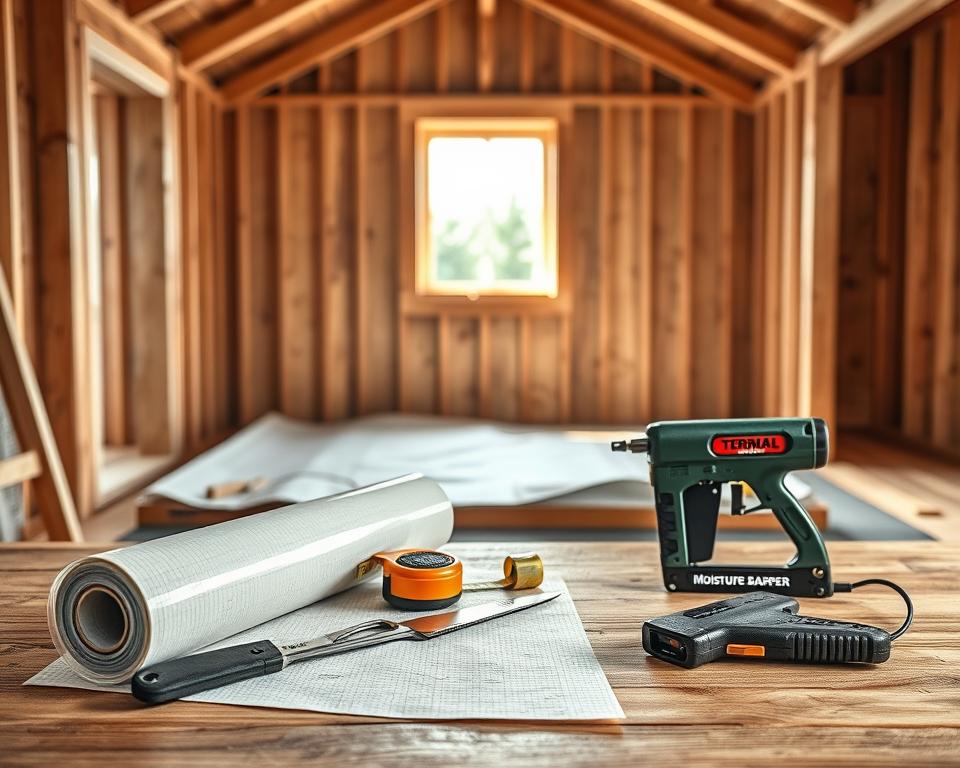
Gathering the correct components before starting your project ensures smooth progress. Proper preparation prevents delays and guarantees professional-quality results.
Quality materials provide lasting defence against Britain’s challenging weather patterns. They protect your investment and maintain structural integrity over time.
Choosing the Right Moisture Barrier Material
Selecting appropriate protection is crucial for your garden building’s longevity. Damp-proof membranes create effective shields against rising damp.
These thick plastic sheets prevent water accumulation beneath your structure. Vapour barriers offer additional protection against condensation issues.
Pressure-treated timber provides excellent resistance to fungal growth. It withstands insect damage when combined with proper barriers.
Required Tools for Professional Installation
Having the right equipment makes your installation process efficient. Basic tools ensure precise cutting and secure fitting.
Essential items include measuring tapes and sharp utility knives. Staple guns or appropriate adhesives provide secure fastening.
These tools help achieve clean finishes and proper coverage. They contribute to professional-looking results that last.
Additional Protective Materials You May Need
Supplementary products enhance your building’s protection significantly. Silicone-based sealants prevent water ingress around windows.
Insulation materials improve thermal performance and comfort. Consider these options based on your specific needs:
| Material Type | Primary Benefit | Best Application |
|---|---|---|
| Fibreglass insulation | Affordable thermal protection | Budget-conscious projects |
| Foam board | Superior insulation value | Maximum energy efficiency |
| Silicone sealant | Gap sealing | Window and door frames |
| Pressure-treated timber | Rot resistance | Structural components |
Quality materials withstand Britain’s variable climate conditions. They provide reliable protection against moisture-related damage for years.
Proper selection saves you money on future repairs and maintenance. It ensures your garden retreat remains comfortable and structurally sound.
Preparing Your Summer House Floor for Installation
The initial evaluation stage determines the effectiveness of your damp-proofing solution for years to come. Proper groundwork ensures your protective measures perform optimally against Britain’s challenging climate conditions.

Assessing Your Current Floor Condition
Begin by thoroughly examining your structure’s base. Check for any damage from previous winter seasons that might compromise new installations.
Evaluate existing insulation materials if present. Look closely at the floor type to determine the best approach for your specific situation.
Inspect all perimeter areas for potential gaps. These assessments help you choose the right protective option for long-term performance.
Cleaning and Repairing the Surface
Remove all stored items to create a clear workspace. This gives you complete access to the entire area for comprehensive evaluation.
Clean the surface meticulously, eliminating dust and debris. A pristine base ensures proper adhesion of protective materials.
Address any cracks or damage before proceeding with new installations. This prevents future issues with heat retention and environmental control.
Addressing Existing Gaps and Damage
Seal all visible gaps to create an effective protective envelope. This stops dampness from compromising your structure’s integrity.
Repair damaged seals around windows and doors. Regular maintenance after heavy rainfall or snowfall maintains optimal protection.
Proper gap treatment prevents mildew growth and protects valuable storage contents. It transforms your space into a comfortable home away from home.
This preparation phase establishes the foundation for successful installation. It ensures your protective measures serve you well for many years.
Step-by-Step Installation of Your Moisture Barrier
Proper installation techniques transform your protective materials into an effective defence system. Following these methods ensures comprehensive coverage against Britain’s challenging climate conditions.
Attention to detail during this process prevents future issues. It creates a reliable shield that maintains your structure’s integrity.
Measuring and Cutting the Barrier Material
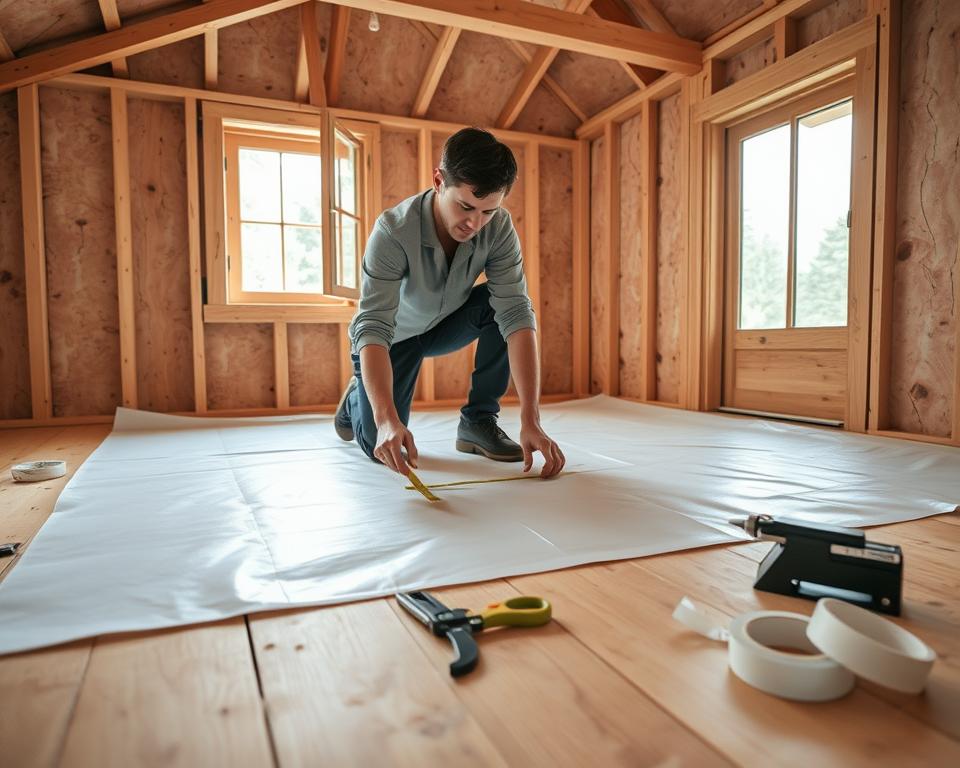
Begin by measuring your entire surface area precisely. Record dimensions carefully, accounting for any irregular shapes or obstacles.
Transfer these measurements onto your protective material using a straight edge. A sharp utility knife ensures clean cuts without fraying edges.
Allow extra material for overlapping sections and corner trimming. This preparation prevents gaps that compromise energy efficiency.
Proper Placement and Securing Techniques
Start installation in one corner, unrolling material across the surface. Work methodically to avoid wrinkles or air pockets.
Interlock pieces with several inches of overlap for continuous protection. This technique prevents moisture penetration effectively.
Secure materials using appropriate fasteners based on your surface type:
- Staples for wooden surfaces provide quick and reliable attachment
- Construction adhesives create permanent bonds on various materials
- Specialised tapes offer clean finishes without penetration marks
Sealing Edges and Ensuring Complete Coverage
Pay particular attention to perimeter sealing where most issues occur. Use quality sealing tape designed for vapour barrier applications.
Check all seams thoroughly before proceeding to flooring installation. Proper sealing prevents structural damage from humidity.
Complete coverage eliminates conditions favourable for fungal growth. It stops mould mildew development before it can begin.
Your garden room becomes a properly protected space that conserves energy. This protection handles Britain’s full range of weather conditions.
Garden buildings require this comprehensive approach to remain durable. Your shed floor maintains its integrity for years of enjoyment.
Conclusion
Protecting your garden retreat from humidity ensures lasting enjoyment. Proper installation creates a comfortable space that withstands Britain’s climate challenges.
Good insulation maintains stable temperatures throughout seasonal changes. It prevents heat loss and reduces energy consumption in your garden building.
Regular checks for gaps around windows and walls prevent future issues. Addressing minor problems promptly stops mould development and structural damage.
Your investment in quality materials pays dividends over time. A well-maintained structure provides reliable storage and living space for years.
Following these guidelines ensures your garden buildings remain dry and cosy. They become valuable extensions of your home that serve you well in all seasons.
FAQ
Why is a moisture barrier important for my wooden summer house?
It helps protect your structure from dampness, which can lead to rot, mould, and structural damage over time. By blocking water vapour, it preserves the integrity and lifespan of your building.
What materials are best for a summer house floor vapour barrier?
Polyethylene sheeting is a popular and effective choice. It’s durable, affordable, and readily available. For added protection, consider reinforced or foil-backed options that offer better insulation properties.
How do I prepare the floor before installing the barrier?
Start by assessing the condition of your floor. Clean it thoroughly, repair any damage, and seal gaps to ensure a smooth, even surface. Proper preparation prevents future issues and ensures the barrier performs effectively.
Can I install a moisture barrier myself, or should I hire a professional?
Many homeowners can manage the installation with basic tools like a utility knife, tape measure, and heavy-duty tape. However, if your building has complex issues or you’re unsure, consulting a professional ensures optimal results.
How does a moisture barrier help with energy efficiency?
By reducing dampness, it improves insulation, helping to maintain a stable temperature inside. This can lower heating costs in cooler months and keep your space more comfortable year-round.
What maintenance does a moisture barrier require after installation?
Once properly installed, it requires minimal upkeep. Periodically check for tears, displacement, or signs of wear, especially after extreme weather. Addressing minor issues promptly helps maintain long-term protection.