
Protect Your Wooden Summerhouse: Fire Protection Measures

Your garden summerhouse is a cherished retreat. It’s where you create memories and find peace. But timber structures need special care against fire risks.
Proactive planning transforms your space into a secure sanctuary. It blends beauty with robust safety standards. This ensures your property remains protected for years.
Our guide explores comprehensive strategies for your construction project. From design to maintenance, we cover essential steps. You’ll gain peace of mind knowing your haven is safe.
Inhaltsverzeichnis
Key Takeaways
- Timber buildings require specific attention to fire risks due to their materials.
- Proactive planning integrates safety into your summerhouse’s design and construction.
- Effective strategies balance aesthetic appeal with robust protective measures.
- Regular maintenance is crucial for ongoing safety and risk reduction.
- Understanding building regulations ensures your structure meets required standards.
- Implementing these measures creates a secure environment for your family.
- Proper safeguards allow you to enjoy your garden retreat without worry.
Understanding the Fire Risks to Your Wooden Summerhouse
Timber structures present distinct challenges that demand specialised awareness. Their natural composition requires thoughtful approaches to ensure lasting security. Recognising these factors empowers you to create a truly resilient garden sanctuary.
Why timber structures require special attention
Wood possesses inherent qualities that affect its behaviour during ignition events. The material’s cellular structure allows rapid flame progression once combustion begins. This characteristic means even small sparks can develop into significant incidents without adequate precautions.
Different timber types offer varying resistance levels. Softwoods typically ignite more readily than hardwoods due to their density. Understanding your summerhouse’s construction materials helps tailor appropriate safety strategies.
Common fire hazards in garden buildings
Many garden rooms harbour potential ignition sources often overlooked during planning. Electrical installations rank among the most frequent causes of incidents. Faulty wiring or overloaded circuits create dangerous situations in timber constructions.
- Heat-generating equipment like heaters or tools
- Flammable storage materials including paints and solvents
- Carelessly discarded smoking materials
- Overgrown vegetation contacting the structure
Regular inspection helps identify these risks before they become problems. Simple habits like clearing debris and checking cables make substantial differences to your property’s security.
UK building regulations and boundary considerations
British standards mandate specific requirements for structures near boundaries. Summerhouses exceeding 15 square metres within one metre of neighbouring land need particular attention. These regulations focus on limiting potential spread between properties.
Your project must comply with Approved Document B stipulations. The distance from boundaries directly influences necessary protection levels. Closer proximity typically requires enhanced resistance measures in the design phase.
Proper planning incorporates these legal obligations from inception. Consulting local building control authorities ensures your sanctuary meets all safety requirements while maintaining its aesthetic appeal.
Applying Fire-Retardant Treatments and Coatings
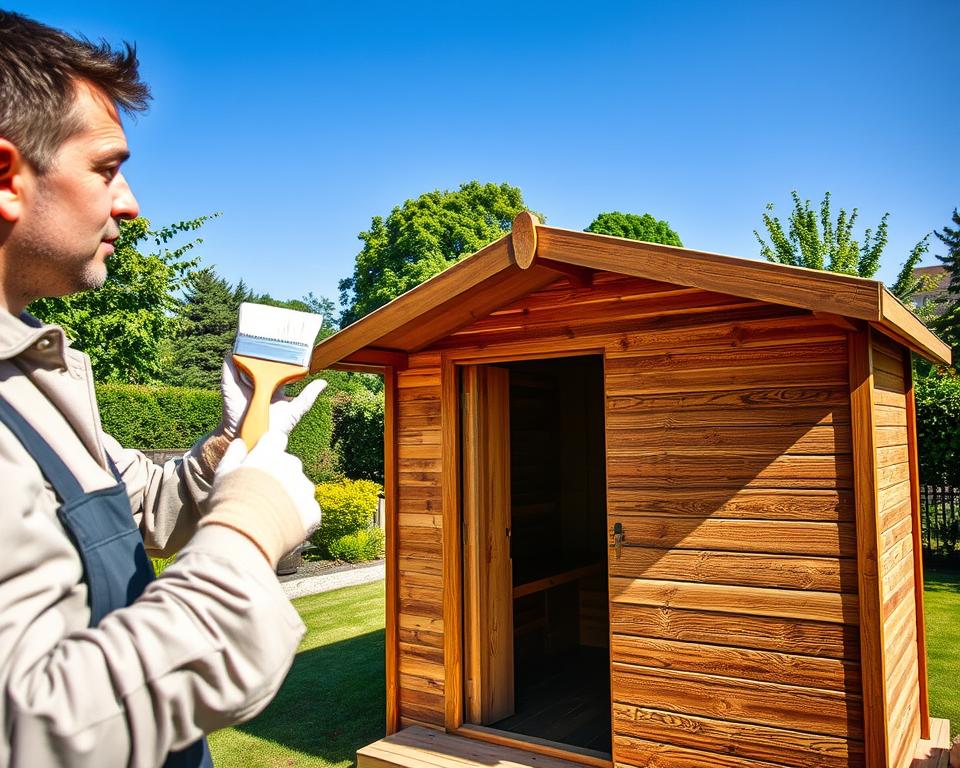
Modern fire-retardant technologies offer revolutionary approaches to safeguarding your garden sanctuary. These advanced solutions work at molecular levels to enhance your structure’s inherent resistance. They create intelligent barriers that actively respond to thermal changes in their environment.
Choosing the right fire-retardant products
Select specialised formulations designed specifically for external timber applications. Avoid generic wall paints that lack the necessary chemical properties. Look for products tested to British Standards with proven performance records.
Consider your local climate when selecting treatments. Areas with heavy rainfall require enhanced water resistance. Similarly, sun-exposed surfaces benefit from UV-protective additives within the coating system.
Proper application techniques for maximum protection
Begin with thoroughly cleaned and dry surfaces for optimal adhesion. Remove any existing flaking paint or surface contaminants. This ensures the treatment penetrates deeply into the wood fibres.
Apply coatings to both interior and exterior surfaces comprehensively. Cover all structural elements including walls, roof panels, and doors. Pay particular attention to joints and corners where flames might find pathways.
Maintain consistent coating thickness throughout the application process. Use appropriate brushes or spray equipment for even coverage. Multiple thin layers often provide better protection than single thick applications.
Maintenance and recoating schedules
Establish regular inspection routines to assess coating condition. Check for signs of wear, fading, or damage after extreme weather events. Address any issues promptly to maintain continuous protection.
Reapply treatments every two to three years under normal conditions. More frequent recoating may be necessary in harsh environments. Always refresh coatings after any sanding or repair work on the structure.
Consider adding clear topcoats for additional weather protection. These transparent layers shield the active ingredients from environmental degradation. They significantly extend the effective lifespan of your fire-retardant system.
Ensure adequate access space around your building for maintenance activities. Leave approximately two feet of clearance on all sides. This allows for proper inspection and recoating procedures over time.
Creating Safe Zones and Work Areas
Your garden retreat deserves intelligent organisation that blends practicality with peace of mind. Thoughtful zoning transforms your space into both a workshop and sanctuary. This approach contains potential hazards while maximising your enjoyment.
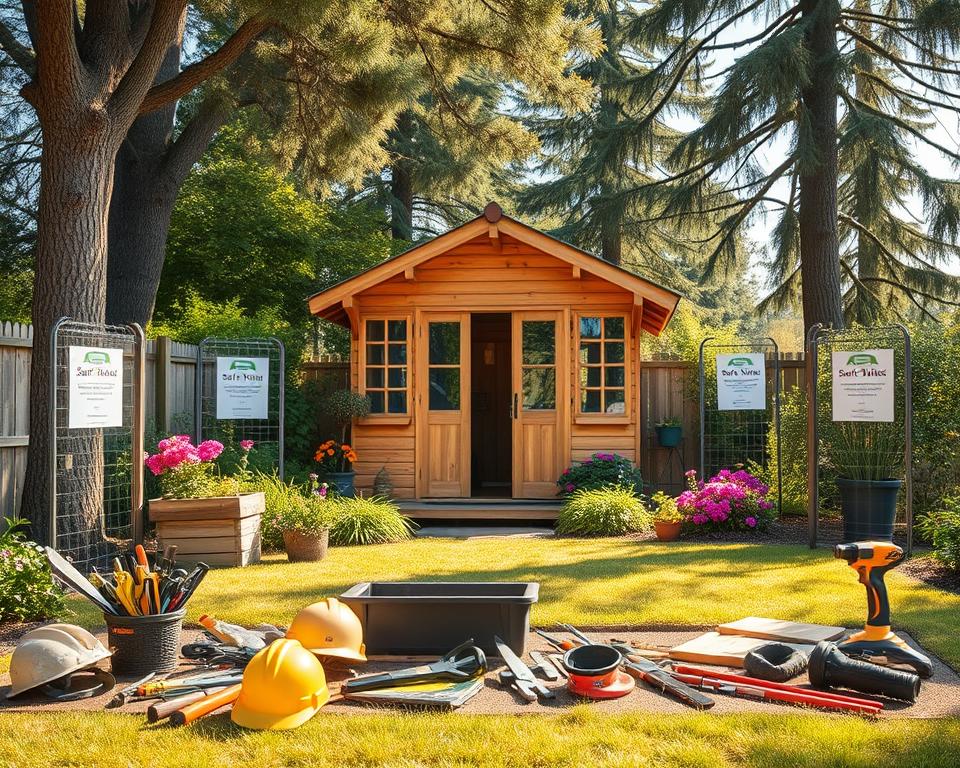
Strategic planning creates natural barriers against accidental ignition. Designated areas keep sparks and heat away from vulnerable materials. Your entire structure benefits from this proactive approach.
Designating fire-safe work spaces
Identify activities that generate heat or sparks within your garden building. These tasks belong in specific “hot zones” away from main seating areas. Clear boundaries prevent cross-contamination of risks.
Position workbenches against walls featuring steel or cement board backing. This creates a natural containment area for spark-producing activities. Keep flammable materials well away from these designated spaces.
Using heat-resistant surfaces and materials
Select surfaces that naturally resist high temperatures for your work areas. Sheet metal flooring catches falling sparks effectively. It also simplifies cleanup after projects.
Heat-resistant mats provide extra security under welding equipment. They also protect your floor from accidental damage. These layers add both safety and longevity to your space.
| Material | Best Use | Benefits |
|---|---|---|
| Steel panels | Wall backing behind workbenches | High heat resistance, durable |
| Cement board | Work surface protection | Non-combustible, cost-effective |
| Sheet metal | Floor protection | Spark containment, easy cleaning |
| Heat-resistant mats | Under equipment | Insulation, floor protection |
Spark containment strategies
Implement physical barriers around areas where sparking might occur. Simple screens or shields contain stray embers effectively. Regular removal of wood shavings and dust prevents accumulation.
Design your layout with natural airflow considerations. Proper ventilation disperses heat while containing potential ignition sources. This dual approach maintains both comfort and security.
Your organisational efforts reward you with lasting peace of mind. A well-planned space functions beautifully while protecting your investment. Enjoy your garden sanctuary knowing you’ve created intelligent safeguards.
Essential Fire Protection Measures for Your Wooden Summerhouse
Transform your outdoor retreat into a haven of security with intelligent detection and response solutions. These essential systems work together to create multiple layers of defence. They provide peace of mind while preserving your sanctuary’s charm.

Smoke alarms and early detection systems
Early warning devices form your first line of defence against potential dangers. Position smoke alarms strategically throughout your garden building. Avoid dusty corners where particles might affect their sensitivity.
Choose detectors specifically designed for shed environments. These units handle temperature variations better than standard domestic models. Regular testing ensures they remain operational when needed most.
Interconnected systems offer superior coverage throughout your space. When one alarm triggers, all units sound simultaneously. This provides immediate awareness regardless of your location.
Fire extinguishers and suppression equipment
Dry powder units offer versatile protection for various risks. They effectively tackle timber, electrical equipment, and flammable liquids. Their multi-purpose nature makes them ideal for garden buildings.
Strategic placement near exit doors ensures easy access during emergencies. Avoid storing them behind clutter or under workbenches. Visible, reachable positioning could make all the difference.
Familiarise yourself with your extinguisher’s operation before needing it. Practice the PASS technique: Pull, Aim, Squeeze, Sweep. This knowledge becomes invaluable during critical moments.
Emergency escape planning
Clear exit routes ensure everyone’s safety during unexpected events. Map out at least two escape paths from your garden room. Keep these pathways completely free of obstructions.
Practice your evacuation plan with all household members. Regular drills build confidence and muscle memory. Everyone should know exactly what to do without hesitation.
Consider installing emergency lighting along escape routes. Power failures often accompany serious incidents. Illuminated pathways guide people to safety even in darkness.
Your comprehensive safety approach creates genuine peace of mind. These measures work silently in the background. They allow you to fully enjoy your beautiful outdoor sanctuary.
Electrical Safety and Regular Maintenance Checks
Your garden sanctuary deserves intelligent electrical planning that keeps your retreat both functional and secure. Proper systems management transforms your space into a haven where creativity flourishes without worry. These practices ensure your peaceful moments remain undisturbed by preventable issues.

Safe electrical installation practices
Begin your project with certified professionals who understand timber construction requirements. They ensure all wiring meets current British standards and building regulations. This approach significantly reduces potential hazards from the outset.
Choose materials specifically rated for outdoor use and damp environments. Moisture-resistant fittings prevent corrosion and maintain consistent performance. Your investment deserves components built to withstand British weather conditions.
“Proper electrical installation isn’t just about compliance—it’s about creating lasting peace of mind in your personal sanctuary.”
Implement circuit protection devices like RCD breakers for enhanced security. These intelligent systems detect faults and disconnect power instantly. They provide an essential layer of defence for your property.
Regular inspection routines
Establish monthly visual checks of all plugs, sockets, and visible wiring. Look for discolouration, loose connections, or unusual warmth. Early detection prevents minor issues becoming major concerns.
Schedule professional inspections annually to assess hidden components. Qualified electricians identify wear in cables running through walls or under flooring. Their expertise catches problems invisible to untrained eyes.
Maintain clear records of all inspections and repairs. This documentation helps track your system’s health over time. It also demonstrates compliance with insurance requirements.
Identifying and addressing potential hazards
Recognise warning signs like flickering lights or buzzing sounds from outlets. These often indicate underlying issues needing immediate attention. Addressing them promptly maintains your structure’s integrity.
Keep all electrical areas free from dust accumulation and moisture. Regular cleaning prevents conductive paths from forming between components. Simple habits make remarkable differences to overall safety.
Upgrade older installations to modern safety standards gradually. Prioritise areas showing wear or increased usage patterns. This phased approach spreads costs while improving protection continuously.
Your vigilant maintenance creates a space where memories form without concern. These practices become second nature, preserving your retreat’s magic for years. Enjoy your garden room knowing you’ve built intelligent safeguards into its very foundation.
Meeting UK Fire Safety Regulations and Standards
Navigating the regulatory landscape transforms your garden project into a compliant sanctuary. Understanding these rules ensures your retreat meets all legal obligations while providing ultimate peace of mind. Proper compliance creates a space where beauty and security coexist harmoniously.

Understanding Approved Document B requirements
Approved Document B outlines essential safety requirements for all construction projects. This comprehensive document covers everything from material selection to escape route planning. Your summerhouse must adhere to these national standards.
The regulations focus particularly on limiting fire spread between properties. Structures near boundaries require enhanced protective measures. Your project’s location determines specific compliance requirements.
Document B specifies critical elements like doors and escape provisions. These ensure safe evacuation for all people during an emergency. Proper planning integrates these features seamlessly into your design.
Material classifications and fire ratings
British Standard BS EN 13501-1 governs material performance ratings. This system classifies products based on their reaction to flame exposure. Understanding these classifications helps you select appropriate components.
Engineered wood products like LVL and CLT offer predictable burning characteristics. They maintain structural integrity longer than traditional materials. These modern solutions meet rigorous testing standards.
| Material Type | Fire Rating Class | Best Application | Key Benefit |
|---|---|---|---|
| Fire-rated plasterboard | A2-s1, d0 | Internal lining | 30-60 minute protection |
| Mineral wool insulation | A1 | Wall cavities | Non-combustible performance |
| Intumescent seals | EI classification | Door and window frames | Expands when heated |
| Engineered timber | Various classes | Structural elements | Predictable charring rate |
Composite systems combine multiple rated materials for enhanced performance. Factory-controlled manufacturing ensures consistent quality across all components. This approach delivers reliable protection for your garden retreat.
Working with building control authorities
Local Authority Building Control provides essential oversight for your project. Their expertise guides you through compliance requirements and approval processes. Early consultation prevents costly revisions later.
Submit detailed plans showing all fire safety measures before beginning construction. Include material specifications and certification documents. This demonstrates your commitment to meeting all regulations.
Building control officers conduct site inspections at critical stages. They verify proper installation of rated materials and systems. Their approval ensures your structure meets all legal obligations.
Maintain thorough documentation for ongoing compliance records. This includes installation certificates, inspection reports, and maintenance schedules. Proper records support insurance claims and future property transactions.
Your partnership with authorities creates a safer environment for everyone. It transforms regulatory compliance from obligation to opportunity. You build not just a garden room, but a certified sanctuary.
Conclusion: Creating Your Fire-Safe Summerhouse Sanctuary
Your journey to a secure garden retreat culminates here. You’ve transformed your space through thoughtful planning and consistent habits. This approach builds genuine confidence in your sanctuary’s safety.
Every treated surface and maintained system contributes to overall protection. Your commitment to regular upkeep ensures lasting resistance against potential risks. These practices become second nature over time.
Celebrate achieving compliance with UK regulations while creating your personal haven. Your structure now balances beauty with robust security standards. This harmony allows complete peace of mind during use.
Look forward to years of enjoyment in your carefully safeguarded space. Your dedication has created a true sanctuary that reflects your values. Embrace this accomplishment with well-deserved pride.
FAQ
Why does my timber structure need special attention?
Timber is naturally combustible, so it requires extra care to reduce risks. By taking proactive steps, you can enhance safety and enjoy peace of mind.
What are common hazards in garden buildings?
Typical dangers include electrical faults, nearby heat sources, and stored flammable materials. Recognising these helps you create a safer environment.
How do UK building regulations affect my project?
Regulations ensure your structure meets safety standards, especially concerning boundaries and escape routes. Staying compliant protects both your property and neighbours.
How do I choose the right fire-retardant product?
Look for certified solutions designed for wood, ensuring they meet British Standards. Selecting quality materials boosts your building’s defence against flames.
What maintenance does a fire-retardant coating need?
Regular inspections and recoating as recommended preserve effectiveness. Consistent upkeep ensures lasting safety for your cherished space.
Why are smoke alarms important in a summerhouse?
Early detection gives you crucial time to react. Installing reliable alarms is a simple yet powerful way to safeguard your haven.
What type of fire extinguisher should I use?
A multi-purpose extinguisher suited for wood and electrical risks is ideal. Being prepared empowers you to act swiftly if needed.
How can I ensure electrical safety?
Use certified installers, avoid overloaded sockets, and check wiring routinely. Safe practices prevent many potential dangers.
What are Approved Document B requirements?
This document outlines fire safety standards for construction in England. Following its guidance helps you build with confidence and compliance.
How do I work with building control authorities?
Engage early, submit plans for approval, and invite inspections. Collaboration ensures your project meets all necessary safety benchmarks.

