
Choosing the Right Shed Cladding for You
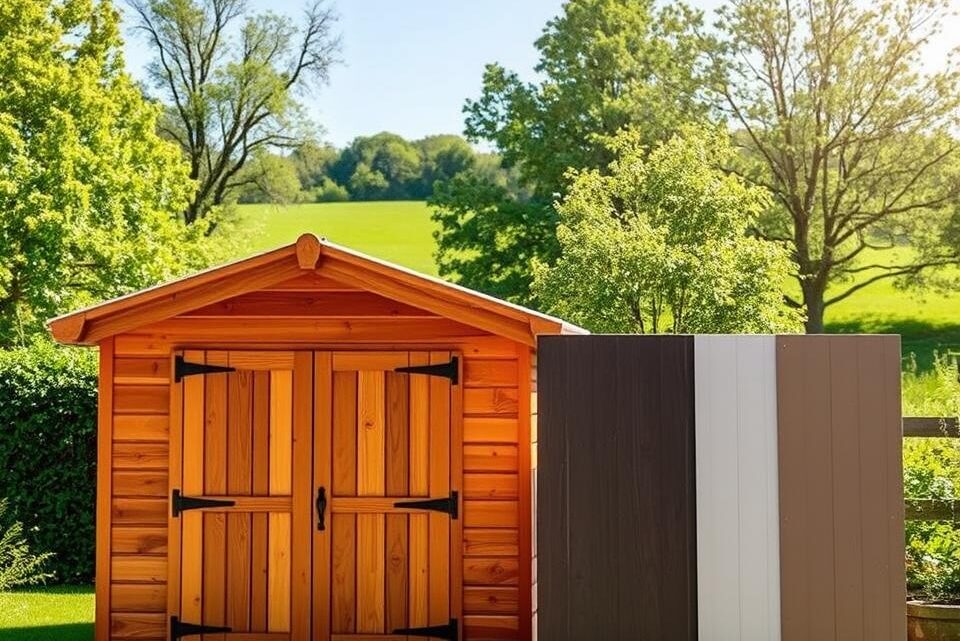
Choosing shed cladding is a key decision for any homeowner, DIYer or small contractor in the United Kingdom. This shed cladding guide explains what to expect from an in-depth, UK-focused resource that balances durability, appearance, performance and cost.
The right shed cladding depends on intended use, site exposure, budget and how much maintenance you can commit to. Later sections compare timber, metal, vinyl, masonry, composite and fibre cement options so you can weigh shed cladding options against real-world needs.
This page also covers practical matters such as local planning and building regulations, lifecycle costs and installation considerations. By the end you should be able to identify the right shed cladding for your garden shed cladding UK project with confidence.
Inhaltsverzeichnis
Key Takeaways
- Choosing shed cladding requires balancing durability, looks and cost.
- Consider intended use—storage, workshop or garden room—before selecting materials.
- Site exposure and maintenance capacity influence long-term performance.
- Compare timber, metal, vinyl, masonry and composite options for best fit.
- Check UK planning and building regulations for compliance and safety.
Understanding Shed Cladding: Purpose and Benefits
Good cladding is more than a finish; it is a defensive layer that gives reliable shed protection. It keeps rain, wind and UV off the frame and stored items. With correct detailing such as overhangs and flashings, cladding reduces maintenance and extends service life.
Poor cladding invites problems. Timber rot, rusting metal frames and moulded contents are common outcomes when water ingress goes unchecked. Choosing the right material and fitment matters for long-term durability and for the benefits of shed cladding to be realised.
Protecting structure and contents
Cladding forms the first line of defence against the elements. Properly installed panels or boards shed water away from joints and stopping points. This prevents timber decay and protects tools and stored goods from damp damage.
Design details such as drip edges and ventilated cavity spaces help shed protection by directing moisture outwards and away from vulnerable areas. Regular inspection of seals and fastenings keeps small problems from becoming expensive repairs.
Thermal and moisture performance
Cladding influences how a shed performs thermally, even when it is not the primary insulant. Some systems, like insulated composite panels, add measurable thermal performance shed owners notice when heating a garden room or workshop.
Moisture control is critical in the UK climate. Breathable cladding systems and correctly placed vapour barriers prevent interstitial condensation. That lowers the risk of damp and protects insulation so the building keeps performing.
Enhancing aesthetic and property value
Appearance matters. Attractive cladding choices increase the aesthetic value shed owners enjoy and can lift the perceived worth of a property. Options range from painted timber and rendered brick veneer to coloured metal or textured fibre cement.
Durable, low-maintenance finishes retain their look over time and improve resale appeal. When cladding is chosen to match the intended use—workshop, storage or garden room—the result is better usability and a more cohesive garden design.
Practical selection balances shed protection, thermal performance shed needs, moisture resistance shed details and aesthetic value shed goals. That balance gives the best combination of performance, longevity and appearance for your budget and use.
What’s the Right Shed Cladding for Your Needs?
Choosing cladding starts with clear priorities. Think about how you will use the structure, your long-term spending limits and any local rules that might apply. A short, practical plan at this stage will save time, money and hassle later.
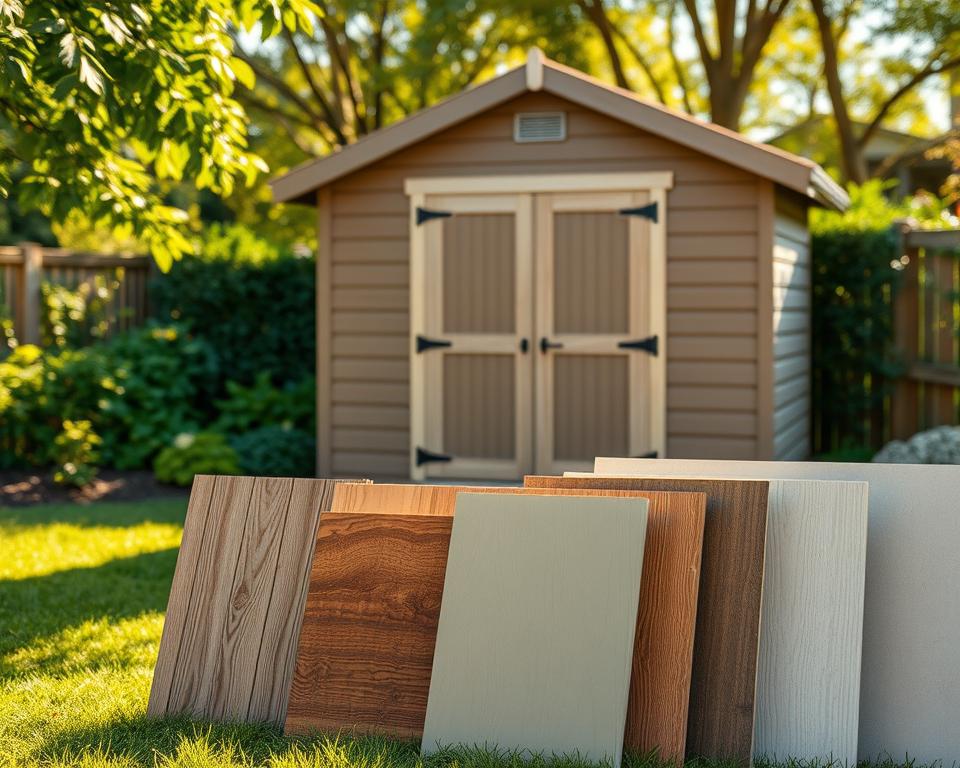
Assessing intended use: storage, workshop, or garden room
Storage demands weather resistance and security. Metal, PVC or pressure-treated timber are common choices for sheds that store tools and garden kit. Pick cladding that keeps damp out and locks securely.
Workshops need durable fixings for shelving, good acoustics and thermal performance. Composite panels, clad timber with robust treatment or corrugated steel cope well with heavy use and knocks.
Garden rooms used as living space require higher standards for insulation, airtightness and ventilation. Those uses may trigger building-control checks, so select cladding that integrates easily with insulation and interior finishes.
Budget considerations and lifecycle costs
Compare initial price with ongoing upkeep. Softwood cladding can be cheaper upfront yet will need regular treatment and repainting. Fibre cement, engineered composites and some metals cost more at purchase and offer lower maintenance over time.
Factor in replacement cycles, coatings, fixings, insulation and labour when you assess total spend. If the shed will be heated, potential energy savings from better insulation should influence your choice.
Creating a simple cost table helps. List upfront price, expected maintenance frequency and typical lifespan. That makes the shed budget lifecycle cost clearer and supports an evidence-based decision.
Local planning and building regulations in the UK
Most garden sheds fall under permitted development, but height, position and use can change that. Always check with your local planning authority before starting larger or more permanent works.
Building regulations sheds rules apply when a shed becomes habitable or exceeds floor and height thresholds. Insulation, fire safety, structural integrity and services must then meet approved standards.
Conservation areas and listed properties may restrict materials and appearance. Early contact with planning officers avoids costly redesign and ensures the chosen cladding meets local expectations.
Timber Cladding Options and Considerations
Timber remains a popular choice for garden sheds and garden rooms because it looks natural and adapts to many styles. Choosing the right timber shed cladding depends on budget, maintenance plans and the local climate in the UK.
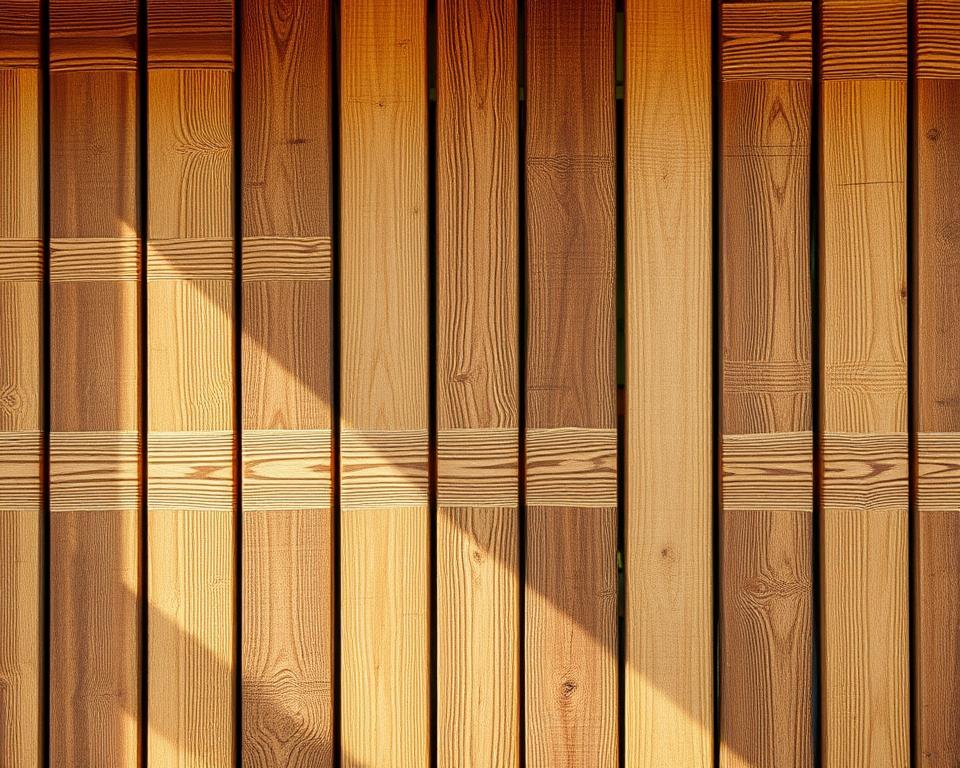
Types of timber: softwood vs hardwood
Softwoods such as European spruce, pine and larch are common for economical projects. Larch stands out for better natural durability and longer life without heavy treatment. Hardwoods like oak offer strength and a premium finish, but they cost more and add weight to the structure.
Engineered options — shiplap, tongue-and-groove and thermally modified boards — give greater dimensional stability. Western red cedar is a classic choice for sheds and garden rooms because it resists rot and has a distinctive grain.
Finishes, preservative treatments and maintenance schedules
Treated timber cladding, such as pressure-treated softwood (Tanalised), extends service life and reduces decay risk. Water-based stains, oils and microporous paints protect timber surface and preserve appearance under UV exposure.
Carry out annual visual checks and re-coat every 2–5 years depending on exposure and product. Good detailing is vital: allow ventilation gaps, keep cladding off ground with a raised base and fit drip edges to avoid capillary moisture.
Environmental impact and sustainability credentials
Look for FSC or PEFC certification to confirm responsible sourcing. Thermally modified timber and sustainably managed species cut the need for heavy chemical treatments.
Consider reclaimed boards or responsibly sourced hardwood where carbon storage and lifecycle impact matter. Many homeowners now aim for sustainable timber cladding UK to balance aesthetics with environmental care.
| Option | Pros | Cons | Typical Lifespan (with maintenance) |
|---|---|---|---|
| Spruce/Pine (softwood) | Cost-effective, easy to work with, widely available | Needs treatment, lower natural durability | 10–20 years |
| Larch | Better natural durability, attractive grain | Higher cost than basic softwoods | 15–25 years |
| Western Red Cedar | Natural rot resistance, premium appearance | Pricier, limited availability in some areas | 20–30 years |
| Oak (hardwood) | Very durable, prestigious look | Expensive, heavy | 30+ years |
| Thermally Modified / Engineered | Stable, reduced chemical need, consistent quality | Varied price points, specialised supply | 20–30 years |
| Treated timber cladding (pressure-treated) | Enhanced decay resistance, cost-effective for softwoods | Treatment chemicals may concern some buyers | 15–25 years |
| Reclaimed timber | Low embodied carbon, unique character | Variable condition, sourcing challenges | Depends on species and condition |
Metal and Steel Cladding: Durability and Modern Looks
Metal options give sheds a contemporary appearance with strong performance. Choosing between a corrugated steel shed, aluminium panels or composite metal panels affects weight, insulation and lifespan. In the UK market, metal shed cladding is popular for workshops, garden rooms and secure storage.
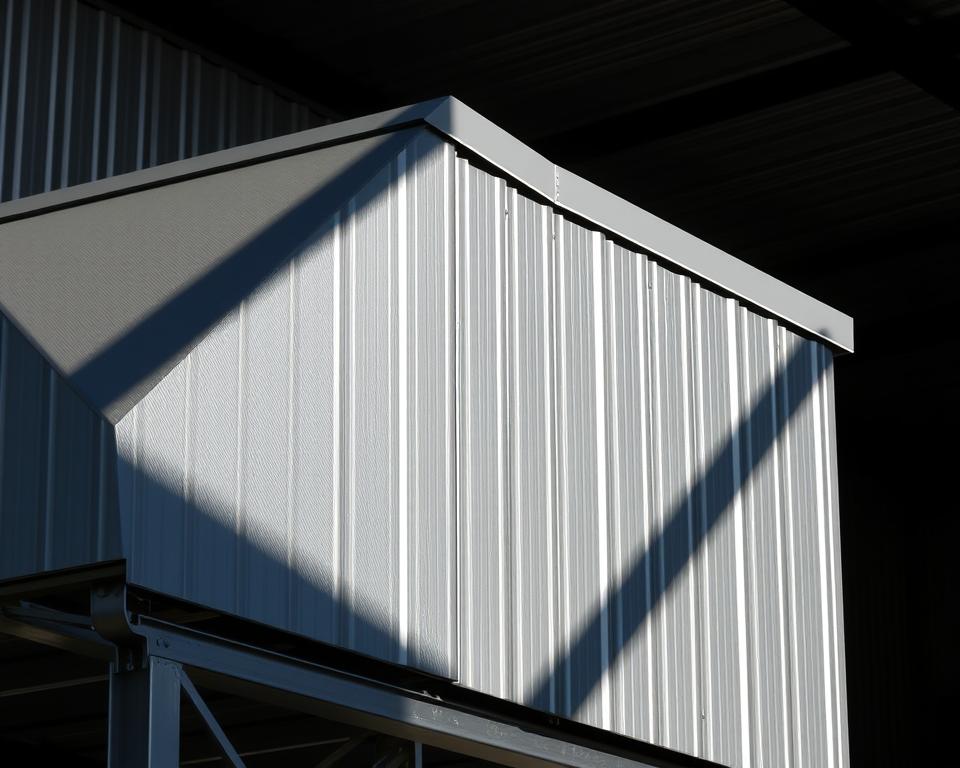
Corrugated steel, aluminium and composite metal panels
Corrugated galvanised steel is cost-effective and easy to source. A corrugated steel shed suits basic storage and agricultural uses where robustness matters. Aluminium shed cladding is lighter and resists salt damage, so it is a sensible pick near the coast.
Composite metal panels, often insulated sandwich types, speed up construction of heated spaces. They pair a metal skin with a foam core to cut thermal bridging and reduce condensation risks. Design choices range from standing seam to textured finishes for a modern look.
Corrosion resistance and protective coatings
Protective finishes extend life. Hot-dip galvanising and galvannealed coatings protect steel from rust. Pre-coated products such as Colorcoat by Tata Steel offer long warranties and predictable performance for steel cladding sheds.
PVDF and polyester paint systems add colour durability. In salt-exposed areas, choose aluminium or stainless steel and confirm warranties against corrosion. Small scratches should be repaired promptly to prevent rust initiation.
Acoustic and thermal considerations for metal sheds
Metal cladding can amplify rain noise and feel cold to touch. Acoustic liners, internal timber or mineral wool linings reduce drumming and improve comfort. Vapour control membranes and continuous insulation prevent condensation in workshops or garden rooms.
Thermal movement requires attention. Use expansion clips and allow for movement at fixings. Insulated panels or added cavity insulation limit thermal bridging and lower running costs for heated spaces.
| Feature | Corrugated Steel | Aluminium | Composite Panels |
|---|---|---|---|
| Weight | Heavier, very robust | Lightweight, easy to handle | Moderate, depends on core |
| Corrosion Resistance | Good with galvanising | Excellent in coastal areas | Good when outer skin protected |
| Insulation | Low unless insulated separately | Low, requires internal insulation | High, built-in insulating core |
| Acoustic Performance | Poor without lining | Poor without lining | Better, often quieter |
| Typical Uses | Storage, agricultural sheds | Coastal sheds, lightweight roofs | Heated workshops, garden rooms |
| Common Trade Names | Tata Steel profiles, others | Alcoa panels, aluminium systems | Insulated sandwich panels by Kingspan |
Vinyl and PVC Cladding: Low-Maintenance Choices
Vinyl and PVC sheeting make an attractive option for many garden buildings. They come in a wide palette of colours and convincing timber-effect profiles that stay looking fresh without repainting. Modern formulations for vinyl shed cladding include UV stabilisers to limit fading and maintain colour stability over years of sun exposure.
Panels are light and designed for straightforward fitting. Interlocking profiles and clip systems suit DIY installers and professional fitters alike. That simplicity keeps labour time down and reduces the chance of leaks when detailed correctly.
Damaged sections can be swapped without stripping the whole façade. Repairability is a strong point for PVC cladding sheds. Installers must allow for thermal expansion with correct spacers and fastenings to prevent buckling in hot weather.
PVC is combustible and gives off harmful fumes if it burns. For heated or frequently occupied garden rooms, check building regulations and local fire-safety guidance before choosing PVC cladding UK products for conversion projects.
Recycling for PVC is improving, with some manufacturers running take-back schemes. Recycling rates lag behind timber and metals, so look for environmental certifications when selecting low-maintenance shed cladding. Consider lifecycle impacts as part of the purchase decision.
In practical terms, vinyl shed cladding and PVC cladding sheds offer a cost-effective, low-maintenance solution for non-habitable structures. For garden rooms or workshops that need high thermal performance or stricter fire protection, compare options carefully before committing.
Masonry and Brick Veneer Cladding for Robust Structures
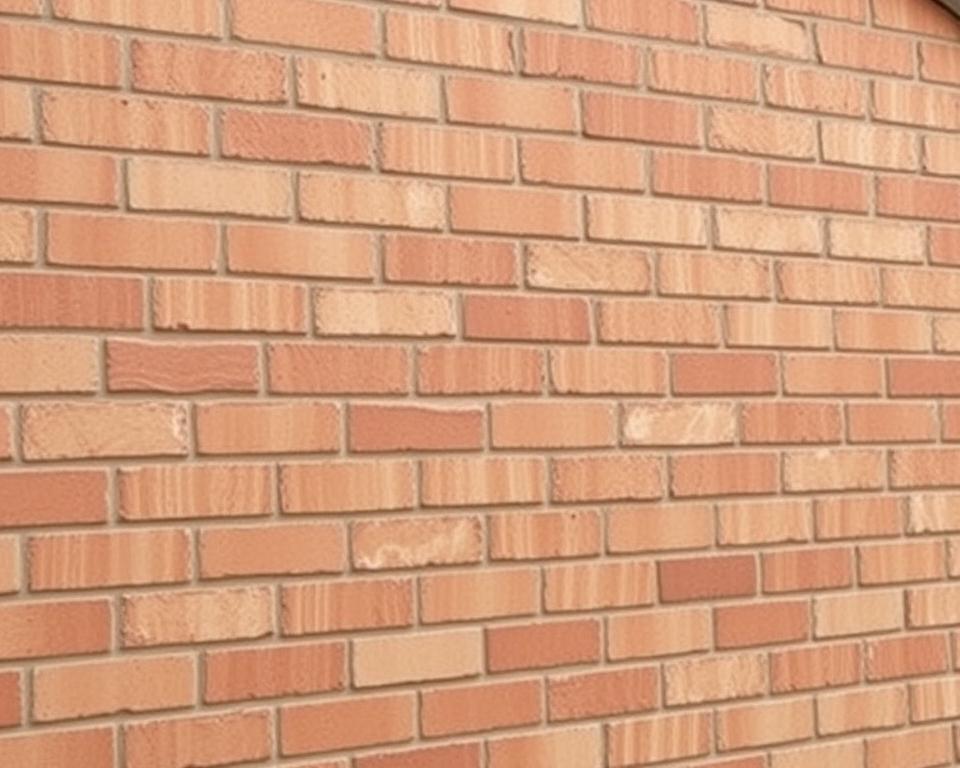
The choice of masonry for an outbuilding signals a long-term intent. For permanent garages, substantial workshops or garden rooms that must match existing brickwork, masonry shed cladding and brick shed cladding offer strength, fire resistance and improved acoustic performance. A brick veneer shed can deliver the appearance of solid brickwork while using a framed inner structure for services and insulation.
When masonry is appropriate for a shed
Masonry suits sites where security and durability matter. Use brick veneer shed construction when foundations and ground conditions allow heavier loadings. Choose full brick or cavity walls where matching neighbouring buildings or achieving a specific aesthetic is important. Projects intended as habitable or high-use spaces benefit most from masonry cladding UK options.
Insulation and damp-proofing requirements
Brick shed cladding must include a cavity, cavity insulation and a continuous damp-proof course to stop rising and penetrating damp in the UK climate. Detail lintels, movement joints and flashings carefully to avoid water ingress. Combine cavity insulation with internal or external insulating layers to meet U-value targets for habitable rooms.
Cost, longevity and maintenance implications
Expect higher initial costs from foundations, blockwork and skilled labour, yet masonry cladding UK typically delivers decades of low-maintenance service. Routine checks and repointing every few decades keep walls weathertight. Keep vegetation clear of external faces to prevent moisture retention and mortar damage.
Practically, masonry shed cladding and brick shed cladding are ideal where long life, appearance and performance outweigh upfront expense. A well-detailed brick veneer shed gives a balance of traditional looks and modern thermal control when specified correctly.
Composite and Fibre Cement Cladding: Versatility and Performance
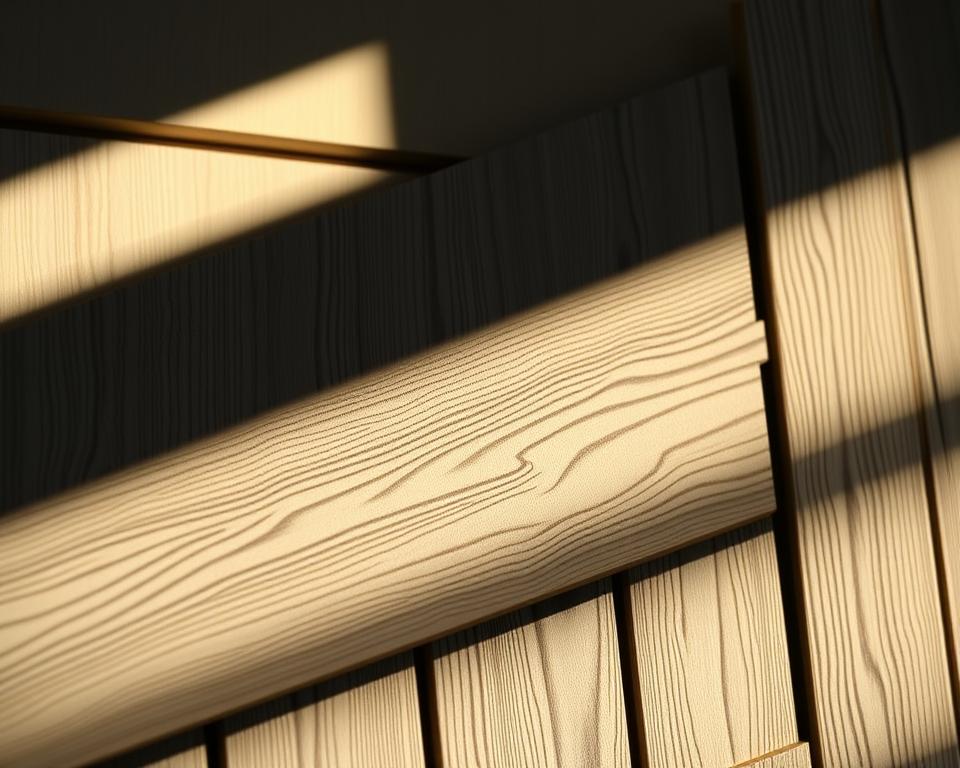
Composite and fibre cement systems provide practical options for garden buildings that need to last. Both materials balance low maintenance with visual appeal. Use them where timber would need heavy upkeep or where fire resistance is a priority.
Material makeup and advantages over single-material options
Composite cladding blends timber fibres with polymers to give stability and reduced rot risk. Fibre cement cladding mixes cement, sand and cellulose fibres for a robust, fire-resistant panel. These engineered cladding sheds combine the look of timber with performance that pure wood cannot match.
Weather resistance, rot and pest-proofing
Both materials resist fungal decay and insect attack, making them suitable for the UK wet climate and exposed coastal sites. Correct edge treatment and stainless steel fixings stop water ingress at cut edges. Follow manufacturer guidance for sealing and ventilation to avoid staining and moisture traps.
Aesthetic options and long-term warranties
Available finishes range from timber-effect boards to smooth contemporary panels. Many suppliers offer lengthy warranties that cover weathering and structural integrity. For peace of mind, check warranty terms for coastal use and confirm the product suits planning and building-control needs in the UK.
For homeowners seeking durable shed cladding UK, these materials offer a sensible mix of longevity and style. They make engineered cladding sheds a strong contender where long-term performance matters.
Choosing Cladding Based on Climate, Site and Maintenance Capacity
Choosing the right external finish starts with a clear view of the local shed cladding climate and the site’s exposure. A coastal location brings salt-laden air that accelerates corrosion and decay. An inner-city plot faces pollution and noise. A sheltered garden offers more forgiving conditions. Match material choice to these conditions to reduce long-term repair bills and to get the performance you need.
Assessing exposure means looking at wind, sun, trees and run-off. For coastal shed cladding pick aluminium, stainless steel, fibre cement or pressure-treated timbers that resist salt damage. In urban settings, choose finishes that cope with grime and offer good acoustic damping. For sheltered gardens, untreated softwoods may last longer but check for damp and pest risk.
Set out a realistic shed maintenance schedule before you commit. Inspect after storms, clear gutters and leaf debris, and check paint or preservative every 2–5 years. Seasonal checks in spring and autumn catch frost-thaw damage and blocked flashings early. Some tasks you can do yourself, but expect masonry repointing and metal recoating to need a contractor.
For heated or regularly used spaces, tie cladding choice to the cladding ventilation insulation UK strategy. Use a breathable membrane with a timber rainscreen, or opt for insulated metal panels where space is tight. Brick veneer needs a cavity with cavity insulation and clear ventilation paths to avoid trapped moisture. Pay attention to vapour control and service penetrations to keep thermal continuity.
Practical decisions come down to exposure, upkeep and compatibility. Choose materials that match the local shed cladding climate, commit to a sensible shed maintenance schedule and ensure cladding ventilation insulation UK details are resolved at the design stage. That approach reduces risk and keeps the building comfortable and durable.
Conclusion
Choosing the right cladding begins with purpose: decide whether the shed will be simple storage, a busy workshop or a comfortable garden room. From there, assess site exposure, local planning limits and budget to create a shortlist. This choosing shed cladding conclusion highlights that practical needs should lead aesthetic choices.
Timber offers strong aesthetics and flexibility but needs correct treatment and regular upkeep. Metal and steel provide durability and low maintenance, though acoustic and thermal detailing is essential. Vinyl and PVC suit low-maintenance, DIY builds but require attention to fire performance and recycling. Masonry gives a robust, long-lasting finish for permanent structures, with higher cost and careful damp-proofing. Composite and fibre cement blend durability with wide aesthetic options.
Factor lifecycle costs, not just initial price, and consult local planning guidance in the UK before committing. For structural, insulation and fire-safety work, engage qualified tradespeople to ensure compliance and longevity. When seeking the best shed cladding UK, gather multiple quotes that include long-term warranties and match the system to your maintenance capacity and the character of the property.
In summary, use this shed cladding summary as a practical checklist: define use, inspect site exposure, weigh cost against life expectancy, and prioritise safety and regulatory compliance. With those steps you’ll reach a confident, long-term decision that suits performance needs and enhances your outdoor space.
FAQ
How do I choose the right cladding for my shed?
Start by defining the shed’s intended use — storage, workshop or garden room — then assess site exposure, budget and maintenance capacity. For simple storage, low-maintenance options such as galvanised steel, PVC or pressure-treated softwood often suffice. For heated or habitable garden rooms, select cladding compatible with insulation, vapour control and building-regulation requirements, for example insulated metal panels, fibre cement or timber rainscreen over a breather membrane. Check local planning constraints and conservation-area rules before committing.
What are the main differences between softwood and hardwood cladding?
Softwoods such as spruce, pine and larch are economical and easy to work with; larch offers better natural durability. Hardwoods like oak are longer lasting and more visually striking but are heavier and considerably more expensive. Engineered options and thermally modified species combine improved stability with lower maintenance. Always choose FSC or PEFC-certified timber when sustainability is important.
Is metal cladding suitable for coastal locations?
Metal cladding can be suitable if you choose the right material and coating. Aluminium and stainless steel resist salt corrosion better than standard galvanised steel. Pre-coated steels with robust finishes (for example PVDF systems) and hot-dip galvanising improve longevity. Always follow manufacturer guidance and consider warranties for salt-exposed environments.
How important is ventilation with different cladding types?
Ventilation is critical, especially in the UK climate. Breathable rain‑screen systems, ventilation gaps and correctly installed vapour control layers prevent interstitial condensation. Timber cladding benefits from an air cavity and breather membrane; metal and composite panels often require internal linings and vapour control for heated spaces. Poor ventilation can lead to damp, mould and rot regardless of cladding material.
What maintenance should I expect for timber cladding?
Expect annual visual checks and re‑coating every 2–5 years depending on exposure and finish. Pressure‑treated softwood may need less frequent preservative treatment, while cedar and thermally modified wood have greater natural durability. Keep timber off direct ground contact, provide drip edges and maintain ventilation gaps to prolong life.
Are vinyl/PVC cladding panels a good low‑maintenance option?
Vinyl/PVC is lightweight, colour-stable and easy for DIY installation, making it attractive for non-habitable sheds. It resists rot and usually does not require painting, but it can expand with temperature changes and is combustible. Consider fire performance and limited recycling infrastructure if environmental impact matters. Avoid using solvent‑based paints on PVC.
When should I choose masonry or brick veneer for a shed?
Choose masonry or brick veneer for permanent, high‑performance outbuildings where security, fire resistance and acoustic performance are priorities. Brick veneer needs a cavity, cavity insulation and a damp‑proof course in the UK. Expect higher initial costs for foundations and skilled labour but lower long‑term maintenance and excellent longevity.
What are the benefits of composite and fibre cement cladding?
Composite cladding (wood‑plastic composites) and fibre cement panels offer dimensional stability, rot and pest resistance, and low upkeep. Fibre cement is fire‑resistant and robust; composite boards mimic timber aesthetics without the same maintenance. Many products carry long warranties — check terms for coastal use and installation requirements.
How do building regulations affect my cladding choice?
Building Regulations apply when a shed is used as a habitable space, contains sleeping accommodation, or meets thresholds for floor area and height. Requirements cover insulation, airtightness, structural safety and fire performance. For simple storage sheds under permitted development rules, planning permission may not be needed, but conservation areas and listed properties often impose restrictions. Consult your local planning authority if in doubt.
What should I consider for acoustic and thermal performance with metal cladding?
Metal cladding transmits sound (the ‘drumming’ effect) and can cause thermal bridging. Use acoustic insulation, internal linings and insulated sandwich panels to reduce noise and improve thermal performance. Ensure expansion joints and appropriate fixings to accommodate thermal movement and avoid condensation issues by installing vapour control membranes where required.
How do I factor lifecycle costs into my cladding decision?
Look beyond initial purchase price to include maintenance, repainting or re‑treatment cycles, potential replacement intervals and energy savings for heated spaces. Higher upfront cost materials like fibre cement, composite boards or insulated metal panels can lower lifetime expenditure. Include foundation, fixings, labour and warranties in any comparison.
Are there sustainable cladding options for sheds?
Yes. Choose FSC or PEFC‑certified timber, thermally modified wood that minimises preservative use, reclaimed timber, or long‑lasting materials that reduce replacement frequency. Some composite manufacturers use recycled content; fibre cement has long life and low maintenance. Evaluate whole‑life impacts rather than just embodied carbon in the material.
What seasonal maintenance should I perform on shed cladding?
Carry out spring inspections for frost and water damage, clear gutters and downpipes in autumn, and check seals, flashings and paint/treatment annually. After storms inspect for displaced fixings or damaged cladding. For timber, re‑coat finishes as needed; for metal, touch up scratches to prevent corrosion.
Can I install cladding myself or should I hire a contractor?
DIY installation is feasible for lightweight systems such as interlocking PVC, some timber shiplap and basic metal sheets if you have carpentry skills. Complex systems — masonry, insulated sandwich panels, rainscreen systems or work requiring compliance with Building Regulations — are best handled by qualified tradespeople to ensure weather tightness, structural safety and warranty validity.

