Comparing summerhouse flooring options
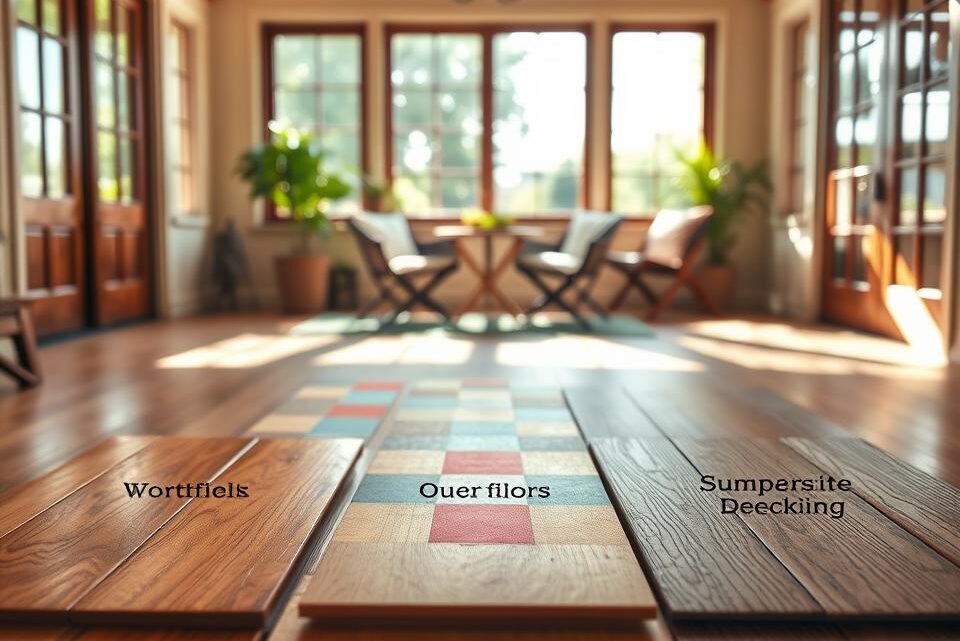
Selecting the perfect summerhouse flooring requires careful consideration of multiple factors that impact your garden retreat’s functionality and aesthetic appeal. Your choice of flooring can significantly influence the overall enjoyment and longevity of your outdoor space.
Every garden retreat demands a flooring solution that balances durability, style, and practicality. Best summerhouse flooring options must withstand unique environmental challenges, including temperature variations, moisture exposure, and diverse foot traffic patterns.
Understanding the nuanced requirements of summerhouse flooring helps you make an informed decision. Whether you’re creating a relaxation zone, workspace, or entertainment area, the right flooring transforms your garden retreat into a versatile and inviting sanctuary.
Inhaltsverzeichnis
Key Takeaways
- Assess environmental conditions before selecting flooring
- Consider long-term durability and maintenance requirements
- Balance aesthetic preferences with practical functionality
- Evaluate budget constraints across different material options
- Match flooring to specific summerhouse usage patterns
Understanding Your Summerhouse Flooring Requirements
Selecting the perfect outdoor flooring options for your summerhouse requires careful consideration of several critical factors. Your flooring choice will significantly impact the functionality, durability, and aesthetic appeal of your outdoor space.
Before diving into specific materials, you’ll need to evaluate three key aspects that will guide your decision-making process for weather-resistant flooring.
Assessing Foot Traffic and Usage Patterns
Understanding how you’ll use your summerhouse is crucial when choosing durable summerhouse flooring. Consider these usage scenarios:
- Quiet relaxation space
- Home office workspace
- Entertainment area
- Storage and utility room
Each usage pattern presents unique wear and tear challenges that will influence your flooring selection.
Considering Climate and Weather Exposure
The UK’s variable climate demands careful flooring considerations. Your location’s specific weather conditions will impact material performance.
| Climate Factor | Flooring Impact |
|---|---|
| Moisture Levels | Requires water-resistant materials |
| Temperature Variations | Needs flexible, adaptable flooring |
| Sun Exposure | Demands UV-resistant options |
Evaluating Your Budget Parameters
Budget planning extends beyond initial material costs. Consider these financial aspects:
- Initial purchase price
- Installation expenses
- Long-term maintenance costs
- Expected flooring lifespan
Investing wisely in quality flooring can save you money and frustration in the long run.
Traditional Timber Flooring for Summerhouses
Selecting the right timber flooring for your summerhouse requires careful consideration of various wood types and their unique characteristics. Natural wood flooring brings warmth, character, and a timeless aesthetic to garden building flooring that synthetic materials simply cannot match.
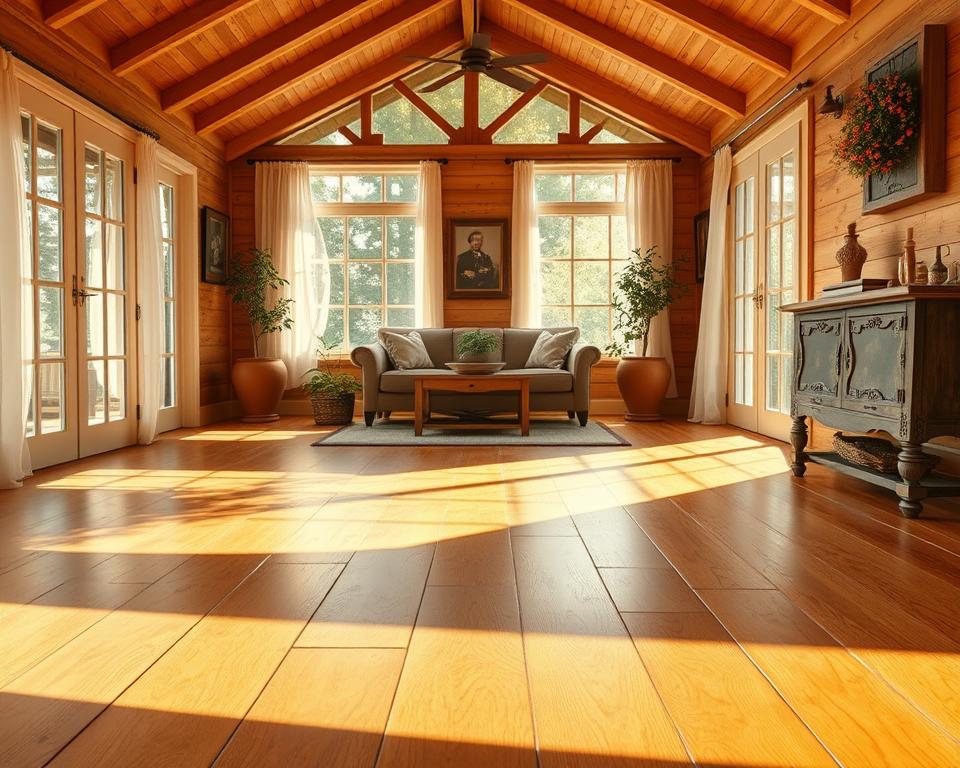
When exploring timber flooring options for your summerhouse, you’ll encounter several wood species with distinct advantages:
- Softwoods (Pine, Spruce):
- Cost-effective
- Lightweight
- Easy to install
- Hardwoods (Oak, Ash):
- Superior durability
- Elegant appearance
- Longer lifespan
Protecting your timber flooring is crucial for longevity. Essential treatments include:
- Moisture-resistant varnishes
- UV-protective oils
- Preservative wood treatments
Your chosen timber flooring should balance aesthetics with practical considerations. Tongue-and-groove installation offers superior protection against moisture, while traditional plank methods provide a classic look.
| Wood Type | Durability | Cost | Maintenance |
|---|---|---|---|
| Pine | Low | Affordable | High |
| Oak | High | Expensive | Low |
| Ash | Medium | Moderate | Medium |
Remember that proper maintenance ensures your timber flooring remains beautiful and functional for years to come.
Composite Decking as a Modern Alternative
Modern summerhouse flooring has transformed dramatically with the introduction of composite decking. This innovative solution combines cutting-edge technology with practicality, offering homeowners a sophisticated alternative to traditional timber flooring.
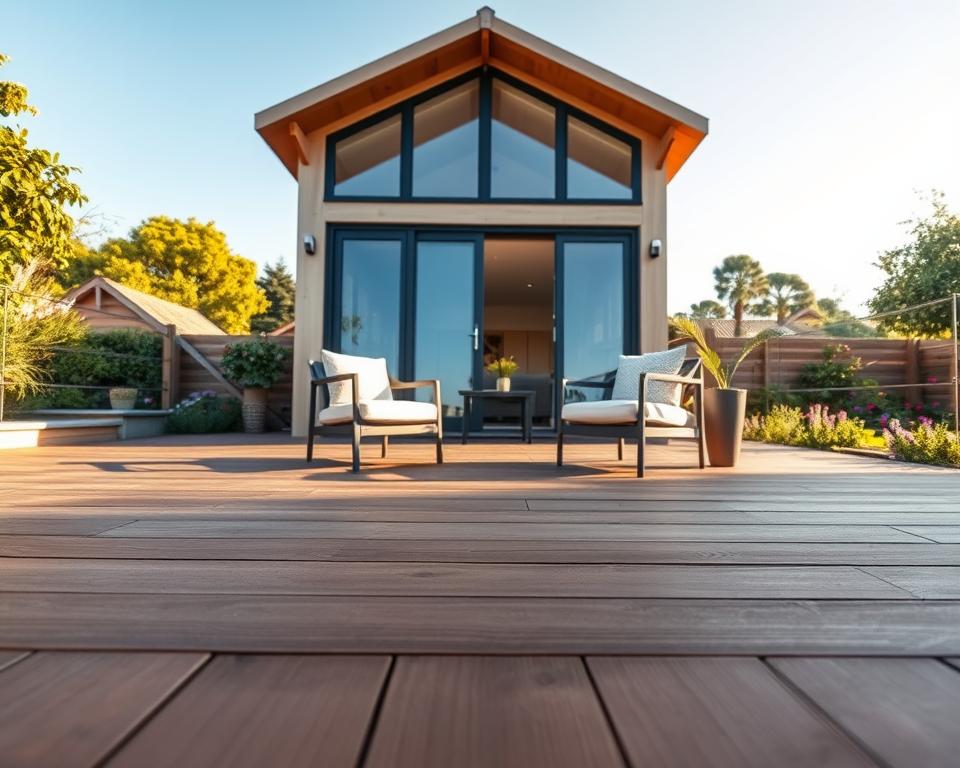
Composite decking represents a revolutionary approach to low-maintenance flooring that addresses many challenges faced by traditional wooden surfaces. By blending wood fibres with recycled plastics, manufacturers have created a material that stands up to the demanding British climate.
Durability and Maintenance Benefits
When considering composite decking for your summerhouse, you’ll discover several remarkable advantages:
- Exceptional resistance to rot and moisture
- No risk of splintering or warping
- Protection against insect damage
- Minimal annual maintenance requirements
The low-maintenance flooring option means you can spend more time enjoying your summerhouse and less time maintaining it. Simple cleaning with soap and water keeps your composite decking looking pristine year after year.
Colour and Texture Variations
Modern manufacturing techniques have revolutionised composite decking, offering an impressive range of aesthetic options:
| Finish Type | Appearance | Best Suited For |
|---|---|---|
| Wood-grain texture | Natural timber look | Traditional summerhouse styles |
| Smooth surface | Contemporary finish | Modern architectural designs |
| Multicoloured boards | Dynamic visual interest | Artistic and eclectic spaces |
Your summerhouse flooring can now reflect your personal style while providing unmatched durability and performance.
Laminate Flooring Solutions
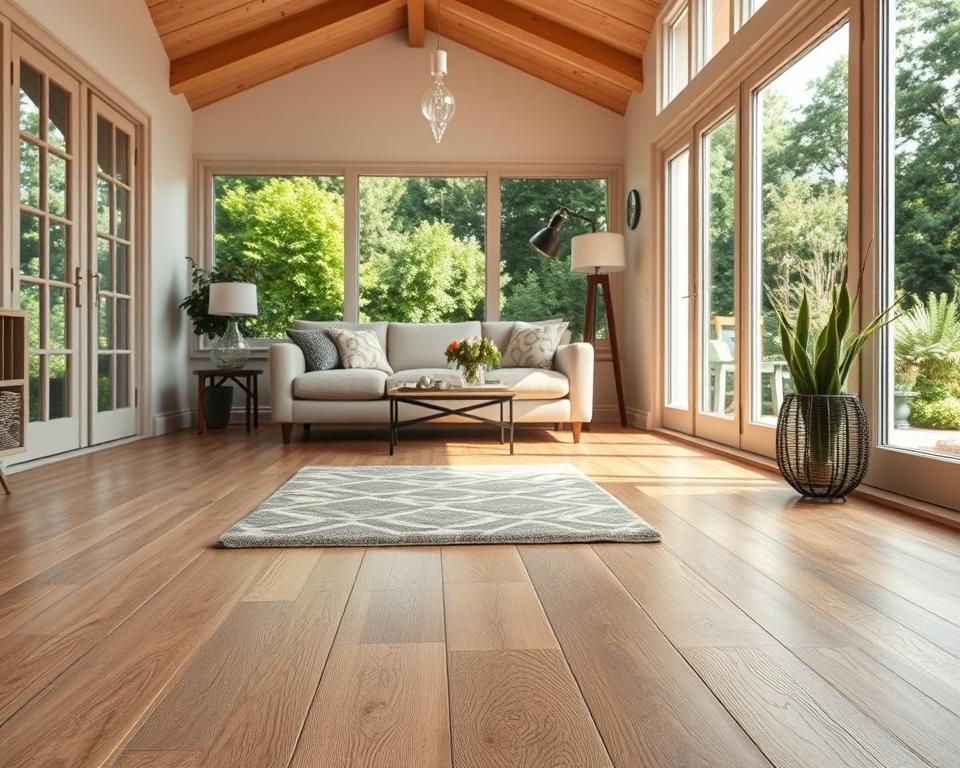
Laminate flooring offers an exceptional solution for your garden room, combining style, durability, and cost-effective performance. This versatile flooring option provides homeowners with a practical approach to creating a stunning and resilient space.
When selecting laminate flooring for a garden room, you’ll want to focus on waterproof flooring options that can withstand environmental challenges. The key considerations include:
- Moisture resistance ratings
- AC (Abrasion Criteria) durability levels
- Installation requirements
- Design versatility
Modern laminate flooring has evolved significantly, with advanced water-resistant technologies making it an ideal choice for garden room installations. Water-resistant laminate can protect against occasional spills and humidity, ensuring long-lasting performance.
| Laminate Flooring Characteristic | Garden Room Suitability |
|---|---|
| Moisture Resistance | High performance with specialised variants |
| Installation Complexity | Simple click-lock systems |
| Design Options | Multiple wood, stone, and tile effects |
| Cost-effectiveness | Affordable compared to traditional materials |
Your garden room deserves a flooring solution that balances aesthetic appeal with practical performance. Laminate flooring provides an excellent compromise, delivering a cost-effective flooring option that looks stunning and withstands daily use.
Pro tip: Always ensure proper subfloor preparation and leave expansion gaps when installing laminate in your garden room to prevent future issues.
Comparing Summerhouse Flooring Options
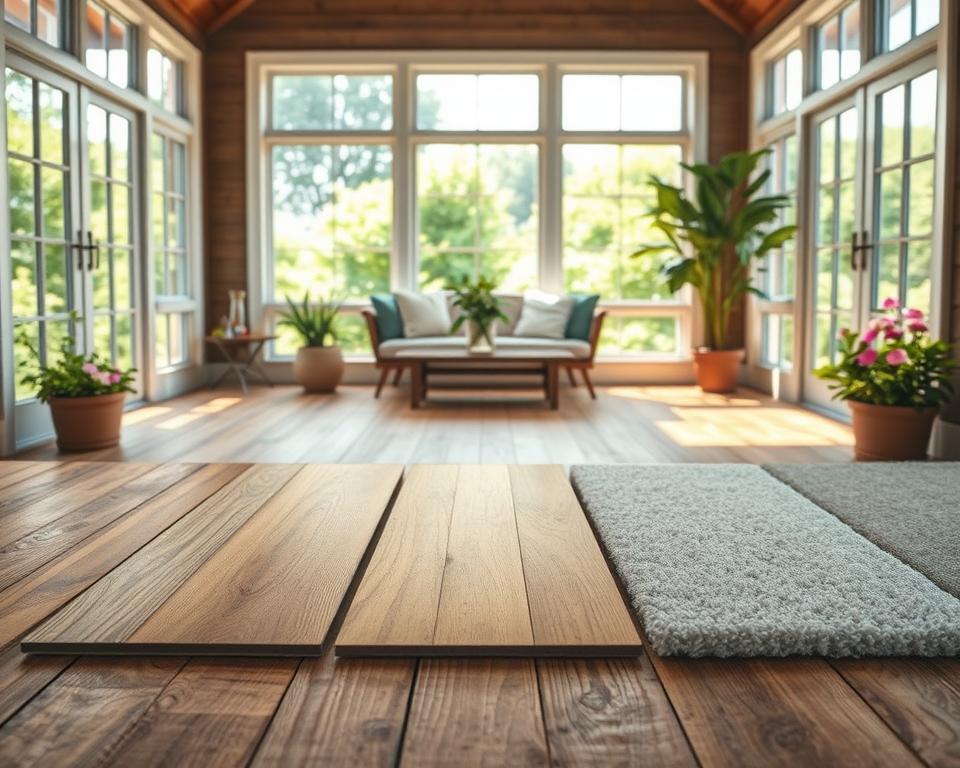
Selecting the right flooring for your summerhouse requires a comprehensive flooring comparison that goes beyond simple aesthetics. Understanding the performance characteristics of different materials will help you make an informed decision that balances durability, cost, and installation complexity.
Performance Characteristics Side by Side
Your flooring choice dramatically impacts the functionality of your summerhouse. Different materials offer unique performance traits that can significantly influence your long-term satisfaction:
| Flooring Type | Moisture Resistance | Durability | UV Stability | Thermal Insulation |
|---|---|---|---|---|
| Timber | Medium | Good | Low | Moderate |
| Composite Decking | High | Excellent | High | Low |
| Laminate | Low | Good | Medium | Medium |
Cost Analysis Across Different Materials
A thorough flooring installation budget considers more than initial material costs. Consider the following key financial aspects:
- Initial material costs per square metre
- Professional installation expenses
- Long-term maintenance requirements
- Expected lifespan of the flooring
Investing in quality flooring can save significant money over time by reducing replacement and repair costs.
Installation Complexity and Time Requirements
Flooring installation varies greatly between different materials. Some options are perfect for DIY enthusiasts, while others require professional expertise:
- Timber: Moderate complexity, requires carpentry skills
- Composite Decking: Relatively simple installation
- Laminate: Easy to install with click-lock systems
Your specific summerhouse requirements will ultimately guide your final flooring selection.
Vinyl and Luxury Vinyl Tile Considerations
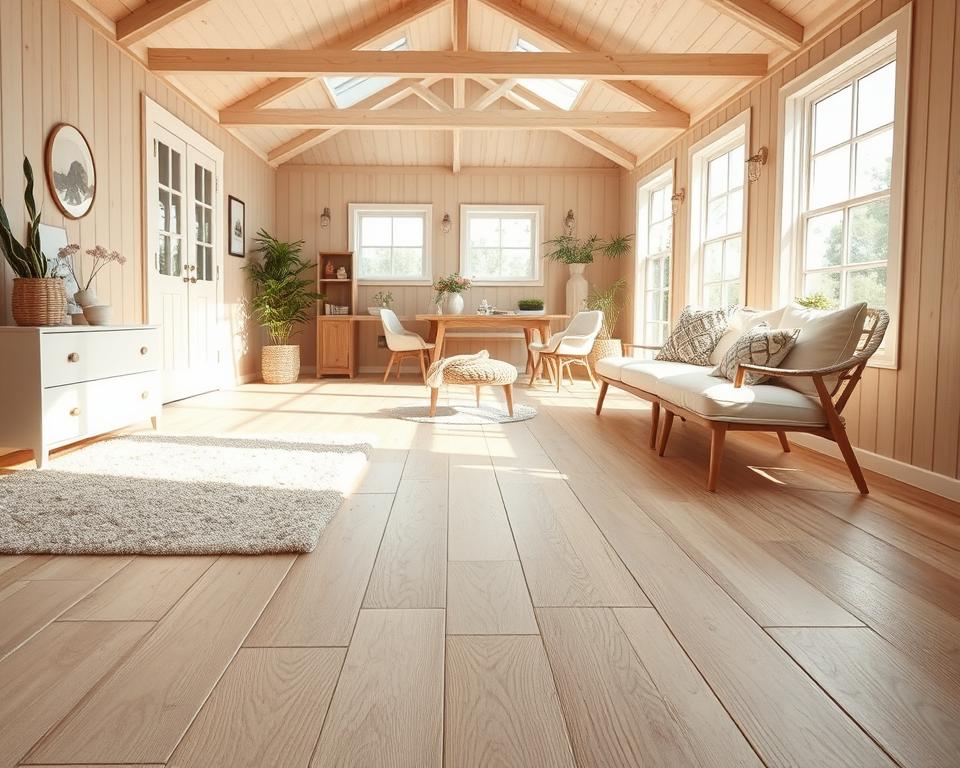
Vinyl flooring has revolutionised summerhouse design with its remarkable versatility and performance. When considering vinyl flooring for your summerhouse, you’ll discover a range of options that combine practicality with aesthetic appeal.
Luxury vinyl tile (LVT) stands out as a premium choice for garden buildings. These advanced flooring solutions offer exceptional waterproof vinyl flooring capabilities that protect against moisture and temperature fluctuations. Unlike traditional flooring materials, LVT provides:
- Realistic wood and stone design replicas
- Robust wear layers for long-lasting performance
- Complete water resistance
- Comfort underfoot
Installation methods for vinyl flooring in summerhouses vary, giving you flexibility to choose the most suitable approach:
| Installation Method | Suitability for Summerhouses |
|---|---|
| Loose-lay | Quick installation, minimal preparation |
| Click-lock | Easy DIY option, stable connection |
| Adhesive | Most secure, recommended for high-traffic areas |
When selecting vinyl flooring for your summerhouse, pay attention to wear ratings and consider options with integrated underlayment. These features ensure optimal performance in garden building environments, protecting your investment against daily use and changing weather conditions.
Vinyl flooring represents a smart solution for summerhouses, combining durability, water resistance, and design flexibility to create a stunning and practical living space.
Stone and Tile Flooring for Permanent Structures
Selecting the right flooring for your summerhouse requires careful consideration of materials that offer both aesthetic appeal and practical performance. Stone flooring outdoor options present an exceptional choice for permanent garden structures, providing durability and sophisticated design.

Natural Stone Versus Porcelain Tiles
When exploring porcelain tiles summerhouse solutions, you’ll discover two primary options: natural stone and manufactured porcelain. Natural stone brings unique character with its organic variations, while porcelain tiles offer consistent appearance and superior maintenance characteristics.
- Natural stone options:
- Slate: Rugged texture and earthy tones
- Limestone: Soft, elegant appearance
- Travertine: Classic Mediterranean aesthetic
- Porcelain tile advantages:
- Lower maintenance requirements
- Enhanced stain resistance
- Consistent colour and pattern
Thermal Properties and Heating Compatibility
Stone and porcelain materials excel in underfloor heating compatibility. Their exceptional thermal conductivity allows efficient heat distribution, transforming cold floors into comfortable spaces during cooler months.
When installing stone flooring outdoor or within your summerhouse, consider these critical factors:
- Select frost-resistant materials
- Ensure appropriate slip-resistance ratings
- Invest in professional installation
- Use reinforced subfloors to support material weight
Professional tip: Always consult a specialist to guarantee proper installation and optimal performance of your stone or porcelain tile flooring.
Maintenance and Longevity Factors
Selecting durable flooring for your summerhouse requires understanding long-lasting maintenance strategies. Your flooring investment depends on consistent care and proactive protection against environmental challenges.
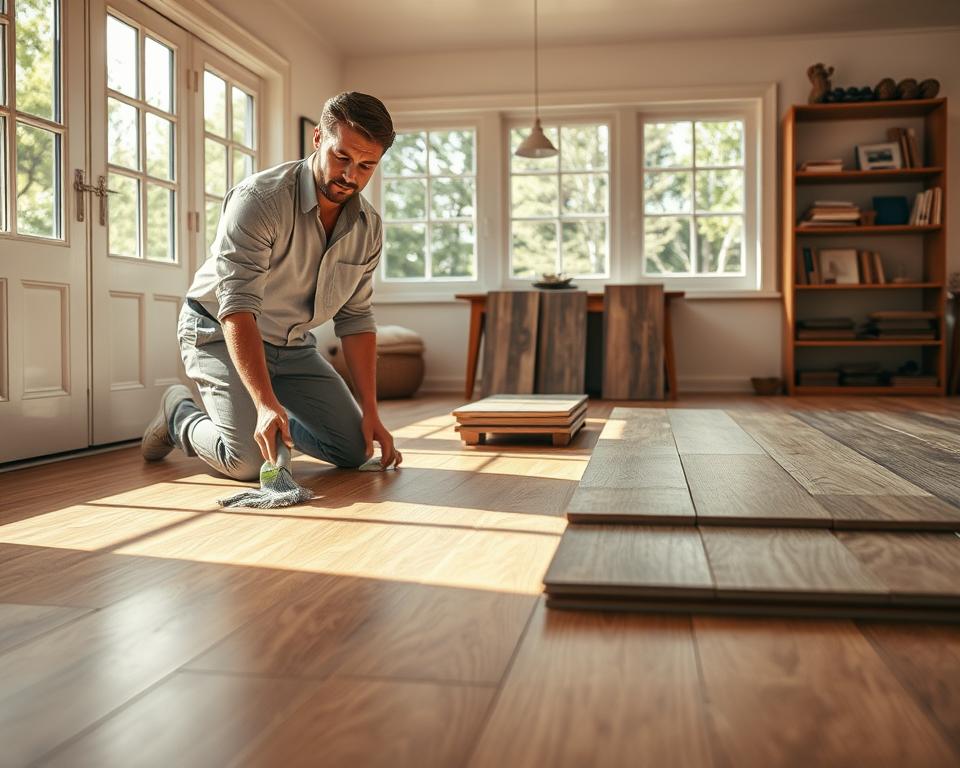
Effective flooring maintenance involves several critical approaches to preserve your summerhouse’s aesthetic and functional qualities. Different materials demand unique care techniques to ensure maximum longevity.
- Regular cleaning prevents dirt accumulation
- Seasonal inspections identify potential damage early
- Protective treatments extend flooring lifespan
- Proper ventilation reduces moisture-related deterioration
Your summerhouse flooring encounters unique challenges from temperature fluctuations and humidity. Timber floors require periodic sealing, while composite materials need occasional washing to maintain their appearance.
| Flooring Type | Maintenance Frequency | Typical Lifespan |
|---|---|---|
| Timber | Bi-annual treatment | 15-25 years |
| Composite | Quarterly cleaning | 25-30 years |
| Vinyl | Monthly cleaning | 10-20 years |
Understanding your specific flooring’s maintenance requirements helps prevent premature wear. Preventative care is always more cost-effective than reactive repairs.
Invest time in regular maintenance to protect your summerhouse flooring’s integrity and appearance.
By implementing consistent care strategies, you’ll ensure your summerhouse flooring remains beautiful, functional, and resilient for years to come.
Making Your Final Flooring Decision
Choosing summerhouse flooring requires careful consideration of multiple factors. Your garden room flooring selection is more than just a visual decision – it’s about creating the perfect functional space that meets your specific needs.
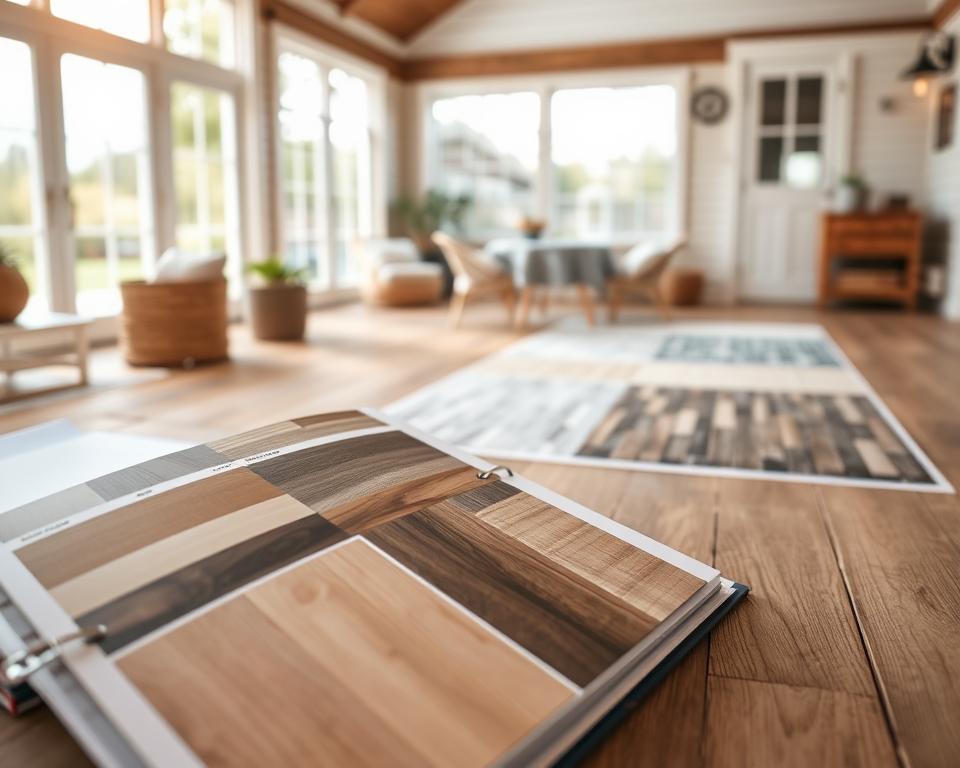
When selecting the best flooring choice for your summerhouse, you’ll want to evaluate several key aspects that align with your intended use. Different purposes demand different flooring characteristics.
Matching Flooring to Your Specific Requirements
Consider these critical factors when making your final decision:
- Usage Intensity: High-traffic areas need more durable materials
- Moisture Resistance: Consider potential exposure to dampness
- Aesthetic Preferences: Choose flooring that complements your design vision
- Budget Constraints: Balance quality with affordability
Practical Decision-Making Strategies
To ensure you make an informed garden room flooring selection, follow these steps:
- Review your summerhouse’s primary function
- Compare material performance characteristics
- Request samples from potential suppliers
- Calculate long-term maintenance costs
- Obtain professional installation quotes
Your best flooring choice will ultimately depend on balancing performance, aesthetics, and budget. Take time to evaluate each option carefully, ensuring your summerhouse floor meets both practical and visual requirements.
Conclusion
Selecting the right flooring for your summerhouse is a crucial garden building investment that requires careful consideration. Your journey through summerhouse flooring options reveals that no single solution fits every scenario. Each material brings unique strengths: timber offers classic charm, composite decking provides durability, laminate delivers affordability, and stone presents luxurious permanence.
Your flooring decision should prioritise your specific requirements, balancing aesthetic preferences with practical performance. Climate, foot traffic, maintenance capabilities, and budget will guide your selection. Whether you desire a traditional wooden feel or modern low-maintenance surfaces, understanding each option’s characteristics empowers you to make an informed choice that enhances your garden retreat’s functionality and visual appeal.
Remember that proper installation and consistent maintenance are paramount, regardless of your chosen material. By investing time in researching and selecting the most appropriate summerhouse flooring options, you’ll create a space that delivers long-term satisfaction. Embrace the opportunity to transform your garden building into a personalised sanctuary that reflects your lifestyle and design sensibilities.
Your next steps involve gathering samples, consulting specialist suppliers, and planning a carefully executed installation. With the insights gained from this comprehensive guide, you’re well-equipped to make a confident flooring decision that will serve your summerhouse beautifully for years to come.
FAQ
What is the most durable flooring option for a summerhouse?
Composite decking offers the most durability for summerhouse flooring. It resists rot, splintering, and insect damage while requiring minimal maintenance. Composite materials combine wood fibres with recycled plastics to create a long-lasting surface that withstands various environmental challenges typical of garden buildings.
How do I choose the right flooring for my summerhouse’s specific use?
Consider your summerhouse’s primary purpose. For a home office, laminate or timber might work best. If you’re creating a gym space, vinyl or rubber flooring could be ideal. Entertainment spaces benefit from versatile options like composite or luxury vinyl tiles (LVT). Assess your foot traffic, moisture exposure, and intended activities to make the most appropriate selection.
Are there budget-friendly flooring options for summerhouses?
Laminate flooring provides an excellent budget-friendly solution. It offers multiple design options, easy installation, and good durability at a lower cost compared to other materials. Look for water-resistant variants specifically designed for garden buildings to ensure longevity and performance.
How important is moisture resistance in summerhouse flooring?
Moisture resistance is crucial in summerhouse flooring due to varying humidity levels and potential condensation. Vinyl and composite materials offer the best moisture protection, with vinyl providing complete waterproof capabilities. Always ensure proper subfloor preparation and consider materials with high water-resistance ratings to prevent long-term damage.
Can I install the flooring myself, or do I need professional help?
Installation complexity varies by material. Laminate and some vinyl options offer DIY-friendly click-lock systems, while stone and natural timber typically require professional installation. Your skill level, available tools, and the complexity of your summerhouse structure will determine whether you can undertake the project independently or need expert assistance.
What maintenance is required for summerhouse flooring?
Maintenance varies by material. Composite and vinyl require minimal upkeep – typically just occasional cleaning with soap and water. Timber flooring needs regular treatments to prevent moisture damage and preserve its appearance. Laminate requires careful cleaning to prevent water damage, while stone and tile might need periodic grout maintenance and sealing.
How do temperature variations affect summerhouse flooring?
Different materials respond differently to temperature changes. Composite decking and vinyl tend to be more stable, while timber and laminate can expand or contract more dramatically. Consider materials with good thermal stability, especially if your summerhouse experiences significant temperature fluctuations throughout the year.
What is the typical lifespan of summerhouse flooring?
Lifespan varies significantly by material. Composite decking can last 25-30 years, luxury vinyl tiles typically last 15-20 years, laminate around 10-15 years, and traditional timber flooring may require replacement every 10-15 years with proper maintenance. Always factor in your specific usage, maintenance, and environmental conditions.