
Comprehensive Insurance for Sheds in the UK
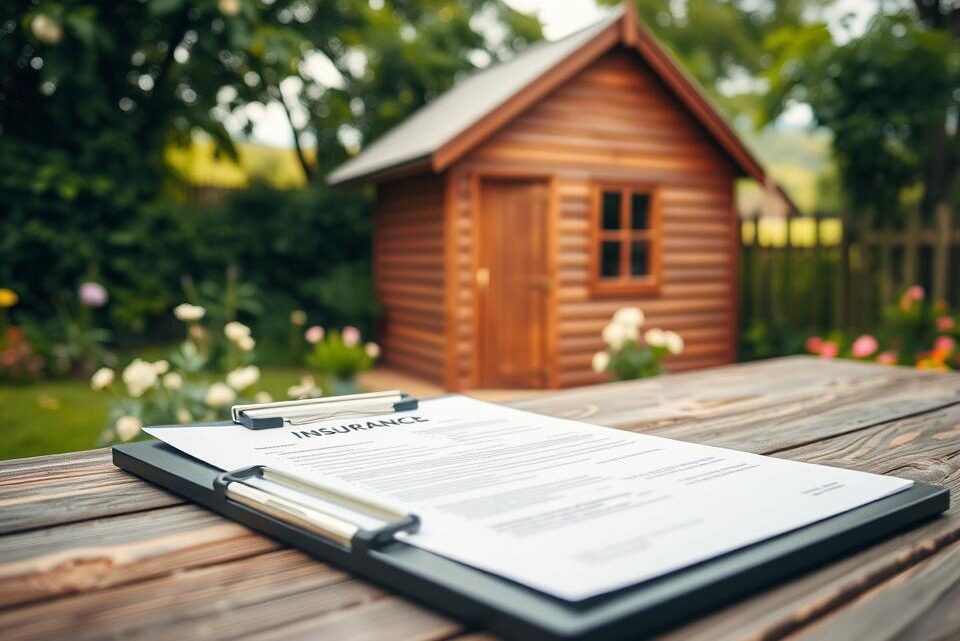
Sheds and other garden buildings often hold expensive tools, bicycles and powered equipment. They sit outdoors and face weather, theft and accidental damage. Many home insurance policies cap cover for outbuildings or limit contents that are kept away from the main house, so homeowners, landlords and small business owners may find gaps in protection.
This article explains why tailored insurance for sheds matters, what garden shed cover and outdoor building insurance typically include, and how shed contents protection can close shortfalls left by standard policies. We reference UK industry guidance and insurer product pages from providers such as Aviva, AXA and Direct Line to give practical, reliable advice.
Read on to learn why shed insurance UK is worth considering, how to value items correctly, which security measures lower premiums, and how to make a successful claim. The following sections cover risks, cover types, exclusions, costs and tips for choosing the right insurer.
Inhaltsverzeichnis
Key Takeaways
- Shed insurance UK fills gaps where standard home policies may limit outbuilding cover.
- Garden shed cover protects tools, bikes and hobby equipment stored outside the main property.
- Outdoor building insurance varies by policy—check cover limits and exclusions carefully.
- Shed contents protection requires accurate valuation and good documentation to support claims.
- Security improvements and correct location details can reduce premiums and claim disputes.
Why shed cover matters for UK homeowners
Many UK homeowners treat a shed as a simple storage space. That view underestimates the true exposure to garden building risks and the value held inside. Knowing why shed insurance matters helps you decide whether a basic policy is enough or if a home contents extension is necessary.
Across Britain, weather presents a steady threat. Storms, heavy rain, snowfall and coastal salt spray wear timber and metal. Flooding can leave a shed warped and its contents ruined. Climate shifts mean more intense storms in some regions, increasing claims for storm and water damage.
Theft and vandalism are common causes of loss. Sheds are an easy target for opportunist thieves after tools and bicycles. Forced entry claims rise where access is simple and security is minimal. Fire and accidental damage add further risk; barbecues, electrical faults or DIY accidents can spark serious loss.
Pests and neglect contribute over time. Woodworm, rot and poor maintenance weaken structures until repair or replacement is the only option. Regular checks reduce that risk, but cover remains important when deterioration, accidental damage or sudden events occur.
Shed damage costs vary widely. A modern timber or metal shed with insulation may cost several hundred pounds to replace. High-end garden studios and bespoke outbuildings run into thousands. Tools, powered lawn equipment and bicycles can easily add up to several thousand pounds in contents value.
Small businesses based in garden studios face extra losses. Business interruption and replacement equipment costs should be considered when assessing cover limits. A basic buildings clause may not reflect commercial exposure, so review policy wording if you work from the garden.
Many standard home policies include limited outbuilding cover. That cover can cap payouts for items stored away from the main house. A home contents extension or a standalone shed policy gives clearer limits and tailored protection for specific perils, such as flood or accidental damage.
Check declared value clauses, territorial limits and the treatment of high-value items. Some insurers require tools and machinery to be specified separately. Choosing the right combination of home and outbuilding cover avoids gaps on claim and ensures that shed damage costs do not fall entirely on the homeowner.
Common risks to garden buildings across the UK
Storms and water are frequent causes of damage to garden buildings. Salt spray near coasts accelerates corrosion. Flood zones increase the chance of total loss. Theft, vandalism and accidental fires remain persistent threats.
Financial impact of shed loss or damage
Replacement costs for sheds vary from modest to significant. Contents like electric mowers, power tools and bikes can push the total to thousands of pounds. For those running a small enterprise, disruption can mean lost income as well as equipment costs.
How shed insurance complements home and contents policies
Home policies may offer limited cover for outbuildings but often restrict contents kept away from the main dwelling. A home contents extension or a tailored shed policy increases limits, adds cover for specific perils and reduces the chance of an uninsured shortfall.
Understanding insurance for sheds
Knowing what is shed insurance helps homeowners choose cover that matches their needs. Policies can vary widely, so a clear grasp of typical scope and key terms avoids surprises at claim time.

Definition and typical scope of cover
Shed insurance usually protects the physical structure and the contents inside against specified perils such as fire, theft, storm and flood, subject to the policy wording. Cover may include repair or replacement of the shed, limits for contents and occasional liability cover if someone is injured near the outbuilding.
Territorial limits normally restrict cover to the garden or curtilage of the insured property in the UK. Some policies extend to detached garages and other outbuildings, so check the wording before assuming broader protection.
Differences between standalone policies and add-ons
Standalone shed cover is offered by specialist insurers and suits high-value items or bespoke structures such as garden offices and studios. These policies often include wider peril lists, higher contents limits and tailored terms.
A shed insurance add-on extends a main buildings or contents policy. Add-ons are convenient and often cheaper for modest values but may carry lower limits, higher excesses or narrower peril lists. Bundling through an add-on can simplify billing yet leave gaps if you own expensive tools or powered equipment.
Key terms explained: indemnity, excess and sum insured
Indemnity means the insurer aims to restore you to the position you were in before the loss, typically by repair or replacement within policy limits. That principle guides most settlement decisions.
Excess is the amount you pay towards a claim before the insurer meets the remainder. Policies can have a compulsory standard excess and an optional voluntary excess you choose to lower premiums.
Sum insured is the maximum the insurer will pay for the structure or contents. It must reflect replacement cost to avoid underinsurance and possible proportionate settlements on larger claims. Regular reviews of the sum insured reduce the risk of an inadequate settlement.
Check words like replacement cost, single-item limits and maintenance obligations when comparing standalone shed cover with a shed insurance add-on. Accurate sums insured and clear understanding of excesses will make claims smoother and limit disputes over indemnity.
What contents can be covered in your shed
Many homeowners overlook what exactly a shed can hold under insurance. A clear list helps when arranging shed contents cover and prevents surprises at the time of a claim. Read policies carefully and note single-item limits, storage conditions and any requirements for locked storage.

Typical items such as spades, rakes and lawnmowers are usually included under standard garden tools insurance within a household policy. Powered kit like hedge trimmers, strimmers and petrol-driven chainsaws often face lower single-item limits. Insurers commonly demand these items be stored in a locked shed to qualify for cover.
Petrol kept in cans can be a sticking point. Some policies give safety guidance or impose exclusions for fuel, so follow manufacturer advice and keep fuels in approved containers to reduce risk and meet policy terms.
Bicycles, machinery and DIY supplies
Bicycles kept in a locked shed are often covered, but high-value bikes may need a specified item endorsement or higher cover. For valuable e-bikes over about £1,000 many homeowners turn to specialist providers for full protection rather than relying on basic bicycle insurance in shed clauses.
Garden machinery such as rotavators, pressure washers and cultivators are generally covered up to policy limits. Commercial-use tools can be excluded or require a business policy. DIY supplies like paints and solvents may attract storage conditions due to fire risk, so check for restrictions before leaving hazardous materials long-term.
Valuables and exclusions to be aware of
High-value items such as professional camera kit, jewellery, high-end e-bikes and business stock often carry lower limits in a shed or are excluded entirely. Insurers require specified declarations for expensive items to ensure full cover rather than standard shed contents cover.
Common excluded items include theft without forced entry, damage from wear and tear, vermin or insect infestations and losses caused by negligence. Keep receipts, warranties and serial numbers to support claims. List items and check single-item limits so you know when to arrange specialist cover for valuables.
- Secure powered equipment and batteries to meet insurer requirements.
- Photograph items and keep purchase records to speed up claims.
- Declare expensive items and consider specialist garden tools insurance where needed.
Types of perils covered by shed insurance
Understanding what a policy will pay for helps you pick the right cover. Insurers vary on scope and wording, so check the fine print. Below are common perils and practical points to discuss with providers like Aviva, Direct Line or NFU Mutual.

Storms and severe weather
Storm damage usually covers high winds, flying debris and fallen branches that dent or collapse a shed. Timber outbuildings suffer from prolonged damp, rot and coastal salt spray more than metal or plastic units.
Snow and frost can crack panels or warp doors. Some policies list these explicitly, while others group them under general weather cover. Ask whether flood cover for sheds is included or must be added as an endorsement in known flood zones.
Flood and water risks
Flood cover for sheds varies widely between insurers. Some schemes exclude flooding unless you take a specified add-on. Check whether contents lost to flood are treated the same as structural damage and whether limits apply to expensive tools or machinery.
Theft, vandalism and forced entry
Theft and vandalism are commonly covered, but insurers often require proof of forced entry. They may insist on specified locks or anchors for high-value items such as Stihl garden machinery or a quality bicycle.
If a shed is left insecure, a claim for vandalism can be refused. Some policies restrict cover for theft by household members, so read terms if guests or workers have access.
Fire and accidental ignition
Fire cover typically responds to accidental ignition from barbecues, faulty electrics and nearby wildfires. Negligence exclusions can apply, so claims after reckless behaviour might not be paid.
Accidental damage is often optional and can include impact, spillages or damage caused by neighbours. Adding accidental damage raises the premium, but it broadens protection against everyday mishaps.
Other risks and limitations
Less common perils include escape of water from pipes, subsidence and landslip. These are often excluded or need specialist cover. Liability cover for injury near the shed may be limited and should be checked if you host DIY workshops or let friends use tools.
Most policies set time limits for reporting claims and require proof such as receipts or photos. Older items can be depreciated unless you have new-for-old cover. Keep serial numbers and invoices to support any claim.
| Peril | Typical cover notes | When to check closely |
|---|---|---|
| Storm damage | High winds, falling branches, structural failure from severe weather. | Coastal areas and exposed gardens; timber sheds prone to rot after storms. |
| Flood cover for sheds | May be included or offered as an add-on with sub-limits for contents. | Properties in flood zones or near rivers and drainage run-off routes. |
| Theft and vandalism | Requires evidence of forced entry; security requirements often stated. | High-crime neighbourhoods; if expensive tools or bikes are stored. |
| Accidental damage | Optional cover for spills, impacts and neighbour-caused damage. | If you run a small workshop or store valuable equipment inside. |
| Fire | Covers accidental ignition from appliances, barbecues and electrical faults. | Close to woodland, barbecues or when using portable heaters in shed. |
| Subsidence & escape of water | Often excluded or requires specialist endorsement. | Properties on clay soils, steep slopes or with old plumbing in outbuildings. |
How location affects shed insurance premiums
The place where a shed stands has a clear effect on cover and cost. Insurers use postcode-level data to assess risk and set shed insurance premiums. Small details such as distance from the main house, nearby watercourses and local crime patterns feed into a quote.

Urban versus rural risk profiles
Urban properties often show higher rates of opportunist theft. That raises premiums through crime rate insurance metrics even when emergency services are quick to respond. Insurers factor in local police records when pricing risk.
Rural sites face different threats. Isolated thefts of tools and agricultural equipment prove costly. Wildlife damage and slower emergency response can push premiums up. Postcode data captures these contrasts.
Local crime rates and flood zones
Insurers consult Police.uk records and Environment Agency maps as part of underwriting. High local crime rates can increase the cost of cover and reduce available limits. Properties in recognised flood plains often attract flood zone premiums or exclusions for flood risk.
Measures such as flood defences, raised siting or landscaping can reduce perceived risk. Always check local flood mapping before you seek a quote to understand likely loadings on your premium.
Proximity to the main insured property
Sheds within the curtilage of the insured home usually receive fuller cover and lower excesses. Detached outbuildings some distance from the main property may be treated as ‘away from the home’ and face stricter limits or higher shed insurance premiums.
Distance affects liability, speed of repair and whether contents fall under standard home and contents cover. Be candid with insurers about exact location to avoid disputes at claim time.
Practical tip: check Environment Agency flood maps and local crime data before applying for a quote to understand location impact on cover and costs.
Security measures that can reduce your premium
Simple, practical upgrades to shed security can help reduce shed insurance premium and lower the chance of loss. Insurers look for tangible steps that make theft or damage harder and claims easier to verify. The advice below focuses on locks, alarms, lighting, CCTV for sheds and record-keeping for high-value items.

Fit robust shed locks such as TS007-rated padlocks, deadbolts and hardened hasps where insurers require a standard. Reinforcing doors and glazing, and fixing the shed to a solid foundation, reduces forced entry. Internal fixings like ground anchors, heavy-duty chains and wall brackets help secure lawn mowers, generators and other bulky kit.
Lighting, CCTV and deterrents
Motion-activated lighting and visible CCTV for sheds act as a strong deterrent. A professionally installed, functioning camera system is more persuasive to insurers than dummy units. Use clear security signage and consider joining a Neighbourhood Watch or local community scheme to improve local surveillance and risk perception.
Documentation and serial numbers for valuable items
Keep item serial numbers, receipts and dated photographs of expensive kit such as e-bikes and power tools. Register bicycles on BikeRegister and store digital copies of invoices off-site. A current inventory with item serial numbers speeds up police checks and claims handling.
- Install insurer-specified shed locks and reinforce entry points.
- Fit motion lights and deploy CCTV for sheds where practical.
- Anchor heavy equipment and use secure internal fixings.
- Record and register valuables, keeping item serial numbers and receipts safe.
- Maintain evidence of installation and update records after purchases.
Valuing your shed and its contents correctly
Accurate valuation protects you from underinsurance and speeds up claims. Start by deciding whether you want replacement cost or market value cover for your shed and stored items. Knowing the difference helps when you speak to insurers and when you prepare a shed inventory.
Replacement cost pays to buy a new equivalent for damaged items. This is useful for power tools, lawn mowers and bicycles that would be costly to replace with new models. Market value pays the current depreciated worth of an item. Older items may attract a much lower payout under market value, so check which basis your policy uses.
Prepare a clear shed inventory listing make, model, serial number, purchase date and original price for each item. Keep receipts, manuals and warranty details with the inventory. Store copies off-site or in cloud storage so your records survive a local loss.
Photograph evidence should include close-ups of serial numbers and wide shots showing full racks or storage layouts. Take short video walkthroughs as a supplement. Insurers accept dated photographs that match receipts and the shed inventory during a claim.
Update valuations after major purchases, such as a new ride-on mower or an e-bike. Some insurers offer temporary increases for new items kept in the shed. Other policies require a formal endorsement to raise the sum insured, so contact your provider promptly to avoid gaps.
Carry out an annual audit, especially before gardening season, and adjust sums insured for inflation if your insurer does not index-link automatically. Use a simple spreadsheet or an inventory app recommended by your insurer to keep details organised and easy to present when needed.
| Action | Why it matters | Practical tip |
|---|---|---|
| Choose cover basis | Determines payout size: replacement cost versus market value | Prefer new-for-old for high-value items and buildings |
| Create shed inventory | Speeds claims and proves ownership | List make, model, serial number and purchase date |
| Collect photograph evidence | Visual proof of condition and contents | Take dated photos and short videos, upload off-site |
| Review after purchases | Prevents underinsurance when values rise | Notify insurer or use temporary cover options |
| Annual audit | Keeps sums insured aligned with real value | Schedule a yearly check and update your shed inventory |
Exclusions and common policy limitations
Insurers set clear boundaries on what a shed policy will pay for. Read the small print to spot shed insurance exclusions and any policy limitations that could affect a future claim.
Wear and tear and lack of maintenance
Most policies do not cover gradual deterioration such as rot, rust, insect infestation or fungal decay. Carriers expect routine upkeep like painting, roof repairs and gutter clearing. Failure to meet those duties can lead to a rejected claim or a reduced settlement.
Uninsured perils and policy-specific clauses
Many policies list excluded events. Typical exclusions include deliberate damage by the insured, nuclear incidents and war. Flood and subsidence may be excluded unless you buy specific cover. Theft cover can be conditional on evidence of forced entry. Running a business from the shed can void cover for stock and tools unless you declare commercial use to the insurer.
Limits on high-value items and specialist equipment
Insurers often set single-item caps that restrict payouts for e-bikes, specialist power tools or photographic kit. High-value item limits mean you may need to specify items on the policy or buy a separate gadget or business policy. Firms such as AXA or Aviva typically ask for proof of purchase or professional receipts when large sums are involved.
Mitigation is possible. If standard cover fails to meet needs, seek specialist or standalone policies that cover commercial equipment and large-value items. Keep maintenance records and receipts to preserve rights under the policy.
| Issue | Common effect | Practical step |
|---|---|---|
| Wear and tear | Claim declined or reduced | Log maintenance, retain receipts |
| Uninsured perils | No cover for specific events | Buy endorsements for flood/subsidence |
| Theft without forced entry | No payout for unsecured contents | Install locks, document forced entry |
| High-value item limits | Payout capped per item | Specify items or get specialist cover |
| Commercial use | Stock and tools excluded | Switch to business insurance or add cover |
How to make a successful shed insurance claim
Act quickly after loss or damage to secure the best outcome. Safety comes first: call emergency services for fire, collapse or hazardous materials. If it is safe, take steps to prevent further damage, such as temporary boarding or a tarpaulin, but keep damaged items for inspection unless your insurer tells you otherwise.
Follow a clear process when reporting an incident. For theft, notify the police straight away and obtain a crime reference number; insurers normally require this for reporting theft. Contact your insurer as soon as practicable using their claims line or online portal to make a shed insurance claim.
Gather strong evidence to support your claim. Take dated photographs of the scene and damaged items. Compile an inventory, receipts and serial numbers where applicable. Keep records of any emergency repairs and related receipts. This collection of evidence for claim will speed up assessment and reduce queries from loss adjusters.
Work with the insurer and loss adjuster. Provide purchase invoices, proof of ownership and professional repair estimates when asked. Check whether planned repairs need prior authorisation to avoid rejected costs. Keep copies of every document you submit and note phone conversations with names and times.
If you disagree with a decision, request a written explanation that references the policy wording and the evidence you supplied. Use the insurer’s internal complaints process first. If the matter remains unresolved, lodge an insurance dispute appeal with the Financial Ombudsman Service for UK retail customers.
Maintain a clear paper trail when pursuing an appeal. Send dated letters and emails, keep replies and collect any additional supporting material. For complex cases or significant losses, seek guidance from Citizens Advice or an insurance claims solicitor to strengthen your insurance dispute appeal.
| Step | Action | Why it matters |
|---|---|---|
| 1 | Ensure safety and secure the scene | Protects people and prevents further loss that could affect your claim |
| 2 | Report theft to police and get crime reference | Required evidence when reporting theft to insurers |
| 3 | Contact insurer promptly to make a shed insurance claim | Starts the claims process and preserves your entitlement |
| 4 | Collect evidence for claim: photos, receipts, serial numbers | Speeds up settlement and reduces disputes |
| 5 | Cooperate with loss adjusters and supply invoices | Ensures accurate valuation and fair offers |
| 6 | Use insurer complaints route then appeal if needed | Preserves rights and allows escalation to the Financial Ombudsman Service |
Comparing quotes and choosing the right insurer
Choosing cover for a garden building needs a clear plan. Start by gathering multiple offers so you can compare shed insurance quotes and spot real differences in cover and cost.
What to compare: cover, excesses and exclusions
Look at sums insured for the structure and contents. Check single-item limits and whether the policy provides new-for-old replacement.
Compare the perils included, with special attention to flood and accidental damage. Note compulsory and voluntary excess levels. See if there are extra excesses for specific events such as flooding.
Read territorial limits, required maintenance standards and deadlines for reporting a claim. Ask for full policy wording before you buy.
Reputation, claims handling and customer reviews
Research insurer financial strength and FCA authorisation. Use Trustpilot and Which? to review complaint records and user feedback.
Consider responsiveness and average settlement times. Learn whether claims are managed by in-house teams or third-party loss adjusters. This helps assess an insurer’s insurance claims reputation.
Request sample claim scenarios and read policy documents to judge clarity. A well-ranked insurer often makes the claims process simpler.
When to choose a specialist insurer
Choose specialist shed cover if the shed stores high-value tools, business stock, or bespoke garden rooms. Specialist firms often offer higher single-item limits and tailored perils.
Specialist underwriters provide bespoke risk advice for unusual constructions or listed properties. Balance the benefit of tailored cover against higher premiums and possible complexity.
Always ensure the specialist is FCA-authorised. Ask direct questions about theft without forced entry, commercial use and flood exposure when you compare the best shed insurers UK.
Costs and saving strategies for shed insurance
Understanding the likely costs helps homeowners plan. Shed insurance cost varies by location, the sum insured and the type of structure. A basic cover for garden tools and small items can be modest. High-value standalone cover for a workshop or expensive equipment can reach several hundred pounds a year.
Several factors drive the price you pay. Postcode crime statistics, flood risk and the replacement value of contents matter. Single-item limits, inclusion of accidental damage and an insurer’s underwriting rules also affect premiums. Extra charges may apply for subsidence or commercial use.
Typical premium ranges and factors that drive cost
Expect a wide range of quotes. For a modest garden shed the premium may be low. For a detached, timber workshop with power tools the premium rises. Claims history, security measures and whether the building is close to the main house shape the final figure.
Bundling policies and loyalty discounts
Bundling home and shed insurance often reduces the overall bill. Adding shed cover to an existing home policy can be cheaper than buying a separate policy. Insurers such as Aviva, Direct Line and NFU Mutual commonly offer multi-policy discounts for home and motor, or home plus outbuildings.
Check renewal terms each year. Loyalty discounts may sound appealing. Re-quoting can uncover better rates and prevent automatic increases at renewal.
Seasonal checks and preventive maintenance to reduce risk
Regular seasonal maintenance helps reduce risk and can lower costs. Roof checks, treating timber and clearing gutters keep the structure sound. Upgrading locks and installing lighting or CCTV further cut exposure to theft and vandalism.
Store petrol safely and lock away bicycles during high-theft periods. Keep a maintenance log and photographic evidence of upgrades. Some insurers reward demonstrable risk reduction with lower premiums, so these actions can help reduce shed insurance premium over time.
| Action | Typical effect on price | Notes |
|---|---|---|
| Bundling home and shed insurance | Medium to high reduction | Combines policies with one insurer for discounts and simpler renewal |
| Upgrade locks and install alarm/lighting | Low to medium reduction | Visible security deters theft; insurers often recognise specific features |
| Seasonal maintenance log and repairs | Low reduction | Reduces wear-related claims and supports renewal negotiations |
| Increase voluntary excess | Variable reduction | Lower premium in exchange for higher out-of-pocket cost at claim time |
| Specify high-value items | May increase cost | Listing valuables avoids single-item limit disputes but can add endorsement fees |
Conclusion
This insurance for sheds summary highlights that garden outbuildings often hold tools, equipment and valuable items that standard home policies may not fully cover. Sheds face clear risks: storm and flood damage, theft, fire and accidental harm. For many homeowners and small businesses in the UK, a careful assessment of value is the first step to protect garden shed assets effectively.
Decide whether an endorsement to your home policy suffices or whether to choose shed insurance UK from a specialist provider, particularly for high-value contents or business use. Practical security measures — robust locks, good external lighting and CCTV where appropriate — both preserve cover and help reduce premiums. Regular maintenance also prevents exclusions tied to wear and neglect.
Keep a detailed inventory, photographs and receipts to support any claim, and report incidents promptly while cooperating with insurers. Compare quotes closely, read policy wording for exclusions such as flood or commercial activity, and consider specialist insurers for complex risks. A proactive approach — valuing possessions correctly, investing in security and selecting suitable cover — delivers the best protection and peace of mind.
FAQ
What is shed insurance and who needs it?
Shed insurance is cover for the physical structure of garden outbuildings and the contents stored inside against specified perils such as theft, storm, fire and flood (subject to policy wording). It is suitable for homeowners, landlords and small business owners who keep valuable tools, bicycles, powered equipment or run a business from a garden studio. Standard home policies often limit outbuilding cover, so anyone with higher-value contents or bespoke garden rooms should consider a standalone policy or an endorsed extension.
What perils are typically covered by shed insurance?
Typical perils include storm and weather damage, fire, theft and vandalism, and sometimes flood and accidental damage where specified. Cover varies by insurer. Flood cover is often restricted or requires an endorsement in known flood-risk areas, while accidental damage and liability for third‑party injury may be optional add-ons. Always check the policy wording for territorial limits and sub-limits on specific perils.
Are bicycles, e‑bikes and power tools covered in a shed?
Many policies cover bicycles and garden tools stored in a locked shed, but there are usually single‑item limits. High‑value e‑bikes, professional camera kit or expensive power tools often need to be specified or insured under a specialist endorsement. Some insurers exclude theft unless there is evidence of forcible entry and may require items to be secured with rated locks or registered on schemes such as BikeRegister.
How should I value my shed and its contents for insurance?
Use replacement cost for buildings and valuable contents where possible; market value can result in underinsurance. Create a detailed inventory with make, model, serial numbers, purchase receipts and photographs. Update sums insured after major purchases and review them annually or when seasonal buying increases the contents value.
Does location affect my premium?
Yes. Insurers use postcode‑level data, local crime statistics and Environment Agency flood maps to price risk. Urban areas may face higher opportunist theft rates while rural properties can attract different risks such as isolated thefts and wildlife damage. Proximity of the shed to the main insured property also matters: detached outbuildings may have reduced cover or higher premiums.
What security measures do insurers expect for shed cover?
Insurers typically expect robust locks (often TS007 or equivalent), reinforced doors, fixed foundations and secure internal fixings for heavy items. Motion‑activated lighting, functioning CCTV and evidence of registration for high‑value items can reduce premiums. Keep documentation and photographs of installed security to support a quote or claim.
Are business items or commercial use covered in a standard shed policy?
Most household shed policies exclude or limit cover for business stock and equipment used commercially. If you run a small enterprise from a garden studio, seek specialist commercial or combined home‑business cover. Specialist insurers can provide higher single‑item limits and tailored perils for business use.
What common exclusions should I watch for?
Common exclusions include wear and tear, lack of maintenance (rot, insect damage), theft without forced entry, deliberate damage by the policyholder, and some perils such as subsidence or flood unless specifically included. Single‑item limits often apply to valuables, so expensive items may need specified cover.
How do I make a claim for shed damage or theft?
Prioritise safety and contact emergency services if necessary. For theft or vandalism, report to the police and obtain a crime reference. Notify your insurer promptly, supply photographs, inventories, receipts and serial numbers, and retain damaged items for inspection unless told otherwise. Keep records of emergency repairs and receipts, and cooperate with loss adjusters.
How can I reduce the cost of shed insurance?
Reduce premiums by bundling with an existing home policy, installing insurer‑recommended security (locks, lighting, CCTV), registering valuables, maintaining the structure and selecting appropriate excesses. Regularly re‑quote at renewal and consider voluntary excess increases where suitable. Maintaining a log of seasonal checks and repairs also demonstrates risk reduction to insurers.
Should I choose an add‑on to my home policy or a standalone shed policy?
For modest contents and basic protection, an endorsement to your home buildings or contents policy can be convenient and cheaper. For high‑value contents, bespoke garden rooms, or commercial use, a standalone or specialist policy offers higher single‑item limits, broader peril cover (including flood and accidental damage) and tailored underwriting. Compare full policy wordings and ask about flood, new‑for‑old cover and excesses before deciding.
What documentation helps speed up a shed insurance claim?
A clear inventory with serial numbers, purchase receipts, warranties and photographs or video walkthroughs of the shed and its contents speeds claims. Evidence of security measures (installation invoices for alarms or CCTV), a police crime reference for theft, and receipts for emergency repairs all help. Store copies off‑site or in the cloud for easy access.
Can flood damage be covered for garden sheds?
Flood cover varies by insurer. Some policies exclude flood or apply a higher excess in flood‑prone zones, while others offer flood cover as an endorsement. If you live in a flood risk area, disclose this to insurers, check sub‑limits for flood‑related content loss and consider specialist flood‑risk products or mitigation measures to improve insurability.
How often should I review my shed insurance?
Review sums insured and policy terms after significant purchases or changes to use, and at least annually at renewal. Seasonal changes in contents value (e.g. gardening season) and any local risk changes such as a rise in crime or flood alerts should prompt a review. Periodic re‑quoting helps ensure competitive pricing and appropriate cover.
Where can I find specialist insurers or additional advice?
Major UK insurers such as Aviva, AXA and Direct Line offer outbuilding and contents extensions, while specialist providers handle high‑value garden rooms and business uses. Consult the Association of British Insurers guidance, the Environment Agency flood maps, Citizens Advice, and independent comparison sites. For complex disputes, the Financial Ombudsman Service can adjudicate unresolved complaints.

