
How to Cultivate a Lush Mediterranean Garden
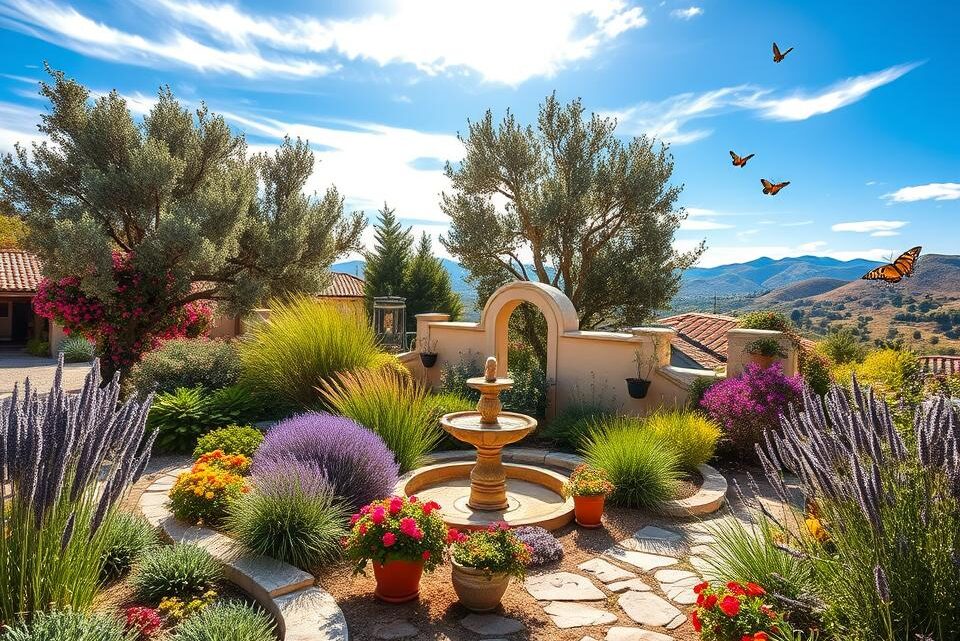
You can transform your outdoor space into a vibrant and inviting Mediterranean garden, even in the UK. This style of gardening is renowned for its beauty and charm, often evoking the warm, sunny climates of the Mediterranean region.
By incorporating key elements of garden design and landscaping, you can create a lush and thriving garden that is perfect for relaxation and entertainment.
In this article, we will explore the essential features of a Mediterranean garden and provide guidance on how to cultivate your own.
Inhaltsverzeichnis
Key Takeaways
- Discover the key elements of a Mediterranean garden
- Learn how to incorporate garden design principles into your outdoor space
- Find out how to choose the right plants for a lush and thriving garden
- Understand the importance of landscaping in creating a Mediterranean-style garden
- Get tips on how to maintain your Mediterranean garden
Understanding the Mediterranean Garden Style
The Mediterranean garden style is renowned for its warm, inviting aesthetic that captures the essence of southern European landscapes. This style is not just about planting; it’s about creating an outdoor space that reflects the beauty and warmth of the Mediterranean region.
Key Characteristics of Mediterranean Gardens
Mediterranean gardens are known for their vibrant colours and rustic elements. Colour palettes often include terracotta, ochre, and blue, which are reminiscent of the region’s buildings and sea.
Colour Palettes and Visual Elements
The visual elements in a Mediterranean garden are crucial. Terracotta pots, stone statues, and ornate fountains are common features that add character and charm.
Structural Components and Spatial Organisation
The structural components, such as pergolas and arbors, are designed to provide shade and create intimate spaces within the garden.
The Mediterranean Climate vs. British Climate
One of the challenges of creating a Mediterranean garden in the UK is adapting to the difference in climate. The Mediterranean region is characterized by hot, dry summers and mild, wet winters, whereas the UK experiences cooler temperatures and more rainfall throughout the year.
Adapting to Temperature Differences
To adapt to the cooler UK temperatures, you can use hardy, drought-tolerant plants that thrive in the local climate.
Managing Rainfall Variations
Managing rainfall is crucial. Using drainage solutions and rainwater harvesting systems can help mitigate the impact of excess rainfall.
Benefits of Creating a Mediterranean Garden in the UK
If you’re considering transforming your outdoor space into a Mediterranean garden, you’ll be pleased to know that it offers many benefits. A Mediterranean garden is designed to thrive in dry conditions, making it an ideal choice for UK homeowners looking to reduce their water consumption.
Drought Resistance and Water Conservation
One of the primary advantages of a Mediterranean garden is its drought resistance. By incorporating drought-tolerant plants, you can significantly reduce your water usage, making it a more sustainable option. This is particularly beneficial in the UK, where water conservation is becoming increasingly important.
Low Maintenance Appeal
Mediterranean gardens are also known for their low maintenance requirements. The plants used in these gardens are adapted to survive with minimal care, reducing the need for frequent watering, pruning, and fertilizing. This makes it an ideal choice for busy homeowners or those who want to enjoy their outdoor space without the hassle of high maintenance.
Extended Outdoor Living Space
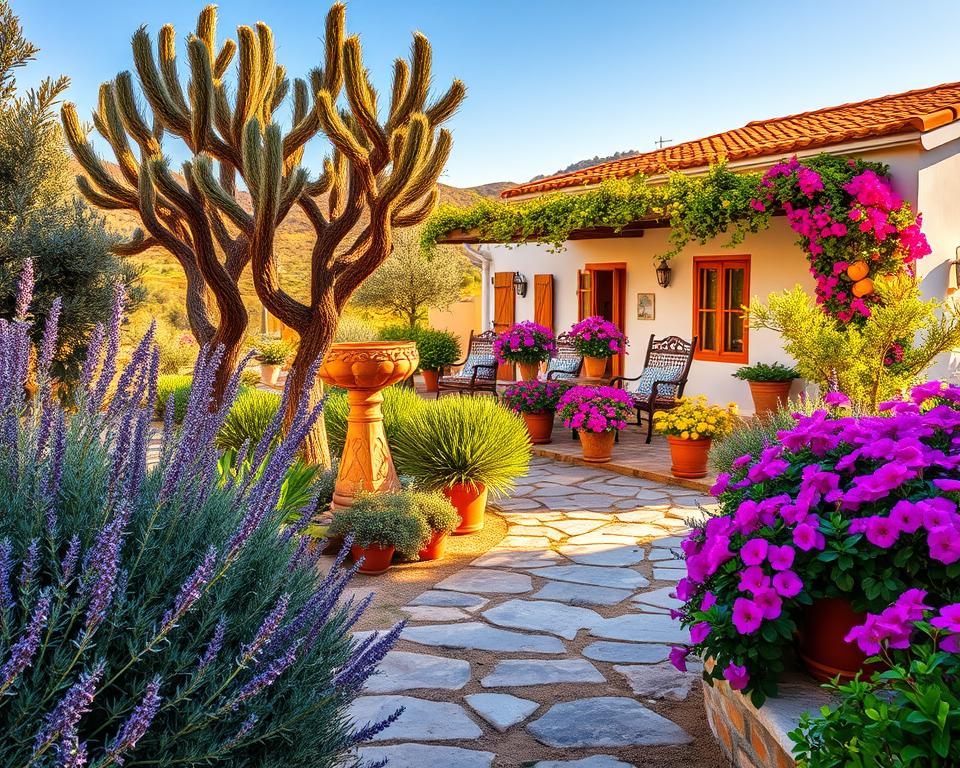
A Mediterranean garden can also extend your outdoor living space throughout the year. By incorporating sheltered areas, comfortable seating, and attractive hardscaping elements, you can create an inviting outdoor space that can be enjoyed in all seasons.
Creating Year-Round Interest
To create year-round interest in your Mediterranean garden, consider incorporating a mix of plants that provide seasonal interest. This can include spring-flowering bulbs, summer-flowering perennials, and autumn foliage. By doing so, you can ensure that your garden remains visually appealing throughout the year.
| Season | Plants for Interest |
|---|---|
| Spring | Tulips, daffodils, and hyacinths |
| Summer | Lavender, rosemary, and oleander |
| Autumn | Vines, such as grapevines, and autumn foliage plants |
Assessing Your Garden Space
Before you start creating your Mediterranean garden, it’s essential to assess your garden space thoroughly. This initial evaluation will help you understand your garden’s unique conditions and identify areas that need improvement.
Identifying Microclimates in Your Garden
Microclimates are small areas within your garden that have distinct conditions, such as temperature, humidity, or sunlight exposure, different from the surrounding areas. Identifying these microclimates is crucial for selecting the right plants and ensuring their survival. For instance, a spot near a wall might be warmer than the rest of the garden, making it ideal for plants that thrive in higher temperatures.

Evaluating Sun Exposure and Wind Patterns
Understanding the sun exposure and wind patterns in your garden is vital for creating a Mediterranean garden. Most Mediterranean plants require full sun, so it’s essential to identify areas that receive direct sunlight for at least 6 hours a day. Additionally, assessing wind patterns will help you determine if you need to provide protection for your plants.
Soil Testing and Analysis
Soil testing is a critical step in assessing your garden space. It helps you understand your soil’s pH level, nutrient content, and structure. You can conduct a simple soil test by sending a sample to a laboratory or using DIY soil assessment techniques.
DIY Soil Assessment Techniques
For a basic soil assessment, you can try the following methods:
- Check the soil texture by feeling it between your fingers.
- Perform a simple drainage test by digging a hole and filling it with water.
- Observe the soil’s color and structure.
Here’s a simple table to help you interpret your soil test results:
| Soil Characteristic | Ideal for Mediterranean Plants | Action Required |
|---|---|---|
| pH Level | 6.0-8.0 | Adjust pH if necessary |
| Drainage | Well-draining | Add organic matter if poor drainage |
| Nutrient Content | Adequate nutrients | Fertilize if necessary |
“The garden is a love song, a duet between a human being and Mother Nature.” –
By following these steps, you’ll be able to assess your garden space effectively and create a thriving Mediterranean garden.
Planning Your Mediterranean Garden Layout
A well-planned Mediterranean garden layout can transform your outdoor space into a serene oasis. To achieve this, you need to consider several key elements that work together to create a harmonious and inviting atmosphere.
Creating Distinct Zones
Dividing your garden into distinct zones can enhance its functionality and visual appeal. Consider creating separate areas for dining, relaxation, and gardening. This zoning will help you make the most of your space and create a sense of depth.
Incorporating Hardscaping Elements
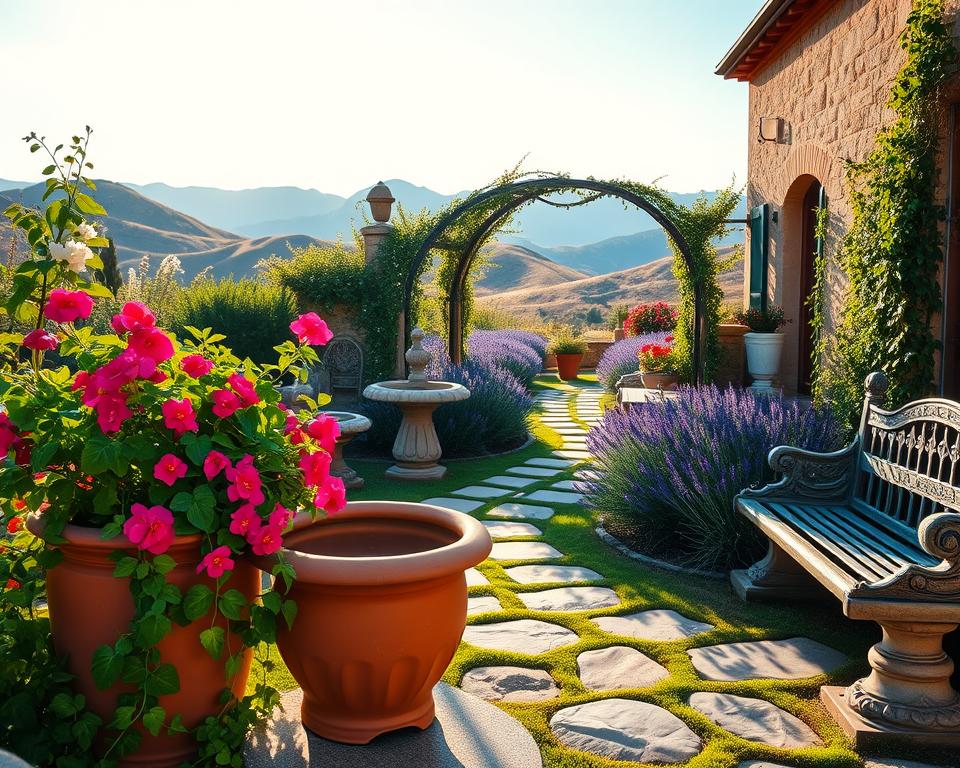
Hardscaping elements such as terracotta pots, stone pathways, and gravel surfaces are characteristic of Mediterranean gardens. These features not only add visual interest but also help to define different areas within your garden.

Designing Pathways and Seating Areas
Meandering pathways and inviting seating areas are essential components of a Mediterranean garden. Use natural materials like stone or gravel for pathways, and incorporate comfortable seating areas that encourage relaxation and enjoyment of your garden.
Sketching Your Garden Plan
Before you start implementing your design, sketch out a basic plan of your garden layout. Consider the scale, proportions, and how different elements will work together. This will help you visualize your garden and make necessary adjustments before construction begins.
By carefully planning your Mediterranean garden layout, you can create a beautiful and functional outdoor space that reflects the charm and elegance of the Mediterranean style.
Essential Soil Preparation Techniques
Soil preparation is the foundation upon which a successful Mediterranean garden is built. To create a thriving garden, you need to understand the specific needs of Mediterranean plants, which often revolve around good drainage, appropriate pH levels, and the right amendments.
Improving Drainage for Mediterranean Plants
Mediterranean plants are adapted to dry conditions and can be susceptible to root rot if the soil is too wet. Improving drainage is crucial.
Adding Grit and Sand to Heavy Clay Soils
Adding Grit and Sand to Heavy Clay Soils
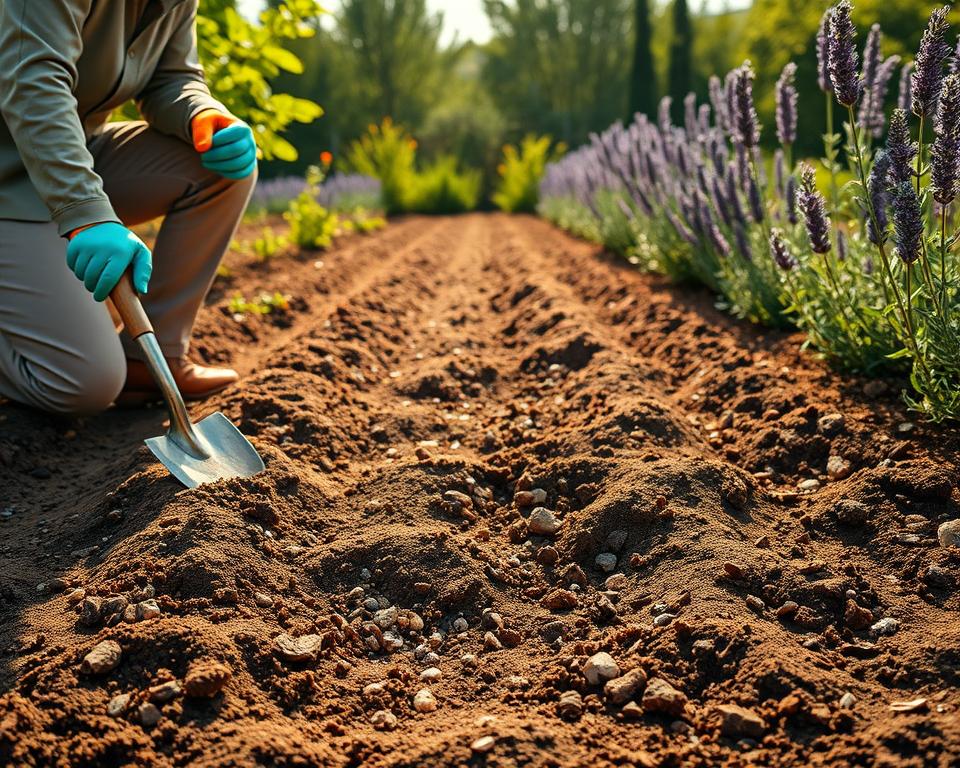
To improve drainage in heavy clay soils, you can add grit and sand. This helps to break up the clay, allowing water to pass through more easily.
| Soil Type | Drainage Improvement Method |
|---|---|
| Heavy Clay | Add grit and sand |
| Sandy Soil | Add organic matter |
Adjusting Soil pH Levels
Mediterranean plants often prefer a slightly alkaline to neutral soil pH. Testing your soil pH is the first step in determining if adjustments are needed.
Adding Appropriate Amendments
Amendments can improve soil structure and fertility.
Organic Matter Considerations
Adding organic matter like compost can enhance soil fertility and structure, benefiting your Mediterranean plants.
By focusing on these essential soil preparation techniques, you can create a more hospitable environment for your Mediterranean plants to thrive.
How to Create a Mediterranean Garden in the British Climate
Adapting Mediterranean garden principles to the UK climate involves understanding the local weather patterns and making necessary adjustments. You can create a thriving Mediterranean garden in the UK by focusing on climate adaptation and creating sheltered microclimates.
Adapting Mediterranean Principles to UK Weather
The key to a successful Mediterranean garden in the UK lies in understanding the differences between the Mediterranean climate and the British climate. You need to select plants that are resilient to the UK’s cooler and wetter conditions.
Creating Sheltered Microclimates
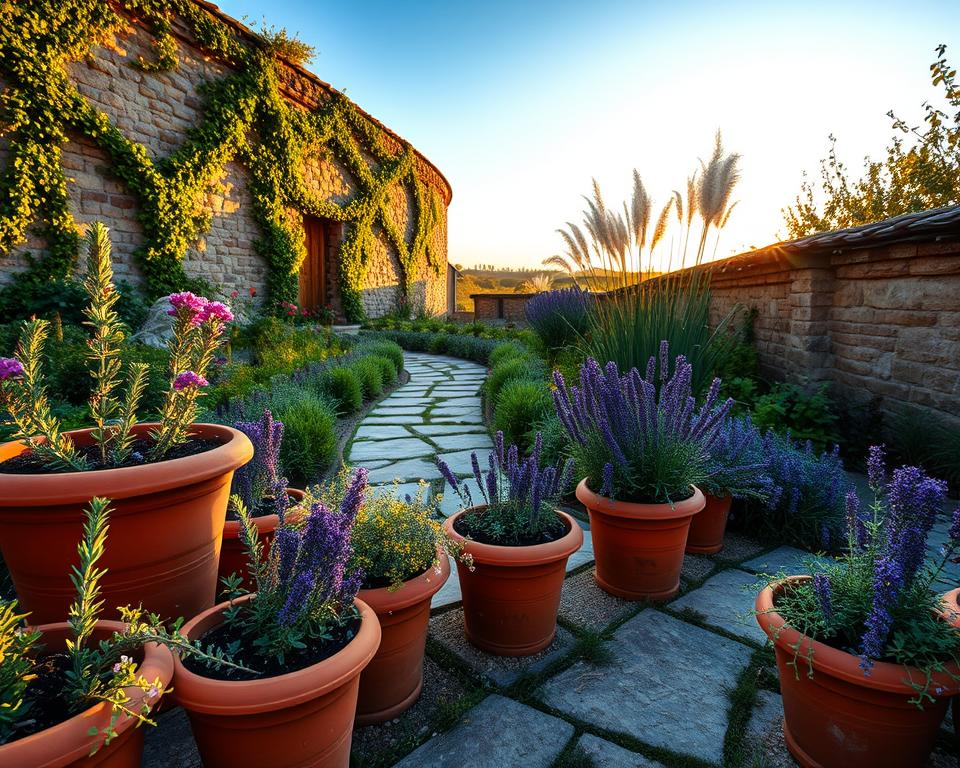
Creating sheltered microclimates is crucial for protecting your Mediterranean plants from harsh UK weather. You can achieve this by using walls and structures to provide protection.
Using Walls and Structures for Protection
Walls and structures can help to create microclimates by blocking cold winds and providing warmth. You can use existing features or build new ones to create a more sheltered environment for your plants.
| Microclimate Feature | Benefit |
|---|---|
| Walls | Blocks cold winds and provides warmth |
| Structures | Provides shade and protection from extreme weather |
| Planting trees | Creates a natural barrier against wind and frost |
Season-by-Season Planning
To maintain a thriving Mediterranean garden in the UK, you need to plan on a seasonal basis. This involves selecting plants that are suitable for the current season and preparing your garden for the changing weather conditions.
By following these tips and adapting to the UK climate, you can create a beautiful and resilient Mediterranean garden that thrives throughout the year.
Selecting Drought-Tolerant Trees for Structure
When designing a Mediterranean garden, selecting the right drought-tolerant trees is crucial for creating a structured and aesthetically pleasing landscape. Drought-tolerant trees not only provide shade and beauty but also help in defining the garden’s character. In the UK, where the climate can be quite different from the traditional Mediterranean regions, choosing trees that can withstand varying weather conditions is essential.
Olive Trees and Their Care in Britain
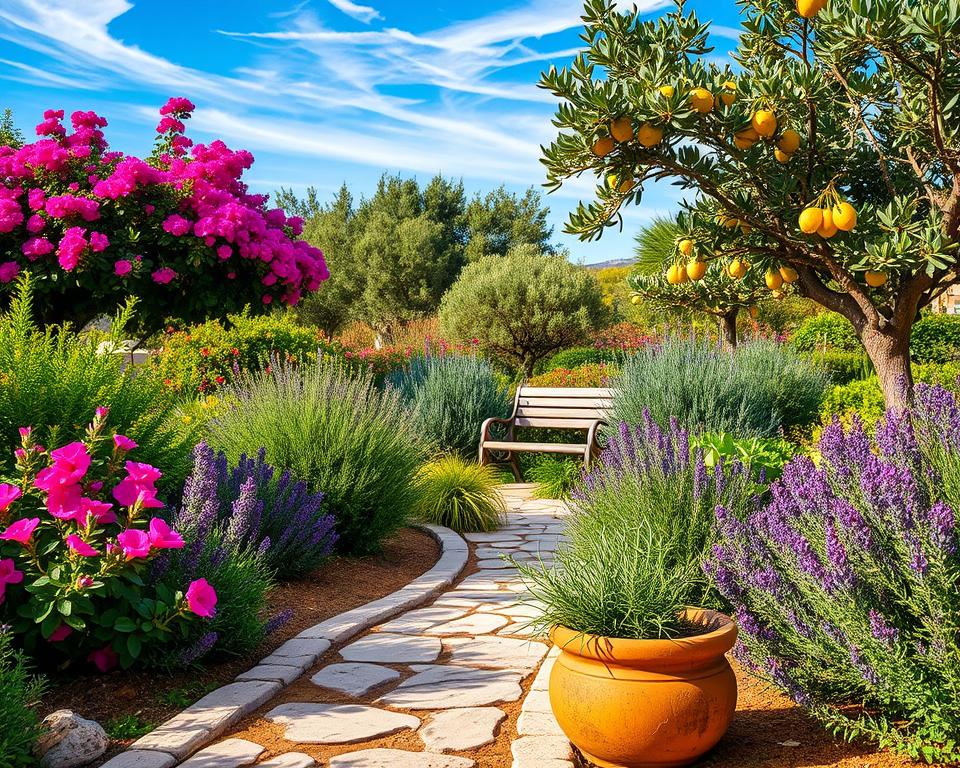
Olive trees (Olea europaea) are quintessential Mediterranean trees that can thrive in the UK with proper care. They are not only drought-tolerant but also provide a silvery foliage that adds to the garden’s aesthetic appeal.
Winter Protection Strategies
Olive trees need protection during harsh UK winters. Wrapping the trunk with insulation and covering the tree with a breathable cloth can help protect it from frost damage. It’s also advisable to plant olive trees in a sheltered location to minimize exposure to cold winds.
Cypress and Pine Options
Cypress and pine trees are other excellent options for adding structure to a Mediterranean garden. Cypress trees, such as Cupressus sempervirens, are known for their tall, columnar shape, while pine trees like Pinus pinea provide a rustic charm with their broad canopies.
| Tree Type | Drought Tolerance | Maintenance Level |
|---|---|---|
| Olive Tree | High | Medium |
| Cypress Tree | High | Low |
| Pine Tree | Medium | Low |
Fruit Trees for Mediterranean Gardens
Fruit trees such as figs (Ficus carica) and pomegranates (Punica granatum) are not only drought-tolerant but also provide delicious fruits, adding a productive element to the garden.
Fig and Pomegranate Cultivation
Fig trees prefer well-drained soil and a sunny location, while pomegranates are relatively low maintenance and can tolerate some frost. Both trees can thrive in the UK climate with appropriate care, such as mulching and winter protection.

Mediterranean Shrubs That Thrive in the UK
When creating a Mediterranean garden in the UK, selecting the right shrubs is crucial. Mediterranean shrubs not only add beauty but also provide a robust and drought-resistant foundation for your garden.

Lavender Varieties for British Gardens
Lavender is a quintessential Mediterranean shrub that thrives in the UK. Its fragrance, beauty, and hardiness make it a popular choice. English lavender (Lavandula angustifolia) is particularly well-suited to the British climate.
Hardier Cultivars for Northern Regions
For gardens in northern regions, hardier cultivars like Lavandula x intermedia ‘Grosso’ or ‘Hidcote’ are recommended. These varieties offer greater resilience against colder temperatures.
Rosemary and Other Aromatic Shrubs
Rosemary is another Mediterranean shrub that does well in the UK. It’s not only aromatic but also evergreen, providing year-round interest. Other aromatic shrubs like thyme and sage also thrive in Mediterranean gardens.
Flowering Mediterranean Shrubs
Flowering shrubs like cistus and santolina add vibrant colors to your garden. They are relatively low maintenance and attract pollinators.
Cistus and Santolina Care
To care for cistus and santolina, ensure they are planted in well-draining soil and receive full sun. Regular pruning will help maintain their shape and encourage new growth.
By incorporating these Mediterranean shrubs into your UK garden, you can create a beautiful, resilient, and fragrant outdoor space.
Perennials and Grasses for Mediterranean Appeal
Mediterranean gardens are known for their vibrant flora, including a variety of drought-resistant perennials and ornamental grasses. To create a lush Mediterranean garden, you need to select plants that thrive in the local climate and soil conditions.
Drought-Resistant Perennial Selections
Drought-resistant perennials are a staple in Mediterranean gardens, providing color and texture while minimizing water usage. Some excellent choices include sedums and euphorbias.
Sedums and Euphorbias
Sedum and Euphorbia are ideal for dry conditions, offering a range of shapes, sizes, and flowering periods. They are low maintenance and can add architectural interest to your garden.
Ornamental Grasses for Texture
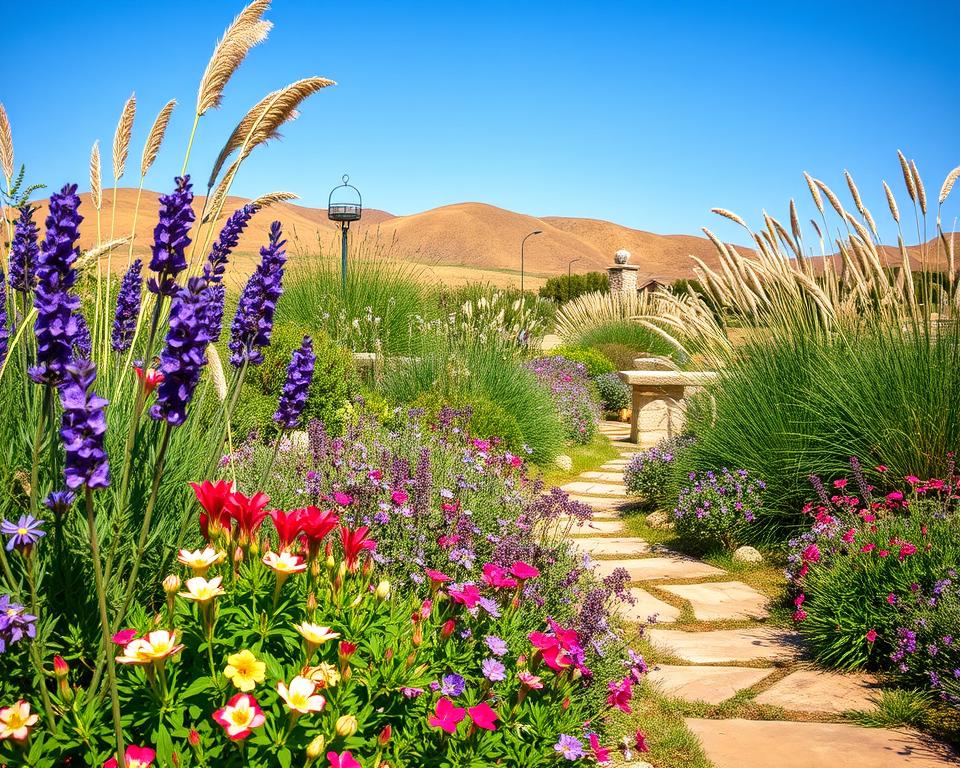
Ornamental grasses add movement and texture to the garden, creating a dynamic landscape. Grasses like Stipa and Pennisetum are popular choices for Mediterranean gardens, providing a soft, flowing element.
Bulbs for Seasonal Interest
Bulbs are essential for adding seasonal interest to your Mediterranean garden. They provide a burst of color during the spring and summer months.
Spring and Summer Flowering Options
For spring and summer flowering, consider bulbs like alliums and tulips. These bulbs are not only beautiful but also relatively low maintenance.
| Plant Type | Seasonal Interest | Water Requirement |
|---|---|---|
| Sedum | Summer | Low |
| Euphorbia | Spring/Summer | Low |
| Stipa Grass | Summer | Low/Medium |
| Allium Bulbs | Spring | Medium |
By incorporating these perennials, grasses, and bulbs, you can create a vibrant and resilient Mediterranean garden that thrives in the UK climate.
Incorporating Mediterranean Herbs and Edibles
Incorporating Mediterranean herbs and edibles can elevate your garden’s functionality and aesthetic appeal. By thoughtfully selecting and cultivating these plants, you can create a lush, productive space that enhances your outdoor living experience.
Creating a Productive Herb Garden
A well-designed herb garden is a cornerstone of any Mediterranean garden. To create a thriving herb garden, select a mix of thyme, oregano, and sage, which are not only aromatic but also drought-tolerant.
Thyme, Oregano and Sage Varieties
When choosing thyme, oregano, and sage, consider varieties that are well-suited to the UK climate. For instance, Thymus serpyllum and Origanum vulgare are excellent choices.
Mediterranean Vegetables for UK Growing
Mediterranean vegetables such as tomatoes, peppers, and eggplants thrive in the UK’s warmer months. To ensure a successful harvest, provide these plants with well-draining soil and full sun.
| Vegetable | Growing Conditions | Tips for UK Gardeners |
|---|---|---|
| Tomatoes | Full sun, well-draining soil | Use a greenhouse or south-facing wall for optimal warmth. |
| Peppers | Full sun, fertile soil | Start peppers indoors 6-8 weeks before the last frost. |
Grape Vines and Fruit-Bearing Plants
Grape vines are a classic Mediterranean feature. To cultivate grape vines, provide a sunny, sheltered location and a sturdy support system.
Training and Support Systems
Training your grape vines along a trellis or arbor not only saves space but also promotes healthy growth and fruit production.

Water-Wise Irrigation Systems
Water-wise irrigation systems are essential for conserving water while keeping your Mediterranean garden thriving. An efficient irrigation system ensures that your plants receive the right amount of water without wasting this precious resource.

Drip Irrigation Installation
Drip irrigation is a highly effective method for delivering water directly to the roots of plants, reducing evaporation and runoff. This technique is particularly beneficial for Mediterranean gardens, which often feature drought-tolerant plants.
DIY Setup Guide
Setting up a drip irrigation system can be a straightforward DIY project. Begin by planning your garden’s layout and identifying the areas where you need to place the drip lines. Use a timer to automate watering and ensure consistency. You can purchase drip irrigation kits at most gardening stores, which usually include everything you need to get started.
Rainwater Harvesting Techniques
Rainwater harvesting is another water-wise strategy for your Mediterranean garden. By collecting rainwater, you can reduce your reliance on mains water and create a sustainable source for irrigation. Install a rainwater tank to collect and store rainwater from your roof or other surfaces.
Efficient Watering Schedules
Creating an efficient watering schedule is crucial for maintaining a healthy Mediterranean garden. Water your plants during the cooler parts of the day to minimize evaporation.
Seasonal Adjustments
Adjust your watering schedule according to the season. During the hot summer months, your plants may require more frequent watering, while in the cooler winter months, they may need less. Monitor soil moisture to determine the optimal watering frequency.
Hardscaping Elements for Authentic Mediterranean Style
The essence of a Mediterranean garden lies not just in its plants, but also in its hardscaping features. Hardscaping elements such as terracotta and stone features, gravel surfaces, and walls or raised beds are crucial in creating an authentic Mediterranean style.
Terracotta and Stone Features
Terracotta pots and stone features are quintessential elements of Mediterranean gardens. They add warmth and character to the outdoor space. When selecting terracotta pots, consider those made from frost-resistant materials to withstand the British weather.
Frost-Resistant Options for British Weather
For British gardens, it’s essential to choose terracotta and stone features that can resist frost. Look for products made from durable, weather-resistant materials. This ensures that your garden remains beautiful throughout the year.
Gravel and Pebble Surfaces
Gravel and pebble surfaces are another hallmark of Mediterranean gardens. They provide excellent drainage and add texture to the garden. You can use them to create pathways or as a ground cover around plants.
| Surface Type | Drainage | Aesthetic Appeal |
|---|---|---|
| Gravel | Excellent | High |
| Pebbles | Good | High |
| Stone Pavers | Fair | Very High |
Walls and Raised Beds
Walls and raised beds are not only functional but also add to the aesthetic appeal of a Mediterranean garden. They can be constructed using stone or brick, materials that are both durable and visually appealing.
Construction Materials and Techniques
When building walls and raised beds, choose materials that complement the Mediterranean style. Stone and brick are popular choices due to their durability and aesthetic appeal. Ensure that the construction is sturdy to withstand weather conditions.

By incorporating these hardscaping elements, you can create a Mediterranean garden that is both beautiful and functional. Remember to choose materials and designs that are suitable for the British climate.
Creating Mediterranean Garden Focal Points
Creating a stunning Mediterranean garden involves designing captivating focal points that draw the eye and enhance the overall aesthetic. Focal points are essential in creating visual interest and guiding visitors through your garden.
Water Features and Fountains
Water features and fountains are classic Mediterranean garden focal points. The sound of gently flowing water adds a soothing ambiance, while the visual appeal of the water feature itself can be a striking centrepiece.
Low-Maintenance Design Ideas
For a low-maintenance water feature, consider a solar-powered fountain or a small pond with a simple pump. These options reduce the need for complex plumbing and electrical connections.
Statuary and Decorative Elements
Statuary and decorative elements can add personality and character to your Mediterranean garden. Choose pieces that reflect the region’s cultural heritage, such as terracotta or stone statues.
Pergolas and Shade Structures
Pergolas and shade structures not only provide relief from the sun but also serve as attractive focal points. Train climbing plants like wisteria or grapevines over your pergola for added beauty.
Plant Coverings and Climbers
Using plant coverings and climbers on your pergola or shade structure can enhance its visual appeal. Consider plants like jasmine or bougainvillea for their fragrant flowers and vibrant colours.
| Focal Point | Description | Maintenance Level |
|---|---|---|
| Water Feature | Creates soothing sound and visual appeal | Medium |
| Statuary | Adds personality and cultural charm | Low |
| Pergola | Provides shade and supports climbers | Medium |
Budget Considerations for Your Mediterranean Garden
You don’t have to break the bank to create a beautiful Mediterranean garden. With careful planning and smart decisions, you can achieve a stunning outdoor space that fits your budget.
Cost-Effective Planting Strategies
One of the most effective ways to save money is by choosing the right plants. Consider using native Mediterranean plants or drought-tolerant species that are less expensive to maintain. Growing from seed can also be a cost-effective method, as it eliminates the need to purchase established plants.
Growing from Seed and Cuttings
Growing plants from seed or cuttings not only saves money but also allows you to control the growing conditions from the start. This method can be particularly rewarding for herbs and some flowering plants.
Prioritising Key Elements
Identify the essential features you want in your Mediterranean garden, such as a seating area or a water feature, and allocate your budget accordingly. Focus on these key elements first, and then add other features over time.
Phased Implementation Approaches
A phased implementation can make your project more manageable and affordable. Start with the most critical elements and gradually add more features as your budget allows.
First-Year Essential Investments
In the first year, focus on essential investments such as soil preparation, primary planting, and key hardscaping elements. This will provide a solid foundation for your garden.
| Budget Category | First-Year Priority | Future Investments |
|---|---|---|
| Planting | Essential plants and trees | Additional flowering plants and herbs |
| Hardscaping | Primary pathways and seating areas | Decorative features and water elements |

Seasonal Maintenance Calendar
A well-planned seasonal maintenance calendar is crucial for a thriving Mediterranean garden. By following a structured maintenance schedule, you can ensure your garden remains healthy and vibrant throughout the year.
Spring Tasks for Mediterranean Gardens
Spring is a critical time for Mediterranean gardens, as it marks the beginning of the growing season. Start by cleaning up any debris that may have accumulated over winter. Prune any damaged or overgrown branches to maintain the shape and health of your plants.
Pruning and Dividing Guidelines
When pruning, make clean cuts just above a bud or a lateral branch. For plants that need dividing, such as perennials, dig up the entire clump, gently separate the roots, and replant the healthy sections.
Summer Care and Drought Management
Summer in a Mediterranean garden can be challenging due to the heat and dryness. Ensure that your irrigation system is functioning efficiently, and water plants during the cooler parts of the day to minimize evaporation. Monitor your plants for signs of drought stress, such as wilting or yellowing leaves.
Autumn and Winter Protection Strategies
As autumn approaches, prepare your Mediterranean garden for the cooler months by clearing away spent plants and adding a layer of mulch to protect the soil. Mulching helps retain moisture and regulate soil temperature.
Mulching and Covering Techniques
Apply a thick layer of organic mulch, such as wood chips or straw, around your plants. For tender plants, consider using a frost cloth or other protective covering to shield them from harsh winter conditions.
By following this seasonal maintenance calendar, you can enjoy a beautiful and thriving Mediterranean garden year-round.
Troubleshooting Common Issues in UK Mediterranean Gardens
Despite the allure of a Mediterranean garden, UK gardeners frequently encounter issues that need troubleshooting. The primary challenges include dealing with excess rainfall, protecting plants during harsh winters, and managing pests and diseases.
Dealing with Excess Rainfall
Excess rainfall can be detrimental to Mediterranean plants that are adapted to dry conditions. To mitigate this, it’s crucial to improve drainage in your garden.
Improving Drainage in Established Gardens
For gardens already established, improving drainage can be achieved by adding organic matter like compost or well-rotted manure. This helps to break up clay soils and improve the structure, allowing water to drain more effectively. You can also consider installing drainage systems or creating raised beds to keep roots dry.
Winter Protection Methods
Protecting your Mediterranean plants from frost and cold winds is vital. Use fleece or bubble wrap to cover sensitive plants, and bring potted plants under cover or against a south-facing wall to benefit from the warmth.
Pest and Disease Management
Mediterranean gardens in the UK can be susceptible to pests and diseases, particularly in damp conditions. Regular monitoring is key.
Organic Control Approaches
For managing pests and diseases, adopt organic control methods such as introducing beneficial insects, using neem oil, or practicing good garden hygiene to prevent the spread of disease. 
By addressing these common issues, you can enjoy a thriving Mediterranean garden even in the UK’s challenging climate.
Conclusion: Enjoying Your Mediterranean Oasis
You’ve transformed your outdoor space into a Mediterranean oasis, a haven that embodies the warmth and beauty of the Mediterranean region. As you relax in your new garden, you’ll appreciate the careful planning and design that has gone into creating this idyllic setting.
Your Mediterranean garden is not just a visual delight; it’s also a space that promotes garden enjoyment throughout the year. The drought-tolerant plants, efficient irrigation systems, and hardscaping elements all work together to create a low-maintenance yet inviting atmosphere.
As the seasons change, your Mediterranean oasis will continue to evolve, offering a unique experience with each passing month. Whether you’re enjoying a meal al fresco, relaxing with a book, or simply taking in the sights and scents, your garden will become your favourite retreat.
By embracing the Mediterranean garden style, you’re not just creating a beautiful outdoor space – you’re also contributing to a more sustainable and environmentally friendly way of gardening. So, sit back, relax, and enjoy the serenity of your Mediterranean oasis.
FAQ
What are the key characteristics of a Mediterranean garden?
Mediterranean gardens are known for their drought-tolerant plants, terracotta pots, and natural stone features. They often incorporate gravel or pebble surfaces and have a relaxed, informal atmosphere.
How do I adapt a Mediterranean garden to the UK climate?
To adapt a Mediterranean garden to the UK climate, you should focus on creating sheltered microclimates using walls and structures, and choose plants that are resistant to frost and excess rainfall.
What are the benefits of having a Mediterranean garden in the UK?
A Mediterranean garden in the UK can provide a low-maintenance and drought-resistant outdoor space, perfect for extended outdoor living throughout the year.
How do I assess my garden space for a Mediterranean garden?
To assess your garden space, you should identify microclimates, evaluate sun exposure and wind patterns, and conduct soil tests to determine the best approach for creating a Mediterranean garden.
What type of plants are suitable for a Mediterranean garden in the UK?
Suitable plants for a Mediterranean garden in the UK include drought-tolerant trees like olive trees and cypress, Mediterranean shrubs like lavender and rosemary, and perennials like sedums and euphorbias.
How do I prepare the soil for a Mediterranean garden?
To prepare the soil, you should improve drainage by adding grit and sand to heavy clay soils, adjust soil pH levels, and add organic matter like compost.
What hardscaping elements are typical of Mediterranean gardens?
Typical hardscaping elements include terracotta and stone features, gravel and pebble surfaces, and walls and raised beds constructed using natural materials.
How do I create a water-wise irrigation system for my Mediterranean garden?
To create a water-wise irrigation system, you can install drip irrigation, implement rainwater harvesting techniques, and adopt efficient watering schedules that adjust to seasonal changes.
What are some budget-friendly ways to create a Mediterranean garden?
Budget-friendly approaches include growing plants from seed and cuttings, prioritising key elements, and adopting a phased implementation approach to your garden design.
How do I maintain my Mediterranean garden throughout the year?
Maintenance tasks include pruning and dividing plants in the spring, managing drought in the summer, and implementing winter protection strategies like mulching and covering sensitive plants.

