How to Design a Zen Garden

Creating a serene and peaceful outdoor space can be a truly rewarding experience. You can achieve this by designing a Zen-inspired garden, which is not only aesthetically pleasing but also promotes relaxation and calmness.
A well-designed Zen garden can transport you to a state of tranquillity, allowing you to escape the stresses of everyday life. By incorporating elements of Japanese garden design, you can create a unique and harmonious outdoor space that fosters mindfulness and contemplation.
Inhaltsverzeichnis
Key Takeaways
- Understand the principles of Zen garden design
- Learn how to incorporate natural elements into your garden
- Discover the benefits of creating a Zen garden
- Explore the role of Japanese garden design in creating a Zen garden
- Create a peaceful and serene outdoor space
The Philosophy Behind Zen Gardens
Understanding the philosophy behind Zen gardens requires a deep dive into their historical and cultural context. Zen gardens, also known as Japanese rock gardens, have their roots in Japanese Buddhism, particularly in the Zen tradition.
Origins in Japanese Buddhism
The development of Zen gardens is closely tied to the principles of Zen Buddhism, which emphasizes meditation and the attainment of enlightenment.
Historical Development
Historically, Zen gardens evolved during the Muromachi period in Japan, influenced by Chinese garden designs and Buddhist teachings. They were often created in temples and monasteries as spaces for meditation.
Traditional Purposes
Traditionally, Zen gardens served as places for monks to meditate and practice mindfulness. The serene environments were designed to facilitate a connection with nature and promote spiritual growth.
Symbolism and Meaning
The elements within a Zen garden are imbued with symbolic meanings. Every rock, tree, and patch of sand is carefully chosen to represent various aspects of nature and the human experience.
Representation of Nature
Zen gardens often symbolize natural landscapes, such as mountains and rivers, using abstract representations. For example, raked gravel can signify the sea, while rocks may represent islands.
Meditation and Mindfulness
The design of Zen gardens encourages meditation and mindfulness. The simple, uncluttered spaces invite contemplation and reflection, helping you to focus your mind and achieve a state of calm.
- Emphasis on natural elements
- Use of symbolism to convey deeper meanings
- Creation of serene environments for meditation
By understanding the philosophy behind Zen gardens, you can better appreciate the thought and care that goes into creating these serene spaces.
Understanding the Key Elements of a Zen Garden
To create a Zen garden, it’s essential to understand the key components that make up this unique and serene environment. The elements of a Zen garden work together to create a harmonious balance that fosters contemplation and peace.
Rocks and Stones
Rocks and stones are fundamental elements in a Zen garden, symbolizing mountains and islands. Their selection and placement are crucial to the garden’s overall aesthetic and spiritual significance.
Types and Significance
Different types of rocks and stones are chosen for their texture, color, and shape. For example, granite is often used for its durability and rugged appearance.
Arrangement Principles
The arrangement of rocks and stones follows specific principles, often based on the concept of asymmetry to create a natural, unforced appearance.
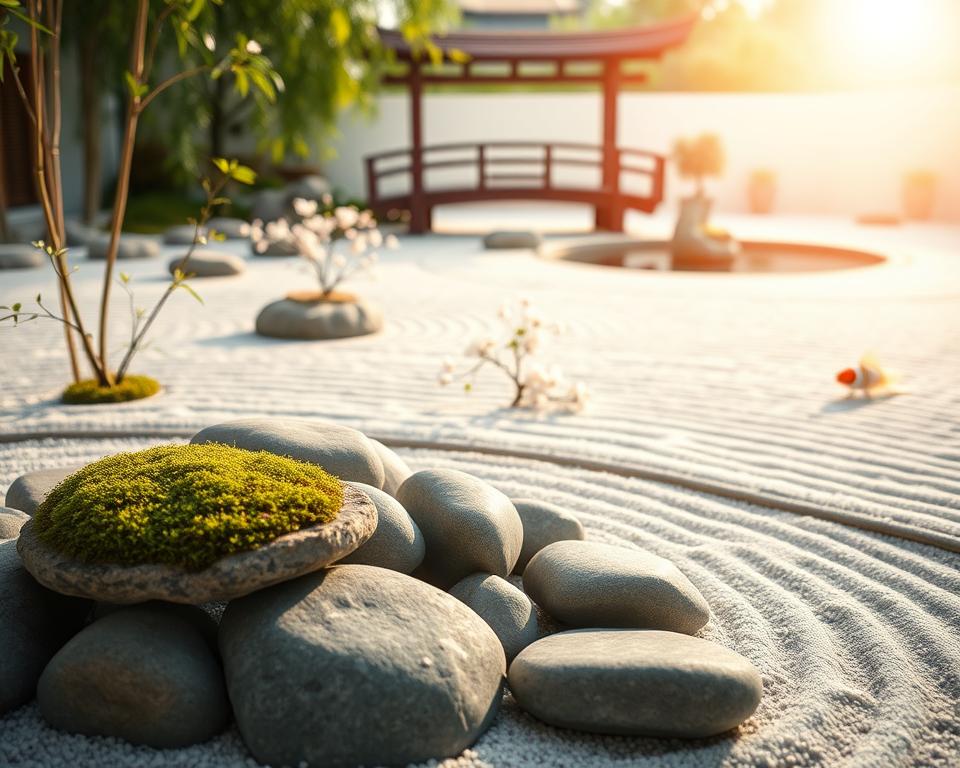
Sand and Gravel
Sand and gravel are used to represent water and create a sense of calmness. They are often raked into intricate patterns, symbolizing the flow of water.
Traditional Uses
Traditionally, sand and gravel are used to cover large areas of the garden, creating a uniform base that enhances the visual impact of other elements.
Pattern Meanings
The patterns created in the sand or gravel hold significant meaning, often representing the flow of life or the cycles of nature.
| Element | Significance | Traditional Use |
|---|---|---|
| Rocks and Stones | Symbolize mountains and islands | Used to create focal points |
| Sand and Gravel | Represent water and calmness | Cover large areas, raked into patterns |
| Water Features | Symbolize life and renewal | Used to create ponds or streams |
| Plants and Moss | Add color and texture, symbolize life | Used sparingly to maintain simplicity |
Water Features
Water features, such as ponds or streams, are incorporated to symbolize life and renewal. They add a soothing element to the garden.
Plants and Moss
Plants and moss are used sparingly in Zen gardens to add color and texture. They are chosen for their simplicity and ability to thrive in the garden’s conditions.
Assessing Your Space for a Zen Garden
To create a Zen garden that embodies tranquility, you must first evaluate your available space. This initial assessment will guide your design decisions, ensuring your Zen garden is both beautiful and functional.
Ideal Locations
When selecting a location for your Zen garden, consider areas that are relatively quiet and secluded. Ideally, the space should be somewhat protected from harsh winds and extreme weather conditions. A location near a natural water source or under a beautiful tree can enhance the serene ambiance.
Size Considerations
The size of your Zen garden will depend on the available space. Even small areas can be transformed into a peaceful Zen garden. Consider the scale of elements you plan to include, such as rocks, plants, and pathways, to ensure they are proportionate to the space.
Environmental Factors
Environmental factors play a crucial role in the design and maintenance of your Zen garden. Two key considerations are:
- Sunlight and Shade: Assess the amount of sunlight your chosen location receives. Some Zen garden elements, like certain plants and mosses, require specific conditions.
- Existing Vegetation: Evaluate the existing plants and trees. You can incorporate some into your design, while others may need to be removed or relocated.
Sunlight and Shade
Understanding the sunlight patterns in your garden is crucial. Some areas may receive full sun, while others may be shaded. This will influence the types of plants you can use and the overall design.
Existing Vegetation
Take stock of the plants, trees, and other vegetation in your garden. Consider how they can be integrated into your Zen garden design or whether they need to be removed. Existing vegetation can significantly impact the overall aesthetic and feel of your Zen garden.
Planning Your Zen Garden Layout
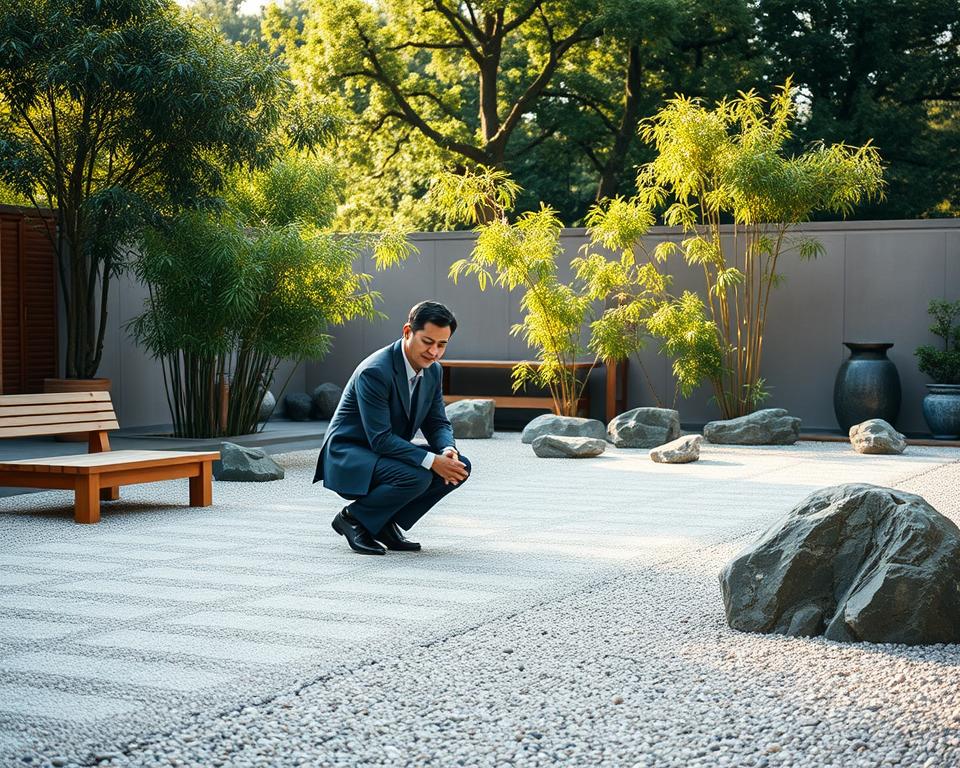
A well-designed Zen garden begins with a thoughtful layout that incorporates key elements in a balanced way. To achieve this, you need to consider the space available and how different elements will interact within it.
Creating a Design Sketch
The first step in planning your Zen garden layout is to create a design sketch. This doesn’t have to be a work of art, but it should give you a clear idea of where different elements will be placed. Start by measuring your space and noting any existing features you want to keep.
Balancing Elements
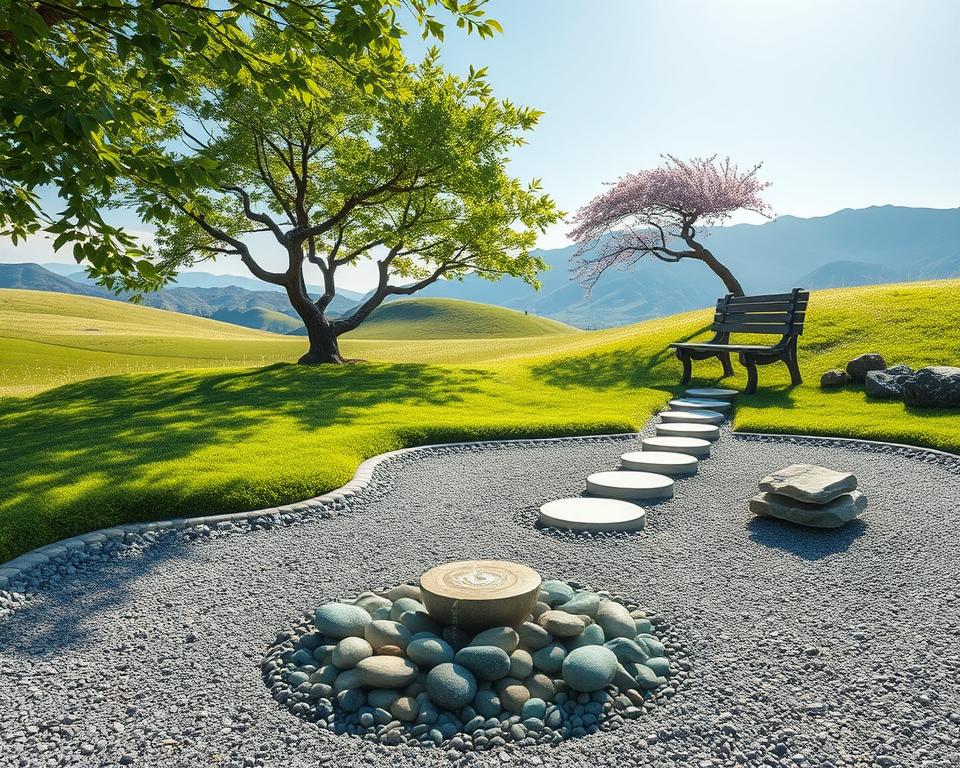
Balancing elements is crucial in a Zen garden. You want to create a harmonious and peaceful atmosphere.
Asymmetry and Space
Zen gardens often feature asymmetrical designs, which can create a sense of naturalness and spontaneity. Consider leaving some space empty to promote a sense of calm.
Visual Flow
The visual flow of your Zen garden is also important. You want to guide the viewer’s eye through the garden in a way that feels natural and peaceful.
| Element | Purpose | Considerations |
|---|---|---|
| Rocks and Stones | Symbolize mountains or islands | Size, placement, number |
| Sand or Gravel | Represent water or void | Raking patterns, color |
| Plants | Add color and texture | Type, size, placement |
Incorporating Existing Features
If your garden has existing features, such as trees or a pond, consider how you can incorporate them into your Zen garden design. This can help create a sense of continuity and harmony.
Essential Tools and Materials
Designing a Zen garden requires a thoughtful selection of essential tools and materials. To create a serene and beautiful space, you’ll need to consider the right equipment for the job.
Garden Tools
Garden tools are vital for maintaining your Zen garden. Specialised rakes are a must-have for creating the intricate patterns in the sand or gravel that are characteristic of Zen gardens.
Specialised Rakes
These rakes are designed specifically for creating the smooth, flowing patterns that are a hallmark of Zen garden design. They come in various sizes and are typically used to create concentric circles or wavy patterns.
Construction Equipment
In addition to specialised rakes, you’ll need construction equipment such as shovels, trowels, and wheelbarrows to move materials around your garden.
Construction Materials
The construction materials you choose will depend on the design of your Zen garden. Common materials include gravel, sand, rocks, and stones.

Decorative Elements
Decorative elements such as lanterns, statues, and bridges can add visual interest to your Zen garden. Choose elements that complement the natural beauty of your garden and enhance its serene atmosphere.
By selecting the right tools and materials, you can create a Zen garden that is both beautiful and functional.
Preparing the Ground
Preparing the ground is a crucial step in designing a serene and functional Zen garden. You need to ensure the area is clear, level, and properly drained to create a harmonious space.
Clearing the Area
Start by clearing the area of any debris, weeds, or obstructions. This will give you a clean slate to work with. Remove any unwanted plants, rocks, or other materials that could interfere with your Zen garden design.
Levelling the Surface
Once the area is clear, level the surface to create a smooth, even ground. This is essential for creating a sense of calm and balance in your Zen garden. Use a spirit level and rake to achieve a perfectly level surface.
Installing Drainage
Proper drainage is vital to prevent waterlogging and ensure the longevity of your Zen garden. Consider installing a drainage system or using permeable materials to allow water to pass through.
Preventing Water Logging
To prevent water logging, ensure that your Zen garden has a slight gradient to allow water to flow away from the main area. You can also use sand or gravel, which are excellent for drainage.
Sustainable Solutions
When installing drainage, consider using sustainable solutions such as rain gardens or bioswales. These not only manage water effectively but also add to the aesthetic appeal of your Zen garden.
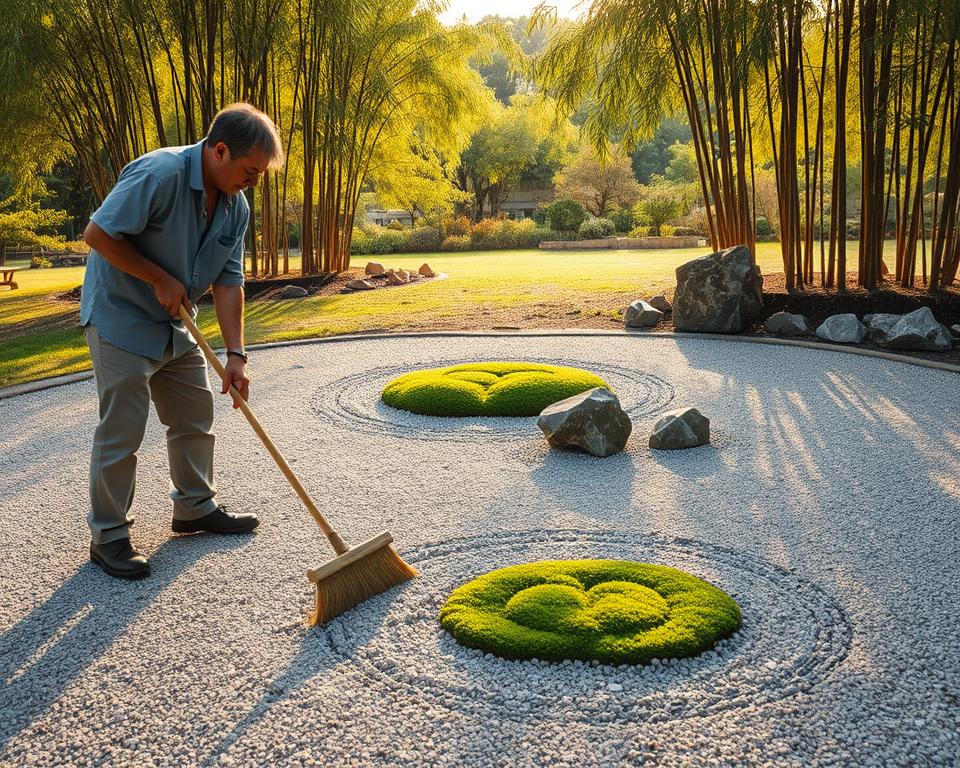
How to Design a Zen Garden Border
The border of your Zen garden sets the tone for the entire space, making it a vital design element. A well-designed border not only contains the garden but also enhances its aesthetic appeal.
Material Options
When it comes to choosing materials for your Zen garden border, you have several options. The choice of material can significantly impact the overall look and feel of your garden.
Natural Stone
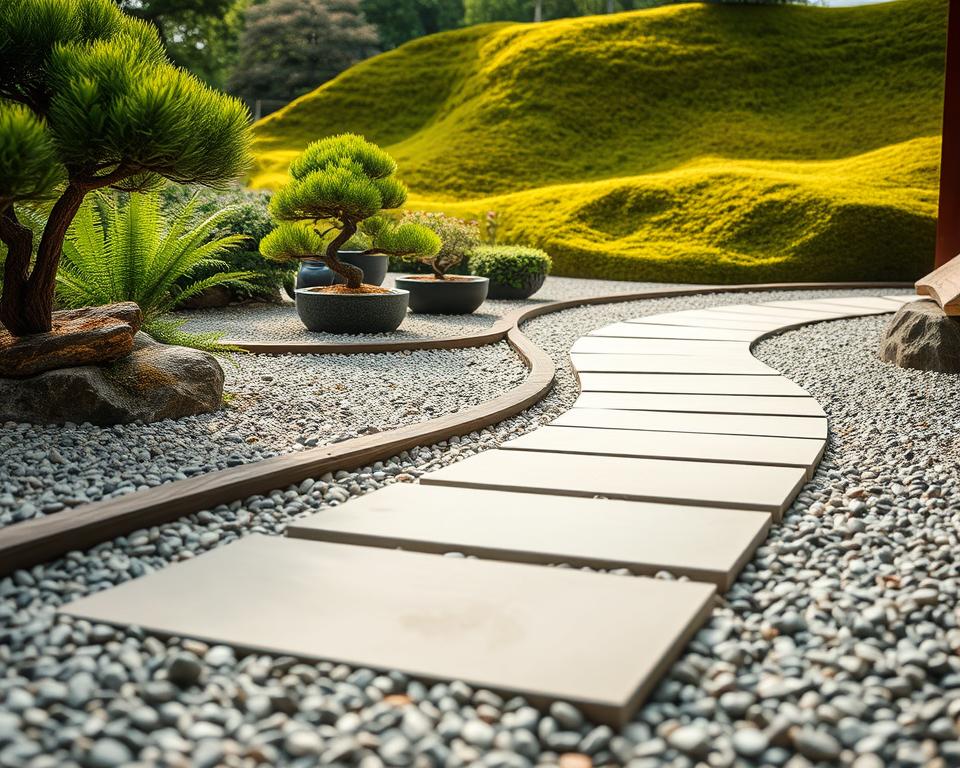
Natural stone is a popular choice for Zen garden borders due to its durability and natural beauty. It can be used to create a sturdy and long-lasting border that complements the serene atmosphere of the garden.
Wood and Bamboo
Wood and bamboo are other materials that can be used to create a Zen garden border. They offer a natural, rustic look that can add warmth to the garden. However, they may require more maintenance than stone.
Installation Techniques
The installation of your Zen garden border is just as important as the material you choose. Proper installation ensures that the border is stable and enhances the garden’s overall design.
- Prepare the ground thoroughly before installing the border.
- Use a level to ensure the border is even and level.
- Consider the depth and width of the border based on the garden’s design.
Design Considerations
When designing your Zen garden border, consider the overall aesthetic you wish to achieve. The border should complement the garden’s elements, such as the sand, rocks, and plants.
A simple, minimalist design often works best for Zen gardens, as it promotes a sense of calm and serenity. The border should blend seamlessly with the garden’s natural beauty.
Creating the Sand or Gravel Base
Creating a tranquil sand or gravel base is essential for achieving the characteristic calmness of a Zen garden. This foundational element not only enhances the aesthetic appeal but also contributes to the spiritual essence of the garden.
Selecting the Right Material
The choice of material for your sand or gravel base significantly impacts the overall ambiance of your Zen garden. Considerations should include the local climate, maintenance preferences, and the desired visual effect.
Grain Size and Colour
The grain size and colour of your sand or gravel can dramatically influence the garden’s appearance. Finer grains tend to create a smoother, more serene surface, while coarser grains can add texture and visual interest. The colour should complement the surrounding elements and contribute to the overall harmony of the garden.
Regional Alternatives
Opting for locally sourced materials can not only reduce the environmental impact but also ensure that your Zen garden blends naturally with its surroundings. Regional alternatives can offer unique colours and textures that enhance the garden’s authenticity.
Proper Installation Methods
Proper installation is crucial for a stable and visually appealing sand or gravel base. Begin by clearing the area of any debris and vegetation. Then, lay a weed barrier to prevent unwanted growth. Finally, spread the sand or gravel evenly to the desired depth.

Creating Patterns and Waves
The art of creating patterns and waves in your sand or gravel base is a traditional aspect of Zen garden design. These patterns are not only aesthetically pleasing but also symbolize the dynamic nature of life.
Traditional Techniques
Traditional techniques involve using a rake to create intricate patterns and waves. The act of raking itself can be meditative, adding to the garden’s serene ambiance.
Maintenance of Patterns
Regular maintenance is necessary to preserve the beauty of your sand or gravel patterns. This involves periodic raking to refresh the designs and remove any debris.
Positioning Rocks and Stones
In a Zen garden, the careful positioning of rocks and stones is essential for achieving balance and serenity. These elements are not merely decorative; they carry deep symbolic meanings and play a crucial role in the overall aesthetic and spiritual harmony of the garden.
The Rule of Odd Numbers
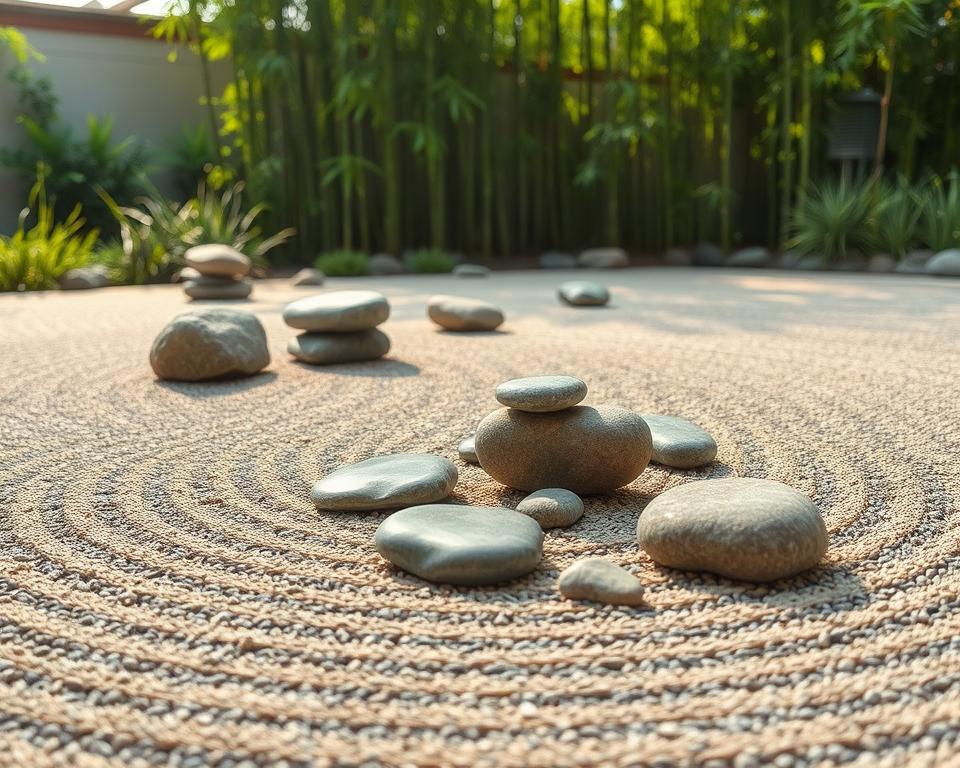
When positioning rocks and stones, the rule of odd numbers is a guiding principle. This rule suggests that arranging elements in odd numbers creates a more natural and visually appealing composition. For instance, grouping rocks in threes or fives can add a sense of harmony and balance to your Zen garden.
Creating Rock Groupings
Effective rock groupings require consideration of several factors, including height, scale, and visual balance.
Height and Scale
Varying the height and scale of rocks within a grouping can create visual interest and depth. Larger rocks typically serve as the focal point, while smaller stones complement them.
Visual Balance
Achieving visual balance involves distributing the visual weight of rocks and stones in a way that feels harmonious. This can be accomplished by balancing large rocks with smaller ones and considering the negative space around them.
Symbolic Placement
The placement of rocks and stones is also symbolic. For example, rocks can represent mountains or islands, while their positioning can signify stability or movement. Understanding these symbolic meanings can help you create a more meaningful and authentic Zen garden.
By carefully considering the rule of odd numbers, creating harmonious rock groupings, and understanding the symbolic meanings of rocks and stones, you can enhance the beauty and spiritual essence of your Zen garden.
Incorporating Water Elements
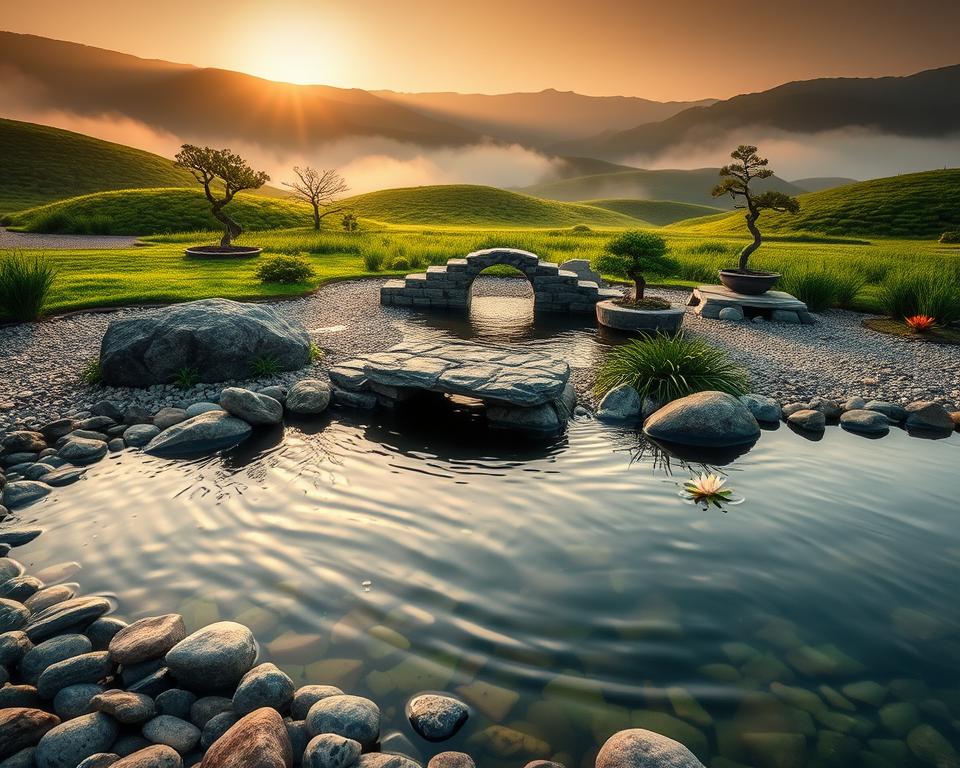
To create a truly immersive Zen garden experience, consider incorporating various water elements. Water features play a significant role in creating a tranquil atmosphere, symbolizing the flow of life, and promoting serenity.
Traditional Water Basins
Traditional water basins, or tsukubai, are a common feature in Zen gardens. They are used for ritual hand-washing and symbolize purification. When incorporating a traditional water basin, consider its placement and design to ensure it complements the overall aesthetic of your garden.
Small Ponds and Streams
Small ponds and streams can add visual and auditory appeal to your Zen garden. They can be designed to create a sense of movement and flow, enhancing the overall tranquility of the space.
Dry Water Features
Dry water features, such as gravel or sand designs, can mimic the appearance of water without the need for actual water. This can be a low-maintenance alternative for creating a Zen-like atmosphere.
Symbolic Representation
Water elements in Zen gardens often symbolize the flow of life and spiritual growth. The sound of water can be calming, while the visual appeal of ponds and basins can create a sense of serenity.
Construction Methods
When constructing water features, consider factors such as drainage, material selection, and placement. Proper installation is crucial to ensure the longevity and aesthetic appeal of your water elements.
Selecting and Placing Plants
When designing a Zen garden, the selection and placement of plants play a crucial role in creating a serene atmosphere. Plants are not just decorative elements; they are integral to the spiritual and aesthetic appeal of the garden.
Traditional Zen Garden Plants
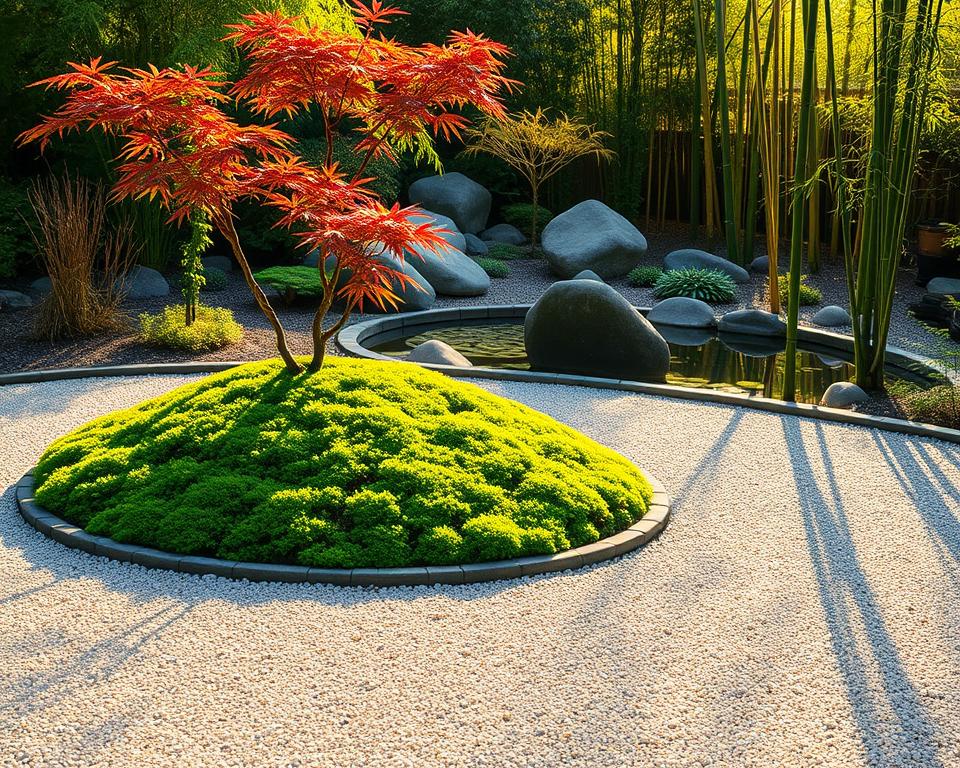
Traditional Zen gardens often feature plants that are native to Japan or have symbolic meanings. Evergreen varieties are particularly popular as they represent eternal life and resilience.
Evergreen Varieties
Evergreen trees and shrubs, such as Pinus and Cryptomeria, are commonly used in Zen gardens. They provide a constant presence throughout the year, symbolizing continuity and endurance.
Seasonal Considerations
While evergreens are staples, plants that change with the seasons are also valued for their ability to represent the transient nature of life. For example, cherry blossoms (Sakura) are celebrated for their brief, beautiful bloom.
Moss Varieties and Care
Moss is another key element in Zen gardens, often used to create lush, verdant areas that symbolize age and tranquility. To care for moss, ensure it is shaded and kept moist.
Minimalist Planting Approaches
A minimalist approach to planting is characteristic of Zen gardens. This involves using a limited palette of plants and focusing on their form and texture rather than their colour. This simplicity helps to create a sense of calm and contemplation.
By carefully selecting and placing plants, you can enhance the beauty and serenity of your Zen garden, creating a space that fosters mindfulness and peace.
Adding Pathways and Stepping Stones
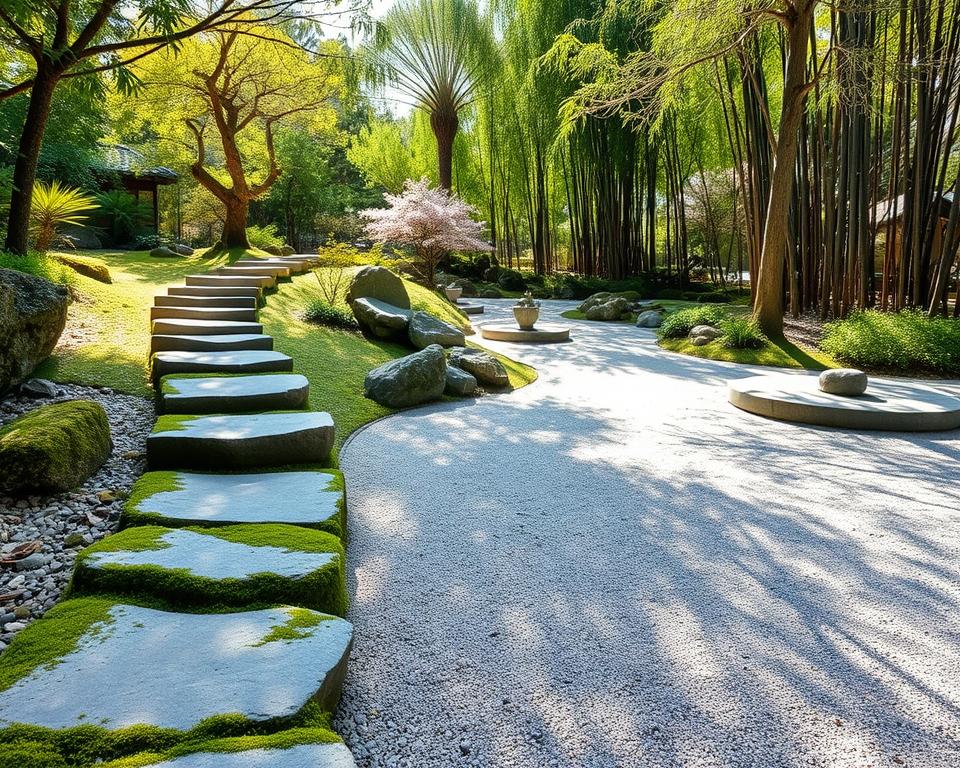
Pathways and stepping stones are essential elements in a Zen garden, guiding visitors through a serene and contemplative journey. These features not only enhance the aesthetic appeal of the garden but also provide a functional means of navigating the space.
Material Selection
The choice of material for pathways and stepping stones is crucial. Common materials include natural stone, gravel, and wood. Natural stone is particularly popular due to its durability and timeless appeal. When selecting materials, consider the overall aesthetic you wish to achieve and the level of maintenance you are willing to undertake.
Layout Considerations
When planning the layout of pathways and stepping stones, it’s essential to consider both the journey and purpose they serve, as well as safety and accessibility. Creating a meandering path can encourage a slower, more contemplative pace, while straight paths may lead visitors more directly through the garden.
Creating Journey and Purpose
The layout should guide visitors through the garden in a way that reveals its various features and creates a sense of discovery. This can be achieved by carefully placing stepping stones and pathways to lead the visitor on a journey through the garden.
Safety and Accessibility
Ensuring that pathways are level and stepping stones are securely placed is vital for safety. Additionally, considering the needs of all who will use the garden, including those with mobility issues, will make the space more accessible and enjoyable for everyone.
Installation Techniques
Proper installation is key to the longevity and stability of pathways and stepping stones. This involves preparing a stable base, laying the materials carefully, and ensuring that the surface is level and secure. For stepping stones, setting them slightly below the surface can help prevent tripping hazards.
Incorporating Zen Garden Structures
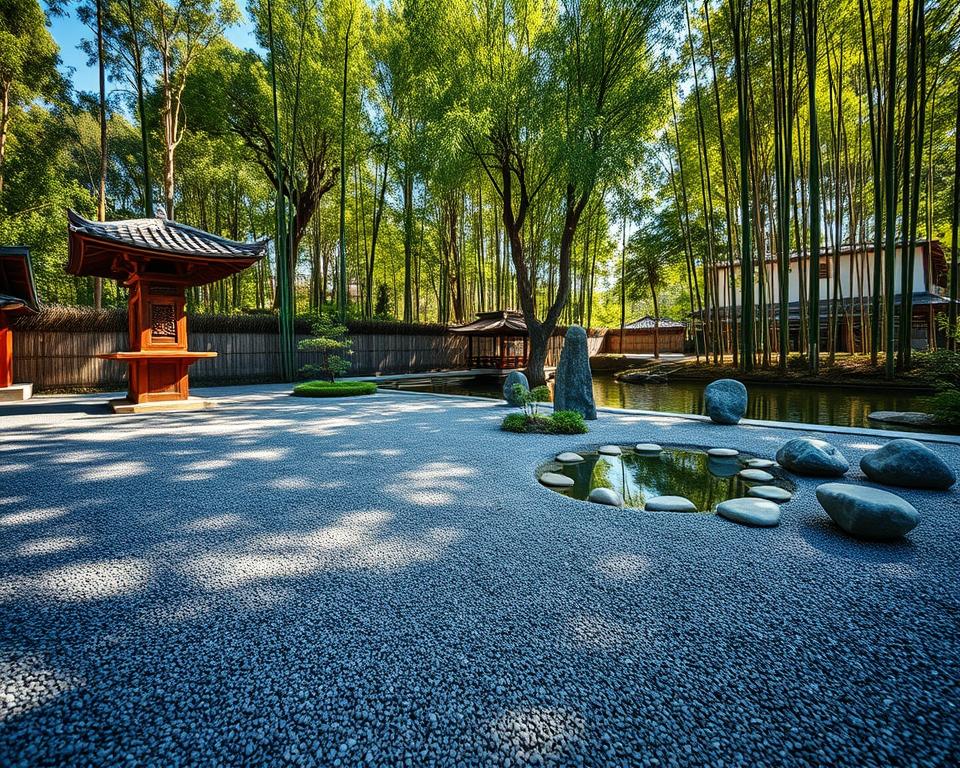
To elevate your Zen garden’s ambiance, consider incorporating traditional structures like bridges, gates, and lanterns. These elements not only add visual interest but also contribute to the spiritual and contemplative atmosphere that Zen gardens are known for.
Bridges and Gates
Bridges and gates are integral components of many Zen gardens, serving both functional and symbolic purposes. A bridge might span a small pond or dry riverbed, symbolizing transition from one state to another. Gates, on the other hand, mark the entrance to the garden, signifying a passage from the mundane to the sacred.
Lanterns and Statues
Lanterns and statues are other significant structures found in Zen gardens. Lanterns, often made of stone or metal, provide soft lighting and can be placed to create a sense of journey or progression through the garden.
Traditional Designs
Traditional lantern designs are simple, elegant, and often feature natural motifs. Statues, typically of Buddha or other Buddhist figures, are placed thoughtfully to create focal points within the garden.
Placement Principles
The placement of lanterns and statues should be guided by principles of balance and harmony. Consider the scale of the structures relative to the garden and the paths that visitors will take through it.
Benches and Viewing Areas
Benches and viewing areas are essential for creating spaces where one can sit, contemplate, and fully appreciate the beauty of the Zen garden. These should be positioned to take advantage of the garden’s best features.
By thoughtfully incorporating these structures, you can enhance the tranquility and aesthetic appeal of your Zen garden, creating a serene oasis that invites reflection and peace.
Common Mistakes to Avoid
Designing a Zen garden is an art that requires careful consideration to create a serene and contemplative space. The art of designing a Zen garden lies in avoiding common mistakes that detract from its serenity. A well-crafted Zen garden can be a haven for relaxation and meditation, but certain pitfalls can disrupt its tranquility.
Overcrowding the Space
One of the most common mistakes is overcrowding the Zen garden with too many elements. This can lead to a cluttered and chaotic environment, contrary to the peaceful ambiance intended. To avoid this, select a few key features and ensure they are spaced thoughtfully.
- Limit the number of rocks and stones.
- Use plants sparingly to maintain a sense of openness.
- Avoid excessive decorative elements.
Improper Material Selection
Choosing the right materials is crucial for creating an authentic Zen garden. Improper material selection can disrupt the harmony of the space. For instance, using brightly coloured stones or artificial materials can detract from the natural beauty of the garden.
Neglecting Maintenance Needs
A Zen garden requires regular maintenance to remain serene and inviting. Neglecting tasks such as raking gravel or pruning plants can lead to a neglected appearance. Consider the following maintenance aspects:
Long-term Planning
Plan for the long-term growth and changes in your Zen garden. This includes anticipating the spread of plants and the weathering of materials.
Seasonal Adjustments
Make seasonal adjustments to keep your Zen garden looking its best. This might involve changing the layout or cleaning certain elements more frequently during specific times of the year.
By avoiding these common mistakes and being mindful of the needs of your Zen garden, you can create a peaceful and enduring space for contemplation and relaxation.
Maintaining Your Zen Garden
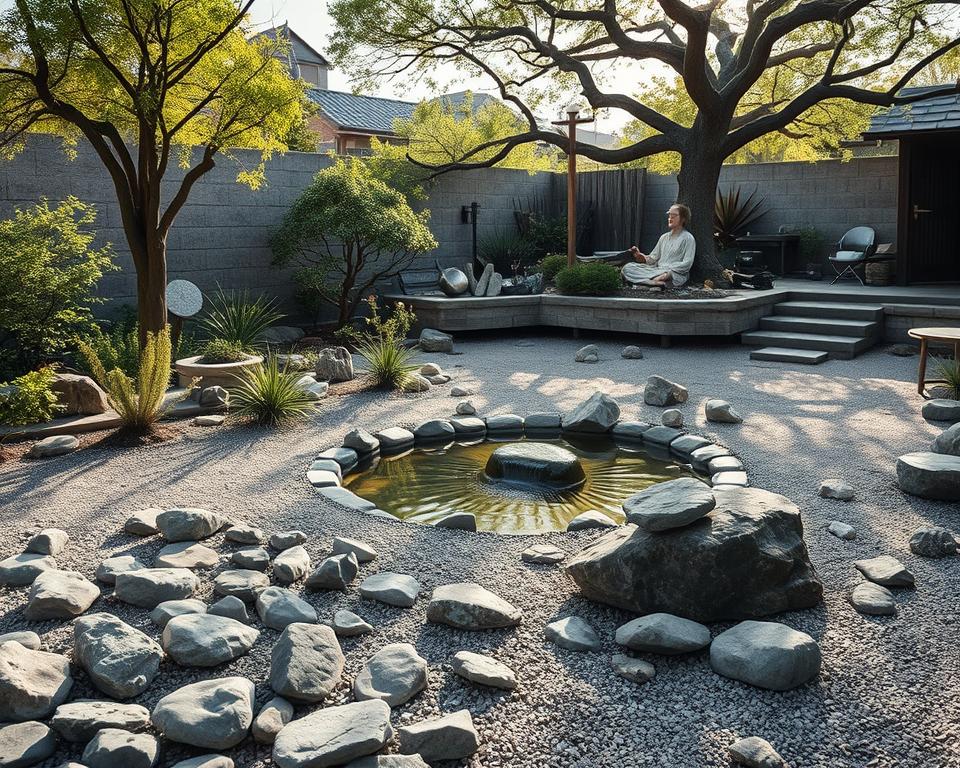
The art of maintaining a Zen garden involves a series of daily, weekly, and seasonal tasks that ensure its tranquility and aesthetic appeal.
Daily and Weekly Tasks
To maintain the serenity of your Zen garden, daily raking of the gravel or sand is essential. This not only keeps the garden looking neat but also serves as a meditative practice. Weekly, you should inspect the garden for any debris or weeds and remove them promptly.
- Rake gravel or sand daily to maintain patterns
- Remove debris and weeds weekly
- Check and adjust water features as needed
Seasonal Maintenance
Seasonal changes require specific maintenance tasks to keep your Zen garden thriving.
Spring Rejuvenation
In spring, clean up any debris that has accumulated over winter. Prune plants and replenish gravel or sand as needed.
Winter Protection
During winter, protect your Zen garden from extreme weather conditions. Cover sensitive plants and ensure that water features are properly drained to prevent freezing.
Tools for Zen Garden Care
Having the right tools is crucial for effective Zen garden maintenance. Essential tools include a rake for gravel or sand, pruning shears for plants, and a small trowel for weeding.

Conclusion
As you now understand the principles and practices of designing a Zen garden, you’re ready to embark on creating your own serene oasis. By incorporating the key elements, such as rocks, sand, and plants, you’ll be able to craft a harmonious and balanced space that promotes relaxation and contemplation.
Remember to assess your space carefully, plan your layout thoughtfully, and maintain your garden regularly to ensure it remains a tranquil retreat. With patience and dedication, you’ll be able to create a Zen garden that not only reflects the beauty of nature but also nurtures your mind, body, and spirit.
By following the guidelines outlined in this article, you’ll be well on your way to achieving a Zen garden design conclusion that brings serenity and peace to your outdoor space, ultimately creating a serene oasis that you’ll cherish for years to come.
FAQ
What is the significance of rocks and stones in a Zen garden?
Rocks and stones are significant elements in a Zen garden, representing mountains, islands, or other natural features. They are often arranged according to the principles of asymmetry and balance, creating a visually appealing and harmonious composition.
How do I choose the right sand or gravel for my Zen garden?
When selecting sand or gravel, consider the grain size and colour that will complement your garden’s design. Regional alternatives can also be used, and the material should be properly installed to create a smooth, even surface.
What is the rule of odd numbers in positioning rocks and stones?
The rule of odd numbers states that rocks and stones should be arranged in odd-numbered groupings, creating a more natural and visually appealing composition. This principle is rooted in traditional Japanese aesthetics.
How often should I maintain my Zen garden?
Regular maintenance is essential to keep your Zen garden looking its best. Daily and weekly tasks include raking the sand or gravel, pruning plants, and checking for debris. Seasonal maintenance activities, such as spring rejuvenation and winter protection, should also be performed.
Can I incorporate water features into my Zen garden?
Yes, water features can be incorporated into a Zen garden, including traditional water basins, small ponds, and streams. Dry water features, which symbolically represent water, can also be used. The choice of water feature will depend on your garden’s design and size.
What types of plants are suitable for a Zen garden?
Traditional Zen garden plants include evergreen varieties, such as azalea and Japanese maple, which provide year-round interest. Moss varieties are also commonly used, as they are low-maintenance and create a soft, serene texture.
How do I create a Zen garden border?
When designing a Zen garden border, consider using natural materials, such as stone, wood, or bamboo. The border should be simple and unobtrusive, allowing the garden’s natural beauty to be the focal point.
What are some common mistakes to avoid when designing a Zen garden?
Common mistakes to avoid include overcrowding the space, improper material selection, and neglecting maintenance needs. Long-term planning and seasonal adjustments are also crucial to creating a harmonious and balanced Zen garden.
How do I position stepping stones in my Zen garden?
Stepping stones should be positioned to create a sense of journey and purpose, guiding visitors through the garden. The layout should also consider safety and accessibility, ensuring that the stones are stable and secure.
What is the significance of Zen garden structures, such as bridges and lanterns?
Zen garden structures, such as bridges and lanterns, serve both functional and symbolic purposes. They can create a sense of depth and visual interest, while also representing spiritual or cultural themes.