
Design ideas for a summer house terrace
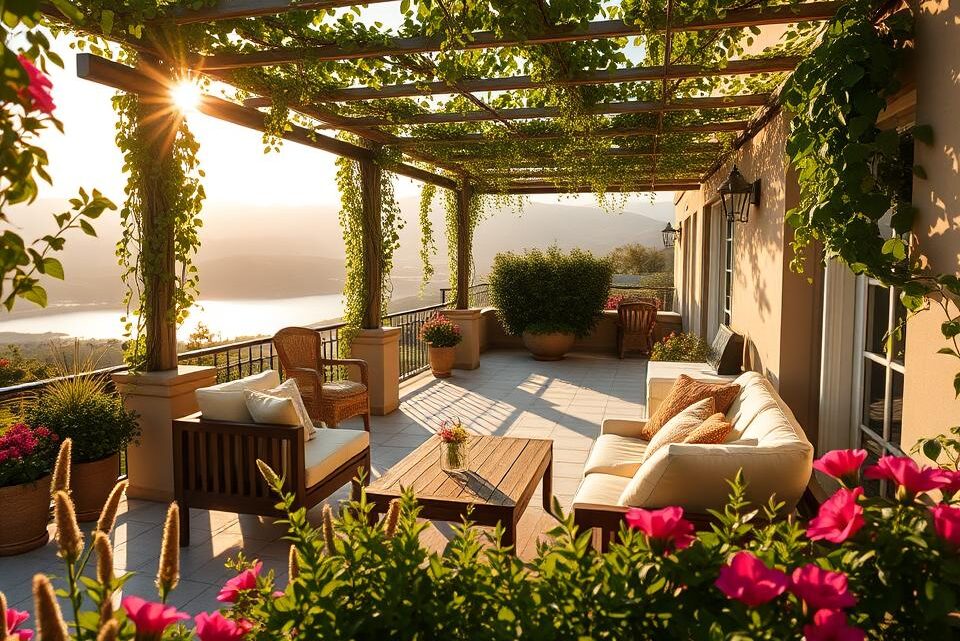
Creating the perfect outdoor terrace design opens up endless possibilities to extend your living space beyond four walls. Your garden retreat can become a versatile sanctuary that adapts to Britain’s ever-changing weather patterns. Whether you’re blessed with a compact balcony or expansive patio, the right approach maximises every square metre.
The art of summer house decorating lies in balancing practicality with personal style. Smart material choices ensure your outdoor haven withstands our unpredictable climate whilst maintaining its visual appeal. From cosy seating arrangements to clever storage solutions, each element contributes to a cohesive outdoor living experience.
Successful alfresco spaces seamlessly blend functionality with aesthetics. Your outdoor sanctuary should reflect your lifestyle needs whilst providing year-round enjoyment. Weatherproof furnishings and thoughtful layout planning create an inviting atmosphere that beckons family and friends to gather outdoors.
Inhaltsverzeichnis
Key Takeaways
- Maximise your outdoor space potential regardless of size constraints
- Choose weather-resistant materials suited to British climate conditions
- Balance functionality with personal style preferences
- Incorporate clever storage solutions for outdoor essentials
- Create versatile spaces for both relaxation and entertaining
- Plan layouts that work throughout different seasons
Planning Your Summer House Terrace Layout
Successful terrace layout planning begins with a thorough understanding of your outdoor space and its unique characteristics. Proper planning forms the foundation of any successful terrace transformation. Taking time to thoroughly assess your space will save you both money and frustration down the line.
Every effective outdoor space design project starts with careful consideration of three essential elements. These include understanding your available space, identifying your specific needs, and establishing realistic financial boundaries. Without proper planning, even the most beautiful terrace ideas can fall short of expectations.
Assessing Your Available Space and Orientation
Start by measuring your terrace accurately and noting its orientation throughout the day. This information will influence everything from furniture placement to plant selection. A south-facing terrace offers abundant sunshine but may require more shade solutions.
North-facing spaces might benefit from lighter colours and reflective surfaces to maximise available light. Consider the sun’s path during different seasons, as this affects both comfort and plant growth. Document wind patterns and existing architectural features that could impact your design choices.
Take photographs at various times of day to capture how natural light changes your space. Note any drainage issues, electrical access points, or structural limitations. These details become crucial when selecting materials and planning installations.
Determining Your Primary Usage Requirements
Consider how you envision using your terrace throughout different times and seasons. Will it primarily serve as a quiet morning coffee spot, an evening entertainment area, or a combination of both? Understanding your lifestyle needs helps prioritise spending and ensures every design element serves a purpose.
Family gatherings require different furniture arrangements than intimate dining experiences. Think about storage needs for cushions, gardening tools, or outdoor games. Consider whether you need cooking facilities, dining space, or relaxation areas.
List your must-have features versus nice-to-have additions. This approach helps maintain focus during the selection process. Prioritising usage requirements prevents costly mistakes and ensures satisfaction with the final result.
Setting a Realistic Budget and Timeline
Create a realistic budget that accounts for both immediate purchases and future additions. Quality outdoor furniture and materials represent a worthwhile investment. Remember that cheaper options often require replacement sooner, making them more expensive long-term.
Establish a timeline that considers seasonal factors and your personal schedule. Certain installations like pergolas or electrical work are best completed during drier months. Allow flexibility for unexpected discoveries or weather delays.
| Budget Category | Percentage of Total Budget | Priority Level | Best Installation Season |
|---|---|---|---|
| Flooring Materials | 30-40% | High | Spring/Summer |
| Furniture and Seating | 25-35% | High | Any Season |
| Weather Protection | 15-25% | Medium | Spring/Early Summer |
| Lighting and Accessories | 10-15% | Medium | Late Summer/Autumn |
Factor in professional installation costs where necessary, particularly for electrical work or structural modifications. Terrace layout planning becomes more manageable when broken into phases, allowing you to spread costs over time whilst enjoying improvements as they’re completed.
Choosing the Perfect Flooring Materials
Creating the perfect terrace begins with choosing flooring that withstands British weather whilst enhancing your outdoor living experience. The right terrace flooring serves as both a practical foundation and a design statement that influences every other element of your space.
Your outdoor flooring materials must balance durability, aesthetics, and maintenance requirements. Consider factors such as slip resistance, weather tolerance, and how the surface will complement your home’s architectural style.
Natural Stone and Tile Options
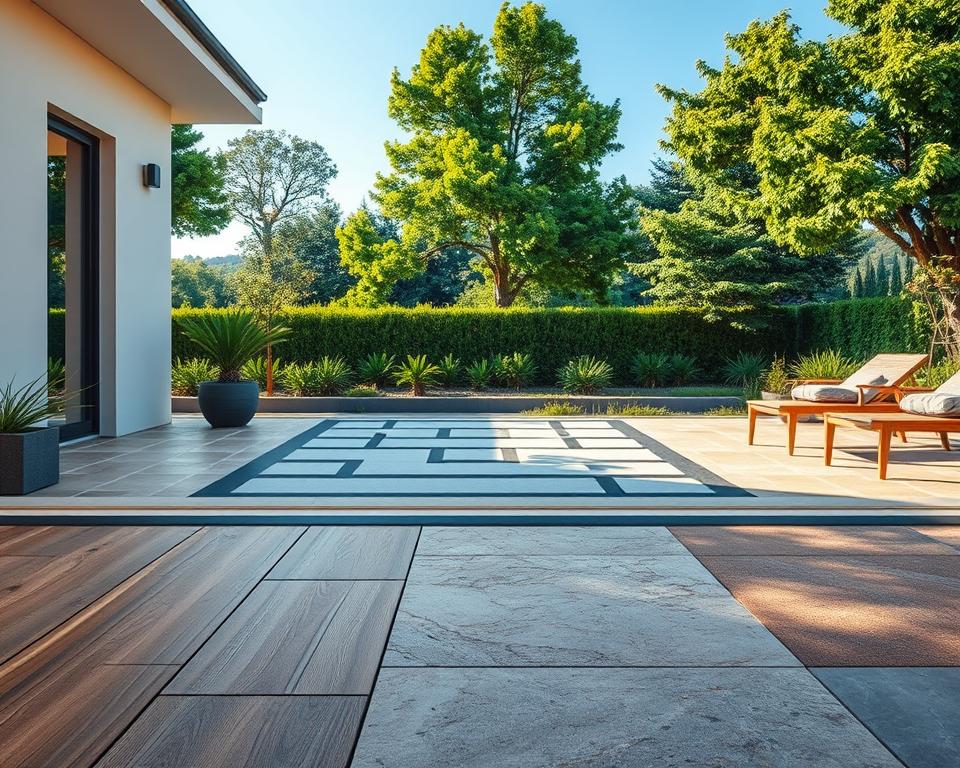
Natural stone brings timeless elegance to any terrace design. Limestone offers a classic British look with excellent durability, though it requires regular sealing to prevent water damage.
Sandstone provides warm, honey-coloured tones that complement traditional architecture beautifully. However, this material needs protection from frost damage during winter months.
Slate delivers a sophisticated, contemporary appearance with superior slip resistance when wet. The dark surface absorbs heat effectively, making it comfortable underfoot during cooler evenings.
Porcelain tiles designed for outdoor use offer remarkable versatility. These materials resist staining, require minimal maintenance, and come in styles that convincingly mimic natural stone or wood.
Wooden Decking Solutions
Traditional wooden decking creates natural warmth and character that’s difficult to replicate with other materials. Hardwoods like teak and oak provide exceptional longevity when properly maintained.
Softwood options such as pressure-treated pine offer budget-friendly alternatives. These materials require more frequent treatment but can last decades with proper care.
The key to successful wooden decking lies in choosing the right timber grade and maintaining it properly from day one.
Consider the following maintenance requirements for wooden terrace flooring:
- Annual cleaning with specialised deck cleaners
- Regular oiling or staining every 2-3 years
- Prompt repairs of any damaged boards
- Adequate ventilation beneath the decking structure
Composite and Alternative Materials
Composite decking combines wood fibres with recycled plastics, creating weather-resistant surfaces that require minimal upkeep. These outdoor flooring materials resist fading, staining, and splintering.
Rubber tiles provide excellent cushioning and slip resistance, making them ideal for families with young children. They’re available in various colours and textures to suit different design preferences.
Concrete pavers offer durability and affordability whilst allowing for creative patterns and designs. Modern manufacturing techniques produce pavers that mimic natural stone at a fraction of the cost.
When selecting alternative materials, prioritise those with UV resistance and thermal stability. These features ensure your terrace flooring maintains its appearance and structural integrity throughout Britain’s varied climate conditions.
Selecting Comfortable and Stylish Furniture
Quality outdoor furniture serves as the cornerstone of any successful terrace design, combining comfort with durability. The right pieces transform your summer house terrace into an inviting extension of your home. Weatherproof furniture ensures your investment withstands Britain’s unpredictable climate whilst maintaining its appeal.
When choosing terrace furniture, consider materials that resist moisture, UV rays, and temperature fluctuations. Powder-coated aluminium, teak, and synthetic rattan offer excellent longevity. These materials maintain their appearance through countless seasons of British weather.
Weather-Resistant Seating Arrangements
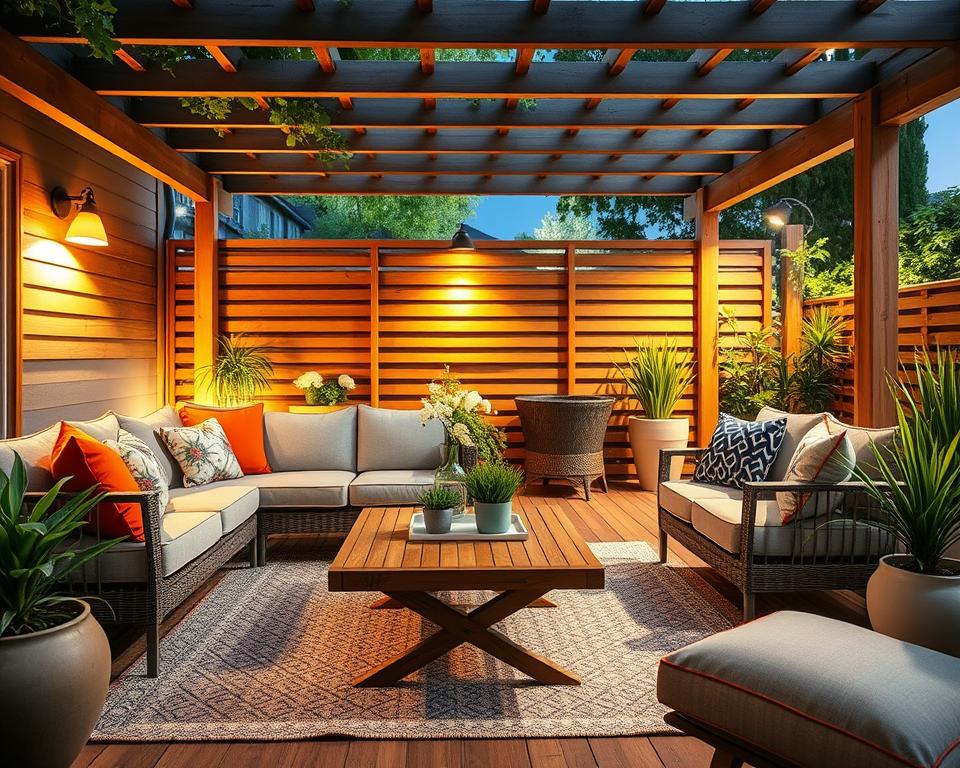
Modular seating systems provide exceptional flexibility for different occasions and group sizes. You can easily reconfigure these pieces for intimate conversations or larger gatherings. Look for cushions with removable, washable covers made from outdoor-grade fabrics.
Stackable chairs offer practical storage solutions during winter months. Choose designs with drainage holes to prevent water accumulation. Quality seating should feel comfortable for extended periods whilst resisting fading and cracking.
- Aluminium frames with weather-resistant powder coating
- Synthetic rattan with UV-stable properties
- Teak wood with natural oil treatments
- Quick-dry foam cushions with waterproof covers
Dining Sets for Outdoor Entertaining
Consider your typical entertaining group size when selecting dining furniture. Allow adequate space for movement around the table – approximately 60cm behind each chair. Extendable tables accommodate varying guest numbers efficiently.
Folding dining sets work brilliantly for smaller terraces or seasonal storage needs. Glass-topped tables resist staining and clean easily after outdoor meals. Weatherproof furniture in dining configurations should prioritise both comfort and practicality.
Height-adjustable tables serve multiple purposes throughout the day. They function as coffee tables during afternoon relaxation and dining surfaces for evening meals. This versatility maximises your terrace’s potential.
Multi-Functional Storage Furniture
Storage ottomans and benches with built-in compartments tackle clutter whilst providing extra seating. These pieces keep cushions, throws, and outdoor accessories protected from weather. Smart storage solutions maintain your terrace’s tidy appearance.
Consider furniture with hidden storage compartments for garden tools and outdoor games. Waterproof storage ensures contents remain dry during unexpected showers. Multi-functional pieces maximise utility in limited space.
Bench seating along terrace edges creates defined boundaries whilst offering storage underneath. This approach works particularly well for narrow or awkwardly shaped spaces. Choose designs that complement your overall terrace furniture aesthetic.
Implementing Creative Design Ideas for a Summer House Terrace Lighting
Proper outdoor lighting transforms your summer house terrace from a daytime retreat into an enchanting evening sanctuary. The right illumination extends your outdoor enjoyment well beyond sunset hours whilst creating magical ambiance that completely changes your space’s atmosphere.
Layering different lighting types creates depth and visual interest throughout your terrace. Combine overhead ambient lighting with focused task lighting for dining areas. Add accent lighting to highlight architectural features or favourite plants for a truly captivating effect.

String Lights and Fairy Light Installations
String lights remain the most popular choice for terrace lighting ideas because they offer warm, diffused illumination that creates instant cosiness. Drape them along pergolas, wrap around railings, or suspend overhead in gentle curves for maximum impact.
Fairy lights provide more delicate sparkle than traditional string lights. They’re perfect for weaving through plants or creating subtle accent lighting in darker corners. These twinkling additions bring whimsical charm to any outdoor space.
Consider these installation approaches for string lighting:
- Overhead canopy: Create a ceiling effect by suspending lights between posts or trees
- Perimeter outlining: Define your terrace boundaries with continuous light strands
- Zigzag patterns: Add visual movement with alternating height installations
- Wrapped elements: Highlight railings, pillars, or furniture with wrapped lighting
Solar-Powered and Energy-Efficient Options
Solar-powered outdoor lighting has improved dramatically in recent years. These options offer reliable illumination without complex electrical installations or ongoing energy costs.
Battery-powered LED alternatives provide more consistent brightness regardless of weather conditions. They’re particularly useful during Britain’s cloudier months when solar charging might be limited.
Energy-efficient lighting benefits include:
- Cost savings: Reduced electricity bills and minimal maintenance requirements
- Easy installation: No wiring needed for most solar and battery options
- Environmental impact: Lower carbon footprint compared to traditional lighting
- Flexibility: Simple repositioning for seasonal changes or events
Statement Lanterns and Ambient Lighting
Statement lanterns serve as both functional lighting and decorative focal points. Choose from traditional coach lamps for classic appeal or contemporary geometric designs for modern terraces.
Ambient lighting creates the foundation for your evening atmosphere. Install dimmer switches or choose lights with multiple brightness settings to adjust the mood for different occasions.
Layered lighting design allows you to transition from bright task lighting for outdoor cooking to soft romantic ambiance for evening relaxation. This versatility makes your terrace suitable for various activities and entertaining styles throughout the year.
Incorporating Plants and Greenery Effectively
The strategic incorporation of plants and greenery can dramatically enhance your terrace’s aesthetic appeal whilst providing practical benefits. Terrace plants soften harsh architectural lines and create natural focal points that change with the seasons. They also improve air quality and provide cooling shade during hot summer days.
Success with terrace gardening depends on understanding your specific growing conditions. Consider factors such as sunlight exposure, wind patterns, and drainage before selecting your plants. The right plant in the right place will thrive with minimal intervention, whilst poor placement leads to constant maintenance headaches.
Container Gardening Techniques
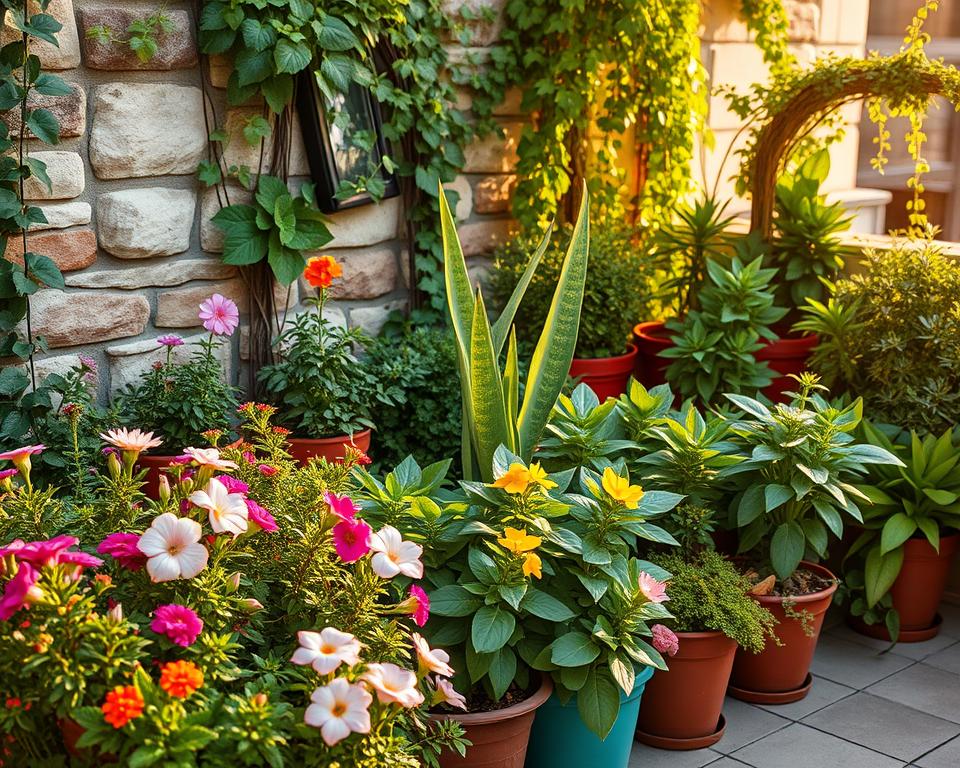
Container gardening offers unparalleled flexibility for terrace design. You can rearrange displays seasonally, move tender plants indoors during winter, and experiment with different combinations without permanent commitment.
Choose containers with adequate drainage holes to prevent waterlogging. Terracotta pots provide excellent breathability but dry out quickly in summer heat. Glazed ceramic containers retain moisture better but may crack in freezing temperatures.
Size matters significantly in container selection. Large pots hold more soil and retain moisture longer, reducing watering frequency. Group containers of varying heights to create visual interest whilst ensuring each plant receives appropriate light levels.
Use quality potting compost rather than garden soil, which becomes compacted in containers. Add slow-release fertiliser granules at planting time to provide steady nutrition throughout the growing season. Consider adding water-retaining gel crystals to reduce watering requirements during dry spells.
Vertical Garden and Living Wall Solutions
Vertical gardening maximises growing space in compact terrace areas. Wall-mounted planters, trellises, and living wall systems transform bare walls into stunning green backdrops.
Simple pocket planters made from recycled materials offer an affordable starting point. Mount them securely to walls using appropriate fixings for your wall type. Ensure adequate drainage to prevent water damage to building structures.
Living wall systems provide more sophisticated solutions for larger installations. These modular systems include built-in irrigation and drainage, making maintenance easier. Consider professional installation for complex systems to ensure proper water management.
Select plants carefully for vertical growing conditions. Trailing varieties like ivy, nasturtiums, and trailing petunias create beautiful cascading effects. Compact herbs such as thyme, oregano, and marjoram thrive in vertical planters whilst providing fresh ingredients for outdoor cooking.
“Vertical gardens not only maximise space but create living art that changes throughout the seasons, bringing nature closer to eye level where it can be truly appreciated.”
Low-Maintenance Plant Selections for British Climate
Choosing plants suited to the British climate ensures year-round success with minimal intervention. Hardy perennials provide reliable structure whilst seasonal additions offer colour variety.
Lavender thrives in sunny, well-drained conditions and provides fragrance, colour, and attracts beneficial insects. Ornamental grasses like fountain grass and feather reed grass add movement and texture whilst requiring little care once established.
Evergreen shrubs such as box, rosemary, and small conifers provide winter interest when other plants have died back. These structural plants form the backbone of your terrace design.
For seasonal colour, choose hardy annuals that self-seed readily. Calendulas, nigella, and sweet alyssum return year after year with minimal effort. Plant spring bulbs in containers for early season colour when little else is flowering.
Consider the mature size of plants to avoid overcrowding. Group plants with similar water and light requirements together for easier maintenance. This approach reduces the complexity of care whilst ensuring each plant receives optimal conditions.
Herbs deserve special mention for terrace gardening. Rosemary, sage, and thyme tolerate dry conditions and provide fresh ingredients for outdoor cooking. Mediterranean herbs generally prefer well-drained soil and sunny positions, making them ideal for most terrace conditions.
Adding Essential Weather Protection Elements
Effective outdoor shelter transforms your terrace from a fair-weather space into a year-round retreat that withstands British climate challenges. The right combination of protection elements ensures your summer house terrace remains comfortable and functional regardless of seasonal variations.
Strategic weather protection planning involves considering multiple factors. These include prevailing wind directions, sun angles throughout the day, and rainfall patterns specific to your location. Understanding these elements helps you choose the most suitable shelter solutions for your space.
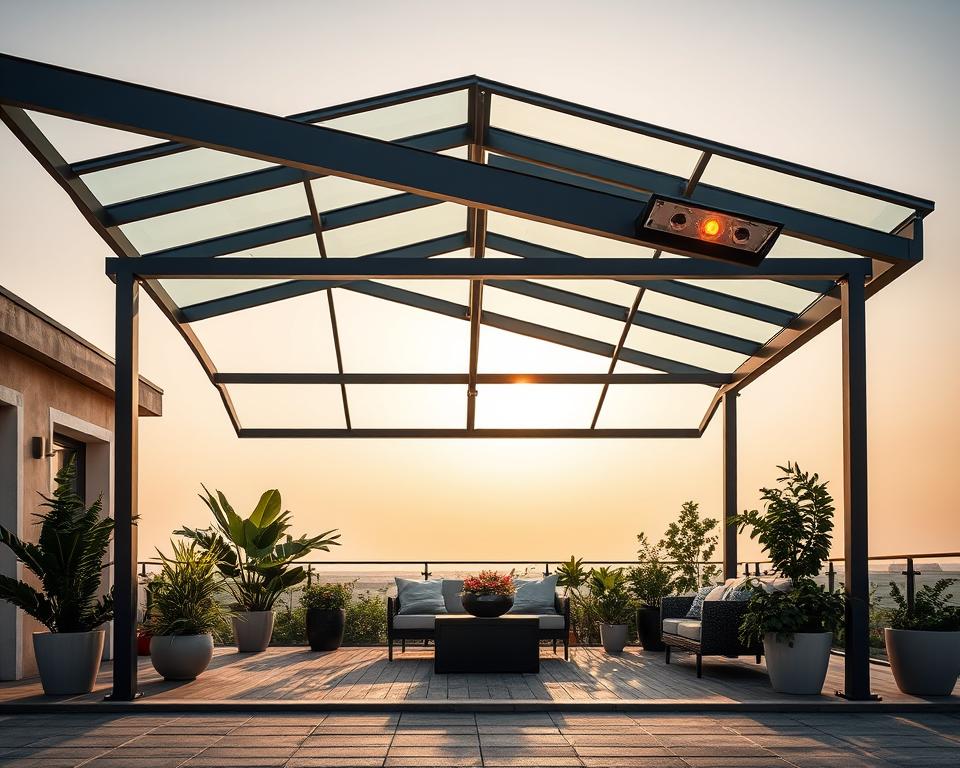
Pergolas and Gazebo Installations
Pergolas create stunning architectural features whilst providing essential shade and structural support for climbing plants. These versatile structures range from simple timber frameworks to sophisticated aluminium systems with integrated features.
Modern pergola designs often incorporate adjustable louvre systems. These allow you to control light levels and ventilation throughout the day. Some premium models include built-in LED lighting and heating elements for extended evening use.
Gazebos offer more comprehensive weather protection than traditional pergolas. They create defined outdoor rooms that feel intimate and sheltered whilst maintaining visual connection to your garden. Hardtop gazebos provide excellent protection from rain and UV rays.
Installation considerations include foundation requirements and planning permissions. Most gazebos under 2.5 metres in height don’t require planning consent, but checking local regulations remains essential.
Retractable Awnings and Umbrella Solutions
Retractable awnings provide flexible shade solutions that adapt to changing weather conditions. These systems extend when protection is needed and retract completely during pleasant weather or winter months.
Motorised awnings offer convenient operation at the touch of a button. Many models include wind sensors that automatically retract the fabric during strong gusts, protecting the mechanism from damage.
Quality parasols serve as portable outdoor shelter solutions, particularly valuable for smaller terraces. Cantilever umbrellas provide excellent coverage without central pole obstruction, whilst traditional market umbrellas offer classic styling at lower costs.
Professional installation ensures proper mounting and optimal positioning. Wall-mounted awnings require secure fixing to structural elements, whilst freestanding options need adequate base weights for stability.
| Protection Type | Coverage Area | Installation Complexity | Seasonal Storage | Price Range |
|---|---|---|---|---|
| Retractable Awning | 15-25 square metres | Professional required | Retracts in place | £800-£3,000 |
| Cantilever Parasol | 8-15 square metres | Simple assembly | Requires storage | £200-£800 |
| Hardtop Gazebo | 10-20 square metres | Moderate DIY | Permanent fixture | £500-£2,500 |
| Aluminium Pergola | 12-30 square metres | Professional recommended | Permanent fixture | £1,500-£5,000 |
Windbreaks and Privacy Screening Options
Wind protection becomes crucial for elevated terraces or exposed locations. Glass panel systems maintain clear views whilst effectively blocking gusts and reducing wind chill factors significantly.
Frameless glass screens create contemporary aesthetics and require minimal maintenance. These systems often include easy-clean coatings and can incorporate opening sections for ventilation control.
Privacy screening serves dual purposes, creating intimate spaces whilst providing weather protection from prevailing winds. Traditional trellis panels support climbing plants that develop into natural windbreaks over time.
Contemporary metal screens offer striking visual interest whilst filtering wind effectively. Laser-cut patterns create decorative elements that cast attractive shadows whilst maintaining airflow.
Bamboo fencing provides sustainable screening solutions with natural textures. These materials weather beautifully and complement planted areas whilst offering excellent wind reduction properties.
Strategic placement maximises effectiveness of windbreak systems. Installing screens perpendicular to prevailing winds creates protected zones that extend well beyond the physical barrier boundaries.
Creating Cohesive Colour Schemes and Design Themes
A well-planned colour scheme transforms your summer house terrace from a collection of random elements into a harmonious outdoor sanctuary. The key to successful terrace colour schemes lies in selecting a unified palette that connects furniture, accessories, plants, and architectural features. When you establish clear outdoor design themes, every element works together to create visual flow and sophisticated appeal.
Your chosen palette should complement both your home’s architecture and the surrounding landscape. Consider how colours will appear throughout different seasons and lighting conditions. Natural light changes dramatically from morning to evening, affecting how your chosen hues look in practice.
Mediterranean-Inspired Colour Palettes
Mediterranean colour schemes bring warmth and relaxation to British terraces through their sun-soaked palette. These design themes centre around terracotta, warm ochre, and burnt orange tones that create instant cosiness. Pair these earthy hues with soft blues reminiscent of coastal waters and creamy whites that reflect light beautifully.
Natural materials enhance this aesthetic perfectly. Choose weathered teak furniture and terracotta planters filled with aromatic herbs like rosemary and lavender. Stone flooring in warm limestone or sandstone provides an authentic foundation.
Glazed ceramic accessories in deep blues and turquoise add Mediterranean charm. Consider mosaic details on table tops or decorative tiles as accent features. These elements create visual interest whilst maintaining the cohesive theme.
Modern Minimalist Design Approaches
Contemporary minimalist terrace colour schemes focus on sophisticated neutrals that create calm, uncluttered spaces. This approach uses whites, greys, and blacks as the foundation, with occasional charcoal or steel blue accents. The result feels clean and architectural.
Materials play a crucial role in minimalist outdoor design themes. Choose sleek concrete planters, powder-coated steel furniture, and glass accessories. Natural wood in blonde oak or pale ash provides warmth without overwhelming the palette.
Keep decorative elements to a minimum. Select plants with strong architectural forms like ornamental grasses or sculptural succulents. Every item should serve a clear purpose whilst contributing to the overall aesthetic.
Traditional British Country Garden Styles
Classic country garden themes embrace softer, romantic palettes that complement traditional British architecture. These colour schemes feature sage green, dusty pink, and cream tones that create gentle, welcoming atmospheres. Muted lavender and soft yellow add seasonal interest.
Natural materials like weathered oak and limestone work beautifully with this palette. Choose furniture with curved lines and comfortable proportions. Wicker and rattan pieces painted in soft colours enhance the cottage garden feel.
Layer textures through soft furnishings in florals and checks. Traditional patterns like gingham or small-scale roses maintain authenticity. Mix different shades within your chosen palette for depth and visual interest.
| Design Theme | Primary Colours | Key Materials | Best Suited For |
|---|---|---|---|
| Mediterranean | Terracotta, soft blue, cream white | Natural stone, glazed ceramics, weathered wood | South-facing terraces, contemporary homes |
| Modern Minimalist | White, grey, charcoal, steel blue | Concrete, powder-coated steel, glass | Urban settings, architectural properties |
| British Country | Sage green, dusty pink, cream, lavender | Weathered oak, limestone, wicker | Traditional homes, rural locations |
| Maintenance Level | Medium – seasonal refreshing | Low – durable materials | Medium – regular care needed |
Remember that successful terrace colour schemes evolve with the seasons. Plan for flexibility by choosing neutral backgrounds that allow seasonal colour changes through cushions, throws, and annual plantings. This approach keeps your space feeling fresh whilst maintaining its core design identity.
Test your chosen palette in small areas before committing to larger purchases. Paint sample boards and observe them at different times of day. This ensures your final scheme works beautifully in all lighting conditions throughout the year.
Installing Practical Storage Solutions
Smart storage solutions are the unsung heroes of well-designed terrace spaces, keeping everything tidy whilst maintaining visual appeal. Effective outdoor storage prevents your summer house terrace from becoming overwhelmed with cushions, gardening tools, and entertaining accessories. The key lies in selecting storage options that blend seamlessly with your design whilst providing easy access to frequently used items.
Successful terrace organisation requires careful planning of storage placement and accessibility. Consider your daily routines and seasonal needs when positioning storage elements throughout your space.
Built-In Storage Bench Designs
Built-in storage benches offer the perfect marriage of comfort and functionality for any terrace setting. These versatile pieces provide comfortable seating whilst concealing essential items within weather-resistant compartments. Custom-built benches can be designed to fit awkward corners or specific dimensions that standard furniture cannot accommodate.
Modular storage bench systems offer flexibility for changing needs and layouts. These units can be reconfigured as your terrace organisation requirements evolve. Internal dividers and cushioned tops transform these practical pieces into attractive focal points.
Consider benches with hydraulic hinges for effortless opening, especially when hands are full. Soft-close mechanisms prevent slamming and protect stored items from damage.
Weatherproof Storage Box Options
Weatherproof storage boxes provide flexible solutions for larger items that require protection from British weather conditions. Traditional wooden chests offer timeless appeal, whilst contemporary resin containers resist moisture and UV damage effectively. These outdoor storage solutions come in various sizes to accommodate different needs.
Modern storage boxes feature internal organisation systems that maximise space efficiency. Removable trays and compartment dividers keep smaller items organised and easily accessible. Look for boxes with lockable lids for added security of valuable items.
Drainage holes prevent water accumulation, whilst ventilation systems reduce condensation buildup. These features extend the lifespan of stored items significantly.
Wall-Mounted and Overhead Storage Systems
Wall-mounted storage systems maximise vertical space, particularly valuable on smaller terraces where floor space comes at a premium. Wall-mounted cabinets and hanging organisers keep frequently used items within easy reach whilst maintaining clear walkways.
Rail systems accommodate various accessories and can be customised with hooks, baskets, and shelves. These adaptable solutions grow with your changing storage needs. Overhead storage works brilliantly for seasonal items or equipment used less frequently.
Ceiling-mounted racks and pergola-integrated storage blend functionality with architectural elements. These solutions keep items completely out of the way whilst remaining accessible when needed. Ensure all overhead installations are properly secured to handle expected loads safely.
Adding Decorative Accessories and Special Features
The right terrace accessories can elevate your outdoor space from functional to fabulous, creating an inviting retreat that reflects your unique style. These finishing touches transform ordinary terraces into extraordinary outdoor living areas that beckon family and friends to gather and relax.
Thoughtful outdoor decorating goes beyond mere aesthetics. It creates atmosphere, defines spaces, and extends the usability of your terrace throughout different seasons and weather conditions.
Outdoor Textiles and Soft Furnishings
Weather-resistant fabrics have revolutionised outdoor decorating, offering stunning patterns and colours that rival indoor options. Modern outdoor textiles feature UV resistance and quick-drying properties that maintain their appearance despite Britain’s unpredictable weather.
Layer different textures through cushions, throws, and outdoor rugs to create visual warmth and comfort. Choose fabrics specifically designed for outdoor use, such as solution-dyed acrylics or polyester blends that resist fading and mildew.
Outdoor rugs define seating areas whilst adding softness underfoot. Polypropylene rugs offer excellent durability and come in countless designs, from geometric patterns to traditional motifs that complement your terrace’s style.
Water Features and Garden Sculptures
Water features introduce soothing sounds that mask traffic noise whilst creating captivating focal points. The gentle trickle of water encourages relaxation and adds a sense of tranquillity to your outdoor space.
Options range from simple tabletop fountains to elaborate wall-mounted features. Solar-powered fountains offer eco-friendly operation without requiring electrical connections, making them perfect for any terrace location.
Garden sculptures and decorative objects add personality and visual interest to your terrace accessories collection. Choose pieces that complement your design theme, whether classical statuary for traditional spaces or contemporary abstract pieces for modern terraces.
Positioning is crucial for maximum impact. Place larger sculptures as anchor points, whilst smaller decorative objects work well grouped together or nestled amongst plants.
Fire Pits and Outdoor Heating Solutions
Fire pits and outdoor heating solutions extend your terrace’s usability into cooler months, creating natural gathering points that encourage socialising. These features provide practical warmth whilst adding dramatic visual appeal to your outdoor decorating scheme.
Portable fire bowls offer flexibility, allowing you to move heating where needed most. Built-in fire features create permanent installations that become stunning centrepieces for your terrace design.
Always prioritise safety when incorporating heating elements. Check local regulations regarding open flames, maintain proper clearances from combustible materials, and consider wind patterns that might affect flame direction.
Gas fire tables provide convenient, controllable heat without the maintenance requirements of wood-burning options. Many models double as coffee tables when not in use, maximising functionality in smaller spaces.
| Accessory Type | Best Materials | Maintenance Level | Seasonal Use | Cost Range |
|---|---|---|---|---|
| Outdoor Cushions | Solution-dyed acrylic, polyester | Low | Spring to autumn | £20-£80 each |
| Water Fountains | Resin, ceramic, stone | Medium | Year-round | £50-£500 |
| Garden Sculptures | Bronze, stone, weather-resistant metals | Low | Year-round | £100-£2000+ |
| Fire Pits | Steel, cast iron, stone | Medium | Autumn to spring | £150-£1500 |
| Outdoor Rugs | Polypropylene, recycled plastic | Low | Spring to autumn | £30-£300 |
The key to successful outdoor decorating lies in balancing functionality with aesthetic appeal. Each accessory should serve a purpose whilst contributing to your terrace’s overall design narrative.
Consider the scale of your space when selecting terrace accessories. Oversized features can overwhelm small terraces, whilst tiny accessories may get lost in larger spaces. Aim for a harmonious blend that feels intentional rather than cluttered.
Maximising Design Potential in Small Terrace Spaces
Even the smallest terrace can become a stunning outdoor sanctuary with proper design. Small terrace design challenges homeowners to think creatively about every square metre. The key lies in choosing versatile solutions that serve multiple purposes whilst maintaining visual appeal.
Success comes from understanding that limitations often spark the most innovative ideas. Your compact outdoor space can feel surprisingly spacious with the right approach.
Space-Saving Furniture and Layout Ideas
Smart furniture choices form the foundation of effective space-saving ideas. Folding chairs and tables store flat against walls when not needed. This approach keeps your terrace clear for daily activities whilst providing seating for guests.
Nesting furniture sets offer remarkable flexibility. Stack stools under tables or tuck smaller pieces inside larger ones. Wall-mounted drop-leaf tables serve as workspace during the day and dining surfaces for evening meals.
Built-in seating with storage underneath maximises functionality. These benches provide comfortable seating whilst hiding cushions, gardening tools, or outdoor games. Choose designs that complement your terrace’s architectural style.
- Folding bistro sets that store vertically
- Ottoman storage cubes that double as seating
- Expandable dining tables for flexible entertaining
- Stackable planters that create instant garden displays
Vertical Design and Multi-Level Solutions
Vertical space offers untapped potential in compact areas. Tall, narrow planters draw the eye upward whilst providing growing space for herbs or flowers. Wall-mounted shelving creates display areas without consuming floor space.
Climbing frames and trellises add greenery whilst maintaining clean sightlines. Train jasmine or clematis up these structures for natural privacy screening. Multi-level platforms create distinct zones within your small space.
Raised planters define different areas for dining and relaxation. Step-style decking adds visual interest whilst providing additional seating options. These levels help organise your terrace into functional zones.
Visual Tricks to Create the Illusion of Space
Light colours reflect available sunlight and make areas feel larger. Choose pale stone, white furniture, or cream cushions to brighten your space. Mirrors strategically placed to reflect garden views or sky create the impression of extended areas.
Avoid cluttering small terraces with too many different elements. Select fewer, high-quality pieces that serve multiple functions. Clean, uncluttered sightlines preserve the sense of openness that makes spaces feel generous.
Diagonal patterns in flooring or furniture arrangement create dynamic movement. This technique makes rectangular spaces appear wider and more interesting. Strategic lighting extends usable hours whilst adding depth to evening ambiance.
Conclusion
Your summer house terrace transformation journey begins with a single step. The design ideas explored throughout this guide offer endless possibilities for creating an exceptional outdoor living space that reflects your personal style and meets your practical needs.
Start small and build gradually. Choose one or two key elements that excite you most, whether that’s installing beautiful lighting or selecting the perfect seating arrangement. Each addition will inspire your next creative decision.
Remember that the best terraces evolve naturally over time. Your outdoor living space should grow with your confidence and changing requirements. What starts as a simple seating area can develop into a sophisticated entertainment zone or peaceful retreat.
The British climate presents unique opportunities for year-round terrace enjoyment. Weather protection elements like pergolas and quality furniture ensure your space remains functional across all seasons.
Quality materials and thoughtful planning form the foundation of any successful summer house terrace transformation. Invest in pieces that will withstand our unpredictable weather whilst creating the atmosphere you desire.
Your terrace awaits transformation into something truly special. Take inspiration from these ideas and begin creating the outdoor sanctuary you’ve always envisioned. The perfect balance of comfort, style, and functionality is within reach.
FAQ
What’s the best flooring material for a British summer house terrace?
For British weather conditions, porcelain tiles designed for outdoor use offer excellent durability with minimal maintenance, whilst composite decking provides the warmth of wood with enhanced weather resistance. Natural stone like limestone or sandstone creates timeless elegance but requires proper sealing. Always prioritise slip-resistant surfaces given our frequent rainfall.
How can I make my small terrace appear larger?
Use light colours to reflect available light, install wall-mounted furniture that doesn’t occupy floor space, and create vertical gardens to draw the eye upward. Strategically placed mirrors can reflect garden views, whilst multi-functional furniture like storage benches maximises utility without cluttering the space.
What weather protection do I need for a summer house terrace?
Essential weather protection includes retractable awnings for flexible shade, pergolas for architectural interest and partial shelter, and windbreaks for exposed locations. Consider gazebos for comprehensive protection or quality parasols for portable shade solutions that adapt to changing conditions.
Which plants work best for terrace container gardening?
Choose hardy perennials like lavender and ornamental grasses for year-round structure, combined with seasonal annuals for colour variety. Herbs serve dual purposes, providing fresh ingredients whilst adding fragrance. Select plants suited to your terrace’s specific light conditions and group those with similar water requirements together.
How do I choose weather-resistant furniture for my terrace?
Look for furniture made from powder-coated aluminium, teak, or high-quality synthetic rattan that resist rust, rot, and UV damage. Modular seating systems offer flexibility for different occasions, whilst folding or stackable options provide practical storage solutions for smaller spaces or seasonal use.
What lighting options work best for outdoor terraces?
String lights create instant cosiness when draped overhead, whilst solar-powered options offer reliable illumination without electrical complexity. Layer different types including ambient lighting for general illumination, task lighting for dining areas, and accent lighting to highlight features. Consider statement lanterns as both functional and decorative elements.
How can I create privacy on my terrace without blocking light?
Install glass panels that maintain views whilst blocking wind, or use planted screens with climbing plants for natural privacy. Bamboo fencing adds textural interest, whilst trellis panels support climbing plants and create intimate spaces without completely enclosing the area.
What’s the best way to plan my terrace layout?
Start by measuring accurately and noting your terrace’s orientation throughout the day. Consider your primary usage requirements – whether for morning coffee, evening entertaining, or both. Create a realistic budget that prioritises essential elements first, and establish a timeline considering seasonal factors for installations.
How do I maintain a cohesive design theme on my terrace?
Choose a consistent colour palette across all elements from furniture to plant containers. Mediterranean themes work well with warm terracotta and blues, whilst modern minimalist approaches favour neutral greys and whites. Traditional British country styles embrace sage greens and dusty pinks with informal planting schemes.
What storage solutions work best for outdoor terraces?
Built-in storage benches provide seating whilst concealing cushions and accessories. Weatherproof storage boxes offer flexible solutions for larger items, whilst wall-mounted systems maximise vertical space. Choose storage with easy accessibility for frequently used items whilst maintaining visual cohesion with your design scheme.
How can I extend my terrace’s usability into cooler months?
Install outdoor heating solutions like fire pits or patio heaters to create warm gathering points. Add weather-resistant textiles including throws and cushions for comfort. Consider retractable weather protection that can be adjusted based on conditions, and choose evergreen plants that provide year-round interest and structure.
What decorative accessories should I consider for my terrace?
Layer outdoor textiles with weather-resistant cushions, throws, and rugs to add comfort and visual warmth. Water features introduce soothing sounds and focal points, whilst garden sculptures add personality. Consider fire features for warmth and ambiance, always prioritising safety and local regulations when incorporating heating elements.

