
Your Guide to Designing a Romantic Garden
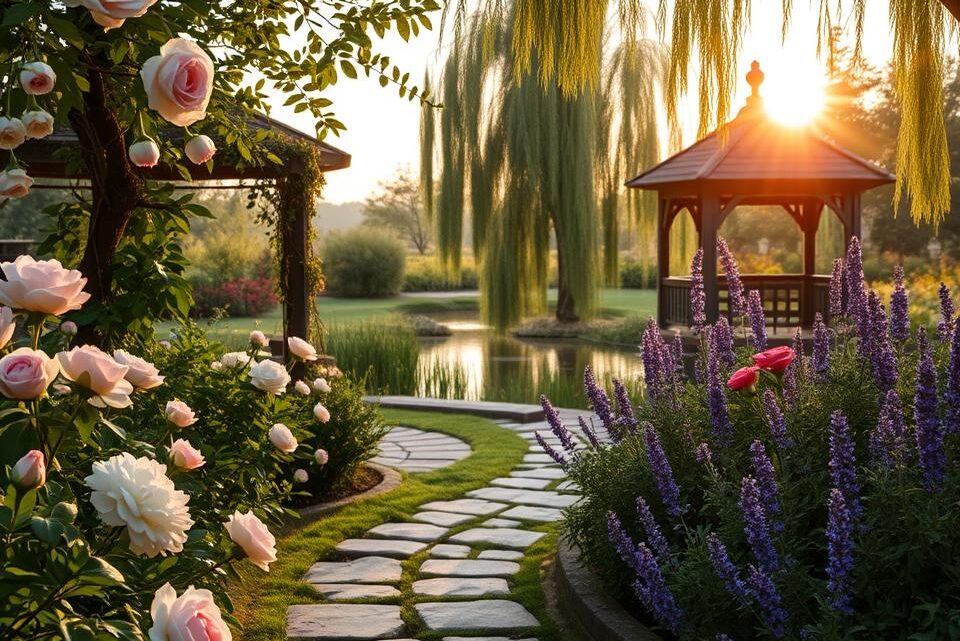
Creating an intimate and beautiful outdoor space is a dream for many homeowners in the United Kingdom. A romantic garden design can transform your outdoor area into a serene retreat, perfect for relaxation and entertainment.
To help you achieve this, our comprehensive guide will walk you through the process of planning your garden space and creating a dreamy atmosphere. You’ll discover the key elements that make a garden truly romantic and learn how to incorporate garden design ideas that exude charm and elegance.
Whether you’re looking to create a secluded retreat or an expansive outdoor oasis, our guide has everything you need to get started on creating a romantic outdoor space that you’ll love for years to come.
Inhaltsverzeichnis
Key Takeaways
- Understand the key elements of a romantic garden design
- Learn how to plan your garden space effectively
- Discover steps to create a dreamy atmosphere in your garden
- Explore garden design ideas that add charm and elegance
- Create a romantic outdoor space that suits your needs
The Elements of a Romantic Garden
To design a romantic garden, one must consider the historical influences and key elements that define this style. A romantic garden is characterized by its ability to evoke feelings of intimacy, serenity, and beauty.
Historical Influences on Romantic Garden Design
Romantic gardens have been shaped by various historical styles, including Victorian garden traditions and European cottage gardens. These influences have contributed to the distinctive characteristics of romantic gardens.
Victorian Garden Traditions
Victorian gardens were known for their opulence and intricate designs. They often featured a mix of ornate planters, fountains, and carefully manicured hedges. The use of vibrant flowers and lush greenery added to their romantic appeal.
European Cottage Garden Influences
European cottage gardens, on the other hand, were characterized by their simplicity and charm. They typically included a variety of flowers, herbs, and shrubs, planted in a seemingly informal manner. This style has influenced modern romantic gardens to adopt a more natural and relaxed approach to landscaping.
Key Characteristics of Romantic Gardens
The key to creating a romantic garden lies in understanding its core characteristics. These include abundance, informality, and sensory engagement elements.
Abundance and Informality
A romantic garden is often marked by an abundance of plants and flowers, which are arranged in an informal manner. This creates a sense of lushness and spontaneity, making the garden feel like a natural haven.
Sensory Engagement Elements
Sensory engagement is crucial in a romantic garden. Incorporating elements such as fragrant flowers, soft lighting, and the sound of water features can enhance the sensory experience, making the garden a more intimate and inviting space.
| Characteristic | Description |
|---|---|
| Abundance | Lush planting with a variety of flowers and shrubs |
| Informality | Natural, relaxed arrangement of plants and garden features |
| Sensory Engagement | Incorporation of fragrant flowers, soft lighting, and water features |
Planning Your Romantic Garden Space
As you embark on designing your romantic garden, the first step is to assess its full potential. This involves understanding the unique characteristics of your outdoor space and how to enhance them.
Assessing Your Garden’s Potential
To create a romantic garden, you need to evaluate its current state. This includes examining the sunlight and shade patterns, as well as understanding your soil type.
Evaluating Sunlight and Shade Patterns
Observing how sunlight filters through your garden at different times of the day is crucial. This will help you decide where to plant flowers, trees, and other features. For instance, areas with full sun might be ideal for sun-loving plants, while shaded areas can be perfect for ferns and other shade-tolerant species.
Understanding Your Soil Type
Knowing your soil type is vital for selecting the right plants. You can test your soil to determine if it’s sandy, clay, or loamy. This knowledge will guide your plant selection and help you amend the soil if necessary.
Creating a Romantic Garden Layout
A well-designed layout is essential for a romantic garden. It should balance structure with wildness, creating a sense of intimacy and seclusion.
Balancing Structure with Wildness
A romantic garden should have a mix of formal and informal elements. You can achieve this by combining neatly trimmed hedges with wildflowers or structured pathways with meandering borders.
Establishing Sight Lines and Views
Creating sight lines and views within your garden can enhance its romantic ambiance. Consider using features like arbors, trellises, or statuary to draw the eye to different areas of the garden.
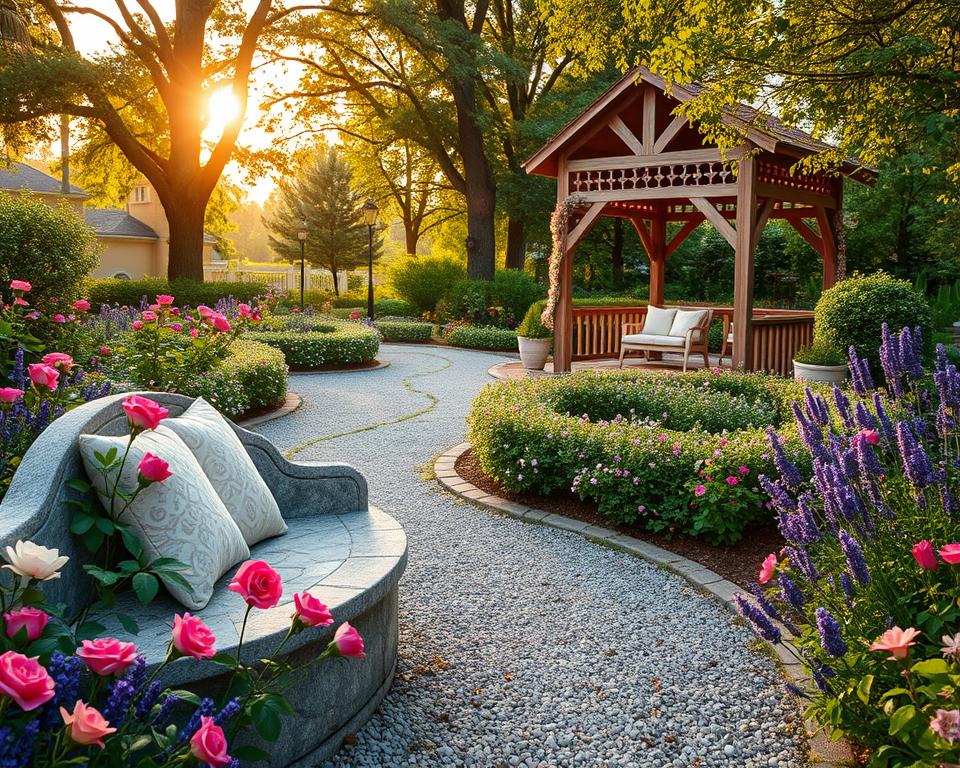
By carefully assessing your garden’s potential and creating a thoughtful layout, you can craft a romantic garden that is both beautiful and inviting.
Designing a Romantic Garden: The Step-by-Step Process
The process of designing a romantic garden involves several key steps that help you achieve your desired ambiance. By following a systematic approach, you can create an intimate outdoor space that reflects your personal style and love for nature.
Setting Clear Objectives
Before you start designing your romantic garden, it’s essential to set clear objectives. Determine what you want to achieve with your garden design and how you want to feel when you’re in the space. Consider the purpose of your garden: is it for relaxation, entertainment, or simply to enjoy the beauty of nature?
Sketching Your Garden Design
Once you have a clear idea of your objectives, it’s time to sketch your garden design. You can use either traditional hand-drawn methods or digital planning tools to map out your ideas.
Hand-Drawn vs Digital Planning Tools
Both hand-drawn and digital planning tools have their advantages. Hand-drawn sketches allow for more creativity and flexibility, while digital tools provide precision and ease of modification.
Mapping Plant Locations
When mapping plant locations, consider the mature size of the plants, their growth habits, and how they will interact with each other. Create a table to help you plan:
| Plant Name | Mature Size | Growth Habit |
|---|---|---|
| Roses | 6-12 feet | Climbing |
| Lavender | 2-3 feet | Compact |
| Clematis | 6-10 feet | Climbing |
Considering Seasonal Changes
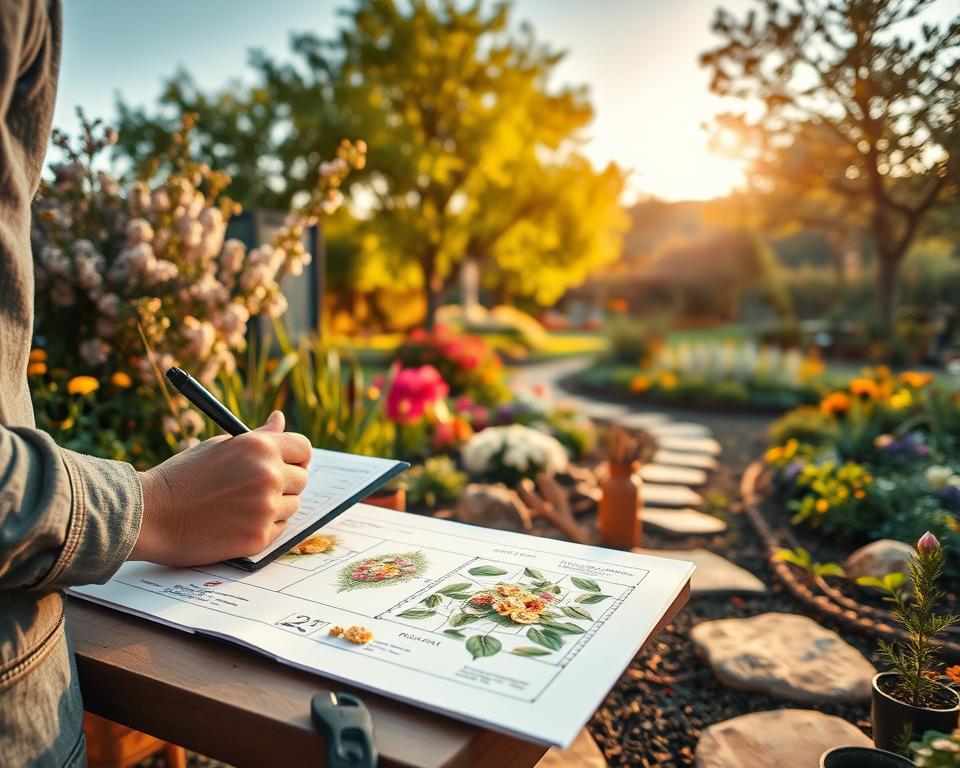
It’s crucial to consider seasonal changes and how they will impact your garden’s appearance. Choose plants that provide interest throughout the year, and plan for seasonal maintenance tasks.
By following these steps and considering the unique characteristics of your garden, you can create a romantic outdoor space that brings joy and serenity to your life.
Selecting the Perfect Plants for Romance
To craft a romantic ambiance, choosing the perfect plants is crucial. The right plants can make or break a romantic garden, setting the tone for a serene and inviting atmosphere.
Fragrant Flowers and Their Symbolism
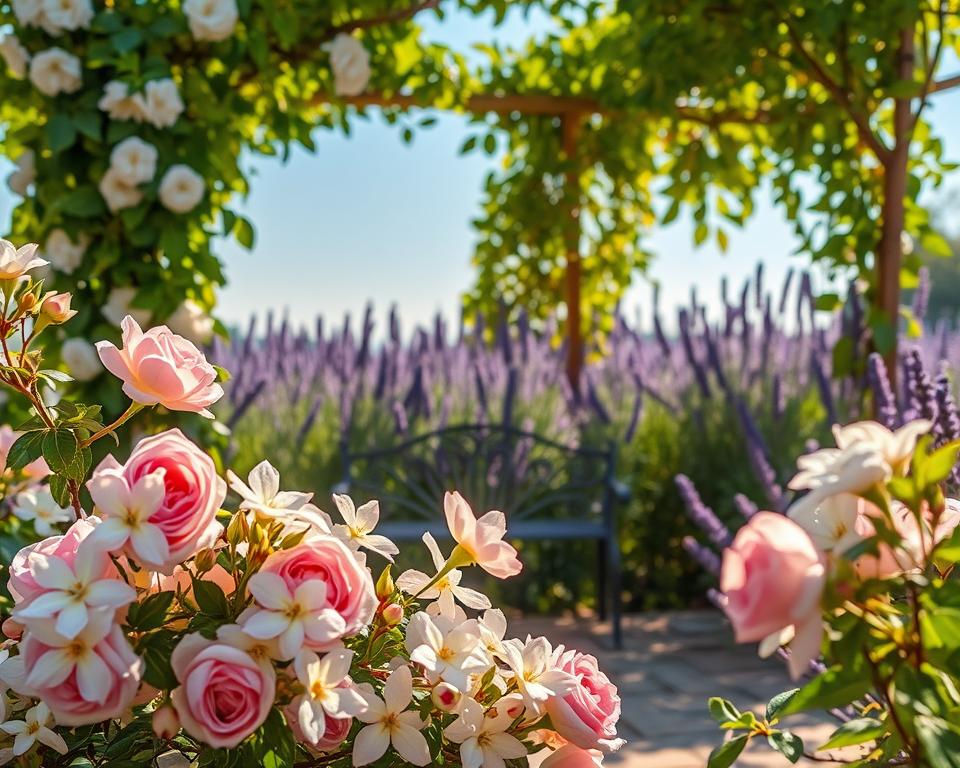
Fragrant flowers are a staple in any romantic garden, not just for their beauty but also for their symbolism. They can evoke emotions and create a sensory experience that is hard to forget.
Roses and Their Varieties
Roses are quintessential romantic flowers, available in a variety of colours, each with its own meaning. From the classic red rose symbolizing love and passion to the softer pastel hues representing appreciation and gratitude, there’s a rose variety to suit every romantic gesture.
Lavender, Jasmine and Other Aromatics
Besides roses, other fragrant flowers like lavender and jasmine are popular for their romantic connotations. Lavender is known for its calming effects, while jasmine is often associated with sensuality and love. Incorporating these into your garden can enhance its romantic appeal.
Climbing Plants for Vertical Interest
Climbing plants are excellent for adding vertical interest to your garden, creating a lush, layered look. They can be used to cover arbors, pergolas, or trellises, adding depth and romance to your outdoor space. Some popular climbing plants include clematis, wisteria, and climbing roses.
Foliage Plants for Texture and Contrast
Foliage plants provide texture and contrast to your garden, complementing flowering plants and adding depth. They can be used to create a lush backdrop for your romantic garden, with plants like hostas, ferns, and heuchera offering a variety of textures and colours.
By carefully selecting a mix of fragrant flowers, climbing plants, and foliage plants, you can create a romantic garden that is not only beautiful but also inviting and serene.
Colour Schemes for a Dreamy Atmosphere
A well-designed colour scheme is crucial for crafting a dreamy atmosphere in your garden. The colours you choose can significantly influence the ambiance, making it either a tranquil retreat or a vibrant display.
Soft Pastels and Their Effect
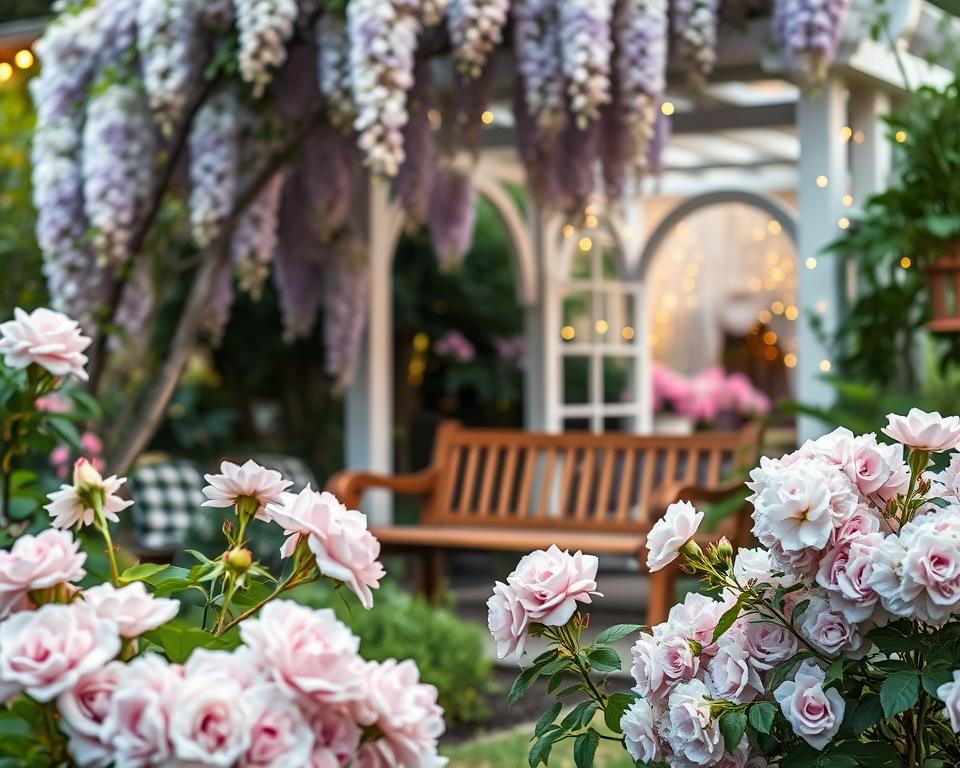
Soft pastel colours are often associated with romantic gardens due to their soft, calming effect. Shades such as pale pink, baby blue, and mint green can create a serene and peaceful atmosphere, perfect for a romantic escape. These colours are particularly effective when used in conjunction with lush greenery and natural stone features.
Bold Romantic Colours
For a more dramatic effect, consider incorporating bold romantic colours into your garden design. Deep reds, rich purples, and vibrant yellows can add a sense of passion and energy to your garden. These colours can be used in flowering plants, garden ornaments, or even garden furniture to create focal points.
Creating Colour Harmony Throughout Seasons
To maintain colour harmony throughout the seasons, it’s essential to select a mix of plants that bloom at different times. This ensures that your garden remains vibrant and interesting year-round.
Spring and Summer Palettes
During spring and summer, focus on pastel shades and vibrant colours that reflect the season’s vibrancy. Tulips, daffodils, and roses are excellent choices for adding colour during these months.
Autumn and Winter Interest
In autumn and winter, incorporate plants with berries, colourful foliage, or interesting bark to maintain visual interest. Consider evergreen plants and holly for a pop of colour during the colder months.
| Season | Colour Palette | Plant Suggestions |
|---|---|---|
| Spring | Pastel shades, vibrant colours | Tulips, daffodils, hyacinths |
| Summer | Bright colours, soft pastels | Roses, lavender, sunflowers |
| Autumn | Warm tones, rich colours | Asters, chrysanthemums, sedum |
| Winter | Evergreen, berries, colourful bark | Holly, evergreen trees, dogwood |
By carefully selecting a colour scheme that evolves with the seasons, you can create a romantic garden that remains captivating throughout the year.
Incorporating Structures and Focal Points
Structures and focal points play a crucial role in creating a captivating and romantic garden atmosphere. These elements not only add depth and visual interest but also help to guide visitors through your garden, creating a sense of journey and discovery.
Arbours, Pergolas, and Trellises
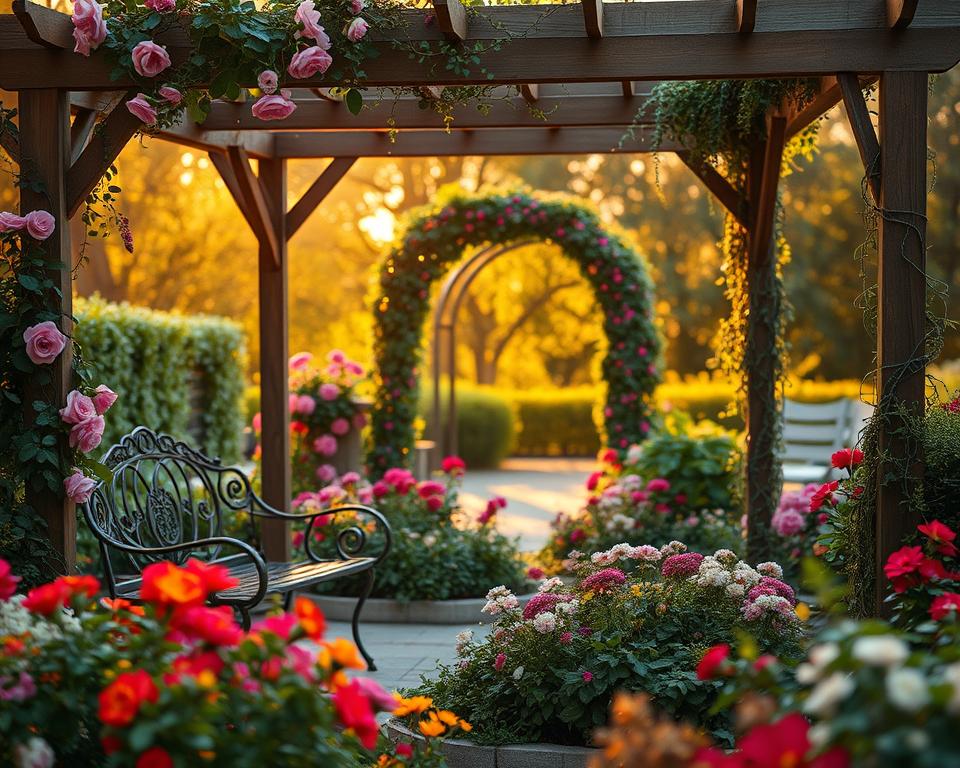
Arbours, pergolas, and trellises are excellent additions to a romantic garden, providing support for climbing plants like roses and clematis. These structures can also serve as a frame for entrances or pathways, adding a sense of drama and allure.
When choosing arbours, pergolas, and trellises, consider the style and material that best suits your garden’s aesthetic. For example, a wooden pergola can add a rustic charm, while a metal arbour can provide a more contemporary look.
Romantic Statuary and Ornaments
Romantic statuary and ornaments can add a touch of whimsy and personality to your garden. Choose pieces that reflect your personal style and complement the overall theme of your garden.
Statuary can range from classical figures to more modern abstract designs. Consider placing statuary in quiet, secluded areas to create intimate moments of reflection.
Creating Mystery with Garden Rooms
Garden rooms are a great way to create a sense of mystery and discovery in your romantic garden. By dividing your garden into separate areas or “rooms,” you can create a sense of intrigue and encourage visitors to explore.
Dividing Spaces with Plants
Using plants to divide spaces is an effective way to create separate areas within your garden. Tall shrubs, hedges, or climbers can be used to section off different parts of the garden, creating a sense of seclusion and intimacy.
Using Levels and Elevation Changes
Changing the level of your garden can add visual interest and create a sense of drama. Steps, terraces, or raised beds can be used to create elevation changes, guiding visitors through the garden and creating a sense of journey.
Water Features for Tranquility and Reflection
To create a truly romantic garden, consider adding a water feature that promotes tranquility and visual appeal. Water features can bring a sense of calm and serenity to your outdoor space, making it an ideal setting for relaxation and intimacy.
Small Ponds and Reflecting Pools
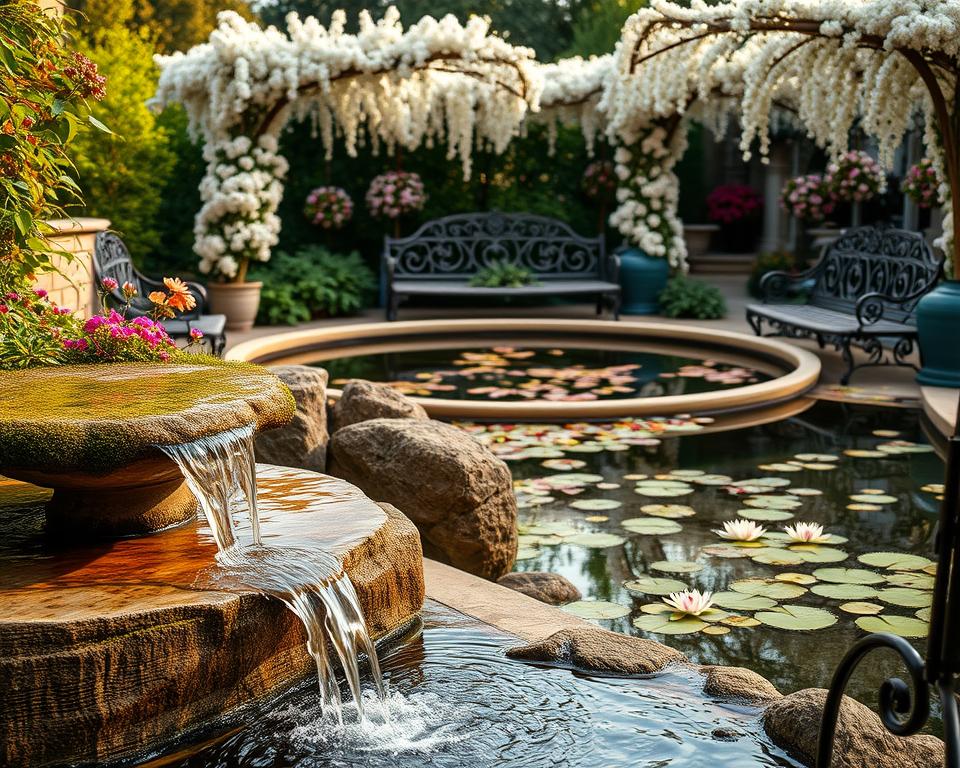
Small ponds and reflecting pools are excellent choices for creating a sense of calm in your garden. These water features can be designed to be still and reflective, providing a mirror-like effect that enhances the beauty of your surroundings. The gentle presence of water can also attract wildlife, adding to the garden’s charm.
Fountains and Water Movement
Fountains and other water features that incorporate movement can add a dynamic element to your garden. The sound of gently flowing water can be soothing, creating a peaceful ambiance that is perfect for a romantic garden. Fountains can also be designed to be a focal point, drawing the eye and adding visual interest.
Maintaining Water Features
To keep your water features looking their best, regular maintenance is essential. This includes ensuring that the water is clean and clear, and that any pumps or filters are functioning properly.
Seasonal Care Requirements
Seasonal care is crucial for maintaining your water features. In the spring and summer, ensure that pumps and filters are clean and functioning. In autumn, remove leaves and debris, and in winter, protect your water features from freezing temperatures.
Wildlife Considerations
When designing your water feature, consider the impact on local wildlife. Incorporating plants and features that attract birds, bees, and other beneficial creatures can enhance the biodiversity of your garden, creating a more dynamic and engaging environment.
Pathways and Journeys Through Your Garden
The journey through your garden is just as important as the destination, and pathways play a crucial role in this journey. Well-designed garden pathways can guide visitors on a discovery tour, enhancing the overall romantic ambiance of your outdoor space.
Materials for Romantic Garden Paths
Choosing the right material for your garden pathways is essential to create a warm and inviting atmosphere. The material you select should complement the overall aesthetic of your garden.
Natural Stone Options
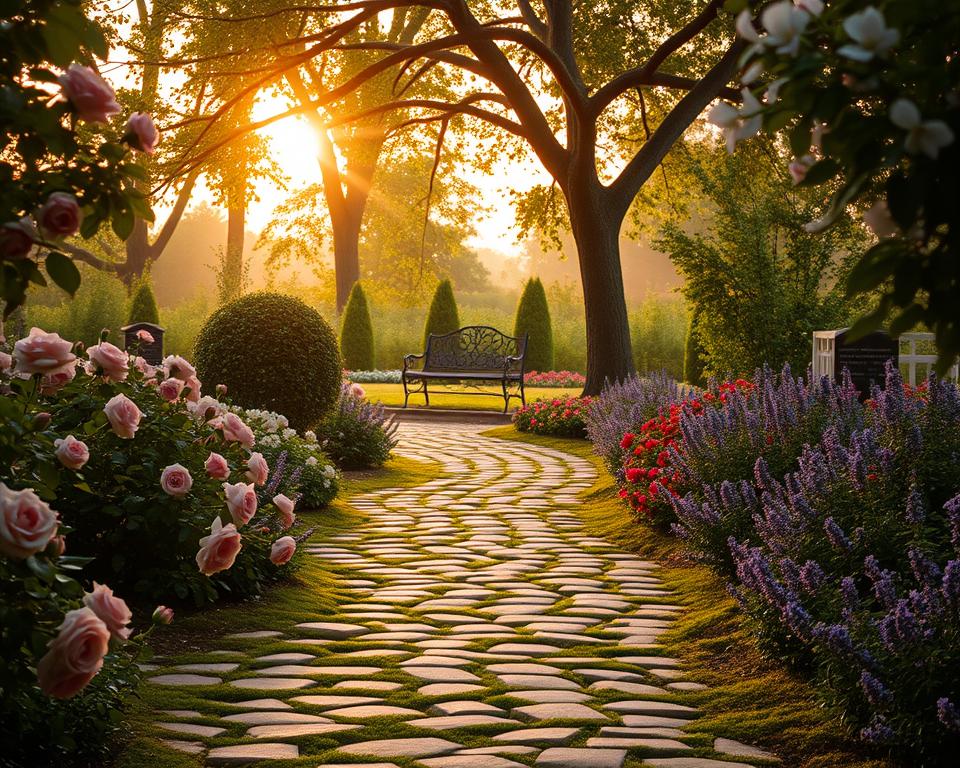
Natural stone, such as flagstone or limestone, is a popular choice for garden pathways due to its durability and timeless appeal. It can be laid in various patterns to add visual interest.
Gravel and Alternative Materials
Gravel is another attractive option for garden paths, offering a rustic charm and good drainage. Other alternatives include brick, wood chips, and decomposed granite, each with its unique characteristics.
| Material | Characteristics | Maintenance |
|---|---|---|
| Natural Stone | Durable, timeless appeal | Low |
| Gravel | Rustic charm, good drainage | Moderate |
| Brick | Classic look, versatile | Moderate |
Creating Meandering Routes
Meandering pathways can add a sense of mystery and adventure to your garden, encouraging visitors to explore further. By curving your paths and incorporating plants and features along the way, you can create a captivating journey.
As Gertrude Jekyll once said, “The love of gardening is a seed that once sown never dies.” By carefully designing your garden pathways, you can nurture this love and create a romantic garden that is both beautiful and inviting.
Lighting Your Romantic Garden
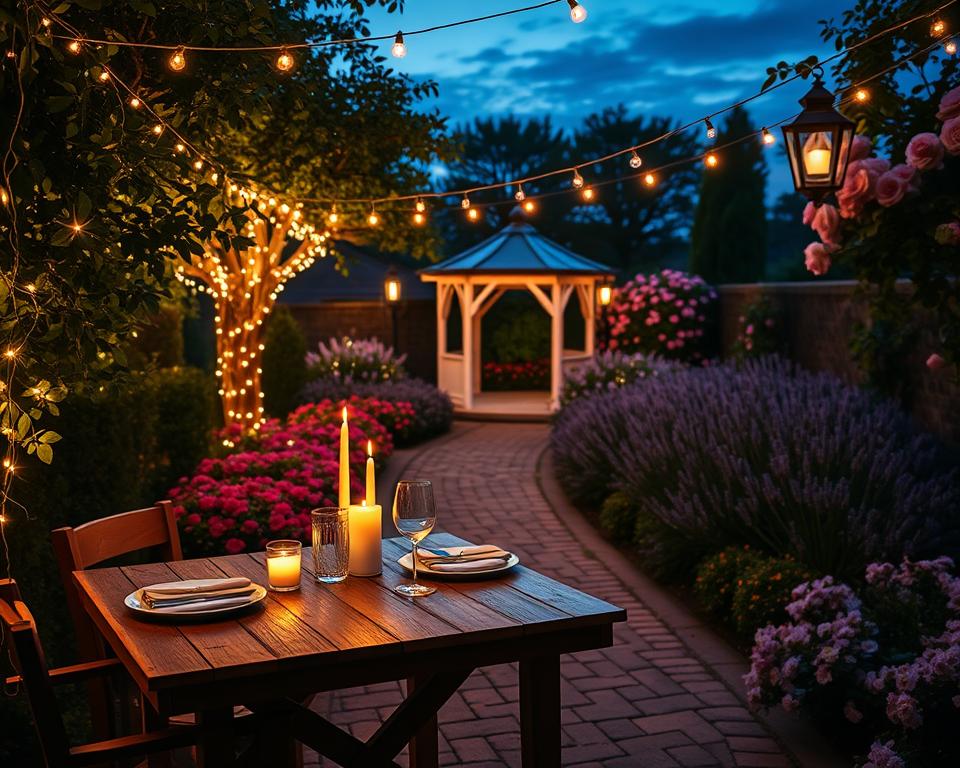
Lighting plays a crucial role in creating a warm and inviting atmosphere in your romantic garden. As the sun sets, the right lighting can transform your outdoor space into an enchanting oasis. The key is to strike a balance between functionality and ambiance, ensuring that your garden remains a haven for relaxation and romance.
Soft Illumination Techniques
Soft illumination techniques are essential for creating a romantic ambiance in your garden. Two effective methods are uplighting trees and features, and using string lights and lanterns.
Uplighting Trees and Features
Uplighting trees and garden features can add depth and drama to your romantic garden. By directing light upwards, you can highlight the texture and beauty of trees, statues, or other focal points, creating a sense of mystery and allure.
String Lights and Lanterns
String lights and lanterns are a charming way to add warmth and character to your garden. They can be hung from trees, arbors, or pergolas, creating a whimsical and romantic atmosphere. The soft glow of these lights can make your garden feel like a secluded retreat.
Solar and Low-Voltage Options
When choosing garden lighting, it’s essential to consider energy efficiency and environmental impact. Solar and low-voltage options are excellent choices for a romantic garden, as they reduce energy consumption without compromising on ambiance.
| Lighting Option | Energy Efficiency | Ambiance |
|---|---|---|
| Solar Lighting | High | Soft, warm glow |
| Low-Voltage Lighting | High | Focused, gentle illumination |
| String Lights | Variable | Whimsical, romantic ambiance |
As Gertrude Jekyll, a renowned garden designer, once said, “The garden is a love song, a duet between a human being and Mother Nature.” Your garden lighting should complement this duet, enhancing the beauty and romance of your outdoor space.
Comfortable Seating Areas for Intimate Moments
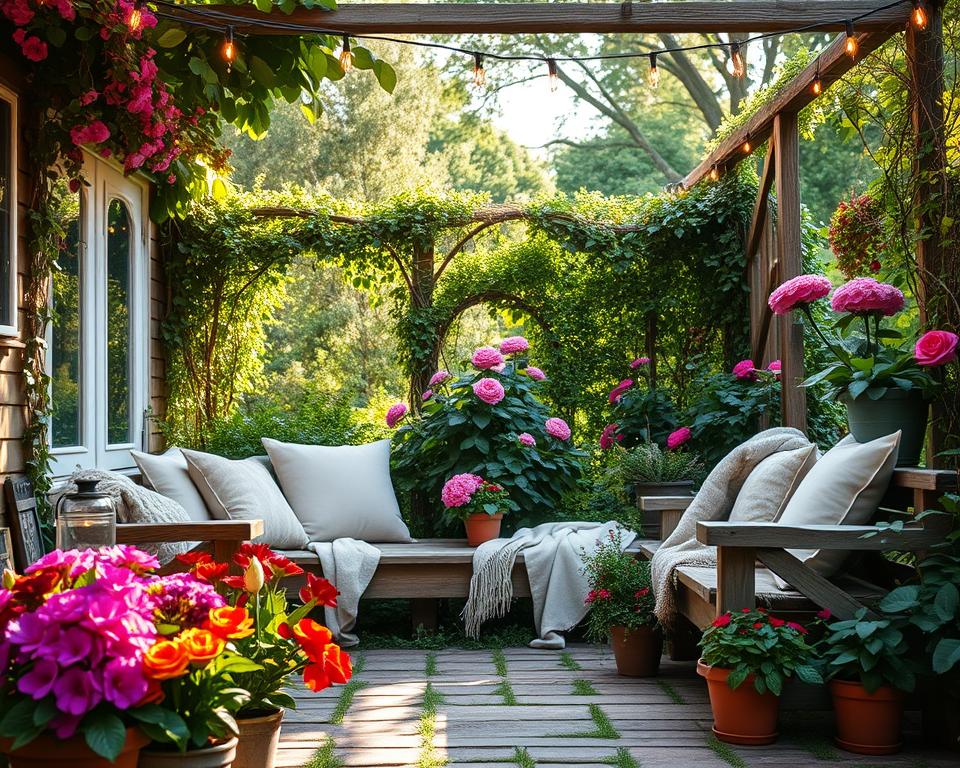
Comfortable seating areas are the heart of a romantic garden, fostering intimate moments. To create such spaces, you need to carefully select garden furniture that not only provides comfort but also adds to the aesthetic charm of your garden.
Selecting Garden Furniture with Character
When choosing garden furniture, look for pieces that have character and can become a focal point in your garden. This could include unique, handmade, or antique pieces that tell a story.
Vintage and Weathered Pieces
Vintage or weathered garden furniture can add a touch of nostalgia and charm to your seating areas. These pieces have a history and can bring a sense of warmth and coziness to your garden.
Comfortable Cushions and Textiles
To make your seating areas truly inviting, incorporate comfortable cushions and textiles. Choose materials that are not only soft and comfortable but also durable and weather-resistant. Consider using plush pillows, soft throws, and warm blankets to create a cozy atmosphere.
Creating Private Nooks and Retreats
To enhance the intimacy of your garden, consider creating private nooks and retreats. This can be achieved by strategically placing garden furniture, using natural screens like foliage or trellises, or incorporating structures like arbors or pergolas.
Some ideas for creating intimate seating areas include:
- Placing a bench in a secluded corner surrounded by flowers or shrubs.
- Using a vintage daybed or hammock under a shaded area.
- Creating a circular seating arrangement with comfortable chairs and a coffee table.
Maintaining Your Romantic Garden Through the Seasons
To keep your romantic garden thriving, it’s essential to adapt your care routine to the changing seasons. Regular maintenance not only preserves the beauty of your garden but also ensures that it remains a tranquil retreat throughout the year.

Spring and Summer Care
During spring and summer, your garden is in full bloom, and regular care is crucial to maintain its romantic charm. This includes tasks such as pruning and deadheading to encourage healthy growth and flowering.
Pruning and Deadheading Tips
Prune your plants to maintain their shape and promote new growth. Deadheading, or removing spent flowers, encourages more blooms and keeps your garden looking vibrant.
Watering Strategies
Effective watering strategies are vital during the warmer months. Water your plants in the early morning or late evening to minimize evaporation and ensure that the soil retains moisture.
Autumn and Winter Maintenance
As autumn and winter approach, your garden requires different care. Clear fallen leaves, protect tender plants from frost, and plan for the next growing season.
Preserving the Romantic Aesthetic Year-Round
To preserve the romantic aesthetic of your garden year-round, incorporate a mix of plants that provide interest throughout the seasons. This includes spring bulbs, summer flowers, autumn foliage, and winter berries, ensuring that your garden remains beautiful and inviting.
Budget-Friendly Tips for Romantic Garden Design
You don’t have to spend a fortune to create a romantic garden that exudes charm and character. By making a few thoughtful decisions and getting creative, you can achieve your dream garden on a budget.
Prioritising Key Elements
When working with a limited budget, it’s essential to prioritise the elements that are most important to your romantic garden design. Focus on the features that will have the greatest impact on the overall aesthetic and ambiance.
Investment Plants vs Fillers
Choose a few statement plants that will be the focal points of your garden, and complement them with more affordable filler plants. This approach will help you achieve a lush, romantic look without breaking the bank.
For example, you might invest in a beautiful rose bush or a fragrant honeysuckle vine, and then fill in the gaps with plants like lavender or catmint.
Phasing Your Garden Development
Consider developing your garden in phases, focusing on one area at a time. This will help you spread the cost over time and ensure that each element is completed to a high standard.
Start with the area closest to your home or the most visible section of your garden, and then gradually work your way outward.
DIY Projects for Your Romantic Garden
DIY projects are an excellent way to add a personal touch to your romantic garden while staying within your budget. Consider making your own trellises, garden ornaments, or other decorative features.
Handmade Trellises and Supports
Create your own trellises using reclaimed wood or other materials. This will not only save you money but also add a unique, personal touch to your garden.
Upcycled Garden Ornaments
Get creative with upcycling old items into garden ornaments. For example, you can turn an old wheelbarrow into a planter or use vintage bottles as decorative accents.
| DIY Project | Cost Savings | Personal Touch |
|---|---|---|
| Handmade Trellises | Up to 50% less than store-bought | Unique, custom design |
| Upcycled Ornaments | Essentially free, using recycled materials | One-of-a-kind, eco-friendly |
Conclusion
Designing a romantic garden is a personal and creative journey that transforms your outdoor space into an intimate haven. By incorporating the elements discussed in this guide, you can create a beautiful and tranquil atmosphere perfect for relaxation and entertainment.
As you finalise your romantic garden design, remember to maintain your garden regularly to preserve its beauty and charm. Regular upkeep will ensure that your outdoor space remains a serene retreat throughout the seasons.
In designing a romantic garden, you have the opportunity to express your personal style and create a unique outdoor space that reflects your taste and preferences. By following the steps outlined in this guide, you can create an intimate outdoor space that is perfect for making memories with loved ones.
As you enjoy your newly created romantic garden, consider the joy it brings to your life and the memories you will create within it. Your garden will become a haven where you can relax, entertain, and connect with nature and those around you, ultimately enhancing your overall well-being.
FAQ
What are the key elements of a romantic garden?
The key elements of a romantic garden include abundance, informality, and sensory engagement elements, such as fragrant flowers, soft colours, and soothing water features.
How do I plan my romantic garden space?
To plan your romantic garden space, assess your garden’s potential by evaluating sunlight and shade patterns, understanding your soil type, and determining how to balance structure with wildness.
What type of plants are best for a romantic garden?
Fragrant flowers like roses, lavender, and jasmine are popular choices for romantic gardens, as are climbing plants and foliage plants that provide texture and contrast.
How can I create a dreamy atmosphere in my garden?
To create a dreamy atmosphere, consider using soft pastel colours, bold romantic colours, and a mix of plants that bloom at different times to maintain colour harmony throughout the seasons.
What structures and focal points can I incorporate into my romantic garden?
Arbours, pergolas, and trellises provide support for climbing plants, while romantic statuary and ornaments can create a sense of whimsy, and dividing spaces with plants and using levels and elevation changes can add to the sense of mystery.
How can I maintain my water features?
Regular maintenance is essential to keep your water features looking their best, including seasonal care requirements and considering the impact on local wildlife.
What materials are best for romantic garden paths?
Natural stone, gravel, and other alternative materials can create a sense of warmth and invitation, while meandering routes can add to the sense of mystery.
How can I light my romantic garden?
Soft illumination techniques, such as uplighting trees and features or using string lights and lanterns, can create a warm and inviting atmosphere, and consider using solar and low-voltage options.
What type of seating areas are best for intimate moments?
Comfortable seating areas with character, such as vintage or weathered pieces, and incorporating comfortable cushions and textiles can make your seating areas inviting, and creating private nooks and retreats can further enhance the sense of intimacy.
How can I maintain my romantic garden through the seasons?
Regular maintenance is crucial, including spring and summer care tasks like pruning and deadheading, as well as autumn and winter maintenance to protect your plants from harsh weather.
Are there budget-friendly tips for romantic garden design?
Yes, prioritising key elements, phasing your garden development, and considering DIY projects like handmade trellises and supports or upcycled garden ornaments can help you achieve your goals on a budget.

