Discover the benefits of a green roof on a wooden summerhouse
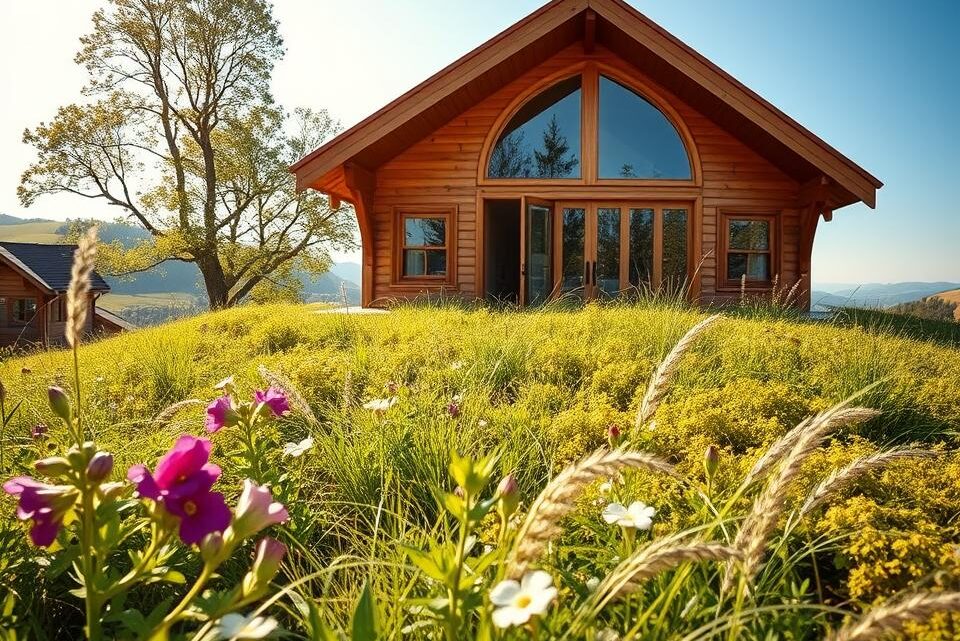
Imagine transforming your garden with an eco-friendly garden building that breathes life into your outdoor space. A green roof on your wooden summerhouse isn’t just a design choice—it’s a revolutionary approach to sustainable living. This innovative solution combines the warmth of traditional timber structures with the natural beauty of a living roof, creating a harmonious sanctuary that connects you directly with nature.
Your summerhouse can become more than just a simple garden retreat. With a sedum roof, you’ll unlock a world of environmental benefits that extend far beyond typical garden buildings. From enhancing biodiversity to improving your property’s thermal efficiency, a green roof represents a smart investment in both your home and the local ecosystem.
Sustainable design meets practical functionality in this cutting-edge approach to garden architecture. By embracing the living roof concept, you’ll create a stunning feature that not only looks beautiful but actively contributes to environmental preservation.
Inhaltsverzeichnis
Key Takeaways
- Transform your wooden summerhouse into an eco-friendly garden feature
- Enhance local biodiversity with a natural green roof system
- Improve thermal insulation and reduce energy consumption
- Create a visually stunning garden architectural element
- Support sustainable living practices
What Is a Green Roof and Why Consider It for Your Wooden Summerhouse?
Green roofs represent an innovative approach to sustainable architecture, transforming ordinary rooftops into vibrant living ecosystems. These living roof systems offer a unique solution for wooden summerhouses, blending functionality with natural beauty.
Exploring the world of living roof systems reveals two primary green roof types that can elevate your summerhouse:
- Extensive green roof: A lightweight option perfect for smaller structures
- Intensive green roof: A more complex system supporting diverse plant life
Understanding Living Roof Systems
A typical living roof comprises multiple layers designed to create a thriving plant environment. The sedum blanket serves as an excellent choice for homeowners seeking low-maintenance vegetation that can withstand various weather conditions.
The Perfect Match: Green Roofs and Timber Structures
Wooden summerhouses demonstrate exceptional timber structure compatibility for green roof installations. The natural properties of timber provide an ideal foundation for supporting these eco-friendly roofing solutions.
- Robust structural support
- Natural insulation capabilities
- Aesthetic harmony with plant life
By selecting a green roof, you transform your wooden summerhouse into a living, breathing structure that connects seamlessly with your garden environment.
Transforming Your Garden with an Eco-Friendly Summerhouse Feature

Imagine transforming your garden into a vibrant, sustainable sanctuary that breathes life and environmental consciousness. A green-roofed summerhouse can become the catalyst for a complete garden transformation, turning an ordinary outdoor space into an extraordinary eco-friendly haven.
Your sustainable garden design begins with this innovative green garden building. The living roof becomes more than just an architectural feature—it’s a powerful statement of environmental commitment that ripples through your entire landscape.
“A garden is a living ecosystem, and every choice we make can contribute to its health and vitality.” – Garden Design Expert
- Create wildlife corridors within your biodiversity garden
- Introduce native plant species that support local ecosystems
- Design natural water management features
- Reduce carbon footprint through intelligent garden planning
Environmental garden features like a green roof summerhouse inspire holistic garden redesign. Your outdoor space becomes an interconnected environment that supports local wildlife, reduces environmental impact, and provides year-round visual interest.
| Garden Transformation Element | Environmental Impact |
|---|---|
| Green Roof Summerhouse | Increases biodiversity, improves air quality |
| Native Plant Selection | Supports local wildlife, reduces water consumption |
| Natural Water Features | Enhances ecosystem, promotes water conservation |
By embracing this approach, you’ll create a garden that’s not just beautiful, but meaningful—a living testament to sustainable living that nurtures both environment and spirit.
Enhanced Insulation and Year-Round Temperature Control
Your wooden summerhouse can transform into a thermal sanctuary with a green roof, offering exceptional natural insulation and remarkable temperature regulation. The innovative living roof system provides an intelligent solution for maintaining comfortable indoor environments throughout the changing seasons.
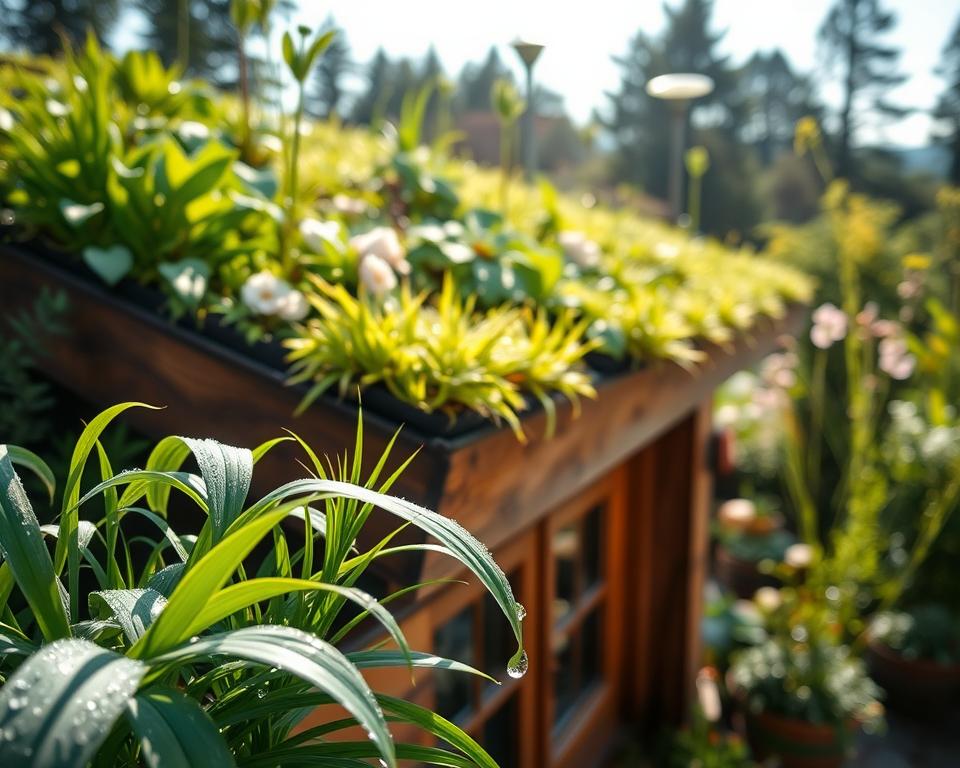
Green roofs revolutionise summerhouse insulation by creating multiple protective layers that actively manage heat retention and cooling effects. The unique composition of vegetation, soil, and plant roots works as a dynamic thermal barrier.
How Vegetation Regulates Indoor Climate
The science behind green roof thermal performance is fascinating. Plants and soil substrate create a sophisticated temperature control system that:
- Absorbs solar radiation during summer
- Provides evaporative cooling through transpiration
- Creates an insulating air pocket between roof layers
- Reduces temperature fluctuations
Reducing Heating and Cooling Costs
By implementing a green roof, you can significantly improve your summerhouse’s energy efficiency. The natural insulation properties can potentially reduce your heating and cooling expenses by creating a stable internal environment.
| Season | Temperature Regulation | Energy Savings Potential |
|---|---|---|
| Summer | Cooling effect reduces indoor temperatures | Up to 25% reduction in cooling costs |
| Winter | Heat retention minimises heat loss | Up to 20% reduction in heating expenses |
Investing in a green roof transforms your summerhouse into an environmentally intelligent space that adapts naturally to external temperature changes while providing substantial economic benefits.
Creating a Wildlife Haven Above Your Summerhouse
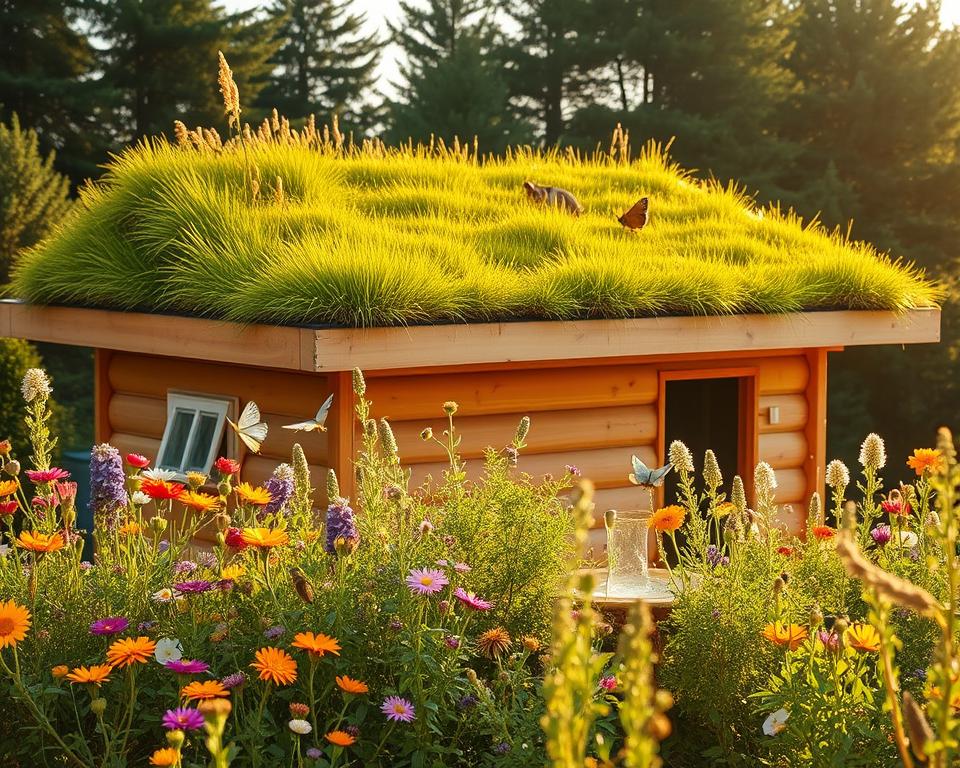
Transform your wooden summerhouse roof into a vibrant wildlife habitat that supports local biodiversity. Your green roof can become a crucial insect sanctuary and pollinator garden, offering a lifeline for urban wildlife in increasingly fragmented landscapes.
By cultivating a thoughtfully designed bee-friendly roof, you create multiple ecological benefits:
- Provide essential nectar sources for pollinators
- Generate nesting opportunities for birds
- Establish micro-ecosystems within urban environments
- Support garden ecology through strategic plant selection
Native wildflowers and sedums are particularly effective in creating a thriving bird habitat. These plants attract diverse insects, which in turn become food sources for local bird populations. Your summerhouse roof transforms from a simple structure into a dynamic wildlife corridor.
| Plant Type | Wildlife Benefit | Seasonal Activity |
|---|---|---|
| Sedum | Bee nectar source | Late summer |
| Wildflower Mix | Butterfly feeding | Spring-autumn |
| Native Grasses | Bird nesting material | Year-round |
Every square metre of green roof contributes to reversing biodiversity decline, making your summerhouse a meaningful conservation project.
Discover the Benefits of a Green Roof on a Wooden Summerhouse
Green roofs transform your wooden summerhouse from a simple garden structure into an eco-friendly marvel that delivers remarkable environmental and practical advantages. By integrating living vegetation onto your roof, you’ll unlock a range of benefits that extend far beyond traditional roofing solutions.

Environmental Advantages You’ll Love
Your green roof becomes a powerful ally in environmental protection. Through carbon sequestration, the vegetation actively captures and stores carbon dioxide, helping to reduce your personal carbon footprint. The plants work tirelessly to improve air quality by filtering pollutants and particulate matter from the surrounding atmosphere.
- Reduces urban heat island effect
- Supports local biodiversity
- Creates ecological connectivity
- Enhances sustainable building practices
“A green roof is not just a roof—it’s a living ecosystem that breathes life into your property.” – Environmental Design Experts
Practical Benefits for Homeowners
Beyond environmental credentials, a green roof offers substantial practical advantages for homeowners. The innovative design can significantly increase your property value by adding a unique, eco-friendly feature that appeals to environmentally conscious buyers. You’ll enjoy enhanced insulation, reduced noise levels, and a visually stunning architectural element.
- Increases property market value
- Provides natural sound insulation
- Improves thermal regulation
- Adds aesthetic appeal to your summerhouse
By choosing a green roof, you’re not compromising between personal comfort and environmental responsibility—you’re embracing a solution that delivers both simultaneously.
Improved Rainwater Management and Drainage Solutions

Your wooden summerhouse with a green roof transforms into a powerful tool for sustainable drainage solutions. Green roofs offer remarkable capabilities in rainwater management, dramatically reducing water runoff and supporting local flood prevention strategies.
The innovative drainage system of a green roof works like a natural sponge, absorbing and filtering rainwater through multiple layers. This process provides significant benefits for water management:
- Stormwater retention of up to 90% during different seasons
- Significant water runoff reduction
- Natural filtration of pollutants from rainwater
- Gradual water release through evapotranspiration
Water absorption capabilities make green roofs an exceptional sustainable drainage solution. By slowing down and reducing water volume, your summerhouse actively contributes to local flood prevention efforts.
| Drainage Characteristic | Green Roof Performance |
|---|---|
| Water Retention | 50-90% depending on design |
| Runoff Reduction | Significant volume decrease |
| Pollutant Filtration | Highly effective natural process |
By implementing a green roof, you’re not just enhancing your summerhouse—you’re participating in a broader water management strategy that supports community resilience against extreme weather events.
Extending the Lifespan of Your Wooden Summerhouse Roof
Protecting your wooden summerhouse requires strategic planning and innovative solutions. A green roof offers an exceptional approach to roof protection and timber preservation that goes beyond traditional roofing methods.

Your summerhouse represents a significant investment, and maintaining its roof longevity is crucial for long-term enjoyment. Green roofing systems provide comprehensive weather resistance that traditional roofing cannot match.
Shielding Against Environmental Challenges
Green roofs act as a natural barrier, offering multiple layers of protection for your wooden structure. The key benefits include:
- Enhanced waterproof membrane protection
- Reduced temperature fluctuations
- Minimised physical damage from external elements
- Prevention of structural stress
UV Ray Protection for Lasting Timber Preservation
Ultraviolet radiation can significantly degrade roofing materials. A green roof provides complete UV protection, effectively shielding your wooden summerhouse from harmful solar exposure.
| Roofing Protection Method | Roof Lifespan Extension |
|---|---|
| Traditional Roof | 10-15 years |
| Green Roof System | 25-40 years |
By investing in a green roof, you’re not just protecting your summerhouse—you’re extending its life and reducing long-term maintenance costs. The natural vegetation acts as a protective shield, ensuring your timber structure remains robust and beautiful for decades.
Aesthetic Appeal: Blending Your Summerhouse into the Landscape
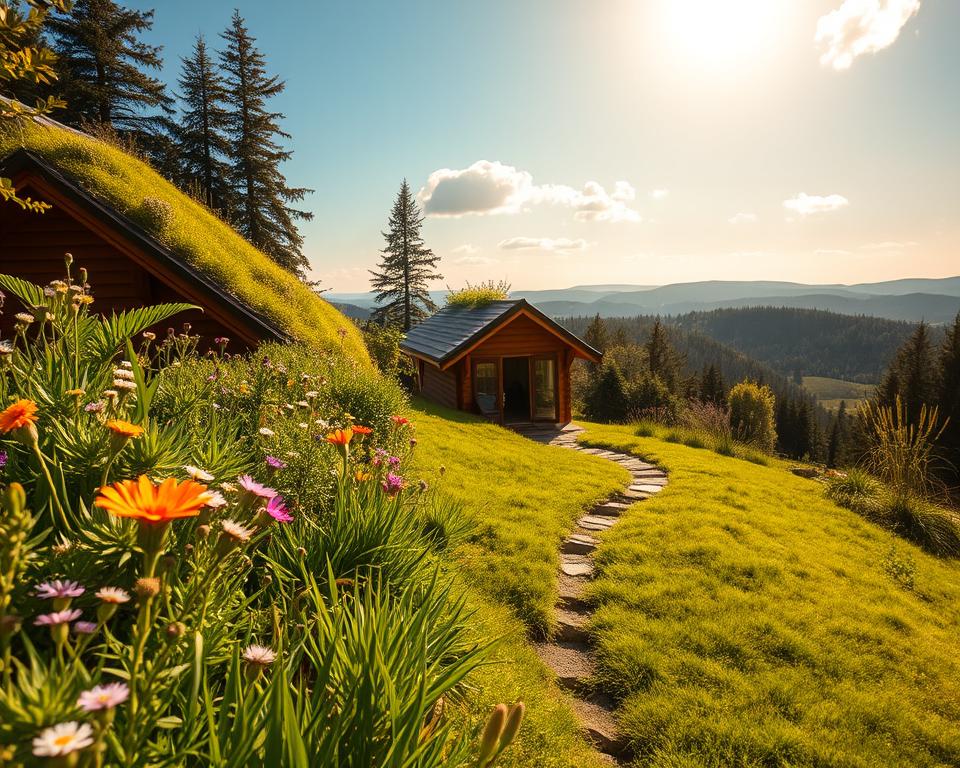
Transform your wooden summerhouse into a breathtaking garden feature that seamlessly integrates with your outdoor space. A green roof offers an extraordinary opportunity to elevate your garden design, creating a natural integration that blurs the lines between architecture and landscape.
Imagine a summerhouse that doesn’t just sit in your garden but becomes part of it. The landscape blending achieved through a living roof turns your structure into a harmonious element that captures the essence of garden aesthetics. Your summerhouse will no longer feel like an imposed object but a natural extension of the surrounding environment.
- Enhance visual appeal with year-round changing vegetation
- Create architectural harmony between built structure and natural landscape
- Enjoy seasonal interest through dynamic plant life
The true magic of a green roof lies in its ability to provide seasonal interest. From spring’s vibrant green shoots to summer’s colourful blooms, autumn’s rich textures, and winter’s sculptural frost-touched vegetation, your summerhouse roof becomes a living canvas that evolves throughout the year.
Viewed from above, your green roof transforms an ordinary roofline into an attractive garden feature. It’s not just about hiding a functional surface—it’s about creating a stunning focal point that enhances your entire garden’s aesthetic appeal.
Installation Considerations and Structural Requirements
Transforming your wooden summerhouse with a green roof requires careful planning and understanding of key structural requirements. Your journey to creating an eco-friendly rooftop garden begins with a thorough structural assessment that ensures safety and long-term success.
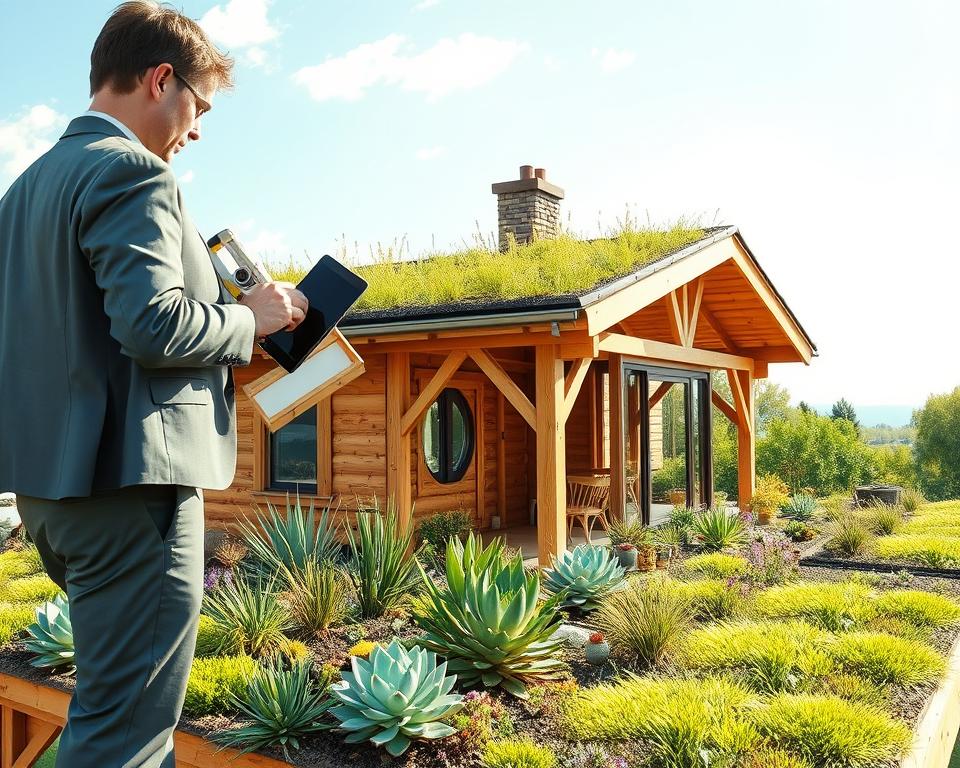
Before diving into your green roof project, you’ll need to evaluate several critical factors:
- Roof pitch: Ideal range between 2-30 degrees for optimal green roof performance
- Load-bearing capacity of your existing summerhouse structure
- Current condition of roofing materials
- Waterproofing and drainage considerations
Assessing Your Summerhouse’s Structural Integrity
Your wooden summerhouse must be capable of supporting the additional weight of a green roof system. Extensive green roofs typically weigh between 60-150 kg per square metre when fully saturated. Professional installation experts can help you determine whether your existing structure requires reinforcement.
Choosing the Right Green Roof System
Selecting an appropriate green roof type depends on your specific requirements and skills. You have several options for installation:
- Pre-grown sedum matting (quick installation)
- Modular sedum trays (easy replacement)
- Plug planting (cost-effective, requires patience)
For smaller summerhouses, a DIY green roof installation can be a rewarding project. Professional installation remains recommended for complex or larger structures to ensure proper implementation of waterproof membranes, root barriers, and drainage layers.
Maintenance Tips for a Thriving Green Roof
Maintaining your green roof is surprisingly straightforward. With the right approach, your low-maintenance roof can remain vibrant and healthy with minimal effort. Sedum care is particularly simple, making these robust plants an excellent choice for your wooden summerhouse’s living roof.

Your seasonal care routine should focus on a few key areas of green roof maintenance:
- Conduct roof inspections twice annually (spring and autumn)
- Remove debris and check drainage systems
- Perform light weeding to prevent unwanted plant growth
- Monitor plant health and substrate condition
Irrigation requirements are minimal for established green roofs. During the first growing season, you’ll need to water more frequently. Once plants develop strong root systems, natural rainfall typically suffices. Only during extended dry periods will additional watering be necessary.
Sedum care is particularly straightforward. These resilient plants create a dense mat that naturally suppresses weeds and requires minimal intervention. Your plant care strategy should focus on maintaining a healthy, uniform coverage across the roof surface.
A well-established green roof is a self-sustaining ecosystem that demands little attention while delivering significant environmental benefits.
By following these simple maintenance guidelines, you’ll ensure your green roof remains a beautiful, functional feature of your wooden summerhouse for years to come.
Conclusion
Embracing a green roof for your wooden summerhouse represents a transformative eco-friendly choice that extends far beyond simple garden enhancement. Your sustainable future starts with this remarkable green roof investment, which promises to revolutionise both your outdoor space and environmental impact.
By selecting a living roof system, you’re not just improving a single structure—you’re participating in a broader movement of responsible ecological design. The summerhouse enhancement brings multiple benefits: improved thermal regulation, extended roof durability, wildlife support, and stunning landscape integration. Each green roof becomes a personal statement about your commitment to sustainable living.
Your garden transformation through this innovative approach will yield long-term rewards. The initial investment provides aesthetic pleasure, environmental protection, and personal satisfaction. As your green roof matures, it will continue to develop, becoming an increasingly valuable feature that supports local ecosystems and reduces your carbon footprint.
The time is right to reimagine your outdoor space. Your green roof journey represents an inspired pathway towards creating a more sustainable, beautiful environment—one summerhouse at a time. Start exploring your options, consult local experts, and take that first step towards a greener, more vibrant future.
FAQ
What exactly is a green roof for a wooden summerhouse?
A green roof is an innovative ecological system that transforms your summerhouse roof into a living, breathing landscape. It consists of multiple layers including waterproofing membranes, root barriers, drainage systems, growing medium, and carefully selected vegetation like sedum and native wildflowers. This living roof turns your ordinary summerhouse into an extraordinary, environmentally-responsive structure that seamlessly integrates with your garden’s ecosystem.
How much weight can a wooden summerhouse support for a green roof?
Typically, an extensive green roof weighs between 60-150 kg per square metre when fully saturated. Most quality wooden summerhouses are designed to accommodate this additional load, especially if they’re constructed with robust timber frames. However, it’s crucial to have a professional assess your specific summerhouse’s structural integrity and load-bearing capacity before installation.
Will a green roof increase my property’s value?
Absolutely! A green roof can significantly enhance your property’s market value by demonstrating environmental consciousness and adding a unique, attractive feature. UK homebuyers are increasingly interested in sustainable properties, and a well-designed green roof signals both ecological commitment and aesthetic sophistication.
How does a green roof help manage rainwater?
Green roofs are exceptional at managing rainwater, capable of absorbing 50-90% of rainfall depending on the season. The growing medium acts like a natural sponge, temporarily storing water and releasing it gradually through evapotranspiration. This process reduces runoff, alleviates drainage system pressure, and helps mitigate localised flooding risks.
What maintenance does a green roof require?
Green roofs, especially those with sedum and native plants, are remarkably low-maintenance. You’ll need bi-annual inspections in spring and autumn to check plant health, remove debris, and ensure drainage outlets remain clear. Initially, you might need to water during the first growing season, but established roofs are largely self-sustaining.
Can a green roof improve my summerhouse’s insulation?
Definitely! The multiple layers of a green roof provide exceptional thermal regulation. In summer, plant evapotranspiration creates a natural cooling effect, potentially reducing internal temperatures. In winter, the vegetation and substrate act as an insulating blanket, helping retain warmth and potentially reducing your energy consumption.
What wildlife benefits does a green roof provide?
Your green roof becomes a vital wildlife sanctuary, especially in urban and suburban areas. It provides nectar sources for pollinators like bees and butterflies, creates habitats for insects, and offers perching and nesting opportunities for birds. By installing a green roof, you’re contributing to local biodiversity and creating an ecological corridor.
How long will a green roof extend my summerhouse’s roof lifespan?
A green roof can potentially double or triple your roof’s lifespan by providing complete protection against UV radiation, temperature fluctuations, and physical damage. The vegetation and substrate layers shield the underlying waterproof membrane, reducing material degradation and minimising maintenance requirements.