Downsides of Plastic Sheds – What to Consider
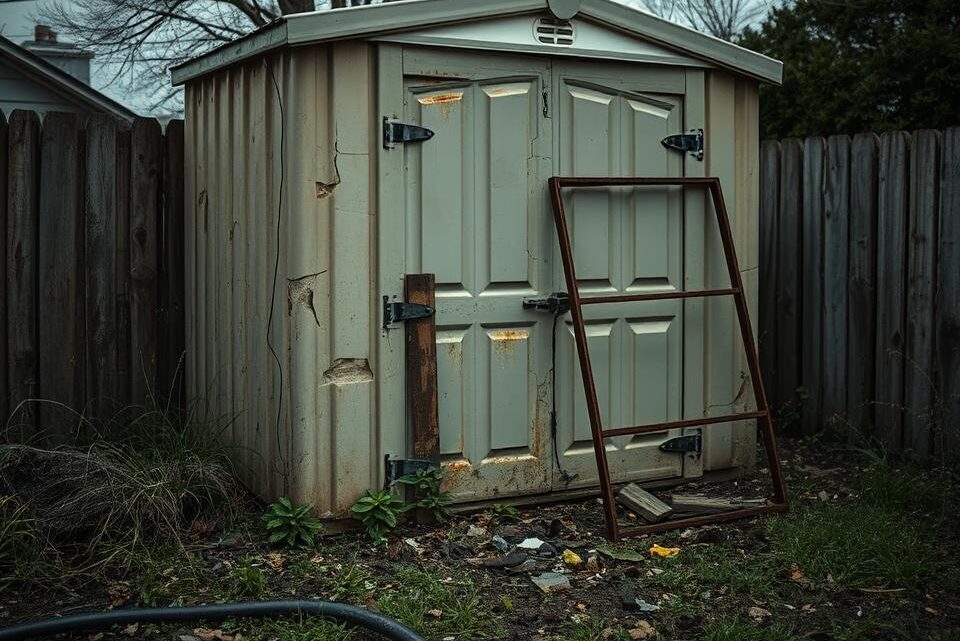
Plastic sheds, often sold as resin, PVC or polymer units by retailers like B&Q, Wickes and Homebase and brands such as Keter and Duramax, are a common choice for UK gardens. Their appeal is clear: low initial cost, minimal upkeep and quick assembly. Yet many buyers ask a simple but vital question — what is the disadvantage of a plastic shed?
This article examines plastic shed disadvantages for UK homeowners who need reliable garden storage. It looks beyond marketing claims to explore practical, aesthetic, environmental and financial drawbacks. Alongside each downside we outline mitigation options so you can weigh trade-offs.
We cover short-term versus long-term drawbacks and everyday plastic storage shed problems. The piece then moves into durability, structural strength, thermal and condensation behaviour, appearance and fading, environmental impact, security concerns and maintenance costs. Finally, a conclusion will help you decide when a plastic shed is — or isn’t — the right choice for your garden and budget.
Inhaltsverzeichnis
Key Takeaways
- Plastic garden sheds offer low cost and low maintenance but have notable trade-offs.
- Common concerns include durability, UV fading and thermal performance.
- Security and load-bearing limits can be an issue in exposed UK locations.
- Environmental impact and recycling present longer-term challenges.
- This article gives balanced, evidence-based guidance for UK homeowners.
What is the disadvantage of a plastic shed?
Plastic garden buildings promise low maintenance and quick assembly. Many retailers and product leaflets pitch them as weatherproof, rot‑free storage. That appeal hides trade‑offs buyers should weigh before purchase.
Short-term drawbacks
Assembly is typically simple, but that speed can mask a lack of permanence. Panels may flex on windy days. Doors and fittings sometimes misalign after a few uses. New owners regularly report rattling in gusts and minor leaks at joins soon after installation.
Long-term drawbacks
Exposure to UV and repeated temperature swings causes fading, chalking and eventual brittleness. Over years, panels can warp or crack, reducing structural integrity. These issues increase the chance of replacement sooner than with some timber or metal options. Warranties from major retailers like Wickes or B&Q often highlight low maintenance, while noting limitations under extreme exposure.
Common complaints from UK homeowners
Condensation and damp are frequent irritants even when the exterior sheds rain. Softer plastic panels make forced entry easier, so theft and security worries arise more often than with heavier materials. Aesthetic ageing is another gripe: faded surfaces and surface chalking spoil garden appearance for many users.
How disadvantages compare with other materials
Plastic shed pros and cons sit clearly against timber and metal choices. Timber can be stronger and easier to repair, with paint and stain options for customisation. Timber needs ongoing treatment to avoid rot and may require more upkeep.
Steel and aluminium offer superior load capacity and fire resistance. They resist many impacts that split plastic, but ungalvanised steel can rust and dents are visible after strikes.
A concise comparison helps clarify plastic vs wooden shed disadvantages. Plastic excels at rot resistance and low cleaning needs. Wood wins for strength, repairability and classic looks. Metal leads on load‑bearing and security in many cases.
| Factor | Plastic | Timber | Metal (steel/aluminium) |
|---|---|---|---|
| Initial cost | Low to medium | Medium to high | Medium to high |
| Maintenance | Low (cleaning, check seals) | Regular staining/painting, rot checks | Occasional rust checks, repaint if needed |
| Durability in UK weather | Moderate; UV and cold can cause cracking | High with treatment; can rot if neglected | High; galvanised resists corrosion |
| Security | Lower; panels easier to breach | Good; solid construction can be reinforced | Very good; strong panels and locks |
| Repairability | Limited; panel replacement needed | High; patching and part replacement simple | Moderate; dents are hard to fix |
| Appearance and customisation | Limited styles and colours | Highly customisable | Moderate; painted or powder‑coated options |
| Typical warranty notes | Often 10–15 years with caveats on UV/exposure | Varies; dependent on treatment and supplier | Often long for galvanised products, excludes impact |
Durability concerns and lifespan of plastic sheds
Plastic garden buildings are popular for low maintenance and quick assembly. Time and exposure shape how long they remain useful. Owners should know what short- and long-term forces affect resin shed durability and what to watch for as the structure ages.
Effects of UV exposure and weathering
Prolonged sunlight breaks polymer chains, causing colour fade and surface chalking. UV damage plastic sheds often show loss of flexibility and increased brittleness in panels.
Freeze–thaw cycles, wind-driven debris and hail add physical stress. Thermal expansion and contraction can loosen fixings, while salt-laden coastal air speeds surface breakdown.
Typical lifespan estimates in UK climates
Well-made resin sheds with regular upkeep commonly last between eight and twenty years. Exposure, build quality and use determine where a unit falls within that range.
Lower-end models may show serious deterioration within five to eight years. By comparison, treated timber and galvanised steel often offer longer service lives when maintained.
Signs your plastic shed is nearing end of life
- Visible cracks or splits in panels and brittle, crumbling edges.
- Doors that no longer align and persistent leaks at seams.
- Warped or bowed roofs and internal condensation causing mould or rust on stored items.
- Increasing repair frequency and difficulty sourcing matching replacement panels.
Spotting these issues early helps assess whether repair or replacement is the sensible choice for extending plastic shed lifespan and protecting stored goods.
Structural strength and load-bearing limitations
Plastic sheds suit light garden storage but have clear limits when weather turns severe or loads increase. Understanding plastic shed strength helps owners choose the right model and avoid damage from snow, wind or impacts.
Resistance to heavy snow, high winds and impacts
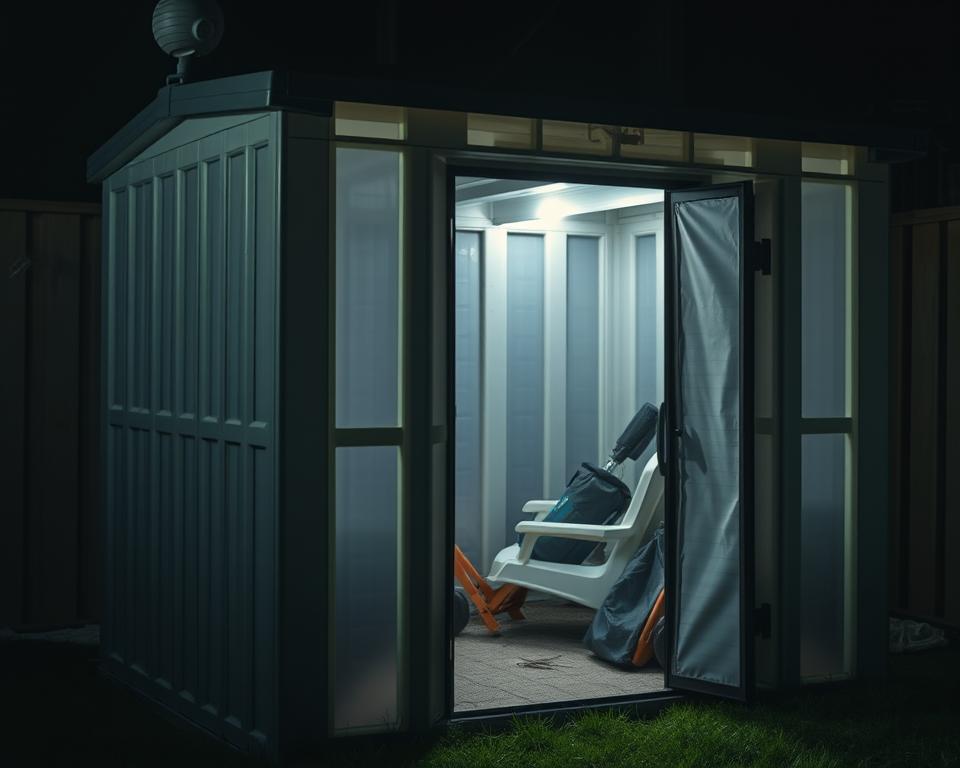
Most resin models are engineered for light to moderate snow and wind. Heavy snowfall can pile on flat or shallow-pitched roofs and cause deflection or collapse on lower-specification units.
Strong gusts may lift or distort panels if the shed sits on an inadequate base or lacks proper anchoring. Thin walls are prone to puncture from falling branches, lawnmower bumps or accidental impacts.
Why garage-quality storage differs from garden sheds
Garage-grade buildings for cars and heavy equipment use thicker walls, robust steel or timber framing and reinforced roofs. That structural approach yields a load-bearing resin shed effect only when materials and connections match garage standards.
By contrast, many plastic garden sheds omit an internal frame and depend on interlocking panels for rigidity. This makes them unsuitable for heavy machinery, vehicle storage or high shelving loads.
Reinforcement options and their effectiveness
You can reinforce plastic shed performance by adding an internal timber frame or a lightweight steel frame. Treated timber studs tied into corners and roof supports significantly boost stiffness and improve plastic shed strength.
A solid base such as a concrete slab or a reinforced timber foundation reduces movement and makes anchoring more secure. Roof reinforcement kits offered by some manufacturers raise load capacity for modest snow pressures.
Retrofit work must use compatible fixings and follow manufacturer guidance from Keter, Suncast or similar brands. Improper modification can void warranties and reduce long-term reliability when owners try to reinforce plastic shed elements without correct fastenings.
Thermal performance and condensation issues
Plastic sheds behave differently to timber or metal buildings when it comes to heat and moisture. Their low thermal mass means they warm rapidly in direct sun and cool down just as fast on cold nights. This cycling can stress joints and fastenings and change the feel of the interior within hours.
How plastic sheds heat up and cool down
Thin plastic panels absorb solar radiation and conduct that heat into the interior. On a warm day the internal temperature can be several degrees higher than outside. In winter the panels lose heat quickly, making the space colder and more prone to becoming brittle. Rapid temperature swings accelerate ageing of locks, hinges and seals.
Condensation causes and prevention strategies
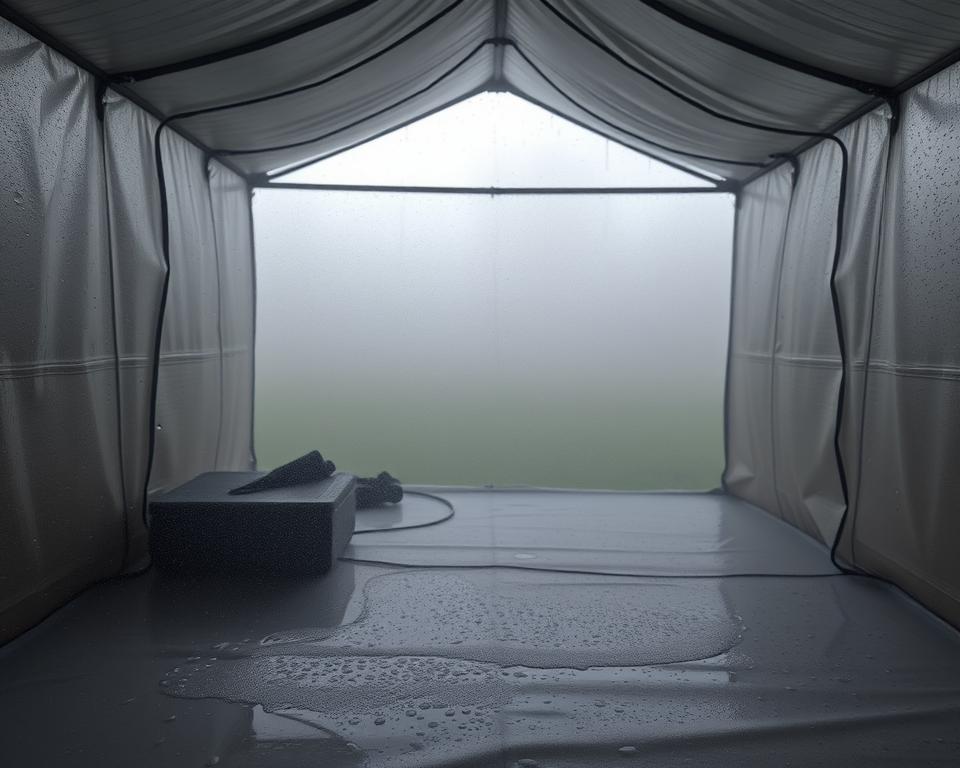
Condensation in plastic shed occurs when warm, humid air meets cooler surfaces and releases moisture. Common triggers include wet tools, compost bags, drying laundry and poor ventilation. A tightly sealed unit traps moisture and raises relative humidity.
Practical measures reduce damp. Improve plastic shed ventilation with roof vents, louvres or a simple trickle vent. Allow airflow behind stored items by using raised shelving and breathable liners. For enclosed or valuable items use silica gel, small dehumidifiers or a vapour-permeable insulation such as a thermal insulation resin shed lining where suitable. Avoid sealing the building so completely that any moisture has no exit path.
Impact on stored items and tools
Persistent damp produces rust on steel tools, mould on fabrics and rot in timber items kept inside. Paint finishes can blister and electrical devices risk corrosion. Homeowners storing garden power tools or antique hand tools should assess whether a timber shed with internal lining or a dedicated insulated outbuilding offers better protection.
| Issue | How it appears | Simple mitigation |
|---|---|---|
| Rapid internal heating | High daytime temperatures, warping of plastics | Install vents and reflective roof panels |
| Night-time cooling | Condensation on walls and roof, brittle panels | Use breathable insulation and raised shelving |
| Trapped moisture | Mould on fabrics, rust on metal tools | Improve plastic shed ventilation; use desiccants |
| Thermal cycling stress | Loose fastenings, degraded seals | Regular checks and reinforced fixings |
| Storage of valuables | Damage to electronics and paintwork | Consider a thermal insulation resin shed or alternative insulated outbuilding |
Aesthetic limitations and fading over time
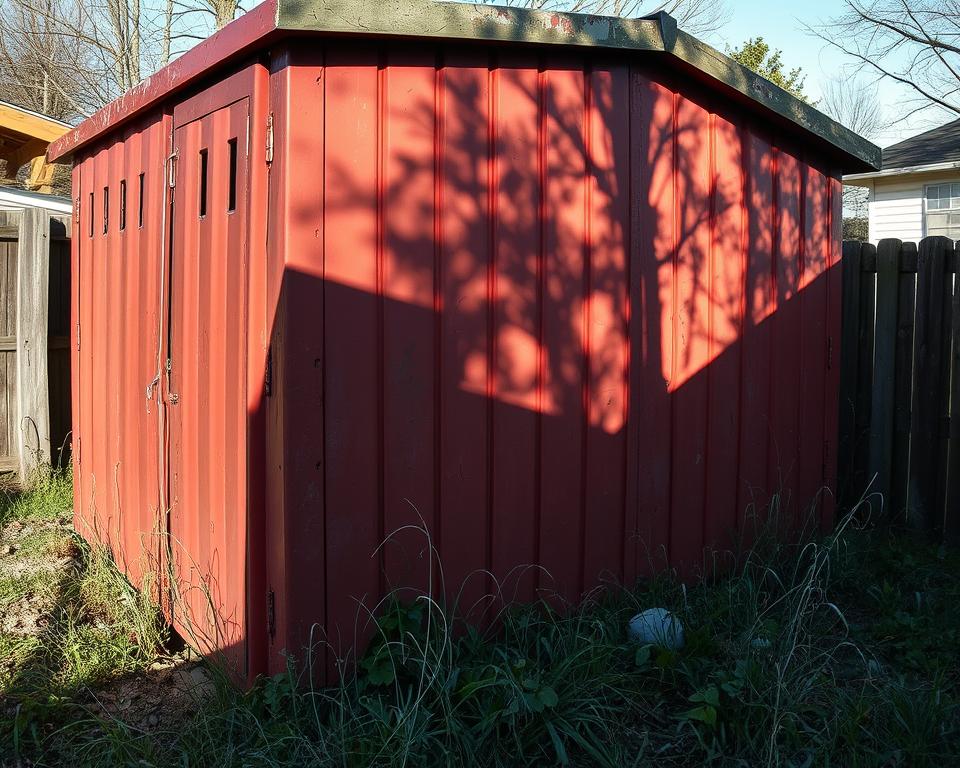
Plastic garden buildings come with neat benefits, yet their look can age faster than timber. UV exposure and surface chalking lead to plastic shed fading and a dull, powdery finish that shows scratches and dirt more clearly. Owners often notice a loss of colour depth after just a few summers in exposed sites.
Colour fading and surface degradation
Sunlight alters pigments and raises albedo, so panels reflect light differently as they age. Small abrasions and bird droppings speed the process. Soft washes with non-abrasive detergent and a soft brush remove chalking without roughening the surface.
Limited design and customisation options
Unlike timber, plastic panels cannot be planed or stained, which restricts resin shed customisation. Door sizes and heavy shelving are harder to adapt without factory kits. Mainstream brands such as Keter and Lifetime offer standard styles, so architectural variety is limited compared with wooden or metal alternatives.
Ways to improve appearance without voiding warranty
Gentle cleaning and using manufacturer-approved paints are safe routes. Before you paint plastic shed panels, check warranty rules from the maker. Specialist acrylic primers and flexible exterior paints can work on some models. Breathable timber cladding or composite battens give a warmer look and protect against UV, but may need pro fitting.
| Issue | Small steps | When to consult manufacturer |
|---|---|---|
| Surface chalking | Soft brush and mild detergent; rinse with low-pressure hose | If chalking returns quickly or surface feels powdery after cleaning |
| Fading colour | Use approved primer and exterior paint; test on hidden panel first | Before painting, check warranty and product guidance from Keter, Lifetime or similar |
| Scratches and marks | Light polish with plastic-safe product; conceal with cladding or trellis | For deep cracks or structural damage affecting doors or panels |
| Desire for timber look | Attach breathable battens or cladding; add trellis and climbing plants | If cladding requires drilling through load-bearing panels |
Environmental impact and recyclability concerns
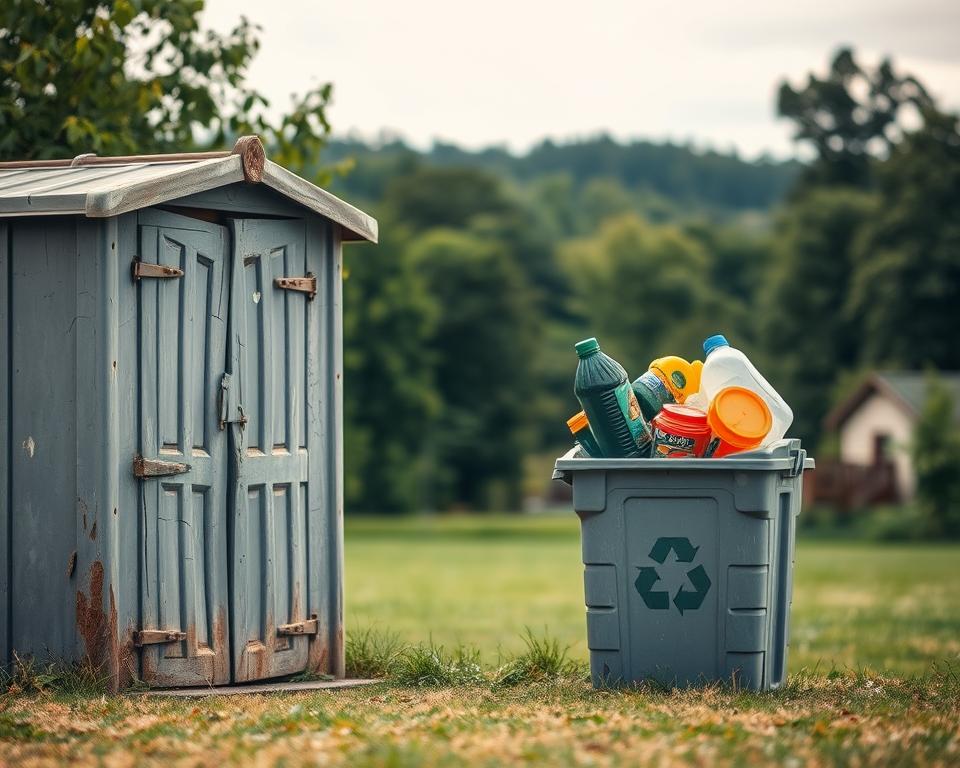
Plastic garden buildings have become common for UK yards. They offer low maintenance and quick assembly. Buyers should weigh the production footprint and what happens at end of life when choosing a store or workshop solution.
Production footprint of plastic sheds
Most plastic sheds are injection-moulded from polypropylene, polyethylene or PVC compounds. These plastics come from fossil fuels and demand significant energy during manufacture. Additives such as UV stabilisers and colourants lengthen product life but complicate recycling streams.
Recycling challenges and end-of-life disposal
Consumers often ask: are plastic sheds recyclable? Mixed plastics and composite panels rarely fit standard municipal streams. Local councils sometimes accept bulky waste, yet many sheds end up in landfill or with energy-from-waste processing. A few manufacturers run take-back or trade-in schemes. Specialist recyclers can accept large items but availability varies across the UK.
Sustainable alternatives and eco-friendly practices
Consider timber from Forest Stewardship Council (FSC) certified suppliers. Wood has lower embodied energy and is biodegradable when untreated. Galvanised steel with high recycled content can be reclaimed and recycled many times despite a high initial production cost. For lower impact, seek products with recycled content or modular designs that allow repair.
Practical steps cut environmental harm: maintain fittings to extend service life, buy from brands that supply spare parts, dismantle structures at disposal to separate metals and plastics, and choose reclaimed timber or living green-roof systems where suitable. These choices reduce resin shed environmental impact and expand eco-friendly garden shed alternatives for greener gardens.
| Aspect | Plastic shed | Timber shed (FSC) | Steel shed |
|---|---|---|---|
| Primary materials | Polypropylene, polyethylene, PVC | FSC-certified timber | Galvanised steel with recycled content |
| Embodied energy | Moderate to high; fossil-fuel derived | Lower; renewable source | High; energy-intensive smelting |
| Recyclability | Challenging; dependent on local facilities | Biodegradable; recyclable as wood | Highly recyclable; metals separated easily |
| Typical end-of-life route | Landfill or energy-from-waste; specialist recycling possible | Reuse, composting, or controlled disposal | Reprocessing into new steel products |
| Ways to reduce impact | Choose recycled content; repair and dismantle for separation | Use reclaimed timber; treat with low-toxicity preservatives | Buy high recycled content; design for disassembly |
Security and theft vulnerability
Lightweight construction gives plastic sheds many benefits. Theft risk rises where panels, fixings and simple locks make access easy for opportunist thieves. Homeowners must weigh convenience against sensible security measures to protect tools, bikes and power equipment.

Typical locking mechanisms and their weaknesses
Many manufacturers fit basic hasp-and-padlock setups or internal latch systems. These rely on plastic fixings or thin screws. A stout hammer or a strong pair of tin snips can defeat cheap fittings. Even if hinges sit inside, the surrounding plastic can be prised away to expose the fastenings. Ask whether plastic shed locks meet recognised standards before relying on them.
How determined intruders exploit plastic panels
Intruders use cutting tools, crowbars or blunt force to breach panels where support is weak. Doors can be forced where frames lack metal reinforcement. Opportunists target items that are easy to grab and remove through a small opening. Visible clutter and poor site lighting make a shed more attractive to thieves.
Upgrades and security best practice for UK gardens
Fit a heavy-duty padlock with a shrouded hasp to reduce exposure to bolt cutters. Replace vulnerable plastic fixings with stainless-steel or metal-sheathed alternatives, but check the warranty terms first. Bolt the shed to a prepared concrete or timber base using ground anchors to hinder removal.
Consider adding an internal steel bar or a simple timber and metal frame to brace doors and panels. Motion-sensor lighting, a CCTV camera or a convincing dummy camera improve deterrence. Position the shed where it is visible from the house or a neighbour’s window.
Register high-value items such as bicycles with Immobilise and record serial numbers. Check your home insurer’s outbuilding requirements to ensure items are covered. Taking layered precautions will make a secure resin shed UK far less attractive to thieves and raise the effectiveness of plastic shed locks.
Maintenance requirements and hidden costs
Every plastic outbuilding needs care to stay watertight and secure. Regular attention cuts the chance of sudden failure and spreads costs over time. Below are practical tasks and cost points to expect.
The basic routine includes gentle cleaning to remove algae, moss and surface chalking. Use a soft brush and mild detergent, rinse well, and avoid pressure washers that can lift panels or remove protective finishes. Inspect seals, fastenings and door hinges at least once a year. Replace worn weatherstrips and lubricate moving parts to preserve watertightness and ease of use.
Clear gutters and remove overhanging branches to prevent trapped moisture and impact damage. Check the base for rot or movement if the shed sits on timber; upgrade to a concrete or treated timber base where needed. These foundation improvements add to upfront costs but reduce long-term repair bills.
Minor fixes such as new door seals, replacement fasteners or resealing joints are usually inexpensive and simple for DIYers. Replacement panels and roof sections can be costly. Some discontinued models lack spare parts, which forces bespoke resin shed repairs or full-unit replacement in extreme cases.
Professional work, such as frame reinforcement or specialist bonding of cracked panels, raises costs further. If storm damage or a heavy impact affects structural integrity, the most economical outcome may be a full replacement for lower-cost sheds rather than repeated patch repairs.
Warranty terms vary widely between makes. Premium brands like Keter often offer extended cover for structural failure, yet many warranties exclude damage from extreme weather, poor installation, unauthorised modifications or unsuitable bases. Check the plastic shed warranty UK details before purchase to understand exclusions and required maintenance steps.
Hidden costs appear beyond repairs and warranties. Anchoring hardware, upgraded foundations, and insurance premium increases for storing valuable tools are common. Factor these into lifetime costs to compare options fairly and decide whether routine plastic shed maintenance or occasional resin shed repairs will suit your budget.
Conclusion
This disadvantages plastic shed summary highlights the main trade-offs: plastic sheds are prone to UV degradation and weathering, offer limited structural strength against heavy snow or impact, and can suffer from condensation and thermal issues that affect moisture-sensitive items. Aesthetic ageing and fading are common, and environmental concerns around production and recycling persist. Security weaknesses and potential hidden costs for repairs or replacement parts round out the key drawbacks to weigh up.
That said, should I buy a plastic shed depends on your needs. For light garden storage, potting equipment and seasonal items, a resin shed remains an attractive choice for many UK households because it is low maintenance, rot‑proof and easy to assemble. If you ask is a resin shed right for me, consider whether you need long-term heavy-duty storage, high security or a controlled interior environment; in those cases timber or galvanised steel may be better.
Practical next steps: assess intended use, siting and local climate; pick a reputable brand with spare-part support and clear warranty terms; lay a proper base and anchor the building; and add simple upgrades such as internal reinforcement, improved ventilation and stronger locks. Finally, plan for end-of-life disposal or recycling to reduce environmental impact and ensure informed, long-term value from your choice.
FAQ
What is the main disadvantage of a plastic (resin) shed for UK homeowners?
Plastic sheds offer low maintenance and easy assembly, but their chief disadvantages are reduced long-term durability and lower structural strength compared with timber or steel. Over years they can suffer UV degradation, fading, brittleness and warping, which may lead to cracking, leaking seams and the need for replacement sooner than a well-maintained wooden or metal outbuilding. They also tend to perform poorly under heavy snow loads or severe wind unless reinforced.
How long do plastic sheds typically last in UK climates?
Lifespan varies by quality and exposure. A well-made resin shed from reputable brands such as Keter can last 8–20 years with appropriate care. Lower-end models may show significant deterioration within 5–8 years, especially in coastal or exposed sites where salt, UV and driving rain accelerate wear.
Are plastic sheds suitable for storing valuable tools, bicycles or machinery?
For low-value garden tools and seasonal items they are generally suitable. For high-value bicycles, power tools or heavy machinery, plastic sheds are less ideal because panels can be cut or forced more easily than timber or steel. For such items you should consider a timber shed with secure framing or a steel garage, or reinforce a plastic shed with an internal timber or metal frame and robust locks.
Do plastic sheds suffer from condensation and what can I do about it?
Yes. Plastic sheds often experience condensation when warm, moist air meets cooler plastic surfaces. To reduce condensation, improve passive ventilation (louvers or vents), elevate shelving to allow airflow, dry wet equipment before storing, use desiccants or small dehumidifiers and avoid sealing the shed so tightly that moisture cannot escape. Lining and breathable insulation can help when storing moisture-sensitive items.
How resistant are plastic sheds to wind, snow and impact?
Most garden-specification plastic sheds are rated for light to moderate wind and snow loads only. Heavy snowfall can overload roofs and strong winds can lift inadequately anchored units. Thin panels are vulnerable to impact from branches or tools. Strength increases markedly with a proper base and internal reinforcement, but retrofits may void warranties if not done according to manufacturer guidance.
Can I paint or customise a plastic shed to improve appearance?
Customisation options are limited compared with timber. Gentle cleaning and using manufacturer-approved paints or cladding can improve appearance, but avoid aggressive solvents, high-pressure washing on seams or sanding. Some brands permit specific paints or timber cladding—check warranty terms first. Lightweight additions like trellis or climbing plants can soften the look without altering the panels.
What are the common signs that my plastic shed is nearing the end of its useful life?
Look for visible cracks or splits in panels, crumbling or brittle edges, doors that no longer align, persistent leaks at seams, warped or bowed roofs, and internal condensation causing mould or rust. Increasing repair frequency and difficulty sourcing spare panels are further signs that replacement may be more economical.
How environmentally friendly are plastic sheds and what are the disposal options?
Plastic sheds are typically made from polypropylene, polyethylene or PVC and have a production footprint tied to fossil-fuel feedstocks and energy-intensive manufacturing. Mixed plastics and additives complicate recycling. Some manufacturers and private recyclers offer take-back schemes, but many end-of-life routes in the UK are landfill or energy-from-waste. Choosing products with recycled content, extending service life and dismantling to separate materials improves environmental outcomes.
Are warranties on plastic sheds reliable and what do they usually cover?
Warranties vary by retailer and brand. Premium models may offer 10–15 year structural guarantees, but terms commonly exclude damage from extreme weather, improper installation, modifications or inadequate bases. Spare-part availability is better with established brands like Keter, while discount models may lack long-term support. Always read warranty exclusions before purchase.
How can I improve the security of a plastic shed?
Enhance security by fitting a stout padlock with a protected hasp, anchoring the shed to a solid base, replacing vulnerable plastic fixings with metal-sheathed fixings where warranty allows, adding an internal timber or metal frame, and using motion-sensor lighting or CCTV. Keep the shed within sight lines from the house or neighbours and register high-value items. Insurance for outbuildings may require specific security measures—check your policy.
What hidden costs should I expect beyond the purchase price?
Hidden costs can include a proper base (concrete slab or reinforced timber foundation), anchoring hardware, routine maintenance (cleaning, seal replacement), repairs or replacement panels, and security upgrades. If spare parts are unavailable, full replacement may be needed. Insurance premiums and repair bills after storm damage are further potential expenses.
Can I reinforce a plastic shed to make it more durable and load-bearing?
Yes—adding an internal treated timber or metal frame, fitting a stronger foundation and using roof reinforcement kits can substantially increase rigidity and load capacity. Effectiveness depends on correct installation and compatible fixings. Note that some modifications may void the manufacturer’s warranty, so consult product manuals or brands such as Keter or Duramax before proceeding.
How do plastic sheds compare with timber and metal alternatives?
Plastic excels for low maintenance, rot resistance and ease of assembly. Timber offers superior strength, customisation and repairability but requires regular treatment and is susceptible to rot if neglected. Steel and aluminium provide high strength, fire resistance and longevity but can dent and corrode if not galvanised or maintained. Choice depends on intended use, budget, security needs and willingness to maintain the structure.
Are there recommendations for siting and foundation to prolong a plastic shed’s life?
Sit the shed in a sheltered, well-drained location away from overhanging trees that can drop debris or abrade panels. Use a solid, level base such as a concrete slab or reinforced timber foundation to prevent ground movement and improve anchoring. Ensure airflow around the shed to reduce condensation and avoid contact with soil to minimise abrasive damp and salt exposure in coastal areas.
What should I consider when choosing a brand or retailer in the UK?
Choose reputable retailers such as B&Q, Wickes or Homebase and established brands like Keter or Duramax that offer clear warranty terms and spare-part support. Compare material specifications, UV stabilisation, available reinforcement options and reviews from UK customers about performance in local weather. Confirm delivery, installation guidance and after-sales support before purchase.