Efficient Shed Heaters for Cosy Workspaces

A shed heater brings controlled warmth to outbuildings used as workshops, hobby rooms, home offices or storage. For many UK homeowners and hobbyists, a reliable workshop heater transforms a chilly timber or metal shed into a usable space through autumn and winter. This article explains what shed heating solutions do, why they matter and how to choose efficient shed heaters that suit British climates and common shed constructions.
Typical UK sheds range from lightweight timber garden buildings to insulated composite workshops. Seasonal temperatures and draughts make cosy workspace heating essential for comfort and productivity. Choosing the right shed heater depends on use, insulation, safety and running costs, whether you prefer an electric fan heater, oil-filled radiator, infrared panel or a fuel option for larger spaces.
In the sections that follow, expect practical guidance on why the right heater matters, the technologies available, sizing and heat output, energy-efficient features, safe installation, maintenance and running cost comparisons. The guide concludes with top product suggestions for UK buyers and simple measures to improve heat retention beyond the heater itself.
Inhaltsverzeichnis
Key Takeaways
- Shed heating solutions make sheds usable year-round for DIY, gardening or remote work.
- Select a workshop heater based on shed size, construction and intended use.
- Efficient shed heaters cut running costs and improve comfort in typical UK conditions.
- Safety, insulation and placement are as important as the heater type.
- This guide covers technology, sizing, installation, maintenance and UK model recommendations.
Why choosing the right shed heater matters for your workspace
Picking the correct heater shapes how you use the shed. A well-chosen unit keeps tools and timber dry, lowers condensation and makes the space comfortable for longer. That protects valuables and extends the life of equipment while improving productivity in heated shed environments.
Comfort is more than warmth. Occupational health guidance shows that steady ambient temperatures reduce fatigue and errors and help manual dexterity. For short tasks, targeted infrared or panel heaters give instant spot warmth. For lengthy projects, whole-space convection or oil-filled units deliver stable heat that supports focus and reduces interruptions.
Shed heater safety must be a priority where wood, paints and solvents are stored. Choose heaters with tip-over and overheat protection, clearances suited to combustible materials and certified safety marks. Fuel-burning appliances need adequate ventilation, regular flue checks and a carbon monoxide alarm placed outside the appliance zone.
Electrical safety matters in outbuildings. RCD protection for socket circuits is recommended and permanent wiring should be fitted by a qualified electrician. These steps reduce fire risk and ensure compliance with UK regulations that cover fixed installations in sheds.
Running costs shed heater buyers face depend on winter severity and how long the heater runs. Electric units offer near-100% conversion efficiency but can cost more per kWh in the UK. Propane or gas alternatives may run cheaper hourly but bring ventilation and safety trade-offs that affect overall suitability.
Energy efficiency UK results improve when insulation, thermostats and timers limit runtime. Smart control or a programmable thermostat reduces wasted heat and cuts bills in damp British winters. Good insulation lowers required output, which reduces both fuel use and running costs shed heater owners will pay over a season.
| Consideration | Why it matters | Practical tip |
|---|---|---|
| Comfort & productivity | Steady temperatures reduce errors and fatigue, improving focus and dexterity. | Use whole-space heating for long tasks; add infrared for short, targeted work. |
| Shed heater safety | Combustible materials increase fire risk; fuel heaters pose CO hazards. | Pick units with overheat/tip-over protection; install CO alarm and ventilate. |
| Electrical compliance | Outbuilding wiring must be safe and RCD-protected to avoid shocks and fires. | Hire a qualified electrician for permanent circuits and fuse guidance. |
| Running costs shed heater | UK winter temperatures lengthen run times, raising operating bills. | Combine insulation with timers and thermostats to cut consumption. |
| Energy efficiency UK | Higher efficiency and controls reduce seasonal fuel use and emissions. | Choose models with eco modes and good thermal controls for best results. |
Types of shed heater technologies available
Choosing the right heater technologies for a workshop or garden room affects comfort, cost and safety. Below is a concise guide to common options, with practical notes on operation, benefits and drawbacks to help you decide what suits your shed.

Electric fan and convection heaters
Fan-forced units push warm air into the space for rapid warm-up, while convection heaters rely on natural airflow to spread heat. An electric fan heater shed is ideal for short bursts of warmth and small spaces.
Pros include low upfront cost, portability and built-in thermostat control on many models. Brands such as De’Longhi and design-focused Dyson-style heaters appear in major UK retailers like Screwfix and John Lewis.
Cons include fan noise on some models, rapid heat loss in poorly insulated sheds and higher running costs if used continuously.
Oil-filled radiators and heat retention
Oil-filled radiators contain sealed oil that is heated electrically and stores energy to release slowly. An oil-filled radiator shed setup keeps temperatures steady with low surface temperatures, making it a safe option for prolonged use.
Advantages are near-silent operation and good heat retention, which reduces cycling. Dimplex and De’Longhi models are widely stocked by Screwfix and Toolstation.
Drawbacks are slow initial warm-up, heavier weight and the fact that they still draw electricity, so running costs depend on tariffs.
Infrared and panel heaters for targeted warmth
Infrared heaters warm people and objects rather than the air, which makes an infrared heater shed useful for workbenches and spot heating. Slim panel heaters, ceramic or electric, can be wall-mounted for quick response and a neat finish.
Benefits include efficient spot heating and lower perceived energy use when heating only occupied areas. Brands such as Honeywell and Elnur supply panel and infrared options suitable for UK sheds.
Limitations include reduced effectiveness in large, draughty spaces unless paired with insulation.
Propane and gas heaters: pros and cons for sheds
Portable propane bottle heaters and flueless LPG units deliver high heat output and often lower fuel cost per hour compared with electric options. A gas heater shed can heat larger or intermittently used spaces where electricity is limited.
Pros are strong heat and portability for temporary use. Campingaz and Calor produce portable models for outdoor and provisional use.
Cons are ventilation needs, carbon monoxide risk and regulatory or insurance issues for indoor use. Fit CO detectors and follow manufacturer guidance. For fixed gas installations, consult a Gas Safe registered engineer.
Sizing and heat output: choosing the right capacity
Picking the correct shed heating capacity starts with a basic heat-loss assessment. Work out the shed volume in cubic metres, choose your desired temperature rise in °C and apply a realistic heat-loss factor for the building fabric. A simple approach keeps calculations practical for most DIYers and tradespeople in the UK.

The common formula used by installers is:
- required watts ≈ volume (m3) × desired temperature rise (°C) × heat loss factor
Typical heat loss factors vary by insulation level. Use about 0.5–0.7 for well-insulated sheds, 0.9–1.2 for partially insulated workshops and 1.4–1.8 for uninsulated timber sheds. This produces a quick, usable figure for shed heating capacity planning.
For an example, take a small 2.5m × 2.5m × 2.2m timber shed. Volume is 13.75 m3. To raise the interior by 15°C an uninsulated factor of 1.5 gives required watts ≈ 13.75 × 15 × 1.5 ≈ 3100 W. Insulating walls and roof can drop that factor to about 0.7, so the same temperature rise would need roughly 1 444 W.
Convert watts to BTU when comparing appliances. One watt is about 3.412 BTU/hr. That makes a 1.5 kW heater roughly 5 118 BTU/hr. Use these conversions to match specifications on a BTU shed heater or on electric unit labels.
Practical wattage guidance shed owners will find useful:
| Shed size (m2) | Typical use | Recommended wattage | BTU equivalent |
|---|---|---|---|
| Up to 6–8 m2 | Hobby room, light workshop | 1.5 kW – 2 kW | 5 118 – 6 824 BTU/hr |
| 8–15 m2 | Medium workshop, frequent use | 2.5 kW – 3.5 kW | 8 530 – 11 942 BTU/hr |
| 15 m2 and above | Large workshop, poor insulation | 3.5 kW – 6 kW+ | 11 942 – 20 472+ BTU/hr |
Spot heating can lower overall needs. If you use targeted infrared panels or a small fan heater while you work, total installed power can be smaller than for full-space heating. A BTU shed heater aimed at a workbench may allow a lower base heater rating.
Insulation, airtightness and double glazing cut heat loss and reduce required output. Adding wall and roof insulation, sealing draughts and insulating the floor commonly halves the heat loss factor. That means a smaller heater, lower running costs and more even warmth.
Thermal mass helps keep temperatures steady. Heavy workbenches, stored materials and masonry retain heat and reduce short-term temperature swings. Combine draught-proofing with good insulation for the best results when using the wattage guidance shed recommendations.
Energy-efficient features to look for in heaters
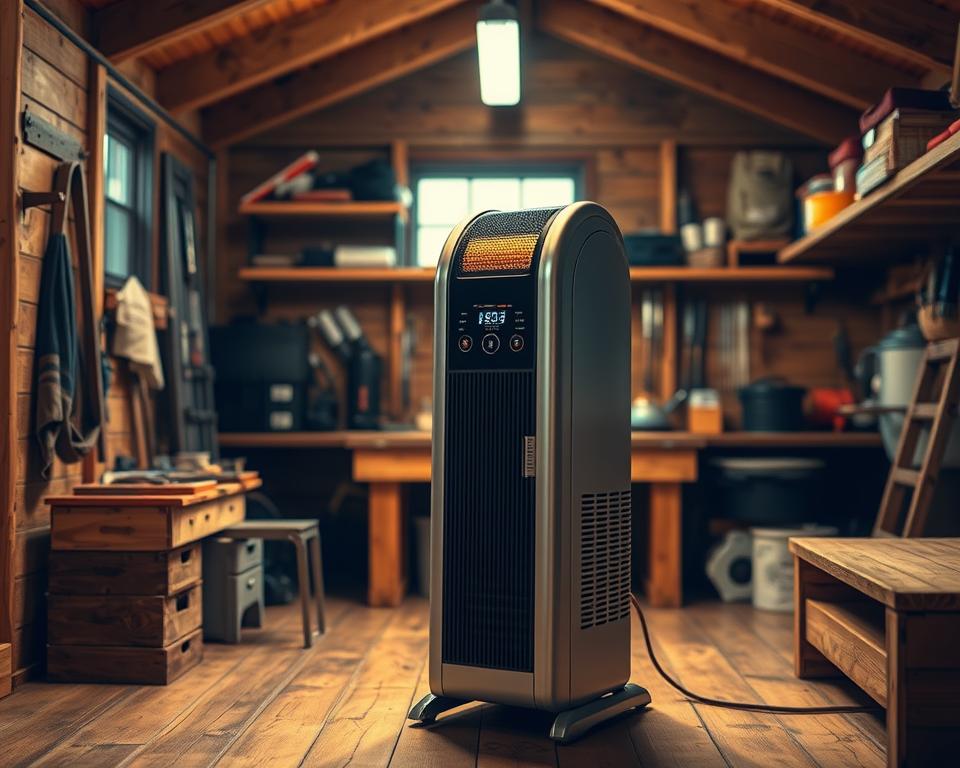
Choosing the right heater for a workshop or garden room means weighing features that cut running costs while keeping the space comfortable. Look for controls and modes that match how you use the shed so warmth is available when needed without wasting energy.
Programmable thermostats and timers
A programmable thermostat heater lets you set daily schedules to heat only when the shed is in use. That reduces unnecessary runtime and lowers bills. Mechanical timers offer simple on/off slots. Digital programmable thermostats provide multiple daily settings and finer control.
Seek models with accurate setpoint control, around ±0.5°C, so the heater maintains the target temperature without frequent cycling. Precise control delivers better comfort and more predictable energy savings.
Eco-modes, variable output and PID controls
An eco-mode heater or a unit with variable power output reduces energy use by modulating heat instead of switching fully on and off. PID controls adjust output gradually to hold a steady temperature.
Heaters with several power settings or adaptive controls avoid overshooting and short cycling. That improves comfort, reduces wear and lowers consumption compared with simple on/off designs.
Smart integrations and remote control advantages
A smart heater shed that supports Wi‑Fi or Bluetooth makes remote preheating possible through an app. Integration with Google Home or Amazon Alexa allows voice control and easy schedule changes.
Look for smart features such as geofencing, usage monitoring and compatibility with smart thermostats like Nest or Hive for centralised control. Outbuildings can suffer unreliable signal, so choose models with secure connections and an offline manual control backup.
| Feature | What it does | Benefit for sheds |
|---|---|---|
| Programmable thermostat | Sets multiple daily temperature schedules | Heats only when needed, cuts running costs |
| Eco-mode / variable output | Modulates power instead of cycling | Reduces energy use and prevents overshoot |
| PID control | Fine-tunes output to maintain setpoint | Smoother temperatures, less cycling |
| Smart integration | App control, voice assistants, monitoring | Remote preheat, central control, usage insights |
| Accuracy (±0.5°C) | Precise setpoint control | Better comfort, proven energy savings |
Installation and placement tips for optimal performance
Positioning and safe installation make the difference between a cosy shed and an unsafe space. Use the guidance below to get heat where you need it, protect fittings and follow UK rules for fixed electrics.
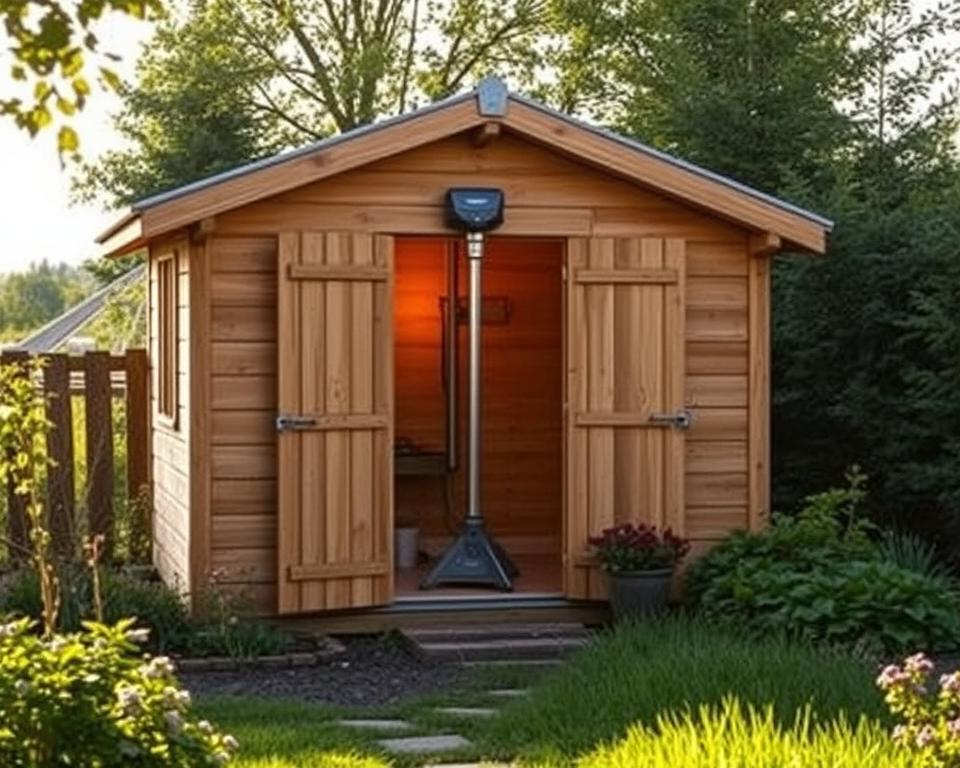
Positioning heaters for even heat distribution
Place convective units close to cold spots such as doors and single-glazed windows to cut draughts and reduce heat loss. Keep these heaters clear of stacked boxes or worktops that block airflow.
For infrared models aim overhead or at the workbench so radiant heat reaches people and tools directly. Avoid hiding infrared panels behind shelving or machinery that will stop IR rays from reaching the workspace.
When a shed is larger than a single room use two or more lower-power units rather than one very powerful heater. Multiple units give gentler, more even warmth and reduce cold zones.
Fixing and mounting considerations for wall or floor units
Wall-mounted panel heaters should sit about 30–40 cm above floor level and have the clearance recommended by the manufacturer. Use the supplied brackets and fixings to keep the warranty valid and ensure secure attachment to stud or masonry.
Free‑standing floor heaters must stand on a stable, level surface. Keep them away from flammable materials and ensure tip‑over protection is active. If a unit is listed as suitable for bedroom or workshop use, check that certification before purchase.
For wall-mounted shed heater options confirm the wall can carry the load and that fixtures do not pierce damp‑proof membranes or insulation layers.
Electrical supply, wiring and fuse recommendations for UK sheds
Assess how the shed is powered. Many units run from a house spur or an outdoor supply. For permanent heaters consider a dedicated radial circuit with RCD protection and a fuse sized to the load, typically in the 20–32 A range for common electric heaters.
Hire a qualified electrician to install permanent wiring and to certify compliance with Part P and BS 7671. Avoid long, undersized cable runs that cause voltage drop and heat build‑up. Do not run multiple high‑power appliances from a single domestic socket.
When planning a wiring shed heater installation think about a consumer unit or a fused spur for larger loads. This reduces the risk of nuisance trips and keeps circuits safe under prolonged use.
Maintenance and safety checks for long-lasting operation
Regular upkeep keeps a shed heater running safely and efficiently. Simple tasks cut the risk of faults and extend service life. Follow manufacturer instructions and book professional checks where needed.
Routine cleaning and servicing tips
Remove dust from fan blades and grilles every few weeks. Clean filters on electric fan units to preserve airflow and reduce wear.
Inspect power leads and plug pins for damage during each use. Look for corrosion, loose connections and cracked insulation. Replace suspect cables rather than repair them.
For oil-filled radiators and sealed electric panels, follow the maker’s servicing intervals and check for leaks or unusual noises. For gas or LPG heaters, use a Gas Safe registered engineer for annual servicing to certify safe combustion.
Carbon monoxide and ventilation concerns
Combustion heaters need adequate ventilation. Fit a carbon monoxide alarm rated to BS EN 50291 and replace it per the manufacturer’s guidance. Position alarms at suggested heights and test them monthly.
Watch for signs of poor combustion: yellow flames, soot deposits, black marks and unusual odours. If any appear, stop using the unit and arrange a professional inspection.
Many insurers restrict the use of flueless or open-flame heaters in enclosed outbuildings. Check your policy before using fuel heaters in a workshop or shed to avoid voiding cover.
Electrical safety, PAT testing and overheat protection
For shared or commercial spaces, schedule PAT testing shed equipment at recommended intervals. Domestic users should carry out regular visual checks and replace damaged cables immediately.
Choose heaters with built-in safety features such as overheat cut-outs, thermal fuses and tip-over switches. Confirm IP ratings for damp locations when a unit will be near condensation or external doors.
Keep flammable materials away from any heat source and maintain clearances stated by the manufacturer. Record heater safety checks in a simple log to track inspections and repairs over time.
Cost comparisons and running cost estimates
Choosing a heater involves more than the sticker price. Upfront purchase versus operating cost analysis helps you see lifetime expense. A low-cost plug-in electric heater may suit occasional use. A higher-priced wall-mounted panel, a branded oil-filled radiator from De’Longhi, or a fuel-burning unit such as a Worcester propane model can cost more to buy but deliver lower heater operating cost UK over years when paired with proper installation and maintenance.
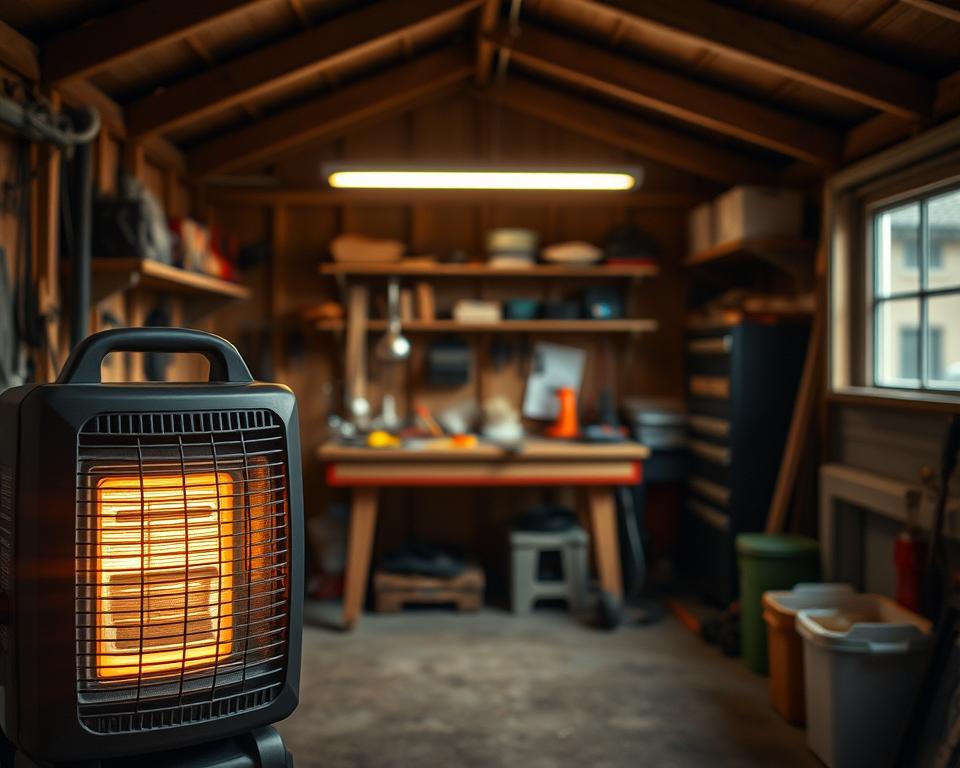
Installation factors change the picture. Fixed wiring, a consumer unit upgrade, flue fitting for gas and any ventilation work for propane add to initial outlay. Warranty length and build quality affect lifecycle value. Longer warranties from manufacturers like Honeywell or Dimplex often indicate better durability and lower replacement risk, which shifts the true cost-per-year in your favour.
kWh consumption heater varies by technology. A 2 kW electric heater uses 2 kWh in one hour. At typical UK domestic rates—check current tariffs—this helps you estimate immediate spending. Oil-filled radiators draw similar power when heating but cycle off once the room reaches temperature, reducing continual consumption. Propane heaters are sold by weight; convert fuel cost to a kWh equivalent to compare fairly.
| Heater type | Typical power or fuel | Illustrative kWh use per hour | Notes on running cost |
|---|---|---|---|
| Portable electric fan | 1–2 kW | 1–2 kWh | Cheap to buy, simple to use, higher shed heater running costs for long hours |
| Oil-filled radiator | 1.5–2 kW | 1.5–2 kWh (intermittent) | Steady warmth, cycles off once hot, lower effective kWh consumption heater over time |
| Infrared panel | 0.6–1.5 kW | 0.6–1.5 kWh | Targeted heating, good for short bursts, reduced heater operating cost UK when used smartly |
| Propane/gas heater | Fuel measured in kg | Variable; convert fuel price to kWh | Lower running cost when fuel is cheap; add ventilation and flue installation costs |
Use energy monitors to track actual usage and test tariffs such as Economy 7 or smart off-peak deals. Doing the numbers with a simple calculator clarifies how many hours a heater must run to offset a higher purchase price.
Insulation and thermostat use greatly affect bills. Basic upgrades and draught-proofing can cut heating demand by 30–50% in many sheds, producing considerable insulation savings shed. A programmable thermostat and a timer reduce wasted hours and lower shed heater running costs.
Combine measures for best results: improve floor, wall and roof insulation, add seals to doors and windows, and use a thermostat to limit heat to working hours. Track meter readings, compare fuel or electricity costs, and perform a payback calculation to decide whether insulation or a higher-efficiency heater gives the best value.
Best shed heater models and recommendations for UK buyers
Picking the right heater makes a big difference for a comfortable shed workspace. Below are practical picks and buying tips for UK users that balance performance, safety and value.
Top electric heaters suitable for small to medium sheds
For quick warmth and portability, consider fan and convection options. De’Longhi fan heaters and Dimplex convection units are affordable choices that offer thermostatic control and tip-over protection. Honeywell ceramic fan heaters heat locally and rapidly, which is handy at a workbench.
These electric heater recommendations suit sheds because they are lightweight, easy to move and widely stocked by Argos, Screwfix and B&Q. Look for models with a reliable thermostat and overheat cut-out for safe, efficient use.
Recommended oil-filled and infrared options
Oil-filled radiator UK models, such as the De’Longhi Dragon and Dimplex oil radiators, provide quiet, sustained heat for longer sessions. Their stored heat keeps a steady temperature without constant power spikes.
Infrared heater UK choices include panel and tube units from brands like Heat Storm, Elnur and Honeywell. These deliver targeted warmth to people and benches and work well as wall-mounted units to save floor space.
When choosing oil-filled or infrared units, check IP ratings if the shed is prone to damp. Confirm the heat output suits your shed size and that controls are easy to set.
Where to buy: reputable UK retailers and warranty considerations
Buy shed heater UK stock from established outlets such as Screwfix, Wickes, B&Q, Homebase, Toolstation and Amazon UK. Purchasing from authorised brand dealers helps protect warranties and guarantees genuine spare parts.
Check warranty length and coverage for elements, thermostats and labour. Review return policies and whether the retailer offers installation or aftercare. Read independent reviews and favour models with clear spare-part availability and local service support.
Use the recommendations above to narrow choices by size, control type and safety features. Match the heater to how you use the shed and where you plan to position it for best results.
Practical tips to make your shed cosy beyond the heater
Making a workshop or hobby shed comfortable takes more than a good heater. Small upgrades to the shell and smart habit changes raise comfort, protect tools and reduce running costs. Use the suggestions below to improve shed insulation, tackle draughts and boost heat retention shed performance.
Insulation upgrades: walls, roof and floor
Start with the basics: fit insulated plasterboard or PIR boards to stud walls, or fill cavities with mineral wool. Roofs benefit from insulation boards or quilt-style blankets tucked between rafters. For floors, rigid insulation boards under a new subfloor work well where access allows.
Think in terms of R-values, which measure thermal resistance. Higher R-values cut heat loss and make the heater’s job easier. Aim for a continuous insulation layer where possible to avoid cold bridges.
If you plan a permanent conversion, check building regulations for required levels of insulation and ventilation. Adding a vapour barrier behind plasterboard helps control condensation and protects timber and stored equipment.
Draft-proofing doors and windows
Doors and windows are frequent sources of cold air. Fit brush or rubber seals to door edges and apply threshold strips underneath. Draught excluders on windows and repair or replace rotten frames to stop leaks. Consider double-glazing or secondary glazing for long-term gains.
Seal gaps around cable entries, pipework and other services with exterior-grade foam sealant or mastic. Small fixes here prevent steady heat loss and improve overall comfort.
Supplementary measures: rugs, curtains and heat retention strategies
Soft furnishings make a measurable difference. Lay rugs or foam-backed mats to reduce floor heat loss. Hang thermal curtains at windows and consider insulating cupboard doors to create warm storage zones for batteries or hand tools.
Use heat retention strategies such as closing off unused sections of a large shed. Add thermal mass where practical; a heavy workbench or stored timber buffers temperature swings. Create zoned heating so often-used areas receive most warmth.
Control humidity with a compact dehumidifier or moisture-absorbing products in damp spaces. Lower humidity makes the shed feel warmer and protects tools from rust and corrosion.
Conclusion
This shed heater conclusion sums up the essentials for warming a workspace sensibly. Choose the right technology — electric fan or convection units for quick heat, oil-filled radiators for steady warmth, infrared panels for targeted spots, and propane or gas only where ventilation and safety permit. Correct sizing and careful calculation of heat loss will prevent under- or over‑specifying a unit.
The best shed heating summary stresses that insulation and draught‑proofing cut running costs far more than uprating a heater alone. Fit good wall, roof and floor insulation, seal gaps around doors and windows, and add simple measures such as rugs and heavy curtains to retain heat. Use programmable thermostats, eco modes and variable output to match heat to occupancy and reduce bills.
For practical UK shed heating advice follow a step‑by‑step plan: assess how you use the shed and how many people occupy it, improve insulation and draught‑proofing, calculate wattage or BTU needs, pick a heater with overheat protection and a reliable thermostat, and arrange professional installation when gas or major electrics are involved. Always use RCD‑protected circuits for electrical heaters and consult a Gas Safe engineer for any gas work.
Final reminders: prioritise carbon monoxide detection for combustion heaters, check warranties and buy from reputable UK retailers, and combine efficient heating with insulation for the best long‑term value. This balanced approach delivers comfort, safety and lower running costs for any workshop or garden studio.
FAQ
What is a shed heater and why would I need one?
A shed heater is a purpose-built device designed to warm an outbuilding such as a timber or metal garden shed, workshop, hobby room or home office. It matters because UK winters and shoulder seasons can make sheds uncomfortable and can harm tools, timber and stored items through damp and condensation. A suitable heater keeps the space usable, improves comfort and productivity, and helps protect equipment from temperature-related damage.
Which heater type is best for a small timber workshop used occasionally?
For occasional use in a small timber shed, a portable electric convection or ceramic fan heater or an infrared panel is often the best choice. Electric fan heaters and ceramic models heat up quickly for short sessions. Infrared or panel heaters provide targeted warmth at a workbench without wasting energy heating the whole volume. Prioritise units with thermostats, safety cut-outs and tip‑over protection.
How do I size a heater for my shed?
Estimate shed volume (m3) and the desired temperature rise (°C). Use a heat-loss factor based on insulation: uninsulated, partially insulated or well insulated. A simple rule: required watts ≈ volume × temperature rise × heat-loss factor. As a practical guide, small sheds up to about 6–8 m2 often need 1.5–2 kW, while larger or poorly insulated spaces may need 2.5–3.5 kW or more. Convert watts to BTU if needed (1 watt ≈ 3.412 BTU/hr).
Are oil-filled radiators worth considering for a shed workshop used for longer sessions?
Yes. Oil-filled radiators store heat and release it slowly, providing quiet, steady warmth ideal for longer sessions. They have low surface temperatures and are safe for continuous use. They are slower to heat initially and weigh more, and running costs reflect the electricity tariff, but they often maintain comfort with less cycling than fan heaters.
Can I use propane or gas heaters in my shed?
Propane and LPG heaters deliver high heat output and can be cost-effective where electrical supply is limited. However, they require good ventilation, carry carbon monoxide risks and may be restricted by insurers for enclosed outbuildings. If you consider them, use only approved models, fit BS EN 50291 carbon monoxide alarms, and consult Gas Safe engineers for fixed installations and flue work.
How can I reduce running costs when heating a shed in the UK?
Improve insulation, draught-proof doors and windows, and add thermal curtains or rugs to retain heat. Use thermostats, timers or programmable controls to heat only when occupied. Choose heaters with eco-modes, variable output or PID controls and consider smart scheduling or off‑peak tariffs. Combined measures can cut heating demand by 30–50% in many cases.
What safety features should I look for in a shed heater?
Seek overheat cut-outs, tip‑over switches (for portable units), accurate thermostats, IP ratings for damp conditions, and compliance with UK electrical safety standards. For combustion heaters, ensure flues or ventilation are correct and fit a BS EN 50291 carbon monoxide alarm. For fixed electrical installations, use RCD protection and have work carried out by a qualified electrician to comply with BS 7671.
Where should I position a heater for best performance?
Place convective heaters near cold spots such as doors or windows and away from obstructions to encourage air circulation. Mount infrared panels overhead or aimed at work areas for direct warmth. In larger sheds, use multiple lower-power units to avoid hot and cold zones. Maintain manufacturer-recommended clearances and keep flammable materials well away.
Do smart heaters and remote controls really save energy?
They can. Wi‑Fi or Bluetooth enabled heaters allow preheating, scheduling and integration with smart thermostats, which reduces wasted runtime. Features such as geofencing and usage monitoring help optimise heating patterns. However, connectivity in outbuildings can be unreliable, so choose units with reliable manual controls as a fallback.
How often should I service or check my shed heater?
Perform routine cleaning and visual checks of leads, plugs and grills regularly, and remove dust from fans. For oil-filled or sealed electric panels, follow manufacturer service intervals. Gas or LPG heaters should have annual servicing by a Gas Safe registered engineer. Replace carbon monoxide alarms as recommended and inspect for signs of poor combustion such as soot or yellow flames.
What wiring and fuse considerations apply when installing a fixed heater in a UK shed?
For permanent heaters, consider a dedicated radial circuit with RCD protection and an appropriately rated fuse or breaker (commonly 20–32 A depending on load). Long undersized cable runs should be avoided. Engage a qualified electrician to ensure compliance with Part P and BS 7671, and to install a consumer unit or fused spur if required.
Which brands and retailers offer good options in the UK market?
Reputable heater brands available in the UK include De’Longhi, Dimplex, Honeywell, Elnur and Campingaz for portable fuel options. Buy from established retailers such as Screwfix, B&Q, Wickes, Toolstation, Argos and Amazon UK, or from authorised brand dealers to preserve warranties and secure aftercare.
How much will it cost to run a typical 2 kW electric heater?
A 2 kW heater consumes 2 kWh in one hour. Multiply consumption by your electricity rate to estimate cost per hour. Electricity prices vary, so check current tariffs; using timers, thermostats and insulation reduces total hours and lowers bills substantially.
What simple measures can make my shed feel cosier without adding a more powerful heater?
Insulate walls, roof and floor, draught‑proof doors and windows, add rugs and thermal curtains, use zoned heating to focus warmth where you work, and introduce thermal mass (heavy workbenches or stored items) to stabilise temperature. These steps reduce required heater size and running time.
Are there legal or insurance considerations I should check before installing a heater?
Yes. For gas installations, use Gas Safe registered engineers and ensure flues and ventilation meet requirements. Many insurance policies restrict flueless or open‑flame heaters in enclosed outbuildings—check policy terms. For electrical work, ensure compliance with BS 7671 and use RCD protection for circuits serving the shed.
How do I decide between spot heating and whole-space heating?
Choose spot heating (infrared, panel aimed at the bench) if occupancy is brief or confined to a specific area; it saves energy by warming people and objects rather than the entire air volume. Opt for whole-space heating (convection, oil‑filled radiator) when you need prolonged comfort throughout the shed. Match heater capacity to insulation level and typical session length.
What IP rating should a shed heater have for damp conditions?
For damp or partially exposed sheds, choose heaters with an appropriate IP rating to protect against moisture ingress. Check manufacturer guidance for minimum IP ratings suitable for unheated, damp environments. Selecting models with higher IP ratings helps reduce corrosion risk and improves safety in humid conditions.
Can insulation reduce the size of heater I need?
Yes. Adding wall, roof and floor insulation, improving airtightness and fitting double or secondary glazing can significantly lower heat loss. In many cases reasonable insulation can halve required output and running hours, allowing a smaller, more economical heater to maintain comfort.
Should I PAT test my heater in a commercial or shared workshop?
In commercial or shared workshop environments, portable appliance testing (PAT) is recommended or required by some employers and insurers to ensure electrical safety. For domestic use, regular visual inspections and replacing damaged cables are usually sufficient, but PAT testing adds an extra safety record for communal spaces.