Greenhouse No-Nos: What Not to Put Inside
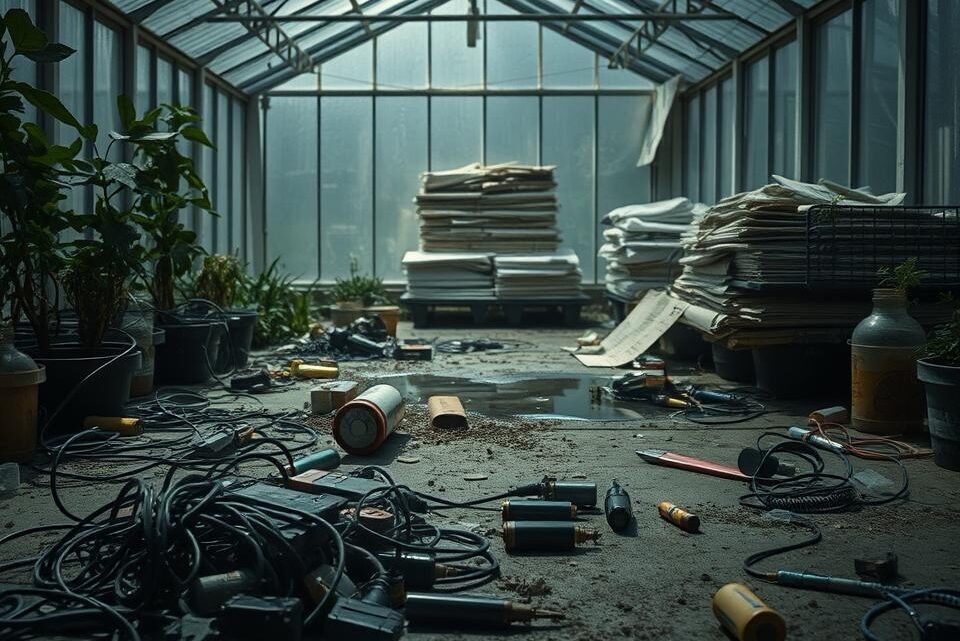
Greenhouse no-nos matter to every UK gardener who wants healthy crops and low running costs. This short introduction sets out why knowing what not to put in a greenhouse? can stop pest introduction, limit disease spread and avoid toxic contamination. It also highlights risks such as poor ventilation, fire and electrical hazards, and conditions that stunt plant growth.
Avoiding common greenhouse mistakes brings clear benefits. You are likely to need fewer pesticides, use less energy for heating and ventilation and extend the lifespan of timber, glazing and equipment. Following guidance from the Royal Horticultural Society on greenhouse hygiene, the Health and Safety Executive for electrical safety, and DEFRA on plant health will help you make sound decisions.
Practical first steps are simple. Carry out regular inspection routines, wash hands and use dedicated tools, and quarantine new plants. Remove obvious hazards right away: decaying organic waste, unlabelled chemical containers, and damp cardboard. A short checklist for immediate removal will protect crops and reduce greenhouse hazards UK.
Inhaltsverzeichnis
Key Takeaways
- Know greenhouse no-nos to prevent pests and disease.
- Follow RHS, HSE and DEFRA guidance for best practice.
- Adopt simple biosecurity: handwashing, dedicated tools and quarantine.
- Remove decaying waste, unlabelled containers and damp paper immediately.
- Regular inspections reduce greenhouse mistakes and lower long-term costs.
Common greenhouse mistakes: what not to put in a greenhouse?
Small choices inside a greenhouse can cause big problems for plant health. Items that attract pests, infected stock brought in without checks and piles of organic waste all raise the risk of outbreaks. Read the short guidance below to reduce those threats and keep plants thriving.
Pests and pest-attracting materials
Common greenhouse pests in the UK include aphids, whitefly, spider mites, vine weevil, slugs and snails. Untreated mulch, old potting mix and neglected seed trays provide shelter and breeding sites for these invaders.
Cut flowers and certain ornamental plants can carry eggs or larvae that escape notice. Use traps, sticky bands and biological controls such as Encarsia formosa for whitefly to reduce populations. Regular inspection and prompt removal of infested material form the backbone of effective pest prevention greenhouse UK routines.
Diseased plants and quarantine failures
Introducing new stock can bring fungal diseases like Botrytis and powdery mildew, bacterial infections such as Pseudomonas, and viral pathogens. Signs to watch for include discoloured leaves, wilting and abnormal growths.
Quarantine plants for 7–14 days in a separate area, inspect daily and use fresh pots and soil for each arrival. Severely infected specimens should be removed and disposed of safely. Some pathogens are controlled by law, so report suspect cases to the relevant plant health authority when required.
Organic waste that encourages vermin
Food scraps, uncovered compost and damp cardboard attract mice, rats and other vermin in greenhouse settings. Consequences include gnawed wiring, contaminated compost and loss of seed stock.
Use sealed bins, remove waste regularly and choose metal or hard-plastic containers to resist chewing. Where pest pressure persists, consider humane control options that comply with UK wildlife regulations and combine them with sanitation to prevent re‑infestations.
Items that create excess humidity and mould risk
Excess moisture inside a greenhouse is one of the quickest ways to invite fungal problems. Small changes to how you store water, compost and pots make a big difference to greenhouse humidity and the chance of mould in greenhouse corners.
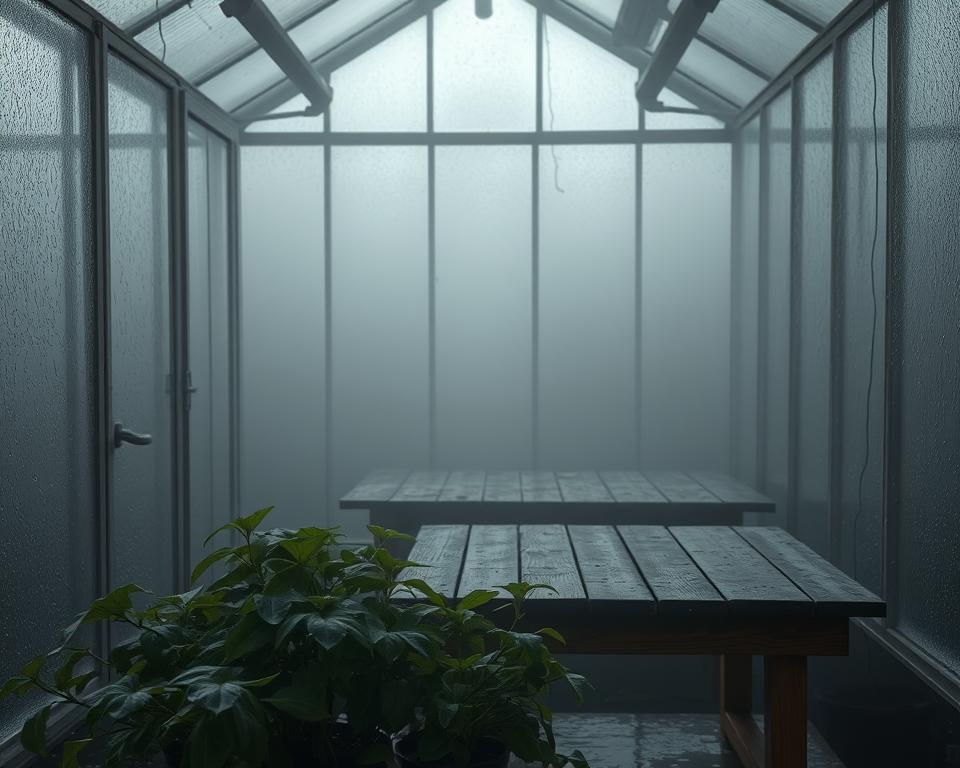
Start by tackling open water sources. Uncovered water butts, seedling trays and saucers raise local humidity and create still pockets where Botrytis and powdery mildew thrive. Cover containers, fit lids to trays and move large reservoirs outside the structure where practical.
Poorly ventilated water reservoirs and uncovered trays
Open trays emit moisture that sits close to plants. That moisture pushes the microclimate toward conditions ideal for mould in greenhouse environments. Fit tight lids to trays or use a shallow cover to limit evaporation.
Where moving a water butt outdoors is not feasible, position it near vents. Good ventilation greenhouse routines reduce condensation and stop humid air from pooling near plant crowns.
Damp compost heaps and unsealed organic matter
Damp, unsealed compost gives off both moisture and spores. Store compost in ventilated, covered bins well away from the greenhouse interior. Only bring in fully mature compost. Immature piles often smell of ammonia and feel hot to the touch, signs they will worsen greenhouse humidity if left nearby.
Finished compost should be cool and earthy. Keep any fresh organic matter under cover until it is stable to reduce risk of mould in greenhouse spaces.
Overcrowded pots and lack of airflow around plants
Dense plantings block airflow and upset the balance of transpiration. Air that cannot move freely raises local humidity and feeds fungal growth. Space plants according to habit: leafy vegetables and runners need more gap than compact herbs.
Use staging, tiered shelving and hanging baskets to separate foliage. Mechanical aids such as roof vents, louvre vents and extractor fans improve greenhouse airflow UK conditions. On warm, humid days, adopt a habit of daily venting to keep air moving.
| Issue | Visible signs | Practical fix | Effect on greenhouse airflow UK |
|---|---|---|---|
| Uncovered water trays | Surface condensation; damp bench tops | Cover trays; relocate reservoirs outdoors | Reduces airflow; creates microclimates of still air |
| Damp compost | Heat, ammonia smell, fungal threads | Store in ventilated bins; use mature compost only | Raises overall humidity; increases spore load |
| Overcrowded pots | Poor leaf drying; stalled growth | Re-space plants; use shelving and vents | Blocks circulation; local pockets of high humidity |
| Poor ventilation setup | Persistent misting on glass; damp floor | Install extractor fans and louvre vents | Restores steady airflow; lowers mould risk |
Materials that leach toxins or chemicals
Some materials in a greenhouse release harmful compounds that hurt plants and people. Watch out for items that shed chemicals when warm, sit in compost or touch edible crops. Choosing the right materials reduces greenhouse toxins and protects harvests.

Old treated timber and creosote-coated items
Pressure-treated timber and creosote-treated sleepers can leach arsenic, copper or creosote compounds into soil and growing media. These substances can stunt seedlings and contaminate vegetables when used in a treated timber greenhouse.
Use horticultural-grade timber such as tanalised timber certified for food-growing, rot-resistant hardwoods or inert alternatives like galvanised steel shelving. These options cut the risk of toxic transfer to pots and beds.
Recycled containers with unknown chemical residues
Buckets, drums or containers from industrial use may hold fuels, solvents or pesticide residues. Traces can persist and contaminate compost and potting mixes, creating chemical leaching pots that harm sensitive roots.
Prefer food-grade or horticultural-grade containers and trays from reputable suppliers such as Haxnicks, Garic or The Greenhouse People. If you must repurpose a vessel, rinse it thoroughly with hot water and a mild detergent, then allow it to vent outdoors for several days before planting.
Painted or varnished surfaces that degrade in heat
Certain paints and varnishes break down under greenhouse temperatures and UV light, releasing volatile organic compounds that affect young seedlings. These VOCs add to greenhouse toxins and reduce air quality inside the structure.
Choose UV-resistant, non‑toxic paints labelled for greenhouse use or seal untreated wood with certified horticultural sealants. Avoid aerosol sprays inside the greenhouse and test any new surface treatment on a small area before widespread use.
Plants that are unsuitable for greenhouse conditions
Choosing the right species for a greenhouse matters as much as ventilation or heating. Some plants struggle in confined, warmer spaces and can sap resources from healthier stock. Below are common categories to avoid or manage carefully to protect your collection and maintain balanced microclimates.

Hardy outdoor species that require dormancy
Many temperate perennials and shrubs rely on a winter chill to complete their life cycle. Forcing them into constant warmth can prevent rest, weaken flowering and raise susceptibility to pests and disease.
Examples include certain UK-bred roses and herbaceous perennials which do better outdoors. If you must keep them near the greenhouse, use an unheated cold frame or leave them outside to meet dormancy requirements greenhouse UK growers expect.
Invasive or highly competitive plants
Vigorous species can quickly dominate limited greenhouse space. Mint varieties, aggressive runner beans, vigorous cucurbits and some fast-spreading shrubs will overrun benches and pots.
Containment helps: dedicated containers, root barriers and regular pruning limit spread. Some growers choose to avoid invasive plants greenhouse environments entirely to protect neighbours and reduce maintenance.
Species with very different humidity or temperature needs
Orchids, cacti and many tropicals each prefer distinct microclimates. Placing them together with general-use plants creates conflicting humidity and temperature demands that stunt growth or cause rot.
Group plants by requirement, use partitions or heated benches and consider small microclimate boxes for specialist species. Picking varieties suited to typical UK greenhouse conditions reduces stress and improves overall vigour.
Clutter and non-gardening storage that harms plant health
Keeping a greenhouse tidy reduces disease and pests. Many greenhouse storage mistakes come from treating the space as a general shed. A short tidy-up pays dividends for plant health and crop safety.
Tools and equipment left to rust or contaminate soil
Neglected spades, secateurs and hand forks collect rust and bacterial slime. Pathogens such as Botrytis and bacterial rot cling to blades and can transfer into compost or soil when tools are reused. Rust flakes can contaminate potting mixes and slow decomposition.
Choose stainless-steel or galvanised tools where possible. Clean implements after use with a horticultural steriliser that is compliant with FAM3 alternatives. Dry and lightly oil metal parts before storing on a rack away from planting benches and seed trays.
Cardboard and paper that retain moisture and harbour pests
Cardboard, newspaper and packing materials soak up water and stay damp for days. That dampness encourages mould and creates hiding places for slugs, vine weevil and woodlice. Seed packets stored in soggy boxes can rot or become infested.
Switch to plastic or metal storage boxes for seeds and small supplies. Keep any cardboard outside the greenhouse or in a dry recycling area. Regular checks for damp and pests cut down on one of the most common greenhouse storage mistakes.
Household chemicals and paints stored near plants
Bleach, petrol, solvents and aerosol cans pose risks from spills, fumes and accidental contact with edibles. Off-gassing from paints can taint leaves and reduce pollinator visits. Misplaced chemicals also raise safety and legal concerns when stored improperly.
Store hazardous items in a separate lockable shed or sealed cabinet well away from crops. Follow COSHH guidance for storage and handling, and use local council collection points for unwanted chemicals and paints. This approach to safe greenhouse storage UK protects people, plants and the environment.
Poorly chosen substrates and growing media
Choosing the right growing medium makes a big difference to plant health in a greenhouse. Heavy soils, poor drainage and contaminated compost can all undermine growth and invite disease. Below are practical points to help you pick the best soil for greenhouse use and avoid common pitfalls.
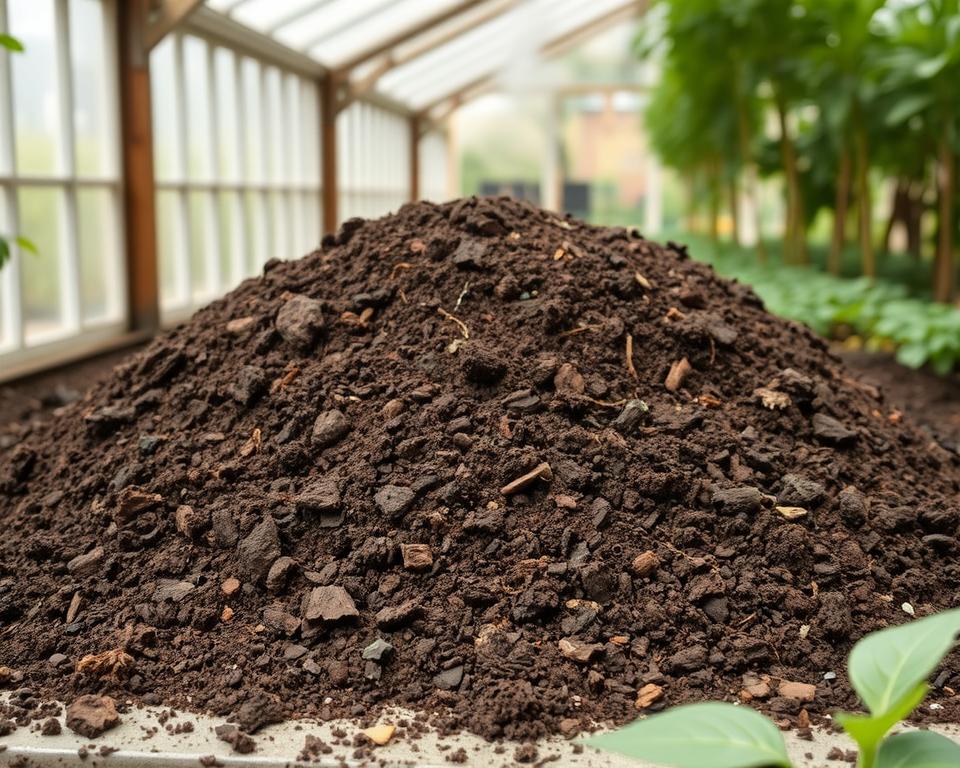
Heavy garden soil that compacts and restricts roots
Garden loam or clay taken straight from an outside border seems economical. In pots and raised beds it compacts quickly, cutting off air to roots and slowing drainage. Compaction increases the risk of root rot and weak growth.
Choose specialist potting mixes from trusted UK manufacturers such as Westland, Levington or SylvaGrow. These blends are formulated to be light, free-draining and stable in a greenhouse environment. Using the right mix gives roots space to breathe and plants a better chance of establishing.
Waterlogged or poorly drained mixes
Mixes that retain too much moisture cause oxygen deprivation and create a haven for fungal pathogens. Symptoms include yellowing leaves, wilting and stunted roots.
For a reliable composition use a balance of loam, perlite or vermiculite and a measure of grit for bottom layers. Look for compost labelled free draining for greenhouse use. Good drainage improves nutrient uptake and reduces the need for chemical remedies.
Contaminated or unsterilised compost and manure
Unsterilised materials can carry persistent weed seeds, nematodes and soil-borne pathogens such as Phytophthora species. These issues spread quickly in the confined environment of a greenhouse.
Use well-rotted, UK-sourced compost and buy certified pathogen-free mixes when available. For small batches consider solarisation or controlled heat treatments to reduce biological risk, taking care to follow safety guidance. Awareness of contaminated compost risks UK gardeners face helps protect future crops and reduces losses.
Inappropriate heating or electrical equipment
Electrical and heating choices matter in a greenhouse. Poor kit risks fires, plant damage and costly downtime. Clear rules help protect glass, timber staging and your crop from heat and moisture-related failures.
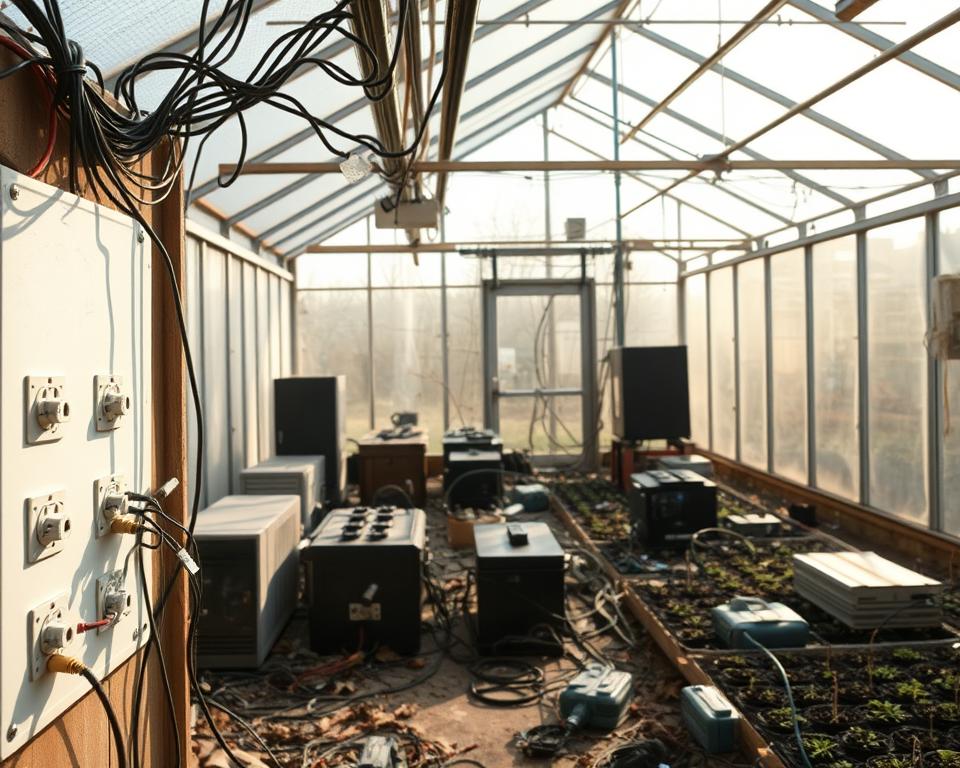
Domestic fan heaters and uncertified extension leads are common culprits. Moist air and damp floors increase the chance of short circuits and electrocution. Choose appliances designed for humid environments and get installations checked by a qualified electrician.
Non-rated heaters and unsafe extension leads
Domestic portable heaters are not built for greenhouse conditions. They lack the ingress protection (IP) ratings and thermostatic control needed for moist spaces. Uncertified extension leads and multiway adapters fray, overheat and can spark. Fit RCD-protected circuits and use purpose-built greenhouse heaters. For UK setups, reputable brands like Dimplex and Gardenline sell thermostatically controlled units suited to small glasshouses. Hire an NICEIC-registered electrician for permanent wiring and safety checks.
Unprotected bulbs and lights that overheat nearby foliage
Traditionally hot bulbs scorch leaves and dry air around them. Some halogens and older incandescent lamps emit strong radiant heat. LEDs reduce that risk but require correct mounting and heat dissipation. Use horticultural-grade LED grow lights with heat sinks and guards. Keep fittings out of splash zones and use IP-rated housings to avoid water ingress.
Incorrect placement of thermostats and humidistats
Sensors sited in direct sun, beside doors or next to heaters misread conditions. A thermostat by a heater will switch off early while the rest of the greenhouse stays cold. Misplaced humidistats give false humidity levels and prompt inappropriate ventilation or heating cycles. Install sensors at canopy level in a shaded, central spot away from vents, doors and direct heat sources. Calibrate devices seasonally and test against a handheld hygrometer or thermometer.
| Risk | Cause | Practical control |
|---|---|---|
| Fire from overheating | Domestic heaters, frayed extension leads | Use IP-rated, thermostatic greenhouse heaters; fit RCDs; get NICEIC electrician for wiring |
| Electrocution | Water ingress, uncertified plugs | Choose waterproof fittings, use outdoor-rated cables and RCD protection |
| Plant scorch | Halogen/incandescent bulbs too close | Install horticultural LEDs with heat sinks; follow manufacturer distance guides |
| Humidity mismanagement | Poor humidistat placement | Place humidistat at canopy level, shaded and central; recalibrate regularly |
| Inefficient heating | Thermostat beside door or heater | Site thermostat away from drafts and direct heat to measure true greenhouse temperature |
Poor hygiene practices that introduce disease
Good greenhouse hygiene starts with routine habits that stop pathogens in their tracks. Small lapses spread spores, nematodes and bacterial slimes from one bench to another. Regular cleaning, clear records and simple foot protocols protect stock and reduce costly outbreaks.
Failure to clean tools, benches and pots regularly
Pathogens persist on secateurs, trowels and pot rims. Soil and plant sap dry but remain infectious. Clean items with hot water and detergent, rinse, then apply a disinfectant. For non-metallic items use a 10% bleach solution. For pruning tools choose a proprietary horticultural disinfectant such as Sterilex or F10 for metal work.
Set a cleaning schedule and keep a logbook for commercial operations. Wipe benches between crops and record dates of disinfection. This prevents cross-contamination and protects valuable varieties.
Reusing infected soil without sterilisation
Used compost can contain root lesions, fungal spores and nematodes that persist season to season. Discard heavily infected mixes rather than reusing them. Small volumes can be solarised in sealed black bags during summer to raise temperatures and reduce pathogen load.
For larger quantities consider steam sterilisation where practical. Rotate crops and use biofumigant cover crops to suppress soil-borne pests before repotting. These steps reduce the need to sterilise soil greenhouse-wide and lower long-term disease pressure.
Neglecting footwear and clothing protocols for biosecurity
Spores, soil and tiny pests hitchhike on boots, trousers and gloves. A single contaminated pair of boots can spread disease across glasshouses in minutes. Use dedicated greenhouse footwear and provide a boot-cleaning brush plus a disinfectant mat at the entrance.
Change gloves between plant groups and launder overalls regularly. These measures form the backbone of biosecurity greenhouse UK plans, especially when working with high-value crops or during outbreaks.
| Risk | Simple action | Benefit |
|---|---|---|
| Contaminated tools | Clean with detergent, then disinfect (10% bleach or horticultural product) | Stops direct transfer of pathogens between plants |
| Infected compost | Dispose if severe; solarise small batches; steam large volumes | Reduces fungal spores, nematodes and root disease |
| Boot and clothing spread | Dedicated footwear, disinfectant mat, brush, change gloves | Limits movement of soil, spores and insects between zones |
| Record keeping lapses | Maintain cleaning and disinfection logs | Enables trace-back and faster response to outbreaks |
Conclusion
Keeping a greenhouse productive and safe in the UK means knowing what to avoid. Pests and diseased material, sources of excess humidity, toxic or treated materials, unsuitable plants, clutter and poor storage, wrong substrates, unsafe electricals and lax hygiene are the main no‑nos. Observing greenhouse best practice starts with simple routines that stop small problems becoming large ones.
Adopt a proactive approach: inspect plants regularly, quarantine new arrivals, store tools and chemicals correctly, and use certified materials and electrical fittings. Follow guidance from the Royal Horticultural Society and local extension services when specific pests or diseases appear. These steps form the backbone of reliable greenhouse maintenance UK gardeners can trust.
Practical next steps include a concise checklist — daily venting, weekly cleaning, monthly equipment checks — plus a basic hygiene kit with disinfectant, brushes and sealed bins. Plan plant placement by microclimate to reduce stress and disease spread. Such habits make it easier to avoid in greenhouse mistakes and protect your crop.
Stick to these measures and you will reduce losses, boost productivity and enjoy safer, more rewarding growing. Good greenhouse maintenance UK routines transform risks into steady yields and more satisfying gardening seasons.
FAQ
Why is it important to remove certain items from my greenhouse?
Removing unsuitable items prevents pest introduction, disease spread, toxic contamination and fire or electrical hazards. Clean, well-organised greenhouses have healthier crops, lower running costs and a longer service life. Regular inspections, basic biosecurity (handwashing, dedicated tools) and a short checklist of items to remove immediately will reduce chemical interventions and protect yields. Guidance from the Royal Horticultural Society, DEFRA and the HSE offers specific best-practice steps.
Which common pests should I watch for and what attracts them?
UK greenhouse pests include aphids, whitefly, spider mites, vine weevil, slugs and snails. Untreated mulch, old potting mix, neglected seed trays and certain cut flowers can harbour eggs or larvae. Use sticky traps, trap bands and biological controls such as Encarsia formosa for whitefly, and maintain cleanliness to reduce habitats for pests.
How should I quarantine new plants to avoid disease spread?
Isolate new purchases for 7–14 days in a separate area, inspect daily for discoloured leaves, wilting or abnormal growths, and use separate pots and fresh compost. Dispose of severely infected specimens responsibly. Strict quarantine limits the introduction of fungal pathogens like Botrytis, bacterial infections such as Pseudomonas and viruses.
Is it safe to keep organic waste or food scraps inside a greenhouse?
No. Food scraps, uncovered compost and damp cardboard attract rodents and other vermin, which can gnaw wiring and contaminate compost. Use sealed metal or hard‑plastic bins, remove waste regularly and follow humane pest control options that comply with UK wildlife regulations.
Which items in the greenhouse increase humidity and mould risk?
Open water butts, uncovered seed trays and saucers, damp compost heaps and overcrowded pots all raise local humidity and encourage Botrytis and powdery mildew. Cover water containers, store compost in ventilated covered bins, use only mature compost, space pots to improve airflow and ventilate daily when conditions are warm and humid.
Can old timber or recycled containers harm my plants?
Yes. Pressure‑treated timber and creosote‑coated sleepers can leach harmful compounds, while recycled drums or buckets may contain residues of fuels or solvents. Use tanalised horticultural‑grade timber, metal or food‑grade horticultural containers from suppliers such as Haxnicks or The Greenhouse People, and avoid unknown industrial containers.
Which plants are unsuitable for greenhouse conditions in the UK?
Hardy outdoor species that require winter dormancy, highly invasive or competitive plants, and species needing very different humidity or temperature (for example, some orchids versus cacti) are poor choices. Keep temperate perennials outdoors, contain vigorous herbs like mint in dedicated pots, and group plants by similar microclimates or use partitions and heated benches for conflicting needs.
Why should I avoid storing household chemicals and cardboard in the greenhouse?
Cardboard and paper retain moisture and harbour slugs and vine weevil, while household chemicals, paints and solvents risk spills, off‑gassing and contamination of edible crops. Store chemicals in a separate lockable shed or sealed cabinet and keep cardboard and packaging outside or in dry storage to lower pest and mould risk.
What makes a substrate unsuitable for greenhouse use?
Heavy garden soil compacts and restricts roots, waterlogged mixes cause oxygen deprivation and root rot, and unsterilised compost or manure can contain persistent weed seeds and pathogens. Use specialist potting mixes from brands like Westland or Levington, ensure good drainage with grit or perlite, and buy certified, well‑rotted compost or sterilise small batches safely.
What electrical and heating equipment should I avoid in a greenhouse?
Avoid domestic heaters and uncertified extension leads in damp environments, and unprotected bulbs that overheat foliage. Use purpose‑built greenhouse heaters with appropriate IP ratings, install RCD protection and have work by an NICEIC electrician. Choose horticultural‑grade LED or IP‑rated fittings and place thermostats and humidistats in a shaded central location at canopy level for accurate control.
How can poor hygiene introduce disease and what practices prevent it?
Pathogens persist on tools, benches and pots; reusing infected soil spreads disease; and spores hitchhike on boots and clothing. Clean tools and surfaces with hot water and detergent followed by a suitable disinfectant, avoid reusing contaminated compost, use a boot‑cleaning brush and disinfectant mat at the door, and change gloves between plant groups to maintain biosecurity.
Are there legal or safety considerations for disposing of infected plants or hazardous materials?
Yes. Certain plant pathogens are controlled and require specific disposal measures. Household chemicals and hazardous waste must be disposed of via local council hazardous‑waste services. Follow DEFRA, HSE and local authority guidance for safe disposal to protect public health and the environment.
What quick checks should I add to a greenhouse daily and weekly routine?
Daily: vent the greenhouse when warm, check for pests and abnormal symptoms, and remove obvious waste. Weekly: clean benches and tools, empty and seal bins, inspect water containers and vents, and check thermostats and heater function. Monthly: inspect electrical installations, test RCDs and review quarantine plants. Keep a simple checklist to record actions.