How to Install Lawn Edging Stones
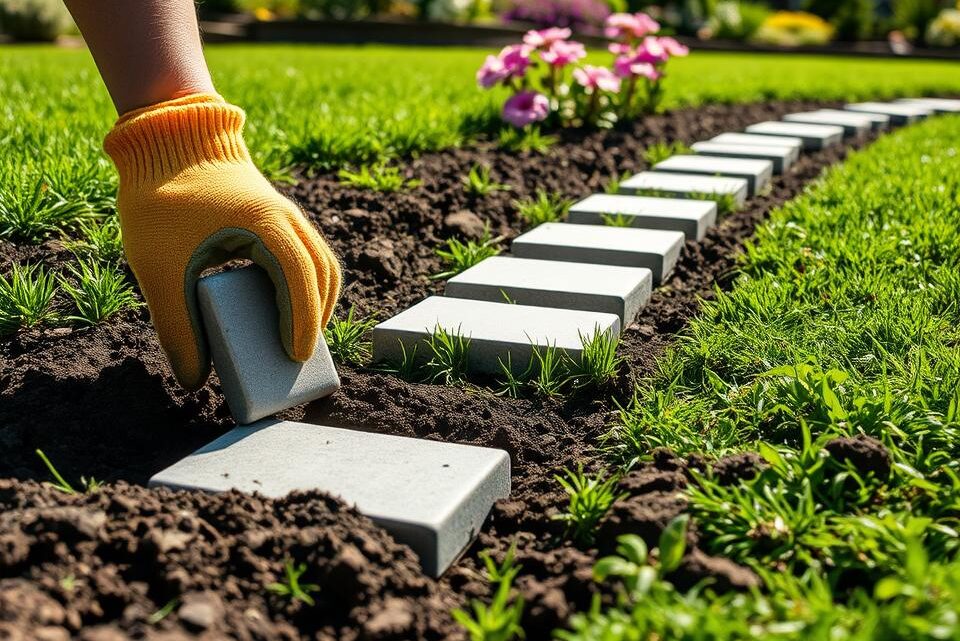
Creating crisp, defined borders in your garden transforms its entire appearance. Well-placed edging gives your outdoor space a polished, professional finish. It keeps grass from creeping into your flower beds and mulch where it shouldn’t be.
This comprehensive guide walks you through the entire process from start to finish. You’ll learn all the essential preparation steps, including gathering tools and measuring your space. We cover techniques for both straight lines and gentle curves around your garden’s unique shape.
All instructions are specifically tailored for UK gardens and our distinctive climate conditions. You’ll discover professional techniques that ensure long-lasting stability and aesthetic appeal. Proper installation prevents shifting and maintains that clean edge for seasons to come.
Inhaltsverzeichnis
Key Takeaways
- Professional edging significantly enhances your garden’s appearance and functionality
- Proper preparation and tool gathering are essential before beginning your project
- The installation process is broken down into manageable stages with clear instructions
- Techniques vary for straight lines versus curved garden bed designs
- All guidance is specifically tailored for UK climate conditions and garden styles
- Learning to calculate material quantities prevents wastage and ensures project completion
- Finishing techniques provide long-term stability and reduce future maintenance needs
Understanding Garden Edging and Its Benefits
Transforming your outdoor space begins with clear definition. Well-placed borders create structure and elegance throughout your landscape. They provide both practical and aesthetic advantages that last for years.
Proper edging serves as the foundation for a organised garden design. It separates different zones while maintaining a cohesive look. This approach keeps everything in its proper place with minimal effort.
What Lawn Edging Stones Can Do for Your Garden
Stone borders create permanent visual boundaries between your lawn and planting areas. They prevent grass from invading your flower beds and pathways. This separation maintains clean lines that enhance your entire outdoor space.
These materials help contain mulch and gravel within designated zones. They stop soil erosion and keep decorative elements where they belong. Your garden maintains its intended design without constant adjustments.
Frostproof stone options withstand Britain’s changeable weather conditions. They won’t crack or shift during freeze-thaw cycles. This durability ensures your investment lasts through seasons.
Why Choose Stone Edging Over Other Materials
Natural stone offers superior durability compared to plastic or wooden alternatives. It resists rotting, warping and degradation over time. Your borders remain attractive with minimal maintenance required.
The variety of colours and textures allows customisation to match your garden’s style. From rustic to contemporary designs, there’s a perfect match. This flexibility helps create a cohesive landscape design.
Stone edging provides excellent water drainage management throughout your garden. It guides moisture away from sensitive areas while preventing pooling. This feature protects your plants and lawn health.
Installation creates a permanent solution that won’t need replacement. Unlike temporary options, stone borders become integral parts of your landscape. They add value and character to your property.
Selecting the Right Edging Stones for Your Garden
Choosing the perfect border materials sets the foundation for your entire garden design. This selection process combines practical considerations with aesthetic preferences. Your choices here determine both the functionality and visual appeal of your outdoor space.
Thoughtful selection ensures your borders complement existing features while standing up to British weather. You’ll create a cohesive look that enhances your property’s character. This careful planning makes installation smoother and results more professional.
Types of Stone Edging Available
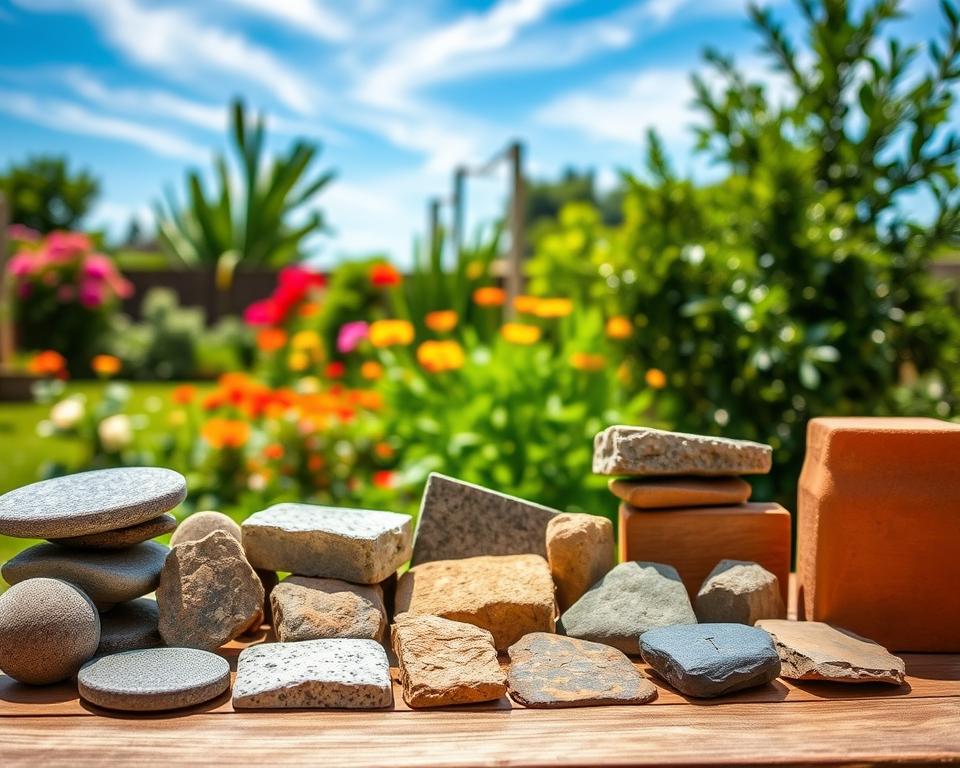
Natural stone offers unique character with its varied textures and organic shapes. Each piece possesses distinct colour variations that create visual interest. This option provides a timeless look that blends seamlessly with any garden style.
Manufactured options deliver consistency in both size and appearance. These products often feature uniform colours and precise dimensions. They simplify the installation process while maintaining an elegant aesthetic.
Pressed concrete provides excellent durability at a competitive price point. Modern manufacturing techniques create realistic stone textures and colours. This material withstands heavy foot traffic and harsh weather conditions.
“The right edging material doesn’t just define spaces – it elevates the entire garden’s character while providing lasting structure.”
Considering Your Garden’s Style and Climate
Traditional cottage gardens suit weathered limestone or York stone with irregular shapes. These materials develop a beautiful patina over time. They complement climbing roses and lush planting schemes perfectly.
Contemporary spaces benefit from clean-lined granite or sleek manufactured units. These create sharp definition between different zones. Their minimalist appearance emphasises architectural planting and modern features.
Britain’s damp climate demands materials that resist water absorption and frost damage. Sandstone and granite perform exceptionally well in wet conditions. They maintain their structural integrity through freezing winters.
| Stone Type | Best For Style | Weather Resistance | Maintenance Level |
|---|---|---|---|
| Natural Sandstone | Cottage & Traditional | Excellent | Low |
| Manufactured Concrete | Contemporary & Modern | Very Good | Very Low |
| Granite Setts | Formal & Urban | Outstanding | Minimal |
| Reconstructed Stone | All Garden Styles | Good | Low |
Calculating How Much Edging You’ll Need
Begin by measuring the total length of all borders requiring treatment. Add extra for curves and corners where additional cutting occurs. Most suppliers recommend adding 10% for wastage during the installation process.
Consider the finished height you want to achieve above ground level. Taller borders require deeper foundations and more material. Standard heights range from 100mm to 150mm for most garden applications.
Remember to account for mortar and base materials in your calculations. These supporting elements ensure stability and longevity. Proper preparation prevents shortages that could delay your project.
- Measure each border section separately before totalling requirements
- Choose colours that complement existing paving and architectural features
- Consider future maintenance needs when selecting materials
- Account for climate-specific performance characteristics
- Calculate additional materials for foundations and jointing
Your final selection should balance practical needs with visual preferences. The right choice enhances your landscape while providing lasting service. Thoughtful planning at this stage ensures beautiful results that stand the test of time.
Essential Tools and Materials You’ll Require
Quality materials and tools form the foundation of successful garden border creation. Having everything prepared before you begin saves considerable time and effort during the installation process. Proper equipment ensures your finished project looks professional and lasts for years.
Gathering Your Installation Toolkit
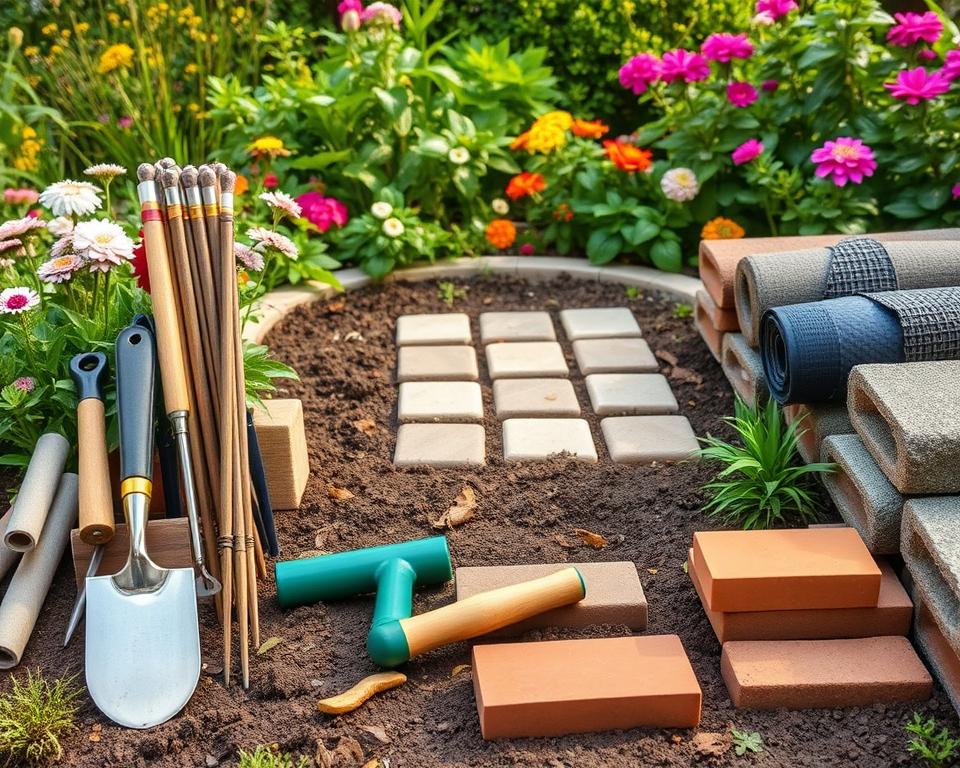
Start with essential implements that make the work more efficient. A rubber mallet helps position your materials without causing damage. You’ll need a spirit level to maintain consistent height across the entire area.
A garden trowel proves indispensable for applying mortar and making adjustments. String lines create straight guides for perfect alignment. Don’t forget protective gloves and safety glasses for your protection.
For larger projects, consider renting a compactor to prepare the ground properly. This equipment ensures a solid base layer beneath your installation. Having all tools organised before starting makes the entire process smoother.
Choosing the Correct Mortar Mix
Your mortar selection significantly impacts the final stability of your project. Use a 4:1 ratio of building sand to cement for optimal strength. This mixture provides excellent bonding while allowing some flexibility.
The consistency varies depending on its intended purpose in your project. A semi-dry mix works best for bedding your materials in place. For haunching support, create a wetter mixture that spreads easily.
Always mix in small batches to maintain consistent quality throughout your work. This approach prevents wastage and ensures each stone receives proper support. Allow several days for complete setting before applying pressure.
Additional Materials for Finishing Touches
Beyond the basic components, several items enhance your project’s appearance and durability. Gravel or mulch placed around the finished border creates a polished look. These materials help with drainage and prevent soil erosion.
Consider extra cement and sand to account for potential errors or adjustments. Having additional materials prevents interruptions during the installation process. Proper preparation includes planning for clean-up and waste disposal afterwards.
Your attention to material selection and tool preparation pays dividends throughout the project. With everything organised, you can focus on creating beautiful, lasting garden borders.
Planning Your Lawn Edging Layout
Thoughtful preparation transforms your garden border project from good to exceptional. This crucial step ensures your final result looks professional and functions perfectly. Careful planning saves time and materials while creating a cohesive landscape.
Measuring and Marking Your Garden Area
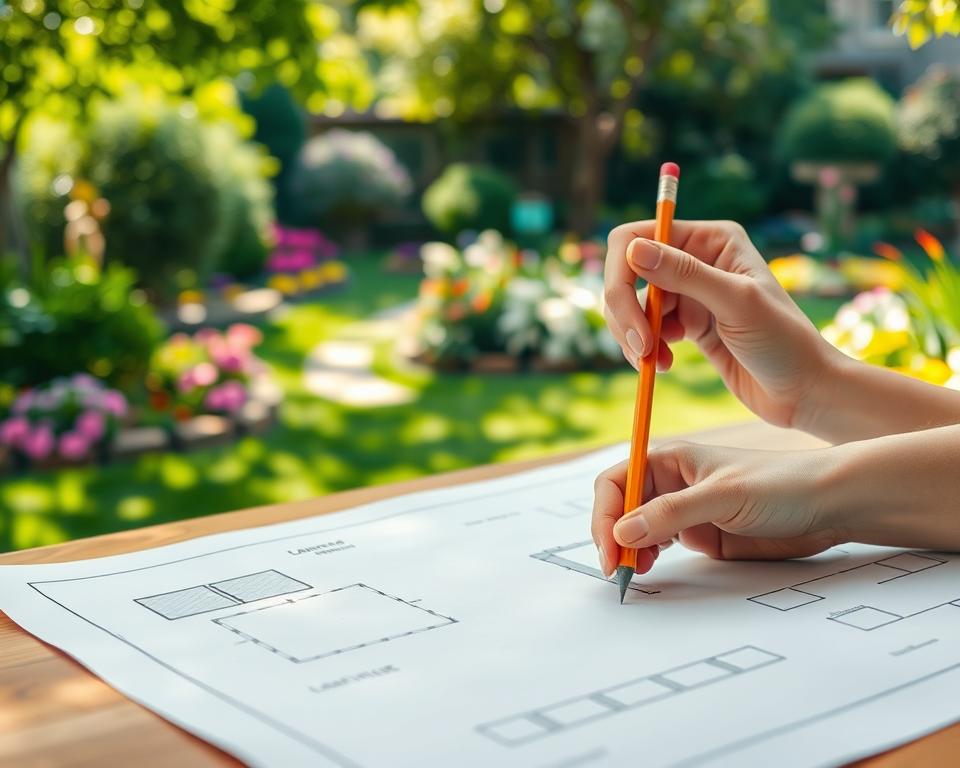
Begin with precise measurements using a quality tape measure. Record all dimensions accurately, including curves and corners. This information determines your material requirements.
Use marking spray to outline your proposed border route clearly. This temporary guide helps visualise the final appearance. Adjustments become simple before any digging begins.
Consider existing features like trees and established planting. Your new border should complement rather than conflict with these elements. Proper planning integrates everything harmoniously.
Designing Straight and Curved Edges
String lines create perfect straight sections across your garden space. They ensure consistent alignment throughout the entire length. This technique guarantees professional-looking results.
Flexible garden hose works beautifully for marking curved sections. You can easily adjust the shape until it looks exactly right. Gentle curves often create more natural-looking borders.
Consider the visual flow between different garden areas. Your border design should guide the eye pleasantly through the space. This approach enhances the overall aesthetic appeal.
Considering Pathways and Flower Beds
Existing pathways demand special attention during your planning process. Ensure your new border complements rather than conflicts with them. This integration creates a unified look throughout your garden.
Flower beds benefit from borders that define their edge clearly. Consider maintenance access when planning around planting areas. You’ll appreciate this foresight during future gardening sessions.
Drainage considerations prevent water pooling issues later. Ensure your border won’t create barriers to natural water flow. This proactive approach protects your plants and lawn health.
- Measure twice and cut once – accurate planning prevents material wastage
- Temporarily place stones along your marked line to visualise the final effect
- Account for access points between different garden zones
- Consider maintenance requirements when finalising your layout
- Double-check all measurements before proceeding to excavation
Your careful planning at this stage determines the project’s ultimate success. Every minute spent on precise layout work pays dividends in the final result. You’ll create beautiful, functional borders that enhance your entire garden.
Preparing the Ground for Installation
Proper ground preparation forms the foundation for your beautiful garden borders. This stage determines the longevity and appearance of your finished project. Taking time here ensures everything stays in place for years to come.
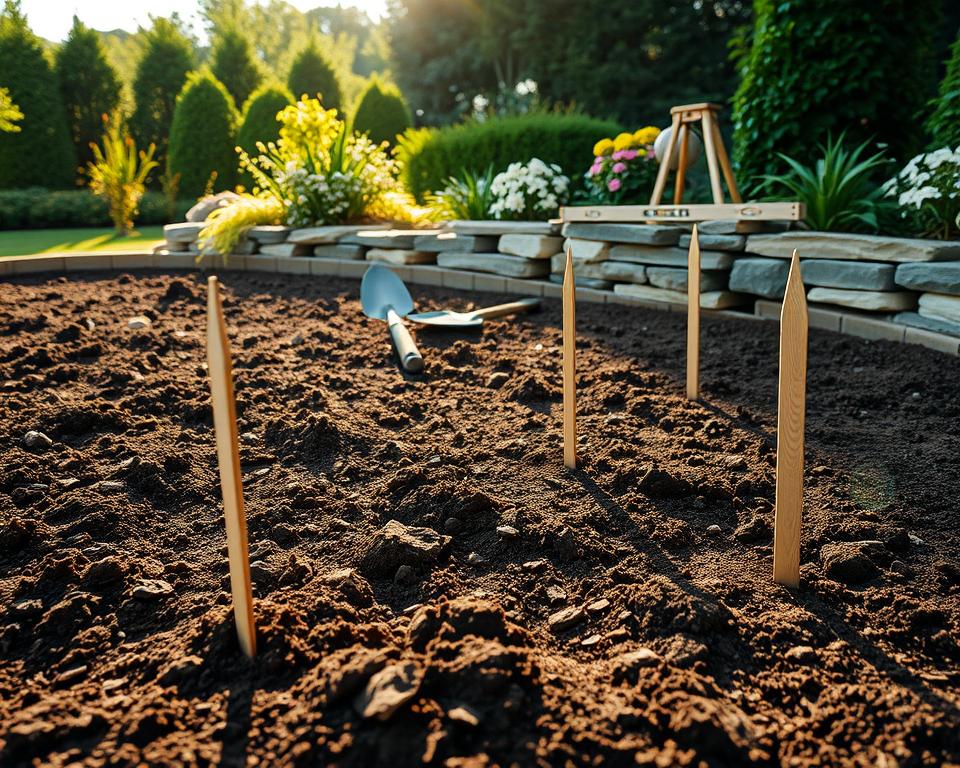
Digging the Perfect Trench
Begin by marking your desired border line with spray paint or sand. This visual guide helps maintain accuracy throughout the digging process. Your trench depth depends on your chosen stone’s dimensions.
For standard 150mm stones, dig approximately 200mm deep. This allows space for both the stone and its foundation layer. The trench width should accommodate your materials with extra room for support.
Use a spade to create clean, vertical sides along the entire length. This precision prevents soil collapse during installation. Keep checking the depth consistency as you progress.
Clearing Weeds and Debris
Remove all vegetation from the trench area completely. Weeds and grass compete with your border’s stability if left underneath. This step prevents future growth through your beautiful edging.
Eliminate any rocks, roots or organic matter from the excavation. These elements can cause settling or shifting over time. Your foundation requires a clean, uniform base for best results.
Dispose of removed materials properly to keep your workspace organised. This approach maintains safety and efficiency throughout your project. A tidy work area makes the entire process more enjoyable.
Ensuring Proper Soil Preparation
Loosen the soil at the bottom of your trench using a garden fork. This action improves drainage and helps with compaction. Your foundation needs this prepared base for optimal performance.
Check the level across the entire trench length using a spirit level. Adjust any high or low spots to create a uniform surface. This attention to detail ensures your stones sit perfectly straight.
Consider adding a gravel layer for extra drainage in wet areas. This step proves particularly useful in British gardens with heavy clay soil. The gravel base prevents water accumulation around your edging.
| Preparation Step | Recommended Depth | Key Tools Required | Time Estimate |
|---|---|---|---|
| Trench Excavation | 200mm | Spade, Measuring Tape | 2-3 hours |
| Weed Removal | Complete Clearance | Garden Fork, Gloves | 1 hour |
| Soil Preparation | 50mm Base Layer | Spirit Level, Rake | 1-2 hours |
| Final Compaction | Even Surface | Hand Tamper | 30 minutes |
Thorough preparation creates the ideal foundation for your garden transformation. Each careful step contributes to the project’s long-term success. Your effort here ensures beautiful, stable borders that enhance your outdoor space.
How to Install Lawn Edging Stones Step-by-Step
The moment has arrived to bring your planned borders to life through careful installation. This phase transforms your preparation work into beautiful, functional garden features. Follow these methods for professional results that enhance your outdoor space.
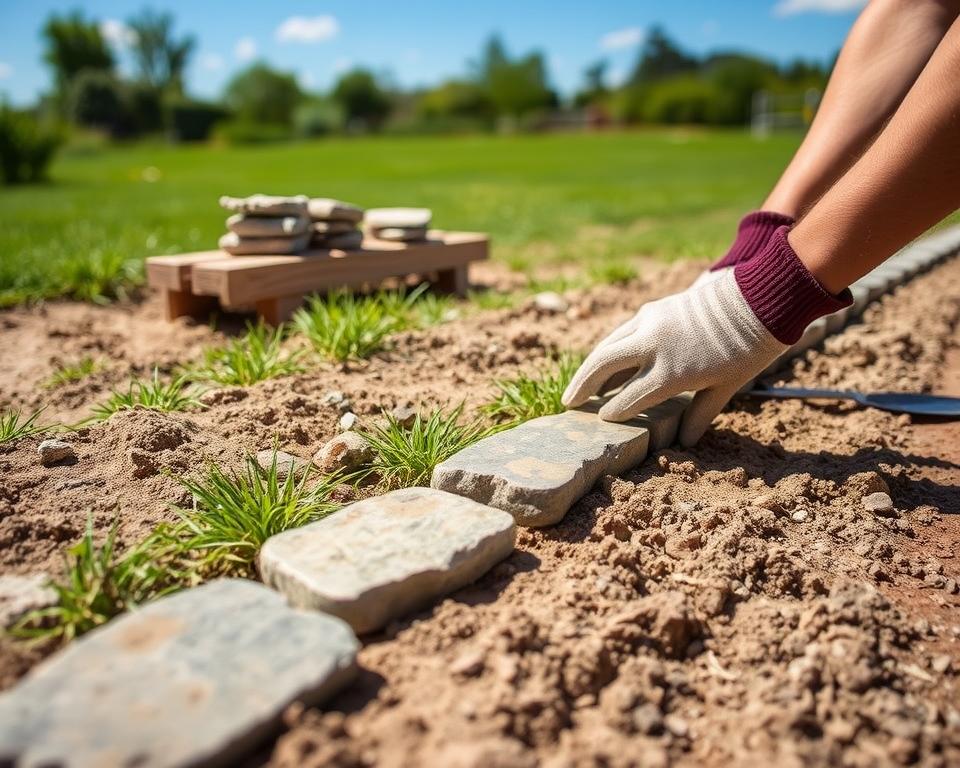
Setting Up Your String Line Guide
Establish perfect alignment from the beginning with a taut string guide. Drive sturdy wooden posts at each end of your prepared trench. Ensure they sit firmly in the ground to maintain tension.
Attach your string between these posts at the exact height you want your finished border. Use a spirit level to confirm perfect horizontal positioning. This reference line becomes your constant guide throughout the installation.
Check the string’s position matches your planned route exactly. Make adjustments before proceeding to the next step. Your attention here ensures straight, even borders.
Creating the Mortar Bed Foundation
Mix your cement and sand in the recommended 4:1 ratio. Achieve a semi-dry consistency resembling crumbly cake mixture. This texture provides ideal support without being too wet.
Place this mixture into your trench to create a solid base layer. Compact it firmly using a hand tamper or the end of a post. Ensure even distribution across the entire length.
Add more mixture until it reaches the bottom of your string guide. Check the height remains consistent along the whole line. This foundation determines your border’s stability.
Placing and Levelling Each Stone
Begin positioning your materials at one end of the trench. Lower each piece gently onto the prepared mortar bed. Maintain consistent gaps if your design requires spacing.
Check alignment with your string guide as you work. Ensure each stone sits at the correct height relative to the reference line. Small adjustments now prevent problems later.
Work in manageable sections of about one metre at a time. This approach prevents your mortar from drying before you complete placement. Maintain a steady rhythm throughout the process.
| Installation Stage | Key Technique | Common Mistakes | Professional Tip |
|---|---|---|---|
| String Guide Setup | Perfect horizontal alignment | Sagging string line | Use strong, weather-resistant string |
| Mortar Preparation | 4:1 sand/cement ratio | Too wet or dry mixture | Test consistency with squeeze test |
| Stone Placement | Gentle lowering onto bed | Dropping from height | Work with a partner for large pieces |
| Level Checking | Frequent spirit level use | Assuming rather than checking | Check both lengthways and across |
Using a Rubber Mallet Correctly
Employ your rubber mallet for gentle adjustments rather than forceful blows. Tap stones lightly to settle them into position. Excessive force can crack materials or disturb your foundation.
If a piece sits too high, remove it and adjust the mortar bed underneath. Never try to hammer it down into place. This patient approach preserves your materials’ integrity.
Check levels after each adjustment with your spirit level. Make minor tweaks until everything sits perfectly. Your rubber mallet becomes an extension of your careful hands.
Remember that quality takes time and attention to detail. Rushing this process leads to unsatisfactory results. Your patience rewards you with beautiful, lasting garden borders.
Finishing and Securing Your Edging
The final stages of your garden border project ensure lasting beauty and structural integrity. Proper completion techniques protect your investment and maintain that crisp appearance for years. These steps transform your hard work into a permanent garden feature.
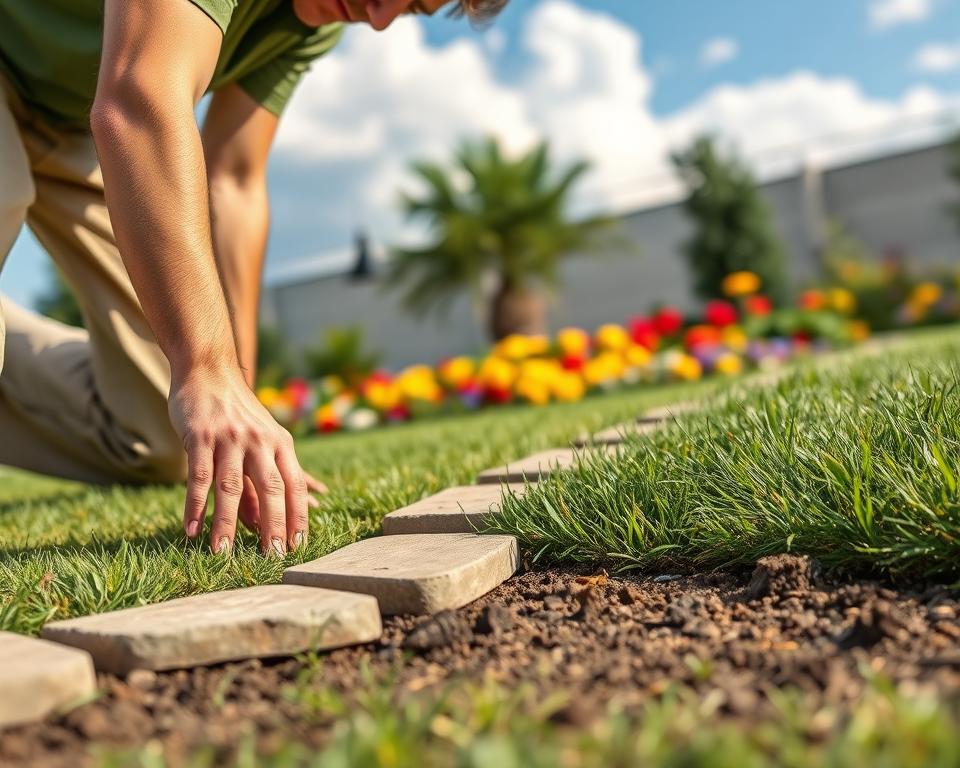
Haunching for Added Stability
Create a wetter mortar mixture for the haunching process. This consistency provides better adhesion and forms a solid support structure. Your border gains significant lateral strength from this technique.
Apply the mixture to both sides of your installed materials. Maintain a minimum width of 75mm for maximum stability. Leave approximately 2.5cm space between the haunching top and your border’s upper edge.
Smooth the surface to create a neat finish that blends with your garden design. Slope the haunching slightly away from your materials to ensure proper drainage. This prevents water accumulation around the base.
Adding Gravel or Mulch Around Edging
Backfill soil against your completed border to create a seamless transition. This approach helps integrate the new feature with existing lawn or flower beds. The result appears natural and professionally finished.
Add decorative gravel or mulch around the installed border for enhanced appearance. These materials suppress weed growth and reduce future maintenance needs. They also improve drainage around the entire installation.
- Choose materials that complement your garden’s colour scheme
- Apply a layer thick enough to prevent weed penetration
- Ensure proper drainage by maintaining appropriate depth
- Consider using landscape fabric beneath gravel for extra protection
Allowing Proper Setting Time
Exercise patience during the crucial setting period. Avoid any pressure or weight on your new border for several days. This allows the mortar to achieve its full strength naturally.
Water the area carefully if conditions are particularly dry. Light misting helps the mortar cure without washing it away. Avoid heavy watering that could compromise your work.
Conduct a final inspection once everything has fully set. Check for stability and appearance before considering the project complete. Your attention to these finishing touches ensures long-term satisfaction.
| Finishing Step | Recommended Time | Key Consideration |
|---|---|---|
| Haunching Application | Immediately after placement | Maintain consistent width and slope |
| Backfilling Soil | After haunching sets | Create smooth transition to lawn |
| Gravel/Mulch Application | Final stage | Ensure adequate depth for weed suppression |
| Curing Period | 3-5 days minimum | No pressure on border during this time |
Conclusion: Enjoying Your Professionally Edged Lawn
Your beautifully finished garden borders now offer lasting elegance and practical benefits. Well-executed garden edging creates crisp definition that transforms your entire outdoor space. You’ll notice immediate improvements in both appearance and functionality.
The clean separation between your lawn and planting areas simplifies ongoing maintenance. Your careful choice of materials ensures weather resistance and durability. Different styles complement your garden’s unique character while containing grass growth effectively.
Regular light upkeep preserves that polished look for years. Share your achievement with fellow gardening enthusiasts seeking similar tips. Your enhanced landscape now provides both visual pleasure and practical advantages.
Enjoy the professional finish that adds value to your property. Well-defined zones create organised beauty throughout your garden. Your efforts have created a lasting feature that enhances outdoor living.
FAQ
What are the advantages of using stones for lawn edging?
Stones offer durability, a natural appearance, and excellent stability. They help contain mulch or gravel, prevent grass from spreading into flower beds, and add a polished look to your landscape with minimal maintenance.
How do I choose the right type of edging stone for my garden?
Consider your garden’s style, local climate, and the stone’s shape and colour. Options like granite, limestone, or sandstone provide different textures and finishes. Ensure your choice complements existing features like pathways or flower beds.
What tools and materials are needed for installing lawn edging stones?
You’ll need a spade, rubber mallet, spirit level, string line, mortar mix, and possibly gravel or mulch. Having the correct materials ensures a smooth installation process and long-lasting results.
How do I prepare the ground before laying edging stones?
Dig a trench slightly wider than your stones, remove weeds and debris, and compact the soil. Proper ground preparation provides a stable base and helps keep your edging level over time.
What’s the best way to ensure my edging stones are level?
Use a string line as a guide and check each stone with a spirit level as you place it. Gently tap stones into place with a rubber mallet to adjust their height and alignment.
Should I use mortar when installing lawn edging stones?
Mortar adds stability, especially in areas with heavy foot traffic or uneven ground. It helps secure stones in place, though some designs may allow for dry-laying with gravel backfill for a more flexible finish.
How can I secure the edging for extra stability?
Haunching—adding mortar to the sides of the stones—locks them in place. You can also backfill with gravel or mulch, which improves drainage and reinforces the structure.
How long should I wait before finishing the area around new edging?
Allow at least 24–48 hours for mortar to set before adding soil, gravel, or plants. This waiting period ensures your hard work stays intact and looks professional for years.