Ideal Greenhouse Placement Guide – UK Gardens
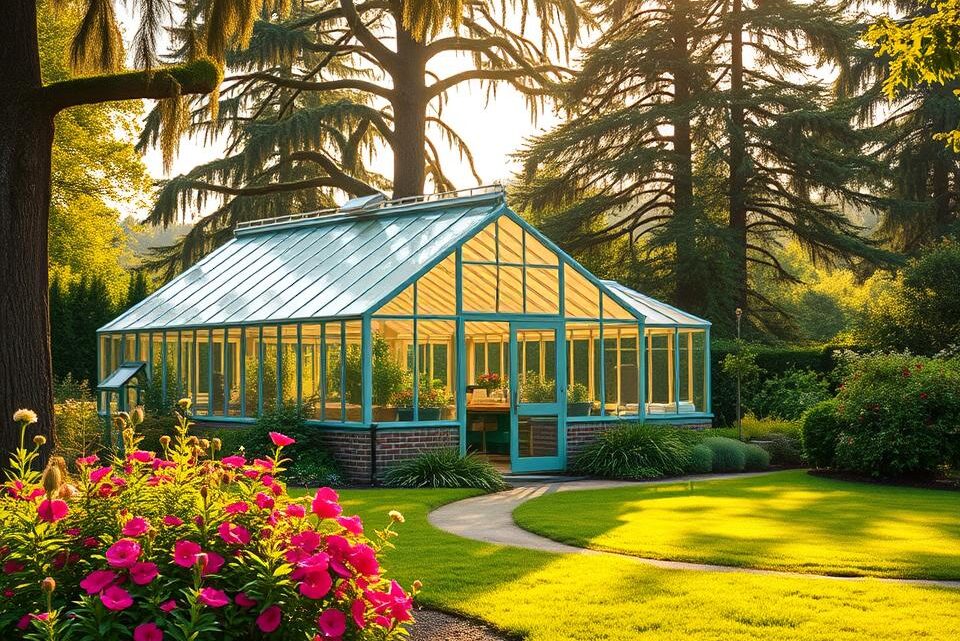
Choosing The Right Location for the Greenhouse is the first and most important decision for any gardener in the United Kingdom. Correct greenhouse placement UK affects plant health, energy use and year‑round productivity, especially given British weather variability from the Scottish Highlands to Cornwall.
This UK garden greenhouse guide draws on practical advice from the Royal Horticultural Society and climate data from the Met Office. It also references common suppliers such as Hartley Botanic, Halls and Greenhouses Direct to illustrate typical greenhouse sizes and specifications that influence greenhouse site selection.
The scope covers assessing light and microclimate, ground preparation and drainage, shelter from wind, access to water and power, orientation for passive solar gain, planning rules across England, Scotland, Wales and Northern Ireland, and sustainability measures. The guidance suits amateur and experienced gardeners, allotment holders and small‑scale growers seeking an ideal greenhouse location.
Throughout this guide you will find evidence‑based, practical steps to evaluate microclimate, balance accessibility with aesthetics, and optimise greenhouse placement UK to maximise growing seasons and reduce running costs.
Inhaltsverzeichnis
Key Takeaways
- Early site choice shapes plant performance and energy needs.
- Assess light, shelter and ground conditions before buying a greenhouse.
- Use supplier specifications from Hartley Botanic, Halls or Greenhouses Direct to match size to site.
- Factor in local planning rules and microclimate differences across the UK.
- Prioritise ease of access to water and electricity for long‑term use.
Understanding The Right Location for the Greenhouse
Choosing the right site for a greenhouse means weighing light, shelter, ground and daily use. This short guide explains defining greenhouse location in a UK garden and helps readers judge greenhouse suitability UK with clear, practical points.
Defining what “The Right Location for the Greenhouse” means in a UK context
The right location balances useful sunlight, protection from prevailing winds, decent ground and easy access. It should reduce frost risk and sit where water and electricity are reachable for irrigation and heating. Planning rules and neighbour impact must be considered when assessing defining greenhouse location.
How microclimate, sunlight and shelter determine suitability
Local variations shape growing conditions. A wall facing south or a courtyard can create a warmer microclimate greenhouse UK, extending the season and lowering heating demands.
Count cumulative sun hours and note daily angles through spring and autumn. Areas under tall trees or beside large buildings suffer deep shade and poor greenhouse suitability UK.
Shelter from prevailing winds reduces heat loss and potential damage. Use existing hedges, fences or walls to create calmer spots without blocking essential light.
Balancing accessibility, aesthetics and functionality
Practical trade-offs are common. A south-facing lawn spot gives top light but may sit far from taps and sockets. Placing a greenhouse near the house improves garden functionality and greenhouse use for daily tasks.
Think about deliveries, wheelchair access and visual fit within the garden. A well-placed greenhouse can enhance garden design while staying functional and compliant with local planning rules.
- Good examples: south or south-east of the house, open sheltered lawn areas, or beside a sun-warmed wall.
- Locations to avoid: north-facing dips, frost pockets, dense shade beneath mature trees.
Assessing Sunlight and Shade Patterns in UK Gardens
Start by noting how light moves across your garden from dawn to dusk. At UK latitudes the sun follows a low arc in winter and a high, long arc in summer. This affects glazing angle, seasonal planting and passive solar gain for a greenhouse.
Track daily and seasonal sun paths by recording morning, midday and afternoon light over several days in each season. Mark direct sun, dappled shade and full shade on a simple plan. Use a compass or your phone compass to find true south and relate the sun path UK charts to your site.
Use practical tools and apps to map sunlight exposure. Sun Seeker gives an augmented reality view of solar angles. PVGIS supplies solar charts for UK locations. For planning, Garden Planner or SketchUp help model shadow lengths and glazing angles for different months.
Try shade mapping tools UK to produce clear diagrams of problem areas. A manual method works too: place stakes at key times, photograph shade lines and note times when the greenhouse would gain or lose sun.
Check how neighbouring structures and trees alter light. Houses, conservatories and garages cast long winter shadows. Mature trees lengthen shadows as they grow. Measure or model shadow lengths to predict seasonal impact on light and heat inside the greenhouse.
Record obstructions at different times of year and list likely changes. If trees are protected by a Tree Preservation Order, contact your local council before pruning. Use temporary options such as shade cloth or movable staging to manage intense summer sun while keeping winter gains.
Keep a simple garden light analysis to guide glazing choices and crop placement inside the greenhouse. Small, regular observations paired with mapping tools reduce guesswork and help you plan for year-round performance.
Soil, Drainage and Ground Preparation for a Greenhouse
Getting the ground right before installing a greenhouse saves time and prevents costly repairs later. Proper greenhouse ground preparation UK begins with simple checks and finishes with the correct base and drainage to suit local conditions.

Evaluating soil type and bearing capacity
Start by identifying the soil type: peat, clay, sand or loam. Peaty soils hold water and compress, clay swells and shrinks with moisture, sandy soils drain fast but may lack support, loam is generally the most stable. A hand texture test helps you classify the soil quickly.
Test bearing with a simple probe or a small load test. For larger glasshouses or heavy framed builds follow up with a professional geotechnical ground investigation. Good soil bearing capacity greenhouse ensures minimal settlement and stable door and frame alignment.
Assessing drainage and solutions for waterlogging
Look for signs of seasonal waterlogging such as gleyed soils, surface pooling or a high water table. Dig a trial pit and note how long water remains; this percolation check indicates whether surface water will drain naturally.
Effective drainage solutions greenhouse include French drains, gravel sub-bases and land drains. Permeable paving for access routes reduces run-off. Placing crushed stone and a geotextile membrane beneath the base improves long-term performance and reduces the risk of frost heave.
Foundations and base options suited to UK conditions
Choose foundations to match ground strength and greenhouse size. Options include concrete strip foundations, concrete slabs, timber bearers on compacted hardcore and proprietary dwarf walls. Timber bearers suit allotments and soft ground where a lighter base is needed.
Follow local frost depth guidance when setting foundation depth. Most manufacturers, such as Halls, provide base recommendations for their ranges; check these before work begins. Damp-proof membranes under slabs and a slight fall to an outlet or soakaway keep water away from frames.
For compact sites consider a raised concrete or timber base to reduce frost heave and water ingress. Ensure any soakaway or drainage connection complies with local regulations.
| Soil Type | Key Risk | Recommended Base |
|---|---|---|
| Peat | Compression, high water content | Raised concrete slab, timber bearers on piled hardcore |
| Clay | Swelling and shrinkage with moisture | Concrete strip foundations below frost depth, damp-proof membrane |
| Sand | Poor cohesion, potential settlement | Compacted hardcore with concrete slab or timber bearers |
| Loam | Generally stable but variable | Timber bearers or concrete strip, site-specific inspection |
Plan drainage and foundations together rather than in isolation. Doing so delivers a durable base, improves plant health and protects the structure across changing UK seasons.
Wind Exposure and Shelter Strategies
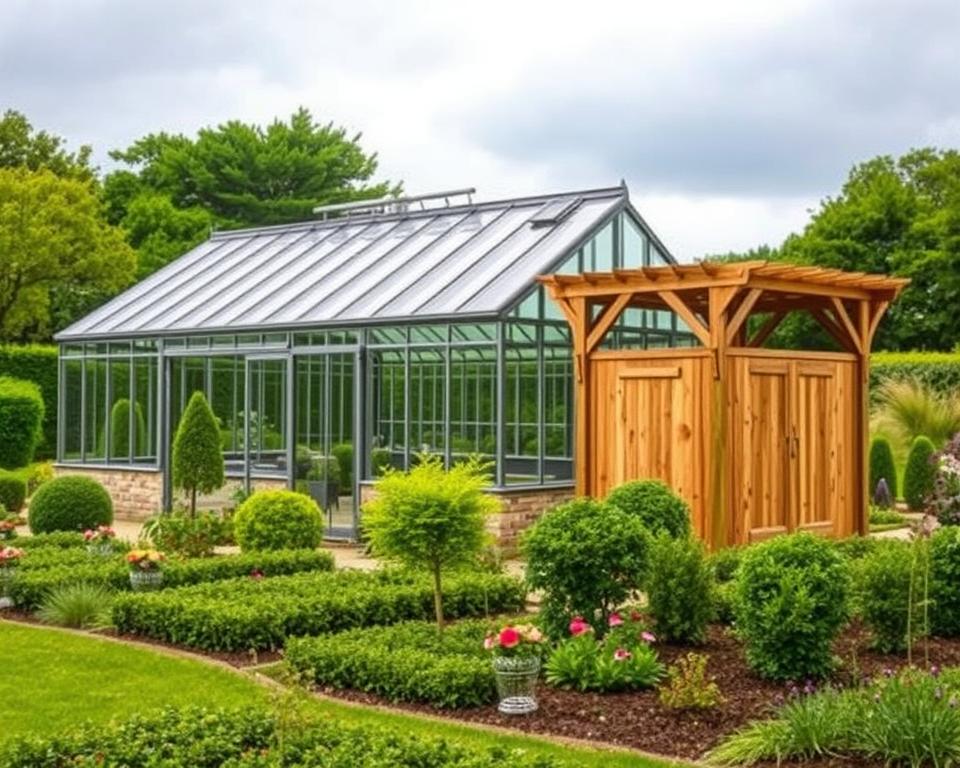
Sit your greenhouse with wind in mind. The south-westerly flow dominates much of Britain, while Atlantic storms bring stronger gusts to western coasts and northern Scotland. A short site survey, noting gust corridors between buildings or on hilltops, will help set priorities for a greenhouse wind shelter UK.
Identifying regional wind patterns
Use Met Office regional data and a few days of on-site observations to confirm prevailing winds UK greenhouse. Mark the directions that feel strongest and note times of day when gusts peak. Pay attention to gaps in hedges or fences that channel wind toward the greenhouse.
Practical shelter with plants and fences
Mixed hedges of native species such as hawthorn, beech and hornbeam give year-round shelter without excessive shade. Leylandii can work, but manage height and density to avoid shading and neighbour disputes. Timber fences and brick walls provide immediate protection, yet semi-permeable windbreaks greenhouse perform best at reducing turbulence.
Windbreak design and placement
Siting windbreaks a distance of one to three times their height upwind cuts wind speed while lowering eddies. Aim for around 50–60 per cent porosity in a planted or woven windbreak to disperse gusts. Use staggered rows of shrubs or purpose-built screens where space allows.
Construction and greenhouse design choices
Choose lower-profile structures or polycarbonate panels for exposed sites to reduce uplift. Anchor bases firmly with concrete footings or ground anchors, and fit robust door seals. Insulation such as double-glazing and thermal screens will help reduce greenhouse heat loss during cold spells.
Maintenance and coastal precautions
Inspect fixings and glazing after strong winds. Replace corroded screws with stainless steel on coastal sites where salt-laden air accelerates rust. Regular pruning of sheltering hedges keeps porosity effective and prevents excessive shading.
Proximity to Water, Power and Garden Utilities
Choosing the right spot for a greenhouse means thinking about practical services as much as light and shelter. Easy access to water and electricity cuts daily hassle. It supports heating, irrigation and routine cleaning. Planning for drainage and waste prevents future problems with neighbours and regulators.
Ensuring convenient water supply for irrigation and heating
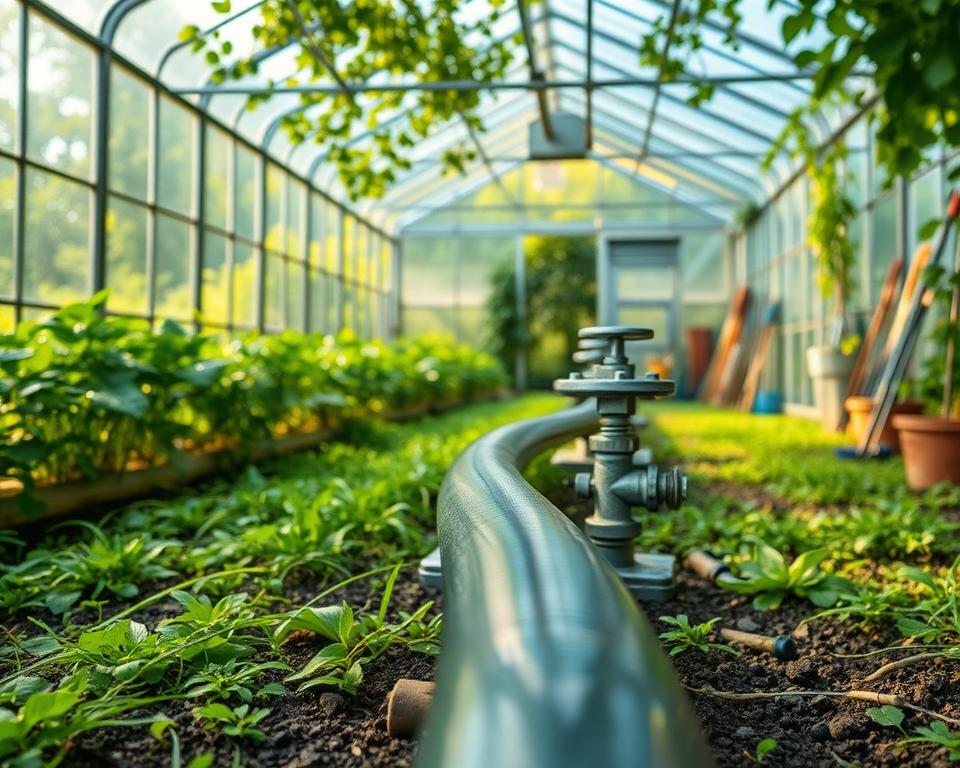
Sit the greenhouse near a mains tap or a reliable rainwater system to keep greenhouse water supply simple. Short hose runs reduce pressure loss and heat loss when using warm water. Fit frost-proof taps and insulate exposed pipework in winter.
Where mains access is distant, install a header tank or a gravity-fed system fed from a plastic water butt or a larger storage tank. For larger capacities, consider an underground tank sited to capture roof run-off. Check local building regulations if you plan a big rainwater harvesting installation.
Access to electricity for heating, lighting and ventilation
List the greenhouse electrics you will need before choosing a site. Typical items include grow lights, fans, thermostats, heaters, automatic vents and charging points for battery tools. Run power via an outdoor-rated circuit with IP-rated sockets, RCD protection and adequate consumer unit capacity.
Hire a qualified electrician, such as a member of the NICEIC or NAPIT schemes, to install final connections and test circuits. If using electric heating, check load limits. For gas or oil systems, plan safe fuel storage and flue routing to meet building safety rules.
Drainage, waste and nearby utility constraints
Design a simple drainage route for greywater from hose-downs and benches. Where discharges reach mains or watercourses, follow Environment Agency guidance and Building Regulations. If soakaways are planned, verify ground percolation rates first.
Avoid siting the greenhouse above utility service trenches, septic tank fields or close to conservation-area boundaries that limit external work. Listed properties may restrict alterations, so consult the local planning authority when in doubt.
Orientation and Positioning for Maximum Grow Performance
Choosing the right greenhouse orientation UK gardeners favour will shape light, heat and crop success. Small adjustments to siting and angle can boost winter sun and cut summer overheating. The guidance below helps match greenhouse positioning for crops with seasonal needs and passive solar design.
Best greenhouse orientations for UK latitudes
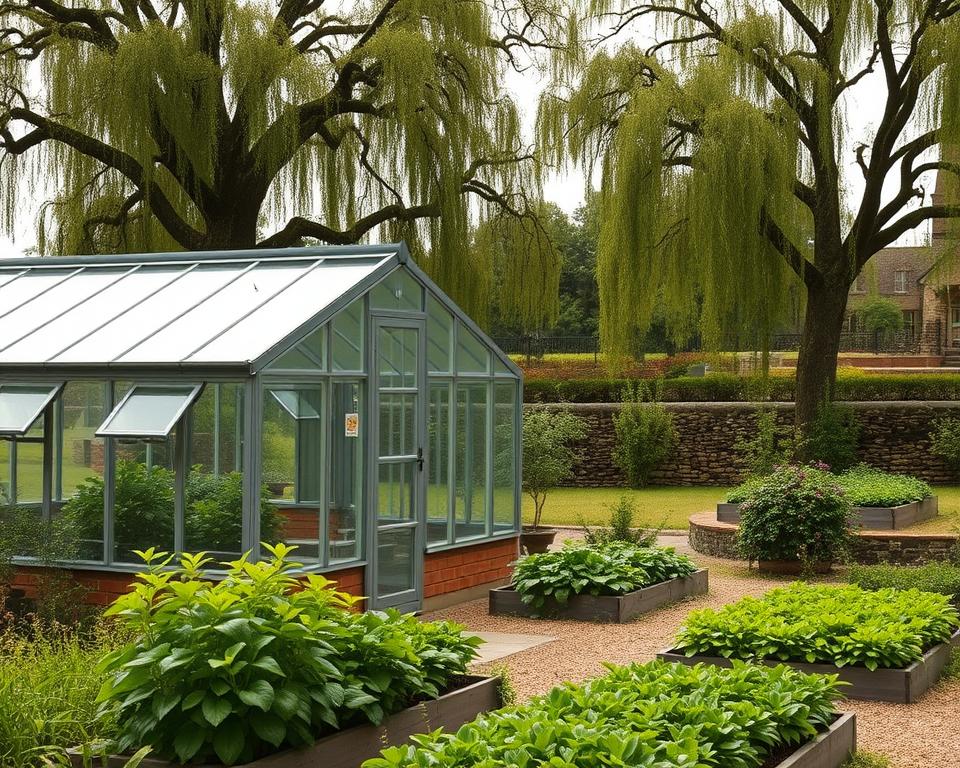
For most UK locations set the long axis east–west so the largest glazed face points south. This arrangement maximises low winter sun for warmth when plants need it most. If morning heat is valued for early crops, a south-east aspect works. For gardeners who want late-afternoon warmth, a south-west aspect is preferable.
Placement strategies for seasonal crops and overwintering
Place the greenhouse to give full sun to beds used for wintering tender plants. Siting closer to the house or a warm brick wall reduces exposure to frost and makes daily access easier. Use removable shading, internal staging and north-side shelves to create cool zones for summer crops while keeping the main benches sunlit.
Adjusting position for passive solar gain
Design roof pitch and ridge orientation to catch low winter rays. Locate thermal mass, such as water butts or stone, on the north side so it stores heat without casting shade on south-facing glazing. Add insulating curtains for overnight warmth and place vents to enable cross-ventilation during hot spells.
For small backyard setups a glasshouse sited on a south-facing patio beside the house often gives the best greenhouse facing UK and convenient shelter. Larger freestanding structures perform best with open southern exposure and clear sightlines to the sun.
Practical tweaks include positioning side vents for prevailing breezes, keeping nearby trees trimmed to avoid shading and using masonry walls as thermal buffers. All of these choices improve passive solar greenhouse performance and refine greenhouse positioning for crops across seasons.
Local Planning, Regulations and Neighbour Considerations
Planning for a greenhouse in the UK needs practical attention to rules and to those who share nearby space. Small structures often sit comfortably within permitted development rules, but limits on size, height and proximity to boundaries matter. Early checks with the local council save time and reduce disputes.

Overview of planning rules and permitted development
Permitted development greenhouse projects can proceed without formal planning permission when they remain ancillary to the dwelling and meet size thresholds set by the Planning Portal. Typical constraints include maximum eaves height, total footprint and distance from the house or boundaries. A compact greenhouse used for garden plants will usually qualify as permitted development greenhouse, provided it does not create a separate dwelling or significantly alter the street scene.
Exceptions occur when work affects a front garden visible from the road, or when the structure exceeds the defined dimensions. If in doubt, a short pre-application enquiry to the local planning authority clarifies whether full planning permission is required.
Permits, listed buildings and conservation areas
Properties on designated land face tighter controls. For a greenhouse listed building UK owners must seek consent for any external change that affects character. Conservation area status can trigger similar requirements. Historic England and local authority guidance explain when listed building consent or planning permission is necessary.
Even modest greenhouses may need permission if they sit within the curtilage of a listed property. Documenting design, materials and siting in a scaled plan improves the chances of a smooth decision.
Building Regulations and technical approvals
Most greenhouses do not need Building Regulations approval, but bases and fixed services may. Structural bases, permanent drainage connections and new electrical installations can require certified tradespeople and compliance certificates. A registered electrician should carry out wiring to meet Part P rules.
Keeping paperwork for any certified work helps at resale and demonstrates safe, compliant installation.
Managing views, privacy and neighbour relations
Good neighbour relations start with a conversation. Neighbour considerations greenhouse include siting to avoid overshadowing, choosing transparent glazing or low-profile designs and setting the structure away from shared boundaries.
Discussing fence and wall heights or planting screens can reduce concerns about privacy and obstructed views. A simple site plan showing distances to neighbouring boundaries demonstrates a cooperative approach.
Practical steps before you build
Follow a clear checklist before committing to a purchase or build:
- Check local council guidance and the Planning Portal for permitted dimensions.
- Confirm whether the property is listed or in a conservation area.
- Place a scaled site plan showing distances to boundaries and existing structures.
- Make a pre-application enquiry to the local planning authority if uncertain.
- Inform neighbours early and adjust siting to address concerns.
| Consideration | Typical Requirement | Action |
|---|---|---|
| Permitted development | Ancillary use, size limits, eaves height and boundary setbacks | Verify dimensions against Planning Portal guidance |
| Designated land | Listed building UK or conservation area may need consent | Contact local planning authority and consult Historic England guidance |
| Building Regulations | Bases, drainage and electrical work may trigger approvals | Use certified tradespeople and retain compliance certificates |
| Neighbour considerations | Privacy, light loss and visual impact | Share plans, adjust siting and offer screening solutions |
| Pre-application checks | Clarifies whether planning permission is needed | Submit pre-app enquiry and include a scaled site plan |
Access, Pathways and Maintenance Practicalities
Good greenhouse access UK planning makes everyday tasks easier and keeps plants healthy. Place the greenhouse within easy walking distance of the kitchen, water supply and compost store so watering, harvesting and potting feel natural. Think about mobility-impaired users and include threshold ramps and wide doors where needed.
Designing access routes for daily use and deliveries
Choose non-slip, permeable surfaces such as resin-bound gravel, permeable paving or flagstones on a compacted sub-base. Paths should allow wheelbarrow movement; aim for 0.9–1.2 m minimum and increase width for machine deliveries.
For large kits, check vehicle and crane access ahead of purchase. Plan temporary gate removal or a clear delivery corridor so installers from brands like Hartley Botanic or Robinsons can work safely.
Space requirements for maintenance and equipment
Provide external storage for compost, tools and fuel to free internal working space. Inside, keep clear aisles, a potting bench and staging. Allow room for heaters, dehumidifiers and water tanks without blocking vents.
Allocate a service clearance around the structure for glazing repairs and winter maintenance. Secure anchoring and visible placement near the house reduce theft risk and aid quick checks.
Seasonal access issues in wet or frosty conditions
Raised, well-drained paths keep mud at bay during winter. Use grit, textured paving or grooved slabs to reduce slips when frost hits. Fit sturdy door thresholds and consider low-energy security lighting for safe winter working.
| Practical Area | Recommended Specification | Benefit |
|---|---|---|
| Path surface | Resin-bound gravel or permeable paving on compacted sub-base | Non-slip, drains well, low maintenance |
| Path width | 0.9–1.2 m minimum for wheelbarrows; 1.5–2.5 m for delivery access | Easy movement of tools, compost and large deliveries |
| Delivery access | Vehicle/crane access or temporary gate removal planned | Smoother installation, fewer delays |
| Internal layout | Clear working aisles, potting bench, storage for equipment | Efficient daily workflow and easier greenhouse paths and maintenance |
| Winter measures | Raised paths, textured surfaces, security lighting | Reliable winter access greenhouse safety and reduced slips |
| Security | Locks, motion-sensor lights, secure anchoring, visible location | Deters theft and vandalism, quick oversight from house |
Climate-Specific Considerations for Different UK Regions
Site choice must answer local weather patterns and garden features. Small design changes make a big difference when you plan for a greenhouse northern UK, greenhouse Scotland, greenhouse west UK wet, greenhouse east UK dry or coastal greenhouse placement UK.
Greenhouse placement advice for northern and Scottish gardens
In cold zones place the structure with a sheltered aspect to cut wind chill. Position close to a heated outbuilding or a stone wall to benefit from stored warmth.
Use double or triple glazing and robust aluminium or steel frames rated for snow loads. Insulate where possible and consider thermal mass such as water barrels or masonry to steady night temperatures for greenhouse Scotland and greenhouse northern UK locations.
Recommendations for west (wetter) and east (drier) regions
Atlantic-facing areas need raised, well-drained bases to avoid waterlogging. Bolt frames with corrosion-resistant fixings and choose impact-resistant polycarbonate for greenhouse west UK wet sites.
East-facing or inland zones offer drier, sunnier conditions ideal for tomatoes and vines. Provide good ventilation for summer heat and retain simple frost protection for occasional cold nights when siting a greenhouse east UK dry.
Adapting placement for coastal exposure
Sea spray speeds corrosion and can harm crops. Sit slightly inland or behind hedging to reduce salt-laden wind at coastal greenhouse placement UK sites.
Pick stainless steel fixings and low, aerodynamic profiles to cut wind pressure. Plan a maintenance routine for metalwork and glazing to protect longevity in salty air.
Use terraces, courtyard placements and south-facing walls to create microclimates where needed. Buffer planting of evergreens and masonry elements helps trap heat and reduces exposure across all regions.
Sustainability, Energy Efficiency and Passive Heating Techniques
Creating a sustainable greenhouse UK requires simple design choices that cut energy use and boost plant health. Thoughtful placement, built-in thermal storage and efficient water systems make a greenhouse resilient and low-cost to run. The guidance below shows practical steps to combine passive heating, rainwater systems and renewable-ready siting.
Using thermal mass and insulation for temperature stability
Thermal mass greenhouse strategies store daytime heat and release it at night. Water butts, concrete slabs, stone floors and masonry dwarf walls soak up sun and steady overnight temperatures.
Place heavy thermal mass on the north side to avoid shading south-facing glazing. Insulate exposed walls and use twin-wall polycarbonate glazing or bubble wrap in winter to reduce heat loss. The Royal Horticultural Society and University of Reading research note marked benefits from improving thermal performance.
Rainwater harvesting and sustainable irrigation placement
Rainwater harvesting greenhouse systems start with roof gutters feeding a tank or butts. Position tanks close to the greenhouse to reduce pipe runs and allow gravity-fed irrigation where possible.
Site pumps and filters near the tank, use first-flush diverters to protect water quality and fit basic mesh filters for sensitive crops. A well-placed rainwater harvesting greenhouse setup lowers mains water use and keeps irrigation costs down.
Positioning for renewable connections and solar panels
Design the greenhouse location to ease routing for photovoltaics and batteries. Place arrays on an adjacent south-facing roof or on a nearby ground-mounted frame to power fans, low-energy heaters and LED grow lights.
Work with accredited MCS installers such as British Solar Renewables or local installers to plan inverter siting and battery storage. Off-grid solar greenhouse options work well for remote plots or for growers aiming for full energy independence.
Low-energy systems, passive heating and ventilation
Combine south-facing glazing with insulated shutters and thermal curtains to capture and hold heat. Passive heating greenhouse methods include correct orientation, insulated shutters and compost heat exchange beneath benches.
Automatic venting linked to thermostats and passive ventilation routes cut heater dependence. Use low-energy LED grow lights and efficient fans to keep running costs low.
Materials, lifecycle and low-embodied carbon choices
Choose durable, recyclable materials and corrosion-resistant fixings to increase lifespan and reduce waste. Consider reclaimed bricks, second-hand glazing or sustainably sourced timber where structural needs allow.
Long-lived components lower lifecycle impacts and make a thermal mass greenhouse more economical over decades.
| Measure | Practical action | Benefit |
|---|---|---|
| Thermal mass | Install water butts, concrete floor or stone wall on north side | Stabilises night temperatures and reduces heater runtime |
| Insulation | Fit twin-wall polycarbonate, bubble wrap or thermal screens | Lower heat loss and improve winter performance |
| Rainwater harvesting | Gutters to tanks, first-flush diverter, gravity-fed outlets | Reduces mains use and protects crop quality |
| Renewables | Site PV on adjacent south roof, plan battery/inverter location | Supports off-grid or low-cost electricity for fans and lights |
| Ventilation | Automatic vents on thermostats, passive airflow design | Maintains temperature and humidity with minimal energy |
| Materials | Use recyclable fixings, reclaimed bricks, durable glazing | Lower embodied carbon and longer service life |
Conclusion
This greenhouse site selection summary brings together the essentials for choosing greenhouse location UK gardeners can trust. Prioritise sunlight and the local microclimate, seek shelter from prevailing winds, and check ground conditions and drainage. Match orientation and access to utilities, and factor in planning restrictions to avoid delays.
For final greenhouse placement tips UK, carry out a simple site survey: map sun and shade through the day, note wind exposure, test soil and drainage, and confirm proximity to water and power. Review local planning rules and speak with neighbours before ordering a structure or base.
Practical next steps include contacting reputable suppliers such as Halls or Hartley Botanic, consulting RHS guidance and Met Office climate data, and hiring qualified electricians or builders for connections and foundations. These steps make choosing greenhouse location UK both straightforward and robust.
Thoughtful siting improves energy efficiency and longevity. Careful placement reduces heating and maintenance costs, boosts yields and protects your investment. This final greenhouse placement tips UK summary underlines that a little planning now saves time and expense over the life of your greenhouse.
FAQ
What does “The Right Location for the Greenhouse” mean for UK gardens?
It means siting a greenhouse where it receives maximum useful sunlight, is sheltered from damaging winds, drains well, is convenient to water and power, complies with planning rules and causes minimal nuisance to neighbours. In the UK this often implies a south- or south‑east-facing spot near the house or a sheltered lawn, taking into account regional climate differences and local microclimates identified by the Met Office and guidance from the Royal Horticultural Society.
How do I assess sunlight and shade in my garden over the seasons?
Track morning, midday and afternoon light across several days and, if possible, different seasons. Use a compass or phone to find true south, then try apps such as Sun Seeker or PVGIS to plot solar angles at UK latitudes (roughly 50°–58°N). Mark long winter shadows from trees, houses or garages and record when direct sun reaches the proposed site so you can plan glazing, crop placement and passive solar gain.
What ground preparation does a greenhouse need in typical UK soil types?
Start by testing soil texture and drainage with simple hand and percolation tests. Remove vegetation and roots, level the site and use compacted hardcore beneath a base. Options include concrete strip foundations, concrete slabs, timber bearers on compacted stone, or dwarf walls. Add a geotextile and crushed stone to improve drainage and include a damp‑proof membrane if advised by the manufacturer—consult Halls or Greenhouses Direct installation instructions for specific bases.
How should I protect a greenhouse from prevailing winds and storms?
Survey wind direction and gust corridors, then provide semi‑permeable shelter such as hedges, managed mixed hedgerows or timber windbreaks rather than solid walls to reduce turbulence. Ensure strong anchoring and corrosion‑resistant fixings (stainless steel) for exposed or coastal sites. In very exposed areas, consider lower-profile polycarbonate greenhouses, strengthening cross-bracing and using thermal curtains to reduce heat loss.
What are the best practices for water and electrical access to a greenhouse?
Site the greenhouse close to a mains tap or rainwater harvesting system with insulated pipework and frost‑proof taps. Fit gutters to feed butts or tanks and locate pumps or header tanks for gravity feed. For electricity, use an electrician to install outdoor‑rated sockets (suitable IP rating), RCD protection and adequate consumer unit capacity. Plan for lights, fans, thermostats and heaters when sizing circuits and consider off‑grid solar with battery storage if mains access is difficult.
Which greenhouse orientation produces the best results in the UK?
Generally align the long axis east–west with the largest glazed face facing south to maximise winter solar gain. South‑east or south‑west can be chosen to favour morning or afternoon sun. Combine orientation with roof pitch and placement of thermal mass (water butts or stone) on the north side to store heat without shading the glazing.
Do I need planning permission for a greenhouse in the UK?
Many small, ancillary greenhouses fall under permitted development, but rules vary. Permission may be needed if the structure exceeds size limits, is sited forward of the principal elevation, sits on designated land, or affects listed buildings and conservation areas. Check the Planning Portal and consult your local planning authority, especially for large glasshouses or sites with restrictive policies.
How do I ensure year‑round access and maintenance for my greenhouse?
Place the greenhouse close to the house, water source and storage for tools and compost. Design non‑slip, permeable paths wide enough for wheelbarrows and deliveries. Allow space for staging, potting benches and equipment. In wet or frosty seasons use raised, well‑drained surfacing and consider security measures such as locks and motion lighting for winter working.
How should siting differ across UK regions—Scotland, west and east England or the coast?
In northern and Scottish gardens give extra shelter and insulation, and use robust framing for snow loads. Western, Atlantic‑exposed areas need elevated, well‑drained bases and corrosion‑resistant fixings due to wind and rain. Eastern regions are drier and often more sheltered but still need summer ventilation. Coastal sites benefit from siting slightly inland or behind windbreaks and using stainless fixings to resist salt spray.
What sustainability measures can I integrate when siting a greenhouse?
Orient for passive solar gain and use thermal mass (water butts, stone floors) on the north side. Fit thermal screens, twin‑wall polycarbonate or insulation where needed. Position gutters and tanks for rainwater harvesting and allow routing for photovoltaic panels or battery storage nearby. Use low‑energy LED lighting, automatic vents on thermostats and durable recyclable materials to reduce running and embodied carbon.
How do neighbouring trees and structures affect greenhouse placement and what legal checks should I make?
Trees and buildings cast long winter shadows and may grow to block sunlight over time. Measure or model shadow lengths and consider pruning or removal only after checking for Tree Preservation Orders and conservation restrictions. Discuss plans with neighbours to avoid disputes over overshadowing or privacy and check local council guidance before altering protected trees or boundaries.
What foundation depth and drainage measures are required to avoid frost heave and waterlogging?
Foundation depth should follow local frost depth guidance and the greenhouse manufacturer’s recommendations. Use compacted hardcore, crushed stone and geotextile membrane beneath bases, and add French drains or land drains where seasonal waterlogging occurs. Ensure a fall for surface water to an outlet or soakaway compliant with local rules and include damp‑proof membranes where indicated.
Can I site a greenhouse near a living space to benefit from thermal buffering?
Yes. Placing a greenhouse adjacent to a south‑facing house wall or patio can provide thermal buffering and convenience for winter plants. A warm wall stores and radiates heat, reducing frost risk. Ensure you do not create damp issues against the house and check building regulations if you attach the greenhouse to the dwelling.
Where can I find reputable greenhouse suppliers and installers in the UK?
Well‑known UK suppliers include Halls, Hartley Botanic and Greenhouses Direct, which offer a range of sizes and foundation guidance. For solar or electrical installations seek MCS‑accredited solar installers and qualified electricians. Consult the RHS for technical advice and read manufacturer installation instructions when planning bases and anchoring.