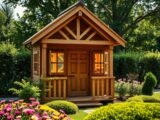
Innovative Lights for Sheds Ideas & Solutions

Sheds are no longer just storage boxes. Across the UK, homeowners repurpose them as workshops, home offices and leisure spaces. This shift has made shed lighting ideas and lights for sheds ideas a practical priority for anyone planning a shed renovation lighting scheme.
Major retailers such as Screwfix, Wickes and B&Q now stock a wide range of shed lights UK options, from robust LED batten lights by Philips (Signify) to smart bulbs compatible with Ring and IKEA systems. These market offerings make it easier to match garden shed lighting to purpose, budget and style.
UK-specific factors matter. Weatherproofing, compliance with Part P of the Building Regulations for mains wiring, and limited winter daylight all shape decisions about garden shed lighting. This article will guide shed owners, hobbyists and workshop users through safety, energy efficiency, task and ambient lighting, outdoor security, smart controls and installation tips for a successful shed renovation lighting plan.
Inhaltsverzeichnis
Key Takeaways
- Lights for sheds ideas help transform sheds into useful, safe spaces.
- Shed lighting ideas should balance task needs with energy efficiency.
- Shed lights UK offerings from Screwfix, Wickes and B&Q cover basic and smart options.
- Consider weatherproofing and Part P rules when planning mains wiring.
- Effective shed renovation lighting improves usability in winter months.
Why Lighting Matters in Sheds: Safety, Function and Style
Good lighting changes how a shed feels and performs. It keeps people safe, helps tasks get done, and lifts the look of the space. Thoughtful choices in shed safety lighting and workshop lighting make a shed into a secure, useful and welcoming place.
Enhancing safety and security with proper illumination
Proper illumination cuts trip risks and supports safe working, in line with Health and Safety Executive guidance on adequate lighting levels. Internal lights should cover walkways, steps and work areas so shadows do not hide hazards.
External options such as PIR sensors, dusk-to-dawn LEDs and motion-activated floodlights deter theft and vandalism. Accredited products from brands like Ring and Philips are common choices when installing secure shed lights.
Balance brightness to avoid disturbing neighbours and limit light pollution. Directional fittings, shields and timers let you focus beams where needed while keeping the local area dark when lights are not required.
Improving functionality for tasks and hobbies
Specific activities need specific light levels. For general bench work aim for roughly 300–750 lux, with higher values for fine detail. Planning lux targets avoids eye strain and boosts accuracy in tasks such as carpentry, painting or electronics repair.
Use task-specific fixtures like LED strip lights over benches and adjustable arm lamps for close work. Consistent, shadow-minimised illumination helps concentration and reduces mistakes when you depend on workshop lighting.
Good cable management and clutter-free fittings improve safety and maintain clear sight lines. Functional shed lighting should be practical to install and straightforward to maintain.
Creating ambience and aesthetic appeal
Decorative lighting can turn a utility space into a social hub. Warm-toned string lights, lanterns and backlit shelving soften the feel and produce pleasant shed ambience for evenings spent relaxing or entertaining.
Colour temperature matters. Warm whites create a cosy mood, cool whites support focus and task work. Combining practical fixtures with decorative elements lets a single shed work as workshop and retreat.
| Goal | Recommended Lighting | Typical Use |
|---|---|---|
| Safety and security | PIR floodlights, dusk-to-dawn LEDs, directional fittings | External perimeter, entry points, night-time deterrence |
| Task performance | LED strip lights, adjustable arm lamps, high-CRI worklights | Workbenches, detail tasks, precision hobbies |
| Ambience and style | Warm string lights, lanterns, backlit shelving | Relaxing evenings, social gatherings, display areas |
| All-round solution | Layered lighting: general, task and accent | Multi-use sheds combining workshop lighting and shed ambience |
lights for sheds ideas
Practical lighting can transform a garden outbuilding into a useful, comfortable space. This section outlines current shed lighting trends and offers simple guidance to pick a scheme that suits purpose and size. It shows how to blend style with function so your shed works well by day and night.

Overview of popular concepts and trends
In the UK, LED conversions lead shed lighting trends because they cut running costs and give flexible colour temperatures. Solar-powered exterior fittings are popular for outbuildings with limited mains access. Smart controls from brands like Philips Hue and TP-Link add scheduling and remote control for convenience.
Layered lighting is now standard: combine ambient, task and accent light to cover mood and work needs. Upcycling vintage lamps adds character to garden rooms and bars. Many owners choose low-energy fittings and recycled materials to match sustainable tastes.
Choosing the right scheme for purpose and size
Match the lighting to how you use the shed. Workshops need bright, high-CRI task lights for accurate colour and precision. Potting sheds benefit from durable, moisture-resistant fittings. Garden rooms or offices favour warm ambient lighting for comfort.
For small shed lighting, use integrated LED panels or under-shelf strips to save space and avoid clutter. Larger sheds suit a mix of overhead LEDs and adjustable spotlights. Work out lumen needs rather than relying on wattage: aim for 200–500 lumens per square metre for general use and more for fine tasks.
Combining form and function for maximum impact
Choose fixtures that look good and perform well. Wall-mounted industrial luminaires work above workbenches. Concealed LED strips tidy shelving and highlight displays. Pendant lamps create a focal point where headroom allows.
Pick materials to suit the environment: weatherproof aluminium for damp areas and wood accents for rustic interiors. Test placement with temporary lamps before final wiring to avoid costly changes. This approach ensures your shed lighting design UK reflects practical needs while keeping strong visual appeal.
Energy-efficient Options: LED, Solar and Low-Consumption Solutions
Choosing energy-efficient shed lights reduces running costs and keeps a wooden outbuilding safer. This section outlines practical choices for workshop and garden sheds, focusing on longevity, heat output and ease of installation. Read on for clear comparisons and usable recommendations.

Benefits of LED lighting for sheds
LED shed lighting offers high luminous efficacy, delivering more lumens per watt than traditional bulbs. Typical modern LEDs last between 20,000 and 50,000 hours, cutting replacement costs and disruption.
LED fixtures run cool. Cooler operation lowers fire risk in timber sheds and makes them safer around flammable materials. Brands such as Philips (Signify) and Osram supply integrated panels, tubes and retrofit bulbs that fit standard fittings common in the UK.
LED options come in a wide range of colour temperatures. You can choose warm light for a cosy hobby room or cool, high-CRI lamps for precision tasks. Strip lights and panels work well over benches, while bulbs fit lamps and ceiling holders.
Solar-powered lights: viability in the UK climate
Solar shed lights UK are now more reliable than before, thanks to improvements in mono-crystalline PV cells and lithium-ion batteries. Good panel placement on a south-facing roof and correct sizing are key to performance.
For exterior and pathway use, solar products from known makers such as Ring and Solarcentury perform well when panels get adequate daylight. For interior use in unwired sheds, pair solar panels with battery storage sized to cover shorter winter daylight hours.
Modern controllers and MPPT chargers improve energy harvest on dull days. The result is dependable low-power interior LEDs and effective exterior illumination without mains wiring.
Battery and low-voltage systems for small spaces
Battery-operated LED fixtures provide flexibility for rented or temporary sheds. Rechargeable units with USB charging let you move lights as needed without rewiring. Choose reputable battery brands such as Varta or Duracell for dependable performance.
Low-voltage shed lighting at 12V offers a safe, simple wiring method. Step-down transformers or LED drivers from suppliers like Mean Well pair well with strips and small fittings. Low-voltage installations minimise shock risk and suit compact spaces.
When planning runtime, calculate lumen output against battery capacity. For example, a 10,000-lumen-hour requirement can be met by a 10Ah 12V battery running efficient LED strips for multiple hours.
| Option | Typical Lifespan | Best Use | Pros | Cons |
|---|---|---|---|---|
| LED panels and bulbs | 20,000–50,000 hours | Workshop ceilings, workbenches | High efficiency, low heat, wide colour choices | Higher upfront cost than incandescent |
| Solar-powered lights | 5–15 years for panels; batteries 3–10 years | Exterior security, pathways, unwired interiors | No mains needed, low running cost, easy retrofit | Performance varies with sun exposure in the UK |
| Battery-operated LEDs | Depends on battery cycles; 1–5 years typical | Portable task lamps, temporary setups | Flexible, no wiring, rechargeable | Limited runtime; battery replacement required |
| Low-voltage (12V) systems | LEDs long; transformers 5–15 years | Strip lighting, small fittings in compact sheds | Safe to install, efficient for short runs | Requires transformer and correct wiring |
Task Lighting for Workshops and Hobby Sheds
Good task lighting transforms a shed from cluttered to productive. Choose solutions that balance broad visibility with precise, focused light for detailed work. Think about mounting height, glare control and the mix of fittings that suit your shed’s roof and bench layout.

Overhead vs. focused task lights: choosing what works
Broad-area overheads such as LED panels or batten lights provide even illumination across the room. They remove deep shadows and make movement safe. For close-up work, bench lamps and spotlights deliver the concentrated beam you need.
Combine both types to reduce eye strain and improve ergonomics. In low-pitched roofs, flatter LED panels sit neatly under the rafters and keep clearances. Check spacing and mounting height for even coverage across the workspace.
Adjustable arm lamps and strip lighting for workbenches
Adjustable arm lamps, whether clamp-style or bench mounted, give instant control of angle and reach. Metal-bodied lamps with integrated LEDs last longer and resist workshop knocks. Look for anti-glare diffusers to soften the beam.
Continuous LED strip lighting under shelves or over benches provides shadow-free task lighting sheds rely on. Choose strips with suitable IP ratings: IP20+ for dry interiors, IP44 or higher where moisture or dust is present. Protective sleeves help in dusty, oily environments.
Colour temperature and CRI considerations for precision work
Colour temperature affects how colours appear. For accurate, daylight-like work, select 4,000–5,500K. Many hobbyists prefer daylight bulbs shed options in that range for consistent colour rendition.
CRI for sheds matters when matching paint, wiring colour codes or inspecting components. Aim for CRI 80+ for general tasks. For colour-critical jobs such as painting or electronics inspection, choose CRI 90+ fittings to reduce mistakes.
Always test bulbs in situ before committing. Swap a sample workbench lighting bulb and inspect materials under the light to confirm suitability for the tasks you do.
Ambient and Decorative Lighting to Transform Shed Interiors
Good ambient shed lighting can turn a plain shed into a cosy retreat or a productive workshop. A layered approach mixes decorative shed lights with practical fittings to create depth, reduce glare and guide the eye to work areas.
String lights, lanterns and mood lighting ideas
Warm LED string lights and festoon strands bring instant charm when draped across rafters or around window frames. Battery-operated lanterns and filament-style bulbs add vintage character without major rewiring.
Choose damp-resistant fixtures where condensation is likely. Brands such as Garden Trading and Lights4Fun offer UK-suitable decorative shed lights that balance style with weather resistance.
Place strands across ceilings or along shelving to create layers of light. Small bulbs behind translucent panels soften shadows and improve perceived space.
Using dimmers and smart bulbs to vary ambience
Dimmers give precise control over mood lighting shed setups and reduce energy use when full output is unnecessary. Confirm that switches are LED-compatible and that bulbs are marked dimmable before buying.
Smart bulbs from Philips Hue or IKEA TRÅDFRI allow colour-temperature shifts and scene presets for work or relaxation. Pair dimmers with low-power LED drivers and check transformer compatibility where required.
Accent lighting to highlight tools, displays or shelving
Shed accent lighting, such as narrow-beam spotlights and under-shelf strips, draws attention to tool walls or display cabinets without flooding the space. Use puck lights to illuminate drawers or feature woodwork.
Mount fixtures to avoid direct glare and keep fittings discreet. Combine accent lights with labelled shadow boards and task zones to create a tidy, professional workshop feel.
Outdoor and Security Lighting Solutions Around Sheds
Good external lighting keeps a shed useful after dusk and helps protect property. Choose systems that balance visibility, energy use and neighbourly impact. The right mix of shed security lighting and subtle ambient fixtures gives a secure, welcoming route to the garden workspace.

Motion-sensor security lights and floodlights
Passive Infrared (PIR) motion sensor shed lights are effective on exterior shed walls. Look for units with adjustable sensitivity, detection range and beam angle to avoid triggers from wildlife and passing cars. Models from Ring, Philips and Luxform offer dusk-to-dawn modes and energy-saving LEDs suited to UK conditions.
Mount sensors at the recommended height and angle so the beam covers human-sized movement without sweeping roadways. Select units with a short run-on time or programmable schedules to limit energy use.
Pathway and step lighting for safer access
Pathway lighting shed options range from low-level bollards to recessed step lights and solar path lamps. For damp British gardens choose fixtures with suitable IP ratings and frosted diffusers to soften glare and resist moisture.
Smaller-lumen fittings spaced closer together create even pools of light for safe navigation. Consider LED recessed studs in decking or integrated stair nosing lights for a neat, durable finish.
Discreet lighting to deter intruders without overwhelming neighbours
Directional, shielded fixtures reduce spill and help meet local expectations. Combine gentle ambient ground lights with motion-activated stronger beams that operate for short bursts only.
Use timers or photocells to limit overnight illumination. Check local council guidance and dark-sky recommendations when planning installations to avoid unnecessary light pollution and neighbour disturbance.
| Solution | Best Use | Typical Features | UK Considerations |
|---|---|---|---|
| Motion-sensor floodlight | Perimeter security on shed walls | Adjustable PIR, dusk-to-dawn, LED lamp | Choose IP65, programmable sensitivity |
| Solar pathway bollards | Illuminating routes to shed | Integrated panel, low lumen, self-charging | Position for best sunlight; waterproof rating needed |
| Recessed step and decking studs | Safe steps and aesthetic accents | Low-profile LED, frosted diffuser, flush mount | Use stainless fittings; ensure drainage |
| Shielded low-level security lights | Deterrent with low light spill | Directional shield, timer, low-glare LEDs | Respect neighbour sightlines and dark-sky areas |
Smart Lighting and Controls for Modern Shed Set-ups
Smart lighting brings flexibility and security to outbuildings. A compact shed can host a mix of smart bulbs, switches and hubs to suit workshops, studios and storage spaces. Practical choices reduce energy use while boosting control from home or on the move.

Integrating smart bulbs, switches and hubs
Leading smart bulbs such as Philips Hue, IKEA TRÅDFRI and TP-Link Kasa work with dedicated hubs or directly over Wi‑Fi. Zigbee and Z‑Wave hubs give reliable mesh networks for multiple fittings. Wi‑Fi devices are simpler to set up but need strong coverage to the shed.
For outbuildings, extend the home network with a mesh system, Wi‑Fi extender or wired Ethernet backhaul where possible. Place hubs on a stable power supply; some units support local control if the internet drops. A mix of smart bulbs shed and smart switches can balance convenience with manual fallback.
Remote control, scheduling and automation benefits
Remote control lets you switch lights from anywhere. Scheduling supports dusk/dawn routines and timed task scenes for workshop use. Occupancy-based setups trigger lights when someone enters and switch them off when the shed is empty.
Shed lighting automation can simulate presence when you are away, improving security without wasting power. Consider routines that combine task lights and ambient fittings to save energy while keeping the workspace ready.
Use strong account passwords and enable two-factor authentication for any remote-control apps to guard access.
Compatibility with UK smart home ecosystems and voice assistants
Many brands work with Amazon Alexa, Google Assistant and Apple HomeKit. Philips Hue is widely compatible across platforms. Check UK firmware and product listings before buying to avoid regional mismatches.
Linking Alexa shed lights and Google Home shed lighting with cameras, door sensors and thermostats creates a cohesive system. That lets you run a morning workshop scene, trigger security lighting from a motion camera, or switch off all lights with a single voice command.
Installation Tips, Wiring Safety and Maintenance Advice
A sensible plan makes any shed lighting installation neater, safer and easier to expand. Start by mapping zones for ambient, task, accent and exterior lights. Work out total lumens and allow spare capacity for future tools or a workbench lamp. Decide whether a mains feed from the house, a separate consumer unit or an off-grid solar/battery system suits the space.
Check the IP rating shed fixtures before buying. Use IP20 fittings for dry interiors and choose IP44 or higher where damp, condensation or outdoor exposure is likely. Pick fixtures that match the environment to avoid early failure and reduce repair work.
Basic safe practices cut risks when you need to tackle wiring. Always isolate circuits before work and use correct cable types. Use armoured cable for buried runs and ensure proper earthing and RCD protection on outdoor circuits. Keep cable runs neat and labelled so future changes remain straightforward.
UK rules require care with fixed mains work. Part P of the Building Regulations covers electrical safety in dwellings. For consumer unit changes, new mains feeds or any work you cannot confidently carry out, hire a registered electrician from NICEIC or NAPIT. A qualified tradesperson will issue certificates and advise on notification to local building control where necessary.
Small checks keep systems reliable and safe. Clean lenses and solar panels regularly to maintain output. Inspect seals, gaskets and exterior fixings for weather damage. Test motion sensors and swap batteries in battery-operated units before they fail unexpectedly.
Inspect wiring and connectors for wear. Check LED drivers and source replacements from reputable manufacturers such as Philips, OSRAM or Mean Well when needed. Keep fittings dry and allow ventilation to prevent overheating and premature failure.
Keep a modest stock of spares: LED drivers, bulbs, connectors and cable clips speed repairs. Document wiring runs and label circuits to save time on later upgrades. When in doubt, contact an electrician for shed lights to confirm compliance and safety.
| Task | Suggested Action | When to Call an Electrician |
|---|---|---|
| Layout planning | Map zones, calculate lumens and allow spare capacity | For complex multi‑circuit designs or new consumer units |
| Power source | Choose mains feed, separate CU or solar/battery system | When connecting to mains or altering supply routes |
| Fixture selection | Match IP rating shed to environment and use reputable brands | If unsure about IP requirements or hazardous locations |
| Wiring installation | Use correct cable types, earthing and RCD protection | Any fixed mains wiring, buried runs or consumer unit work |
| Routine maintenance | Clean lenses, test sensors, check seals and replace batteries | When faults persist after routine checks |
| Spare parts | Stock LED drivers, bulbs and connectors; label circuits | For guidance on compatible replacements and safety checks |
Conclusion
This lights for sheds ideas conclusion pulls together practical guidance and design thinking for every shed owner. Start by planning the layout and identifying the tasks you will perform. Combine focused task lighting for benches, ambient fixtures for comfort, and discreet security lights to balance safety with neighbourly consideration.
For the best shed lighting UK choices, favour energy-efficient LEDs and check IP ratings for weatherproofing. Solar and battery options remain viable for unpowered sheds in many parts of the UK, though you should size panels and batteries realistically for winter months. Where mains wiring is required, follow UK electrical safety regulations and engage a qualified electrician to certify installations.
Think of lighting as both functional and decorative. Experiment with portable test lights before committing to fixed fittings, and add smart controls gradually to improve convenience and energy use. This shed lighting summary emphasises safety, efficiency and adaptability so your shed becomes a safer, more productive and more enjoyable space.
FAQ
What are the best lighting options for a UK shed used as a workshop?
For a workshop, prioritise bright, energy-efficient LEDs. Use a combination of overhead LED panels or battens for general illumination and adjustable arm lamps or LED strip lights above benches for focused task lighting. Aim for 300–750 lux at work surfaces and choose bulbs with a colour temperature of 4,000–5,500K and a CRI of 80+ (CRI 90+ for colour-critical work). Ensure fittings have appropriate IP ratings if the shed is damp or dusty.
Can I use solar-powered lights for an interior shed space in the UK climate?
Yes — modern solar panels and lithium-ion battery systems can power low-consumption interior LEDs, but performance depends on panel size, orientation and winter daylight. Solar is most reliably used for exterior and pathway lighting, or for low-power interior fittings in less-used sheds. For year-round interior use, consider a larger battery bank or hybrid systems that combine mains or a generator supply with solar charging.
Is it safe to install mains lighting in a wooden shed myself?
Basic portable lighting and battery or low-voltage 12V installations are suitable for DIY. However, any fixed mains wiring, consumer unit changes, new circuits or external buried cables should be carried out by a qualified electrician registered with NICEIC or NAPIT. UK regulations (Part P of the Building Regulations) require safe installation and notification where applicable. Use RCD protection for outdoor circuits and correct cable types for buried or exposed runs.
What IP rating do I need for different shed areas?
For dry, internal areas an IP20 rating is typically adequate. If the shed has moisture, condensation or occasional water exposure, choose IP44 or higher. External fittings such as floodlights, PIR sensors and pathway lights should be at least IP44, and items exposed to heavy rain or direct spray may need IP65 or above. Always match the IP rating to the expected conditions to prevent corrosion and electrical faults.
How can I make shed lighting energy-efficient without compromising performance?
Use high-efficacy LED fixtures, dimmers and occupancy sensors to reduce run times. Choose integrated LED panels, tubes or strips from reputable brands like Philips (Signify) or Osram, and select the appropriate lumen output rather than relying on wattage. Smart scheduling and motion-activated scenes stop unnecessary usage. For unwired sheds, rechargeable battery LEDs or efficient solar setups minimise mains dependency.
What smart lighting options work best for outbuildings and which connectivity should I choose?
Smart bulbs and switches from Philips Hue, IKEA TRÅDFRI or TP-Link Kasa offer flexible control. For reliability in outbuildings, Zigbee (Hue) via a local hub or a robust Wi‑Fi mesh/extender is recommended over solely cloud-dependent devices. Consider battery-backed hubs or offline control options if internet is intermittent. Plan for secure accounts and two-factor authentication for remote access.
How many lumens do I need for a shed and how do I calculate it?
Calculate the shed area in square metres and use lumen recommendations for the intended use. General use: 200–500 lumens/m². Workshops or detail tasks: aim higher, up to 750 lumens/m² at the work surface. Multiply the area by your target lumens/m² to find total lumen requirement, then choose fixtures whose combined lumen output meets that figure. This approach is more accurate than using wattage alone.
What outdoor and security lighting should I fit around a shed to deter intruders without annoying neighbours?
Use directional, shielded PIR floodlights with adjustable sensitivity and dusk-to-dawn settings to limit light spill. Combine low-level ambient lights or pathway bollards with short-duration motion-activated beams for deterrence. Aim lights away from neighbouring properties, use timers and reduce unnecessary brightness. Products from Ring, Philips and Luxform offer adjustable settings suited to UK gardens.
Which decorative lighting ideas can transform a shed into a social or relaxation space?
Warm LED string lights, festoon lighting, filament-style pendants and battery lanterns create cosy ambience. Use dimmable smart bulbs or low-voltage dimmers to switch between task and mood scenes. Accent under-shelf strips or puck lights can highlight shelving and displays. Choose moisture-resistant decorative fixtures if the shed has higher humidity.
How do I maintain shed lighting to prolong lifespan and ensure safety?
Regularly clean lenses and solar panels, check seals and gaskets on exterior fittings, and test motion sensors. Inspect wiring for wear, ensure LED drivers are functioning and replace batteries in portable units as needed. Keep spares for drivers and bulbs, document wiring runs, and service mains installations via a qualified electrician if faults appear.
Are low-voltage systems a good choice for small or rented sheds?
Yes. Battery-operated LEDs and 12V low-voltage systems are safe and flexible for unpowered or rented sheds. They reduce electrical risk and typically require simpler installation. Use reputable transformers and drivers (for example, Mean Well) and select rechargeable battery units from trusted brands. Low-voltage systems are ideal for under-shelf strips, portable task lamps and decorative lighting.
What colour temperature should I choose for different shed uses?
Choose 4,000–5,500K (neutral to cool white) for workshops and precision tasks to mimic daylight and improve visual clarity. For potting sheds or relaxing garden rooms, opt for warmer tones (2,700–3,300K) to create a cosy atmosphere. Use tunable smart bulbs if you want flexible colour temperature options for multi-use sheds.
Where can I buy reliable shed lighting and accessories in the UK?
Recognised UK retailers such as Screwfix, Wickes and B&Q stock a wide range of practical fittings. For branded LEDs and smart options, consider Philips (Signify), Osram, IKEA and TP-Link. Specialist suppliers like Luxform, Garden Trading and Lights4Fun offer decorative and exterior fixtures. Buy from established suppliers to ensure warranties and UK support.
How should I plan the lighting layout before installation?
Map zones for ambient, task, accent and exterior lighting. Calculate lumen needs for each zone, allow spare capacity for future upgrades, and prototype placement with temporary lamps to check shadows and glare. Note power sources, decide between mains, solar or battery systems, and list needed IP-rated fixtures. This planning reduces rewiring and ensures effective, layered lighting.