Is a Shed Foundation Truly Necessary?
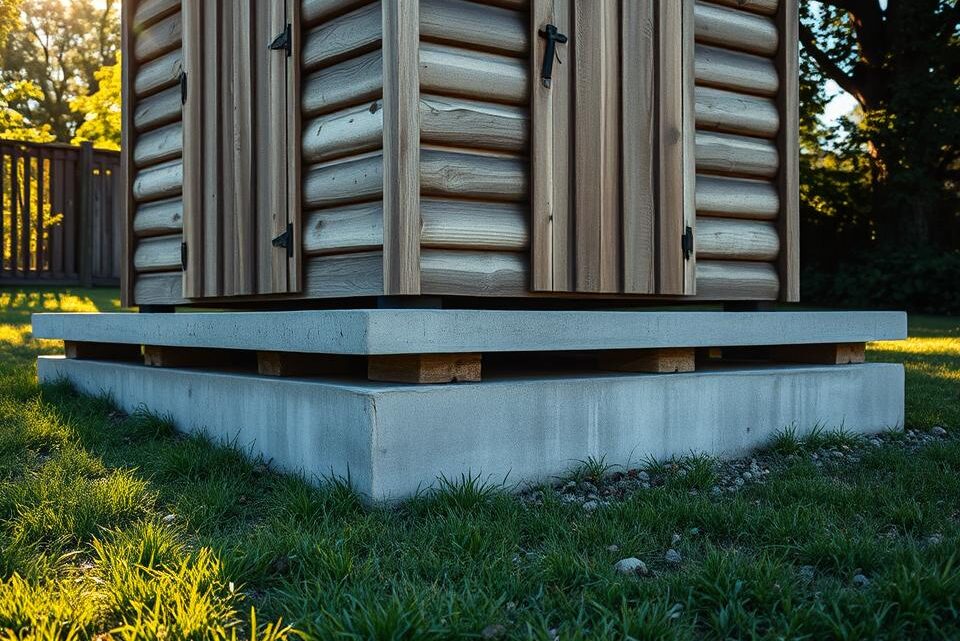
Many homeowners, gardeners and DIY enthusiasts ask: do you really need a foundation for a shed? The simple answer is: it depends. This article examines shed foundation necessity across structural, environmental, legal and financial angles specific to the United Kingdom, helping readers make an informed choice rather than a rushed decision.
We cover practical outcomes you can expect: clear guidance on types of bases, how to assess your site, rough cost ranges, planning and Building Regulations touchpoints, plus when to attempt a DIY base or hire a tradesperson. Advice draws on UK planning guidance, Building Regulations where relevant, manufacturer recommendations from Rowlinson and Forest Garden, and best practice from bodies such as the Federation of Master Builders.
The answer varies with shed size and use — a small garden storage unit has different needs to a workshop or summerhouse — and with local ground conditions, slope and drainage. Throughout we weigh the shed foundations importance for longevity and stability against alternatives that may suit lightweight or temporary structures.
Inhaltsverzeichnis
Key Takeaways
- Whether you need a foundation depends on shed size, use and local ground conditions.
- Shed foundation necessity includes structural, moisture and regulatory considerations.
- Manufacturer guidance and Building Regulations inform best practice for a shed base UK.
- Alternatives exist for lightweight or temporary sheds, but may reduce lifespan.
- Assess costs, site conditions and whether to DIY or hire a contractor before deciding.
do you really need a foundation for a shed?
Askers often mean different things by the phrase. A full concrete slab, timber bearers, paving slabs or adjustable feet all count as a type of base. The practical question is whether some prepared surface is needed to keep a shed level, dry and secure over time.
Performance criteria matter more than labels. A suitable base must provide levelness, even load distribution, a moisture barrier and frost protection. Anchoring for wind resistance and a way to prevent rot or pest ingress are part of the same checklist.
Understanding the literal question and what it covers
Clarify the distinction between permanent foundations and temporary supports. Permanent options, such as concrete slabs or pier foundations, bear loads and resist movement. Temporary supports, like pallets or simple feet, lift a shed off the ground but do not offer long-term stability.
Consider the shed’s intended use. Occasional storage of lightweight items can tolerate simpler bases. Workshops, potting sheds with heavy soil, or buildings with lofts demand sturdier foundations to perform safely.
Common reasons owners skip a foundation
Cost saving is a primary motive. Laying a concrete slab or paying for professional installation raises upfront expenses. Homeowners on tight budgets often opt to place a shed directly on soil or grass.
Perceived ease encourages a quick approach. Setting a shed on level turf looks straightforward and avoids disruption. Short-term needs play a role as well. Seasonal use or temporary storage makes a permanent base feel unnecessary.
Many owners lack awareness of long-term issues. Moisture wicking, sinking, and rot can appear after a few seasons. Insurance or compliance questions may also be overlooked at the purchase stage.
How this question varies by shed size, use and location
Size and weight change the answer. Small, lightweight garden sheds used occasionally may manage on simple bearers or paving slabs. Larger sheds, workshops or heated units carrying heavy equipment need a robust foundation.
Site conditions are decisive. Waterlogged ground, heavy clay or frost-prone soil increases the need for a raised, well-draining base. Slopes, nearby trees and poor drainage raise the risk of movement and damp.
Regulation and insurance vary by use. Electrified or heated sheds, or those used as home offices, can trigger different standards. Owners should check whether they need foundation for shed structures to meet insurer or planning expectations.
| Factor | When a simple base may suffice | When a foundation is advised |
|---|---|---|
| Size and weight | Small tool sheds under 6ft x 4ft with light contents | Workshops, sheds with lofts, heavy machinery or full potting benches |
| Ground conditions | Well-drained, compacted gravel or level turf for brief use | Clay, peat, waterlogged or frost-affected soils needing frost protection |
| Duration of use | Seasonal or temporary installations | Permanent buildings intended for long-term storage or habitation |
| Cost and time | Budget constraints and need for rapid siting | Willingness to invest in durability and reduced long-term maintenance |
| Regulatory/insurance | Unheated, non-electrified sheds with low value contents | Electrified, heated or high-value use requiring compliance and cover |
Benefits of installing a shed foundation for longevity and stability
A good base under a garden building makes a clear difference to how long it lasts and how well it performs. Choosing the right foundation delivers measurable shed foundation benefits, from improved durability to easier maintenance. Below are key areas where a well-built base pays off for homeowners in the UK.
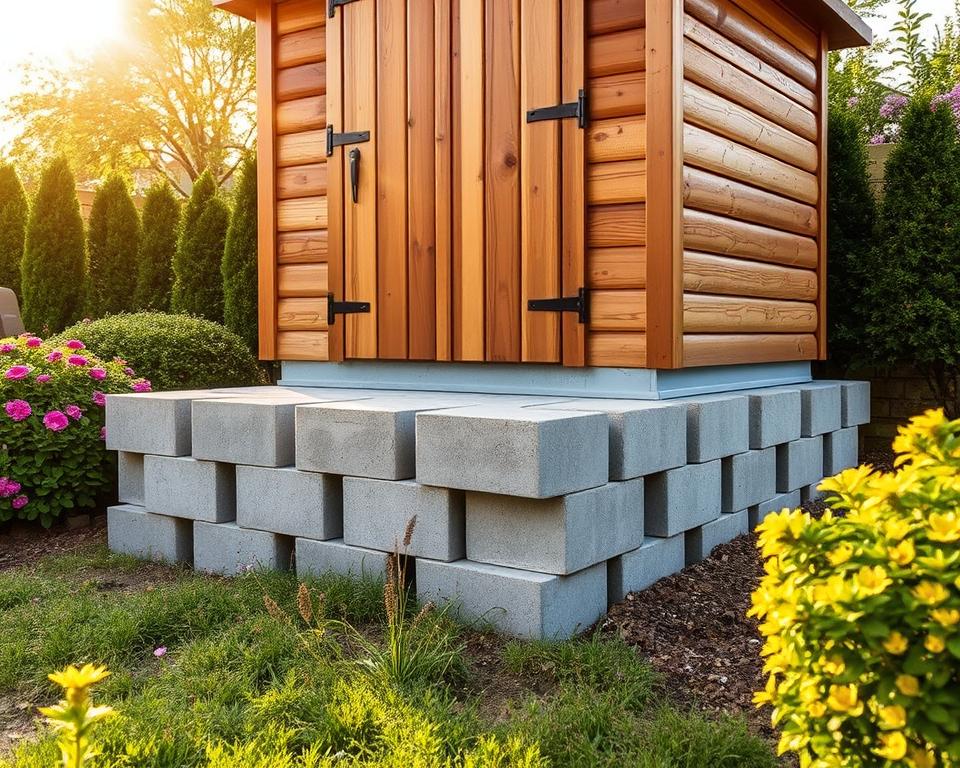
Even small sheds can carry heavy loads. A level, engineered base spreads weight evenly to prevent twisting and sagging. This stability for garden shed frames keeps doors aligned and protects warranties from manufacturers such as Forest Garden and Tiger Sheds.
Proper load distribution reduces stress at corners and joints. That lowers the chance of structural failure when you store machinery, potting benches or bicycles.
Protection from moisture, rot and pest ingress
Raised, drained foundations help protect timber by reducing capillary rise of water from the soil. A damp-proof membrane and suitable aggregate limit persistent wetness that accelerates decay.
Keeping timber off saturated ground helps protect shed from moisture and cuts the risk of wood-boring insect entry. Good detailing around the base reduces long-term repair bills and preserves the fabric of the shed.
Ease of securing the shed and complying with regulations
A fixed, stable base allows secure anchoring to resist wind uplift, which matters for exposed coastal plots and elevated gardens in the UK. Anchored sheds move less in storms and feel safer for users.
Many insurers and planning rules favour or require a secure shed base UK when a structure is large or used as a workspace. A compliant foundation simplifies permissions and strengthens an insurance claim if damage occurs.
| Benefit | What it does | Why it matters |
|---|---|---|
| Even load distribution | Spreads weight across the ground | Prevents sagging, keeps doors and windows working |
| Moisture control | Uses DPM and drainage to limit damp | Reduces rot, extends timber life and lowers maintenance |
| Pest deterrence | Creates a barrier between soil and timber | Limits insect ingress and structural damage |
| Anchoring capability | Provides fixings for wind resistance | Improves safety and meets insurer or planning expectations |
| Warranty protection | Maintains manufacturer conditions | Preserves cover from brands like Tiger Sheds and Forest Garden |
Types of shed foundations and suitability for UK gardens
Choosing the right base makes a huge difference to a shed’s life. Different shed foundation types suit varied gardens, soils and budgets. Below we outline the common options, practical benefits and key drawbacks so you can match the base to the size and use of your shed.
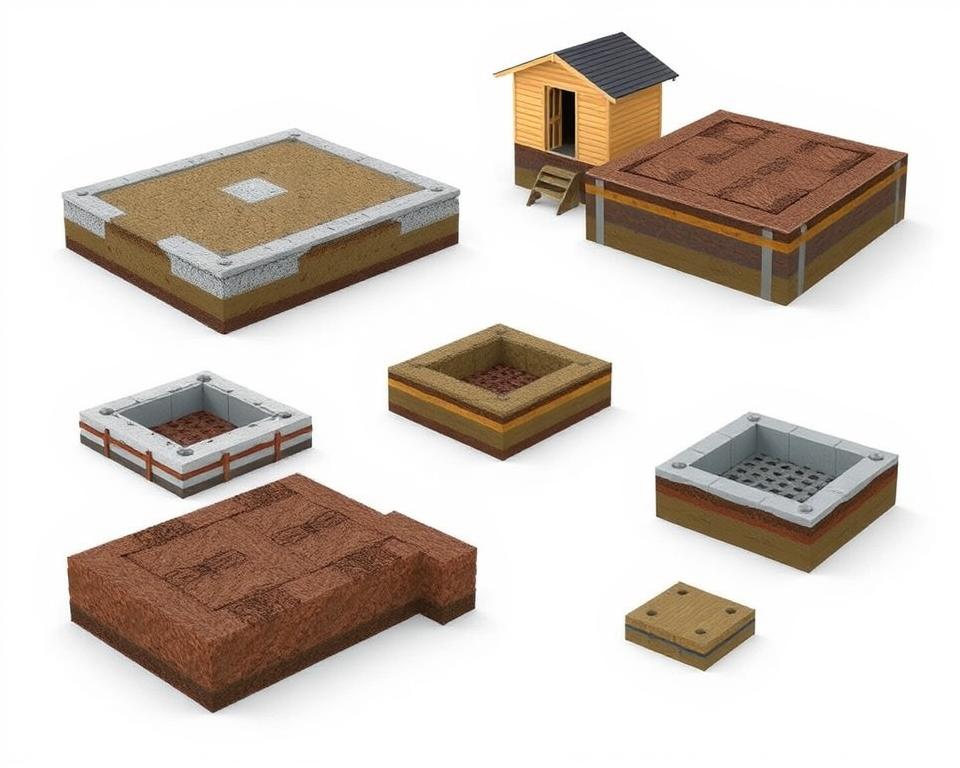
Concrete slab foundations: pros and cons
A concrete slab shed base gives a durable, level platform that resists settlement and moisture. It suits workshops or heavy equipment because of excellent load-bearing capacity and strong anchor points.
Preparation usually means a compacted hardcore sub-base, a DPM layer and a slab of 100–150mm thickness. Reinforcement is advised for larger slabs. Drawbacks include higher cost, labour intensity and reduced reversibility, so a slab can be overkill for a small, lightweight shed.
Concrete pier and beam foundations: when to choose them
Pier and beam solutions use isolated concrete pads or piles to support timber or steel beams beneath the shed. This reduces the volume of concrete needed and boosts airflow under the floor, lowering damp risk.
This option works well on sloping sites or where minimal ground disturbance is required. Expect deeper footings in frost-prone areas and careful layout to avoid differential settlement.
Timber bearers and sleeper foundations: budget-friendly options
A timber sleeper shed foundation is an economical choice for small to medium sheds. Treated, tanalised bearers laid on compacted hardcore or paving slabs create a simple, load-spreading frame.
Cross-bearers help distribute weight evenly. Timber requires good drainage and ventilation to reduce rot risk when close to soil. Regular inspection extends lifespan.
Gravel and paving stone bases: quick and effective solutions
A gravel base for shed installation offers fast drainage and frost resistance. Compact crushed stone or sharp sand with paving slabs gives a level surface for light to medium sheds.
Use edge restraints to prevent migration and geotextile to cut weed growth. Pair gravel or slabs with timber bearers or adjustable feet for a stable, low-cost platform.
| Foundation type | Best for | Pros | Cons |
|---|---|---|---|
| Concrete slab | Workshops, heavy equipment | Very durable, level, strong anchors, low maintenance | Costly, labour-intensive, less reversible |
| Pier and beam | Uneven or sloping gardens | Less concrete, good airflow, quicker install | May need deep footings, careful positioning required |
| Timber bearers / sleepers | Small to medium sheds, budget projects | Economical, simple to install, good load spread | Susceptible to moisture if poorly ventilated |
| Gravel & paving stone | Light to medium sheds, temporary bases | Fast, good drainage, frost resistant, low cost | May need edging, not ideal for very heavy loads |
Site assessment: how ground conditions affect the need for a foundation
Before laying any base, carry out a careful site assessment for shed placement. A brief survey saves time and money. It highlights issues such as poor drainage, frost risk and invasive roots that influence foundation type and depth.
Assessing soil and drainage
Start by identifying soil type drainage UK patterns in the immediate area. Sandy or gravelly soils drain well and suit simple bases. Clay soils hold water, expand when wet and shrink when dry. That behaviour raises frost heave and settlement concerns.
Waterlogged ground demands a raised foundation with a good sub-base or piers to keep timber clear of moisture. Check seasonal pooling after heavy rain to judge whether the base needs extra drainage or a permeable sub-layer.
Evaluating frost risk
Frost depth varies across the UK. In locations where deep frost is likely, footings should either extend below the frost line or use construction methods that reduce frost heave. Consult local frost-depth guidance to set appropriate foundation depths.
Slope, vegetation and nearby trees
Examine the site’s slope. A steep incline may need stepped foundations, retaining walls or pile supports to create a level platform and manage run-off. Minor slopes can be handled with a compacted sub-base and edge restraints.
Assess vegetation and the proximity of large trees. Tree roots and shed foundation interaction is a major risk. Roots can lift or displace bases, while large trees dry surrounding soil and cause uneven settlement. Keep a safe distance from major roots or install root barriers when necessary.
Remove topsoil and dense vegetation before building. A clean, compacted sub-base improves stability and reduces future maintenance.
When to call a professional
Hire a surveyor or ground engineer if the site is unstable, was a former pond, landfill or shows signs of contamination. Complex ground conditions, deep excavation or plans for a large or habitable structure also warrant professional assessment.
A ground engineer can specify foundation depth, recommend drainage solutions and advise on mitigation for liquefaction or contamination. Their report supports insurance and planning requirements for permanent sheds and larger outbuildings.
Planning permission, building regs and legal considerations in the UK
Choosing a base for a garden building affects more than stability. It can change planning status, influence compliance with building regs for sheds and alter insurance cover. Read local guidance before you start.
When a shed requires planning permission
Most domestic outbuildings fall under permitted development if they meet size and siting limits and are sited to the rear of the house. Exceptions apply for listed buildings, properties in conservation areas and where the total area exceeds set thresholds.
Changing the building’s use, such as converting a shed into a home office or an annex, can trigger planning control. Adding services like full plumbing or a new electrical supply may also affect the requirement for formal consent. For precise advice consult GOV.UK or contact your local planning officer.
How a foundation affects permitted development rights
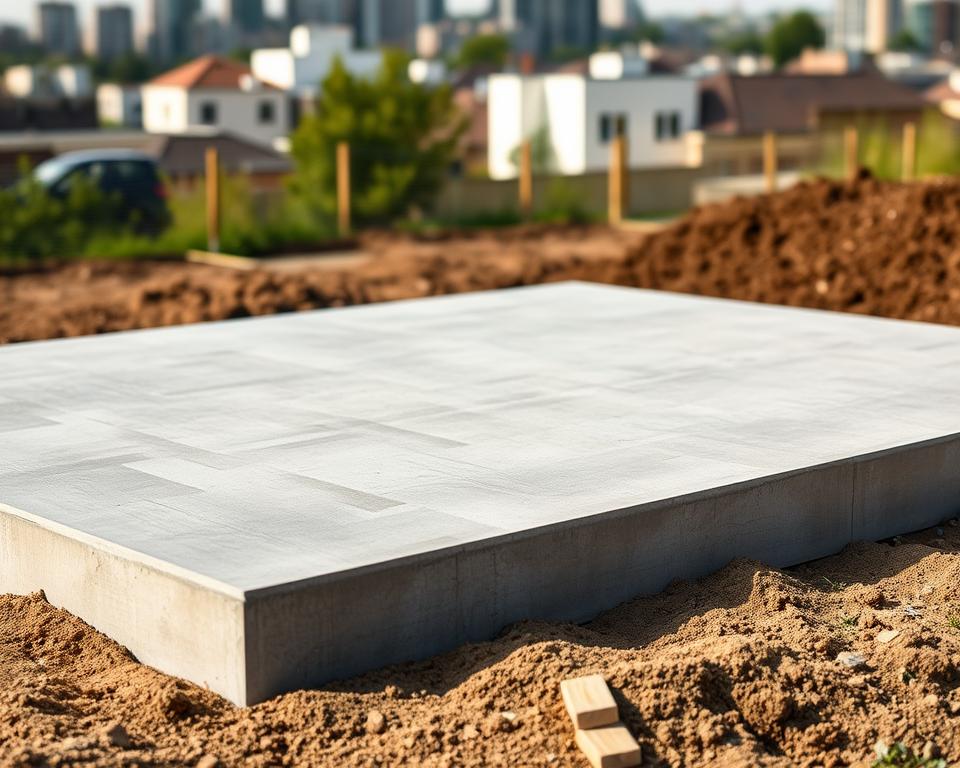
A permanent base can alter how planners view an outbuilding. Concrete slabs or deep, fixed footings may be treated as annexation to the land. Such works make a structure appear permanent and may push a marginal case outside permitted development.
Lightweight, removable bases and shed feet are less likely to be judged permanent. Decision-makers look at construction, fixings and intended lifespan. If in doubt, apply for a Lawful Development Certificate or seek pre-application advice from the local planning authority to clarify whether a permitted development shed foundation remains lawful.
Insurance implications of foundations versus no foundation
Insurers often expect outbuildings storing valuable items or containing electrics to sit on a secure base. A firm foundation reduces risk of movement-related damage and makes it easier to secure doors and fittings, which can help when forming a claim after storm damage.
Some policies may refuse cover or raise premiums if an outbuilding lacks a suitable base. Contact your insurer with planned construction details before installing a foundation. Keep records and receipts to support any future claim.
| Issue | Lightweight/Temporary Base | Permanent/Concrete Base |
|---|---|---|
| Planning risk | Lower risk of losing permitted development rights | Higher risk of being classed as permanent development |
| Building regs for sheds | Less likely to trigger building regulations unless electrics or plumbing added | May require compliance where structural or fire safety is relevant |
| Permitted development shed foundation | Often compliant when temporary and below size limits | Can jeopardise permitted development status in marginal cases |
| Insurance | Some insurers accept; check policy wording | Generally preferred by insurers; may aid claim acceptance |
| Longevity | Shorter lifespan; easier to move | Long-term stability and reduced maintenance |
Cost comparison and budgeting for shed foundations
Choosing a base means weighing upfront outlay against long‑term value. Typical installations vary widely, so planning a realistic budget helps avoid surprises. Below is a clear breakdown of what to expect for common base types in the UK market.
Upfront costs: materials, labour and site preparation
Concrete slab installations, including excavation, hardcore, reinforcement and labour, can start from several hundred pounds for a small slab and rise to over a thousand for larger areas. Pier‑and‑beam or concrete pad systems are often cheaper than full slabs. Timber sleeper bases, gravel and paving solutions are typically the most economical choices.
Hidden costs can add up. Site clearance, tree root removal, drainage work, skip hire and disposal will push the total higher. Labour rates differ by region in the UK. DIY reduces labour expense but needs time, tools and skill, which may translate into extra purchases.
Long-term costs: maintenance, repairs and replacements
A concrete slab usually needs little maintenance. Cracks and drainage problems can still require repair over decades. Timber bases demand periodic treatment and may need partial replacement if rot or settlement occurs.
Think in lifecycle terms. A more durable initial base may cost more now but save money later by reducing repairs and protecting stored items. Factor expected replacement intervals into any cost comparison.
Cost-saving tips without compromising durability
Use compacted crushed stone sub‑bases beneath paving or sleepers to boost performance at low cost. Pre‑cast concrete slabs or pads offer predictable pricing and quicker installation.
Combine DIY site preparation with a professional to finish levelling and anchoring if confidence or tools are lacking. Reclaim sound paving or treated sleepers to cut material bills while keeping strength and stability intact.
| Base type | Typical upfront range | Maintenance notes |
|---|---|---|
| Concrete slab | £300 – £1,500+ | Low; watch for cracks and drainage repairs |
| Pier & beam / concrete pads | £200 – £1,000 | Moderate; easier to repair individual pads |
| Timber sleepers | £150 – £800 | Higher; treatment and possible replacement |
| Gravel or paving | £100 – £700 | Low to moderate; re‑levelling may be needed |
Careful budgeting reduces the chance of unexpected bills. Use these shed foundation budget tips when comparing quotes and planning the cost to lay shed base so final decisions meet both needs and limits.
DIY vs professional installation: what to consider
Deciding between a DIY shed foundation and hiring a tradesperson comes down to skill, site complexity and the tools you can access. A straightforward project in a level, drained garden can suit a confident DIYer. A difficult plot with poor soil or access issues often merits professional help.
Skills, tools and time requirements for basic foundations
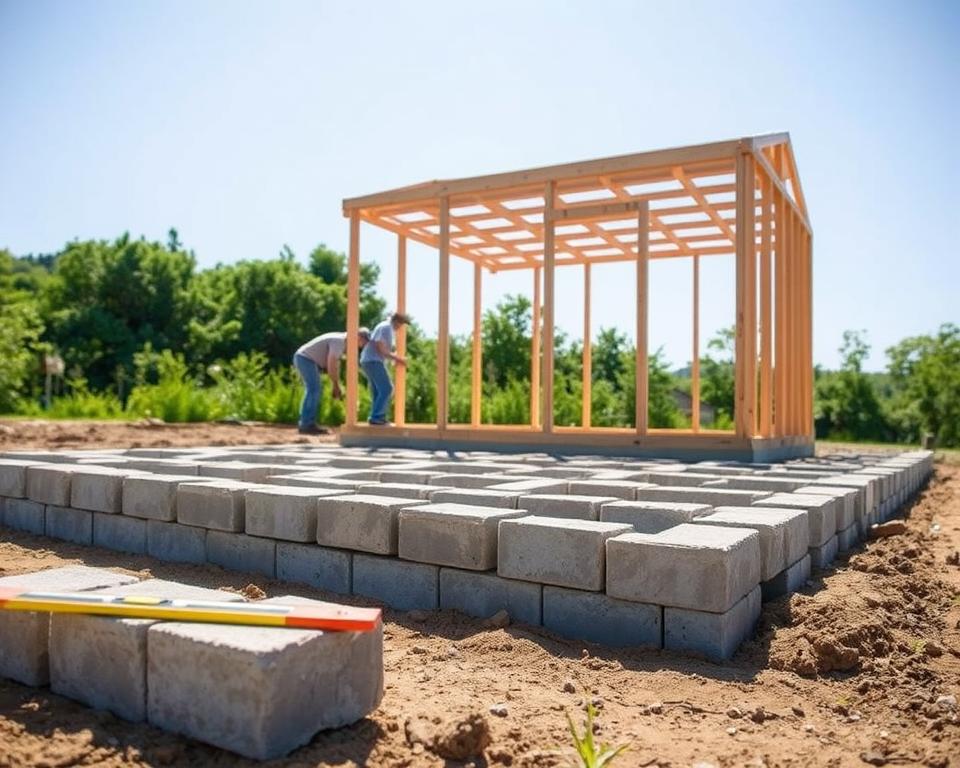
For many homeowners, a DIY shed foundation is achievable with basic carpentry and groundworks skills. Tasks include levelling, compacting a sub-base, laying paving or timber bearers and checking levels throughout.
Essential shed foundation tools UK hire options include a plate compactor, spirit level, spade and a saw for timber. For small concrete pours a wheelbarrow or cement mixer helps. Safety kit such as gloves and eye protection is vital.
Time matters. Allow for weather delays and concrete curing. Light use may be fine after seven days, but full strength takes longer. Rushing levelling or compaction creates problems that are costly to fix.
When hiring a professional is the safer option
Choose a contractor when the build needs a large concrete slab, deep footings or drainage works. Poor ground, steep slopes and restricted access increase risk of DIY mistakes.
A professional can assess ground conditions, specify reinforcement and manage building-control liaison where required. They often offer guarantees and handle waste removal and permits, which reduces homeowner stress.
Checklist for selecting a contractor in the UK
Use the checklist below when you decide to hire contractor for shed base work. Get at least three written quotes and check credentials before committing.
| What to check | Why it matters | Practical question to ask |
|---|---|---|
| Membership of trade bodies | Shows adherence to industry standards | Are you a member of the Federation of Master Builders? |
| Public liability insurance | Covers damage and onsite incidents | Can you provide a current insurance certificate? |
| Detailed written quote | Prevents scope creep and surprise costs | Does the quote list excavation, sub-base depth and DPM use? |
| References and past projects | Evidence of quality and reliability | May I see recent jobs or contact references? |
| Timescale and waste removal | Sets expectations for project duration and cleanup | What are start and finish dates and disposal plans? |
| Warranties and aftercare | Gives confidence in workmanship | What warranty do you offer on the base and anchors? |
Whether you choose a DIY route or decide to hire contractor for shed base installation, weigh skills against site demands. If you go DIY, ensure you have the correct shed foundation tools UK and a realistic timetable. If you opt for a pro, use the checklist to find a reliable tradesperson.
Alternatives to permanent foundations and when they are appropriate
Lightweight or seasonal buildings can avoid a full concrete base without sacrificing stability. The right choice depends on size, intended use and ground conditions. Below are common alternatives, their benefits and limits, plus practical notes on upgrading later.
Portable bases and shed feet for lightweight structures
Adjustable plastic or galvanised steel feet lift a shed clear of the soil and speed up installation. They improve airflow under the floor, cut moisture risk and suit small timber sheds, log stores and bike shelters.
These options are inexpensive and reversible. Many owners keep permitted development status because the fixings are minimal. Limitations include reduced capacity for heavy loads and potential lateral movement unless the unit is anchored.
Temporary platforms for summerhouses or seasonal use
Removable timber platforms on joists over a compacted base create a stable deck for seasonal use. A temporary shed platform is quick to dismantle at the end of the season and can be positioned on gravel and a ground protection membrane to manage damp.
Ensure ventilation beneath the platform to reduce decay and check that repeated use does not cause long-term settlement. If the summerhouse becomes permanent, upgrade paths exist to a more durable foundation.
Retrofitting a base later: feasibility and methods
Many garden buildings can be lifted with jacks or manpower to insert a new foundation beneath. Common approaches include placing concrete pads or pier footings under load points or laying a slab after temporary removal.
Alternative methods involve excavating for sleeper bearers or timber supports with improved drainage. Larger units benefit from professional help to dismantle, brace or safely lift the structure during works. Planning the retrofit can preserve the building and extend its service life.
| Option | Best for | Benefits | Limitations |
|---|---|---|---|
| Adjustable feet | Small sheds, log stores | Fast to fit, low cost, improves airflow | Not for heavy loads, needs anchoring to resist lateral forces |
| Portable shed base (modular) | Garden offices, light workshops | Reversible, relocatable, preserves permitted development in many cases | Surface preparation required, may need levelling pads |
| Temporary shed platform | Summerhouses, seasonal structures | Stable deck, removable, good ventilation options | Repeated use may require upgrade; timber needs maintenance |
| Concrete pads / pier footings | When retrofitting load points | Strong support, targets loads, minimal concrete volume | Requires lifting the building or partial dismantling; professional work advised |
| Full slab added later | Upgrading a seasonal to permanent building | Maximum stability and longevity | Most disruptive and costly; building may need removal during work |
Conclusion
The balanced answer to “do you really need a foundation for a shed?” is that not every shed requires a heavy-duty concrete slab, but almost every shed gains from a prepared, level and well-drained base. Your choice should reflect shed size, intended use and local ground conditions; lightweight garden sheds often perform well on portable feet, paving or compacted gravel, while larger or permanent structures benefit from a sturdier base.
Heavier buildings, electrics, workshop equipment and sites with poor drainage or frost risk make a firm foundation a sensible investment. For many homeowners the best shed base UK combines stability, drainage and ease of maintenance—timber bearers on a compacted stone sub-base, concrete pier and beam, or a slab where ground is unstable. Proper anchoring and ventilation remain essential regardless of base type.
Practical next steps are simple: assess soil and drainage, decide how long you plan to keep the shed and what you will store, obtain quotes if you plan a permanent base, and check with the local planning authority and your insurer if uncertain. Seek professional advice for complex sites or heavier installations to ensure compliance and longevity.
In short, this shed foundation conclusion is that the right base depends on context. Armed with this information, homeowners can answer do you really need a foundation for a shed? for their specific situation and choose the most effective, compliant and cost-efficient option for their UK garden.
FAQ
Is a shed foundation truly necessary?
Not always. Small, lightweight sheds used only for occasional storage can perform acceptably on temporary bases such as paving slabs, compacted gravel or adjustable feet. However, for larger sheds, workshops, electrified or heated buildings, and sites with poor drainage or clay soils, a prepared, level and drained foundation is strongly recommended to prevent rot, movement, and structural problems. Consider intended use, site conditions and manufacturer guidance (for example from Forest Garden or Tiger Sheds) when deciding.
What counts as a “foundation” for a shed?
“Foundation” covers a spectrum—from full concrete slabs to concrete piers, timber bearers, sleeper frames, compacted gravel or paving-slab bases and adjustable feet. Foundations are typically permanent, load-bearing and fixed to the ground. Temporary supports, such as pallets or loose blocks, offer limited protection and are not suitable for heavier or long-term installations.
How do ground conditions in the UK affect foundation choice?
Soil type, drainage and frost risk are decisive. Sandy or gravelly soils drain well and suit shallower solutions. Clay or waterlogged sites need raised bases, piers or a properly reinforced slab to mitigate frost heave and settlement. Sloping sites often require stepped foundations or pier-and-beam systems. When in doubt—especially for unstable ground—consult a ground engineer or surveyor.
What are the pros and cons of a concrete slab?
Pros: durable, level, excellent load-bearing capacity and low maintenance—ideal for workshops and heavy equipment. Cons: higher cost, labour-intensive, less reversible and requires good sub-base and drainage. Typical domestic slabs are 100–150mm thick over compacted hardcore with a damp-proof membrane; reinforcement is advised for larger areas.
When should I choose concrete piers and beams?
Choose piers and beams for uneven or sloping gardens, where reduced ground disturbance is desirable, or to improve ventilation beneath the building. They use less concrete than a full slab and are quicker to install. Ensure piers reach stable strata or adequate depth in frost-prone areas to avoid differential settlement.
Are timber bearers and sleepers a good budget option?
Yes, timber bearers and sleepers laid on compacted hardcore or paving slabs are a cost-effective solution for small to medium sheds. Use pressure-treated (tanalised) timber, provide cross-bearers and ensure good drainage and ventilation. Note timber is still vulnerable to moisture in direct contact with poorly drained ground.
How effective are gravel and paving stone bases?
Compacted crushed stone or sharp sand with paving slabs provides a fast, economical, well-drained and frost-resistant base suitable for light to medium sheds. Combine with timber bearers or adjustable feet and use geotextile and edge restraints to reduce weed growth and migration of material.
Will a foundation affect planning permission or permitted development?
It can. Most small rear-of-property sheds fall under permitted development, but permanence matters. Extensive concrete foundations can be judged as permanent annexation to the land and may alter planning classification. Factors such as site, conservation area status, change of use, and added services also influence requirements. Seek local authority advice or a Lawful Development Certificate if uncertain.
Do insurers care whether a shed has a foundation?
Many insurers prefer a stable, secure base for outbuildings storing valuable items or containing electrics. A proper foundation reduces movement-related damage and may be required by policy conditions or help in successful claims after wind damage or subsidence. Always notify your insurer of intended works before installation.
What are typical upfront and long-term costs for foundations in the UK?
Costs vary by size, site and method. Simple timber or gravel/paving bases are the cheapest. Pier-and-beam or concrete pad systems are mid-range. Full concrete slabs are the most expensive due to excavation, hardcore, DPM and labour. Long-term, concrete slabs need little maintenance; timber bases may require periodic treatment or replacement. Hidden costs include drainage, tree root work, skips and specialist labour.
Can I install the foundation myself?
DIY is feasible for competent homeowners for timber bearers, paving and gravel bases given the right tools—spirit level, plate compactor (hire), saw and protective equipment. Allow for curing times if using concrete. Hire professionals for large slabs, poor ground, complex drainage or where building-control input is required.
How do I select a reliable contractor in the UK?
Seek membership of trade bodies such as the Federation of Master Builders, request written quotes detailing excavation, sub-base, DPM, reinforcement and anchoring, check public liability insurance and references, obtain multiple quotations and agree waste removal and warranty terms in writing.
Are there alternatives to permanent foundations?
Yes. Portable bases, adjustable plastic or galvanised feet, removable timber platforms and paving slabs provide reversible options for temporary or lightweight structures. They suit seasonal use and preserve permitted development status in many cases. For long-term use, consider upgrading to a permanent base later.
Can a shed be retrofitted with a foundation after installation?
Often yes. Sheds can be lifted with jacks or dismantled and a permanent foundation installed beneath—common methods include concrete pads at load points, slabs after removal or sleeper/timber bearers with improved drainage. Professional help is advisable for larger structures to avoid damage and ensure correct load distribution.
When should I consult a professional surveyor or ground engineer?
Consult a professional if the site is unstable, previously a pond or landfill, has significant tree roots, shows signs of subsidence, or if the shed is large, intended for habitation, or will carry heavy machinery. A specialist can advise on footings depth, drainage and mitigation for frost heave or contamination.