Is a Summerhouse a Good Investment? Expert Guide
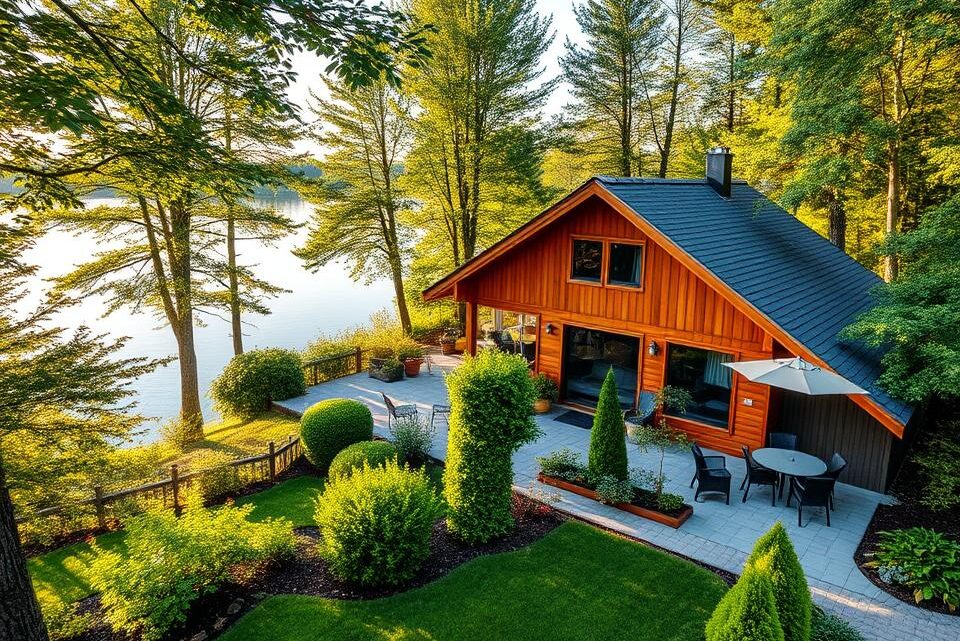
Many UK homeowners wonder whether adding an outdoor structure to their property makes financial sense. The answer depends on several crucial factors that can significantly impact your returns.
A summerhouse investment offers more than just additional space. It can enhance your lifestyle whilst potentially boosting your property’s market value.
This comprehensive guide examines every aspect of garden building investment decisions. We’ll explore initial costs, planning regulations, and long-term financial benefits.
From rental opportunities to property enhancement strategies, you’ll discover practical insights. Our expert analysis covers market trends, maintenance expenses, and design choices that maximise returns.
Whether you’re seeking additional income or lifestyle improvements, this guide provides the knowledge needed. Make an informed decision about your outdoor space investment with confidence.
Inhaltsverzeichnis
Key Takeaways
- Garden structures can increase property values by 5-15% when properly planned
- Planning permission requirements vary significantly across UK councils
- Quality construction materials directly impact long-term maintenance costs
- Rental potential exists for well-designed garden buildings in desirable areas
- Location and local market conditions heavily influence investment returns
- Professional installation often provides better value than DIY approaches
Understanding Summerhouse Investment Potential
Modern homeowners are discovering that summerhouses can offer genuine investment value beyond their aesthetic appeal. The key lies in understanding how these garden structures contribute to overall property value increase whilst providing practical benefits for daily living.
What Constitutes a Summerhouse Investment
A true summerhouse investment goes beyond purchasing any garden building. It involves selecting structures that enhance your property’s marketability and functionality. Quality construction, strategic positioning, and versatile design features all contribute to meaningful returns.
Investment-grade summerhouses typically include insulation, proper foundations, and multi-purpose capabilities. These features distinguish them from basic garden sheds or temporary structures that add minimal value.
Current UK Market Trends and Demand
The UK property market has witnessed increased demand for outdoor living spaces since 2020. Home buyers actively seek properties with functional garden buildings that serve as offices, gyms, or entertainment areas.
Estate agents report that well-designed summerhouses can boost property appeal significantly. Summerhouse ROI varies by location, but quality installations often recover 60-80% of their initial cost through enhanced property valuations.
| Investment Factor | High Value | Medium Value | Low Value |
|---|---|---|---|
| Construction Quality | Insulated timber/composite | Standard timber | Basic shed construction |
| Size Range | 12-20 square metres | 8-12 square metres | Under 8 square metres |
| Functionality | Multi-purpose design | Dual-purpose | Single use only |
| Location Impact | Premium postcodes | Suburban areas | Rural/remote locations |
Investment vs. Lifestyle Purchase Considerations
Understanding your primary motivation helps set realistic expectations. Investment-focused purchases prioritise features that maximise returns, whilst lifestyle purchases emphasise personal enjoyment and immediate utility.
Both approaches have merit, but mixing objectives without clear priorities can lead to disappointing outcomes. Consider whether your primary goal is financial return or enhanced living experience.
Evaluating Your Property’s Investment Suitability
Before investing in a summerhouse, you must carefully evaluate your property’s specific suitability for this property enhancement. Not every home offers equal potential for successful returns. Your garden’s characteristics, location factors, and neighbourhood dynamics all play crucial roles in determining investment success.
Understanding these elements helps you make an informed decision. A thorough assessment prevents costly mistakes and maximises your investment potential.

Assessing Garden Space and Layout
Your garden’s size and shape directly impact both feasibility and garden investment returns. A minimum space of 3×3 metres is typically required for most summerhouses. However, larger gardens offer more flexibility for positioning and design choices.
Consider your garden’s orientation and natural features. South-facing positions maximise sunlight exposure, making the space more appealing. Flat, well-drained areas reduce installation costs significantly. Sloping or waterlogged ground requires expensive preparation work that can erode your investment returns.
Location-Specific Market Factors
Your geographical location influences buyer demand for garden buildings. Areas with strong outdoor living cultures typically see better investment performance. Regions with favourable weather patterns and longer growing seasons naturally attract more interest in garden spaces.
Urban areas often show higher demand due to limited outdoor space. Rural properties may require more unique features to stand out in the market.
Neighbourhood Property Values
Your local property market determines appropriate investment levels. Adding a premium summerhouse to a modest-value area rarely yields proportional returns. However, well-chosen structures in high-value neighbourhoods can significantly boost marketability.
Research recent sales of similar properties with garden buildings. This data reveals realistic expectations for your garden investment returns. Properties in areas where neighbours invest in outdoor improvements typically see better acceptance and higher returns from property enhancement projects.
Is a Summerhouse a Good Investment for Your Circumstances?
Before committing to a summerhouse purchase, it’s essential to honestly assess how this investment aligns with your specific needs. Your personal situation determines whether the investment potential justifies the expense. This evaluation goes beyond simple financial calculations to include lifestyle factors and long-term objectives.
Every homeowner’s circumstances differ significantly. What works brilliantly for your neighbour might not suit your situation. Taking time to evaluate these personal factors prevents costly mistakes and ensures your investment delivers genuine value.
Personal Financial Situation Assessment
Your current financial health forms the foundation of any investment decision. Summerhouse costs extend far beyond the initial purchase price. Consider whether you can comfortably afford the upfront expense without straining your budget.
Examine your monthly income stability and existing financial commitments. A summerhouse investment should never compromise your emergency fund or essential expenses. Financial stress defeats the purpose of creating a relaxing retreat.
Factor in potential future costs including maintenance, repairs, and improvements. These ongoing expenses can accumulate quickly over time.
Long-term Property Plans
Your property timeline significantly impacts investment potential. Planning to move within three years limits your ability to recoup costs through property value increases. Summerhouses typically require longer ownership periods to deliver meaningful returns.
Consider your commitment to the current property. Established homeowners benefit most from summerhouse investments. They enjoy both immediate lifestyle improvements and gradual value appreciation.
Evaluate whether your property suits long-term living. Major life changes like family expansion or career relocations affect investment viability.
Usage Intentions and Lifestyle Fit
How you plan to use your summerhouse directly influences its value proposition. A home office generates measurable savings by eliminating commercial rent costs. This practical usage helps justify higher summerhouse costs.
Recreational use requires different financial considerations. Pure leisure investments should align with your entertainment budget rather than expecting financial returns.
Consider your family’s lifestyle patterns and interests. Active outdoor enthusiasts gain more value than those preferring indoor activities.
Calculating Initial Investment Costs
The true cost of summerhouse ownership extends far beyond the initial purchase price. Understanding every expense involved helps you make informed decisions about your garden building value and ensures realistic budget planning. Many homeowners discover unexpected costs that can significantly impact their investment calculations.
Creating an accurate budget requires examining three main cost categories. Each plays a crucial role in determining your total financial commitment.

Purchase Prices by Type
Summerhouse prices vary dramatically based on materials, size, and quality. Budget timber options start around £1,000 to £3,000 for basic structures. Mid-range summerhouses typically cost between £3,000 and £8,000, offering better materials and design features.
Premium and bespoke summerhouses can exceed £20,000. These luxury options provide superior craftsmanship and customisation. The summerhouse benefits you receive often correlate directly with your investment level.
Installation and Foundation Expenses
Installation costs add 20-50% to your purchase price, depending on site complexity. Ground preparation, concrete foundations, and professional assembly form the bulk of these expenses. Difficult access or uneven terrain increases costs significantly.
Electrical connections and utility installations require additional budgeting. Many sites need extensive groundwork before installation begins.
Planning Permission and Legal Fees
Planning applications cost £206 for householder applications when required. Building regulations approval may add another £150-£300. Professional consultations for complex projects can cost £500-£1,500.
Legal fees rarely apply to standard summerhouses. However, boundary disputes or covenant issues may require solicitor involvement, adding unexpected expenses to your project.
Analysing Ongoing Costs and Maintenance
Successful garden structure investment depends heavily on accurately calculating long-term ownership costs. These ongoing expenses can significantly impact your return on investment and must be factored into your financial planning from the outset.
Annual Maintenance Requirements
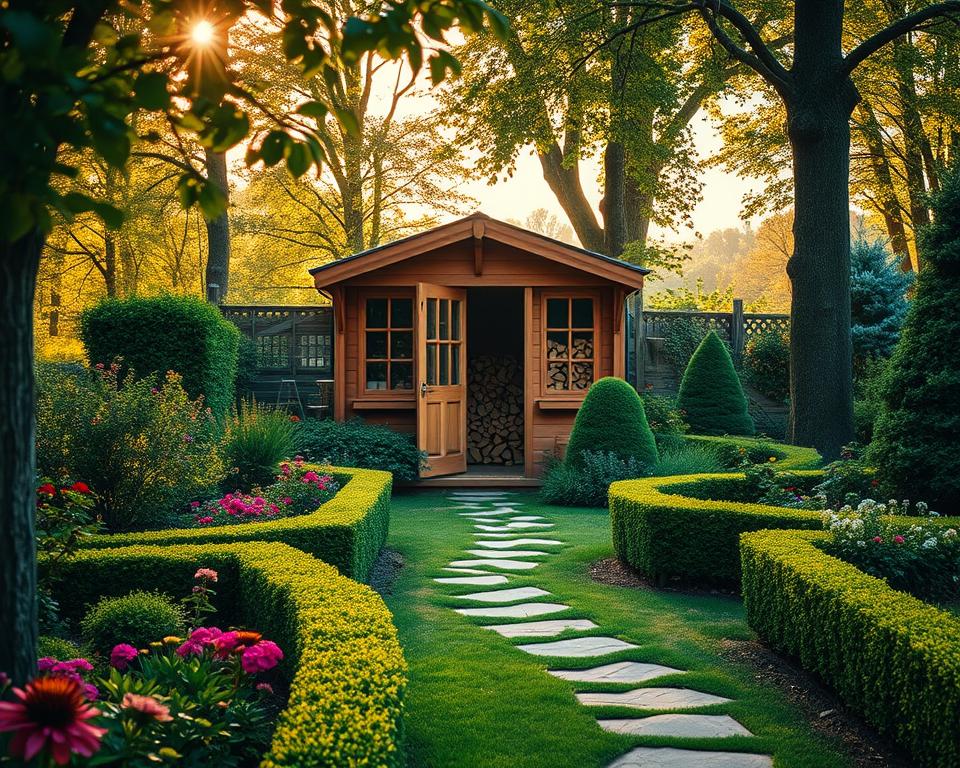
Your summerhouse’s material choice directly affects maintenance costs. Timber structures typically require treating every 2-3 years, costing between £150-£400 annually. Composite materials demand minimal upkeep but command higher initial prices.
Regular cleaning, gutter maintenance, and minor repairs form part of your annual budget. Professional inspections help identify issues early, preventing costly damage.
Insurance and Security Considerations
Contents insurance and liability coverage protect your investment. Basic security measures, from quality locks to alarm systems, represent additional expenses but safeguard your property.
If you’re considering rental income, comprehensive insurance becomes essential. Many policies require specific security standards to maintain coverage.
Utility Connections and Running Costs
Electricity, heating, and internet connections transform basic structures into valuable spaces. However, these utilities create monthly running costs averaging £30-£80.
Consider energy-efficient options to minimise ongoing expenses. Solar panels or efficient heating systems reduce long-term costs whilst enhancing functionality.
| Cost Category | Annual Range | Frequency | Impact on Investment |
|---|---|---|---|
| Timber Treatment | £150-£400 | Every 2-3 years | Essential for longevity |
| Insurance Coverage | £100-£300 | Annual | Risk protection |
| Utility Connections | £360-£960 | Monthly | Enhances rental potential |
| Security Systems | £50-£200 | Annual | Investment protection |
Determining Return on Investment Potential
Measuring the true investment potential of a summerhouse depends on evaluating various income sources and value enhancement opportunities. Successful investors analyse multiple financial scenarios to understand realistic expectations and choose strategies that align with their investment timeline.

Property Value Enhancement Calculations
A well-designed summerhouse typically delivers a property value boost ranging from 5-15% of the structure’s cost. High-quality installations in desirable locations often achieve better return ratios than budget options.
Premium summerhouses can add £8,000-£15,000 to your property’s market value when professionally installed. Location plays a crucial role – properties in sought-after areas with established garden room markets see stronger returns.
Rental Income Opportunities
Garden offices generate consistent rental income between £200-£500 monthly depending on location and facilities. Holiday rental summerhouses in tourist areas command £50-£150 per night during peak seasons.
However, rental income requires ongoing management efforts. Marketing, guest communication, and regular maintenance must be factored into your summerhouse investment returns calculations. Active management significantly impacts profitability.
Investment Recovery Timeframes
Property value enhancement typically realises returns upon sale, whilst rental strategies provide ongoing income streams. Recovery timeframes vary considerably based on your chosen approach and local market conditions.
Rental income strategies often recover initial costs within 3-7 years through consistent monthly payments. Property value strategies depend on market timing and may take longer to realise but require less ongoing effort.
Understanding these different timeframes helps you choose investment strategies that match your financial goals and management capabilities.
Choosing the Right Summerhouse Type for Investment
Your choice of summerhouse materials and design style directly influences both upfront costs and long-term investment returns. The market offers diverse summerhouse design options that cater to different budgets, maintenance preferences, and aesthetic requirements. Understanding how each type performs as an investment helps you make informed decisions that maximise your property’s value enhancement potential.
The key lies in matching your selection to your target market and property style. Each material type offers distinct advantages and challenges that affect both immediate appeal and long-term profitability.
Traditional Timber Summerhouses
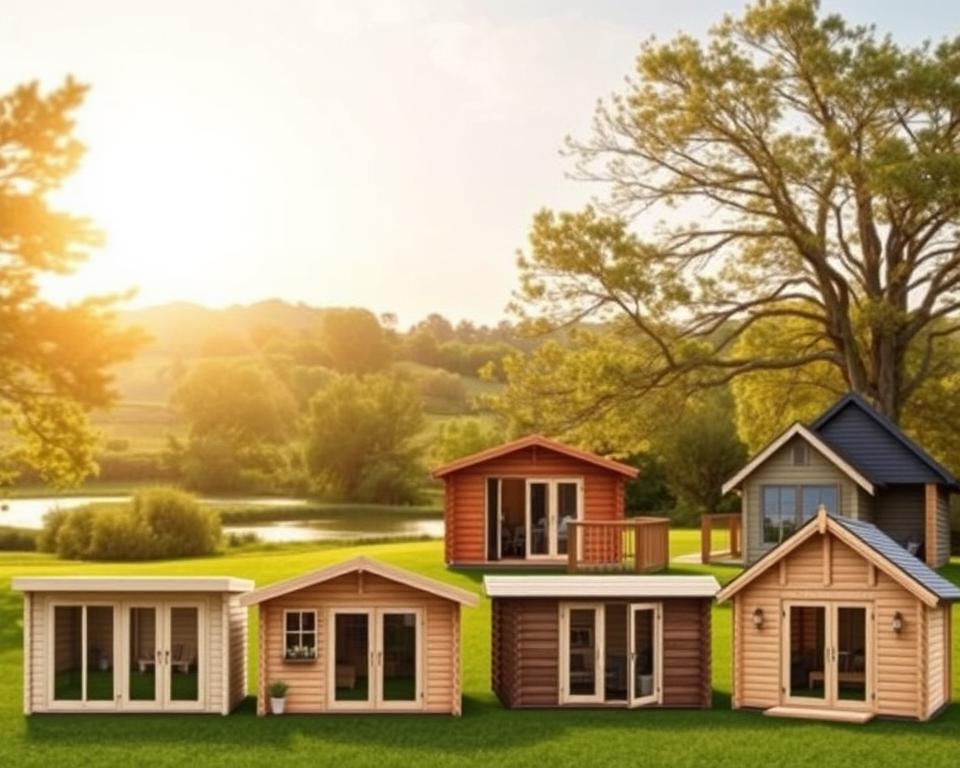
Timber remains the most popular choice amongst UK homeowners, offering authentic charm and moderate initial costs. These structures typically cost between £2,000-£8,000 depending on size and quality. Cedar and pressure-treated pine provide excellent durability when properly maintained.
Traditional designs complement period properties exceptionally well. They create instant garden focal points that buyers find appealing. However, annual maintenance requirements include staining, weatherproofing, and potential repairs that add to long-term costs.
Modern Composite and Metal Options
Contemporary garden building materials like composite panels and powder-coated steel offer superior longevity with minimal upkeep. Initial costs range from £4,000-£12,000, but reduced maintenance expenses often provide better long-term value.
These options appeal particularly to modern property buyers who prioritise low-maintenance solutions. Their clean lines and contemporary aesthetics suit urban settings and new-build developments perfectly.
Luxury and Bespoke Designs
Premium summerhouses featuring custom architectural details and high-end finishes represent the investment market’s top tier. Costs typically exceed £10,000 but can significantly differentiate properties in competitive markets.
Bespoke designs allow perfect integration with existing garden themes and architectural styles. They often include features like bi-fold doors, electrical installations, and designer interiors that maximise both functionality and investment returns.
| Summerhouse Type | Initial Cost Range | Maintenance Level | Investment Appeal | Best Suited For |
|---|---|---|---|---|
| Traditional Timber | £2,000-£8,000 | High | Moderate | Period properties, rural settings |
| Composite/Metal | £4,000-£12,000 | Low | High | Modern homes, urban areas |
| Luxury Bespoke | £10,000+ | Variable | Premium | High-value properties, unique designs |
Navigating Planning Permission and Regulations
Proper compliance with planning permission requirements and building regulations safeguards your summerhouse investment from future complications. Understanding the legal framework protects both your financial investment and property’s marketability. Most homeowners can proceed without formal applications, but knowing the rules prevents costly mistakes.
Understanding Permitted Development Rights
Most summerhouses qualify under permitted development rights, allowing installation without formal planning applications. However, specific restrictions apply to size, height, and positioning. Your structure must not exceed 50% of your garden area and should remain under 2.5 metres in height near boundaries.
These rights don’t apply to listed buildings or conservation areas. Always check with your local planning authority if you’re unsure about your property’s status.
Building Regulations Compliance
Building regulations compliance becomes necessary when adding electrical installations, plumbing, or creating habitable spaces. Basic garden summerhouses typically don’t require building control approval. However, structures intended for sleeping or permanent occupation must meet specific standards.
Non-compliance creates serious problems during property sales. Buyers’ solicitors often request certificates, and missing documentation can delay or derail transactions.
Boundary and Neighbour Considerations
Positioning your summerhouse requires careful boundary planning. Structures within two metres of boundaries face height restrictions of 2.5 metres maximum. Neighbour disputes can significantly impact your property’s marketability and create ongoing legal issues.
Consider these essential boundary rules:
- Maintain adequate distances from property lines
- Respect neighbour privacy and light access
- Document any neighbour agreements in writing
- Ensure foundations don’t encroach on adjacent land
Professional advice becomes invaluable for complex installations or boundary situations. Proper compliance ensures your investment enhances rather than complicates future property transactions.
Maximising Your Summerhouse Investment Value
The key to maximising your summerhouse investment lies in selecting the right combination of practical features and quality materials. Every design decision you make should contribute to both immediate functionality and long-term value retention. Understanding which elements genuinely enhance returns helps you prioritise your budget effectively.
Design Features That Enhance Returns
Certain value-adding features consistently deliver superior investment returns compared to purely decorative elements. Electrical installations, including power sockets and lighting circuits, significantly increase usability and appeal. Quality insulation transforms seasonal structures into year-round spaces, dramatically expanding their potential uses.
Large windows and French doors create bright, welcoming environments that attract both buyers and tenants. Natural light makes spaces feel larger and more inviting, whilst providing excellent ventilation options. Professional-grade flooring, whether timber or composite, adds durability and visual appeal that justifies higher asking prices.
Multi-purpose Functionality Options
Multi-functional garden buildings offer exceptional investment potential by serving multiple purposes throughout their lifespan. Structures designed as home offices can easily convert to guest accommodation, hobby spaces, or storage areas as needs change. This adaptability ensures your investment remains relevant and valuable over time.
Consider incorporating flexible design elements like removable partitions, multiple entry points, and varied ceiling heights. These features allow future owners to customise the space according to their specific requirements, increasing the structure’s broad market appeal.
Quality Construction and Materials
Investing in superior construction methods and materials delivers long-term financial benefits through reduced maintenance costs and extended lifespan. Premium timber treatments, robust foundations, and professional installation protect your investment value whilst minimising ongoing expenses.
High-quality roofing materials, weather-resistant cladding, and proper ventilation systems ensure your summerhouse maintains its appearance and functionality for decades. These value-adding features justify higher initial costs through superior performance and enhanced buyer confidence.
Avoiding Common Investment Pitfalls
Learning from others’ investment mistakes can save thousands of pounds and protect your summerhouse returns. Many homeowners fall into predictable traps that significantly reduce their investment’s profitability and long-term value.
Understanding these common errors helps you make informed decisions. Poor planning and unrealistic expectations often lead to disappointing outcomes that could have been prevented.
Budget Miscalculations and Hidden Expenses
The most frequent mistake involves severely underestimating total project costs. Many focus solely on the summerhouse price whilst overlooking essential expenses.
Foundation work, electrical connections, and professional installation add substantial costs. Planning permission fees, building regulations compliance, and ongoing maintenance further increase expenses. These overlooked costs often double the initial budget.
Location and Design Errors
Poor summerhouse positioning represents another costly error. Structures placed too close to boundaries create neighbour disputes and planning issues.
Waterlogged areas cause structural problems and reduce longevity. Positioning that blocks natural light or garden views actually decreases property appeal. Design choices that clash with your home’s architectural style fail to enhance value.
Installation Quality Compromises
Neglecting professional installation to save money frequently backfires. DIY attempts often result in structural issues, warranty voidance, and safety concerns.
Poor construction quality creates long-term problems that exceed initial savings. Professional installation ensures proper foundations, weatherproofing, and compliance with building standards.
| Common Pitfall | Typical Cost Impact | Prevention Strategy | Long-term Consequence |
|---|---|---|---|
| Budget underestimation | 50-100% cost overrun | Detailed cost planning | Reduced ROI |
| Poor positioning | £2,000-£5,000 relocation | Professional site survey | Decreased property value |
| DIY installation | £3,000-£8,000 repairs | Qualified installer | Structural problems |
| Design mismatch | 20-30% value reduction | Architectural consultation | Limited market appeal |
Making Your Summerhouse Investment Decision
Your summerhouse investment decision ultimately depends on your unique circumstances, property characteristics, and financial goals. The evidence shows that well-planned garden buildings can deliver solid returns when approached strategically.
Success lies in thorough research and realistic expectations. Consider your local property market, available space, and intended usage patterns. Quality construction and appropriate positioning protect your investment whilst smart design choices boost appeal to future buyers.
Garden building ROI varies significantly across different regions and property types. Urban locations with limited outdoor space often see higher value increases compared to rural areas where garden buildings are more common.
Remember that the best investments serve dual purposes. Your summerhouse should enhance your current lifestyle whilst adding measurable value to your property. This approach ensures satisfaction regardless of future market conditions.
Take time to evaluate all costs, from initial purchase through ongoing maintenance. Speak with local estate agents about market preferences in your area. Consider professional installation to ensure compliance with building regulations.
The decision requires careful balance between personal enjoyment and financial returns. When planned properly, a summerhouse can deliver both lifestyle benefits and solid investment performance for years to come.
FAQ
What is the typical return on investment for a summerhouse?
Summerhouses typically provide returns of 5-15% of the structure’s cost through property value enhancement, depending on quality, location, and local market conditions. High-end summerhouses in desirable areas often achieve better return ratios than budget options. Additionally, rental income can provide ongoing returns – garden offices command £200-500 monthly, whilst holiday rental summerhouses might generate £50-150 per night during peak seasons.
Do I need planning permission for a summerhouse?
Most summerhouses fall under permitted development rights, allowing installation without formal planning permission. However, specific size, height, and positioning restrictions apply. Generally, structures must not exceed 2.5 metres in height if within 2 metres of a boundary, and cannot cover more than 50% of your garden area. It’s advisable to check with your local planning authority to ensure compliance.
What are the ongoing maintenance costs for a summerhouse?
Annual maintenance costs vary by material choice. Timber structures typically need treating every 2-3 years, costing £200-500 annually depending on size. Composite materials require minimal upkeep but command higher initial prices. Additional ongoing expenses include insurance coverage, security measures, and utility running costs if you’ve added electrical or heating connections.
Which type of summerhouse offers the best investment potential?
Modern composite and metal options often provide superior long-term investment value through reduced ongoing costs and extended lifespans, despite higher initial prices. However, the best choice depends on your property style and target market. Traditional timber summerhouses suit period properties and rural locations, whilst contemporary options complement modern homes and urban settings.
How long does it take to recover my summerhouse investment?
Investment recovery timeframes vary considerably based on your chosen strategy. Property value enhancement typically realises returns upon sale, whilst rental income provides ongoing returns but requires active management. For rental properties, recovery periods of 5-10 years are common, depending on rental rates and initial investment costs.
What factors make a property suitable for summerhouse investment?
Key factors include adequate garden space and layout, favourable location-specific market conditions, and strong neighbourhood property values. Properties in areas with outdoor living cultures, good weather patterns, or high property values typically see better returns. The garden should have sufficient space, proper drainage, and suitable access for installation.
Can I use my summerhouse as a rental property?
Yes, summerhouses can generate rental income through various arrangements. Garden offices are particularly popular, commanding £200-500 monthly. Holiday rentals in tourist areas can generate £50-150 per night during peak seasons. However, rental income requires ongoing management, marketing, insurance considerations, and compliance with local regulations.
What are the hidden costs of summerhouse installation?
Installation costs can add 20-50% to your budget beyond the purchase price. Hidden costs include ground levelling, concrete foundations, electrical connections, professional assembly, and potential planning permission fees. Site preparation requirements and access difficulties can significantly increase installation expenses, so it’s essential to budget for the complete project.
Should I choose professional installation or DIY?
Professional installation is strongly recommended to protect your investment. DIY installation might seem cost-effective but often results in construction quality issues, warranty voidance, and potential safety concerns that exceed any initial savings. Professional installation ensures optimal performance, longevity, and compliance with building standards.
How does location affect summerhouse investment returns?
Location significantly influences investment viability. High-value neighbourhoods typically provide better returns from garden building investments, whilst adding premium summerhouses to modest-value areas might not yield proportional returns. Areas with strong outdoor living cultures, favourable weather patterns, and active property markets generally see superior investment performance.
What design features add the most value to a summerhouse?
Features that add genuine functionality provide the best returns. Electrical installations, insulation, and quality flooring typically outperform purely aesthetic upgrades. Large windows, French doors, and multi-purpose designs that can serve as home offices, guest accommodation, or hobby spaces offer greater value than single-purpose buildings.
Are there any legal considerations for summerhouse investments?
Yes, several legal aspects require attention. Building regulations compliance may be required for structures with electrical installations or plumbing. Boundary considerations are crucial – structures too close to boundaries may require neighbour consent. Non-compliance can create serious problems when selling your property, potentially requiring expensive retrospective applications or removal.