Optimal Greenhouse Placement: Sun or Shade?
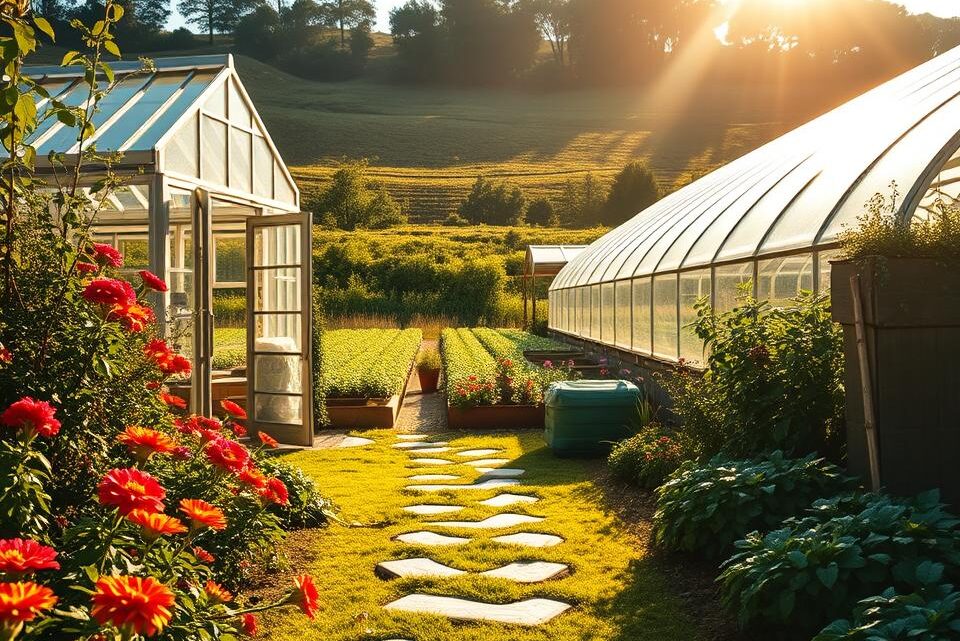
Deciding optimal greenhouse placement is one of the first choices a gardener in the United Kingdom must make. The question should a greenhouse be in the sun or shade? shapes temperature, light levels and microclimate, all of which determine plant health and crop yields.
This article draws on horticultural guidance from the Royal Horticultural Society and practical experience to help with greenhouse location UK decisions. We outline how light, temperature and ventilation interact, and why greenhouse siting matters for overwintering tender crops or growing salad through summer.
Coverage includes full-sun and shaded placements, crop-specific recommendations, orientation, glazing choices, seasonal management and sustainability. The aim is to give clear, evidence-based guidance so you can match greenhouse positioning to plant needs, local conditions and long-term garden plans.
Inhaltsverzeichnis
Key Takeaways
- Optimal greenhouse placement balances light and temperature to suit your crops.
- Assess local conditions before choosing greenhouse siting in the UK.
- Orientation and glazing choices affect seasonal performance and energy use.
- Shading and ventilation are practical tools for managing excess heat.
- Evidence-based decisions reduce risk and improve year-round productivity.
should a greenhouse be in the sun or shade?
Deciding whether a greenhouse should sit in full sun or partial shade is rarely a simple either/or choice. Light intensity, duration, heat build-up and the local microclimate interact to create conditions quite different from open beds. Gardeners must weigh those factors against their greenhouse light requirements and plant-specific greenhouse needs before fixing a site.
Greenhouses amplify sunlight and trap warmth, so a sunny site can speed growth and extend seasons. The Royal Horticultural Society warns that glasshouses in bright spots often need ventilation, shading or heating control to avoid extremes. Gardeners must balance extra light and heat with the risks of overheating, dessication and uneven temperature gradients.
How plant types and cultivation goals influence the answer
Plant choice strongly affects ideal siting. Heat-loving crops such as tomatoes and peppers favour bright, warm positions that meet higher greenhouse light requirements. Cool-season salad crops and many ornamentals prefer filtered light to avoid stress and bolting.
Propagation and young seedlings need gentle, steady light rather than raw midday sun. Tropicals and citrus demand warmth and light but can scorch without shade in long, hot spells. Growers aiming for year-round production, overwintering tender plants or rapid summer yields will select sites differently to those focused on spring propagation.
Regional considerations across the United Kingdom
UK greenhouse siting should reflect regional climate. The south and south-east enjoy milder, sunnier conditions, which can produce overheating in exposed glasshouses. Gardeners there should plan for shading and good ventilation to protect temperature-sensitive crops.
Scotland and north-west England tend to be cooler, cloudier and windier. In these areas, maximising solar gain helps meet both light and heat needs. Local risk of late frosts, typical cloud cover and available sunlight hours all affect whether a sun-exposed or more sheltered spot best serves plant-specific greenhouse needs.
Benefits of full-sun greenhouse placement
Positioning a greenhouse in full sun brings clear advantages for many gardeners. Sun-exposed structures capture daylight and warmth, creating conditions that favour vigorous plant growth and longer productive periods. Proper siting helps you make the most of natural energy while reducing reliance on artificial inputs.

Enhanced photosynthesis and faster growth
Increased light intensity raises greenhouse photosynthesis rates. Plants convert more light into carbohydrates, which fuels stronger stems, earlier flowering and higher yields. Daily light accumulation, or DLI, is critical for fruiting crops such as tomatoes and cucumbers. Seedlings grown in high light tend to be stockier and better prepared for summer planting.
Extended growing seasons and overwintering advantages
Solar gain in a sun-exposed greenhouse helps extend growing seasons by cutting the need for constant heating. Warm days in spring allow earlier sowings, while sunny autumns stretch harvests beyond outdoor limits. Passive solar warming on clear winter days raises daytime temperatures, though insulation at night, such as horticultural bubble wrap, is vital to retain heat.
Sun placement reduces the chance of frost inside a well-sealed structure, making it easier to overwinter tender plants. Occasional supplemental heat may still be needed during severe cold spells to protect crops and potted specimens.
Best crops for sun-exposed greenhouses
Crops for sunny greenhouse conditions include tomatoes, sweet peppers, cucumbers and aubergines. Mediterranean herbs such as basil and rosemary thrive in bright, heated spaces. Sun-loving ornamentals like salvias perform well too. High-light seedlings meant for outdoor transplant benefit from sun exposure to develop hardy growth.
Even in full sun, keep an eye out for heat stress. Good ventilation and occasional shading protect sensitive crops while preserving the many benefits of a sunlit site.
Benefits of shaded or partially shaded greenhouse placement
Positioning a greenhouse in shade or partial shade can be a deliberate choice for gardeners aiming to reduce peak temperatures and protect vulnerable plants. A benefits shaded greenhouse helps temper extremes on bright days and supports crops that prefer gentler light. Careful balance between light and shade is key to success.

Reduced heat stress and prevention of scorching
Shaded or semi-shaded sites limit peak temperatures on hot afternoons. That helps reduce leaf scorch, blossom drop and sunscald on developing fruit. Delicate seedlings and young transplants gain protection from sudden heat spikes.
Shade-adapted ornamentals such as ferns and African violets avoid stress when direct light is moderated. Gardeners who want to reduce greenhouse heat will find shaded placement useful during summer months.
Humidity control and reduced irrigation needs
Lower solar gain slows evaporation and plant transpiration. That keeps substrate moisture higher for longer and cuts back on how often you need to water. For propagation and moisture-loving plants, this stability aids rooting and reduces labour.
Higher humidity can raise the risk of diseases such as botrytis and powdery mildew if airflow is poor. Good ventilation and gentle air circulation should be part of any plan for a partial shade greenhouse to manage disease pressure.
Best crops for shade or filtered light
Many leafy greens thrive in filtered light, making them ideal for crops for shaded greenhouse setups. Lettuce, chard and spinach tolerate lower light while keeping good flavour and texture.
Herbs such as parsley and coriander perform well in partial shade, as do summer brassicas when you want to avoid heat stress. For ornamentals, potted African violets and ferns are classic choices for a shaded bench.
Use shaded placement for nursery stock, hardening-off areas and gardeners seeking lower-water upkeep. Combining a partial shade greenhouse with modest heat sources allows cool-season cropping through much of the year.
Microclimate factors to assess on your site
A successful siting decision rests on local microclimate details. Small shifts in sun, wind and slope change temperatures, moisture and plant performance. Spend time observing the plot through a season before you fix the greenhouse position.
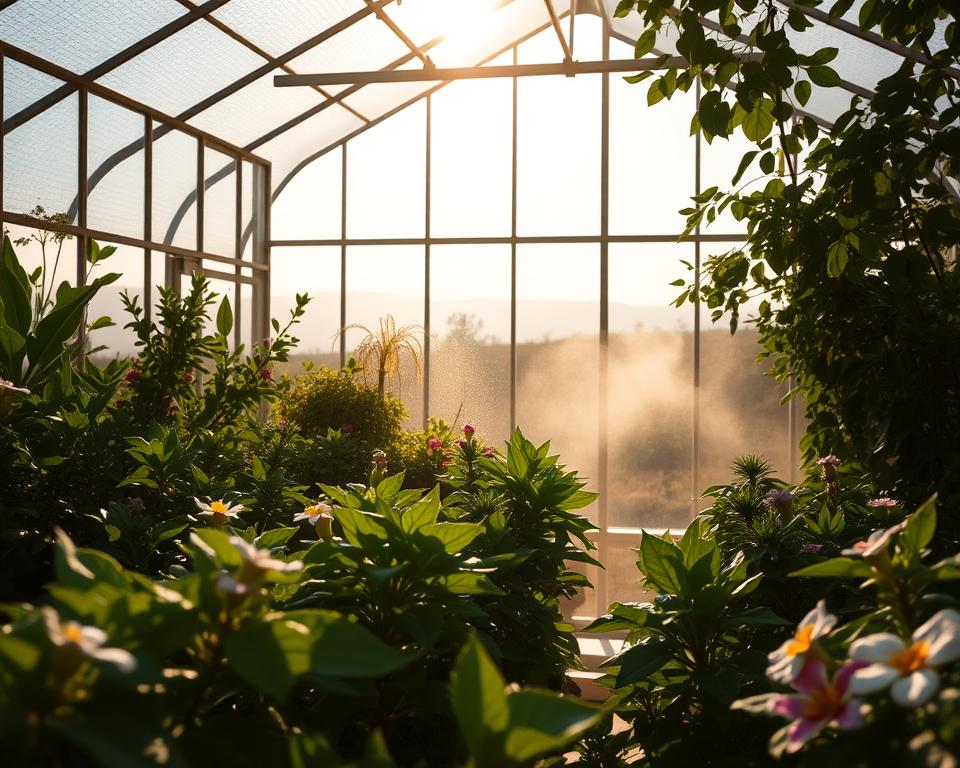
Track the sun path to estimate year-round solar gain. Use a solar-path app or a simple compass to note azimuth and elevation at different seasons. Observing late-winter sun angles helps plan for maximum winter light. Southern exposure will usually maximise winter light, while an eastern aspect gives morning warmth and reduces late-afternoon overheating for tender crops.
Prevailing winds in much of the UK blow from the south-west and affect heat loss, ventilation and structural loading. Sit the building so it gains cooling breezes for passive ventilation without suffering constant buffeting. Consider hedges or a brick wall as a windbreak at a suitable distance to cut wind chill but avoid strong shade.
Topography dictates where cold air settles. Low hollows form frost pockets where late frosts linger and seedlings suffer. Avoid depressions for your greenhouse; choose flat or slightly raised ground when possible. Ensure good drainage around the base and raise the foundation if waterlogging is a risk.
Gentle north-facing slopes tend to be cooler and less suitable for sun-loving plants. A modest elevation improves drainage and reduces frost risk. Factor in future changes, such as tree growth or new buildings, that may alter the sun path greenhouse and wind shelter greenhouse dynamics over time.
Use a compact checklist to guide final placement. Note hours of direct sun in mid-winter and mid-summer, typical wind direction and strength, and low spots prone to frost. A careful site assessment keeps your greenhouse microclimate stable and productive.
| Factor | What to measure | Practical action |
|---|---|---|
| Sun angle and duration | Hours of direct sun in winter and summer; azimuth at midday | Use solar-path app, favour southern or east-facing siting for winter gain |
| Wind direction and strength | Prevailing wind bearings and peak gusts | Sit for passive ventilation, add hedges or walls for wind shelter greenhouse |
| Frost risk | Areas where cold air pools after clear nights | Avoid hollows; raise base level to reduce impact of frost pockets greenhouse |
| Drainage and soil | Waterlogging frequency; soil texture | Improve drainage, create raised beds or hard foundation for stability |
| Future shading | Projected tree and building growth over 5–10 years | Choose site clear of future shade to protect sun path greenhouse gains |
Orientation and design considerations for optimal light
Careful greenhouse orientation and considered design choices shape internal light, heat and airflow. Small shifts in layout or glazing make a big difference to plant health. The guidance below helps gardeners choose the best combination for their plot and crops.

East–west versus north–south orientation pros and cons
An east–west greenhouse places the ridge along the same axis, giving long, sunlit sides through much of the day. This suits bench layouts where even exposure along a row matters and supports crops on low benches. An east-west greenhouse boosts midday solar gain on the long side, useful for winter warmth in small UK gardens.
A north–south greenhouse delivers more even light along both sides as the sun moves east to west. Taller crops get steady illumination down the canopy. Larger glasshouses often favour north–south orientation for uniformity across wide spans. For narrow footprints, between 0.6 and 1.8 m benches, the practical difference depends on crop layout and shading from nearby structures.
Glazing choices and their light transmission properties
Toughened glass gives very high light transmission and long life. Horticultural glass with a diffuse finish spreads light and cuts glare. UV-stabilised polycarbonate panels offer impact resistance, good insulation and built-in diffusion. Polyethylene film is inexpensive but needs frequent replacement and has lower longevity.
Diffused greenhouse glazing, such as opal polycarbonate or horticultural diffuse glass, softens direct sun. That reduces hotspots and improves penetration to lower leaves. This aids fruiting crops and multi-tier systems by evening out light within the canopy.
Maintenance affects transmission. Regular cleaning, sensible replacement schedules and attention to thermal performance (U-values) will keep light levels high and heating demands lower.
Roof pitch and ventilation placement
Roof pitch changes winter solar angles, rain runoff and snow shedding. A steeper pitch helps shed water and snow and may let low winter sun reach deeper into the structure. Flatter roofs can work where space is limited but may reduce passive light gain in midwinter.
Good greenhouse ventilation pairs side vents with ridge vents to enable crossflow and stack ventilation. Hot air must escape near the ridge while cooler air is drawn in low down. Automatic vent openers, such as wax-based thermally actuated devices, give reliable performance on small structures. Powered ventilation and thermostatic control become sensible for larger or commercial greenhouses where manual operation is impractical.
For most UK domestic plots, aim to orient the longest glazed side toward the south where possible to maximise winter solar gain. Balance glazing type, pitch and vent layout to match the crops, the size of the structure and the level of maintenance you can commit to.
Seasonal adjustments and management strategies
Managing a greenhouse through the year requires simple routines and a clear plan. Good greenhouse seasonal management keeps crops healthy while saving energy and effort. Small changes at the right time make a big difference.

Using shading cloths and retractable screens
Options include fixed shade paint, external shade cloths (25–80% density), internal retractable screens and reflective whitewash. Fixed paint is cheap yet permanent and cuts light even on cool days. External shading reduces heat load before it reaches the glazing, making it the best first line of defence on hot afternoons. Internal screens help with night-time insulation and give a barrier against pests.
Manage shading by applying it in late spring and through summer as solar intensity rises. Retract or remove coverings in autumn and winter to maximise light for overwintering crops. Choose external shade for peak heat and internal screens for insulation and flexible control.
Supplemental heating and cooling approaches
Heating choices range from electric fan heaters to gas-fired fan heaters controlled by thermostats. Passive options such as water barrels or stone walls provide thermal mass to smooth night-time temperature drops and reduce reliance on active systems.
Cooling starts with ventilation, using roof vents and side vents for natural airflow and fans for forced ventilation when needed. Evaporative cooling via misting combined with a shade cloth greenhouse setup lowers temperatures efficiently. Temporary shading is useful during heatwaves.
Energy-efficient measures include programmable thermostats, hygrostats to monitor moisture, bubble-wrap insulation on glazing and maximising thermal mass. These steps reduce fuel use and protect crops from stressful swings in temperature.
Crop rotation and seasonal crop selection
Plan sequences to match available light and temperature. Sow cool-season salads and brassicas for winter and early spring. Move tender crops such as tomatoes and peppers into the greenhouse in late spring and through summer.
For in-ground beds, rotate families—Solanaceae, Cucurbitaceae and Brassicaceae—to limit soil pathogens and pests. Avoid planting tomatoes in the same bed year after year to reduce disease build-up.
Use benches and containers for flexible crop changes and easier sanitation between cycles. Containers allow quick succession planting and reduce the need for long fallow periods. Thoughtful crop rotation greenhouse practice preserves soil health and keeps yields steady.
Practical site preparation and landscape integration
Good greenhouse site preparation begins with clear, focused planning. A compacted, level base keeps the frame true, doors aligned and drainage effective. Small errors at this stage create long-term problems for structure and plant health.
Clearing and levelling the greenhouse base
Start by clearing vegetation and removing topsoil where the greenhouse will sit. Mark out the footprint, then check for buried services before digging. Excavate to the required depth and compact the sub-base to create a stable platform.
Choose the appropriate base material for your needs. Compacted crushed stone gives good drainage. A concrete slab offers stability and thermal mass. A raised pressure-treated timber base can help with portability. Use a damp-proof membrane where ground moisture is a risk.
Pay attention to frost and drainage. In colder locations, set foundations below the frost line or use insulated pads. Ensure the finished level allows water to run away from the greenhouse rather than pooling around the frame.
Using hedges, trees and buildings for beneficial shelter
Sheltering features shape the microclimate around a greenhouse. Hedges and outbuildings act as windbreaks, reduce heat loss and cut mechanical stress on glazing. Trees provide summer shade while deciduous species allow winter sun.
Siting is crucial to avoid unwanted shade. As a general rule, place the greenhouse at least the height of the sheltering feature away so it does not cast shade from mid-morning to late afternoon in summer. Choose deciduous shelter belts when winter solar gain is desired.
Watch for roots and leaf fall from nearby trees. Roots can disturb foundations and autumn litter increases humidity and cleaning needs inside the greenhouse shelter.
Considerations for access, water supply and utilities
Plan level, non-slip paths and firm access for year-round use. Position the greenhouse close enough to a water source for convenient irrigation, whether mains or a rainwater-harvesting tank. Install frost-proof outside taps for reliability in winter.
Think about greenhouse utilities early. Run electricity with outdoor-rated cables and RCD protection for heaters, ventilation and automatic systems. For heaters and dehumidifiers, plan cable routes that avoid trip hazards and damp areas.
For larger structures, check local planning rules before work begins, especially in conservation areas or when a greenhouse exceeds permitted sizes. Early liaison with the local planning authority can prevent costly redesigns.
Environmental and sustainability considerations
Creating an efficient greenhouse goes beyond plant choice. It means designing for low energy use, smart water capture and wildlife support. A sustainable greenhouse saves money and cuts carbon emissions while boosting resilience through changing seasons.
Maximsing passive solar gain to reduce energy use
Position glazing to the south and add thermal mass such as water barrels or a masonry wall to store daytime heat. Use water tanks painted matt black to absorb solar energy. Insulate the north-facing solid wall with polystyrene or mineral wool and apply bubble wrap inside glazing for extra R-value.
Seal gaps and draught-proof frames to cut convective heat loss. These measures turn a passive solar greenhouse into a building that needs less active heating. The reduced energy demand shortens payback times on any additional investments.
Rainwater harvesting and green energy options
Fit gutters and first-flush diverters to channel rain into storage tanks for irrigation. Add basic filters and a tap-fed header to protect pumps and reduce debris in watering systems. This approach suits a rainwater harvesting greenhouse very well, especially through dry summers.
Complement water systems with renewable power. Solar photovoltaic panels can run fans, pumps and LED lights. Small air-source heat pumps supply efficient low-carbon warmth. Hybrid setups pair passive design with active systems to keep running costs down and increase resilience. In the UK, many councils and energy suppliers offer grants or schemes that improve long-term ROI on such installations.
Minimising ecological impact and supporting biodiversity
Adopt organic methods and integrated pest management. Use biological controls like lacewings and predatory mites rather than broad-spectrum pesticides. Keep sanitation and crop rotation as routine cultural controls to lower pest pressure.
Plant wildflower strips, hedgerows or native shrubs near the greenhouse to attract pollinators and predatory insects. Provide log piles and small water features for amphibians and birds. These steps help an eco-friendly greenhouse sit lightly in the landscape while encouraging natural pest regulation and richer biodiversity.
Common mistakes and how to avoid them
Choosing where to place a greenhouse needs careful thought. A few simple errors can cut the growing season or cause crop losses. This short guide highlights common pitfalls and practical steps to avoid greenhouse mistakes.
Placing a greenhouse in a frost pocket or deep shade
Siting a greenhouse in a low-lying channel invites cold air to settle overnight. That raises frost risk and shortens the effective season for tomatoes, peppers and tender ornamentals.
Deep shade slows growth, produces leggy plants and raises disease risk by keeping foliage damp. Map sun and shade at different times of year before you buy a frame. Pick gently elevated ground with good drainage to avoid greenhouse siting mistakes.
Overlooking ventilation and excessive humidity risks
Poor airflow causes fungal diseases, poor pollination and heat build-up that can lead to crop failure. These greenhouse ventilation errors are common in small backyard structures without adequate vents.
Fit roof and side vents, add circulating fans and use automatic vent openers where heat is a concern. Install a humidistat-controlled fan and monitor conditions daily to avoid greenhouse mistakes that begin with trapped moisture.
Ignoring future growth of surrounding trees and structures
Young trees can become tall shade-givers that drop leaves and sap onto glazing. New builds or changes in neighbours’ gardens may reduce light over time. These oversights are frequent greenhouse siting mistakes.
Plan for mature heights and root spread when positioning the greenhouse. Discuss likely changes with neighbours and consider legal setbacks if necessary. Plant low-growing shelter species or place the structure where future obstructions are unlikely to appear to avoid greenhouse errors.
- Quick checklist: elevated site, mapped shade, roof and side vents, circulating fans, plan for mature trees.
- Tools to help: sun-path app, simple hygrometer and anemometer to spot ventilation faults early.
Tools and measurements to make an informed decision
Choosing the best site for a greenhouse relies on measured data, not guesswork. A short programme of readings gives clear evidence of light levels, temperature swings and humidity patterns. That helps you match crop needs to the microclimate and avoid costly re-siting later.
Using light meters and solar path apps
Begin with a handheld greenhouse light meter to record photosynthetically active radiation (PAR) and daily light integral. Take readings at dawn, midday and late afternoon across spring, summer and autumn to build a site profile.
Pair meter data with a solar path app greenhouse tool such as Sun Seeker or Sun Surveyor on a smartphone. These apps show sun angles, direct sun hours and seasonal solar travel for precise siting decisions.
Consulting local weather data and microclimate maps
Check Met Office regional climate summaries for long-term averages of sunshine hours, frost dates and prevailing winds. Local weather stations provide recent trends while microclimate maps from councils or horticultural services reveal sheltered or exposed pockets.
Combine local records with on-site readings. That mix improves confidence in a microclimate assessment and highlights risks like late frosts or persistent shade.
When to seek professional site assessment
Hire expert help for large or complex projects, flood-prone plots, sloping ground or integrated renewable systems. Chartered surveyors and qualified horticultural consultants offer structural siting advice, drainage plans and solar gain analysis.
Established greenhouse suppliers such as Hartley Botanic can arrange a professional greenhouse site assessment, including drainage, foundation guidance and bespoke microclimate modelling tailored to commercial or research needs.
Conclusion
This greenhouse placement conclusion shows there is no single correct answer to should a greenhouse be in the sun or shade? summary. The right site depends on crop types, cultivation goals and regional climate. Heat-loving tomatoes, peppers and melons benefit from a sunny, south-facing aspect, while nursery stock, lettuces and ferns often thrive with partial shade and gentler light.
Practical rules of thumb help most gardeners choose the best greenhouse siting UK. Favour sun-exposed, south-facing positions for fruiting and overwintering, and consider filtered light or east-facing shelters for delicate or moisture-loving crops. Always avoid frost pockets and deep, persistent shade that will limit growth and increase disease risk.
Careful site assessment is invaluable: use a light meter or solar-path app, observe seasonal sun angles and note wind and drainage. Plan ventilation, shading and passive solar features into any location, and adopt rainwater harvesting or insulation to reduce energy use. For complex sites, seek professional assessment to refine placement and layout.
Map your garden’s light, list intended crops and apply these guidelines to choose the best greenhouse location for sustained success. This clear approach turns the should a greenhouse be in the sun or shade? summary into a practical plan for the best greenhouse siting UK and long-term yields.
FAQ
Should I site my greenhouse in full sun or partial shade?
There is no single answer. Optimal placement depends on the plants you intend to grow, your cultivation goals and local climate. Heat-loving fruiting crops such as tomatoes, peppers and cucumbers benefit from a sun-exposed, south-facing position to maximise daily light integral (DLI) and passive solar gain. Shade-tolerant crops, delicate seedlings and moisture-loving ornamentals may perform better in partially shaded or filtered-light sites to avoid heat stress and leaf scorch. Assess your crop list, seasonal aims and microclimate before deciding.
How does UK regional climate affect greenhouse placement?
Regional variation matters. The south and south‑east of England usually offer more sunshine and milder winters, so overheating is a greater risk and shading or ventilation may be needed. Northern and western parts of the UK tend to be cooler and cloudier; in those areas maximising solar gain, glazing quality and thermal mass is often more important. Check local Met Office data and observe late‑winter sun angles to plan for winter light and frost risk.
Which crops are best suited to a sun‑exposed greenhouse?
Sun‑exposed greenhouses favour fruiting and Mediterranean crops: tomatoes, aubergines, peppers, cucumbers, basil and many Mediterranean herbs. Sunlight accelerates photosynthesis, increases vigour and supports earlier flowering and fruit set. Seedlings destined for summer planting also harden better with strong light, provided ventilation and shading are used when temperatures peak.
What crops do better in shaded or partially shaded greenhouses?
Shade or filtered light suits leafy greens (lettuce, chard), some herbs (parsley, coriander), brassicas in summer, ferns and pot plants like African violets. These crops benefit from reduced evaporation, lower heat stress and steady humidity. For propagation and nursery work, filtered light helps avoid scorching and promotes even rooting.
How can I assess sunlight and shading at a prospective site?
Use a combination of simple observation and tools. Track the sun path across seasons, observe late‑winter sun angles, and note morning versus afternoon shade. Smartphone apps such as Sun Seeker or Sun Surveyor, and handheld PAR or light meters, provide quantitative measures of direct sun hours and DLI. Record readings at different times and seasons for a reliable light profile.
What orientation is best for a small garden greenhouse?
For small UK gardens the practical rule is to orient the longest glazed side to the south to maximise winter solar gain. North–south orientation gives more even light down both sides and suits tall crops, while east–west can favour bench layouts with longer direct sun on one aspect. Choose the orientation that balances winter heat gain with summer ventilation and your internal bench design.
How important is ventilation and shading even if the greenhouse is sited in sun?
Crucial. Sun‑warmed greenhouses can overheat, causing blossom drop and heat stress. Install adequate roof and side vents, consider automatic vent openers (wax or hydraulic) and use external shade cloths or retractable internal screens in hot months. Good ventilation also reduces humidity and disease risk, so plan for both cross and stack ventilation when siting and designing the structure.
What glazing should I choose to balance light and insulation?
Toughened horticultural glass transmits light well and lasts, while UV‑stabilised twin‑wall polycarbonate offers better insulation and diffuses light to reduce hotspots. Diffuse glazing (opal polycarbonate or diffuse horticultural glass) improves light distribution to lower canopy levels and is beneficial for fruiting and multi‑tier crops. Consider cleaning and maintenance requirements alongside U‑value performance.
How do I avoid siting a greenhouse in a frost pocket or deep shade?
Avoid low‑lying hollows where cold air settles and areas under mature trees or close to tall buildings that cast long shadows. Map shade patterns across the year, especially in late winter. Choose slightly elevated, well‑drained ground and plan shelter at a distance proportional to the height of hedges or trees so they provide windbreak benefits without causing excessive shading.
What practical site‑preparation steps should I take before installing a greenhouse?
Clear vegetation and topsoil, check for buried services, and create a firm, level base using compacted crushed stone, a concrete slab or a timber base depending on permanence. Ensure good drainage around the perimeter and consider frost‑proofing and damp‑proof membranes. Plan access, water supply (rainwater harvesting and mains taps) and electrical routes for heating, ventilation and pumps.
How can I reduce energy use and make my greenhouse more sustainable?
Maximise passive solar design with south‑facing glazing, use thermal mass such as water barrels or masonry, draught‑proof and insulate north walls with bubble wrap where appropriate. Harvest rainwater with gutters and tanks for irrigation. Consider solar PV to power fans and pumps and small, efficient heat pumps for heating. These measures lower running costs and carbon footprint over time.
When should I consult a professional for site assessment?
Engage professionals for large or commercial installations, complex topography, flood‑risk sites, or where renewable energy systems and structural foundations are involved. Chartered surveyors, horticultural consultants and reputable greenhouse suppliers (for example, Hartley Botanic or major UK suppliers) can provide bespoke solar gain analysis, drainage advice and siting recommendations.
What common mistakes do gardeners make when siting a greenhouse?
Frequent errors include placing the structure in deep shade or a frost pocket, underestimating ventilation needs and not allowing for future growth of surrounding trees or buildings. Overlooking access to water and electricity or inadequate base preparation are also common. Take time to map sun patterns, consider future garden changes and prioritise ventilation, drainage and a firm level foundation.