Planning Permission for Playhouses in the UK
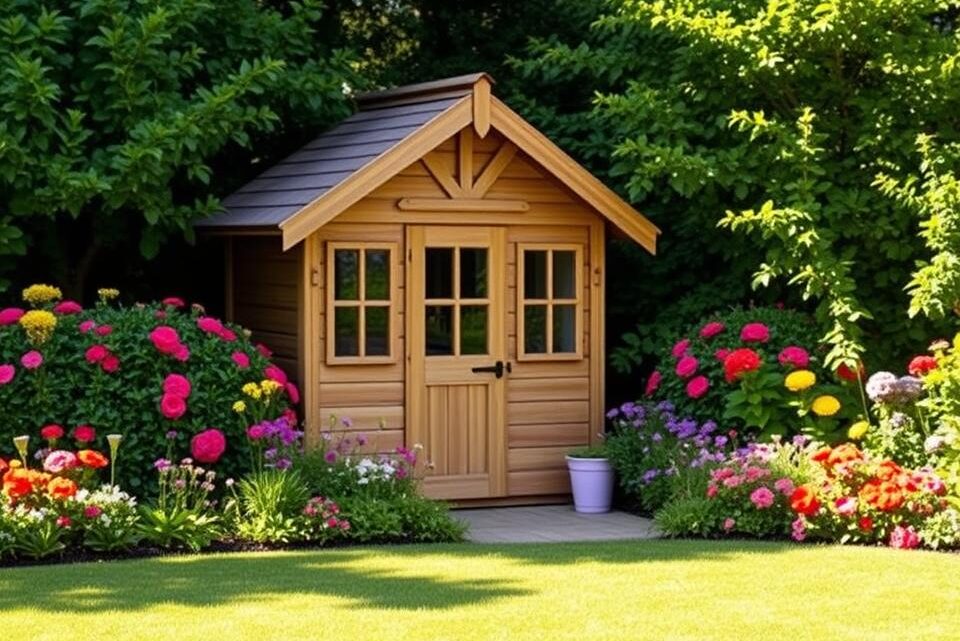
This short guide explains planning permission playhouse rules and what homeowners should expect when considering a garden playhouse. It sets out whether do you need planning permission for a playhouse, summarises playhouse planning UK differences across the nations, and highlights garden playhouse regulations alongside building control, listed‑building and conservation area constraints.
The planning systems in England, Scotland, Wales and Northern Ireland are devolved, so permitted development rights and procedures differ. Local planning authorities—your council—decide applications, guided by national documents such as the UK Government’s Planning Practice Guidance and equivalent advice from Historic Environment Scotland and Planning and Environmental Appeals (Wales).
Playhouses, garden rooms and small outbuildings have become more common with increased home working and outdoor living. Understanding rules avoids costly enforcement action and ensures safe, compliant installations that do not harm neighbours or protected heritage.
Inhaltsverzeichnis
Key Takeaways
- Check whether do you need planning permission for a playhouse with your local council first.
- Permitted development rights differ across England, Scotland, Wales and Northern Ireland.
- Listed buildings and conservation areas impose stricter garden playhouse regulations.
- Building regulations and planning permission are separate but both may apply.
- Consult gov.uk Planning Portal, local council pages and Historic England for authoritative guidance.
do you need planning permission for a playhouse?
Small playhouses in a garden often fall under permitted development, so many householders never need to apply for formal consent. That said, planning rules focus on appearance, land use and local impact, while building regulations cover structure, fire safety and electrics. You should check local guidance to be sure whether your project sits within permitted development or needs formal approval.
Overview of when planning permission is generally required
Planning permission becomes necessary when a garden structure changes how land is used or affects neighbours and the street scene. For example, if a playhouse is permanently sited, heated, plumbed or adapted for sleeping, a council may treat it as a new dwelling or an extension. Local authorities assess whether the development breaks garden building planning rules and whether it respects local character.
Key factors that influence the decision
Decisions rest on a few straightforward considerations.
- Size and height of the structure relative to permitted limits.
- Distance from boundaries and impact on neighbouring light and privacy.
- Listed status or location in a conservation area, which tightens garden building planning rules.
- Whether the playhouse will be used for habitation or occasional play.
- Visibility from public land and the cumulative effect of other outbuildings.
- Site topography and drainage, which can alter the perceived dominance of the building.
How playhouse size, location and permanence affect permission
A small demountable playhouse used occasionally and sited to the rear of the house usually stays within permitted development. Portable timber huts from retailers like Wickes or B&Q often meet these criteria if they have no fixed foundations and remain under size thresholds.
By contrast, a large timber lodge with concrete foundations, glazing, heating and plumbing is more likely to need planning permission and building control approval. If it becomes a sleeping space or a self-contained annex, councils will treat it more seriously and the question of when is planning permission required becomes immediate.
| Feature | Small, demountable playhouse | Large, permanent garden room |
|---|---|---|
| Typical footprint | Under 10m² | Over 15m² |
| Foundations | No fixed foundations | Concrete or deep footings |
| Services | No heating or plumbing | Heating, electrics, plumbing possible |
| Use | Daytime play only | Habitable or overnight stays |
| Planning risk | Low if within garden building planning rules | High; likely to need planning permission |
Permitted development rights differ across England, Scotland, Wales and Northern Ireland, so always check the guidance from your local planning authority before you build. That ensures you meet both planning expectations and building safety standards for your family.
Understanding permitted development rights for garden buildings
Permitted development grants by Parliament let homeowners carry out certain work without a full planning application. These rights come with conditions and limits. They aim to speed up minor projects while protecting neighbours and the street scene.
Definition of permitted development rights
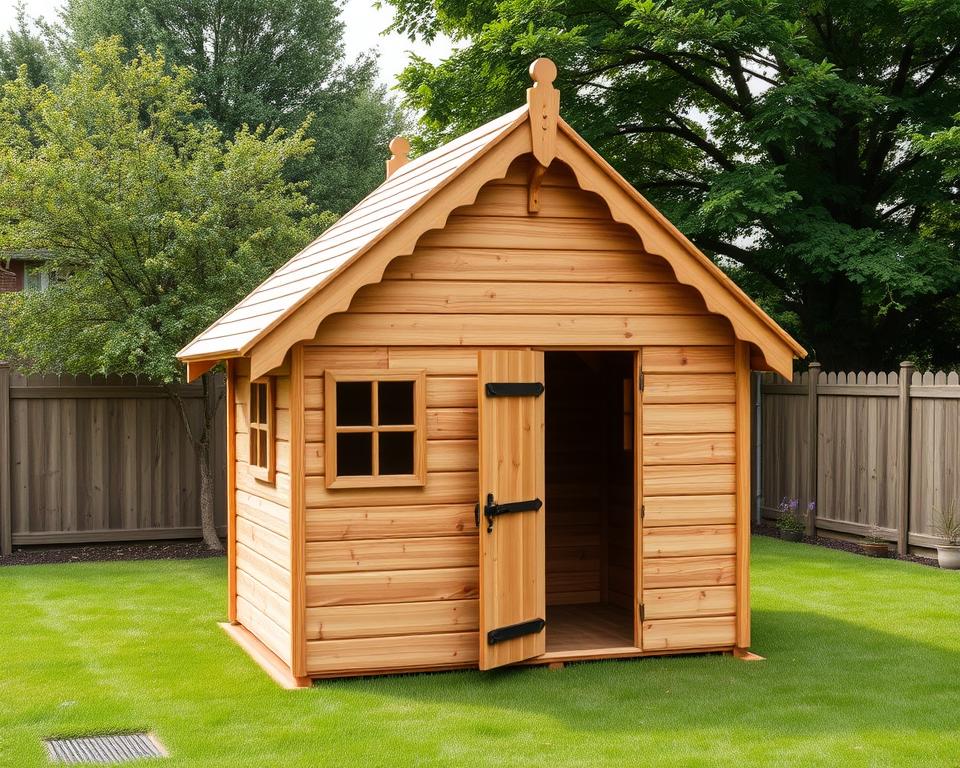
Permitted development means specified types of building work are allowed subject to rules. It covers many garden structures, so a permitted development playhouse may not need a formal application. The rights differ between England, Scotland, Wales and Northern Ireland.
Typical limits that apply to outbuildings including playhouses
Common limits in England give a useful example. Outbuildings must not cover more than half the garden area within the curtilage. Single-storey outbuildings are usually restricted in height. A flat roof within 2m of a boundary is often limited to about 2.5m to the highest point. Dual-pitched roofs may be allowed up to roughly 4m.
Outbuildings must not sit forward of the principal elevation. Certain uses, such as sleeping accommodation, can alter the planning stance. Multiple small structures are assessed together and may exceed the 50% limit when combined.
How permitted development varies in different situations
Permitted development does not apply everywhere. Flats, maisonettes and some listed buildings face tighter controls. Conservation areas commonly restrict cladding and enlargements, and local councils can use Article 4 directions to remove PD rights.
Garden building regulations and PD rights outbuilding rules can be altered by local policy. Always check with the local planning authority before building. For clarity, consult the Planning Portal for England or the equivalent devolved guidance and seek pre-application advice if unsure.
Size, height and position rules for playhouses
Choosing where and how big a playhouse can be means balancing family needs with planning rules. The guidance below outlines typical limits for footprint, height and siting. These points help assess whether a project sits within permitted development or needs formal permission.
Maximum footprint and height restrictions
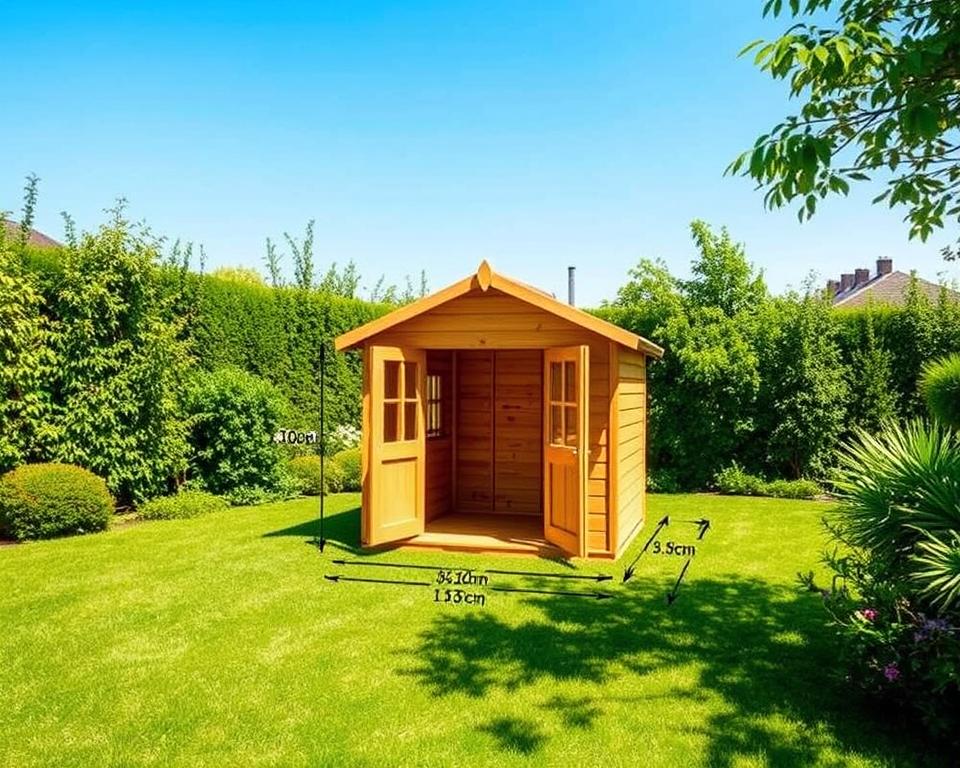
Permitted development usually sets a maximum footprint for garden buildings and a cap on overall coverage of the curtilage. In England a common rule is that outbuildings must not cover more than 50% of the total curtilage. Typical playhouse size limits under permitted development vary by nation and local policy, so check your council’s guidance.
Height benchmarks are often used to judge impact. A roof height of around 2.5m is commonly acceptable when the building sits within 2m of a boundary. For dual-pitched roofs the allowance can rise to about 4m, provided other conditions are met. These playhouse height rules are indicative; local planning officers may apply different thresholds.
Distance from boundaries and effect on neighbours
Placement close to a fence or wall raises the chance of needing permission. A short distance from boundary playhouse installations can cause overshadowing, reduced privacy and a stronger visual impact on adjacent properties.
Balconies, verandas or elevated terraces increase overlooking and make neighbours more likely to object. Early discussion with neighbours often reduces disputes. Councils will consider loss of light and privacy when assessing applications.
Ground levels and raised platforms considerations
Finished floor level matters. If a playhouse sits on a raised platform or on land that has been excavated, the effective height will change and may exceed permitted allowances. Local authorities judge height from the finished ground level, so a low garden can make a small structure appear taller.
Substantial decking or terracing that raises the structure can trigger planning permission. Major changes to ground levels or permanent raised platforms might also bring building control requirements for stability and safety.
Impact of listed status and conservation areas on playhouses
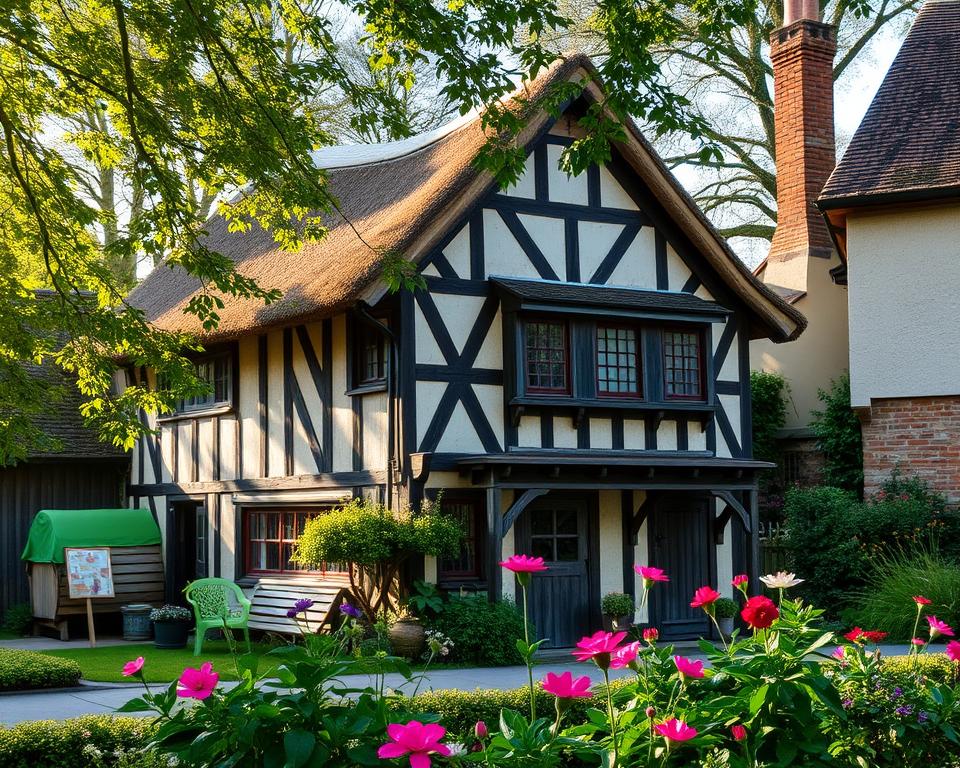
A playhouse within the grounds of a protected property can face strict controls. Owners must check whether the garden or outbuilding sits inside the curtilage of a listed building. Works that alter appearance or historic fabric may need permissions beyond standard planning rules.
Restrictions for listed buildings and curtilage
Any structure that lies within the curtilage of a listed property can be treated as part of the listed asset. That means repairs, alterations or new additions to a playhouse listed building may require listed-building consent outbuilding works. Even changes that would normally fall under permitted development can be restricted if they affect the character of the principal building.
Additional controls in conservation areas
A conservation area playhouse faces a different set of expectations. Local authorities often demand materials and designs that match the neighbourhood. Councils can use Article 4 directions to remove permitted development rights for outbuildings, so a small playhouse that would be exempt elsewhere may need planning permission here.
When you will always need listed-building consent
Listed-building consent outbuilding applications are mandatory where works would materially affect the character of the listed structure. Examples include inserting large glazed panels, adding external timber cladding that alters appearance, or routing services through historic fabric. In such cases, applicants normally require both planning permission and listed-building consent outbuilding proposals.
Historic England and Historic Environment Scotland publish guidance on managing change to heritage assets. Early contact with the local conservation officer helps avoid enforcement action and reduces the risk of criminal penalties for unauthorised work.
Material and design considerations affecting approval
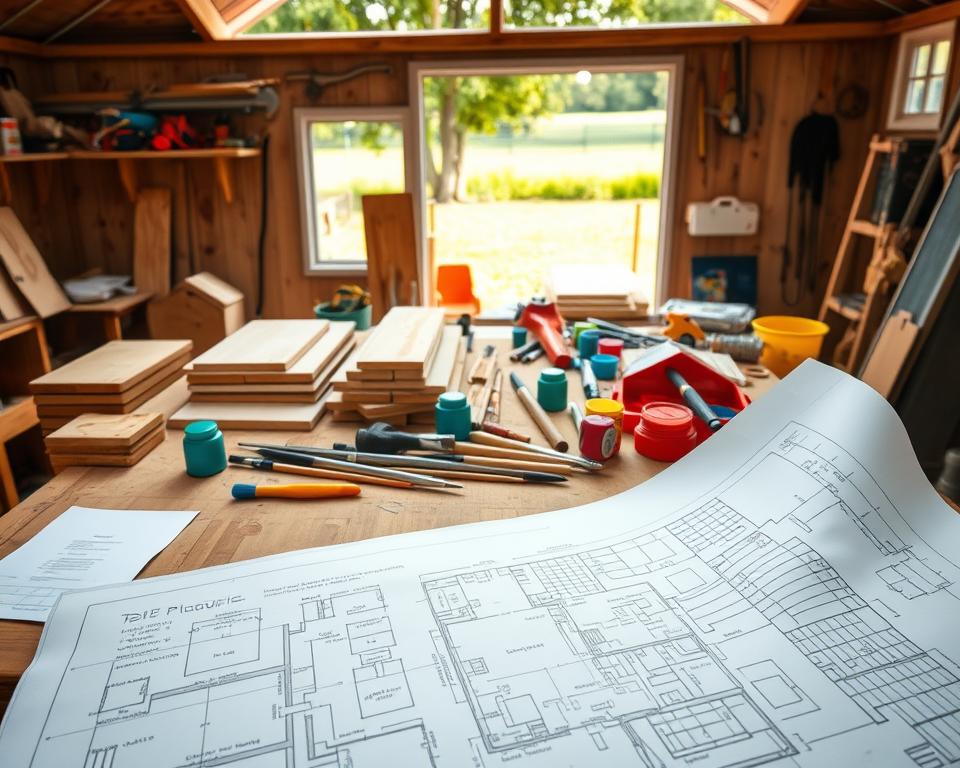
Choosing the right materials and styling can reduce the chance of planning objections. Councils look for outbuildings that sit well within their setting. Thoughtful choices on cladding, roof finish and colour help a proposal appear modest and appropriate.
Choosing materials to reduce planning concerns
Timber cladding with a natural stain or neutral paint is usually well received. A sedum or green roof softens the profile and supports biodiversity. Use BRE guidance and local planning advice when specifying external finishes to show compliance.
Non-reflective materials limit visual glare. Avoid bright varnishes and mirrored surfaces near public viewpoints. Rainwater-harvesting systems and timber from FSC-certified suppliers present sustainable benefits that councils often welcome.
Design elements that may trigger planning scrutiny
Full-height glazing, balconies and external staircases commonly attract attention from planners. Proposals that include sleeping accommodation, kitchens or bathrooms can prompt a reclassification of use.
Unconventional roof forms or prominent service fittings such as large flues or satellite dishes increase the likelihood of refusal. Keep service installations compact and routable discreetly to reduce impact.
Visibility, glazing and external finishes
Large glazed elevations facing neighbours or public areas raise privacy and overlooking concerns. Limited openings, high-level windows or obscure glazing offer straightforward mitigation.
External finishes should be matt and match the house palette where possible. Positioning the playhouse behind hedging or low walls reduces prominence. A brief design statement explaining choices on glazing and planning, and how the building sits in the garden, helps planning officers assess the proposal fairly.
Use and change of use: playhouse as a garden room or annex
A planning officer treats buildings by how they are used. A structure used for toys and storage is usually ancillary to the main house. If the same structure becomes a hobby room, home office or a place for sleeping, its planning status can change. Clear descriptions on plans help show intent and avoid a playhouse change of use dispute.

Defining use for planning purposes
Local authorities look at day-to-day use, not owner intention alone. Occasional use as a study tends to be ancillary. Regular use for sleeping or cooking signals a move away from ancillary status. Keep facilities minimal to preserve permitted development rights when possible.
When a playhouse becomes a habitable annex
Thresholds matter. Adding a bed, fixed cooking facilities or an independent entrance can tip a building into an annex or separate dwelling. Plumbing and heating that support prolonged occupation strengthen the case for annex status. Postal re‑addressing or sole occupation are strong indicators that planning permission for a change is needed.
Implications for council tax and building regulations
Use as self-contained accommodation can alter who pays council tax and at what band. Local councils will assess whether the space is part of the main dwelling or a separate unit for annex council tax purposes. Building Regulations apply where the annex has heating, sanitation or sleeping areas; fire safety, insulation and means of escape must meet standards.
Best practice is to state clearly on drawings and statements that the structure will remain ancillary. Avoid installing a permanent kitchen or separate access if you want to keep permitted development protection. Where doubt remains, consult Building Control or the planning department early to prevent enforcement and unexpected annex council tax charges.
Neighbours, objections and party wall considerations
Talk to adjacent householders early. A short note or a simple plan that shows size, position and intended use can prevent neighbours planning objections playhouse from escalating. Early contact builds trust and makes it easier to agree small changes before any formal council consultation.
Informing neighbours and handling objections
Send neighbours clear drawings and a brief explanation of when work will start and finish. Keep a dated record of all correspondence and any agreements reached in writing.
Local planning departments invite comments during the application period. Councillors assess objections on material planning considerations such as loss of light, privacy and noise. Neighbours cannot veto a proposal but substantive objections may influence the councillor or planning officer decision.
Party Wall Act issues for shared or close boundaries
The Party Wall etc. Act 1996 covers work to party walls, excavations near a neighbour’s foundations and building on the boundary. The Act sits outside planning control and can require notices, written agreements or an appointed surveyor’s award.
Give proper notice where the Party Wall Act playhouse work touches a shared wall or falls within the specified distances. If neighbours refuse consent, appointing surveyors often resolves technical points such as structural protection and working hours.
Mitigating disputes through design and dialogue
Consider design changes to reduce impact. Lowering height, moving the structure away from a boundary, adding planting for screening or using frosted glazing can address privacy and light concerns.
Offer to meet and show a sightline or a small model so neighbours can visualise the finished scheme. Council pre-application advice can flag issues and reduce the chance of neighbour disputes garden structures becoming formal objections.
| Action | Why it helps | When to use |
|---|---|---|
| Early notification with plans | Reduces surprise and builds goodwill | Before submitting any application |
| Written agreement or record | Provides clear proof of terms and timings | When neighbours express concerns |
| Party Wall notice and surveyor | Protects structural interests and resolves disputes | Where works affect party walls or foundations |
| Design tweaks (height, glazing, screening) | Reduces loss of light and privacy issues | During design stage or after neighbour feedback |
| Council pre-application advice | Identifies likely planning issues early | When proposals may attract objections |
Building regulations vs planning permission for playhouses
Planning permission decides whether a playhouse may be built in a given location. Building regulations focus on safety, structure and energy performance. Owners must check both before installing a permanent or serviced garden building.
When building regulations apply to garden structures
Building regulations apply where works create a habitable space, an extension or fixed services are fitted. A demountable playhouse without fixed heating, gas or new drainage will often avoid building control garden building rules. If the structure includes sleeping accommodation or forms part of the home, approval will normally be required.
Safety, electrics and insulation requirements
Local building control will assess foundations, structural support and means of escape if the space is used as living accommodation. Fire separation and safe escape routes become important for habitable rooms.
Electrical work inside an outbuilding may fall under Part P in England. A competent person scheme or local authority inspections may be needed to sign off electrics and insulation outbuildings. Registered electricians and Gas Safe engineers should certify fixed services.
Thermal performance matters when the playhouse is used as a garden room or annex. Insulation, ventilation and prevention of mould form part of energy and health requirements. Drainage, water supply and adequate ventilation are checked during building control garden building inspections.
How to obtain building control approval
There are two main routes to approval. Submit full plans to the local authority building control for detailed checks and staged inspections. Use a competent person to self-certify certain electrical or gas installations; records from these schemes allow final certification.
Fees and timeframes vary by council. Expect initial advice and inspection visits before final certification. Keep all certificates and build records. Lenders and conveyancers often request proof of compliance when selling a property.
Talk to a qualified builder or contact building control early if you plan to install electrics, heating or change the use of the space. Early engagement reduces the risk of costly alterations later and helps ensure that building regulations playhouse issues are handled correctly.
How to apply for planning permission and what to include
Before you apply for planning permission playhouse work, take a short audit of local policy and site constraints. Request pre-application advice from the council to flag likely issues early. A clear brief and basic sketches save time during the formal process.
Start by checking the local development plan and any neighbourhood plan policies that affect garden buildings. Use the Planning Portal in England or your local planning portal in Wales, Scotland or Northern Ireland to submit documents. Include accurate contact, ownership and site details and pay the correct fee at the time of submission.
Essential planning application documents
Provide a site location plan at 1:1250 and a site or block plan at 1:500 showing boundaries and neighbouring properties. Add existing and proposed floor plans and elevations at 1:50 or 1:100. Upload a design and access statement where required and a planning statement that sets out use and any permitted development compliance.
Include photographs of the site, ownership certificates, and completed neighbour notification forms. If the playhouse sits in a conservation area or affects a listed building, add a heritage statement and specialist surveys as needed. These planning application documents form the core of a robust submission.
Planning application timescales and fees
Local planning authorities aim to determine most householder applications within eight weeks in England. More complex proposals take longer and timescales vary across the UK. Fees change periodically; householder applications generally attract modest fees, so confirm the exact charge on the relevant government or council website before applying.
Decisions may approve, refuse or grant permission with conditions. If refused, you have the right to appeal to the Planning Inspectorate. When approved with conditions, ensure pre-commencement requirements are discharged promptly to avoid delays. Keeping plans clear and submitting complete planning application documents helps reduce delays in decision-making and shortens planning application timescales.
Alternatives to planning permission: temporary structures and exemptions
Small play structures can avoid formal planning routes when they are genuinely temporary, demountable or clearly ancillary to the house. This short guide looks at practical options for temporary playhouse planning, what counts as demountable playhouse permission and when garden shed exemptions are likely to apply.
Using temporary or demountable playhouses
Lightweight playhouses mounted on skids or built without fixed foundations tend to be treated as temporary. You can remove them quickly if the council raises concerns. Keep construction simple so the unit can be dismantled by hand or with basic tools.
Short-term installations for events or seasonal use often fall under temporary consent or permitted development exceptions. Retain invoices, delivery notes and a brief assembly guide to prove demountability if asked.
Garden shed exemptions and when they apply
Many small sheds and storage buildings qualify under garden shed exemptions when they meet size, height and siting limits and remain ancillary to the main dwelling. Make sure the building does not create separate living accommodation or a new access route.
Keep the structure subordinate to the house in scale and appearance. Avoid adding kitchens, bathrooms or independent entrances that might change the use class and remove the exemption.
Permitted development conditions you can rely on
Common permitted development conditions to check include:
- Height limits for outbuildings
- Not occupying more than 50% of the curtilage
- Not being forward of the principal elevation
- Avoiding placement on designated land without prior consent
Some properties are subject to Article 4 directions, listed status or local policies that remove permitted development rights. Verify these before assuming exemption.
Risk management and legal certainty
Photograph the installation and keep paperwork that shows the structure is temporary. Evidence might include sales receipts, assembly notes and dated images of removal-ready components.
If doubt remains, apply for a Certificate of Lawful Development (CLD). A CLD offers legal certainty that a structure complies with permitted development rules and reduces the risk of enforcement.
| Option | When it helps | Key proof to keep |
|---|---|---|
| Demountable playhouse | Short-term use; easy removal; non-fixed base | Receipts, assembly instructions, photos showing skids or bolt connections |
| Temporary event structure | Seasonal installations or one-off events | Hire agreements, dated delivery notes, temporary consent paperwork |
| Garden shed under PD | Storage ancillary to the house within size and siting limits | Plans showing dimensions, site photos, proof of ancillarity |
| Certificate of Lawful Development (CLD) | When legal certainty is required | Formal CLD decision notice from the local planning authority |
Conclusion
This planning permission summary playhouse outlines the essentials: many small, non-habitable playhouses fall within permitted development and will not need formal consent, provided they meet size, height and siting limits. Exceptions include listed buildings, conservation areas and cases where the structure is large, close to boundaries or intended for habitation. If you ask “do I need permission for playhouse UK”, start by checking these limits before assuming consent.
For practical next steps, consult the national planning portal and your local authority guidance. Consider pre-application advice for borderline cases and speak to building control if you plan electrics or heating. Early discussion with neighbours can reduce objections and help you adapt the design to avoid formal applications.
Finally, bear in mind the legal and safety implications in this playhouse planning summary. Compliance with both planning and building regulations avoids enforcement, fines or even removal of the structure. When in doubt, seek professional advice from an architect, a chartered planning consultant or your local planning officer to secure a compliant, safe outcome.
FAQ
Do I need planning permission to build a playhouse in my garden?
Many small, temporary playhouses fall under permitted development and do not need planning permission, but exceptions are common. Permission is more likely to be required for larger, permanent structures, those with foundations, heating, plumbing or sleeping facilities, for listed properties, or where the site is in a conservation area or subject to an Article 4 direction. Check your local planning authority guidance for the rules that apply in England, Scotland, Wales or Northern Ireland.
What is the difference between planning permission and building regulations for a playhouse?
Planning permission covers land use and visual impact — whether the structure is acceptable in its location and context. Building regulations cover safety, structural stability, electrics, insulation and means of escape. A demountable playhouse without fixed services often avoids building regulations, while a habitable or permanently fixed building usually requires both planning consent (or PD confirmation) and building control approval.
How do permitted development rights apply to garden buildings like playhouses?
Permitted development (PD) grants certain rights to build without a full application, subject to conditions and limits. Typical PD limits (England example) include not exceeding 50% of the curtilage, maximum heights (commonly 2.5m where within 2m of a boundary or up to 4m for dual-pitched roofs) and not being forward of the principal elevation. PD rules vary between nations and can be removed locally, so always check national portals and local council pages.
What size and height limits should I observe to stay within permitted development?
Typical benchmarks include keeping the outbuilding footprint modest, ensuring total outbuildings do not use more than about 50% of the garden area, and observing height limits such as 2.5m where within 2m of a boundary (or up to 4m for dual-pitched roofs). These figures are indicative; local policy and devolved rules may differ. If the finished floor level or a raised platform increases effective height, that can affect PD status.
Does the distance from my boundary matter?
Yes. Buildings close to the boundary are more likely to be scrutinised for overshadowing, loss of privacy and visual impact. Features like balconies or raised platforms increase the chance of needing permission. Setbacks from boundaries and screening can reduce neighbour concerns and the likelihood of refusal.
How do listed building status and conservation areas affect my plans?
Listed buildings and their curtilage often require listed-building consent for works that affect their character, even where PD would otherwise apply. Conservation areas may restrict PD rights and impose stricter design and materials requirements. Article 4 directions can remove PD rights locally. Consult Historic England, Historic Environment Scotland or your local conservation officer early if your property is historic or in a protected area.
Which materials and design features should I choose to improve the chances of approval?
Use unobtrusive, sympathetic materials such as timber cladding, neutral finishes or green roofs to blend with the garden. Avoid large glazed façades facing neighbours, bright reflective surfaces, full kitchens or fixed sleeping areas. Sustainable features like sedum roofs and biodiversity enhancements are viewed positively by many councils.
When does a playhouse become a habitable annex or separate dwelling?
A structure can be treated as an annex or separate dwelling if it provides sleeping and cooking facilities, has independent access, is occupied independently for prolonged periods, or receives a separate postal/address. If it functions as self-contained accommodation it will likely need planning permission for change of use and building regulations approval, and may affect council tax status.
What should I do about neighbours and potential objections?
Inform neighbours early, share plans and explain size, position and use. Early dialogue reduces disputes. Councils weigh objections based on material planning considerations such as loss of light, privacy and noise. The Party Wall etc. Act 1996 may also apply to works near shared boundaries and requires separate notice and possible agreements with neighbours.
When will building regulations apply to a garden playhouse?
Building regulations apply when a structure is habitable, has fixed services (electrics, gas, heating, plumbing), creates sleeping accommodation, or involves structural works. They cover foundations, fire safety, insulation, ventilation and electrical safety. For these elements you will need building control approval or certified work by competent persons.
How do I apply for planning permission or check if my playhouse is lawful?
Prepare plans (site location plan, block plan, elevations and floor plans), a description of use and any necessary statements (design and heritage where relevant). Submit via the Planning Portal (England) or local equivalents, seek pre-application advice if unsure, and consider a Certificate of Lawful Development (CLD) for legal certainty if relying on PD. Timetables vary, but householder decisions are typically targeted within eight weeks in England.
Are there temporary or exempt options to avoid full planning permission?
Lightweight, demountable or temporary structures on skids with no fixed foundations and no services are less likely to require permission. Small garden sheds used as ancillary storage usually fall under PD if they meet size, height and location limits. Keep evidence of demountability and consider a CLD if you need certainty.
What risks do I face if I build without the required consents?
Risks include enforcement notices requiring modification or removal, fines and complications when selling the property. For listed buildings, unauthorised works can lead to criminal penalties. Always check planning and building control obligations and seek professional advice for borderline cases.
Which official sources should I consult for accurate guidance?
Consult the UK Government Planning Portal (gov.uk/Planning-Portal) and your local council planning pages. For historic properties consult Historic England or Historic Environment Scotland. For building regulations consult the local authority building control or the Building Regulations Advisory Committee. Devolved administrations have their own portals for Scotland, Wales and Northern Ireland.
Can I rely on permitted development if other outbuildings already exist in the garden?
Possibly not. Local authorities may treat multiple smaller structures cumulatively when assessing permitted development limits such as the 50% curtilage rule. If your garden already contains sheds, garages or extensions, check total coverage and consult the council for clarification.