Planting Concrete Planter Blocks with Hardy (Winter-Hardy) Plants
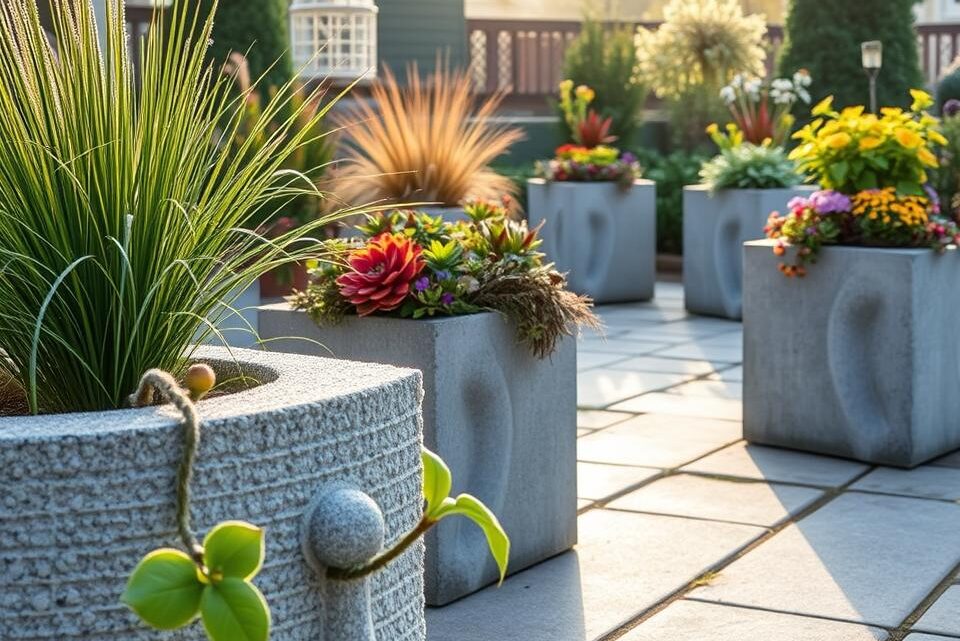
Transforming your garden into a resilient green space requires strategic planning and smart gardening techniques. Concrete planters UK offer an exceptional solution for frost-resistant container gardening, especially when paired with winter-hardy plants that can withstand challenging British weather conditions.
Your journey into creating robust outdoor displays begins with understanding how concrete planter blocks provide unique advantages. These sturdy containers not only protect delicate plant roots but also create microclimates that support plant survival during harsh winter months.
Planting concrete planter blocks with winter-hardy plants enables gardeners to maintain vibrant landscapes throughout the year. By selecting appropriate species and utilising innovative container strategies, you can develop stunning gardens that remain beautiful and healthy despite unpredictable UK temperatures.
Inhaltsverzeichnis
Key Takeaways
- Concrete planters offer superior insulation for plant roots
- Winter-hardy plants survive challenging British climate conditions
- Strategic container selection enhances garden resilience
- Frost-resistant gardening techniques protect delicate vegetation
- Year-round garden displays are achievable with proper planning
Why Concrete Planter Blocks Are Ideal for Year-Round Gardening
Concrete planter blocks offer exceptional advantages for year-round gardening in the UK. These robust containers provide gardeners with a versatile solution that withstands challenging weather conditions while supporting plant growth throughout seasonal changes.
The unique thermal mass properties of concrete containers create a stable environment for plant roots. These frost-resistant planters maintain more consistent soil temperatures, protecting delicate root systems from dramatic temperature fluctuations.
- Superior temperature regulation
- Exceptional durability in harsh weather
- Natural weathering creates attractive garden aesthetics
Durable garden containers like concrete blocks bring multiple benefits to gardening enthusiasts. Their heavyweight design prevents toppling during strong winds, while the porous material allows excellent air circulation around plant roots.
| Container Material | Winter Performance | Durability |
|---|---|---|
| Concrete | Excellent | 20+ years |
| Plastic | Poor | 5-10 years |
| Terracotta | Limited | 10-15 years |
Thermal mass planters like concrete blocks naturally develop a charming patina over time, enhancing your garden’s visual appeal while providing a robust growing environment for your favourite plants.
Understanding Hardy and Winter-Hardy Plants for Your Garden
Navigating the world of cold-hardy plants can be challenging for gardeners in the UK. Understanding plant hardiness is crucial for creating a thriving garden that survives harsh winter conditions. The key to success lies in knowing how different winter-hardy species respond to challenging environmental conditions.
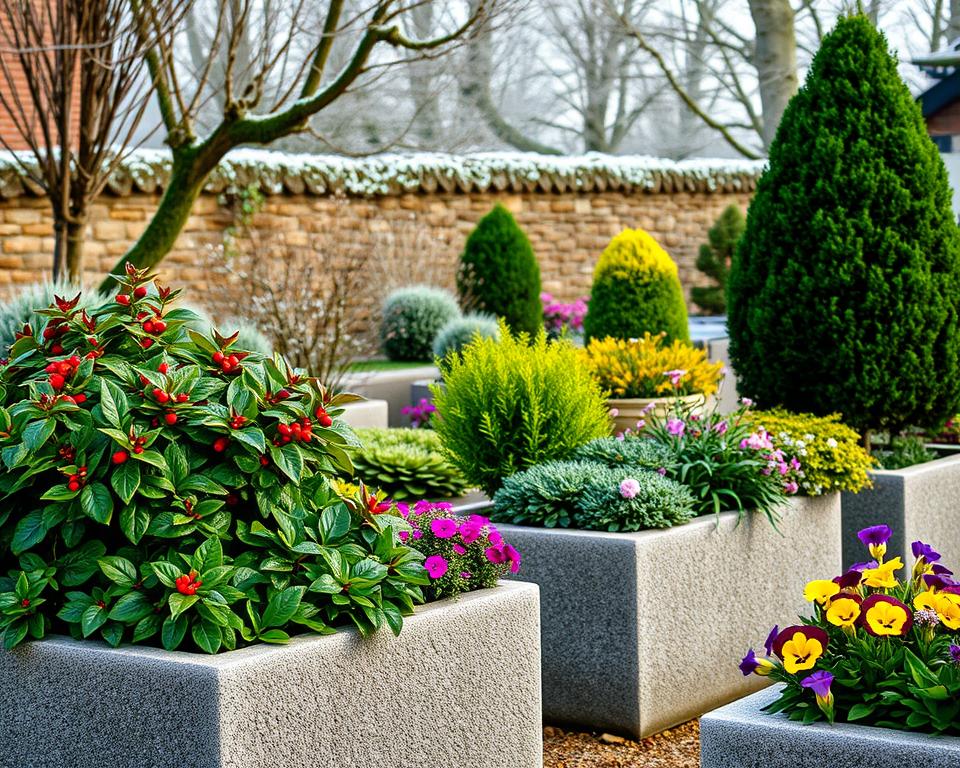
When selecting hardy perennials UK gardeners must consider several critical factors that determine a plant’s ability to withstand cold temperatures. The Royal Horticultural Society (RHS) hardiness ratings provide an essential guide for making informed choices.
What Makes a Plant Winter-Hardy
A winter-hardy plant possesses unique characteristics that enable survival in challenging conditions. These include:
- Robust root systems that can withstand freezing temperatures
- Ability to enter dormancy during cold months
- Protective mechanisms against frost damage
- Adaptability to specific plant hardiness zones
The Difference Between Hardy and Half-Hardy Species
Understanding the distinction between hardy and half-hardy plants is crucial for successful gardening. Hardy plants can survive UK winter temperatures without protection, while half-hardy species require additional care during colder months.
The RHS hardiness ratings help gardeners classify plants based on their cold tolerance. These ratings range from H1 (tropical plants) to H7 (extremely cold-tolerant plants), allowing you to select the most suitable winter-hardy species for your specific garden location.
Choosing the Right Concrete Planter Blocks for Your Space
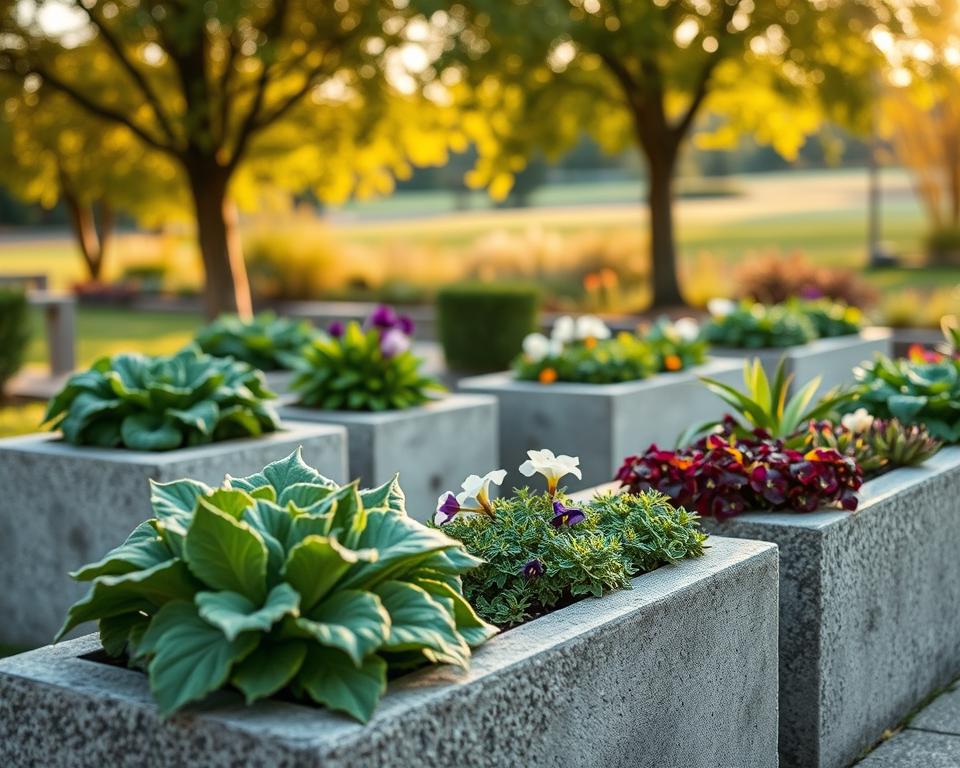
Selecting the perfect concrete planter blocks transforms your gardening experience. Breeze blocks as planters offer versatile solutions for creating unique outdoor spaces. Understanding concrete block sizes becomes crucial when planning your garden design.
When exploring cinder blocks for planting, consider these key factors:
- Block dimensions and weight capacity
- Drainage requirements
- Aesthetic design potential
- Structural stability
Hollow concrete blocks provide exceptional flexibility for gardeners. These versatile building materials create innovative planting environments that adapt to various garden styles and spaces.
Decorative concrete blocks come in multiple configurations. Some feature integrated planting cavities, while others require additional modifications. Standard block dimensions typically range from:
- 440mm x 215mm standard blocks
- Smaller decorative varieties
- Textured finish options
Professional gardeners recommend selecting blocks that complement your specific garden layout and plant requirements.
Your choice of breeze blocks as planters depends on several considerations. Weight distribution, sunlight exposure, and intended plant species will guide your selection process. Consider vertical and horizontal block arrangements to maximise your gardening potential.
Preparing Your Concrete Blocks for Planting Success
Creating the perfect environment for your plants begins with proper preparation of concrete planters. New concrete blocks require careful treatment to ensure a healthy growing space for your winter-hardy plants.
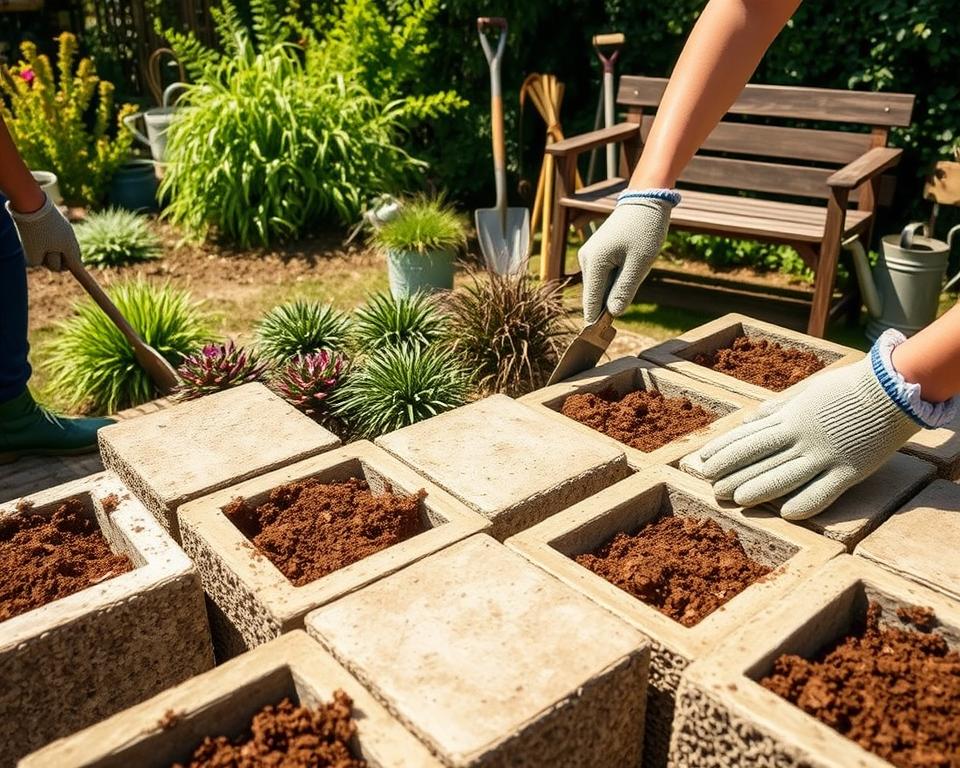
Preparing concrete planters involves several critical steps to neutralise the naturally high alkaline environment. Fresh concrete can significantly impact plant health, making concrete pH neutralisation an essential process before planting.
Cleaning New Concrete Planters
Weathering new concrete is a crucial first step in preparing your planters. The process helps reduce the concrete’s extreme pH levels and prepares the surface for planting. Follow these key steps:
- Rinse the concrete blocks thoroughly with water
- Allow the blocks to sit exposed to rain and sunlight
- Repeat washing process multiple times over several weeks
Ensuring Proper Drainage
Treating concrete before planting requires careful attention to drainage. Concrete blocks can retain moisture, potentially harming plant roots if not properly managed.
- Drill drainage holes in the bottom of your concrete planters
- Use a masonry drill bit for clean, precise holes
- Space holes evenly to prevent water accumulation
By following these preparation techniques, you’ll create an optimal growing environment that supports the health and longevity of your winter-hardy plants.
Selecting the Best Winter-Hardy Plants for Concrete Planters
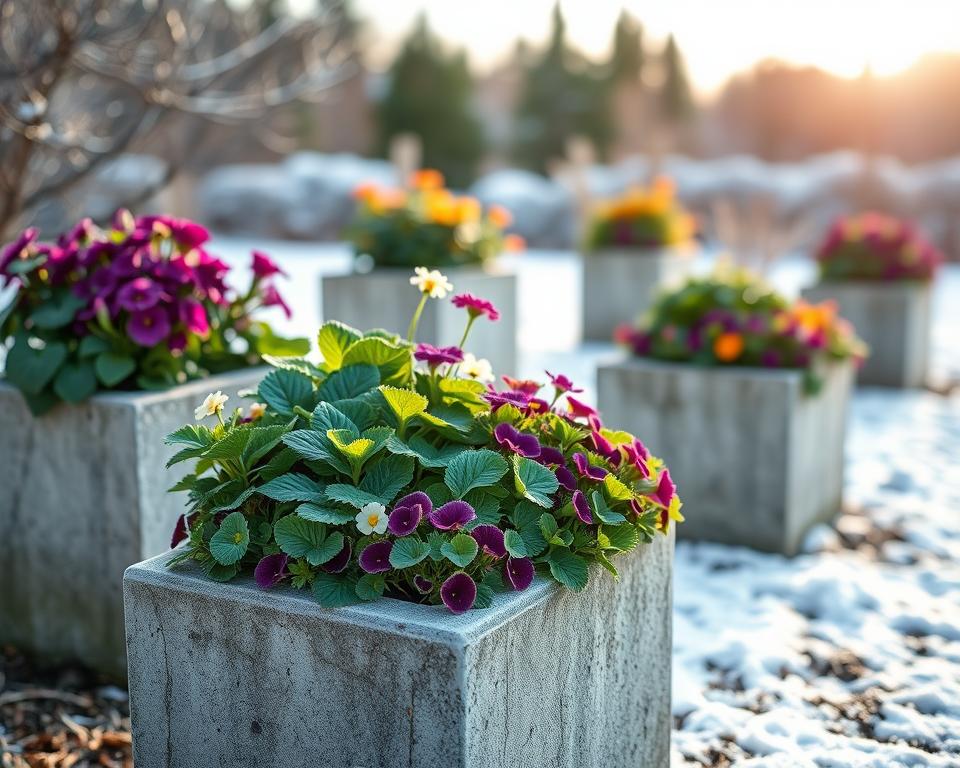
Choosing the right plants for your concrete planters can transform your garden into a vibrant year-round landscape. When selecting evergreen plants for containers in the UK, focus on cold-tolerant perennials that thrive in challenging conditions.
Your winter plants UK selection should include a mix of stunning options that maintain visual interest during the coldest months:
- Compact Evergreens: Juniperus communis ‘Compressa’ and Euonymus fortunei provide structure and colour
- Winter-Flowering Plants: Hellebores and winter heather bring delightful blooms
- Ornamental Grasses: Festuca glauca adds texture and movement
Best hardy plants for pots require careful consideration of root space and drainage. Mediterranean herbs like rosemary and thyme adapt brilliantly to concrete containers, appreciating excellent drainage and slightly alkaline conditions.
Alpine plants such as Sempervivum and Sedum are exceptional year-round container plants, offering resilience and intricate textures. These compact species naturally suit the shallow, well-drained environment of concrete blocks.
Pro tip: Always match plant size to your container’s dimensions to ensure long-term garden success.
Your concrete planters can become living artwork with strategic plant selection, providing continuous visual interest throughout the seasons.
Planting Concrete Planter Blocks with Hardy (Winter-Hardy) Plants
Creating a thriving garden with concrete planter blocks requires careful planning and precise container planting techniques. Your success depends on selecting the right potting soil mix and understanding the specific needs of winter-hardy plants.
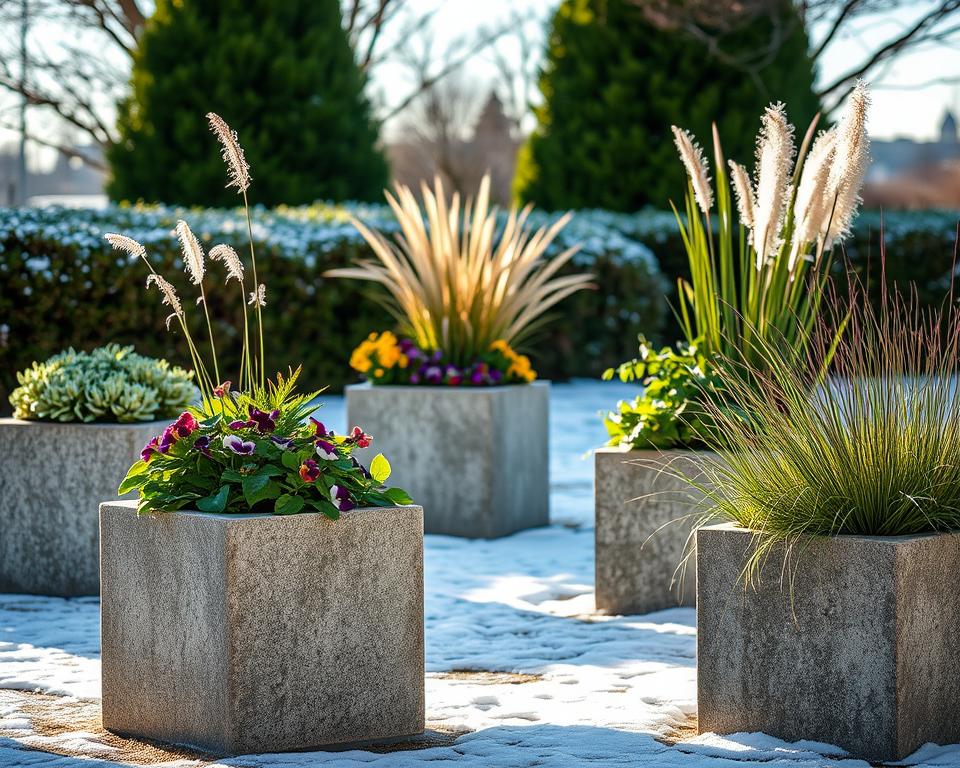
Preparing your concrete planters involves several crucial steps that ensure optimal growing conditions for your chosen plants. The right approach can transform these robust containers into vibrant garden spaces.
Soil Mix Requirements for Concrete Containers
Selecting the perfect potting soil mix is critical for successful planting in concrete blocks. Your mixture should provide excellent drainage while retaining sufficient moisture for plant roots.
- Use a blend of high-quality compost for concrete planters
- Incorporate perlite to improve drainage
- Mix in organic matter for nutrient retention
- Aim for a pH balance between 6.0 and 7.0
Step-by-Step Planting Technique
Mastering the planting technique for concrete planter blocks ensures your winter-hardy plants establish strong roots and survive challenging conditions.
- Clean your concrete planter blocks thoroughly
- Ensure adequate drainage holes
- Fill containers with prepared soil mix
- Select appropriate winter-hardy plant varieties
- Plant carefully, avoiding root damage
By following these guidelines, you’ll create a resilient garden space that thrives throughout the year, showcasing the versatility of concrete planter blocks and winter-hardy plants.
Seasonal Care and Maintenance Throughout the Year
Maintaining your concrete planter blocks requires a strategic approach to year-round garden maintenance. Each season demands specific care techniques to ensure your hardy plants remain healthy and vibrant.
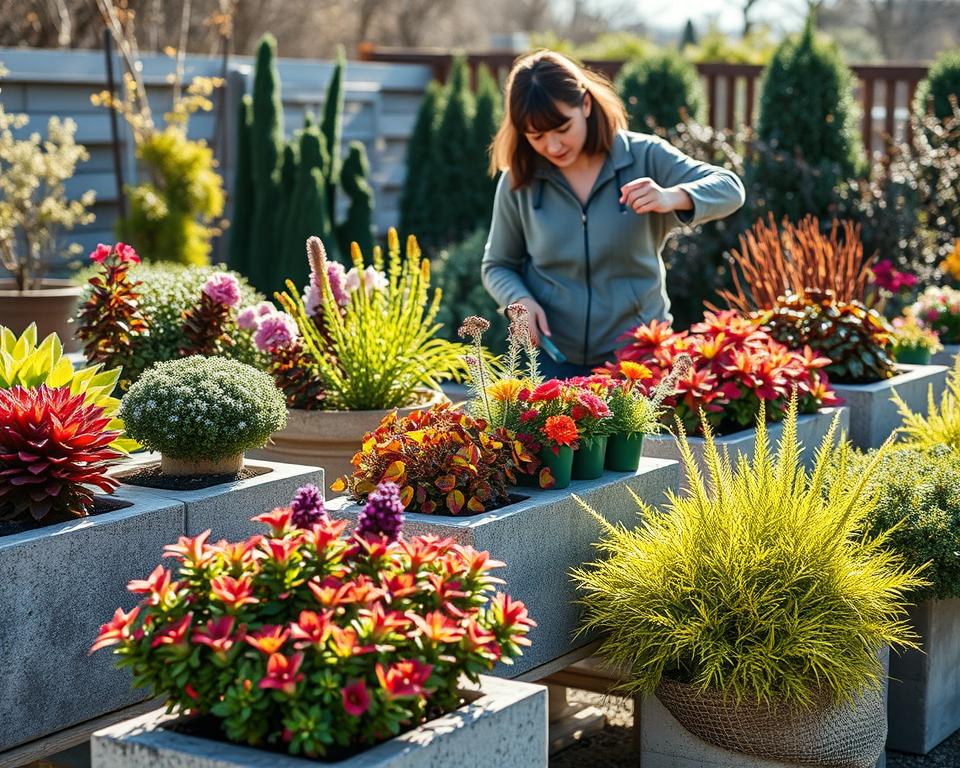
Winter plant care focuses on protection and minimal intervention. Your concrete containers need special attention during cold spells:
- Monitor moisture levels carefully
- Remove fallen leaves to prevent disease
- Check block stability after severe weather
Spring marks the crucial period for feeding container plants. Your maintenance routine should include:
- Removing winter protection
- Applying fresh top-dressing
- Beginning regular fertilisation
Pruning hardy plants becomes essential during summer and autumn. Timing is everything when maintaining your container garden. Different plant species require specific pruning approaches:
“Understanding each plant’s unique growth cycle transforms container gardening from a challenge to an art form.” – Garden Experts Magazine
Summer maintenance involves active monitoring, including:
- Regular watering
- Deadheading spent blooms
- Pest and disease surveillance
Autumn preparations should focus on root development and winter readiness. Consider slow-release fertilisers that support plant strength without encouraging soft growth.
Protecting Your Plants During Harsh Winter Conditions
Winter can be challenging for container gardeners, particularly when protecting roots from frost. Your concrete planter blocks require strategic winter plant protection to ensure your hardy plants survive the most severe weather conditions.
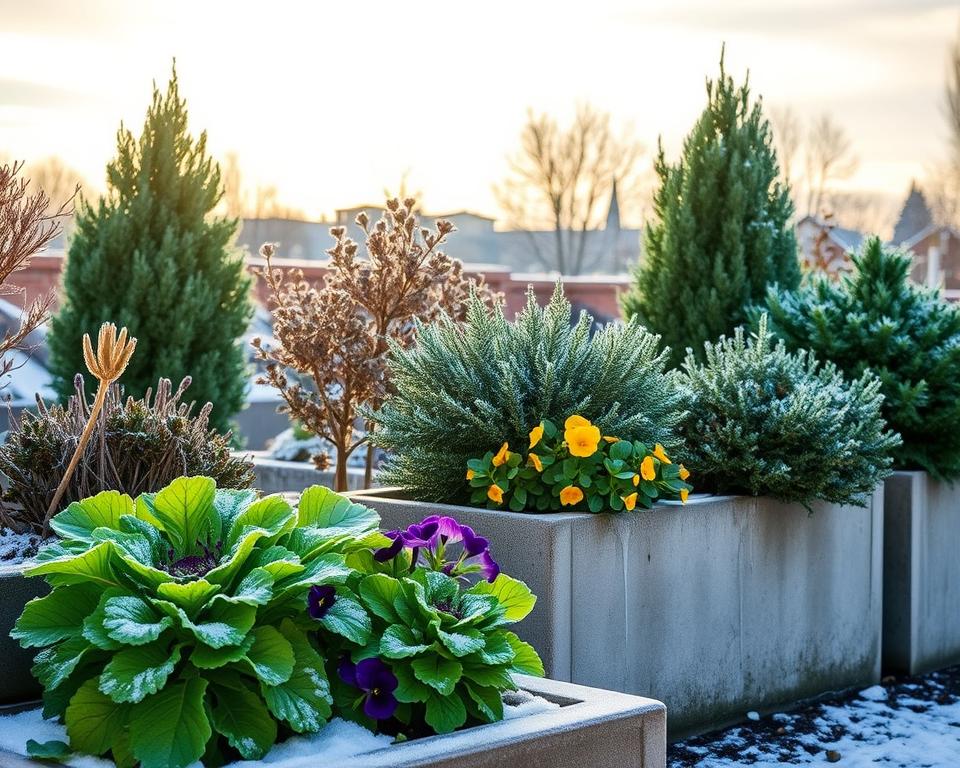
Effective frost protection methods involve multiple layers of defence against freezing temperatures. Container gardening exposes plant roots to more extreme temperature fluctuations compared to ground planting.
Insulation Methods for Extreme Cold
Implementing robust winter plant protection strategies can significantly improve your plants’ survival chances. Consider these insulating techniques:
- Wrap containers with bubble wrap or hessian fabric
- Position planters against sheltered walls
- Use mulch to create an additional root protection layer
- Cluster containers together to generate shared warmth
Watering Considerations in Freezing Temperatures
Severe weather plant care requires careful watering management. Frozen soil can damage root systems, so adjust your watering routine:
| Temperature Range | Watering Recommendation |
|---|---|
| Above 0°C | Water sparingly, ensuring good drainage |
| Below 0°C | Minimal watering, focus on insulation |
| Frost conditions | Avoid watering, protect roots from moisture freezing |
Remember, preventing root damage is crucial for maintaining plant health during winter months.
“Preparation is the key to successful winter gardening” – Gardening Expert
Common Problems and How to Overcome Them

Growing plants in concrete planters can present unique challenges. Understanding common concrete planter problems helps gardeners maintain healthy container gardens and prevent potential issues before they escalate.
Root rot in containers remains a significant concern for many gardeners. Concrete blocks naturally retain moisture, which can create drainage issues if not managed properly. You’ll want to ensure your planters have adequate drainage holes and use well-draining soil mixes to prevent water accumulation.
- Check for proper container drainage issues regularly
- Use alkaline soil solutions to balance pH levels
- Monitor plant health for early signs of stress
Alkaline soil solutions become crucial when working with concrete planters. The porous nature of concrete can increase soil pH, potentially harming plant roots. Applying organic matter or using specialised pH-balancing amendments can help mitigate these challenges.
“Prevention is always better than cure in container gardening” – Gardening Wisdom
Troubleshooting plant problems requires a systematic approach. Look for warning signs such as yellowing leaves, stunted growth, or wilting. These symptoms might indicate underlying issues with soil composition, drainage, or nutrient availability.
Practical solutions include:
- Regular soil testing
- Implementing proper drainage techniques
- Selecting plants suited to concrete container environments
By understanding these potential challenges, you can create a thriving garden environment that maximises the potential of your concrete planters.
Design Ideas for Arranging Concrete Planter Blocks
Transforming your garden with concrete block arrangements opens up a world of creative planter displays. These versatile garden design ideas allow you to craft unique vertical container gardening spaces that evolve with your imagination.
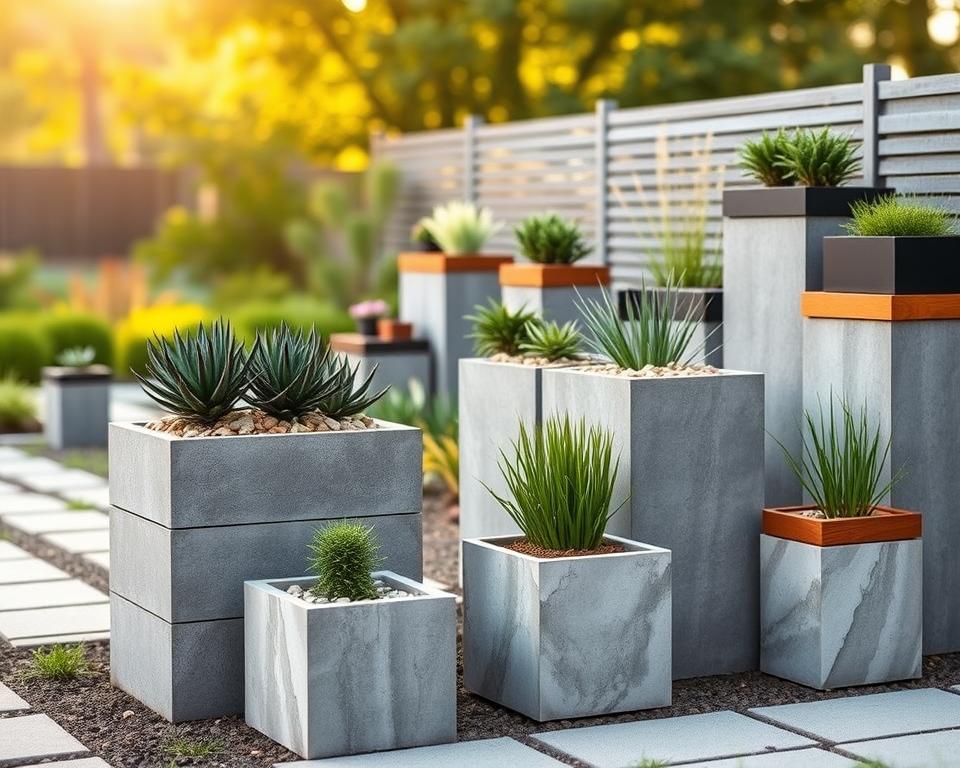
Concrete blocks offer exceptional flexibility for gardeners seeking innovative landscaping solutions. Their modular nature enables you to create dynamic garden spaces that can be easily reconfigured and redesigned.
Creating Vertical Gardens with Stacked Blocks
Vertical container gardening transforms small spaces into lush green retreats. Consider these inspiring approaches:
- Stack blocks in asymmetrical formations for visual interest
- Create multi-level planting areas with graduated block heights
- Use blocks as structural supports for climbing plants
- Design interconnected vertical garden walls
Colour Combinations for Year-Round Interest
Your concrete block arrangements can become stunning visual statements through strategic colour schemes for planters. Select plants that provide contrasting textures and complementary colours to maintain garden vitality throughout seasons.
- Combine deep green succulents with silvery-blue alpine plants
- Mix burgundy-leaved perennials with bright chartreuse foliage
- Create depth with layered plantings of varying heights
By embracing these creative design strategies, you’ll transform ordinary concrete blocks into extraordinary garden features that capture attention and inspire imagination.
Conclusion
Your journey into sustainable gardening UK begins with understanding the power of concrete planter blocks. These versatile containers offer a robust solution for creating year-round planter displays that thrive in challenging British climates. By selecting winter-hardy plants and implementing proper care techniques, you can transform your outdoor spaces into vibrant, low-maintenance gardens.
Concrete planter success relies on careful preparation and thoughtful plant selection. Your newfound knowledge empowers you to create dynamic landscapes that evolve through the seasons. Whether you’re a novice gardener or an experienced enthusiast, hardy container gardening provides an accessible and rewarding approach to cultivating resilient plant collections.
The key to long-term garden success lies in understanding your plants’ specific needs. Drainage, appropriate compost, and occasional winter protection will ensure your concrete planters continue to produce stunning displays year after year. Each block becomes a canvas for expressing your gardening creativity, supporting a sustainable approach that reduces waste and maximises garden potential.
Start your concrete planter project with confidence. Experiment with different plant combinations, explore innovative arrangements, and watch your garden transform. The techniques you’ve learned will guide you towards creating a resilient, beautiful outdoor space that celebrates the natural beauty of hardy plants through every season.
FAQ
What are concrete planter blocks, and why are they suitable for winter gardening?
Concrete planter blocks are versatile gardening containers made from concrete that offer excellent thermal mass and durability. They are ideal for winter gardening because they provide superior insulation for plant roots, withstand harsh British weather conditions, and create stable growing environments for hardy plants. Their porous nature allows for good air circulation, and they naturally develop an attractive patina over time.
How do I determine if a plant is truly winter-hardy in the UK?
Use the Royal Horticultural Society (RHS) hardiness rating system, which classifies plants based on their ability to withstand specific temperature ranges. Look for plants rated H4 to H7, which are typically suitable for UK winter conditions. Consider your specific local microclimate, as factors like exposure, wind protection, and proximity to buildings can affect a plant’s winter survival.
What type of soil should I use in concrete planter blocks?
Choose a well-draining, nutrient-rich potting mix specifically designed for container gardening. For most hardy plants, use a blend of multi-purpose compost, horticultural grit, and slow-release fertiliser. If planting acid-loving species, opt for an ericaceous compost to counteract the naturally alkaline nature of concrete.
How often do I need to water plants in concrete planter blocks during winter?
Watering requirements vary, but generally, reduce watering significantly during winter. Check soil moisture periodically, ensuring it doesn’t completely dry out or become waterlogged. Most hardy plants require minimal watering during dormant periods, typically every 3-4 weeks, depending on rainfall and specific plant species.
Can I leave my concrete planter blocks outside during frost?
Yes, concrete planter blocks are excellent for outdoor winter use. However, protect more vulnerable plants by moving blocks to sheltered locations during extreme cold snaps. Consider using horticultural fleece or placing blocks near house walls for additional protection. Most winter-hardy plants can withstand typical British winter temperatures.
What are some top winter-hardy plants for concrete planter blocks?
Excellent choices include evergreen options like Euonymus fortunei, compact conifers such as Juniperus communis ‘Compressa’, winter-flowering Helleborus, Erica carnea (winter heather), and hardy herbs like rosemary and thyme. Ornamental grasses like Festuca glauca and alpine plants such as Sempervivum also perform well in concrete containers.
How do I prevent salt and mineral buildup on concrete planter blocks?
Manage salt accumulation by avoiding over-fertilisation and using proper watering techniques. Periodically flush the soil with rainwater, and clean block surfaces gently with a soft brush. Consider using a mild vinegar solution for stubborn mineral deposits, being careful not to damage the concrete or harm surrounding plants.
What maintenance do concrete planter blocks require during winter?
Perform minimal winter maintenance by removing fallen leaves, checking block stability after severe weather, and monitoring moisture levels. Protect plant roots by adding a layer of mulch or positioning blocks in sheltered areas. Inspect for any surface damage or structural issues, and ensure drainage holes remain clear.