Polytunnel vs Greenhouse: Which is Superior?
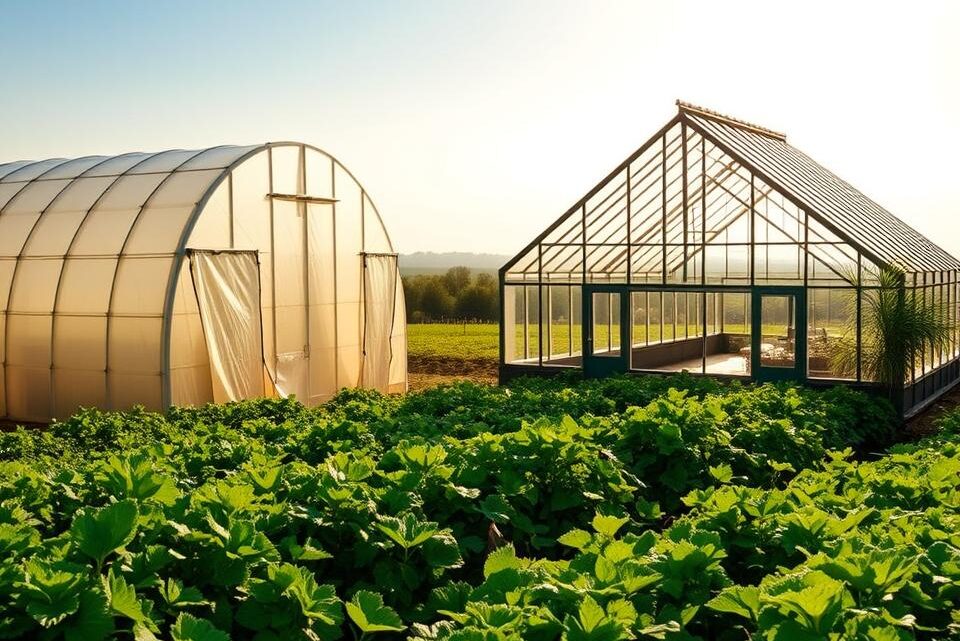
Gardeners in the United Kingdom often ask: is a polytunnel better than a greenhouse? This article opens that debate by setting out clear, practical comparisons tailored to allotment holders, small-scale market growers, hobby gardeners and landscapers.
The H1 mirrors the meta title to match search intent and improve click-throughs for queries like polytunnel vs greenhouse and polytunnel greenhouse comparison. Readers will find guidance that weighs climate, crops, budget and site to decide the best structure for UK gardening.
We draw on trusted sources such as the Royal Horticultural Society, DEFRA planning guidance, manufacturers like Hartley and Harrod, and mainstream retailer ranges to ensure the comparison is factual and relevant to British conditions.
Inhaltsverzeichnis
Key Takeaways
- Understanding whether a polytunnel or greenhouse suits you depends on crop type, budget and site conditions.
- Polytunnels often give more usable space and stronger protection for vegetables.
- Glass greenhouses offer superior light transmission and are better for ornamentals and delicate seedlings.
- Consider initial costs, maintenance and local planning rules before choosing.
- Practical performance in UK weather should guide the final decision, not marketing claims alone.
Overview of Polytunnels and Greenhouses
The choice between a polytunnel and a greenhouse depends on the grower’s aims, site and budget. Below we set out clear, concise definitions and a short history to help UK gardeners decide which structure suits their needs.
Definition of a polytunnel
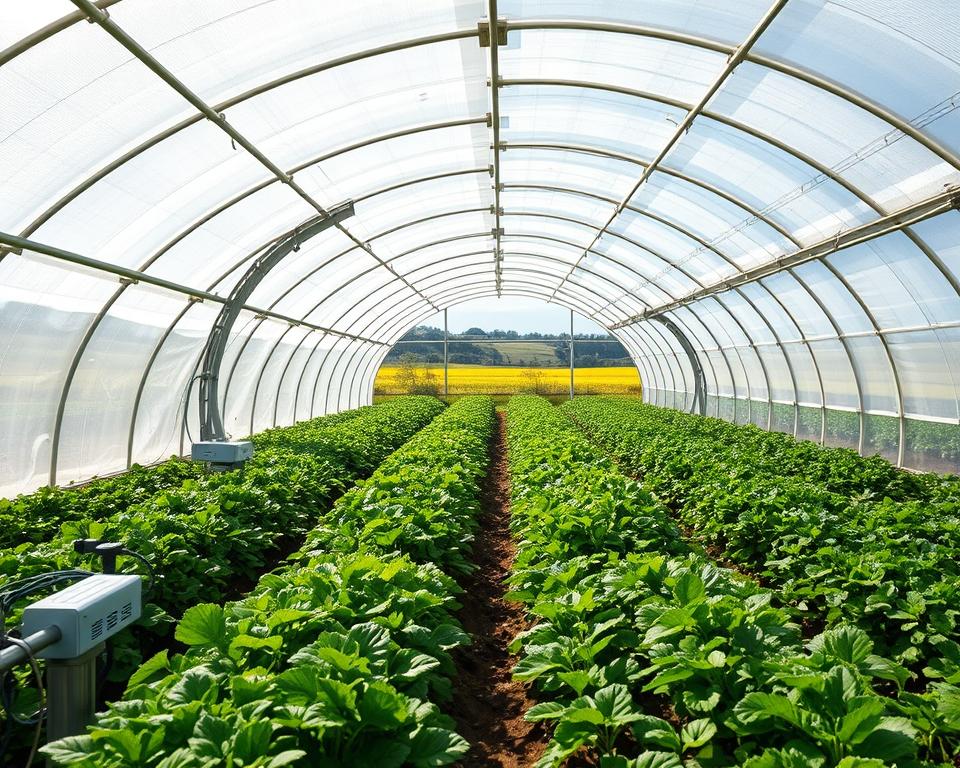
A polytunnel is an arched hoop-frame structure covered with polyethylene film, available as single or twin-skin sheeting. Frames are typically galvanised steel or aluminium. The polytunnel definition UK emphasises season extension, protection from wind and rain, and the creation of a warm microclimate for vegetables and soft fruit.
Polytunnels range from small hobby tunnels to commercial walk-in tunnels and multi-bay structures. Ventilation is usually by roll-up sides, giving simple climate control and rapid airflow when required.
Definition of a greenhouse
A greenhouse is a rigid-framed building with fixed glazing, most commonly glass or polycarbonate panels on aluminium or timber frames. The greenhouse definition UK highlights structures built on permanent bases for propagation, overwintering and precise crop control.
Greenhouses provide cleaner light transmission and greater insulation than film-covered tunnels. Vents, louvre windows and automatic openers are common for humidity and temperature management.
Brief history and usage in UK gardening
Glasshouses appeared in Britain centuries ago to cultivate exotic plants. Hobby greenhouses became widespread in Victorian times, driven by firms such as Hartley & Harrod and the Royal Horticultural Society’s growing guidance.
The history of polytunnels is more recent. The 20th century brought agricultural adoption, followed by allotment and commercial growers who valued low cost and rapid erection. Suppliers such as Premier Polytunnels and Greentech made them common for season extension.
Both systems now feature across UK horticulture. Commercial soft fruit producers, greenhouse tomato growers and smallholdings choose between systems based on crop, scale and site constraints.
is a polytunnel better than a greenhouse?
Deciding whether is a polytunnel better than a greenhouse? depends on what a gardener values most. Some seek low initial cost and large growing area. Others want long-term durability, refined climate control and an attractive feature in a small garden. Below are practical points to help choose between the two.
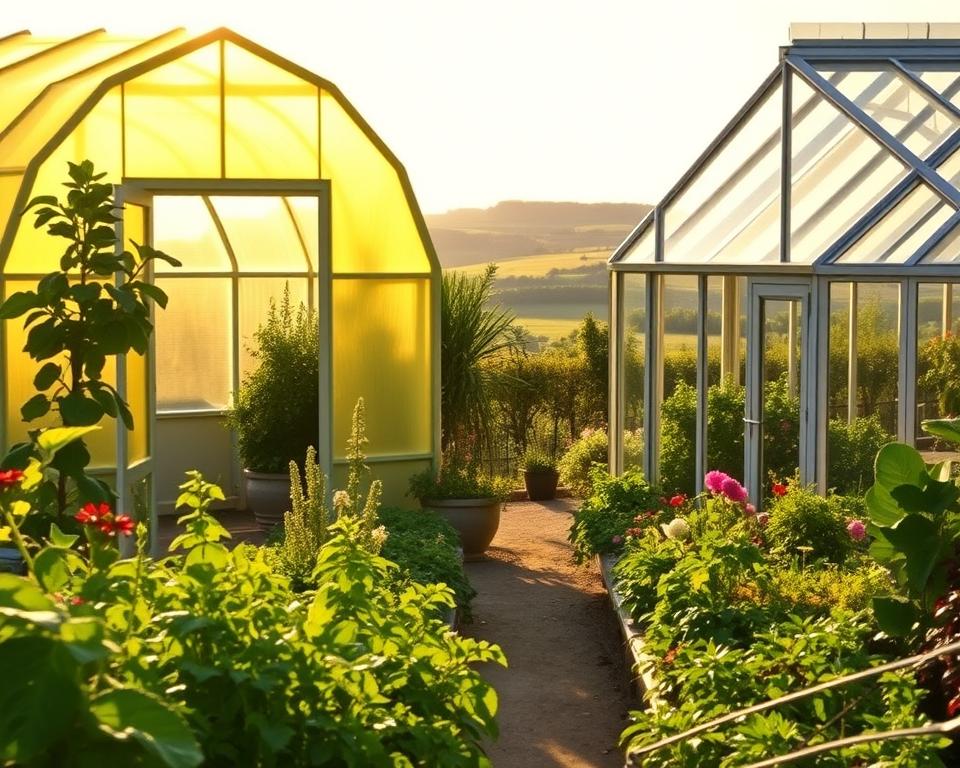
Better can mean cheaper, easier to install, warmer in spring, or more secure in winter. For an allotmenteer, better might mean the greatest yield per pound. For an ornamental grower, better could mean consistent light and a neat structure that suits a landscaped plot. Consider budget, scale, crop type, desired lifespan and local weather when judging which is better polytunnel or greenhouse for you.
Common scenarios favouring a polytunnel
- Vegetable growers and soft-fruit producers wanting season extension for tomatoes, cucumbers, peppers and strawberries will value polytunnel advantages such as low cost per square metre and rapid installation.
- Market gardeners and larger allotment holders who need flexible layouts and extensive floor space choose polytunnels for maximum growing area per investment.
- Sites with planning constraints that favour semi-permanent structures often suit polytunnels, which can be simpler to erect and remove.
Common scenarios favouring a greenhouse
- Hobby growers who prioritise year-round cultivation, overwintering tender ornamentals and clean light will prefer greenhouse advantages like better insulation and stable internal conditions.
- Small urban gardens where aesthetics and a permanent, tidy installation matter typically benefit from a glass greenhouse such as one from Harrod Horticultural or Eden.
- Growers requiring lower wind susceptibility, stronger security and long-term warranties find greenhouses more reassuring despite higher upfront cost.
Trade-offs are clear. Polytunnels give volume and cost-efficiency but need regular film replacement and can struggle in high winds. Greenhouses cost more at the outset yet often deliver superior insulation, security and longevity. To decide which is better polytunnel or greenhouse, match your priorities to these trade-offs.
Simple decision flow: choose a polytunnel if you want a large area at low cost and rapid season extension. Choose a greenhouse for permanence, decorative appeal and refined climate control.
Costs and Budget Considerations for UK Gardeners
Deciding between a polytunnel and a greenhouse often comes down to money. Start by listing immediate outlays and likely running costs. That helps you match your budget to the scale of production you want.
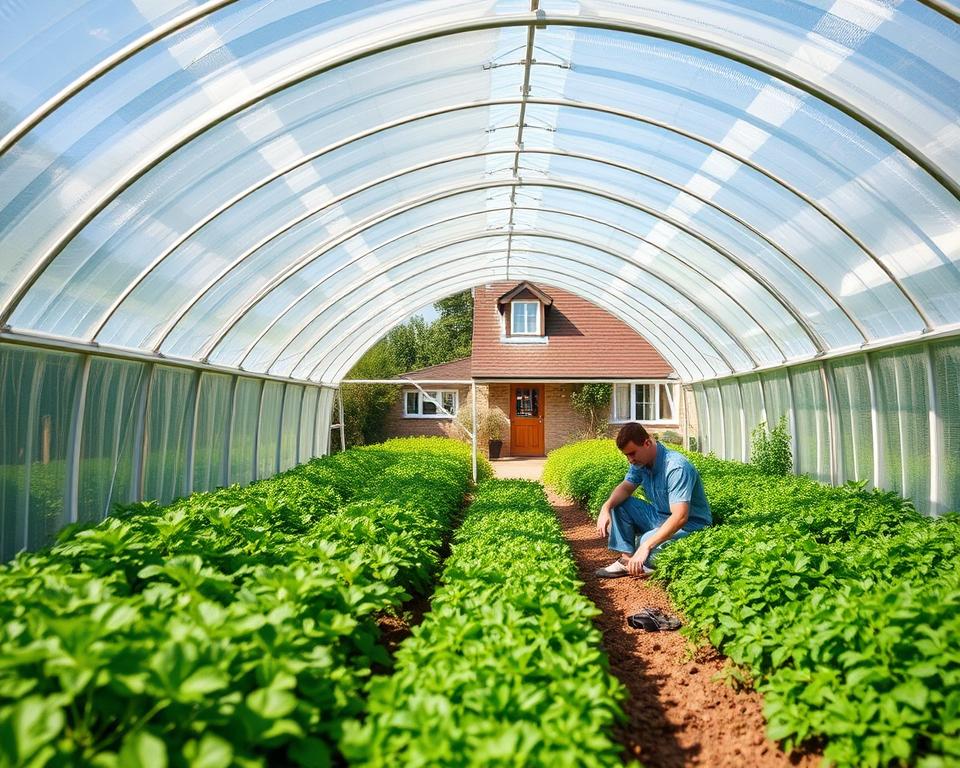
Initial purchase and installation costs
Small hobby polytunnels can be bought for a few hundred pounds. Larger multi-bay systems rise into the thousands. Greenhouses range from modest aluminium-framed 6x4ft units at a few hundred pounds to high-end glasshouses that reach several thousand or more. These price ranges influence whether you choose off-the-shelf or bespoke.
Installation differences affect final spend. The installation cost polytunnel is usually lower because frames and polyethylene require simple anchoring and a small team can erect them. Greenhouses commonly need a level base, a timber plinth or concrete slab and careful glazing. Professional fitting for a glasshouse adds to the bill.
Long-term maintenance and repair expenses
Expect recurring costs over time. Polyethylene covers generally last between four and eight years. Replacement film, zip repairs and anchor renewal after severe weather are typical expenses. That pattern shapes the ongoing polytunnel cost UK.
Glass greenhouses have different needs. Glass rarely needs replacing unless damaged. Polycarbonate panels may discolour over many years. Mechanical parts such as vent openers, door hinges and seals need occasional attention. Routine painting or checking a galvanised frame keeps problems small. Factor in greenhouse maintenance costs when making a plan.
Utilities also add to long-term spend. Heating options — electric, paraffin, gas or compost-based warmth — and automatic ventilation will raise bills in winter. Electricity and gas costs in the UK can push annual running costs up for growers seeking year-round production.
Return on investment for vegetable and plant production
Assess ROI with crop type and season extension in mind. Polytunnels tend to give more growable area per pound. They allow earlier sowings and later harvests, which reduces crop loss and raises yields for vegetables and soft fruits. That often produces a strong ROI for market growers and allotmenteers.
Greenhouses suit high-value crops and year-round propagation of ornamentals and tender plants. Income per square metre can be high but payback may be slower for general vegetable production. Specialist growers focusing on tomatoes, cut flowers or rare plants often achieve reliable returns.
| Cost element | Polytunnel typical range | Greenhouse typical range | Notes on longevity and upkeep |
|---|---|---|---|
| Initial unit price | £150–£4,000 | £200–£20,000+ | Depends on size, frame material and glazing choice |
| Installation | Low to moderate | Moderate to high | installation cost polytunnel often lower; greenhouses may need base work |
| Covering replacement | Every 4–8 years | Glass rarely; polycarbonate over decades | Polythene is a recurring cost; glass is durable but fragile |
| Routine maintenance | Low to moderate | Low | Polytunnel zips, anchors; greenhouse mechanical parts and seals |
| Heating & utilities | Variable; lower for seasonal use | Often higher for year-round use | Consider electricity and gas prices in the UK |
| Expected ROI | Fast for vegetables and soft fruit | Steady for high-value or year-round crops | Depends on cropping system and market access |
Climate Control and Growing Conditions
Choosing between a polytunnel and a greenhouse often comes down to how each structure shapes the growing environment. This section looks at temperature regulation, humidity control and light management so gardeners can match crops to the right shelter.
Temperature regulation differences
Polytunnels heat up fast on sunny days because thin polyethylene traps solar energy. That rapid warming benefits early sowings but can lead to quick cooling at night unless you use twin-skin covers or thermal screens. For steady warmth, glass and multiwall polycarbonate in greenhouses retain heat better and work well with thermal mass such as water barrels or stone beds.
Heating options include electric fan heaters, paraffin or gas heaters and compost heat. Each choice has cost and safety trade-offs, with paraffin and gas needing careful ventilation. Passive solar strategies reduce fuel use and suit smaller vegetable plots.
Humidity management and ventilation options
Polytunnel interiors can suffer from high humidity without good airflow. Roll-up sides and end vents are common ventilation polytunnel methods, yet dense plantings or narrow aisles increase disease risk for tomatoes and cucurbits.
Greenhouses typically feature ridge vents, side vents and automated openers for precise control of greenhouse humidity. Fans and louvre vents help propagation benches and young seedlings remain disease-free. Using dehumidifiers in winter or automating ventilation reduces workload for sensitive crops.
Cultural steps such as wider spacing, pruning and regular air movement complement mechanical systems and lower humidity-related problems.
Light transmission and shading possibilities
Glass glazing offers high-quality light with little diffusion, making it ideal when full-spectrum intensity matters. Multiwall polycarbonate diffuses light and filters some UV, cutting hot spots. Modern polyethylene films can be UV-stable and diffuse sunlight to reduce leaf scorch while keeping overall energy in the canopy.
Shading methods include shade cloths, horticultural netting and seasonal whitewash to manage peak summer heat. Because of glazing properties, a greenhouse may need less aggressive shading than a polytunnel on very bright days.
Match light transmission greenhouse and polytunnel light levels to crop needs. Tomatoes and peppers demand strong, direct light. Many ornamentals prefer softer, filtered conditions for best form and colour.
Space, Size and Layout Options
Choosing the right structure starts with clear measures of available space. Consider how polytunnel sizes UK compare with common greenhouse sizes so you can match capacity to crop plans and site constraints.

Typical sizes available for polytunnels
Polytunnels come in common widths of 3m, 6m and 9m. Length is modular in 3m bays, so a 6m x 12m layout is straightforward. Taller frames provide standing room and space for trellising.
Large contiguous beds suit mechanised cultivation and efficient irrigation. That scale helps with crop rotation and commercial workflows.
Typical greenhouse footprints and customisation
Hobby greenhouse sizes run from 6x4ft, 8x6ft and 10x8ft up to 12x8ft. Larger Victorian-style glasshouses and lean-to models are available from producers such as Hartley and Eden.
Greenhouse customisation includes shelving, staging and lean-to arrangements against a south-facing wall. Small walk-in greenhouses work well for propagation and potting.
Maximising planting area and internal layout tips
For a practical polytunnel layout, use a central path with raised beds on each side. Timber beds and straw bales warm the soil. Trellis systems for tomatoes and cucumbers free up floor area.
In a greenhouse, tiered benches and under-bench trays boost propagation capacity. Add thermal mass such as water butts for night-time heat retention and store tools near the door for quick access.
| Feature | Polytunnel (typical) | Greenhouse (typical) |
|---|---|---|
| Common widths/footprints | 3m, 6m, 9m; lengths modular in 3m bays | 6x4ft to 12x8ft; large Victorian and lean-to options |
| Customisation | Flexible bay length, removable ends, heavy-duty irrigation | Shelving, staging, greenhouse customisation by maker |
| Internal layout | Central path, wide beds, trellis for vertical cropping | Tiered benches, under-bench trays, staging for potted plants |
| Best for | Large-scale veg production and continuous cropping | Propagation, ornamentals and small-scale hobbyers |
| Access and workflow | Design for wheelbarrows, irrigation near entrance, rotation lanes | Compact access, storage and removable staging for flexibility |
Plan paths wide enough for wheelbarrows and harvest handling. Place irrigation, compost and tool storage near the entrance to speed workflow. Removable staging or benches gives seasonal flexibility and eases crop rotation.
Durability, Lifespan and Weather Resistance
Choosing between a polytunnel and a greenhouse means weighing materials, performance in British weather and expected lifetime. This section compares frames and coverings, looks at how structures cope with wind, rain and snow, and highlights warranties and longevity to check before purchase.
Materials comparison: frames and coverings
Polytunnel frames most often use galvanised steel hoops or aluminium for lighter models. Galvanised steel gives strength and resistance to corrosion when maintained. Greenhouses usually favour aluminium for low maintenance and timber for aesthetic appeal and insulation.
Coverings differ markedly. Polytunnel film comes as single-skin or twin-skin polythene. Films are cheaper and give good polytunnel durability when treated with UV stabilisers. Greenhouses use glass or polycarbonate sheets. Polycarbonate offers impact resistance and added insulation, while glass gives excellent light transmission and long-term clarity, which boosts greenhouse lifespan.
Performance in UK weather: wind, rain and snow
Wind presents a common risk for polytunnels. Poor anchoring or thin gauge steel can lead to uplift or frame distortion. Using heavy-duty ground anchors, concrete footings or deeper pegs reduces movement and improves weather resistance polytunnel performance.
Rain is handled well by both structures, but polytunnels can suffer water pooling at the edges if ground drainage is poor. Raised beds and gravel channels help prevent waterlogging and protect root systems.
Snow places different demands on each type. Heavy snow can sag polythene and tear films, so a higher pitch and sturdy central ridge are essential for polytunnel durability in winter months. Glass greenhouses with proper rafter spacing tolerate snow better, which supports a longer greenhouse lifespan when maintained.
Longevity and warranties to look for
Expect polytunnel film to last around 4–8 years depending on UV exposure and handling. Metal frames can last 10–20 years or more with painting or rust prevention. Glass and aluminium greenhouses often endure for decades with minimal upkeep, extending greenhouse lifespan.
When comparing products, check for UV resistance guarantees on polythene, galvanisation or powder-coating warranties on frames, and manufacturer warranties on polycarbonate sheets. Many suppliers in the UK include 10-year warranties on multiwall polycarbonate. Investigate greenhouse warranties UK carefully to see if terms differ for commercial use versus domestic gardening.
| Component | Polytunnel Typical | Greenhouse Typical | What to check |
|---|---|---|---|
| Frame | Galvanised steel or aluminium, 10–20+ years | Aluminium or timber, decades for aluminium | Galvanisation/powder coat warranty and gauge of metal |
| Covering | Single or twin-skin polythene film, 4–8 years | Glass or polycarbonate (single/double/multiwall), long life | UV stabiliser guarantees and polycarbonate warranty length |
| Wind resistance | Vulnerable if poorly anchored; choose thicker gauge and anchors | Generally stable; fixings and foundation matter | Anchoring method and site exposure rating |
| Rain and drainage | Risk of pooling at base without good drainage | Built-in guttering options and better water run-off | Site preparation and drainage plan |
| Snow load | Require higher pitch and regular clearing to avoid damage | Rafter spacing and support can handle moderate snow | Design pitch and central ridge strength |
| Warranties | UV guarantees on film; frame coatings | Polycarbonate often 10 years; glass rarely warranted but durable | Read terms for domestic vs commercial coverage in greenhouse warranties UK |
Plant Types and Cropping Suitability
Choosing the right plants makes the difference between a productive season and wasted effort. This section outlines which vegetables, fruit and ornamentals perform best in each structure and gives practical rotation and succession ideas. Use these notes to plan crops for polytunnel planting and greenhouse use in UK gardens.

Vegetables and fruit ideal for protected growing
Polytunnels favour warm-loving crops that benefit from higher temperatures and flexible trellising. Grow tomatoes, cucumbers, peppers and aubergines to extend harvests into autumn. Melons and courgettes do well when given space to sprawl or vertical support.
Soft fruits thrive under polythene, too. Strawberries and raspberries fruit earlier and with less frost damage. High-density planting inside polytunnels increases yield per square metre and helps gardeners find the best crops polytunnel UK can support.
Ornamentals and delicate plants for controlled conditions
Greenhouses suit tender ornamentals and propagation tasks. Seedlings, pelargoniums, fuchsias and orchids need stable warmth and steady humidity to flourish. Use staging and benches to organise greenhouse plants and speed up tasks such as potting and repotting.
Greenhouse ornamentals also benefit from overwintering in dry, frost-free conditions. Controlled light and humidity make greenhouses the right place to raise cuttings and keep displays healthy through colder months.
Crop rotation and succession planting advice
Avoid planting the same family in the same bed year after year. Rotate away from Solanaceae after tomatoes or aubergines to reduce disease pressure. Between major crops, use green manures such as clover or mustard to rebuild soil structure and suppress pathogens.
Succession sowing keeps a steady harvest. Stagger sowings of salad leaves and radishes, interplant fast growers between slower crops and use vertical space for beans or cucurbits. Raised beds and refreshed topsoil reduce soil-borne disease risks in long-running polytunnels.
| Crop Group | Best Structure | Why it suits | Practical tip |
|---|---|---|---|
| Tomatoes | Polytunnel | Warmer, earlier cropping; trellising space | Use single stem training and feed regularly |
| Cucumbers & Courgettes | Polytunnel | High humidity and warmth boost fruit set | Train up strings to save bed space |
| Peppers & Aubergines | Polytunnel | Tender, need frost protection and heat | Start early on heated staging if possible |
| Melons | Polytunnel | Require extended warm season and ripening | Grow over netting for fruit support |
| Strawberries & Raspberries | Polytunnel | Earlier cropping and reduced frost risk | Rotate rows and refresh topsoil annually |
| Seedlings & Cuttings | Greenhouse | Stable temperatures, controlled humidity | Use misting and a heated propagator for germination |
| Pelargoniums & Fuchsias | Greenhouse | Overwinter safely and show strong growth | Keep dry air in winter to prevent rot |
| Orchids & Tender Perennials | Greenhouse | Consistent light and warmth aid flowering | Provide good ventilation and indirect light |
| Green manures (clover, mustard) | Polytunnel & Open beds | Improve fertility, suppress pests and weeds | Incorporate before main cropping season |
Installation, Planning Permission and Site Preparation
Deciding where and how to install a polytunnel or greenhouse affects use, durability and compliance. Start with clear site preparation greenhouse steps: level ground, good drainage and easy access to water. Small groundwork tasks reduce later maintenance and improve plant health.
Groundworks and anchoring options
For polytunnels, simple ground pegs suit soft soil. Exposed sites demand stronger fixes such as concrete blocks or screw anchors. Where raised beds or irrigation will sit inside, consider timber or concrete bases to tie in with foundations polytunnel plans.
Greenhouses prefer a solid, level base. A concrete slab, paving or timber plinth secures the frame and glazing. A proper base improves thermal performance and security during storms.
Practical checklist
- Mark out footprint and check boundary clearances.
- Install weed membrane and provide surface fall for drainage.
- Decide anchor type: pegs, screw anchors, concrete blocks or full slab.
- Plan for services: hose access, power and delivery route for materials.
UK planning rules and when permission might be required
Many small structures fall under permitted development, yet size, height and location matter. Domestic gardeners should verify polytunnel planning permission UK and greenhouse planning permission with their local planning authority before work begins.
Designated land such as conservation areas, Areas of Outstanding Natural Beauty or listed property often needs explicit consent. Commercial growing or semi‑permanent tunnels on allotments can trigger formal applications. Use official guidance from local authorities and national bodies to confirm requirements.
Orientation and siting for best results
Most growers choose an east–west ridge for maximum sun in northern latitudes. Long, narrow tunnels may benefit from north–south layout to even light across beds. Position entrances away from prevailing winds, typically south‑west in the UK.
Shelter hedges help reduce wind stress but avoid locations that cast shade. Avoid frost pockets and low, damp hollows. Lean‑to greenhouses sited against a house gain passive heat and simple water access.
| Aspect | Polytunnel | Greenhouse |
|---|---|---|
| Preferred base | Ground pegs, screw anchors or concrete blocks | Concrete slab, paving or timber plinth |
| Typical planning concerns | Size, permanence, location; check polytunnel planning permission UK | Height, proximity to house, conservation rules; confirm greenhouse planning permission |
| Orientation advice | East–west ridge common; north–south for even light in narrow tunnels | South or east exposure for light; lean‑to benefits from house adjacency |
| Drainage and groundwork | Weed membrane, good fall, consider foundations polytunnel where needed | Level, well‑draining base and site preparation greenhouse to prevent pooling |
| Access to services | Place near water and delivery access for compost and polytunnel frames | Near power and water for heaters, ventilation and irrigation |
Environmental Impact and Sustainability
Choosing a structure for your plot involves more than yield and cost. Consider how materials, design and daily routines affect the wider environment. Small design choices can cut greenhouse energy use and boost the case for a sustainable polytunnel or an eco-friendly greenhouse.
Energy use and passive design strategies
Position buildings to catch winter sun and shade in summer. Use thermal mass such as water barrels or stone to store daytime heat and reduce the need for active heating. Insulate north walls and fit double-layer films or thermal screens to lower night heat loss.
Thermostatic vent openers limit unnecessary fans or heaters by responding to temperature. Composting heaps placed nearby provide low-grade heat for short periods. These measures reduce reliance on mains energy and improve greenhouse energy use without complex systems.
Recyclability of materials and eco-friendly options
Aluminium frames offer strong recycling credentials. Timber from Chain of Custody certified suppliers keeps embodied carbon low. Multiwall polycarbonate lasts far longer than single-skin film, reducing replacement frequency and lifetime impact.
Specialist take-back schemes exist for agricultural polyethylene films. Films with recycled content or biodegradable formulations are options where performance fits the crop and climate. When sourcing, favour suppliers with clear environmental policies and robust warranties.
Water management and integrated pest control
Rainwater harvesting and storage in tanks or barrels cut mains use and double as thermal mass inside a water management polytunnel plan. Drip irrigation and capillary mats deliver water where roots need it, lowering waste and improving plant health.
Adopt integrated pest management to limit chemical use. Encourage lacewings and hoverflies, use Bacillus thuringiensis for caterpillar control, employ sticky traps and practise strict crop hygiene. Healthy soils built with compost and green manures support resilience and sequester carbon.
| Area | Practical measures | Expected outcome |
|---|---|---|
| Passive heating | Orient south, add water barrels, use thermal screens | Lower night heat loss, reduced heating hours |
| Materials | Aluminium frames, certified timber, multiwall polycarbonate | Higher recyclability, longer lifespan, smaller carbon footprint |
| Irrigation | Rainwater harvesting, drip systems, capillary mats | Reduced mains water use, targeted watering, better plant vigour |
| Pest control | Biological agents, beneficial insects, sticky traps | Lower pesticide use, improved biodiversity, safer produce |
| Operational energy | Thermostatic vents, automation, minimise active heaters | Reduced electricity demand, more stable internal climate |
Practical Maintenance and Day-to-Day Use
Daily care keeps structures productive and safe. Simple routines cut long-term repair bills and help crops thrive. Below are clear seasonal checklists and tools to make polytunnel maintenance and greenhouse maintenance straightforward for UK gardeners.
Seasonal tasks for polytunnel care
Spring: freshen or replace degraded film, mend zips and doors, prepare raised beds, sow warmth-loving seedlings and set up drip irrigation. Check and retighten anchors and guy lines after winter gales.
Summer: monitor ventilation by using roll-up sides, apply shade cloth where needed, install trellis supports and inspect regularly for pests and disease outbreaks. Keep irrigation schedules consistent to avoid stress.
Autumn and winter: clear out spent crops and add green manure or cover crops. Protect the frame from snow loads, inspect for rust or damage and replace film where required. Ensure good drainage to prevent waterlogging around the base.
Seasonal tasks for greenhouse care
Spring: clean glazing to maximise light, check seals and vents for smooth operation, set up staging for propagation and potting and test heaters plus automatic vent openers. Replace any cracked panes promptly.
Summer: control shading and increase airflow to reduce humidity. Monitor for botrytis and mildew, clear benches and disinfect pots to reduce pests that might survive winter.
Autumn and winter: fit thermal screens for night insulation and provide frost protection for tender plants. Reduce watering frequency for dormant plants and maintain reliable heat sources where required.
Tools, accessories and automation to simplify use
Essential tools include soil thermometers, hygrometers, hand trowels, pruning tools and trellis kits. Benching and shelving raise crops and improve working posture. Keep spare clips, zip repairs and extra film or glazing sheets to hand.
Automation can save hours and improve consistency. Thermostatic vent openers and thermostat-controlled heaters cut microclimate swings. Timer-controlled irrigation and automated shading reduce manual checks while maintaining crop health.
Safety and site management matter. Keep a first-aid kit, secure locks and clear allotment signage. Stock key spare parts and create a simple seasonal calendar to track polytunnel seasonal tasks and greenhouse automation checks throughout the year.
Conclusion
The polytunnel vs greenhouse conclusion is that neither structure is universally superior; the right choice rests on priorities. Polytunnels offer cost-effective season extension and large productive area, making them well suited to allotmenteers, market gardeners and commercial soft-fruit production. Greenhouses provide refined climate control, permanence and a neater fit into a domestic garden for propagation and ornamentals.
In an is a polytunnel better than a greenhouse summary, consider use-case and maintenance. If you need maximum growing space for vegetables on a budget, a polytunnel often wins. If year-round propagation, low visual impact and finer temperature management matter, a greenhouse is likely the better option. Both benefit from good siting, ventilation and appropriate coverings.
When choosing greenhouse or polytunnel UK buyers should assess budget, site constraints, planning rules and the crops they intend to grow. Check RHS guidance and manufacturer specifications from recognised suppliers such as Premier Polytunnels, Hartley and Harrod, and, if unsure, view local examples. Finally, weigh season-extension needs, maintenance willingness and environmental impact before deciding.
FAQ
Is a polytunnel better than a greenhouse?
“Better” depends on your priorities. Polytunnels offer cost-effective, large-area season extension ideal for vegetables and soft fruit. Greenhouses provide superior insulation, cleaner light transmission and long-term durability, suiting propagation, ornamentals and year‑round use. Choose a polytunnel for maximum growing area per pound and quick installation; choose a greenhouse where permanence, refined climate control and aesthetics matter.
Which crops suit a polytunnel and which suit a greenhouse?
Polytunnels are excellent for tomatoes, cucumbers, peppers, aubergines, melons, courgettes and soft fruits such as strawberries and raspberries. Greenhouses are better for seed propagation, pelargoniums, fuchsias, orchids and overwintering tender ornamentals. High‑value, delicate plants and staged propagation typically perform best in glass or multiwall polycarbonate greenhouses.
How much does a polytunnel or greenhouse cost in the UK?
Prices vary widely. Small hobby polytunnels and greenhouses can start at a few hundred pounds. Larger multi‑bay polytunnels and premium glasshouses range into several thousand pounds and beyond. Factor in installation, base work (concrete plinths for greenhouses), shelving, ventilation, irrigation and ongoing film replacement for polytunnels when budgeting.
How long do coverings and frames typically last?
Polythene film usually lasts around 4–8 years depending on UV stabilisation and thickness; galvanised steel frames often last 10–20+ years with maintenance. Greenhouse glass and aluminium frames can last decades; polycarbonate panels commonly carry long warranties (often around 10 years) and provide good impact resistance and insulation.
Do I need planning permission for a polytunnel or greenhouse?
Many domestic structures fall within permitted development, but rules depend on size, location and land designation. Larger or semi‑permanent commercial tunnels, sites in conservation areas, listed properties or AONBs may require planning consent. Check the Planning Portal, local planning authority and DEFRA guidance before installing.
Which structure handles UK weather better—wind, rain and snow?
Greenhouses with rigid glazing and proper bases tend to withstand wind and snow better. Polytunnels are vulnerable to uplift and film damage if poorly anchored; choose thicker gauge hoops and secure anchors for exposed sites. For snow-prone areas use higher‑pitch tunnels and clear snow promptly. Good drainage and raised beds reduce waterlogging in either system.
How do ventilation and humidity control compare?
Polytunnels typically rely on roll‑up sides and end vents, which can leave them prone to high humidity without careful airflow management. Greenhouses use ridge vents, side vents, louvre windows and automated openers for finer humidity control. For both systems, good crop spacing, pruning and, where needed, fans or dehumidifiers help reduce disease risk.
What are the running costs and energy considerations?
Running costs include heating, electricity for fans and pumps, and water for irrigation. Greenhouses often retain heat better and may require less active heating than single-skin polytunnels. Consider passive strategies—thermal mass (water barrels), thermal screens, insulation and automated vent openers—to reduce energy use. Rising energy prices in the UK make passive measures attractive.
How should I decide on size and layout for my site?
For allotments and market growing choose wider polytunnels (3–9m+) with modular bays for large contiguous beds and efficient workflows. For small gardens, select a greenhouse footprint (6x4ft upwards) that fits landscaping and access. Plan central paths, raised beds or staging, trellising for vertical cropping, and position irrigation and composting near entrances to optimise workflow.
What maintenance does each structure require seasonally?
Polytunnel maintenance: check and retighten anchors in spring, repair or replace film as needed, manage ventilation and shading in summer, and clear crops and inspect frames in autumn/winter. Greenhouse maintenance: clean glazing in spring, service vents and heaters, control humidity in summer, fit thermal screens for winter and inspect seals and mechanical parts regularly.
Are there sustainable options for coverings and materials?
Yes. Aluminium frames are highly recyclable; responsibly sourced timber reduces embodied carbon. Multiwall polycarbonate and twin‑skin films last longer than single‑skin polythene, lowering lifetime impact. Use rainwater harvesting, drip irrigation and integrated pest management (IPM). Some suppliers offer recycled or take‑back schemes for used agricultural films.
Can I grow year‑round in a polytunnel or greenhouse?
Greenhouses are better suited to true year‑round cultivation and overwintering tender plants because of superior insulation and stable light. Polytunnels extend seasons significantly and permit early and late cropping, but may need supplemental heating, twin‑skin coverings or thermal screens to support reliable winter production.
How should I site my structure for best performance?
Sit structures where they receive maximum sunlight, avoid frost pockets and provide good drainage. Orient ridges to suit crop type and light distribution—many growers prefer an east–west ridge for even light in northern latitudes. Position entrances away from prevailing south‑westerly winds and locate near water supply and access for deliveries.
What warranties and specifications should I check before buying?
Look for UV‑resistance guarantees on films, galvanisation or powder‑coating warranties on frames, and manufacturer warranties on polycarbonate sheets. Check whether warranties cover commercial use, inspect wind‑loading specifications and ask about spare parts availability. Reputable UK suppliers include Premier Polytunnels, Hartley, Harrod and Churchill.
Which structure gives the best return on investment for market growers?
Many market growers and soft‑fruit producers find polytunnels deliver faster ROI due to lower capital cost per square metre and early cropping that fetches higher market prices. Greenhouses suit growers of high‑value ornamentals or year‑round propagation where stable conditions and longer lifespans justify higher upfront cost. Assess crop value, turnover and maintenance commitment when calculating ROI.