Potting Shed vs Greenhouse: Which Is Warmer?
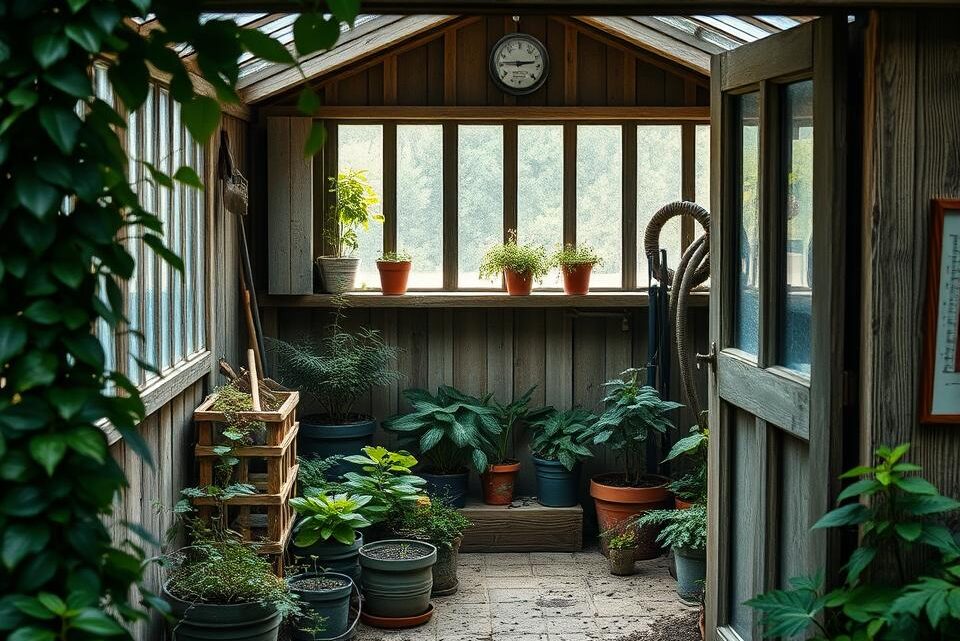
Gardeners across the United Kingdom often ask, is a potting shed warmer than a greenhouse? This article begins by placing that question at the centre of a practical, evidence-based comparison. We will weigh potting shed vs greenhouse warmth by looking at construction, orientation, ventilation, insulation, thermal mass and heating options relevant to UK gardens.
The two structures serve different roles. A greenhouse, from manufacturers such as Eden and Hartley Botanic, prioritises light transmission and solar gain. A potting shed typically has solid walls and limited glazing, which can reduce heat loss at night but limit daytime solar heating. This introduction previews how those design choices affect greenhouse temperature comparison and potting shed temperature UK performance through seasons.
Inhaltsverzeichnis
Key Takeaways
- We will compare is a potting shed warmer than a greenhouse? using UK-focused data and manufacturer specs.
- Greenhouses maximise daytime solar gain; potting sheds can retain heat overnight if insulated.
- Orientation, ventilation and thermal mass strongly influence real-world temperature differences.
- Practical recommendations will cover propagation, overwintering and running costs in the UK.
- Sources include the Royal Horticultural Society, building physics principles and UK case studies.
Understanding Heat Dynamics in Garden Buildings
Garden structures depend largely on solar input and internal sources to reach useful temperatures. Sunlight heats glass, polycarbonate and timber, turning radiation into stored warmth. Compost heaps, hot water barrels and heaters add internal heat that plants and people can use.
How heat is generated and retained
Solar radiation is the chief passive heat source for greenhouses and potting sheds in the UK. Surfaces absorb light and warm the air nearby. Internal sources such as electric heaters or the biological heat from compost give extra lift when sunlight is weak.
Retention depends on materials and construction. Glazing, solid walls and roof layers limit heat loss by conduction and by moving air. Thermal mass — water tanks, brick or concrete — soaks up heat through the day and releases it after sunset, reducing night-time drops and improving thermal retention garden buildings.
Differences between conductive, convective and radiant heat
Conductive heat moves through materials. Glass and single-pane windows have high conductivity and higher U-values, so they lose heat faster than insulated panels. Double glazing and insulated walls lower U-values and slow conductive loss.
Convective heat concerns moving air. Drafts, gaps and vents carry warm air away. Trapped still air in cavities or between panes cuts convective transfer, so controls that limit draughts help retain warmth.
Radiant heat is infrared energy emitted by warm surfaces. Materials with high emissivity both radiate and absorb heat well. Radiant exchanges matter for plant leaves and for how quickly structures warm after sunrise, making conductive convective radiant heat an essential triad to understand.
Impact of size, shape and orientation on temperature
Smaller volumes warm quickly under sun but lose heat fast at night. Larger rooms hold more heat and show greater thermal inertia. Compact shapes with a low surface area-to-volume ratio cut relative losses.
Orientation changes daily warming patterns. A south-facing aspect yields the best winter gains in Britain, while east- or west-facing positions alter morning and afternoon warmth. The effect of orientation on temperature is particularly clear during low sun angles and cloudy conditions.
Practical metrics and UK relevance
Typical U-values help quantify losses: single glass is around 5.7 W/m²K, while common double glazing can fall near 1.8 W/m²K depending on specification. Wind, cloud and low winter sun in the UK make passive solar performance and careful detailing vital to maintain usable warmth in small garden structures.
is a potting shed warmer than a greenhouse?
The question is simple but the answer depends on design, materials and season. Gardeners often ask whether a potting shed offers more stable warmth than a greenhouse. This short section compares definitions, seasonal behaviour and real measurements so you can judge greenhouse vs shed temperature UK differences for your plot.
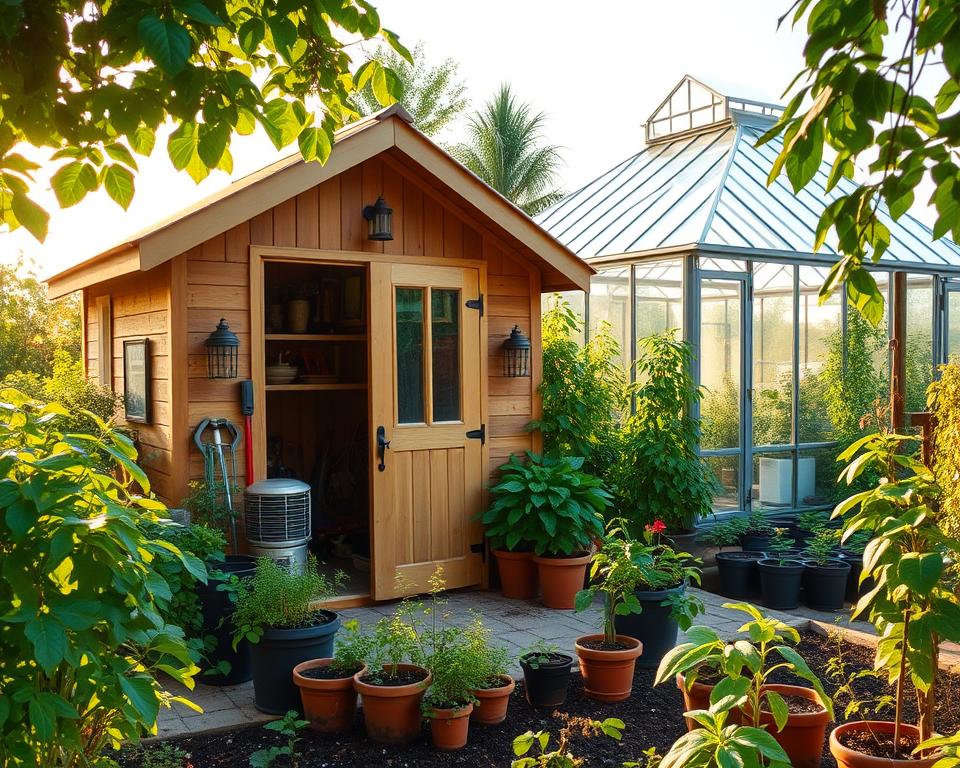
Defining a potting shed and a greenhouse for temperature comparison
A potting shed is a mainly solid-walled building used for potting, storage and occasional overwintering. Typical fabrics include timber, metal or plastic. Small windows or translucent panels provide light. Many potting sheds are insulated or can be lined to reduce heat loss.
A greenhouse is a predominantly glazed structure made from glass or polycarbonate. It is designed to maximise light and solar gain with the explicit aim of growing plants year-round. Glazing raises daytime temperatures quickly under sun, producing strong diurnal swings.
Typical temperature ranges for each structure in UK seasons
Unheated greenhouse daytime highs vary from about 15–30°C in spring and summer. Autumn daytime figures fall to 10–20°C. Winter daytime values are often 0–10°C with nights dropping below freezing without heating. Summer peaks can exceed 35°C if ventilation is poor. These seasonal temperature ranges greenhouse behaviour shows marked daytime warmth and wide night drops.
Potting shed daytime temperatures in spring and summer tend to be lower, roughly 12–25°C. Autumn days often sit between 8–18°C. In winter a potting shed usually tracks ambient conditions at around 0–8°C, yet well-insulated interiors can remain 2–5°C warmer than outside at night. This potting shed warmth comparison highlights steadier, less extreme swings than a glazed structure.
Case studies and real-world temperature measurements
Horticultural trials and university extension reports show greenhouses can exceed ambient by 5–20°C on sunny days. A nearby insulated timber potting shed often shows a 1–5°C rise over ambient under the same conditions. An example from southern England recorded a small polycarbonate greenhouse peaking at 18–24°C in early spring while an adjacent insulated potting shed stayed 8–12°C. Night-time readings commonly found the potting shed a few degrees warmer than the uninsulated greenhouse.
Measurements vary with glazing type, wall insulation, thermal mass and ventilation. Brand data from Hartley Botanic and Eden indicate multiwall polycarbonate conserves heat better than single glass. Solid, insulated walls still outperform glazed panels at retaining warmth overnight. Such evidence helps frame the greenhouse vs shed temperature UK discussion without offering a single definitive answer.
Construction Materials and Their Thermal Properties
Choosing the right materials changes how a garden building performs through the seasons. This short guide compares glazing choices, wall types and common insulation methods so you can match materials to your plans for propagation or overwintering.
Glazing options
Single glass gives excellent light transmission but poor thermal performance, with a typical U-value greenhouse of around 5–6 W/m²K. Toughened safety glass offers greater strength while keeping similar heat loss. Multiwall polycarbonate panels improve insulation markedly; twin or triple-wall sheets in 4–16 mm thickness can reduce U-values to roughly 2.0–3.5 W/m²K. Acrylic sheets sit between glass and polycarbonate for warmth and clarity. Specialist double-glazed greenhouse panels can approach U-values below 2.0 W/m²K, at a higher cost and weight.
Wall constructions for potting spaces
Timber cladded sheds remain popular for potting sheds because timber has modest natural insulation and a classic look. Adding internal insulation such as mineral wool or PIR boards changes performance dramatically. Steel or metal sheds conduct heat and can suffer condensation unless fitted with vapour control and thermal breaks. Resin or composite sheds resist rot and offer moderate thermal properties; foam panels improve them.
Insulation techniques
UK guidance often focuses on U-value greenhouse targets for whole assemblies. The reciprocal relationship means the R-value insulation UK equals 1 divided by U-value in W/m²K. For heated spaces you might aim for U-values under 1.6 W/m²K, though garden buildings are usually less strict. Installing 50–100 mm of mineral wool or foam board in walls and roof gives clear gains in retention. Insulated floorboards or raised insulated bases reduce conductive loss to the ground.
Moisture and detailing
Damp proofing and vapour control are essential where timber is used. Foil-backed insulation offers radiant reflection but needs an air gap to work properly. Manufacturers such as Palram, Halls and Kettering publish U-value greenhouse figures for glazing. Timber shed suppliers including Chiltern and Forest Garden offer insulation kits and internal lining recommendations for potting shed wall materials.
Quick comparison table
| Material | Typical thermal metric | Practical notes |
|---|---|---|
| Single glass | U-value ~5–6 W/m²K | High light, poor insulation; low cost; traditional look |
| Multiwall polycarbonate | U-value ~2.0–3.5 W/m²K | Lightweight, good insulation, common in modern greenhouses |
| Double-glazed panels | U-value <2.0 W/m²K (specialist) | Best thermal performance, heavier and pricier |
| Timber cladding + insulation | Dependent on insulation; can reach U <1.6 | Good finish; watch for vapour control to prevent rot |
| Metal shed + insulation | Raw metal poor; insulated panels improve greatly | Must include thermal breaks and vapour barrier |
| Composite/resin shed | Moderate thermal performance | Durable, rot-resistant; add insulated panels for warmth |
Careful attention to glazing choices and the use of appropriate insulation raises comfort for plants. Keeping an eye on U-value greenhouse figures and the R-value insulation UK you install will guide sensible upgrades and ensure materials suit the British climate.
Ventilation, Airflow and Temperature Control
Good airflow keeps plants healthy and stable. Garden buildings need planned ventilation to manage humidity, reduce disease risk and tame temperature swings. The right mix of vents, fans and thermal mass makes summer cooler and winter nights less severe.
Natural ventilation strategies for greenhouses and potting sheds
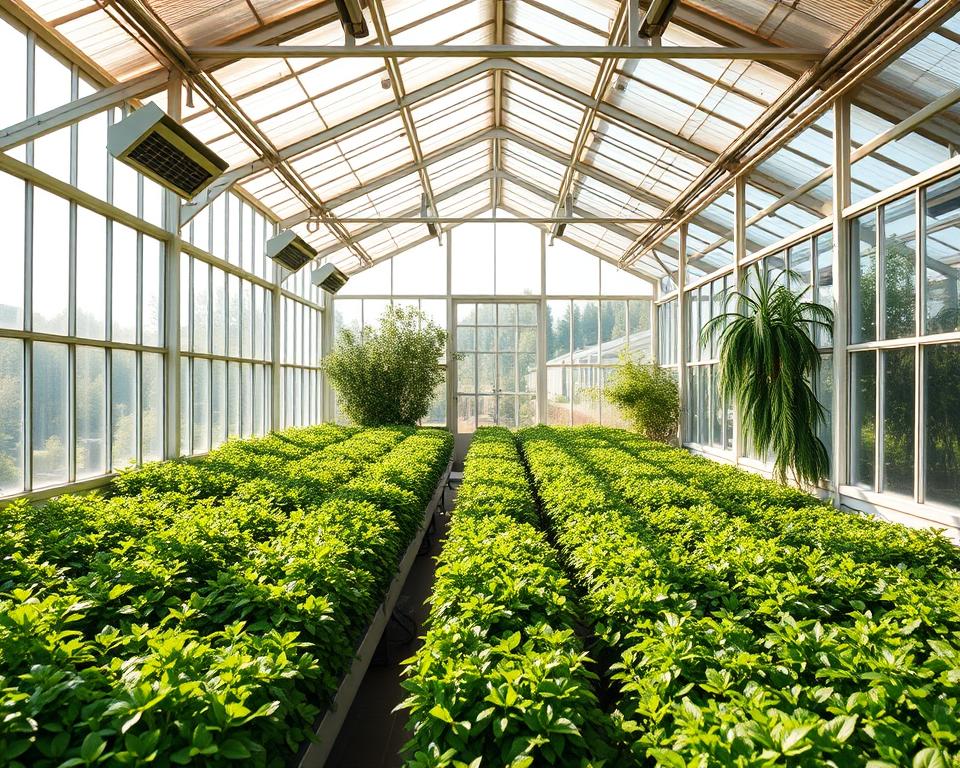
Place roof vents high and side vents low to use the stack effect. In a natural ventilation greenhouse, warm air exits at the ridge while cool air enters at eaves. Cross-ventilation from opposite sides speeds air change without power.
Potting shed airflow benefits from adjustable windows and trickle vents. Small permanent vents near the eaves cut condensation while keeping most heat. Siting vents for intake and exhaust is a simple way to improve convective flow.
Mechanical ventilation and heating options
Fans, thermostatic controllers and automated vent openers give steady control when weather changes fast. In the greenhouse ventilation UK market, electric actuators and wax-operated openers are common for hands-free summer control.
Heaters such as electric fan heaters and ceramic units suit small spaces if used with IP-rated electrics. Soil-warming cables and circulating fans reduce cold spots in a potting shed. Gas and paraffin heaters exist, yet they need careful ventilation and safety checks under UK regs.
How vents, louvers and doors affect diurnal temperature swings
Opening vents lowers peak daytime heat and prevents leaf scorch. Leaving vents open overnight raises heat loss, which can expose tender plants to low temperatures. A tightly sealed potting shed reduces swings but requires occasional airing to avoid mould.
Louvers and doors give quick control over airflow and humidity. Closing low-level vents at dusk and relying on stored thermal mass through the night helps limit the vents effect temperature. Use automatic openers or timed fans to balance daytime cooling with night-time retention.
Practical tip: match ventilation choice to plant needs, local wind patterns and safety rules such as BS 7671 for electrics. Proper design keeps greenhouse ventilation UK systems efficient and potting shed airflow manageable all year round.
Solar Gain and Light Transmission
Glazing choice and window placement shape how much sun enters garden buildings. Careful selection boosts useful warmth in winter and controls midday heat in summer. The balance between clear and diffuse materials affects both plant growth and comfort for gardeners.

How glazing maximises solar gain
Orientation and transmission coefficients determine radiant energy entering a structure. Clear toughened glass and multiwall polycarbonate score highly for visible light and solar heat gain. They deliver strong daytime warmth when the sun is low in winter.
Diffused glazing, such as opal polycarbonate, scatters light. That reduces sharp hotspots while still providing ample PAR for seedlings. This trade-off can help temper peak warming without greatly sacrificing growth rates.
Role of windows and translucent panels
Small south-facing windows and well-placed translucent panels in potting sheds capture daylight without turning a shed into a full greenhouse. Double-glazed units cut heat loss while letting in winter sun.
In the UK, fitting suitable potting shed windows UK can offer morning warmth for propagation benches. Frosted or laminated panels preserve privacy, add insulation and reduce direct glare on delicate plants.
Balancing light for warmth without overheating
High light transmission greenhouse glazing gives strong day heating. That helps in cool months but raises the risk of excessive summer temperatures. Shading strategies limit peak heat while maintaining usable light.
Options to prevent greenhouse overheating include external shade cloth, reflective whitewash and automated roof screens. Ventilation must pair with shading to move hot air away and lower internal temperatures quickly.
| Glazing type | Light transmission | Winter heating effect | Summer overheating risk |
|---|---|---|---|
| Clear single glass | Very high | Strong solar gain; rapid warming | High without shading |
| Clear polycarbonate (multiwall) | High | Good heat retention; low heat loss | Moderate to high |
| Opal/diffuse polycarbonate | Moderate | Even light; slightly less peak heat | Lower due to scattering |
| Double-glazed units | High | Very good insulation; steady warmth | Lower than single glazed |
| Frosted/translucent panels | Moderate | Useful daytime warming; privacy | Low |
Insulation, Thermal Mass and Heat Storage
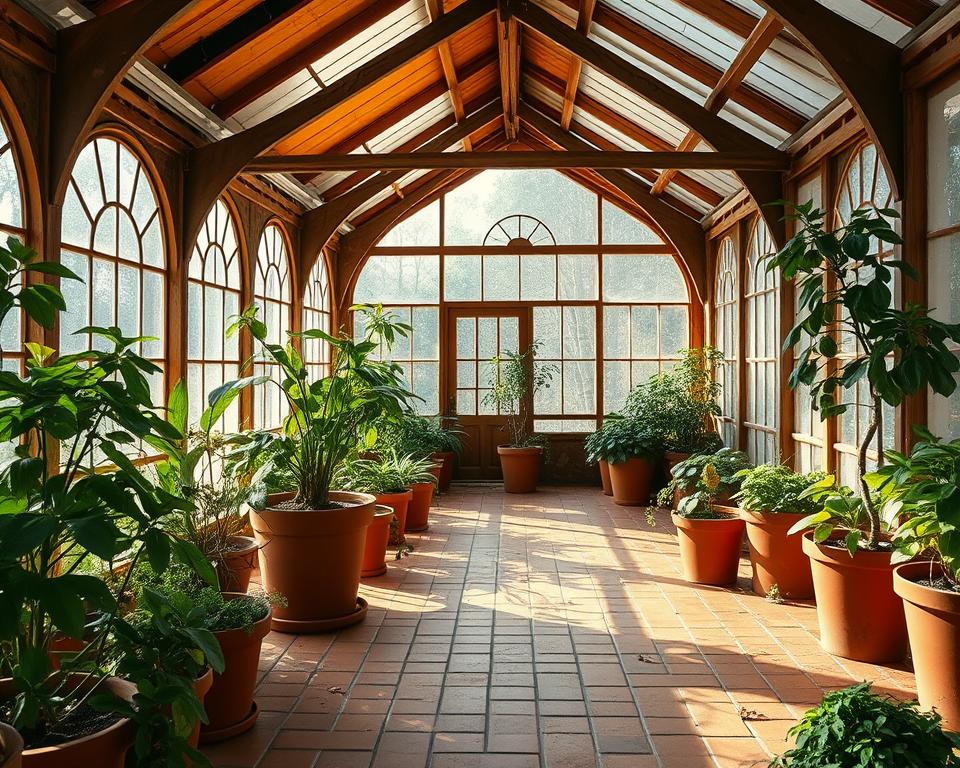
Managing night-time chill and daytime heat spikes comes down to two things: store energy and limit losses. A thermal mass greenhouse benefits from water, brick or stone placed where it catches sun. An insulating potting shed needs solid wall and roof insulation to keep stored warmth in the building.
Using thermal mass
Water barrels, masonry and concrete absorb heat by day and release it after sunset. Place dark-painted water barrels where direct sun hits them to maximise heat absorption. In practice, a correctly sized thermal mass can shave several degrees off night-time drops, which helps tender plants survive shoulder seasons.
Insulating floors, walls and roofs
In UK gardens, heat loss through floors and walls is a common problem. Fit 50–100 mm insulation in shed walls and roofs to reduce heat transfer. Underfloor boards benefit from insulated panels or raised insulated bases to cut ground-coupled losses and lower frost risk.
Timber sheds need breathable membranes to prevent condensation. Greenhouse roofs are usually glazed and left uninsulated. You can insulate end walls or use removable layers at night to reduce heat escape without harming light levels by day.
Double glazing pros cons vs bubble wrap
Double glazing offers superior U-values, lower condensation and better durability than single panes. The trade-offs are higher cost, extra weight and more complex installation. For many gardeners, these are acceptable for long-term performance.
Bubble wrap greenhouse insulation gives fast savings at low cost. It reduces radiant and convective losses and is simple to fit or remove as seasons change. Drawbacks include lower light transmission, a shorter lifespan and a less tidy appearance compared with double glazing.
Practical pairing for stability
Combine thermal mass with good insulation for the best results. Thermal mass smooths diurnal swings while insulation reduces net loss overnight. For an economical winter boost, apply horticultural bubble wrap to less critical panes or remove it during bright days to restore light.
For an insulating potting shed, focus on wall and roof insulation plus weatherproof doors. For a thermal mass greenhouse, prioritise sun-facing placement for masses and consider double glazing where budget and structure allow.
Heating Options and Energy Efficiency
Choosing heating for a small garden building needs a balance between warmth, safety and running costs. This section outlines the main electric and gas choices, looks at renewable and passive routes such as a solar-powered greenhouse, and gives practical notes on cost-effectiveness for gardeners in the UK.
Electric and gas heaters
Electric fan heaters deliver fast heat to compact spaces. They suit short-term use and thawing, provided the unit has the correct IP rating for humid environments and is protected by a residual-current device (RCD). Convector and infrared panels work differently. Convector heaters warm air for general heating. Infrared panels warm objects and plants directly, which can be more efficient for protecting seedlings at night.
Paraffin and LPG heaters give strong output but emit vapours and carbon monoxide. These fuelled options demand reliable ventilation and careful compliance with safety standards such as BS EN for outdoor electrical equipment. Frost thermostats and timers reduce unnecessary runtime and lower potting shed heater cost over the season.
Renewables and passive design
Solar photovoltaic panels can power small fans, thermostats or low-wattage heaters. Adding battery storage extends use after dark at greater capital expense. Pairing PV with efficient controls creates a practical solar-powered greenhouse setup for those who want cleaner heating.
Passive measures cut the need for active heating. Maximise south-facing glazing, add thermal mass like water barrels or masonry and insulate walls and roofs. These changes reduce demand and work well alongside energy efficient garden heating strategies such as zoned thermostats and targeted infrared panels.
Cost-effectiveness and running costs in the UK
Running costs depend on heater power, hours used and local tariffs. As a guide, a 1 kW electric heater running for ten hours at 0.35 GBP/kWh costs about 3.50 GBP per day. Greenhouses generally need more hours because glazed surfaces lose heat faster. A well-insulated potting shed typically requires less input and shows lower day-to-day expenses.
| Option | Typical output | Safety notes | Running cost example |
|---|---|---|---|
| Electric fan heater | 1–3 kW | Use IP-rated units, RCD protection | 1 kW × 10 h ≈ 3.50 GBP/day |
| Infrared panel | 0.5–1.5 kW | Mount clear of foliage, weatherproof models advised | Warm plants directly; often lower effective cost |
| Paraffin / LPG | 2–5 kW | Require ventilation; CO monitor essential | Fuel cost variable; safety increases indirect cost |
| Solar PV + battery | Dependent on array size | Ensure inverter and wiring meet standards | Higher capital cost; low running cost |
| Passive measures | N/A | No mechanical risk | Low ongoing cost; reduces active heating need |
To control bills, use thermostats, timers and zoned heating so only critical areas receive warmth. Combining insulation, thermal mass and small electric heaters produces a pragmatic route to energy efficient garden heating. Check local grants and current tariffs before investing in renewables or high‑cost systems for greenhouse heating UK projects.
Practical Considerations for Plant Types and Seasons
Deciding which structure to use comes down to the plant’s tolerance for cold, need for light and sensitivity to humidity. Match plants to the environment and adapt practices each season to reduce stress and disease.
Which plants prefer greenhouse warmth versus potting shed conditions
Frost-tender species like citrus, chillies, tomatoes and melons thrive in a greenhouse where higher daytime temperatures and strong light speed growth.
Exotic and sub-tropical ornamentals also favour glasshouses for steady warmth. Seedlings and cuttings benefit from the extra heat and light when establishing roots.
Hardy perennials, stored bulbs and tubers do well in a potting shed. Young plants that are marginally hardy prefer the gentler, steadier warmth a shed gives during cold snaps.
Seasonal use: overwintering, spring propagation and summer management
For overwintering plants UK growers often use a greenhouse for the most tender specimens or a heated potting shed for smaller collections. Monitor minimum temperatures and wrap pots with frost cloth during severe nights.
Spring propagation favours the greenhouse for faster germination and stronger early growth. Use the potting shed for stages that need cooler, stable conditions or for hardening off young plants.
In summer, shading and increased ventilation in a greenhouse prevent overheating. Potting sheds require routine airing to stop humidity build-up and reduce mould risk on stored pots and compost.
Pest and disease risks related to temperature and humidity
Warm, humid glasshouses create ideal conditions for fungal diseases such as botrytis and powdery mildew. They also attract pests like whitefly, aphids and red spider mite when ventilation is poor.
Potting sheds with low light and limited airflow can suffer damp-related mould and slug infestations in stored trays. Cleanliness and regular airing cut those risks sharply.
Integrated pest management helps in both buildings. Inspect plants frequently, use biological controls such as predatory insects and deploy sticky traps for early detection.
Practical care tips: fit thermostats and hygrometers to track conditions, rotate crops to limit pathogen build-up and avoid overcrowding to improve airflow. Insulate benches and wrap vulnerable pots during cold snaps to protect roots without over-reliance on heating.
| Use | Best structure | Key risks | Practical tip |
|---|---|---|---|
| Frost-tender fruiting crops | Greenhouse | Greenhouse pests humidity encouraging whitefly and botrytis | Provide ventilation, use fans and monitor humidity with a hygrometer |
| Seedlings and cuttings | Greenhouse | Fungal damping-off if overcrowded | Use seed trays with sterile compost and thin to improve airflow |
| Hardy perennials, bulb storage | Potting shed | Damp mould and slugs in poorly ventilated sheds | Store off the floor, ventilate regularly and use rodent-proof containers |
| Overwintering plants UK | Greenhouse or heated potting shed | Cold snaps and root chilling | Insulate pots, use frost cloths and track night minima |
| Early spring propagation (propagation greenhouse vs potting shed) | Greenhouse for speed; potting shed for staging | Excess moisture in either space | Stagger timings and use bottom heat mats or controlled shelving |
Site Selection, Orientation and Microclimate Effects
Picking the right spot for a greenhouse or potting shed shapes daily warmth and long-term usability. Start with a level, well-drained area that gets the most winter sun. Think about proximity to water and electrics for heaters and grow lights. Ease of access from the house makes daily routines simpler and encourages regular use.
Choosing the best location
For winter gains favour a southerly aspect with no tall trees or buildings casting shade. Avoid frost hollows and low-lying pockets where cold air settles. For potting shed placement place it where you can carry soil and plants between house and garden with little fuss.
Shelter and neighbouring structures
Walls, fences and hedges act as windbreaks that lower convective heat loss and create a warmer garden microclimate. A brick wall will absorb heat during the day and re-radiate some warmth after sunset. Keep landscaping or planted shelter belts upwind of the structure rather than placing it immediately downwind of prevailing winds.
Orientation for solar exposure
An east–west ridge with glazing facing south works best for freestanding glasshouses in Britain. Lean-to designs gain most benefit from a solid south-facing wall. Check that eaves or neighbouring roofs do not shade glazing when the winter sun is low.
Practical microclimate tweaks
Use low thermal-mass paving or raised beds close to the building to lift local temperatures slightly. Grouping garden buildings with similar needs helps them share shelter and retained heat. Small changes such as whitewashing panes in high summer or adding a thermal curtain at night alter internal conditions noticeably.
Balancing summer and winter demands
Ensure orientation greenhouse UK accounts for differing sun paths across seasons. In winter you want unobstructed southern exposure to boost warmth. In summer plan shade options to avoid overheating during peak sun hours.
Conclusion
Deciding whether is a potting shed warmer than a greenhouse? comes down to design and purpose. Greenhouses capture strong daytime solar gain and usually reach higher temperatures when glazing and orientation are optimised. That makes them the best choice greenhouse or shed UK gardeners pick for rapid propagation and plants needing bright, warm conditions.
By contrast, a well insulated potting shed can hold steadier, modest warmth and often outperforms an uninsulated greenhouse overnight or during prolonged frost. Solid walls, added insulation, thermal mass and controlled ventilation deliver energy-efficient heat and a useful workspace. This balance informs the greenhouse vs potting shed conclusion for those seeking stability over peak light levels.
Hybrid tactics—insulated end walls, bubble wrap in winter, water barrels for thermal mass and small thermostatic heaters—combine the strengths of both options. Assess plant needs, site microclimate and budget for insulation or heating before choosing. For many UK gardens, matching structure to purpose and using passive solar and thermostatic control gives the best choice greenhouse or shed UK gardeners can achieve.
FAQ
Is a potting shed warmer than a greenhouse?
Generally, a greenhouse reaches higher daytime temperatures because glazing maximises solar gain. However, a well‑insulated potting shed can retain heat more steadily and may be a few degrees warmer than an uninsulated greenhouse at night or during prolonged cold spells. The outcome depends on glazing type, insulation, thermal mass, ventilation, orientation and any active heating.
How much warmer can a greenhouse get compared with outdoor temperature?
On sunny days a greenhouse can exceed ambient temperatures by 5–20°C, depending on size, glazing (glass or multiwall polycarbonate), ventilation and thermal mass. In summer with poor ventilation, peaks above 35°C are possible. In cloudy or windy conditions the advantage is much smaller.
What typical temperature ranges should UK gardeners expect in each structure?
Typical unheated ranges: greenhouses—spring/summer daytime roughly 15–30°C, autumn 10–20°C, winter daytime 0–10°C with possible night frosts. Potting sheds—spring/summer 12–25°C, autumn 8–18°C, winter near ambient (0–8°C) but insulated sheds may stay 2–5°C warmer at night.
Which construction materials offer the best thermal performance?
For glazing, multiwall polycarbonate and double‑glazed units outperform single glass (single glass U≈5–6 W/m²K; multiwall polycarbonate ~2.0–3.5 W/m²K; specialist double glazing can be
Can bubble wrap make a greenhouse significantly warmer in winter?
Yes. Horticultural bubble wrap reduces radiant and convective heat loss and is an inexpensive temporary measure for winter nights. It lowers U‑value and can cut night losses noticeably, though it reduces light transmission and is less durable than double glazing.
How important is orientation and site choice for maximum warmth?
Very important. South‑facing locations maximise winter solar gain in the UK. Avoid deep shade and frost pockets. Shelter from prevailing winds—using hedges or walls—reduces convective heat loss and creates a warmer microclimate. Proximity to a south‑facing brick wall can add passive heat through re‑radiation.
What role does thermal mass play and how should it be used?
Thermal mass (water barrels, brick, stone) stores heat by day and releases it at night, moderating temperature swings. Water barrels painted dark and placed in sun are effective in greenhouses. Combining thermal mass with insulation yields the best night‑time stability.
Do ventilation and vents affect whether one structure is warmer than the other?
Yes. Ventilation controls overheating but increases heat loss when open. Greenhouses need roof and side vents for summer control; potting sheds benefit from trickle vents and adjustable windows to balance humidity and warmth. A sealed, insulated shed will retain heat but must have adequate ventilation to prevent mould.
What heating options are suitable and cost‑effective for small garden buildings?
Electric fan heaters or thermostatically controlled infrared panels are common and convenient for small spaces, provided they are IP‑rated for damp conditions. Combining modest active heating with insulation, bubble wrap at night and thermal mass is more energy‑efficient than relying on heaters alone. Solar PV can offset running costs where feasible.
Which plants suit a greenhouse versus a potting shed?
Greenhouses suit frost‑tender and high‑light plants—tomatoes, chillies, citrus and tropicals—and speed seed propagation. Potting sheds are ideal for hardy perennials, bulbs, potting tasks and overwintering marginal plants that need shelter and steady, moderate warmth rather than bright heat.
How do glazing choices affect light transmission and heat gain?
Clear glass and clear polycarbonate transmit high PAR and solar heat, increasing daytime warming. Diffuse or opal polycarbonate spreads light and reduces hotspots but slightly lowers peak heat gain. Thicker or multiwall glazing trades some light transmission for improved insulation.
Are there safety or regulatory issues for heaters and electrics in garden buildings?
Yes. Electrical installations must comply with BS 7671 and use appropriate IP‑rated fittings. Use residual‑current devices and frost thermostats where possible. Fuel heaters (paraffin, LPG) pose CO and vapour risks and require adequate ventilation and compliance with safety guidance.
How can I reduce running costs while keeping plants frost‑free?
Prioritise insulation, add thermal mass and use bubble wrap on glazing at night. Heat only the zones with vulnerable plants and use thermostats and timers. Small targeted heaters and passive solar measures are cheaper long‑term than continuous high‑power heating.
Will a lean‑to greenhouse against a warm wall perform better than a freestanding greenhouse?
A lean‑to on a warm, south‑facing wall benefits from reduced heat loss on one side and extra radiated warmth from the wall, improving winter performance. It can outperform a freestanding greenhouse of similar glazing when sited and insulated correctly.
How can I measure and compare temperatures between structures accurately?
Use calibrated thermometers or data loggers placed at plant canopy level and near benches, logging daytime peaks and night minima over several weeks. Compare readings on similar days and note variables such as cloud cover, wind, glazing type and ventilation settings.
What simple upgrades will make the biggest difference to warmth and stability?
Add internal insulation to walls and roof, fit bubble wrap to glazing for winter, introduce thermal mass (water barrels), seal draughts, and install a thermostat‑controlled heater or frost thermostat. These measures together give the greatest improvement per cost.
Are there hybrid solutions that give benefits of both structures?
Yes. Insulated end‑walls on greenhouses, double‑glazed panels in lean‑to designs, and dedicated insulated potting rooms with south‑facing glazed panels combine advantages of light and thermal retention. Many gardeners adopt hybrid approaches to balance light, warmth and energy efficiency.