
Quality Merseyside Sheds for Your Garden Needs
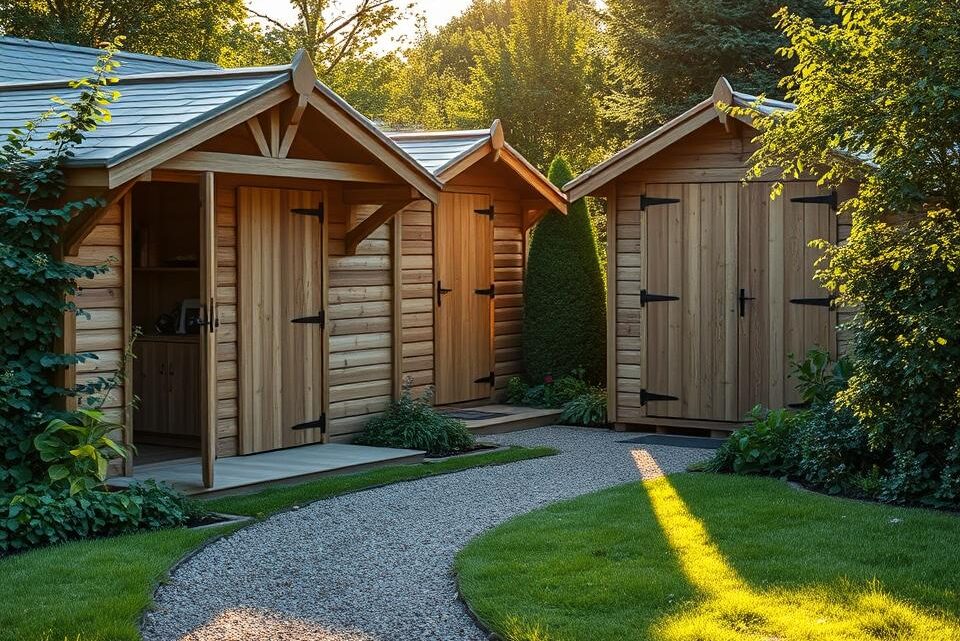
For homeowners across Merseyside, choosing the right garden building matters. This guide on garden sheds Merseyside outlines what to expect when you look for quality garden sheds UK, from styles and materials to local suppliers and planning rules.
Most small garden outbuildings are permitted development under national guidance, but size, position and intended use can change that. Later sections will refer to guidance from the UK planning portal to help you decide whether you need formal consent.
Industry standards from bodies such as the Timber Trade Federation and the National Federation of Builders give useful benchmarks for workmanship and treatment. These standards influence warranty terms and the likely lifespan of garden storage Merseyside residents buy.
Consumer advice from Which? and review sites highlights the value of checking local reputation and aftercare when picking shed suppliers Merseyside. Installation quality often matters as much as product choice for long-term satisfaction.
This introduction sets a practical tone. The article will guide you through types, sizing, materials, security and costs so you can choose a shed that fits your garden and budget.
Inhaltsverzeichnis
Key Takeaways
- Understand permitted development rules before ordering a shed.
- Industry standards affect durability and warranty length.
- Local reputation and aftercare matter for shed suppliers Merseyside.
- Match shed type to intended use for best value.
- Consider maintenance needs when choosing garden storage Merseyside.
Why Choose Quality Sheds for Your Merseyside Garden
Investing in a well-made shed transforms a garden. It creates secure storage for lawn equipment, bicycles and patio furniture. It gives flexible space for hobbies, a home gym or a quiet office. It offers weatherproof shelter for tender plants and seedlings. These practical gains are central to the benefits of quality sheds and make everyday life easier for homeowners across Merseyside.
Benefits of investing in a well-built shed
A sturdy shed keeps tools and consumables dry and organised, cutting replacement costs over time. Industry guidance from bodies such as the Timber Trade Federation shows purpose-built outbuildings reduce clutter and protect equipment. That protection extends to bikes, mowers and garden furniture, which saves money and hassle. Good design can also create multi-use rooms that add genuine lifestyle value.
How quality impacts longevity and maintenance costs
Materials and build matter when you want shed longevity. Pressure-treated timber, galvanised fixings, quality roofing felt or EPDM and sealed joins lower risk of rot, corrosion and leaks. Which? research highlights that low-quality units need repair or replacement within a few years, raising lifetime costs. Choosing durable garden sheds with proper treatment and solid construction reduces maintenance visits and long-term expense.
Value for money: resale and garden appeal
A well-chosen shed enhances kerb appeal and can boost perceived garden resale value Merseyside buyers notice functional outdoor spaces. Matching the shed’s style and finish to the house and planting scheme improves visual harmony. Buyers often value usable outbuilding space, so a durable garden shed can represent smart value when weighed against the total cost of ownership over five to ten years.
Practical tips: prioritise reputable suppliers who provide warranties, check for British Standards or CE markings where relevant and compare initial cost against likely maintenance over a decade. These steps help secure the long-term benefits of quality sheds and maximise shed longevity for your Merseyside garden.
Types of Sheds Available in Merseyside
Choosing the right shed begins with knowing the main material options and how each suits local gardens. Below are concise guides to traditional timber, metal and low-maintenance composite or plastic builds. Read each short entry and match the features to your budget, use and garden style.
Traditional wooden sheds offer classic looks and warmth that many Merseyside gardeners prefer. Common styles include pent, apex, reverse apex and summerhouse formats. Timber is usually slow-grown Scandinavian spruce or similar softwoods, often pressure-treated (tanalised) to resist rot.
Surface finishes range from microporous wood stains and oils to preservative treatments that keep grain visible. Wooden sheds Merseyside buyers like are easy to modify, provide decent insulation and fit cottage-style plots well.
Routine maintenance is the trade-off. Re-treatment every few years and a proper raised base to avoid ground moisture are essential to prolong life.
Metal sheds use galvanised steel or aluminium and often feature powder-coated finishes and anti-corrosion measures. They work well for secure storage, workshops or housing garden machinery.
Strengths include high durability, low routine upkeep and good fire resistance. Common issues are internal condensation and limited scope for structural alteration after installation.
For shoppers comparing options across the country, metal sheds UK brands and ranges offer robust, practical solutions where security and longevity top the list.
Composite and plastic sheds cover HDPE and PVC units plus composite boards that blend wood fibre with plastic. These products are popular for minimal upkeep and straightforward assembly.
Key benefits are rot and insect resistance, no need for painting and built-in features like vents and integrated doors. Brands such as Keter and Lifetime are widely available in the UK market.
Check UV resistance ratings and manufacturer warranty terms before buying. Consider insulation needs if you plan a workshop or hobby space.
| Feature | Wooden Sheds | Metal Sheds | Composite / Plastic Sheds |
|---|---|---|---|
| Common materials | Scandinavian spruce, tanalised softwood | Galvanised steel, aluminium with powder coat | HDPE, PVC, wood-plastic composite |
| Appearance | Traditional, warm, easy to paint | Industrial, modern, less domestic | Neat, uniform, low-maintenance finish |
| Maintenance | Periodic staining or oiling; raised base needed | Minimal; watch for condensation | Very low; no painting, rot-proof |
| Durability | Long with care; vulnerable to ground moisture | Very high structural life | High; resistant to insects and rot |
| Alterations | Simple to modify and insulate | Harder to change once installed | Limited but often modular |
| Best uses | Summerhouses, garden rooms, aesthetic storage | Secure storage, tool shed, workshop | General storage, tool housing, playrooms |
| Representative points to check | Wood treatment, species, base details | Corrosion protection, anchoring, ventilation | UV resistance, warranty, brand reputation |
Match the material to intended use and upkeep capacity. For insulated hobby rooms prefer timber with added insulation. For secure, low-fuss storage look at metal sheds UK ranges. If minimal maintenance ranks highest, composite garden sheds or plastic models offer clear plastic sheds benefits.
merseyside sheds
Choosing a shed in Merseyside means balancing craft, climate and convenience. Local suppliers offer a wide range of options from ready-made flat-pack kits to bespoke timber joinery. National retailers such as B&Q and Wickes supply many standard lines, while independent yards and specialist firms provide tailored finishes and installation services.

Local suppliers and what they offer
Regional businesses often provide made-to-measure wooden sheds, composite units and metal stores. Services include site surveys, base laying and full installation. Many merseyside shed suppliers supply pressure-treated timber, bespoke glazing, and aftercare packages to protect against damp and wear.
Local shed companies Merseyside tend to pride themselves on craftsmanship and customisation. They will quote for fitted shelving, reinforced floors for workshop use and replacement roofing with felt, shingles or EPDM. Showrooms and garden centres let you inspect materials before you buy.
How local climate influences choice
Merseyside sits in a maritime zone with mild temperatures, high humidity and frequent wind-driven rain. That climate makes pressure-treated timber and raised timber floors sensible choices. Strong roofing and good drainage prevent water ingress and rot.
For coastal or exposed sites, choose corrosion-resistant fixings and secure anchoring. Liverpool sheds near the waterfront often need heavy-duty locks and sealed joints to withstand salt-laden air. For the Wirral, consider additional ventilation to reduce internal condensation in Wirral garden sheds.
Customer reviews and regional reputation
Check Trustpilot and Google Reviews for feedback on installation quality and aftercare. Local forums and community groups are useful for hearing about workmanship that stands up to Merseyside weather. Ask suppliers for references and view completed work in Liverpool, Wirral or nearby Lancashire and Cheshire.
Request a site visit for an accurate estimate and ask to inspect local showrooms. That helps confirm finish, fit and durability before committing to a purchase from local shed companies Merseyside or from larger retailers stocking Liverpool sheds.
Choosing the Right Size and Layout for Your Garden
Getting the shed size right starts with a simple survey of your outdoor space. Measure the footprint available, note gate widths and path access, and mark sightlines to windows and neighbours’ boundaries. Keep future landscaping in mind so the building does not block sunlight or views.

Assessing available space and garden flow
Draft a scaled sketch of your garden to test positions. Use the sketch to check how a shed affects circulation and sightlines. For an unobtrusive option, consider heights under 2.5m where permitted development rules apply.
Confirm delivery and installation access before ordering. Measure gate and path clearances and allow tolerance for base dimensions so the structure fits without forcing adjustments.
Storage versus workshop versus leisure layouts
Storage-focused layouts favour tall shelving, a raised floor to keep contents dry, and wide double-doors for large items. Wall-mounted racks and pegboards save floor space and keep tools visible.
Workshop shed layout needs a robust floor, a fixed workbench and clear zones for power tools. Plan for ventilation and a dedicated circuit for safety and performance.
Leisure or summerhouse designs prioritise insulation, generous glazing for daylight and comfortable flooring. Consider partitioning or mezzanine shelving to combine functions without clutter.
Planning for doors, windows and shelving
Choose door types to match access needs: single doors suit tight gardens, double-doors help with bulky items, sliding doors save swing space. Face doors away from prevailing winds where possible for weather protection.
Place windows to maximise natural light while keeping security in mind. Toughened glass or polycarbonate panes balance light and resilience. Fit anti-swing hinges and threshold weather strips to reduce draughts and water ingress.
Shelving should combine fixed wall-mounted units with freestanding elements for flexibility. Use a mix of deep shelving for boxes and shallow shelves for small tools.
Use a simple checklist to finalise choices: create a scaled plan, review shed floor plans for layout options, verify base tolerances, and confirm installer access. Refer to a shed size guide when choosing dimensions and compare possible layouts against your garden layout Merseyside needs.
| Use | Key features | Typical dimensions | Notes |
|---|---|---|---|
| Storage | High shelving, raised floor, double-doors | 2.0–3.0m x 1.5–2.5m | Best with easy delivery access and moisture barrier |
| Workshop | Workbench, heavy-duty floor, ventilation, electrics | 3.0–4.5m x 2.5–3.5m | Plan layout from shed floor plans for tool zones |
| Leisure | Insulation, windows, comfortable flooring, heating | 2.5–4.0m x 2.0–3.5m | Orient windows for light; consider privacy and views |
| Multipurpose | Partitioning, mezzanine shelving, mixed storage | 3.5–5.0m x 2.5–4.0m | Flexible workshop shed layout allows future changes |
Materials, Construction and Weather Resistance
Choosing the right materials and build method makes a shed fit for Merseyside weather. This short guide looks at treated timber, common shed roofing options and how to keep a shed dry, warm and well ventilated. Practical tips cover fixings and prevention of rot so your investment lasts.

Treated timber: pros, cons and lifespan
Treated timber sheds offer a natural look and can be repaired easily after minor damage. Pressure treatments such as Tanalith E or similar preservatives protect against fungal decay and insect attack. A well-built, maintained and elevated timber shed typically lasts 10–20 years or longer.
Regular re-treatment at ends and cut edges is necessary. Ground contact accelerates rot, so use concrete pads, timber bearers on galvanised joist hangers or a damp-proof membrane beneath a base. Keep timber clear of soil and allow air to circulate under the floor to extend lifespan.
Roofing options and waterproofing
Consider common coverings: mineral roofing felt for a budget option, asphalt shingles for a slate-look finish, EPDM rubber for longevity and metal roofs such as corrugated steel or aluminium for strength. Cedar shingles add a premium appearance and natural durability.
Installation details matter. Use sarking felt, battens and the correct pitch for your chosen material. Overlap laps correctly, fit drip edges and seal joins at abutments. These measures create a waterproof shed roof and prevent leaks where panels meet.
Insulation and ventilation considerations
For hobby or leisure use, rigid PIR boards give a high thermal value in thin layers. Mineral wool works well in stud-built walls. Insulated panels simplify installation when quicker fit-out is needed. Fit a vapour barrier to stop condensation forming on cold surfaces.
Good ventilation controls moisture in Merseyside’s often humid climate. Install trickle vents, ridge vents or louvred vents. Workshops may need mechanical extraction to remove fumes and damp air. Balanced ventilation preserves any shed insulation UK and prevents mould.
Fixings and corrosion resistance
Use galvanised or stainless steel nails and screws to resist coastal corrosion. Choose corrosion-resistant hinges, locks and protected metal flashings at roof edges and abutments. These components keep doors operational and protect joins that are vulnerable to water ingress.
| Element | Common Options | Key Benefit | Main Consideration |
|---|---|---|---|
| Wall material | Treated softwood, composite panels | Natural finish, repairable | Re-treatment intervals and ground clearance |
| Roof covering | Mineral felt, EPDM, asphalt shingles, metal, cedar | Weatherproofing and lifespan | Pitch and underlay choice for a waterproof shed roof |
| Insulation | PIR boards, mineral wool, insulated panels | Comfort for leisure use | Vapour barrier and condensation control for shed insulation UK |
| Ventilation | Trickle vents, ridge vents, louvred vents, extract fans | Moisture control and air quality | Size and placement to avoid drafts yet prevent damp |
| Fixings | Galvanised/stainless screws, corrosion-resistant hinges | Longevity in coastal conditions | Use protected flashings and stainless fittings |
Planning Permission, Regulations and Site Preparation
Installing a shed in Merseyside needs a clear plan. You must check permitted development limits in England, such as size, height and distance from the house. Confirm whether the structure will be treated as an outbuilding and not as separate living accommodation. Local councils can interpret national rules differently, so review Liverpool City Council, Sefton Council or Wirral Council guidance before ordering materials or booking installers.

Understanding UK and local Merseyside rules
Permitted development generally allows modest outbuildings without formal applications. Limits cover total area, eaves height and maximum ridge height. Conservations areas or listed settings attract tighter controls. If you plan rooflights, raised floors or electrics you should contact your local planning team. Asking early reduces the risk of enforcement notices and saves time.
Preparing a level base and drainage solutions
A stable, level base extends shed life. Options include concrete slabs, paving on compacted hardcore, timber bearers on well-draining gravel and prefabricated base systems. For concrete, allow 75–100mm thickness and fit a damp-proof membrane. Use a weed membrane under the base to limit regrowth. Provide a slight fall away from the shed to avoid pooling.
Garden drainage matters on heavy soils. Install perimeter drainage or a French drain on poorly drained sites. Direct downpipes away from the base. Good planning of garden drainage prevents timber rot and keeps floors dry.
Boundary and neighbour considerations
Place a building with care near fences, party walls and boundaries. Property deeds may include restrictive covenants that limit outbuildings. Discuss plans with neighbours, especially if plant machinery or deliveries are needed. Notifying neighbours early helps prevent disputes that might escalate to councils.
Secure written quotes that itemise base works and drainage. Ask installers for builder’s liability insurance and guarantees. Keep paperwork for planning compliance and future resale value.
Security and Maintenance for Long-Term Use
Proper care keeps a shed useful for years. Focus on basic security, seasonal checks and sensible repairs to protect tools and maintain value. Use a simple record of work to support warranties and insurance claims.

Choose strong locking systems to deter theft. Fit close-shackle padlocks where the shackle cannot be cut. Fit hasp and staple fittings with internal fixings to stop bolt-cropping. Consider trusted brands such as Squire or Yale for cylinders with anti-snap and anti-drill features. For heavy kit, use ground anchors or secure items to the floor. Motion-sensor lighting and a simple alarm add visible deterrents.
Locking systems and anti-theft measures
Fit anti-theft shed locks that match the shed construction. Use a combination of robust padlocks and mortice or deadlocks for doors. Secure windows with bars or grilles where valuables are stored. Mark high-value items and photograph them for insurance. Make additions such as alarm sensors only after checking warranty terms.
Seasonal maintenance checklist
Keep a shed maintenance checklist by season to spot problems early. In spring, inspect the roof, recoat timber with a weatherproof stain and clear gutters to ensure good drainage.
In summer, oil hinges, look for insect activity and repaint exposed timbers if needed. In autumn, clear leaves, check seals and apply a moss inhibitor to the roof. In winter, secure loose panels, check for ice damage and keep ventilation adequate to reduce condensation.
Record each task with dates and notes. This log supports warranty claims and helps with insurance documentation.
Repair tips to extend usable life
Small repairs stop small problems becoming major costs. Replace isolated rotten boards and treat surface rot with a preservative. Reinforce floor bearers if they show movement. Reroot or reseal roof junctions and replace corroded fixings to keep the structure sound.
Use original manufacturer parts where possible. Hire a qualified joiner or a roofing contractor for structural repairs to ensure safety and to protect guarantees.
| Issue | Quick fix | When to call a pro |
|---|---|---|
| Rotten door frame | Cut out rotten wood, treat and splice in new timber | Frame widespread or load-bearing |
| Leaking roof | Reseal junctions, replace worn felt | Large area of sagging or multiple leaks |
| Squeaky or stiff hinges | Clean and oil, replace pins if worn | Hinge plates torn or door misaligned |
| Corroded fixings | Replace with stainless or galvanised screws | Structural connections failing |
| Condensation and damp | Improve ventilation and fit damp-proof membrane | Persistent mould or internal timber decay |
Check insurance for cover of tools and equipment. Add high-value contents to home insurance where necessary. Keep dated photos of the shed and contents for claims and for proof of good maintenance and shed security Merseyside standards. Regular seasonal shed care and a simple shed maintenance checklist reduce risk and prolong usable life.
Customisation, Accessories and Interior Fit-Outs
Good shed customisation turns a basic outbuilding into a practical, safe and attractive space. Plan storage, electrics and exterior treatments together to avoid costly rework. Start by mapping daily tasks to the layout so shelving, benches and wiring all serve a clear purpose.
Shelving, benches and tool storage solutions
Choose adjustable shelving systems from brands such as Stanley or DeWalt for flexible storage. Wall-mounted slatwall or pegboard keeps tools visible and accessible. Use overhead racks for seasonal items to free floor space.
Match shelving to expected loads and fix shelves to studs or timber uprights. Fit a workbench with integrated vices and power sockets for crafts or repairs. Consider modular units to adapt as needs change.
Electrics, lighting and heating options
Hire a NICEIC or NAPIT registered electrician for any garden shed electrics. They will advise on consumer units for outbuildings, RCD protection and external-rated sockets. Waterproof fittings to IP44 or better are essential for safety.
LED strips deliver bright, energy-efficient lighting. Sensor lights help with security and convenience. For heating, consider electric radiators or infrared panels for occasional use. Stoves need careful planning and may trigger building regulations if fitted with permanent flues.
Exterior finishes, paint and landscaping integration
Choose microporous stain for timber so the shed can breathe. Metal sheds benefit from powder-coating while plastic units should use UV-resistant finishes to avoid fading. Select low-VOC paints where interiors are used as workshops or hobby spaces.
Soften the building with planted borders, trellis for climbers and a gravel path or decking threshold. Use permeable surfacing around the base to reduce splashback and timber rot. Plan landscaping at the same time as deciding shed exterior finishes to create a seamless garden feature.
Practical tip: finalise wiring and shelving layout before painting or cladding. That order saves time and keeps both garden shed electrics and storage working safely and efficiently.
Cost, Warranties and Finding the Best Local Supplier
Choosing a shed means balancing budget, protection and peace of mind. Typical price ranges help set expectations. Small plastic or metal units start from a few hundred pounds. Mid-range timber or composite sheds commonly sit between £800 and £2,500 depending on size and finish. Bespoke summerhouses and insulated workshops often begin around £3,000 and climb with added glazing, electrics or custom joinery.
Several factors affect final figures. Material choice, size and glazing shape the base price. Base preparation and site access influence labour costs. Adding electrics, shelving or bespoke doors raises the total. Remember to factor in delivery and council restrictions that might add to installation time.
Typical price ranges and what influences cost
Smaller budget models suit simple storage needs. Mid-range timber or composite options add longevity and curb appeal. Premium builds deliver insulation and workshop-ready finishes. Site work such as levelling, concrete bases or raised decking can add several hundred pounds. Clear specifications reduce surprises when you compare shed quotes.
Warranties, guarantees and aftercare services
Warranties split into material and workmanship categories. Manufacturer warranties often last five to ten years for composites and metal, while timber finishes usually carry shorter guarantees. Installer guarantees commonly cover workmanship for one to five years. Aftercare packages can include annual inspections or re-treatment services.
Read terms carefully to see what voids cover. Improper bases, failure to treat timber and unauthorised alterations are common exclusions. Keep invoices and photographs to support any future claims. Good suppliers offer clear warranty documents and a named contact for aftercare.
How to compare quotes and vet installers
Obtain at least three written quotes to compare costs and specifications. Check public liability and employer’s liability insurance. Request references and view recent projects to judge quality and finish. Confirm timescales, phased payment schedules and final inspection sign-off in writing.
Use trade bodies as trust signals when you find local shed installer firms. Memberships such as the Federation of Master Builders or the Timber Trade Federation indicate professional standards. Search local council records for enforcement history before committing.
Negotiate wisely. Bundling base work with installation often secures a better price. Ask for payments linked to milestones rather than large upfront sums. Insist on a detailed final inspection and written sign-off before the final payment is released.
When you compare shed quotes, focus on complete packages rather than lowest headline price. A clear warranty, documented aftercare and verified installer credentials can save time and money over the life of the building.
Conclusion
Investing in quality merseyside sheds conclusion should highlight that the right choice improves longevity, security and garden value. Assess materials, size and site preparation carefully. Consider treated timber, metal or composite options based on Merseyside’s maritime climate and your intended use.
Before you choose garden shed Merseyside, measure the site and decide whether the primary use will be storage, workshop or leisure. Obtain multiple quotes that include a base and any electrical work. Check local planning rules and opt for corrosion-resistant fittings to withstand coastal conditions.
Visit reputable local suppliers or showrooms to inspect finishes and request written warranties and installation schedules. Selecting from the best sheds UK requires checking supplier credentials, aftercare and real-world reviews to ensure value for money.
Professional-quality Merseyside sheds can elevate the functionality and aesthetics of UK gardens while providing long-term value, making this merseyside sheds conclusion a practical guide to choosing well.
FAQ
What types of garden sheds are best suited to Merseyside’s climate?
In Merseyside’s maritime climate, pressure-treated timber sheds, galvanised steel or aluminium metal sheds, and high-density polyethylene (HDPE) composite sheds all perform well when specified correctly. Timber needs raised bearers, preservative treatment (tanalised/tanalith systems) and good roof coverings such as EPDM, quality felt or shingles. Metal sheds benefit from powder-coated finishes and corrosion-resistant fixings. Composite and plastic options (brands like Keter and Lifetime are widely available) offer low maintenance and good UV resistance. Choose the material to match intended use, maintenance appetite and aesthetic preference.
Do I need planning permission for a garden shed in Merseyside?
Most small garden sheds fall under permitted development in England, but size, height, position and use are important. Limits include maximum height and no separate self-contained living accommodation. Local rules can vary across Liverpool, Sefton and Wirral councils and conservation areas may impose additional restrictions. Always check the relevant council guidance or contact planning officers if in doubt, particularly for larger or elevated structures, rooflights or electrics that suggest permanent habitation.
What base should I choose for a durable shed installation?
Suitable bases include a reinforced concrete slab (75–100mm with DPM), paving slabs on compacted hardcore, or timber bearers laid on gravel with good drainage. The chosen base must be level, offer adequate support for the shed floor, and allow drainage to prevent standing water. For poorly drained sites consider perimeter drains or a French drain and use a weed membrane beneath the base. Suppliers should specify base tolerances in their quotes.
How large can a shed be before I must apply for planning permission?
Permitted development rules set limits on outbuilding size and positioning; as a rule of thumb small standalone sheds under typical height and area thresholds do not require permission. However, cumulative footprint, height (especially within 2 metres of a boundary), and proximity to the house matter. Confirm current thresholds on the UK planning portal and check with Liverpool City Council, Sefton Council or Wirral Council for local interpretations and any conservation area constraints.
What roofing options are best for preventing leaks and rot?
Effective roofing options include high-quality mineral roofing felt, EPDM rubber membranes for longevity, asphalt or composite shingles for aesthetics, and metal roofs for durability. Key measures are correct pitch and sarking, adequate battening, overlapping laps, flashings at joins, and drip edges. Good drainage and correctly sealed junctions at doors and windows reduce water ingress and protect timber from rot.
How can I secure my shed and protect valuable contents?
Use robust security measures: close-shackle padlocks or hasp-and-staple fittings with internal fixings, Squire or Yale locks, ground anchors for machinery, and alarm or motion-sensor lighting. Fit corrosion-resistant hasps and anti-snap, anti-drill hardware on doors and windows. For high-value items, consider adding contents cover to home insurance and photograph items and the shed condition to support claims.
What maintenance does a timber shed require to achieve a long lifespan?
Regular maintenance extends timber shed life: annual or biennial application of a microporous preservative stain, spring roof and gutter inspection, oiling hinges and locks, clearing debris from around the base, and treating small areas of rot promptly. Ensure bearers keep timber off the ground and maintain ventilation to reduce condensation. Keep a maintenance log to support warranties.
Are composite or plastic sheds a good low-maintenance alternative to timber?
Yes. Composite and plastic sheds (HDPE or wood–plastic composites) resist rot, insects and UV when specified with suitable additives. They require minimal painting and no preservative treatment. Check manufacturer warranties, UV-stability claims and ventilation details. They can be harder to modify than timber but offer a low-maintenance lifetime that suits many homeowners.
Should I get electrics installed in my shed, and what regulations apply?
If you plan lighting, power tools, heating or sockets, use a qualified electrician registered with NICEIC or NAPIT. Outbuilding electrics must meet building regulations and include RCD protection, an appropriate consumer unit or supply arrangement, and IP-rated external fittings (often IP44 or higher). Plan cabling and sockets before installation and obtain certification on completion.
How much can I expect to pay for a quality shed in Merseyside?
Price depends on material, size, base preparation, glazing, electrics and installation. Ballpark ranges: basic plastic or small metal sheds from a few hundred pounds; mid-range timber or composite sheds typically £800–£2,500; bespoke summerhouses or insulated workshops from £3,000 upwards. Base works, bespoke joinery and electrical installations are key cost drivers. Obtain multiple written quotes detailing materials, base and installation.
What should I check when choosing a local shed supplier in Merseyside?
Vet suppliers by checking written quotes, public liability insurance, references and examples of local projects. Look for trade association membership (Timber Trade Federation, Federation of Master Builders) and online reviews on Google and Trustpilot. Ask about warranties on materials and workmanship, aftercare services and whether they offer site surveys and base installation. Prefer suppliers who provide clear timelines and milestone payments.
Can a shed increase my property’s appeal or value?
A well-built, appropriately sited and finished shed can enhance garden functionality and curb appeal, which may increase perceived value. Practical, insulated workshops or attractive summerhouses are often appreciated by buyers. Match the style and finish to the property and garden to maximise appeal, and ensure the shed complies with permitted development rules to avoid issues at sale.
How should I plan the interior layout for storage versus a workshop or leisure use?
For storage prioritise wide double doors, raised floors and sturdy shelving with good load ratings. Workshops need robust flooring, ventilation, a workbench, and safe electrical provision. Leisure rooms require insulation, natural light, heating options and comfortable flooring. Create a scaled plan, allow access for delivery/installation and plan wiring and shelving before finalising finishes.
What warranties should I expect and what can void them?
Expect manufacturer warranties on materials (often several years for composites/metal) and installer guarantees on workmanship (commonly 1–5 years). Warranties can be voided by improper base installation, failure to treat timber as required, unauthorised alterations or neglect. Read terms carefully, keep records of maintenance and ask suppliers about extended aftercare packages.
How do I minimise condensation and ensure good ventilation in my shed?
Provide passive ventilation such as trickle vents, ridge vents, louvred vents or ventilated soffits. If installing insulation, include a vapour control layer on the warm side to prevent damp. For workshops or humid uses consider mechanical extraction. Maintain air circulation by avoiding packing items against external walls and ensuring vents are unobstructed, particularly important in Merseyside’s humid conditions.

