
Choosing the Right Roof Style for Your Garden Building: Apex, Reverse Apex, Pent, Flat or Hipped?
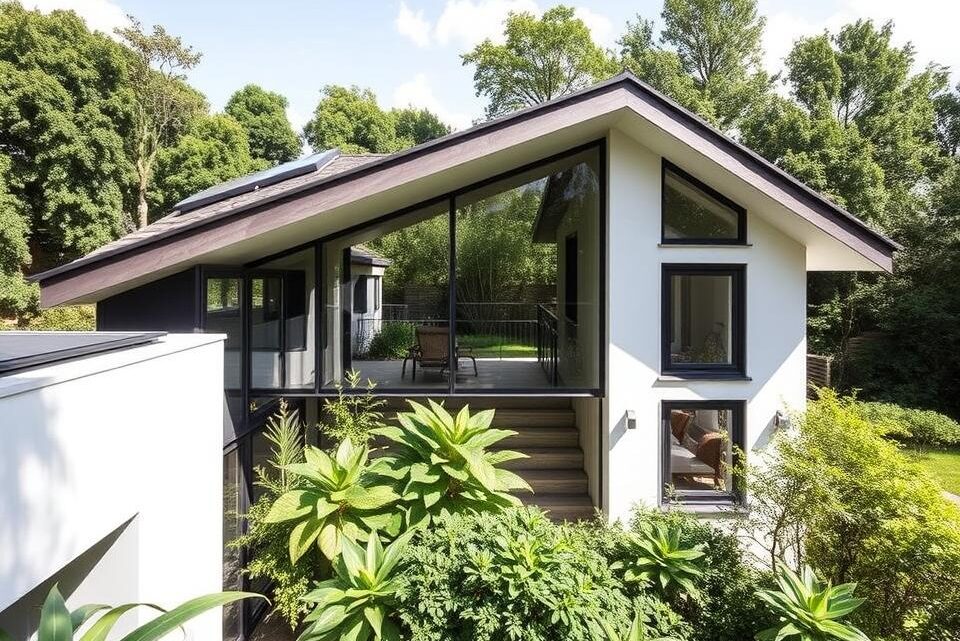
Selecting the perfect roof style for your garden building transforms an ordinary outdoor structure into a stunning focal point. Whether you’re considering log cabin roofs or exploring summerhouse roof options, the right design impacts both aesthetics and functionality.
Garden building roof styles are more than just protective coverings. They define the character of your outdoor space, influencing everything from visual appeal to weather resistance. Each roof type – apex, reverse apex, pent, flat, and hipped – offers unique benefits for different garden environments.
Understanding the nuances of garden building roof styles helps homeowners make informed decisions. Your chosen roof will determine how the structure integrates with existing landscaping, withstands local weather conditions, and meets practical storage or relaxation needs.
Inhaltsverzeichnis
Key Takeaways
- Roof style significantly impacts garden building functionality
- Different designs suit varied architectural preferences
- Weather resistance varies between roof types
- Aesthetic integration matters for garden structures
- Practical considerations should guide roof selection
Understanding Garden Building Roof Styles: An Overview
Selecting the perfect roof for your garden structure involves more than just protection from the elements. Garden structure roofs play a crucial role in defining the aesthetic appeal and functionality of outdoor buildings. The right roof design can transform a simple garden building into a stunning architectural feature.
When exploring roof design aesthetics, homeowners have multiple options to consider. Each roof style brings unique characteristics that can dramatically impact the overall appearance of your garden building.
Impact of Roof Design on Aesthetics
Roof design aesthetics are fundamental in creating visual harmony within your garden space. Different roof styles can complement various architectural themes:
- Modern minimalist gardens benefit from sleek, flat roofs
- Traditional spaces suit pitched or apex roof designs
- Contemporary gardens often prefer asymmetrical roof structures
Basic Roof Terminology for Garden Structures
Understanding roof terminology helps in making informed decisions. Key terms include:
- Pitch: The angle or steepness of a roof
- Eaves: The lower edge of the roof extending beyond the wall
- Ridge: The highest point where roof planes meet
Key Factors in Roof Style Selection
When choosing a garden structure roof, consider these critical elements:
- Local climate conditions
- Intended use of the garden building
- Existing garden landscape design
- Budget and maintenance requirements
By carefully evaluating these aspects, you can select a roof style that not only protects your garden building but also enhances its visual appeal.
The Classic Apex Roof: Traditional Beauty and Functionality

Traditional garden buildings have long celebrated the timeless appeal of apex roof designs. This classic roof style offers a distinctive triangular shape that brings both aesthetic charm and practical benefits to garden structures. Apex roofs represent the quintessential solution for homeowners seeking a reliable and visually appealing roof option.
The apex roof provides several key advantages for traditional garden buildings:
- Exceptional water drainage capabilities
- Increased internal headroom
- Enhanced natural light penetration
- Superior ventilation options
Pitched roof advantages become immediately apparent with the apex design. The steep slopes efficiently channel rainwater away from the building, preventing water accumulation and potential structural damage. Gardeners and outdoor enthusiasts appreciate how this roof style maximises usable interior space while maintaining a classic architectural silhouette.
| Roof Feature | Benefit |
|---|---|
| Triangular Shape | Optimal Water Runoff |
| Steep Pitch | Increased Interior Height |
| Central Ridge | Improved Structural Integrity |
Homeowners seeking a versatile and aesthetically pleasing garden building roof will find the apex design an excellent choice. Its ability to complement various architectural styles makes it a popular selection for log cabins, summerhouses, and garden storage solutions.
Reverse Apex Roofs: Maximising Garden Views and Space
Garden buildings have evolved dramatically, with reverse apex design emerging as a innovative solution for homeowners seeking to maximise their outdoor living spaces. This unique roof style offers a fresh approach to garden structure aesthetics and functionality.

The reverse apex roof represents a clever architectural strategy for space maximisation. Unlike traditional roof designs, this configuration creates distinct advantages for garden building views and interior layout.
Benefits of Front-to-Back Design
- Increased natural light penetration
- Enhanced visual connection with garden landscape
- Improved interior height and spatial perception
- Unique architectural statement
Ideal Positioning in Your Garden
Selecting the perfect location for a reverse apex garden building requires strategic thinking. Considerations include:
- Sunlight exposure
- Existing landscape features
- Garden views and sight lines
- Proximity to existing structures
Weather Protection Considerations
Garden building views aren’t the only priority with reverse apex designs. These structures offer robust weather protection through intelligent roof engineering. The angled roof allows efficient water runoff and provides excellent protection against harsh British weather conditions.
Homeowners can expect superior durability and performance from this innovative roof style, making it an excellent investment for those seeking both aesthetic appeal and practical functionality.
Pent Roof Designs: Modern Simplicity for Contemporary Gardens

Pent roof designs represent the pinnacle of modern garden buildings, offering a sleek and contemporary approach to outdoor structures. These single slope roofs bring pent roof simplicity to gardens, creating a minimalist aesthetic that complements modern landscaping.
The key characteristics of pent roof designs include:
- A single sloping surface that creates a clean, streamlined look
- Perfect for smaller garden spaces
- Excellent water drainage capabilities
- Maximum natural light entry
Homeowners appreciate pent roof structures for their versatility. These modern garden buildings work exceptionally well in compact urban gardens, where space is at a premium. The asymmetrical design allows for creative positioning against walls or fences, maximising available garden area.
| Design Feature | Benefit |
|---|---|
| Single Slope Roof | Enhanced water runoff |
| Minimalist Aesthetic | Contemporary garden appeal |
| Compact Design | Ideal for small spaces |
When selecting a pent roof design, consider your garden’s specific requirements. The simplicity of these structures allows for easy integration with various architectural styles, making them a popular choice for garden enthusiasts seeking both functionality and visual appeal.
Flat Roof Options: Contemporary Solutions for Garden Buildings
Contemporary roof design has transformed flat roof garden buildings into stylish and practical outdoor structures. Gone are the days when flat roofs were considered problematic or unattractive. Modern innovations have revolutionised how we approach these sleek architectural elements.
Flat roof garden buildings now offer homeowners a range of sophisticated options that blend functionality with aesthetic appeal. These structures provide a minimalist, clean look that complements modern garden landscapes.
Essential Drainage Considerations
Roof drainage solutions are critical for flat roof garden buildings. Proper water management prevents potential structural damage and ensures longevity. Key drainage strategies include:
- Integrated slight pitch for water runoff
- High-quality waterproof membranes
- Strategically placed drainage channels
- Regular maintenance inspections
Modern Materials and Installation Techniques
Contemporary flat roof technologies have significantly improved performance and durability. Advanced materials like EPDM rubber, fibreglass, and modified bitumen provide excellent weather resistance and extended lifespan.
Professional installation is crucial. Skilled technicians ensure:
- Precise membrane fitting
- Seamless waterproofing
- Optimal thermal insulation
- Structural integrity
Investing in quality materials and expert installation guarantees a flat roof garden building that combines style, functionality, and long-term performance.
Hipped Roof Styles: Elegant Solutions for Garden Structures

Hipped roof designs represent the pinnacle of garden structure aesthetics, offering a sophisticated approach to outdoor building design. These multi-sloped roofs create a distinctive silhouette that elevates the visual appeal of garden buildings, transforming simple structures into architectural statements.
The unique characteristics of hipped roof elegance include:
- Gentle slopes on all four sides of the roof
- Enhanced stability during windy conditions
- Improved water drainage
- Harmonious integration with surrounding landscape
Garden structures with hipped roofs typically feature a more proportionate and balanced appearance. The sloping design provides practical benefits beyond aesthetics. Wind resistance becomes significantly improved, making these roofs an excellent choice for exposed garden locations.
Homeowners appreciate hipped roofs for their versatility. Whether you’re designing a compact garden shed or a spacious summerhouse, this roof style adapts seamlessly to various architectural requirements. The gentle slopes create additional headroom and can accommodate interesting interior design possibilities.
A well-designed hipped roof transforms a simple garden building into an elegant architectural feature.
When considering multi-sloped roofs for your garden structure, remember that professional installation ensures optimal performance and longevity. The complexity of the design requires skilled craftsmanship to achieve the perfect balance of form and function.
Roof Style for Log Cabins or Summerhouses: Making the Right Choice
Selecting the perfect roof style for your log cabin or summerhouse requires careful consideration of both aesthetic and functional aspects. The right summerhouse roof selection can transform your garden structure from a simple outdoor space to a stunning focal point that withstands local climate challenges.

When exploring log cabin roof styles, you’ll encounter several key options that dramatically impact your building’s performance and appearance. Each roof type offers unique benefits tailored to specific purposes and environmental conditions.
Matching Style with Building Purpose
Your summerhouse’s intended use plays a crucial role in roof style selection. Consider these primary considerations:
- Home office spaces benefit from apex roofs providing maximum headroom
- Garden retreats might prefer reverse apex designs for enhanced natural lighting
- Entertainment areas require robust, weather-resistant roofing
Climate-Appropriate Roofing Selection
Climate-appropriate roofing is essential for protecting your garden building. Different roof styles manage water, snow, and wind variations uniquely.
| Roof Style | Rain Performance | Snow Resistance | Wind Durability |
|---|---|---|---|
| Apex Roof | Excellent | Good | High |
| Pent Roof | Good | Limited | Moderate |
| Flat Roof | Poor | Low | Low |
“The right roof isn’t just about looks—it’s about creating a resilient garden structure that serves your needs perfectly.” – Garden Design Expert
When choosing your log cabin roof style, prioritise local weather patterns, intended usage, and long-term maintenance requirements. A thoughtful selection ensures your summerhouse remains a cherished garden feature for years to come.
Material Considerations for Different Roof Styles
Selecting the right garden building roofing materials is crucial for ensuring long-term durability and performance. Each roof style demands specific materials that complement its design and functional requirements.
Roof durability depends on choosing appropriate materials that can withstand local weather conditions. Different garden building styles present unique challenges for material selection.
- Apex Roofs: Ideal for traditional asphalt shingles or metal roofing
- Flat Roofs: Perfect for eco-friendly roofing options like EPDM rubber
- Pent Roofs: Suited for lightweight materials such as bitumen felt
Modern homeowners increasingly prioritise eco-friendly roofing options. Green roofing solutions offer multiple benefits:
- Enhanced insulation
- Reduced environmental impact
- Improved aesthetic appeal
When evaluating garden building roofing materials, consider factors like:
- Climate resistance
- Maintenance requirements
- Cost-effectiveness
- Longevity
Professional consultation can help determine the most suitable roofing material for your specific garden building, ensuring optimal performance and visual harmony.
Planning Permission and Building Regulations for Garden Building Roofs
Navigating the legal landscape of garden building regulations can be challenging for homeowners. Understanding the intricacies of roof height restrictions and professional installation requirements is crucial for creating a compliant and safe garden structure.
Garden building regulations vary across different local authorities in the United Kingdom. Before embarking on your garden building project, it’s essential to familiarise yourself with specific local guidelines that might impact your roof design and overall structure.
Height Restrictions for Garden Buildings
Local planning regulations typically impose strict height limitations for garden buildings. These restrictions often depend on several key factors:
- Proximity to property boundaries
- Specific location within your garden
- Intended use of the structure
- Overall garden building dimensions
“Always check with your local planning department before commencing any garden building project” – Royal Town Planning Institute
Professional Roof Installation Requirements
Professional roof installation becomes critical when dealing with complex roof designs or structures exceeding standard permitted development rights. Certified professionals ensure:
- Compliance with building regulations
- Structural integrity
- Proper waterproofing techniques
- Appropriate material selection
Investing in professional roof installation can save significant time and potential legal complications in the long run.
Some garden buildings may require full planning permission, especially if they exceed specific height restrictions or are located in conservation areas. Consulting with a local planning expert can provide tailored guidance for your specific project.
Cost Comparison of Different Roof Styles
Navigating garden roof costs can be challenging for homeowners planning their outdoor structures. Different roof styles come with varying price points, making budget-friendly roofing options crucial for smart decision-making.
When exploring roof style pricing, several key factors influence overall expenses:
- Material selection
- Complexity of design
- Installation requirements
- Long-term maintenance needs
Let’s break down the approximate cost ranges for popular garden building roof styles:
| Roof Style | Average Cost Range | Maintenance Complexity |
|---|---|---|
| Apex Roof | £500 – £1,500 | Low |
| Pent Roof | £350 – £1,200 | Very Low |
| Flat Roof | £400 – £1,800 | High |
| Hipped Roof | £750 – £2,000 | Medium |
Budget-conscious gardeners can reduce costs by considering:
- Selecting simpler roof designs
- Choosing cost-effective materials
- Planning DIY installation
- Comparing multiple supplier quotes
Pro tip: Always factor in long-term maintenance expenses when calculating your total garden building roof investment.
Maintenance Requirements and Longevity
Maintaining your garden building’s roof is crucial for ensuring long-lasting garden roofs and protecting your investment. Proper roof care for log cabins and other garden structures can significantly extend their lifespan and prevent costly repairs.
Different roof styles require specific roof maintenance tips to keep them in optimal condition. Regular inspections and proactive care are key to preserving your garden building’s structural integrity.
- Inspect the roof twice yearly, ideally in spring and autumn
- Remove debris and fallen leaves promptly
- Check for signs of water damage or moss growth
- Repair minor damages immediately to prevent escalation
The longevity of garden building roofs varies depending on materials and maintenance. Proper care can extend a roof’s life by several years.
| Roof Type | Average Lifespan | Maintenance Frequency |
|---|---|---|
| Apex Roof | 15-20 years | Biannual inspection |
| Flat Roof | 10-15 years | Quarterly check |
| Pent Roof | 12-18 years | Biannual inspection |
Investing time in regular maintenance not only protects your garden building but also ensures you can enjoy your outdoor space for years to come.
Conclusion
Selecting the right roof style for your garden building involves careful consideration of multiple factors. Garden roof style selection is not just about aesthetics but also functionality, climate resilience, and personal preference. Each roof design offers unique advantages, from the classic apex to the contemporary flat roof.
Your personalised roof choices should align with your specific garden environment and intended use. Informed roofing decisions require understanding architectural characteristics, potential maintenance needs, and long-term performance. The roof you select will significantly impact your garden building’s visual appeal, durability, and practical utility.
Remember that your garden structure is an extension of your outdoor living space. Whether you prefer traditional designs like the apex roof or modern styles such as the pent or flat roof, prioritise a solution that complements your landscape and meets your practical requirements. Invest time in researching and consulting professionals to ensure your garden building becomes a cherished addition to your property.
Ultimately, the perfect roof is one that balances beauty, functionality, and your individual taste. By considering factors like climate, budget, and intended use, you can create a garden building that not only looks stunning but serves your needs perfectly.
FAQ
What roof style is best for a small garden building?
For smaller garden structures, a pent roof is often an excellent choice. Its single sloping surface provides a modern, minimalist look that works well in compact spaces and can be particularly effective when positioned against a wall or fence.
How do different roof styles affect water drainage?
Roof styles significantly impact water drainage. Apex roofs offer excellent water runoff due to their triangular shape, while flat roofs require more careful drainage design with specific falls and drainage systems to prevent water pooling.
Do I need planning permission for a garden building with a specific roof style?
Planning permission requirements vary depending on the roof height, building size, and local regulations. Generally, smaller garden buildings under 2.5 metres in height may be considered permitted development, but it’s always best to check with your local planning authority before proceeding.
Which roof style offers the most interior headroom?
The traditional apex roof typically provides the most interior headroom, with its peaked design creating more vertical space in the centre of the building. This makes it ideal for log cabins or summerhouses where you want maximum usable interior space.
Are flat roofs durable for garden buildings?
Modern flat roofs have significantly improved in durability. Using contemporary materials like EPDM rubber or fibreglass, they can now offer excellent weather resistance and longevity when properly installed and maintained.
How does roof style impact the overall cost of a garden building?
Roof style can substantially affect the total cost. Apex and pent roofs are typically more budget-friendly, while more complex designs like hipped roofs may increase overall construction costs due to additional materials and labour required.
What roof style works best in areas with heavy rainfall?
In regions with significant rainfall, apex or hipped roofs are ideal. Their steeper slopes and multiple sides ensure quick water runoff, reducing the risk of water damage and providing excellent protection against heavy precipitation.
Can I modify the roof style after initial construction?
Changing a roof style after initial construction is possible but can be complex and expensive. It’s crucial to consult with a professional builder who can assess the structural implications and provide accurate guidance on potential modifications.
How do roof styles impact interior temperature?
Roof styles can significantly affect interior temperature. Apex roofs with proper ventilation can help regulate temperature, while flat roofs might require additional insulation to manage heat absorption and retention effectively.
What maintenance is required for different roof styles?
Maintenance varies by roof style. Flat roofs typically need more frequent inspections and potential resealing, while pitched roofs like apex or hipped designs generally require less intensive maintenance. Regular checks for damage, debris, and potential water ingress are recommended for all roof types.

