Shed Roof Repair DIY: Step-by-Step Guide
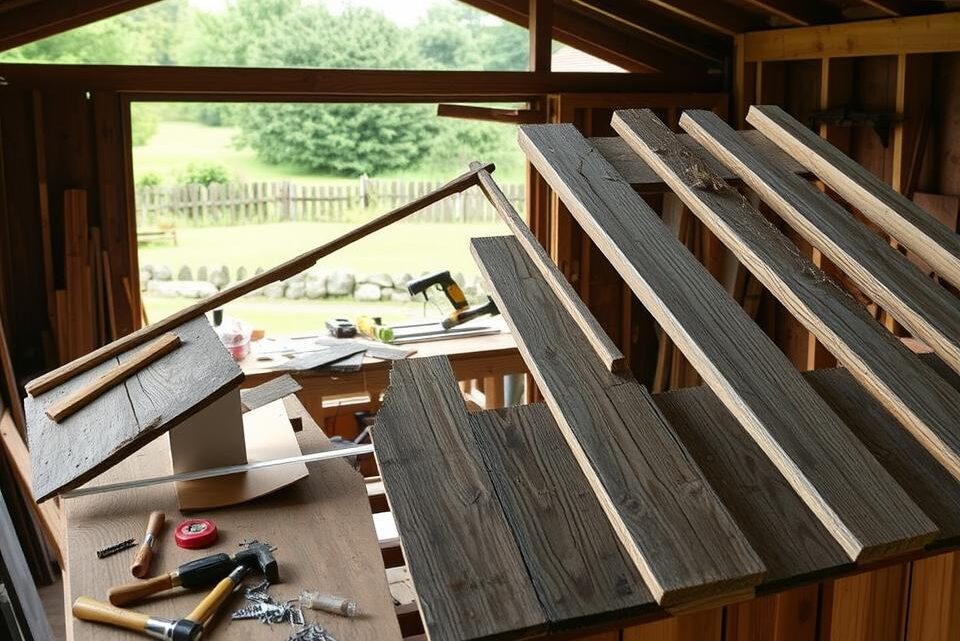
This concise introduction explains the purpose of this shed roof repair DIY article and what you will gain by reading. Designed for homeowners and gardeners across the United Kingdom, the guide walks you through how to spot common issues, decide whether a DIY shed roof fix is suitable, follow safety precautions, select the right tools and materials, and carry out repairs on felt, corrugated and shingle roofs.
Following this shed roof repair guide helps you save on labour costs compared with hiring a roofer, speeds up turnaround for urgent garden shed roof repair, and extends the life of your shed so stored items remain protected. For many straightforward repairs and modest shed roof replacement UK jobs, a competent DIYer can achieve professional‑looking results.
There are limits. Structural failures, widespread rot or complex conversions from flat to pitched roofs require a qualified roofer. Contact local roofing specialists or firms registered with the Federation of Master Builders or TrustMark for those jobs to ensure safety and compliance.
Inhaltsverzeichnis
Key Takeaways
- This guide covers how to identify damage and plan a DIY shed roof repair.
- DIY repairs can reduce costs and protect stored items when done correctly.
- Simple repairs suit competent DIYers; major structural problems need a registered roofer.
- The article explains safety, tools, materials and specific fixes for felt, corrugated and shingle roofs.
- For complex shed roof replacement UK projects, contact firms listed with TrustMark or the Federation of Master Builders.
Understanding common shed roof problems and causes
Recognising shed roof problems early saves time and money. This short overview sets out typical signs to watch for, the main causes behind damage, and how different materials age. Read on to spot issues before they worsen.
Typical signs of roof damage to look for
Water ingress shows as damp patches, peeling paint, mould and a musty smell inside the shed. These are classic signs of roof damage that often point to hidden roof leaks.
On the exterior, look for blistering felt, missing or cracked shingles, rust spots on metal sheets and warped corrugated panels. Sagging rooflines and daylight visible through joints are structural red flags.
Fastener failure is common. Popped nails, loose screws or missing fixings let movement occur and allow water entry. A soft or spongy roof deck is a sign that rot has begun.
Common causes: weather, age, poor installation and pests
Weather is a leading cause. Prolonged rain, wind uplift, hail and UV exposure all fatigue materials. Freeze–thaw cycles and heavy snow add extra stress and can cause sagging.
Age matters. Felt, shingles and corrugated sheets wear out. Felt often lasts 5–15 years depending on quality. Older iron and fibre cement may corrode or delaminate, showing typical shed rot causes.
Poor installation speeds failure. Inadequate overlaps, too few fixings or missing flashing lead to premature roof leaks. Seals around ridges, eaves and penetrations are frequent weak spots.
Pests and vegetation create problems too. Bird and wasp nests lift roofing, rodents chew membranes and climbing plants trap moisture. Such infestations are a common source of pest damage shed roof owners overlook.
How different roof materials fail over time
Roofing felt tends to split and become brittle. Adhesion fails and ponding areas develop on low slopes, leading to leaks.
Corrugated metal, whether galvanised steel or aluminium, corrodes at cut edges and around fixings. Lap seals break down and rust spots become entry points for water.
Corrugated plastic like PVC or polycarbonate discolours with UV exposure. It grows brittle, cracks and its fixing holes enlarge, creating gaps for wind and rain.
Shingles and tiles lose granules, crack or slip. Broken nails and underlay deterioration cause wind-driven and persistent roof leaks.
Timber decking and rafters suffer from prolonged moisture and insect attack. Rot progresses where damp persists, explaining many shed rot causes seen in the UK climate.
shed roof repair diy
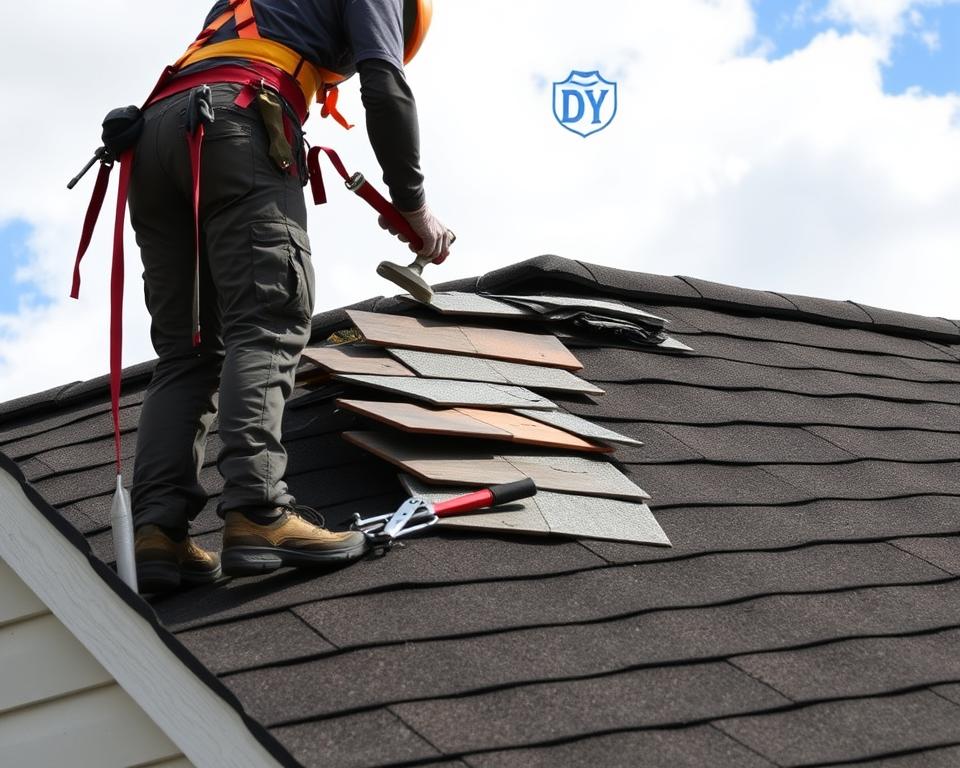
Deciding between a DIY job and hiring a tradesperson depends on the task, your skills and the size of the repair. Small to moderate fixes, such as patching felt, replacing a couple of corrugated panels, re‑sealing flashing or swapping a few shingles, are realistic for many homeowners. These jobs suit straightforward DIY roof repair where risks are low and tools are basic.
Call a professional when structural timber shows widespread rot, decking or rafters need replacement, the roof is high or steep and requires specialist access, or the job exceeds a weekend project. If the shed sits within a listed property or shared building, legal rules may force a professional appointment. Knowing when to call a roofer protects safety and prevents wasted effort.
Assessing your own skills and available time
Be honest about ladder work, cutting materials and using power tools. If you lack experience with carpentry or sealing, the chance of a poor repair rises. Garden maintenance experience helps, but accurate measurement and a neat waterproof finish matter most.
Simple patches can take a few hours. Re‑felting or re‑sheeting may take a full weekend or longer because of adhesive cure times and drying. Think about the total time, not just labour on the roof, when weighing DIY vs professional roofing UK.
Estimating costs for a DIY repair vs professional service
DIY costs centre on materials, fixings, sealants, small tools, PPE and possible ladder hire. Suppliers such as Wickes, Jewson and B&Q stock felt, shingles and corrugated sheets at competitive prices. Typical DIY spend for a felt patch sits around £20–£60.
Re‑felting a small 6x4ft shed often costs £50–£150 in materials. If you need help or hire labour, expect total charges in the region of £300–£500. Corrugated panels typically cost £10–£40 each depending on the material and finish.
| Work type | DIY typical cost | Professional estimate | Notes |
|---|---|---|---|
| Felt patch | £20–£60 | £80–£200 | Low skill, quick fix |
| Re‑felting small shed (6x4ft) | £50–£150 | £300–£500 | Materials vs labour and access |
| Corrugated panel replacement | £10–£40 per panel | £200–£600 overall | Panel cost plus fixings and sealant |
| Full replacement / complex works | Variable material cost | £200–£800+ | Access, scaffold and waste add cost |
Remember hidden charges: waste disposal, scaffold or access hire, specialist adhesives and VAT. Compare these with the time you must invest and the likelihood of a lasting repair when weighing shed repair costs.
For larger or uncertain jobs, contact reputable local roofing contractors, specialist shed‑roofing installers or national trades registered on Checkatrade, TrustATrader or the Federation of Master Builders. Their quotes clarify the balance between DIY savings and the value of professional guarantees in the DIY vs professional roofing UK debate.
Safety considerations and required personal protective equipment
Before you step onto a roof, take a moment to plan for safety. A clear plan reduces risk when working at height shed roof projects. Check weather, set up suitable access and ensure you have the right kit for roof safety PPE and ladder safety.
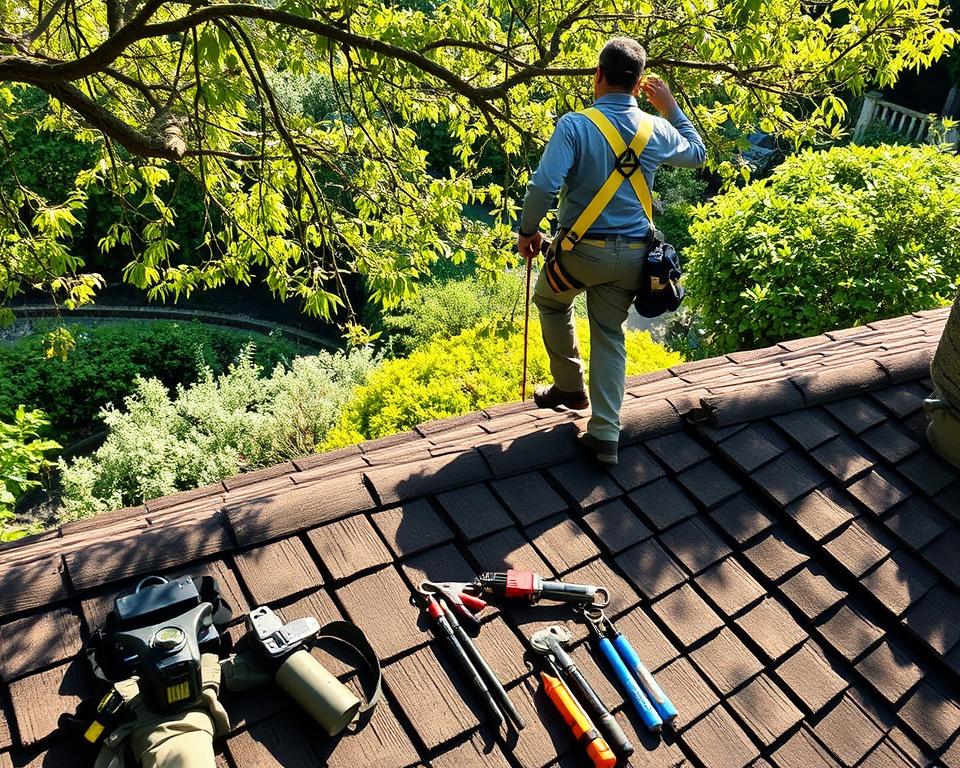
Essential PPE for working at height
Wear a hard hat compliant with EN 397 to protect from falling debris. Use safety goggles or glasses when cutting or nailing. Choose work gloves with a good grip and sturdy non‑slip footwear; steel‑toe boots are useful for heavy loads. High‑visibility clothing helps when neighbours or passersby are nearby.
For power‑tool work, add respiratory protection such as an FFP2 or FFP3 mask when cutting fibre cement. Use ear defenders for noisy tasks. Cut‑resistant gloves protect hands during sheet handling and when using sharp tools. These items form the core of roof safety PPE for safe DIY roofing UK jobs.
Ladder safety and safe access to the roof
Choose a ladder that meets EN 131 and inspect it for cracks, loose rungs or damaged feet before use. Set the ladder at roughly 75° and secure the base. Tie the ladder off at the top if possible and fit a ladder stabiliser when working near gutters to avoid damage.
Maintain three points of contact while climbing and avoid overreaching; move the ladder instead. Do not use a ladder in high winds or sleet. For longer jobs, hire an access platform or mobile scaffold from HSS, Speedy Hire or a local hire shop to improve safety and comfort.
Working alone versus having an assistant
Having an assistant makes tasks safer. A helper can steady the ladder, pass tools and act quickly in an emergency. This reduces the chance of accidents during working at height shed roof repairs.
If you must work alone, keep a charged mobile phone on you and tell someone your plans and expected finish time. Consider personal fall‑arrest systems for higher or riskier work. Use correct manual handling when lifting felt rolls or corrugated sheets, or use mechanical aids to avoid strains.
Tools and materials checklist for shed roof repair
Before you climb up, gather the right shed roof tools and materials. A tidy kit speeds work and cuts mistakes. Place tools near the door so you can fetch what you need without leaving the roof midway through a run of nails.

Hand tools and power tools commonly needed include tape measure, chalk line, utility knife, claw hammer and a flat bar for prising old nails. Tin snips are essential for metal and an oscillating multi‑tool helps with tight cuts. A battery drill/driver with screwdriver bits and a rivet gun save time when fitting corrugated sheets. If you plan larger cuts, a circular saw or jigsaw will handle decking. Keep a caulking gun to hand for sealant runs.
Choose roofing materials UK to suit pitch and budget. For low slopes, felt remains a common choice with traditional mineral felt, torch‑on options and self‑adhesive membranes for easy patches. For steeper pitches, composite or asphalt shingles offer quick installation and good weathering. Corrugated sheets come in galvanised steel, aluminium and polycarbonate when you need light to pass through. Decide based on longevity and appearance.
When weighing felt vs shingles, think of durability, cost and ease of repair. Felt can be economical and simple to patch using bitumen underlay and rolls of self‑adhesive membrane. Shingles tend to give better protection on pitched roofs and come in interlocking designs from DIY retailers. Match underlay and decking to the chosen finish for a stable base.
Fixings, sealants and waterproofing products are the small items that stop leaks from returning. Use galvanised clout nails for felt and specific clout head nails for shingles. For metal and plastic sheets choose corrosion‑resistant roofing screws with EPDM washers. Corrugated roof fixings must sit flush and seal the washer to prevent water ingress.
Roofing sealant UK choices include polyurethane and silicone sealants, bitumen mastic for felt joins and butyl tape for lap sealing. For metal, apply anti‑corrosive primer before a finishing coat. Trusted brands such as IKO, Marley and Everbuild supply flashings, verge trims and ridge components that match common roof systems.
Below is a compact checklist to tick off before starting work. It groups tools, materials and consumables so you can load the van once and leave with confidence.
| Category | Items | Notes |
|---|---|---|
| Measuring and marking | Tape measure; chalk line; pencil | Accurate cuts reduce waste and rework |
| Hand tools | Claw hammer; flat bar; utility knife; roofing brush | Keep blades sharp; wear gloves |
| Power tools | Battery drill/driver; jigsaw or circular saw; oscillating tool | Use cordless for safety on roofs |
| Metal work | Tin snips; rivet gun; corrugated roof fixings | Trim edges and seal rivets to prevent leaks |
| Roof coverings | Felt rolls or torch‑on; shingles; corrugated sheets | Select roofing materials UK suited to pitch and budget |
| Decking and underlay | OSB or exterior plywood; bitumen underlay; breathable membrane | Replace rotten decking to extend roof life |
| Fixings and fasteners | Galvanised clout nails; roofing screws with EPDM washers | Match length and corrosion resistance to material |
| Sealants and tapes | Roofing sealant UK (polyurethane/silicone); butyl tape; bitumen mastic | Use primer where recommended for best adhesion |
| Flashings and trims | Galvanised or aluminium flashings; verge and ridge trims | Brands such as IKO and Marley have compatible trims |
| Protection and safety | Work gloves; eye protection; roof ladder; harness if steep | Follow ladder safety and PPE guidance at all times |
Preparing the shed and roof for repair
Before any work begins, clear the area and make the shed ready. Move stored items to a dry, secure place to ensure shed interior protection. Lay tarpaulins and dust sheets across floors and around the work zone to catch debris and prevent damage.
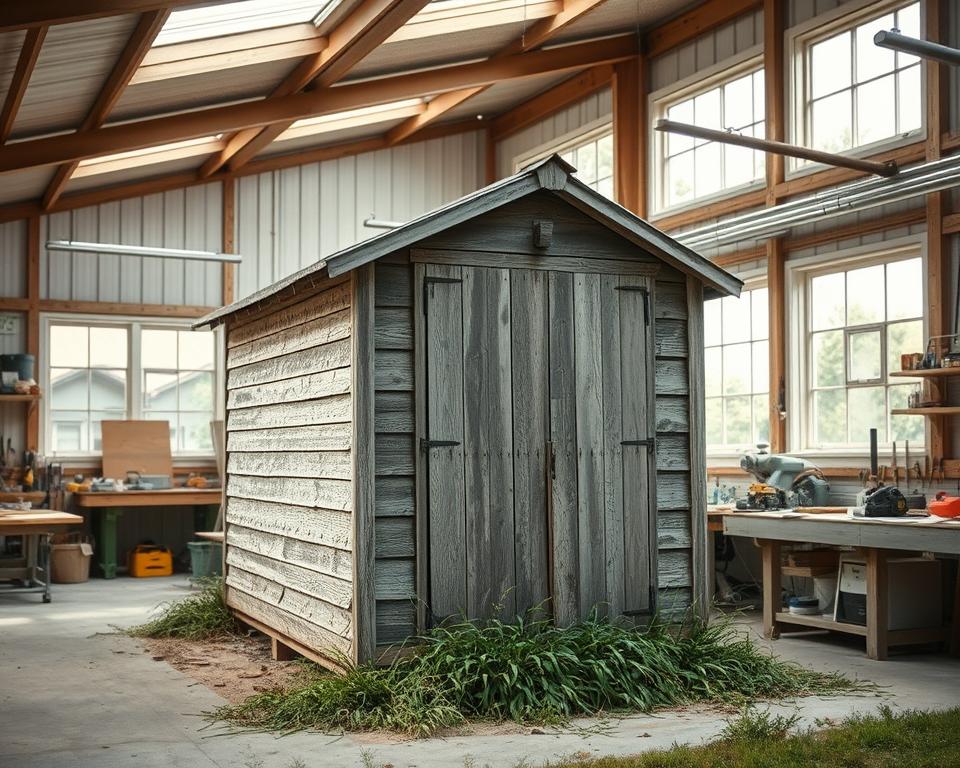
Notify neighbours if the job will be noisy or restrict access. Set up waste containment with heavy‑duty builder’s bags and a skip for large removals. Check local recycling centres for disposal rules, especially for older materials.
Clearing the area and protecting the interior
Empty shelves and cupboards to protect tools and belongings. Use double layers of dust sheets where water or fine debris could reach. Keep a route clear for lowering materials and moving the skip.
Removing old roofing materials safely
Identify the roof covering before you remove it. If cement sheets from older builds might contain asbestos, stop work and contact a UK accredited asbestos contractor for testing and licensed removal.
Strip felt or shingles from ridge to eaves using a pry bar, taking care not to gouge the decking. Unscrew metal or plastic panels and cut them into manageable pieces for safe lowering. Remove corroded fixings and clear the surface so new materials sit flush.
Inspecting and repairing the roof deck or rafters
Probe decking with a screwdriver to find soft spots, delamination or rot. Replace damaged boards with exterior‑grade plywood or suitable timber. Treat remaining timbers with a preservative such as Cuprinol or Ronseal wood preserver.
Check rafter alignment and spacing. Where rafters are weak, sister new timbers and fix with galvanised joist hangers for a secure connection. Confirm the roof has adequate fall for drainage; reprofile or add a tapered overlay on flat roofs to avoid ponding and support long‑term durability.
Step-by-step repair process for popular shed roof types
This guide walks through common repairs for felt, corrugated and shingle roofs. Read each short procedure before you start. Keep PPE to hand and follow manufacturer guidance from brands such as IKO and Tarmac when working with felt products.
Repairing felt roofs
For small leaks, cut away the damaged felt to sound material and clean the substrate. Prime the area, then apply a self‑adhesive felt patch or a torch‑on patch if you have experience with hot works. Press the patch firmly to remove air pockets and seal the edges with bitumen mastic.
When you need to re‑felting shed completely, remove the old layer and inspect the decking for rot. Fit a breathable underlay where recommended, roll new felt with 75–100mm overlaps and fix with clout nails at specified centres. Dress edges and fit lead‑free flashing where required to finish the perimeter.
Fixing corrugated sheets
Measure the profile accurately before you order replacement panels. Use tin snips or an angle grinder with a metal blade for steel, and a fine‑toothed blade for polycarbonate. Remove fixings and lift out the damaged sheet with an assistant to lower it safely.
Fit the new panel ensuring correct overlap and pitch. Use corrosion‑resistant screws with EPDM washers and fit neoprene washers at each fixing point to prevent leaks. Seal end laps and ridges with butyl tape or approved sealant and fit verge and ridge cappings. Check for galvanic corrosion when mixing metals and replace any compromised flashings.
Shingle and tile repairs
To repair shed shingles, lift adjacent pieces and slide a replacement into place. Nail the shingle down and seal with roofing cement if needed. For composite interlocking tiles, follow the maker’s fitting instructions to avoid voiding warranties.
Clay and concrete tiles need careful handling. Use tile hooks or adhesive to secure replacements and take care not to break neighbouring tiles. Inspect and replace underlay where necessary and secure ridge and verge tiles with mortar or proprietary ridging adhesive while keeping ventilation paths clear.
| Roof type | Typical fix | Key materials |
|---|---|---|
| Felt | Patch small areas or re‑felting entire surface | IKO or Tarmac felt, primer, clout nails, bitumen mastic |
| Corrugated metal/plastic | Replace damaged sheets and seal end laps | Profiled panels, corrosion‑resistant screws, EPDM washers, butyl tape |
| Shingles/tiles | Replace single pieces and reseal ridges | Replacement shingles/tiles, roofing cement, tile hooks, underlay |
Waterproofing, flashing and finishing touches
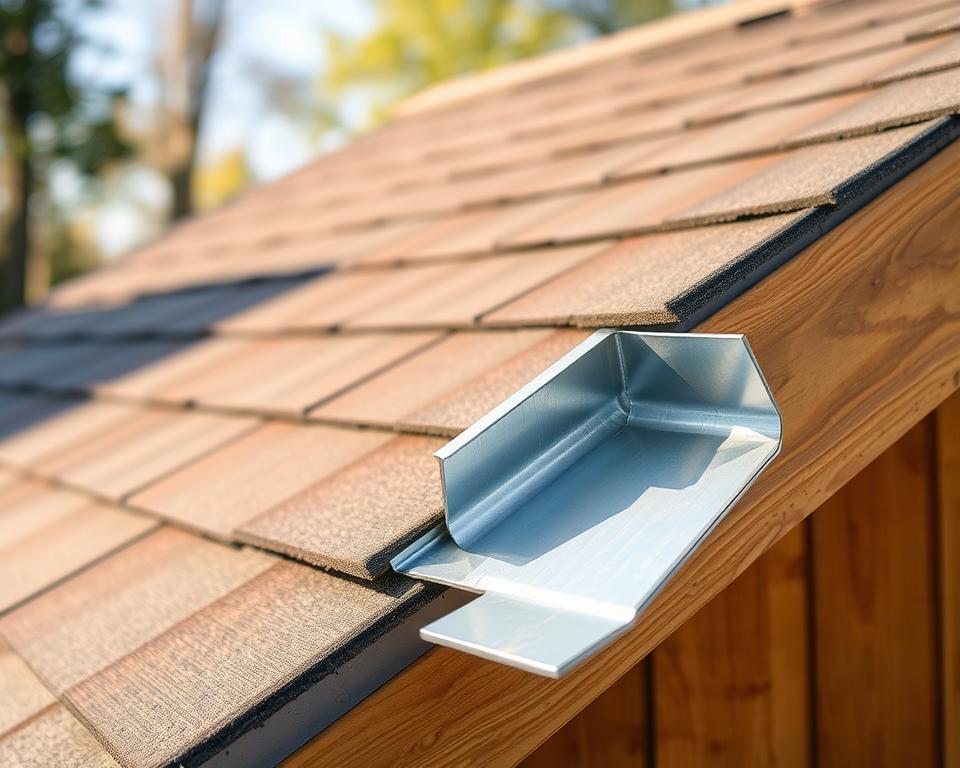
A reliable finish keeps water out and extends the life of any shed. Start by checking junctions, edges and penetrations so you can plan where roofing flashing and sealants will be fitted.
Installing or repairing flashing around edges and penetrations
Use galvanised steel, aluminium or lead‑free alternatives at abutments where the shed roof meets a wall. Fit continuous verge flashing at eaves to prevent wind uplift. Secure with stainless rivets or screws and seal laps with butyl tape or a compatible sealant.
At wall abutments choose step flashing or a continuous DPC and dress the flashing into mortar joints or behind cladding as required. Create a drip edge so capillary action cannot draw water back onto timber.
Applying sealants and damp-proof layers correctly
Select a durable product such as polyurethane or MS polymer sealant for external roofing joints. Avoid cheap silicone that may not bond to bitumen and felt. Apply roof sealant application to clean, dry surfaces and follow the manufacturer’s cure time.
Use a primer when the product guidance calls for one. For felt roofs consider a bituminous emulsion or elastomeric coating to reduce UV damage and help form a waterproof shed roof. Install a damp‑proof membrane at eaves where needed and ensure internal DPCs remain continuous to prevent rising damp.
Ensuring adequate ventilation and preventing future problems
Good airflow reduces condensation and the rot it causes. Provide ridge vents or eave ventilation in insulated or heated sheds to maintain dry timbers. Keep gutters and drip edges clear so water cannot back up and saturate the roof.
Trim overhanging branches and remove moss to reduce moisture retention. Where pruning is difficult, consult a reputable tree surgeon for safe, effective clearance. Thoughtful finishing, correct roof sealant application and proper roofing flashing will help deliver a long‑lasting waterproof shed roof with reliable shed roof ventilation.
Maintenance tips to extend the life of your shed roof
Regular attention keeps a shed roof working well and helps prolong shed roof life UK-wide. A simple routine cuts repair costs and reduces the risk of leaks. Follow a clear inspection timetable and act on small faults before they grow.
Regular inspection schedule and seasonal checks
Carry out seasonal roof checks in spring and autumn, and after storms. Look for missing fixings, lifted seams, moss build-up and any movement in the roofline. Check inside the shed for new damp patches or stains following heavy rain.
Keep a dated repair log noting what you found and what you did. That log helps spot recurring issues so you can target long-term repairs rather than repeat patching.
Minor repairs to handle immediately to avoid escalation
Deal with loose felt by re‑nailing and seal small splits with roofing mastic. Replace popped screws on metal sheets and clip down raised shingles the moment you spot them. Clearing moss and debris with a stiff brush prevents trapped moisture from worsening.
Avoid power washing; it can strip protective layers. Treat moss‑prone areas with appropriate moss inhibitors from garden suppliers, following label guidance. Replace small areas of rotten timber quickly and treat surrounding timber with preservative to limit spread.
Recommendations for protective coatings and treatments
Consider roof protective coatings suited to the material. Elastomeric coatings work well on felt and fibre cement for added UV resistance and waterproofing. For metal roofs, use anti‑corrosion primers and two‑pack paints after removing rust.
Treat timber with a quality preservative and use breathable paint systems on external cladding so moisture can escape. Regular use of suitable products will help prolong shed roof life UK homeowners expect.
Conclusion
This shed roof repair summary brings together the practical steps you need to protect your shed roof. Accurately diagnose the issue, match the repair method to the roof material and prioritise safety with suitable PPE. Decide early whether the task sits within your DIY competence or if you should engage an accredited roofer to ensure compliance with British Standards.
Preparation is central: clear and cover the interior, remove debris safely and check older roofs for hazardous materials such as asbestos. Use reputable materials—products from IKO, Marley and Everbuild are widely stocked at Wickes, Travis Perkins and B&Q—and follow manufacturer guidance and correct fixings to extend longevity and avoid repeat work.
Routine maintenance keeps small faults from becoming major bills. Adopt a regular inspection schedule, carry out minor repairs promptly and ensure proper ventilation and flashing are in place. This DIY shed repair conclusion emphasises that steady upkeep will greatly prolong the life of your roof.
Finish by making a simple action plan: inspect, prioritise repairs, gather tools and materials, pick a suitable day and, where in doubt, seek professional advice. Taking these steps will help protect your shed roof and deliver safe, durable results.
FAQ
What is covered in a shed roof repair DIY guide?
The guide explains how to identify common roof damage, decide if a DIY approach is suitable, follow essential safety precautions, gather necessary tools and materials, and carry out specific repairs for felt, corrugated and shingle roofs. It also covers waterproofing, finishing and long‑term maintenance to prolong the life of the shed and protect stored items.
When should I attempt shed roof repair myself and when should I call a professional?
Small to moderate jobs—patching felt, replacing one or two corrugated panels, re‑sealing flashing or swapping a few shingles—are generally suitable for competent DIYers. Call a professional for significant structural rot, steep or high roofs requiring specialist access, large re‑roofing projects, suspected asbestos cement sheets, or where the shed forms part of a listed or shared building. Use accredited trades through Federation of Master Builders, TrustMark, Checkatrade or TrustATrader when in doubt.
How do I recognise common signs of shed roof damage?
Look for water ingress (damp patches, mould, musty smells), exterior signs like blistering felt, missing or cracked shingles, rust on metal sheets, warped plastic panels and sagging rooflines. Inside, check for soft or spongy decking, daylight through joints, increased draughts and popped nails or loose screws.
What are the main causes of shed roof failure?
Failure commonly results from weather exposure (rain, wind uplift, UV, freeze–thaw and snow load), material age, poor installation (insufficient overlaps, wrong underlay, inadequate fixings) and biological factors such as moss, climbing vegetation, bird or rodent damage.
Which materials are most likely to fail first and how?
Felt becomes brittle, splits and loses adhesion; corrugated metal may rust at cut edges and around fixings; corrugated plastic can discolour, crack and enlarge fixing holes; shingles lose granules, crack or slip; timber decking and rafters can rot or be attacked by insects if moisture is prolonged.
What personal protective equipment (PPE) and safety measures do I need?
Essential PPE includes a hard hat (EN 397), safety glasses, work gloves, sturdy non‑slip footwear and high‑visibility clothing where appropriate. For cutting or power tools use dust masks (FFP2/FFP3), ear protection and, for fibre cement, respiratory protection. Follow ladder safety (EN 131), maintain three points of contact, secure ladders and consider scaffold or platform hire for extended work. Never work alone on high or risky tasks without an assistant or safety plan.
What basic tools and materials should I have before starting?
Typical tools: tape measure, utility knife, claw hammer, flat/pry bar, roofing brush, tin snips, drill/driver, circular or jigsaw, caulking gun and optional heat gun or rivet gun. Materials: roofing felt or self‑adhesive membranes, shingles, corrugated metal or polycarbonate sheets, corrosion‑resistant screws with EPDM washers, clout nails, bitumen mastic, butyl tape, flashings and trims from brands like IKO, Marley or Everbuild available at Wickes, B&Q or Travis Perkins.
How do I prepare the shed and roof before I begin repairs?
Clear stored items and protect the interior with tarpaulins. Set up waste containment and notify neighbours if needed. Identify roofing materials first—if asbestos cement is suspected, stop and arrange professional testing and licensed removal. Remove old roofing carefully, inspect decking and rafters and replace or treat any rotten timber before installing new materials.
What are the key steps for repairing felt roofs?
For small patches remove damaged felt to sound material, prime the substrate and fit a self‑adhesive or torch‑on patch, rolling out to remove bubbles and sealing edges with bitumen mastic. For full re‑felting strip old felt, inspect and repair decking, lay breathable underlay where recommended, roll new felt with correct overlaps and fix with clout nails, then dress and seal edges with appropriate flashing.
How do I replace corrugated metal or plastic panels safely?
Order the correct profile, remove old fixings and lift out the damaged panel with an assistant. Cut replacement panels to size using tin snips or a suitable saw, fit with correct overlap and pitch, and secure with corrosion‑resistant screws with EPDM washers. Seal laps and ridges with butyl tape or approved sealant and fit verge and ridge cappings. Protect edges and avoid galvanic corrosion when using dissimilar metals.
What is the right way to replace damaged shingles or tiles?
Lift neighbouring shingles carefully and slide a replacement into place, nailing and sealing as required. For interlocking composite systems follow manufacturer instructions. With clay or concrete tiles avoid breaking adjacent tiles and use tile hooks or adhesive for secure fixing. Replace compromised underlay and ensure ridges and verges are correctly secured and ventilated.
How should flashing and sealants be installed to prevent leaks?
Use galvanised steel, aluminium or lead‑free flashings at abutments and penetrations. Fit continuous verge flashing and dress wall abutment flashings correctly into joints or behind cladding with a drip edge. Use polyurethane or MS‑polymer sealants suitable for roofing, apply to clean dry surfaces, use primers where specified and follow manufacturer cure times. Avoid poor‑quality silicones on bitumen surfaces.
How can I improve ventilation and prevent condensation in my shed?
Add ridge vents or eave ventilation where possible, especially in insulated or heated sheds. Keep gutters clear and install guttering where practical to prevent water backing. Trim overhanging branches, clear moss and ensure internal ventilation paths are not blocked to reduce condensation and the risk of rot.
What ongoing maintenance will extend the life of my shed roof?
Inspect the roof at least twice a year and after severe weather. Re‑secure loose fixings, reseal small splits, replace popped screws and clear moss with a stiff brush rather than pressure washing. Treat timber with preservative, apply elastomeric coatings or anti‑corrosion paints as needed, and keep a repair log to monitor recurring issues.
How much should I expect to pay for common DIY shed roof repairs?
Indicative UK costs: a felt patch £20–£60; re‑felting a small 6x4ft shed £50–£150 in materials; replacing corrugated panels £10–£40 per panel; professional call‑outs or full replacements range from about £200 to £800+ depending on size and complexity. Include hidden costs like waste disposal, access hire and specialist adhesives when budgeting.
What should I do if I suspect asbestos in my shed roof?
Stop work immediately if asbestos‑cement sheets are suspected. Do not cut, drill or break the material. Contact a UK accredited asbestos contractor for testing and licensed removal. Follow local regulations for safe disposal; never attempt DIY removal of licensed asbestos material.
Which suppliers and brands are recommended for shed roofing materials?
Reputable suppliers include Wickes, B&Q, Travis Perkins and Jewson. Recommended brands for materials and chemicals include IKO, Marley and Everbuild. For tool or access hire consider HSS or Speedy Hire. Use products that meet British Standards and follow manufacturer guidance for best results.
Can I convert a flat shed roof to a pitched roof as a DIY project?
Converting to a pitched roof is a more advanced project requiring structural alterations, accurate carpentry, potential planning or building‑regulation considerations and safe access equipment. It is generally recommended to use a qualified roofer or carpenter for conversions to ensure structural safety and compliance with regulations.