
Forest Garden Planting for Sale in UK
Showing 33–40 of 80 resultsSorted by popularity
-
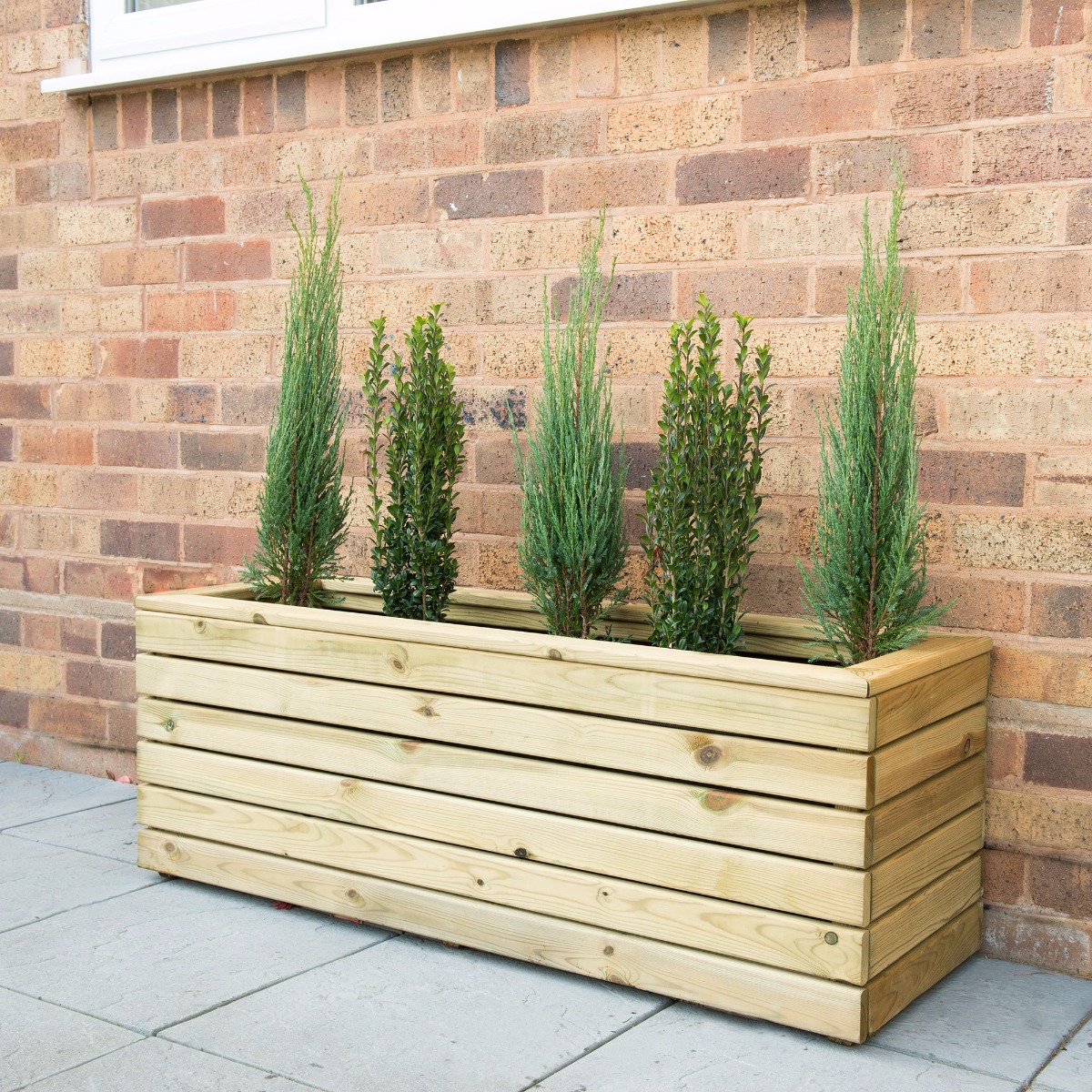
Forest Linear Long Wooden Garden Planter 4’x1′ (1.2×0.4m) £79.99
-
Forest Caledonian Square Raised Bed 3’x3′ (0.9mx0.9m) £109.99

-
Forest Beehive Wooden Compost Bin 2’5×2’6 (0.74×0.74m) £139.99

-
Forest Venice Wooden Garden Planter 6′ x 2′ (1.8m x 0.5m) £249.99

-
Forest York Hexagonal Wooden Garden Planter 3’x1’8 (0.9×0.5m) – Set of 3 £99.99

-
Forest Caledonian Corner Raised Bed 4’x4′ (1.3×1.3m) £122.99

-
Forest Raised Bed Kit 6’6 x 3’3 (2.0 x 1.0 m) £78.99

-
Forest Slender Small Wooden Garden Planter 1’x1′ (0.3×0.3m) £84.99

Discover the art of forest gardening, where nature meets nurture, and learn how to create a thriving ecosystem in your own backyard. This guide explores diverse plant varieties, benefits, and expert tips for successful implementation.
The Symphony of Layers: Understanding Forest Garden Structure
Forest gardens are a harmonious blend of different layers, each playing a vital role in the ecosystem. From towering canopy trees to the humble ground cover, each layer contributes to a balanced and sustainable garden. The primary layers include:
- Canopy Trees: These are the tallest plants, providing shade and shelter. Choose species like oak or chestnut that are native to your region.
- Understory Trees: Smaller trees such as hazelnuts or dwarf apples that thrive in the dappled sunlight beneath the canopy.
- Shrubs: Berry bushes like currants and gooseberries add diversity and offer seasonal produce.
- Herbaceous Layer: Perennials such as comfrey or mint that enhance soil fertility and attract pollinators.
- Ground Cover: Low-growing plants like clover that suppress weeds and retain soil moisture.
- Root Layer: Root vegetables such as garlic or carrots that enrich the soil and provide a hidden harvest.
- Vertical Layer: Climbers like grapes or kiwis that make use of vertical space and add another dimension to the garden.
Choosing the Right Species: Tailoring Your Forest Garden
Selecting the right plant species is crucial for a successful forest garden. Consider native plants that are well-adapted to local conditions. They not only thrive with minimal intervention but also support local wildlife. For instance, in the UK, the use of birch, elderberry, and hawthorn can create a robust and resilient garden.
The Benefits of Biodiversity: Why Diversity Matters
A forest garden thrives on biodiversity. By incorporating a wide variety of plants, you create a resilient ecosystem capable of withstanding pests and diseases. This diversity ensures a steady supply of food and resources throughout the year, reducing the need for external inputs and promoting sustainability.
Microclimates and Soil Health: The Foundations of a Forest Garden
Understanding microclimates within your garden can greatly enhance plant growth. Observe sunlight patterns, wind exposure, and moisture levels to position plants where they will flourish. Moreover, maintaining healthy soil through mulching and composting is essential for a thriving forest garden. Healthy soil supports robust root systems and enhances nutrient availability.
Companion Planting: The Art of Plant Partnerships
Companion planting is a key strategy in forest gardening. Certain plants have natural affinities that can boost each other’s growth and deter pests. For example, planting garlic near roses can repel aphids, while beans can fix nitrogen in the soil, benefiting surrounding plants. These symbiotic relationships are the cornerstone of a healthy forest garden.
Long-Term Planning: Patience and Persistence
Forest gardens are long-term projects that require patience and foresight. While initial setup may take time, the rewards are enduring. Plan for succession planting to ensure continuous productivity and be prepared to adapt your garden as it evolves. Remember, a forest garden is a living system that will mature and change over time.
Practical Tips for Success: Cultivating Your Forest Garden
To ensure success, start small and expand gradually. Observe and interact with your garden regularly to understand its needs. Keep records of what works and what doesn’t, and don’t be afraid to experiment. Finally, embrace the natural cycles of growth and decay, and let your forest garden become a reflection of nature’s balance.