
Tips for decorating a garden
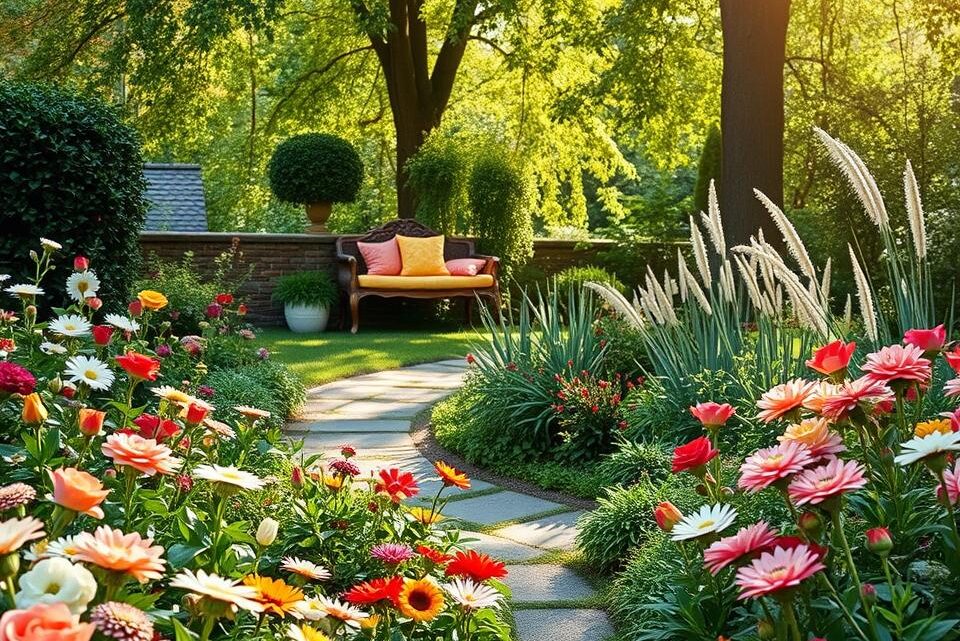
Transforming your outdoor space into a stunning garden sanctuary is an exciting journey of creativity and personal expression. Garden design ideas are not just about arranging plants but creating a living canvas that reflects your unique style and enhances your home’s beauty.
Your outdoor space holds incredible potential waiting to be unlocked. Whether you have a compact urban courtyard or a sprawling rural lawn, every garden presents an opportunity to craft a breathtaking environment that connects you with nature and provides a peaceful retreat from daily life.
Successful garden decoration combines practical considerations with artistic vision. By understanding your space’s unique characteristics and implementing thoughtful design strategies, you can create an outdoor area that not only looks beautiful but also functions perfectly for your lifestyle.
Inhaltsverzeichnis
Key Takeaways
- Understand your garden’s unique potential
- View outdoor space as a personal canvas
- Blend practical design with creative vision
- Consider your lifestyle when planning garden decor
- Embrace the transformative power of garden design
Understanding Your Garden Space and Its Potential
Successful garden planning begins with understanding the unique characteristics of your outdoor space. Your garden is more than just a patch of land—it’s a living canvas waiting to be transformed. Before diving into decorative elements, take time to observe and analyse your garden’s natural attributes.
Effective garden layout requires careful consideration of several key factors that will influence your design choices and plant selections. By mapping out your garden’s specific conditions, you’ll create a more resilient and thriving landscape.
Tracking Sunlight and Shade Patterns
Sunlight is the fundamental energy source for your garden. Spend a day tracking how sunlight moves across your space:
- Identify full sun areas receiving six or more hours of direct sunlight
- Recognise partial shade zones with filtered or intermittent light
- Note completely shaded regions protected from direct sunshine
Evaluating Soil and Drainage Conditions
Understanding your soil type is crucial for garden planning. Conduct simple tests to determine your soil’s composition:
- Perform a simple squeeze test to identify soil texture
- Check drainage by observing how quickly water absorbs after rainfall
- Consider professional soil testing for precise nutrient analysis
Your garden’s unique microclimate presents opportunities, not limitations. By working with your space’s natural characteristics, you’ll design a garden that flourishes effortlessly.
Creating Focal Points That Draw the Eye
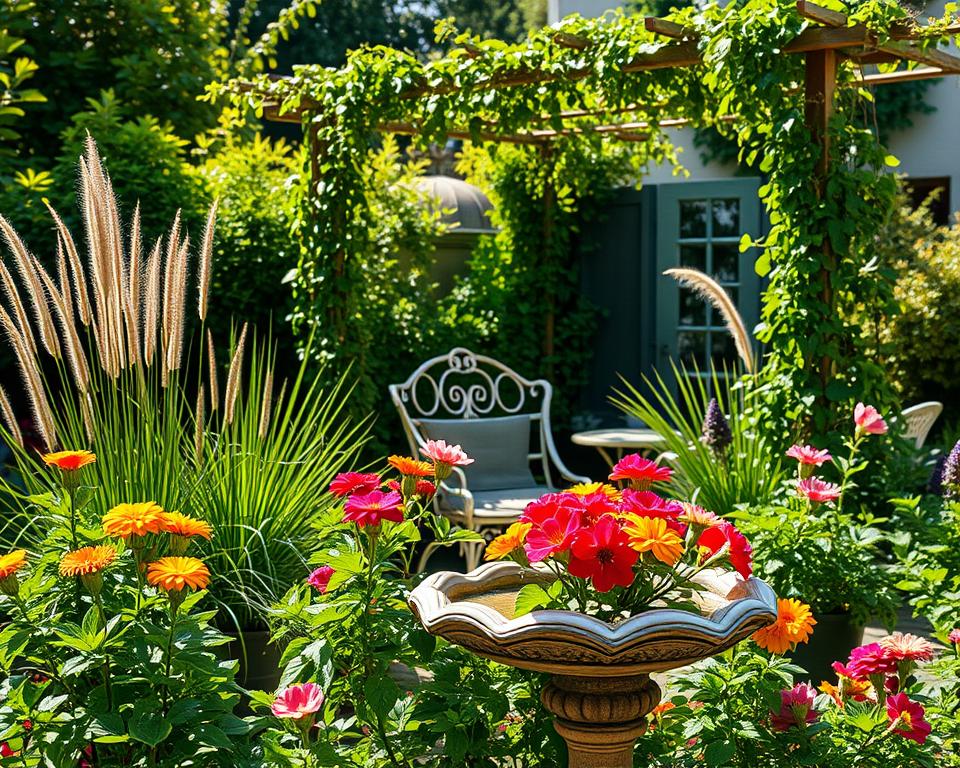
Transforming your garden into a captivating outdoor space begins with understanding the power of visual interest. Garden features that draw the eye can turn an ordinary landscape into an extraordinary visual journey.
Strategic focal points act like visual anchors, guiding visitors through your garden with purposeful design. Consider these key elements when creating compelling garden features:
- Sculptural elements that provide unexpected visual drama
- Distinctive plants with unique shapes or colours
- Architectural structures like arbours or ornamental gates
- Water features that create natural movement
When selecting focal points, consider scale and proportion. A small garden requires different approaches compared to larger spaces. Your goal is to create points of interest that complement rather than overwhelm the surrounding landscape.
Think about creating a sequence of visual experiences. Position your garden features to lead the eye from one area to another, generating intrigue and encouraging exploration. Contrasting textures, heights, and colours will help these focal points stand out and create depth in your garden design.
A well-designed garden tells a story through its carefully curated visual elements.
Remember that exceptional garden features are not just about individual elements but how they interact with the entire landscape. Your outdoor space should feel like a cohesive, thoughtfully composed artwork that invites admiration and contemplation.
Choosing the Right Colour Palette for Year-Round Appeal
Creating stunning garden aesthetics requires more than just selecting random plants. Your garden’s colour palette is a powerful tool that can transform an ordinary outdoor space into a breathtaking landscape that delights throughout the seasons.
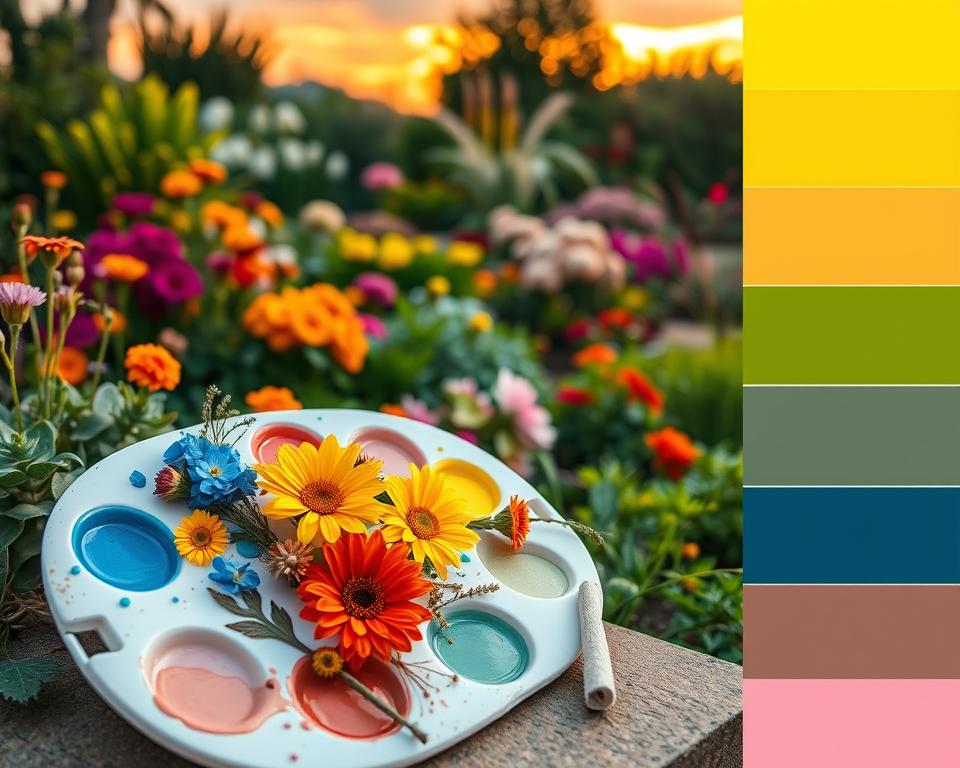
Successful planting schemes depend on understanding how colours interact and complement each other. Think of your garden as a living canvas where each plant contributes to an overall visual symphony.
Seasonal Colour Considerations
Designing a garden with year-round appeal means thinking beyond summer blooms. Consider these strategic colour planning approaches:
- Spring: Soft pastels and gentle yellows
- Summer: Vibrant oranges, reds, and purples
- Autumn: Rich burgundies, deep oranges, and golden tones
- Winter: Structural plants with silvery and evergreen foliage
Harmonising Flower and Foliage Tones
Foliage plays a crucial role in garden aesthetics. Different leaf colours can create depth and interest when strategically combined.
| Leaf Colour | Visual Impact | Best Companion Plants |
|---|---|---|
| Lime Green | Fresh, Vibrant | Purple Flowers, Dark Foliage |
| Deep Burgundy | Dramatic, Intense | Silver Leaves, White Flowers |
| Silvery Grey | Soft, Elegant | Blue Flowers, Purple Tones |
By understanding colour theory and thoughtful plant selection, you can craft a garden that remains visually engaging throughout the year.
Tips for Decorating a Garden with Pathways and Borders
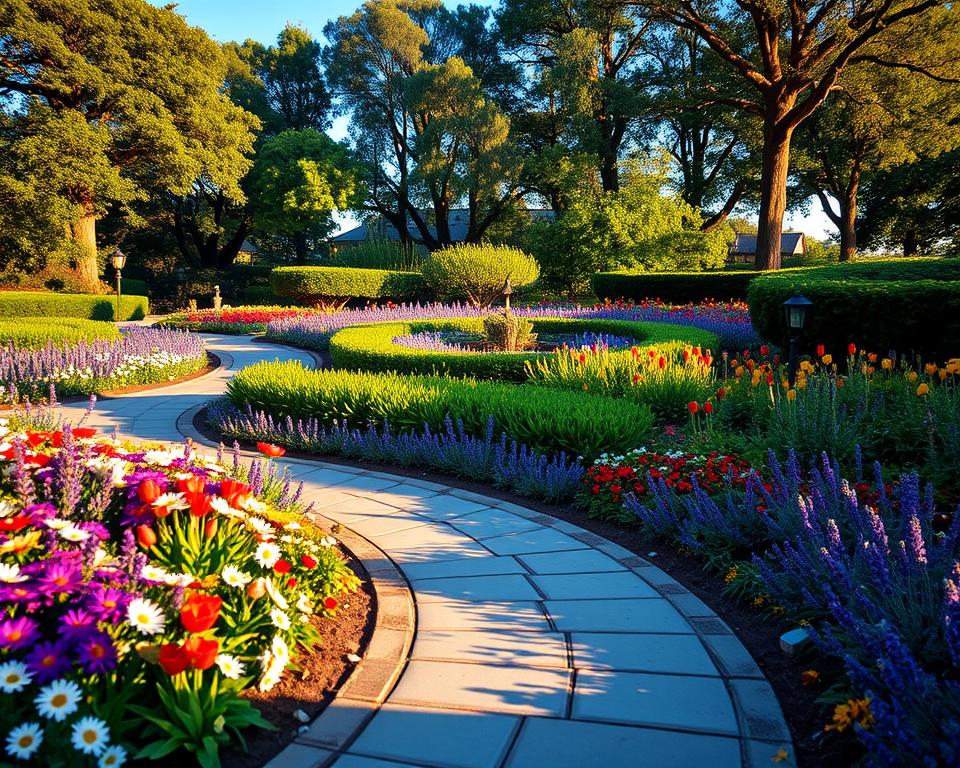
Crafting an exceptional garden structure requires thoughtful landscaping tips that transform pathways and borders from mere functional elements into stunning design features. Your garden’s character emerges through carefully planned routes and defined spaces that invite exploration and visual delight.
When designing garden pathways, consider these key landscaping tips:
- Choose materials that complement your garden’s overall aesthetic
- Create width that allows comfortable walking
- Experiment with curved and straight path designs
- Incorporate soft edges with overhanging plants
Materials matter immensely in creating garden structure. Gravel offers a charming, rustic feel, while York stone provides elegant sophistication. Contemporary porcelain pavers can introduce a sleek, modern touch to your outdoor space.
“A well-designed path doesn’t just connect spaces—it tells a story of your garden’s journey.”
Border design plays a crucial role in defining your garden’s visual boundaries. Layer your plantings strategically: tall specimens at the back, medium-height plants in the middle, and ground-covering plants creating a lush foreground. Consider edging materials like box hedging for traditional charm or steel edging for a contemporary look.
By integrating these landscaping tips, you’ll create a garden structure that feels both intentional and effortlessly natural.
Incorporating Garden Furniture and Ornamental Features
Transform your outdoor living space into a stunning sanctuary that blends comfort and style. Garden decor goes beyond mere aesthetics—it creates functional and inviting areas where you can relax, entertain, and connect with nature.
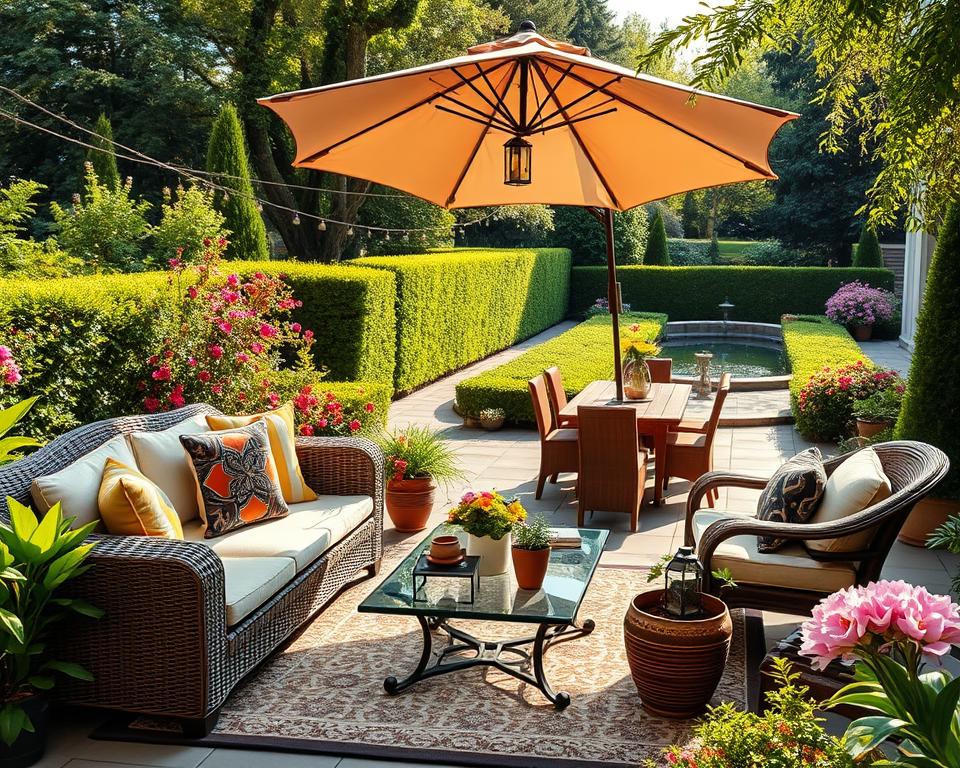
Your garden’s personality emerges through carefully selected furniture and ornamental features. The right choices can turn an ordinary outdoor space into an extraordinary retreat that reflects your unique taste.
Selecting Weather-Resistant Materials
Choosing durable materials ensures your garden decor investment stands the test of time. Consider these top outdoor living materials:
- Teak: Naturally weather-resistant, develops elegant silver-grey patina
- Powder-coated aluminium: Rust-free and contemporary
- All-weather rattan: Low maintenance with classic elegance
- Stainless steel: Modern and sleek, perfect for minimalist designs
Positioning Seating Areas for Maximum Enjoyment
Strategic furniture placement can dramatically enhance your outdoor experience. Consider these placement tips:
- Create morning sun breakfast nooks
- Design shaded afternoon relaxation zones
- Establish wind-protected conversation areas
- Develop multi-functional spaces for dining and socialising
Incorporate decorative elements like urns, statuary, and planters to add character and complete your garden’s aesthetic. With thoughtful selection and placement, your outdoor space becomes an extension of your home—a true sanctuary for relaxation and enjoyment.
Utilising Vertical Space with Climbing Plants and Structures
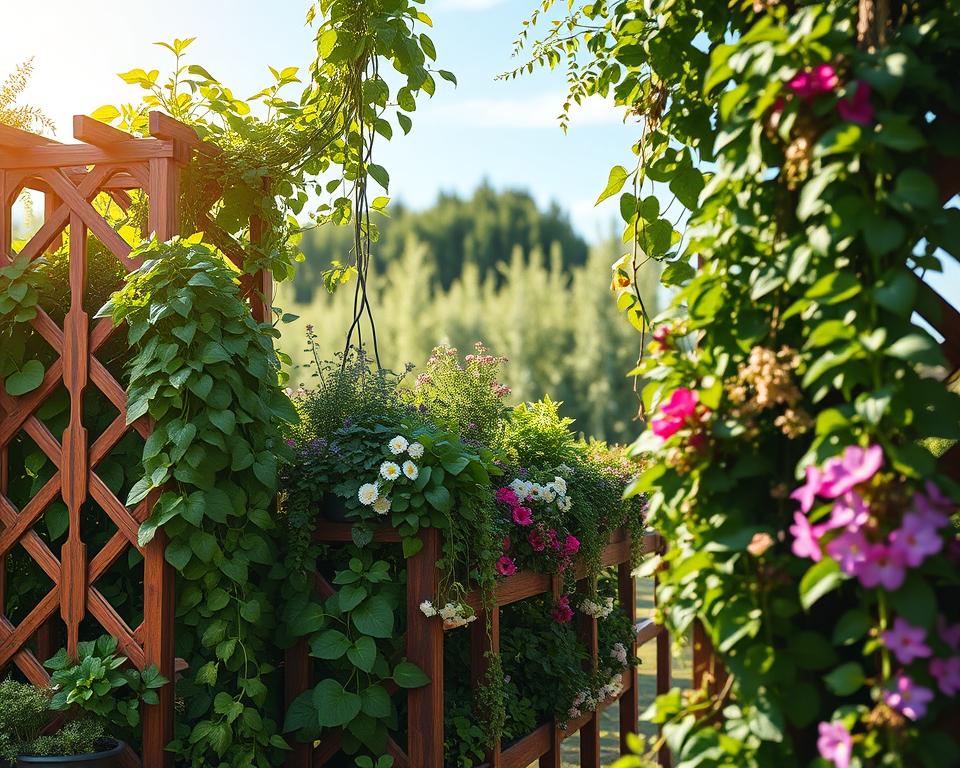
Transform your garden by looking upwards and unlocking the potential of vertical spaces. Garden transformation isn’t just about ground-level planting—it’s about creating multi-dimensional landscapes that maximise every inch of your outdoor area.
Climbing plants offer incredible decorative elements that can breathe life into bland walls and fences. Your vertical garden can become a stunning canvas of colour and texture, featuring a diverse range of plants:
- Fragrant roses cascading over arches
- Vibrant clematis climbing trellises
- Evergreen ivy creating lush green backdrops
- Productive grape vines adding both beauty and functionality
Selecting the right support structures is crucial for your vertical garden design. Consider these options to enhance your garden’s architectural interest:
- Wooden trellises for traditional charm
- Elegant obelisks as striking focal points
- Contemporary wire systems for modern aesthetics
- Living walls for maximum green impact
By thoughtfully integrating climbing plants and structures, you’ll create intimate spaces, add depth to your garden, and transform ordinary boundaries into extraordinary green landscapes.
Adding Lighting to Transform Your Evening Garden
As twilight descends, your garden transforms from a daytime sanctuary into an enchanting outdoor entertaining space. Strategic lighting can breathe magical life into your landscape, extending the hours you enjoy your outdoor haven.
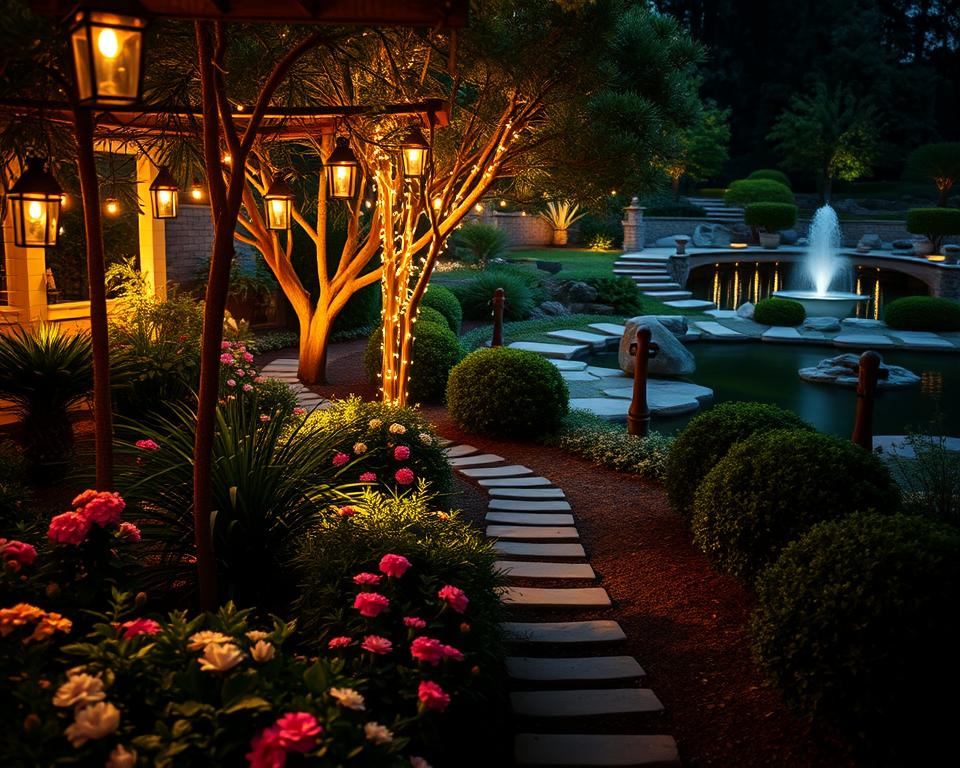
Illuminating your garden isn’t just about visibility—it’s about creating atmosphere. The right lighting design can turn an ordinary garden into an extraordinary evening retreat.
Types of Garden Lighting Options
Explore these exciting garden lighting choices to enhance your outdoor atmosphere:
- Solar-powered stake lights for eco-friendly, wireless illumination
- LED pathway lights ensuring safe navigation
- Uplighters to dramatise trees and architectural features
- Festoon lights for a celebratory outdoor entertaining mood
- Smart lighting systems controllable via smartphone
Creating Ambience with Strategic Placement
Think like a professional lighting designer when arranging your garden lights. Consider techniques that add depth and intrigue:
- Grazing: Position lights close to textured walls
- Silhouetting: Backlight striking plants for dramatic effect
- Moonlighting: Place lights high in trees to simulate natural moonlight
“Lighting is the jewellery of architecture” – Leonardo da Vinci
By carefully selecting and positioning your garden lights, you’ll create a captivating evening landscape that invites relaxation and celebration.
Integrating Water Features for Tranquillity and Movement
Transforming your garden inspiration begins with understanding the magical potential of water features. Outdoor design reaches new heights when you introduce elements that bring movement and serenity to your landscape. Water can create an enchanting focal point that elevates your entire garden space.
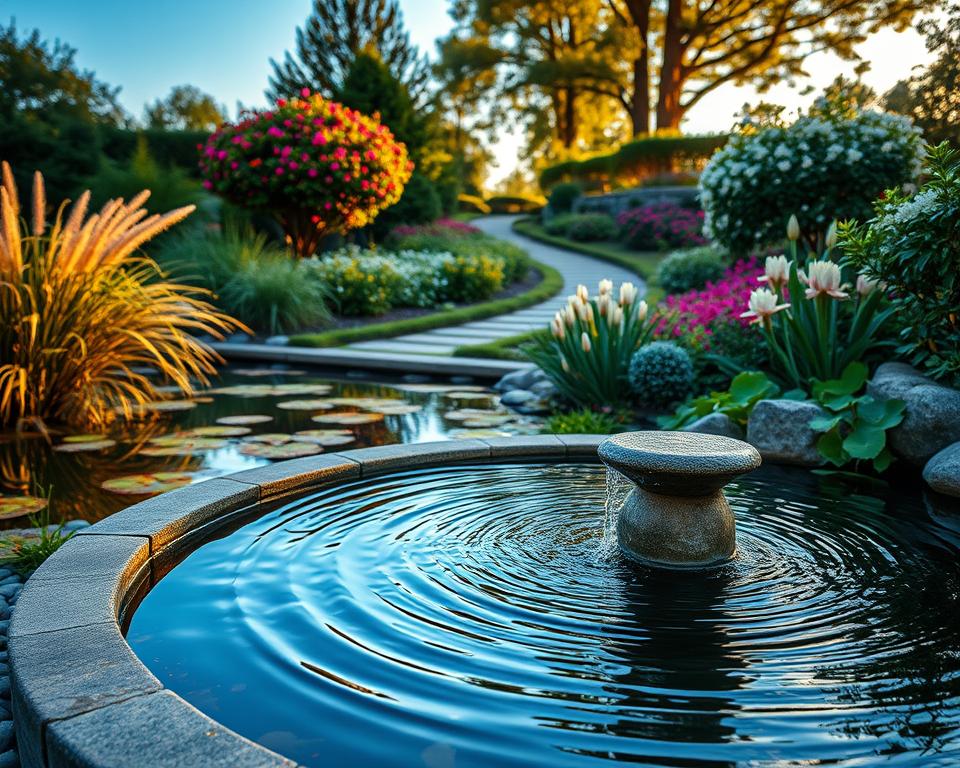
Selecting the right water feature depends on several key considerations:
- Garden size and available space
- Personal aesthetic preferences
- Maintenance requirements
- Budget constraints
Different water features offer unique benefits for your outdoor design:
| Water Feature | Aesthetic Impact | Sound Level |
|---|---|---|
| Birdbath | Subtle, Classic | Minimal |
| Fountain | Dynamic, Elegant | Moderate |
| Pond | Natural, Immersive | Gentle |
Consider the sensory experience of your water feature. Trickling water can mask urban noise, while reflecting surfaces create visual depth in your garden. Wildlife-friendly designs attract birds and beneficial insects, adding another layer of life to your outdoor sanctuary.
Your garden inspiration can truly flourish by thoughtfully integrating water features that reflect your personal style and complement your existing landscape design.
Conclusion
Transforming your garden is an exciting and personal adventure that goes far beyond simple landscaping. Your garden style becomes a canvas where creativity meets nature, allowing you to craft an outdoor space that truly reflects your unique vision and personality. Each choice you make—from selecting focal points to choosing colour palettes—contributes to creating a stunning ornamental garden that enriches your daily life.
Remember that garden design is not about perfection but about progression. Start with elements that inspire you most, whether that’s a beautifully positioned seating area or a captivating vertical garden. Your outdoor space will naturally evolve, offering opportunities to experiment, learn, and refine your design over time. Embrace this journey as a delightful process of continuous discovery and personal expression.
View your garden as an extension of your home—a sanctuary for relaxation, entertainment, and connection with the natural world. By applying the techniques and insights shared in this guide, you’ll be equipped to create a garden that not only looks beautiful but also provides meaningful experiences. Your ornamental garden can become a source of joy, tranquillity, and inspiration throughout the seasons.
Begin your garden transformation with confidence. Each small step brings you closer to the outdoor space of your dreams—a living, breathing environment that grows and changes alongside you. Your garden is waiting to be brought to life with your imagination, passion, and personal garden style.
FAQ
How do I determine the right plants for my garden’s specific conditions?
Assessing your garden’s sunlight exposure, soil quality, and drainage is crucial. Spend time observing your space throughout different times of day and seasons. Conduct simple soil tests to understand whether you have clay, sandy, or loamy soil. This knowledge will empower you to choose plants that will thrive naturally in your unique garden environment, creating a more sustainable and beautiful outdoor space.
What are the best ways to create focal points in a small garden?
Even in compact spaces, you can create impactful focal points by selecting strategic architectural elements or statement plants. Consider a beautifully positioned ornamental tree, a unique sculpture, or a striking container garden. Use contrasting colours, textures, and heights to draw the eye. In smaller gardens, a single well-placed feature can transform the entire landscape, creating visual interest and depth.
How can I maintain garden colour throughout the year?
Plan your garden with seasonal layering in mind. Combine spring bulbs, summer perennials, autumn foliage plants, and winter structural elements. Consider plants with interesting foliage colours like golden, lime, or burgundy greens that provide colour even when flowers aren’t blooming. Use complementary and analogous colour schemes to create visual harmony and ensure your garden remains vibrant and engaging throughout all seasons.
What materials are best for garden pathways?
Choose pathway materials that balance aesthetics and functionality. Options include traditional gravel, York stone, contemporary porcelain pavers, and reclaimed brick. Consider path width, surface texture, and how the material complements your garden’s overall style. Curved pathways can create a sense of mystery and make gardens feel larger, while straight paths provide formality and clear direction.
How do I choose weather-resistant garden furniture?
Look for materials like teak, which weathers beautifully, powder-coated aluminium for rust resistance, or all-weather rattan for low maintenance. Consider how the furniture’s style complements your garden’s aesthetic. Position seating areas strategically to maximise comfort, considering factors like morning sun, afternoon shade, and protection from prevailing winds.
What are the best ways to use vertical space in my garden?
Utilise climbing plants like roses, clematis, or ivy on trellises, walls, and structures. Choose support systems that become decorative features themselves, such as wooden trellises, metal obelisks, or contemporary wire systems. Vertical planting is especially valuable in smaller gardens, adding depth, creating privacy, and maximising your available growing space.
How can I add lighting to enhance my garden’s evening atmosphere?
Explore a mix of lighting options including solar-powered stakes, LED systems, and smart lighting. Use techniques like uplighting for dramatic plant illumination, downlighting for ambient effects, and festoon lighting for celebratory moods. Experiment with strategic placement to create depth, highlight textures, and transform your garden into an enchanting evening sanctuary.
What water features work well in different garden sizes?
Water features range from compact birdbaths and pebble fountains to elaborate ponds. Consider your space and style – a small courtyard might benefit from a self-contained fountain, while larger gardens could accommodate a dramatic waterfall or wildlife pond. Think about sound levels, reflective qualities, and how the water feature will attract beneficial wildlife to your garden.
How do I create garden borders that look professionally designed?
Develop depth through layered planting, with taller plants at the back graduating to ground-covering varieties in front. Experiment with border edging materials like box hedging, steel edging, or natural stone. Consider plant heights, textures, and colours to create a cohesive and visually appealing border that defines your garden’s spaces.
What’s the best approach to garden decoration for beginners?
Start small and focus on elements that excite you most. Begin with one or two key features like establishing a colour palette or creating a focal point. Remember that gardens evolve over time, so don’t feel pressured to complete everything at once. Observe your space, experiment gradually, and enjoy the creative process of transforming your outdoor area.

