Unsuitable Greenhouse Plants: Know What to Avoid
This article helps UK gardeners answer the practical question: what plants should not go in a greenhouse? It outlines common greenhouse plant mistakes and highlights unsuitable greenhouse plants so you can avoid wasted time, space and resources.
We cover the full scope of mismatches between plants and greenhouse environments: humidity, temperature, and light problems; heightened pest and disease risk; space and vigour issues; and specialist species that demand bespoke conditions. Guidance draws on reliable sources such as Royal Horticultural Society cultivation notes and University of Reading horticulture research to give evidence-based advice.
The target audience is hobby gardeners, allotment holders and small-scale professionals across the United Kingdom who want practical, actionable guidance for greenhouse planning. Follow this guidance to improve crop yields, reduce disease incidence, lower maintenance and make better use of limited greenhouse space.
The article progresses logically from understanding greenhouse microclimates to a greenhouse plant list of species to avoid, with examples, signs of failure, prevention tips and a final decision checklist to help you choose wisely.
Inhaltsverzeichnis
Key Takeaways
- Identify plants unsuited to enclosed conditions to avoid common greenhouse plant mistakes.
- Consider humidity, light and temperature first when assessing suitability.
- Avoid species prone to rot, fungal disease or pest outbreaks in confined spaces.
- Watch for overly vigorous or large plants that will dominate greenhouse space.
- Use RHS and University of Reading guidance for reliable cultivation notes and decisions.
Understanding Greenhouse Growing Conditions and Common Pitfalls
Successful greenhouse growing begins with recognising the small, varied environments that form inside the structure. A single greenhouse rarely offers uniform conditions; warm air rises to create a hotter canopy while the bench or floor can remain noticeably cooler. This thermal stratification shapes which crops thrive where and why greenhouse microclimate mapping is essential for sensible plant placement.
Orientation, glazing type and airflow create distinct zones. South-facing benches receive stronger sun, while north corners stay shaded. Glass glazing gives a sharp light contrast compared with multiwall polycarbonate, which diffuses intensity. Shelved benches, floor plots and hanging baskets each experience different greenhouse temperature control needs because of these variations.
Day–night swings are another hallmark. Bright days produce strong solar gain and high surface temperatures. Nights, especially in an unheated structure, bring rapid heat loss. Plants that need steady warmth can suffer when diurnal variation is wide, so understanding daily patterns helps select suitable species.
Temperature governs metabolic rate, flowering and dormancy. Tender exotics demand stable warm conditions, while hardy perennials sometimes become stressed if kept too warm year-round. Sensitive responses make greenhouse temperature control a frequent management focus for growers aiming for reliable performance.
Greenhouse humidity is often higher than outdoors because enclosed spaces trap moisture from transpiration, evaporation and watering. High relative humidity increases fungal disease risk and can reduce transpiration, which harms plants adapted to drier air. Ventilation and dehumidification are important tools for maintaining plant health.
Light in greenhouse is about both intensity and duration. Low winter sun in the UK and small or shaded structures limit usable light. Many vegetables, ornamentals and succulents need high PPFD and longer photoperiods than an unlit greenhouse supplies, which means growers must set realistic expectations or install supplemental lighting.
Interactions between factors create common problems. High humidity with poor ventilation multiplies disease pressure. Heat combined with low light leads to leggy, weak growth. Poor airflow near the floor can leave roots cool while the canopy overheats, which disturbs water relations and growth.
Several routine mistakes lead to poor performance. Overcrowding and tight spacing cut airflow and spread pests. Placing sun-loving plants in shaded corners or tender plants where night cold settles causes stress. Trusting ambient conditions without vents, shading or additional heating risks heat stress and humidity-related illness.
Watering errors are frequent. Watering late in the day leaves moist foliage overnight and encourages fungal pathogens. Waterlogged compost suffocates roots. Using hard tap water harms species that need soft, acidic conditions, such as carnivorous plants and ericaceous shrubs.
Pests can flourish unnoticed. Greenhouse conditions that favour rapid plant growth can also favour aphids, whitefly and spider mites. Early detection matters; regular checks beat infestations.
Simple monitoring tools make a big difference. Maximum–minimum thermometers, hygrometers and light meters give objective data for greenhouse temperature control, humidity management and light planning. The Royal Horticultural Society and horticultural journals recommend routine checks and logging to guide adjustments and plant selection.
what plants should not go in a greenhouse?
Knowing what plants should not go in a greenhouse? helps gardeners avoid wasted effort and plant losses. Unsuitable species are those whose needs clash with typical greenhouse conditions. They may suffer from wrong light, heat, humidity, ventilation or water chemistry. Some become invasive or demand specialist care beyond the average gardener’s capacity.
Definition of “unsuitable” in a greenhouse context
Unsuitable means a plant’s environmental ranges do not match what a greenhouse provides. If temperature, relative humidity or light levels fall outside a species’ tolerances, growth falters and disease risk rises. The term also covers plants that grow too vigorously for confined spaces or require bespoke water chemistry and humidity cycles.
General categories of plants to avoid
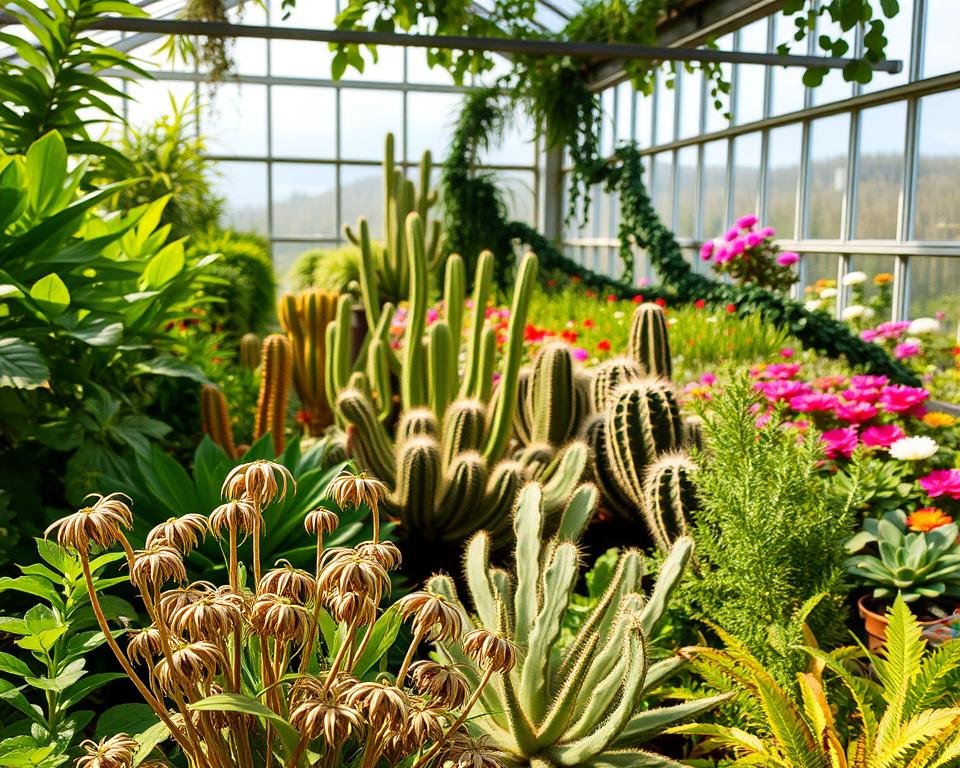
Some groups repeatedly appear on an unsuitable plants list. Mediterranean natives, such as certain rosemary cultivars and particular thymes, dislike prolonged humidity. Many succulents prefer arid, well‑ventilated settings and fault in closed glasshouses.
Plants prone to rapid pest build‑up or chronic disease in confined spaces should be avoided. Fuchsias and some pelargoniums can spiral into pest problems when ventilation is poor. Very large climbers and vigorous shrubs, including certain bamboos and rampant vines, quickly overwhelm greenhouse space.
Cold‑hardy perennials and alpine species require winter chilling and open air to thrive. Specialist orchids and carnivorous plants can need precise humidity cycles or water chemistry that a general greenhouse cannot reliably supply.
How to evaluate a specific plant’s suitability
Use reputable references such as RHS plant profiles, university extension guides and species cultivation manuals. Compare a plant’s preferred relative humidity, minimum and optimum temperatures, light intensity, photoperiod and root‑zone needs against your greenhouse’s measured ranges.
Apply a greenhouse suitability checklist. Ask: does RH match? Are night and day minima within the plant’s limits? Is light sufficient? Does water quality suit the species? Is the growth habit manageable in the available space?
Run a practical test by growing a single specimen in a marginal microclimate for 4–8 weeks across a seasonal change. Track growth, pest incidence and disease. If more than one key parameter misaligns, place the species on your unsuitable plants list or mark it as high risk.
Plants that struggle with high humidity and poor ventilation
Greenhouses offer control, yet some species suffer when air remains still and damp. This short guide explains why certain plants fail, gives examples gardeners commonly misplace in humid glasshouses, and lists visual clues to watch for.
Why humidity-sensitive plants fail in enclosed spaces
High relative humidity cuts transpiration and keeps leaf surfaces wet. Wet foliage and compost create a breeding ground for fungal pathogens like Botrytis cinerea, powdery mildew and downy mildew.
Poor airflow compounds the problem. Greenhouse ventilation issues stop leaves and the compost surface from drying. That raises the risk of root and stem rots caused by Phytophthora and Pythium.
Many Mediterranean species evolved for dry air. Their narrow, waxy leaves and conservative stomatal behaviour make them prone to prolonged closure in humid glasshouses. Stomatal closure reduces gas exchange and leads to poor vigour.
Examples: Mediterranean herbs and some succulents
Mediterranean herbs in greenhouse settings can be at risk. Rosemary (Salvia rosmarinus), common thyme (Thymus vulgaris) and Lavandula angustifolia often suffer root rot and fungal leaf spots when kept in persistently humid conditions.
Succulents and cacti such as many Echeveria, Sempervivum and true cactus species favour dry, well-ventilated conditions. Compost that remains moist and restricted airflow cause tissue collapse and stem rot in these plants.
Some cultivars tolerate greenhouse culture when growers apply excellent drainage and rigorous ventilation. Practical adjustments can make a difference for borderline varieties.
Signs of failure: rot, fungal diseases and stunted growth
Look for soft, blackening roots or lower stems and water-soaked leaves. Fuzzy fungal growth, leaf drop and yellowing that do not match nutrient deficiency patterns point to disease.
Growth symptoms include lack of vigour despite sufficient light, elongated or weak stems and failure to flower. Humid conditions combined with low light often produce etiolated growth.
Recommended actions include improving airflow with roof vents, side vents or fans, increasing pot drainage using sandy mixes and grit, watering in the morning only, and reducing stocking density to limit greenhouse ventilation issues.
| Problem | Common signs | At-risk plants | Practical fixes |
|---|---|---|---|
| Fungal leaf diseases | Fuzzy growth, brown spots, leaf drop | Mediterranean herbs in greenhouse, soft-leaved ornamentals | Increase ventilation, remove affected foliage, avoid overhead watering |
| Root and stem rot | Black, mushy roots; water-soaked stems | Rosemary, lavender, many succulents | Use free-draining compost, repot with gritty mix, reduce watering |
| Reduced vigour and poor flowering | Slow growth, etiolated stems, no blooms | Herbs adapted to dry air and some cacti | Boost light levels, improve air movement, lower humidity where possible |
| Pest outbreaks linked to dampness | Sticky residue, increased aphids or whitefly | Overcrowded herb benches and shaded pots | Space plants out, install fans, monitor regularly |
Plants prone to pests and disease outbreaks in confined spaces
Warm, steady conditions inside a greenhouse create an environment where pests multiply fast and diseases spread between plants. Growers should know which species are most at risk and how to spot early signs before a minor problem becomes a greenhouse pest outbreaks emergency.
How glasshouses can amplify pest populations
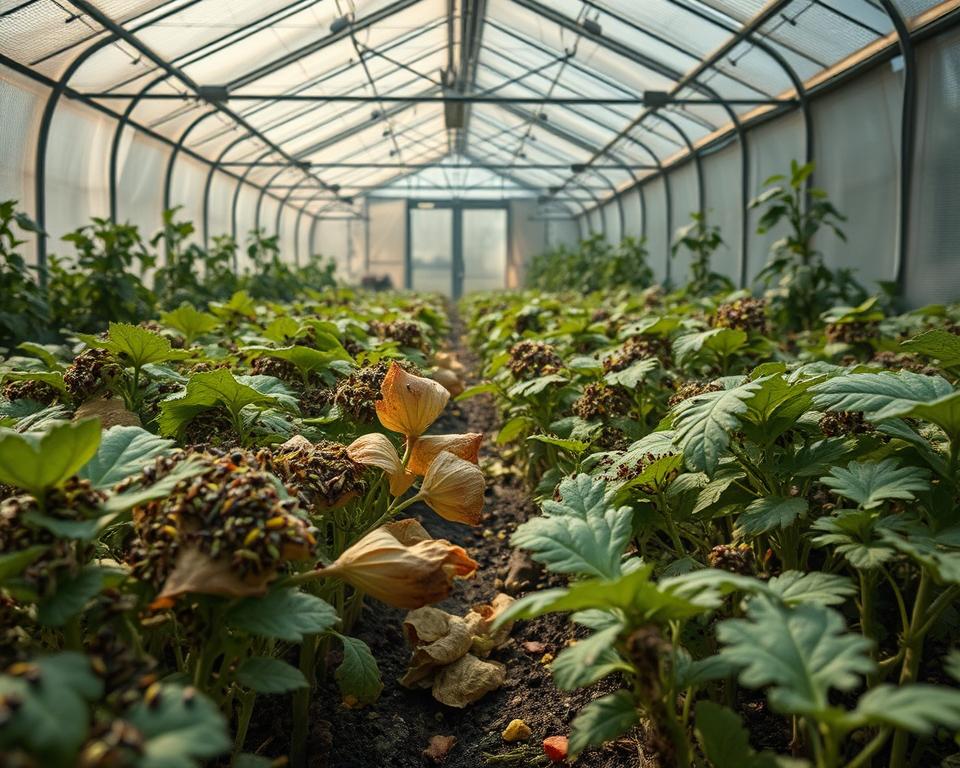
Year-round warmth and continuous hosts let aphids, whitefly, mealybugs and thrips complete more generations each season. Reduced numbers of natural predators inside structures limit biological control, so pests in greenhouse settings move quickly from pot to pot.
Pesticide misuse, such as broad-spectrum sprays applied without rotation, can select for resistant populations. Poor hygiene and damp compost encourage fungus gnats and fungal pathogens that persist in the structure.
Examples of vulnerable plant groups
Soft-stemmed ornamentals like fuchsias, pelargoniums (geraniums), begonias and chrysanthemums attract sap-feeding pests and spider mites that breed rapidly on tender growth. Tender tropicals such as anthuriums, philodendrons and many gingers commonly harbour mealybug, scale and fungus gnats when compost stays moist.
Fruit crops grown in confined spaces, for example tomatoes and cucurbits, can face explosive pest pressure from whitefly and spider mites without rotation and strict hygiene. Dense planting increases contact and speeds transmission of viral and fungal diseases.
Prevention strategies and monitoring tips
Integrated Pest Management (IPM) gives the best chance of keeping pests in greenhouse crops at bay. Use cultural controls like sanitation, quarantine of new arrivals and spacing for airflow.
- Biological controls: release predatory mites, lacewings or Encarsia formosa for whitefly control.
- Monitoring: place yellow sticky traps, inspect leaf undersides weekly and keep simple records of sightings and action thresholds.
- Cultural practices: avoid excess nitrogen fertiliser that produces soft, attractive growth; rotate crops and sterilise benches, tools and pots.
Quarantine new plants for 7–14 days and source stock from reputable Royal Horticultural Society recognised suppliers or trusted local nurseries. When needed, use selective chemical controls sparingly to support long-term greenhouse disease control rather than as a first line of defence.
Large or invasive plants that overwhelm greenhouse space
Placing large or aggressive species inside a confined greenhouse can quickly disrupt light, airflow and plant health. Careful selection prevents shading, root crowding and structural strain. Think ahead about how a plant will grow in both height and spread before committing bench or floor space.

Problems caused by overly vigorous climbers and shrubs
Overly vigorous greenhouse plants cast deep shade that reduces photosynthesis for neighbours. Dense foliage raises humidity and limits microclimate control, making disease more likely.
Aggressive roots confined in pots or raised beds stress specimens and can damage containers. Heavy climbers place constant load on glazing and frames, creating safety hazards in strong winds.
Examples of problematic species
Vigorous bamboos, especially running types such as Phyllostachys, send rhizomes fast and are unsuitable for small glasshouses. Even clumping bamboos often outgrow containers within a few seasons.
Rampant vines like vigorous ivy varieties and Parthenocissus can cling to glass, block vents and tangle heating pipes. Certain fruit trees — full-size apples, plums and peaches — quickly exceed greenhouse height and need pollination space that small structures cannot provide.
Space management and alternative planting solutions
Choose dwarf or patio cultivars when you want fruit under cover. Train small trees on external espalier frames to save internal space and improve pollination prospects.
For climbers, pick restrained species and fit wire trellises with a strict pruning calendar. Use reinforced zones or root barriers where vigorous greenhouse plants must be kept. Moving aggressive specimens to large outdoor containers or raised beds often protects both the plant and the greenhouse structure.
Plan using bench-space calculations and Royal Horticultural Society spacing guidelines. A simple square-foot planting map helps prevent overcrowding and supports long-term greenhouse space management.
Cold-hardy outdoor plants that prefer open-air conditions
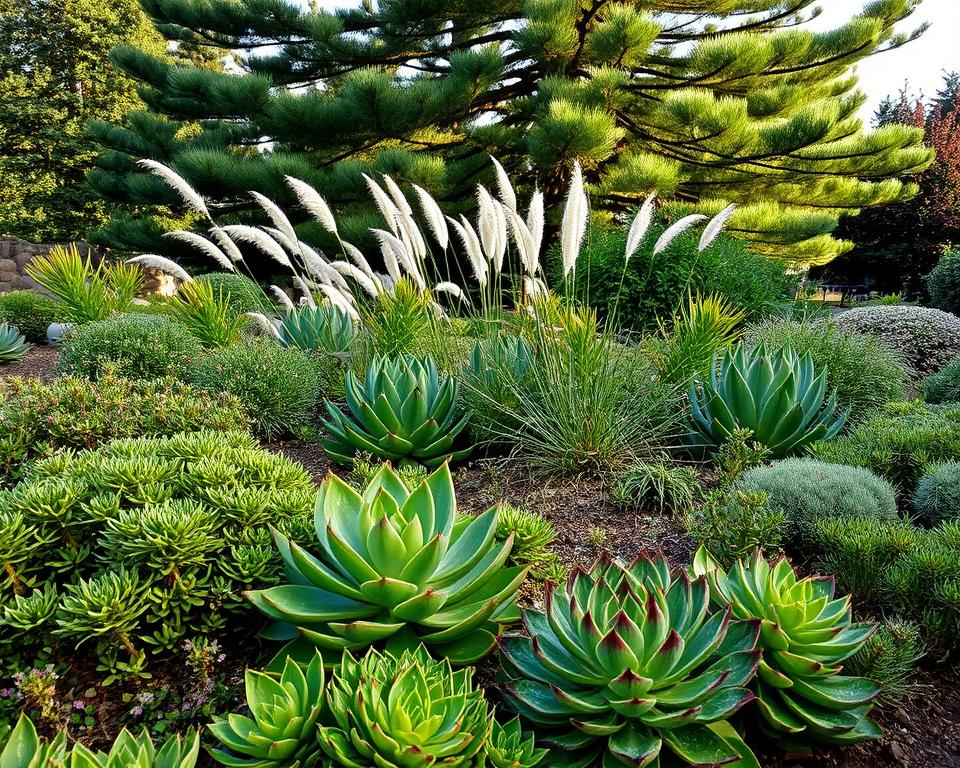
Some hardy species thrive when exposed to wind, frost and the full seasonal cycle. Greenhouse warmth can interfere with vernalisation, slow lignification and reduce overall resilience. Gardeners should weigh the benefits of controlled warmth against the long-term health gained from natural conditions.
Why some outdoor perennials do better outside
Many perennials need a clear winter chill to break dormancy and trigger reliable flowering in spring. Constant greenhouse temperatures can leave buds undeveloped and delay growth rhythms.
Natural temperature swings, wind and rainfall toughen stems and improve disease resistance. Root partnerships with soil fungi and microbes in open ground support nutrient uptake in ways pots rarely match.
Examples: certain alpine plants and hardy shrubs
Alpine species such as Saxifraga, some Gentiana and Primula often favour gritty, well-drained rockery sites with cold winters. In a greenhouse they risk rot from excess humidity and poor seasonal cues.
Hardy shrubs like Cotoneaster, Berberis and common hawthorn form woody structure and hedging best when they experience outdoor conditions. Many Sedum and hardy geraniums perform more reliably when planted outside where seasonal light quality and soil life guide their cycles.
When to use cold frames or sheltered outdoor beds instead
Cold frames provide frost protection while retaining near-outdoor conditions. Use them to harden off plants, extend the season or shelter newly established hardy stock without removing essential seasonal cues.
Sheltered beds against a south-facing wall combine stored heat with natural exposure. They suit borderline hardy species that need extra warmth yet benefit from rain, wind and soil biota.
Reserve greenhouse space for tender crops that truly require controlled climates. For overwintering or establishing cold-hardy plants outside, choose cold frames or sheltered beds as the practical compromise.
High-light demand plants unsuited to shaded or small greenhouses
Many growers assume warmth alone will suit all species. Light intensity and daylength are equally critical for successful cultivation. Small or shaded structures often fail to deliver the strong midday peaks some crops need, leaving light-demanding plants underpowered.
Light intensity versus duration: what matters
Plants differ in their photosynthetic photon flux density needs and photoperiod responses. Some vegetables demand high PPFD at midday for fruit set. Others respond mainly to daylength. In the UK, winter solar angles are low. A north-facing or tree-shaded greenhouse may never reach required intensity even if lights extend the day.
Examples: some sun-loving vegetables and cacti species
Tomatoes, peppers and aubergines need robust light to form compact growth and reliable yields. In low light they stretch, set few fruits and ripen slowly. Many columnar cacti and Agave species require intense, direct sun; they become etiolated in small tunnels and are then prone to rot and pests.
Basil and other tender herbs can weaken under low irradiance despite warm temperatures. Growers who force high-light plants into inadequate spaces risk poor quality and wasted effort.
Lighting solutions and realistic expectations for small greenhouses
Supplemental LED systems by Philips GreenPower or Gavita supply targeted PPFD while preserving energy. Use a light meter to match crop requirements and position fixtures for even distribution. Reflective surfaces and clean glazing boost natural input.
Assess cost versus yield before installing greenhouse lighting. For seasonal crops, expect later harvests or choose varieties bred for lower light. A pragmatic approach balances plant choice, supplemental lighting and running costs for a productive high-light plants greenhouse.
Care-intensive or specialist plants that require bespoke conditions
Many gardeners find the appeal of rare or specialist greenhouse plants hard to resist. These species repay attention with unusual blooms and curious growth habits. They can demand narrow humidity cycles, precise substrates and particular water quality that routine greenhouse setups do not provide.
Why specialist species are risky for general greenhouse use
Specialist plants often need dedicated benches, separate humidity control and clean water supplies. Mixing them with general collections raises the chance of cross‑contamination and shared pests. A single lapse in misting or an untreated tap‑water source can trigger rapid decline.
Examples requiring bespoke regimes
Many orchids greenhouse growers prize, such as Cattleya and Dendrobium, want warm days, cooler nights and fluctuating humidity plus strong air movement. Paphiopedilum and Phalaenopsis follow different routines; placing them together risks poor growth and disease.
Carnivorous plants water quality is critical for Sarracenia, Drosera and Dionaea. These species thrive on rainwater or reverse‑osmosis water and acid, nutrient‑poor substrates. Hard tap water with dissolved salts causes leaf burn and long‑term decline.
When to attempt specialist cultivation and alternatives
Try specialist greenhouse plants only if you can commit to separate propagation space, humidity controllers and a reliable soft‑water source such as collected rain or an RO unit. Many growers use terraria or dedicated humidified cabinets to isolate needs and protect other stock.
For those not ready to invest, choose hardier hybrids or cultivars bred for greenhouse life. Joining groups such as the British Orchid Council or local carnivorous plant societies offers practical advice and reduces costly trial and error.
Conclusion
Good greenhouse plant decisions begin with honest measurement. Record temperature ranges, relative humidity and light levels in your structure before you choose specimens. Match those readings to RHS profiles, university extension literature and reliable manufacturer guides to avoid mismatch and wasted effort.
Prioritise plants that genuinely benefit from a controlled climate, such as tender vegetables, cuttings for propagation and selected tropical ornamentals. Relocate Mediterranean herbs, hardy perennials or invasive climbers to outdoor beds, cold frames or dedicated installations when their needs conflict with your greenhouse environment. This approach reduces the chance you will need to avoid in greenhouse mistakes that lead to rot, pest surges or stunted growth.
Adopt sound cultural practices: maintain ventilation, practise strict sanitation, monitor regularly and use integrated pest management. For greenhouse plant planning, trial a single specimen in the spot that matches its microclimate before committing to larger numbers. If uncertain, consult RHS Grow Your Own resources, local horticultural extension guidance or join a nearby gardening group for region-specific advice.
FAQ
What does “unsuitable” mean for greenhouse plants?
Unsuitable plants are species or cultivars whose needs for light, temperature, humidity, ventilation, water chemistry or space consistently conflict with a greenhouse’s typical conditions. This mismatch leads to poor growth, increased disease or pest problems, excessive maintenance, or plants that outgrow the structure. It also covers species requiring specialist care (reverse‑osmosis water, strict humidity cycles) beyond routine greenhouse capability.
Which greenhouse microclimates should I measure before choosing plants?
Measure daytime and night‑time temperatures, relative humidity (RH), and light intensity (PPFD or lux) in different zones: eaves, bench level and floor, and on north/south sides. Record diurnal swings and shaded areas. Use a maximum–minimum thermometer, hygrometer and light meter over several weeks to capture realistic ranges.
Which common mistakes cause plants to fail in greenhouses?
Typical errors include overcrowding that reduces airflow, placing sun‑loving plants in shaded corners, relying solely on ambient climate without ventilation or shading, watering late in the day or overwatering, using hard tap water for sensitive species, and failing to monitor pests early. Each increases disease or stress risk.
What plants struggle with high humidity and poor ventilation?
Many Mediterranean herbs (some rosemary, thyme and lavender cultivars) and a range of succulents and cacti perform poorly in persistently humid, poorly ventilated greenhouses. Symptoms include root and stem rot, Botrytis or powdery mildew, leaf drop and stunted or etiolated growth.
How can I reduce humidity‑related problems for humidity‑sensitive plants?
Improve ventilation with roof and side vents or fans, increase pot drainage using gritty compost mixes, water only in the morning, reduce stocking density and avoid overhead watering. Trial tolerant cultivars and follow RHS guidance for disease control where needed.
Which plants amplify pest outbreaks in confined greenhouse spaces?
Soft‑stemmed ornamentals such as fuchsias, pelargoniums, begonias and many tropicals (philodendrons, anthuriums) can host aphids, whitefly, mealybugs and spider mites that multiply rapidly in warm, stable conditions. Fruit crops like tomatoes and cucurbits may also experience explosive pest cycles without control measures.
What are effective pest prevention and monitoring strategies?
Use integrated pest management (IPM): quarantine new stock for 7–14 days, maintain sanitation, install yellow sticky traps, perform weekly leaf inspections, avoid over‑fertilising with nitrogen and introduce biological controls (predatory mites, Encarsia for whitefly) before chemical options.
Are vigorous climbers and shrubs suitable for greenhouses?
Very vigorous bamboos, rampant vines and many full‑size fruit trees are generally unsuitable. They can shade other crops, damage structure, strain frames and complicate airflow. Choose dwarf or patio cultivars, train climbers carefully, or grow vigorous species outdoors with root barriers.
Which outdoor perennials should stay outside rather than in a greenhouse?
Alpine plants (Saxifraga, some Gentiana and Primula), many hardy perennials and shrubs that require winter chilling and natural wind exposure do better outdoors. Greenhouse warmth can prevent vernalisation, weaken lignification and reduce long‑term hardiness.
When should I use a cold frame instead of a greenhouse?
Use cold frames to provide frost protection while preserving near‑outdoor conditions—ideal for hardening off, overwintering borderline hardy plants and giving young perennials seasonal cues without the stable warmth of a greenhouse.
Which plants need very high light and may fail in small or shaded greenhouses?
High‑light crops such as peppers, tomatoes, aubergines and many cacti and Agave species require strong PPFD and direct sun. In small, north‑facing or tree‑shaded greenhouses they become leggy, set little fruit and are prone to rot.
Can lighting fix low light in my greenhouse?
Supplemental LED grow lights can raise PPFD and extend growing seasons, but they carry energy costs. Use a light meter to match crop needs, position fixtures for even coverage, and balance cost versus expected yield—consult manufacturers such as Philips GreenPower or Gavita for system selection.
Which specialist species require bespoke greenhouse conditions?
Specialist plants include many epiphytic orchids, carnivorous plants (Sarracenia, Drosera, Dionaea) and cloud‑forest bromeliads. They often need specific humidity cycles, soft water (rainwater or RO), precise substrates and separate benches to avoid cross‑contamination.
When is it worth attempting specialist cultivation?
Attempt specialist culture only if prepared to invest in dedicated equipment (humidifiers, reverse‑osmosis water systems), separate benches or terraria, and rigorous monitoring. Otherwise choose hardier hybrids or join specialist societies for guidance and sourcing.
How do I evaluate a specific plant’s suitability for my greenhouse?
Consult RHS plant profiles, university extension literature and reliable cultivation guides. Compare the plant’s preferred RH, minimum and optimum temperatures, light requirements, water chemistry tolerance and growth habit to your measured greenhouse ranges. Trial a single specimen for 4–8 weeks before committing more space.
What practical steps improve success and reduce risk in greenhouse planting?
Measure microclimates, match species to those ranges, prioritise ventilation and sanitation, implement IPM, quarantine new plants and choose appropriate cultivars (dwarf, hardier or bred for greenhouse use). Use cold frames or sheltered outdoor beds for marginal species and trial uncertain plants first.
Which trusted sources should I consult for species‑specific advice?
Use Royal Horticultural Society (RHS) cultivation notes, University of Reading horticulture guidance, university extension publications and manufacturer manuals for lighting and environmental control. Local nurseries and regional gardening groups also provide region‑specific practical experience.