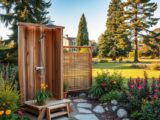
How to Use a Vertical Garden for Privacy

Creating a secluded oasis in your outdoor space is a top priority for many UK homeowners. With neighbours often in close proximity, maintaining privacy is crucial for enjoying your garden to its fullest potential.
You can achieve this by incorporating a vertical garden into your garden design. Not only do these gardens maximise space, but they also provide an effective privacy screen, shielding your outdoor area from prying eyes.
By integrating a vertical garden into your UK garden, you can enjoy a more secluded and peaceful environment, perfect for relaxation or entertainment.
Inhaltsverzeichnis
Key Takeaways
- Vertical gardens can enhance privacy in UK gardens.
- They provide an effective privacy screen while maximising space.
- Incorporating a vertical garden into your garden design can create a secluded oasis.
- A well-designed vertical garden can improve the overall aesthetic of your outdoor space.
- Vertical gardens are a versatile solution for various UK garden sizes and layouts.
The Benefits of Vertical Gardens for Privacy
Vertical gardens offer a multitude of benefits when it comes to enhancing privacy in your outdoor space. By utilizing the vertical space, you can create a secluded area that is both functional and aesthetically pleasing.
Space-Saving Advantages in UK Gardens
One of the primary benefits of vertical gardens is their ability to save space. In UK gardens where space is often limited, vertical gardens provide an ideal solution for creating privacy without compromising on ground space. They are particularly useful in urban settings or smaller gardens.
Environmental Benefits
Vertical gardens also offer several environmental benefits. They help to purify the air, reduce noise pollution, and provide habitats for wildlife. By incorporating plants into your vertical garden, you can contribute to a healthier environment while enhancing your privacy.
Aesthetic Value Addition
In addition to their practical benefits, vertical gardens can significantly enhance the aesthetic appeal of your garden. With a wide range of plants to choose from, you can create a visually striking display that adds texture, color, and depth to your outdoor space. This not only boosts your garden’s beauty but also increases its functionality as a private retreat.
| Benefits | Description |
|---|---|
| Space-Saving | Ideal for small UK gardens, maximizing vertical space for privacy. |
| Environmental | Air purification, noise reduction, and wildlife habitats. |
| Aesthetic | Enhances garden beauty with varied textures, colors, and depths. |
Understanding Vertical Garden as a Privacy Screen
Vertical gardens have gained popularity not only for their aesthetic appeal but also for their functionality in creating privacy barriers. These gardens are particularly useful in urban settings where outdoor spaces are often exposed to neighboring buildings or busy streets.

How Vertical Gardens Create Privacy Barriers
A vertical garden acts as a natural screen by using plants to block the line of sight into your outdoor space. By selecting the right plants, such as dense evergreens or climbing vines, you can create an effective barrier that enhances your privacy. The dense foliage of these plants helps to absorb sound and reduce wind, creating a more secluded environment.
The height and density of a vertical garden make it an ideal solution for privacy. Unlike traditional fences, vertical gardens can be more visually appealing and can be adapted to various spaces, including small balconies or large walls.
Comparing to Traditional Privacy Solutions
When comparing vertical gardens to traditional privacy solutions like wooden fences or brick walls, several advantages become apparent. Vertical gardens offer a more natural and dynamic form of privacy screening. They can change with the seasons, providing varying levels of privacy and aesthetic appeal throughout the year.
Moreover, vertical gardens contribute to a healthier environment by improving air quality and supporting local biodiversity. In contrast to static barriers, a living privacy screen can enhance the overall ambiance of your outdoor space, making it feel more integrated with nature.
Planning Your Vertical Garden Privacy Screen
To achieve the desired level of privacy with your vertical garden, careful planning is required. This involves assessing your space, understanding the local climate conditions, and setting a realistic budget.
Assessing Your Space Requirements
Begin by evaluating the area where you plan to install your vertical garden privacy screen. Consider the size of the space, the existing landscape features, and how the garden will integrate with your surroundings. Accurate space assessment is crucial for determining the scale of your project and ensuring that your vertical garden meets your privacy needs.
Determining Sun Exposure in UK Conditions
The UK’s temperate maritime climate means that sunlight can be limited, especially during certain times of the year. Assess the sun exposure in your garden to choose plants that will thrive in the available light conditions. Understanding sun exposure is vital for selecting the right plants for your vertical garden privacy screen.

Setting a Realistic Budget
Establishing a budget is a critical step in planning your vertical garden. Your budget will influence the materials you can use, the size of your garden, and the type of plants you can afford.
Initial Investment Considerations
Your initial investment will cover the cost of the structure, plants, and any necessary irrigation systems. Consider the quality and durability of materials to ensure your vertical garden remains a viable privacy solution for years to come.
Ongoing Maintenance Costs
In addition to the initial setup costs, factor in the ongoing expenses associated with maintaining your vertical garden, including watering, pruning, and replacing plants as needed. Effective budget planning will help you manage these costs and keep your privacy screen looking its best.
Types of Vertical Garden Structures for Privacy
To achieve the perfect blend of seclusion and beauty, understanding the different types of vertical garden structures is essential. You can choose from a variety of options, each with its unique benefits and characteristics.
Trellises and Lattice Panels
Trellises and lattice panels are popular choices for creating privacy screens. They provide a structural framework for climbing plants to grow, effectively blocking unwanted views. These structures can be made from various materials, including wood, metal, or vinyl, allowing you to choose the one that best suits your garden’s style.
Living Walls and Green Wall Systems
Living walls, also known as green wall systems, are a more complex and sophisticated option. They involve a specialized system that allows plants to grow directly on the wall surface, creating a lush, verdant screen. Living walls can be more expensive and require more maintenance, but they offer a unique aesthetic appeal.
Freestanding Vertical Gardens
Freestanding vertical gardens are self-supporting structures that can be placed anywhere in your garden. They are ideal for creating a privacy screen without attaching anything to existing walls or fences. These gardens can be made from a variety of materials and can be designed to fit your specific needs.
Hanging and Tiered Options
Hanging and tiered vertical gardens offer a creative way to enhance privacy. By using hanging baskets or tiered planters, you can create a layered effect that not only blocks unwanted views but also adds visual interest to your garden.

| Type of Structure | Key Features | Maintenance Level |
|---|---|---|
| Trellises and Lattice Panels | Structural framework for climbing plants | Low to Medium |
| Living Walls and Green Wall Systems | Plants grow directly on the wall surface | High |
| Freestanding Vertical Gardens | Self-supporting structures | Medium |
| Hanging and Tiered Options | Layered effect using hanging baskets or tiered planters | Medium to High |
Selecting the Right Plants for Your Privacy Screen
To create an effective privacy barrier, you need to pick the right plants for your vertical garden. The right plants not only provide seclusion but also enhance the aesthetic appeal of your outdoor space.

Evergreen Options for Year-Round Privacy
Evergreen plants are ideal for maintaining privacy throughout the year. In the UK, popular evergreen options include holly, ivy, and laurel. These plants retain their leaves year-round, ensuring your privacy screen remains effective even during winter.
Climbing Plants and Vines Suitable for UK Climate
Climbing plants are excellent for vertical gardens as they can quickly cover structures. For the UK climate, consider plants like Clematis, Roses, and Virginia Creeper. These plants are hardy, easy to maintain, and provide dense coverage.
Fast-Growing Species for Quick Privacy
If you need a privacy screen quickly, opt for fast-growing species. Plants like bamboo and buddleja can grow several feet in a single season. However, be sure to keep them under control to prevent overgrowth.
Plant Combinations for Dense Coverage
Combining different plants can create a denser privacy screen. For example, mixing evergreen shrubs with climbing plants can provide both immediate coverage and long-term privacy. Consider layering plants with different growth habits to achieve maximum coverage.
By carefully selecting and combining the right plants, you can create an effective and beautiful privacy screen that enhances your outdoor living space.
Essential Materials and Tools for Building Your Vertical Garden
A well-designed vertical garden begins with the right choice of structural components, growing mediums, and irrigation systems. To ensure your vertical garden thrives, it’s essential to understand the materials and tools required for its construction.
Structural Components
The structural components form the backbone of your vertical garden. Trellises, lattice panels, and wall-mounted frames are popular choices. When selecting these components, consider durability and weather resistance. For instance, using galvanized steel or recycled plastic can enhance longevity.
Growing Mediums and Containers
The growing medium and containers are crucial for plant health. You can use a variety of growing mediums such as peat-based compost or coconut coir. Containers should have good drainage and be spacious enough for root growth. Consider using modular planting pockets or fabric pots for flexibility.
Irrigation Systems
An efficient irrigation system is vital for maintaining your vertical garden. Drip irrigation systems are highly effective as they deliver water directly to the roots, minimizing waste. You can also consider self-watering containers or integrate a timer for automated watering.
| Component | Description | Benefits |
|---|---|---|
| Structural Components | Trellises, lattice panels, wall-mounted frames | Provides support, enhances durability |
| Growing Mediums | Peat-based compost, coconut coir | Promotes healthy root growth |
| Irrigation Systems | Drip irrigation, self-watering containers | Efficient water use, reduces waste |
As noted by gardening expert, “The key to a successful vertical garden lies in its construction and maintenance. Choosing the right materials is the first step towards creating a lush, thriving green wall.” John Smith, Vertical Gardening Expert

Step-by-Step Guide to Building a Basic Vertical Garden Privacy Screen
With a few simple steps, you can build a vertical garden that not only beautifies your space but also provides privacy. This guide will walk you through the process of creating a basic vertical garden privacy screen.
Preparing the Site
Before you start building your vertical garden, it’s essential to prepare the site. Choose a location that receives the right amount of sunlight for the plants you’ve selected. Ensure the area is clear of debris and level. If you’re attaching the garden to a wall, check that the surface is sturdy enough to support the weight of the garden and its contents.
Installing the Structure
Installing the structure is a critical step in building your vertical garden. This involves securing the posts and frames, as well as adding support systems.
Securing Posts and Frames
Begin by marking out where you want to place your vertical garden. Dig holes for the posts, and set them in concrete to ensure stability. Attach the frames to the posts, making sure they are level and securely fastened.
Adding Support Systems
Depending on the type of plants you’re using, you may need to add additional support systems. For climbing plants, install trellises or wires. For heavier plants, consider adding extra brackets or supports to prevent the structure from becoming too heavy.

Setting Up the Planting System
The planting system is where your plants will grow. You can use a variety of containers or a living wall system. Ensure that your chosen system has adequate drainage to prevent waterlogged soil. If using a living wall system, follow the manufacturer’s instructions for assembly and planting.
Initial Planting Process
Once your structure and planting system are in place, it’s time to plant. Start by adding a layer of growing medium to your containers or planting pockets. Gently remove the plants from their pots and plant them at the same depth as they were previously. Water thoroughly after planting.
Advanced Vertical Garden Systems for Maximum Privacy
To achieve maximum privacy, consider implementing advanced vertical garden systems. These sophisticated solutions are designed to enhance the seclusion of your outdoor space while adding aesthetic value.
Modular Living Wall Systems Available in the UK
Modular living wall systems are a popular choice for those seeking a high level of privacy. These systems consist of pre-fabricated panels that can be easily installed to create a lush, green barrier. They offer flexibility and can be customized to fit various spaces. Companies in the UK offer a range of modular systems that are both durable and visually appealing.

Custom-Built Solutions
For unique or challenging spaces, custom-built vertical garden solutions can be designed to maximize privacy. These tailored systems ensure that every available space is utilized effectively, providing a seamless integration with your existing garden design.
Professional Installation Options
Opting for professional installation can significantly enhance the effectiveness of your vertical garden privacy screen. Experts can ensure that the system is correctly installed, maintained, and optimized for maximum privacy and aesthetic appeal. As a renowned expert once said,
“A well-designed vertical garden can transform any space into a serene oasis.”
Irrigation and Watering Solutions for Vertical Gardens
Vertical gardens require specific irrigation techniques to flourish. Effective watering solutions are crucial for maintaining the health and aesthetic appeal of your vertical garden. In this section, we will explore various irrigation methods and water conservation techniques suitable for UK gardens.
Manual Watering Methods
Manual watering is a straightforward and cost-effective method for irrigating your vertical garden. You can use a watering can or a hose with a spray nozzle to deliver water directly to the roots of the plants. It’s essential to check the moisture level of the growing medium regularly to avoid overwatering or underwatering.
- Use a watering can for smaller vertical gardens or for plants that require more precise watering.
- Employ a hose with a spray nozzle for larger setups or for convenience.
- Monitor the soil moisture by inserting a finger into the growing medium.
Automated Irrigation Systems
Automated irrigation systems offer a convenient and efficient way to maintain your vertical garden’s watering needs. These systems can be programmed to water your plants at specific times and in the right quantities. Automated irrigation can significantly reduce the maintenance time and ensure your plants receive consistent moisture.
Some popular automated irrigation systems include:
- Drip irrigation systems, which deliver water directly to the roots.
- Micro-sprinkler systems, suitable for larger vertical gardens.
- Capillary irrigation systems, ideal for plants that prefer consistent moisture.
Water Conservation Techniques for UK Gardens
Water conservation is an important consideration for gardeners in the UK, where rainfall can be unpredictable. Implementing water-saving techniques can help reduce your water usage while maintaining a healthy vertical garden.
- Use rainwater harvesting systems to collect and store rainwater for irrigation.
- Incorporate water-retentive granules into your growing medium to reduce watering frequency.
- Select drought-tolerant plants that require less water.

By adopting these irrigation and watering solutions, you can ensure your vertical garden remains healthy and vibrant while minimizing water waste.
Seasonal Maintenance of Your Vertical Garden Privacy Screen
To keep your vertical garden thriving as a privacy screen, regular seasonal maintenance is essential. This involves understanding the changing needs of your garden throughout the year and taking appropriate actions to ensure its health and effectiveness.
Spring and Summer Care
During spring and summer, your vertical garden privacy screen requires more frequent watering due to the warmer temperatures. Ensure that the soil is consistently moist but not waterlogged. Regular fertilization is also crucial during this period to promote healthy growth and maximize privacy coverage.
Pruning is another important task during the growing season. Regular pruning encourages dense foliage, helping to maintain the screen’s effectiveness. It’s also an opportunity to inspect your plants for any signs of disease or pests.
Autumn Preparations
As autumn approaches, it’s essential to prepare your vertical garden for the changing weather conditions. This includes reducing watering as the temperatures cool and rainfall increases. You should also start to think about protecting your plants from the impending winter.
Clearing away dead leaves and debris is crucial to prevent disease and encourage healthy growth in the spring. Consider adding a layer of mulch to protect the roots of your plants.
Winter Protection Strategies for UK Climate
Winter in the UK can be harsh on gardens, and vertical gardens are no exception. Protecting your plants from frost and excessive moisture is vital.
Frost Protection Methods
Using a frost blanket or fleece can help protect your plants from harsh winter conditions. For more sensitive plants, consider relocating them to a more sheltered location if possible.
Managing Winter Moisture
While it’s essential to keep the soil moist, excessive winter rainfall can be detrimental. Ensure that your vertical garden’s drainage system is functioning correctly to prevent waterlogged soil.
| Season | Key Maintenance Tasks |
|---|---|
| Spring/Summer | Frequent watering, regular fertilization, pruning |
| Autumn | Reduce watering, clear debris, add mulch |
| Winter | Frost protection, manage moisture, ensure drainage |

Enhancing Privacy with Strategic Plant Arrangement
A well-planned plant arrangement can transform your vertical garden into an effective privacy barrier. By thoughtfully selecting and arranging plants, you can create a dense screen that shields your outdoor space from prying eyes.
Creating Density at Eye Level
To maximize privacy, it’s crucial to create density at eye level. This can be achieved by incorporating plants that grow to be around 1.5 to 2 meters tall. Consider using evergreen shrubs or climbing plants that can be trained to grow across your vertical garden structure.
Layering Plants for Maximum Coverage
Layering plants of varying heights and growth habits can significantly enhance the coverage of your vertical garden. Start with taller plants at the back, followed by mid-sized plants, and finish with trailing or smaller plants at the front. This layering technique not only adds depth but also ensures comprehensive coverage.
Combining Plants with Different Growth Habits
Combining plants with different growth habits can add complexity and density to your vertical garden. For instance, pairing fast-growing climbers with slower-growing shrubs can create a dynamic and effective privacy screen. This combination ensures that as one plant grows, others fill in the gaps, maintaining a consistent level of privacy.
| Plant Type | Growth Habit | Height |
|---|---|---|
| Evergreen Shrubs | Upright | 1.5-2 meters |
| Climbing Plants | Climbing | Variable |
| Trailing Plants | Trailing | 0.5-1 meter |

Creative Design Ideas for Vertical Garden Privacy Screens
You can create a secluded oasis in your garden with creative vertical garden designs. A well-designed vertical garden not only enhances privacy but also adds aesthetic value to your outdoor space. With various design options available, you can choose the one that best suits your style and needs.
Contemporary Minimalist Designs
For a sleek and modern look, consider a contemporary minimalist design for your vertical garden privacy screen. This style emphasizes simplicity and clean lines, often incorporating a limited color palette and carefully selected plants. Using a trellis or a living wall system with a monochromatic plant scheme can create a sophisticated and uncluttered appearance.
Cottage Garden Style Vertical Screens
If you prefer a more traditional and charming look, a cottage garden style vertical screen might be the perfect choice. This design typically features a mix of flowering plants, herbs, and foliage, creating a lush and vibrant display. By incorporating a variety of plants with different textures and colors, you can achieve a visually appealing and romantic ambiance in your garden.
Edible Privacy Gardens
For a functional and sustainable option, consider creating an edible privacy garden. This innovative design combines privacy screening with food production, allowing you to enjoy fresh produce while maintaining seclusion.
Herbs and Leafy Greens
Herbs like basil, mint, and rosemary, along with leafy greens such as lettuce and kale, are excellent choices for an edible privacy garden. They are easy to grow, require minimal maintenance, and can be harvested regularly.
Small Fruits and Vegetables
Incorporating small fruits like strawberries and vegetables such as cherry tomatoes and peppers can add variety to your edible garden. These plants are well-suited for vertical gardens and can thrive in a UK climate.

By choosing the right design and plants for your vertical garden privacy screen, you can create a beautiful, functional, and private outdoor space that meets your needs and enhances your home.
Troubleshooting Common Vertical Garden Privacy Screen Issues
Troubleshooting is an essential skill for anyone with a vertical garden privacy screen, as it helps in identifying and fixing problems early. Whether you’re dealing with plant diseases, structural issues, or overgrowth, knowing how to address these challenges will keep your vertical garden healthy and effective.
Dealing with Plant Diseases and Pests Common in the UK
Plant diseases and pests can significantly impact the health and privacy provided by your vertical garden. Common pests in the UK include aphids, slugs, and snails. To manage these, consider using organic pest control methods such as neem oil or introducing beneficial insects like ladybugs. Regularly inspect your plants for signs of disease or infestation, and remove any affected areas promptly to prevent spread.
- Monitor plants regularly for signs of pests or disease
- Use organic pest control methods when possible
- Remove affected areas to prevent spread
Addressing Structural Issues
Structural issues can arise from poor installation, weathering, or plant growth. Regularly check the integrity of your vertical garden’s structure, looking for signs of wear or damage. Ensure that all components are securely attached and that the structure remains level and stable. Addressing these issues promptly can prevent more significant problems from developing.

Managing Overgrowth and Maintenance
Overgrowth can compromise the effectiveness and aesthetic appeal of your vertical garden privacy screen. Regular pruning is essential to maintain shape and encourage healthy growth. Additionally, ensure that your irrigation and fertilization practices are balanced to support plant health without promoting excessive growth.
- Prune plants regularly to maintain shape
- Adjust irrigation and fertilization as needed
- Monitor plant growth to address issues early
By addressing these common issues, you can ensure your vertical garden privacy screen remains a beautiful and effective solution for your outdoor space.
Cost Analysis: Budget-Friendly vs. Premium Options
The cost of creating a vertical garden privacy screen can vary significantly based on the approach you choose. Factors such as materials, plant selection, and whether you opt for a DIY solution or a professional installation all play a role in determining the final cost.
DIY Money-Saving Approaches
For those on a tight budget, DIY approaches can be very cost-effective. Using reclaimed wood, repurposed materials, and plants that are easily propagated can keep costs low. A basic DIY vertical garden can be created for as little as £50-£100. However, it’s essential to consider the time and effort required for such projects.
Mid-Range Solutions Available in the UK Market
Mid-range solutions offer a balance between cost and quality. These might include pre-made trellis systems or modular living wall kits available from UK retailers. Prices for these solutions typically range from £200 to £1,000, depending on the size and complexity of the system. They often come with warranties and are relatively easy to install.
High-End Professional Systems
For those willing to invest in a premium product, high-end professional systems offer superior quality, durability, and aesthetic appeal. These systems are often custom-designed and installed by professionals. Costs can range from £1,500 to £5,000 or more, depending on the complexity and size of the installation. They offer long-term value and can significantly enhance property value.
| Solution Type | Cost Range (£) | Key Features |
|---|---|---|
| DIY | 50-100 | Reclaimed materials, self-installation |
| Mid-Range | 200-1,000 | Pre-made kits, moderate quality, some DIY |
| High-End | 1,500-5,000+ | Custom design, professional installation, high-quality materials |

Conclusion
You now have a comprehensive understanding of how to utilize vertical gardens as effective privacy screens in your outdoor spaces. By incorporating a vertical garden, you can enjoy numerous vertical garden benefits, including enhanced privacy, improved air quality, and aesthetic appeal.
As you consider implementing a vertical garden, remember to assess your space requirements, choose the right plants, and plan for regular maintenance. With the right design and care, your vertical garden will become a beautiful and functional privacy screen conclusion to your outdoor area.
By following the guidelines outlined in this article, you can create a serene and private oasis in your own home, enjoying the many rewards that vertical gardens have to offer.
FAQ
What are the benefits of using a vertical garden for privacy?
Using a vertical garden for privacy provides numerous benefits, including increased seclusion, improved air quality, and enhanced aesthetic appeal. Vertical gardens can be tailored to suit your specific needs and can be an effective solution for creating a private outdoor space.
How do I choose the right plants for my vertical garden privacy screen?
When selecting plants for your vertical garden privacy screen, consider factors such as climate, sunlight, and desired level of density. Evergreen plants, climbing plants, and fast-growing species are popular choices for creating a lush and private screen. You can also combine different plants to achieve the desired level of coverage.
What type of vertical garden structure is best suited for my garden?
The best type of vertical garden structure for your garden depends on your specific needs and preferences. Options include trellises, living walls, freestanding gardens, and hanging or tiered systems. Consider factors such as space constraints, desired level of maintenance, and aesthetic appeal when making your decision.
How do I maintain my vertical garden privacy screen during the winter months?
To maintain your vertical garden privacy screen during the winter months, protect your plants from frost and manage winter moisture. You can use techniques such as mulching, covering, or bringing plants under cover to protect them from harsh weather conditions.
Can I use a vertical garden as a privacy screen in a shaded area?
Yes, you can use a vertical garden as a privacy screen in a shaded area. Choose shade-tolerant plants such as ferns, hostas, or flowering plants like impatiens or coleus. Consider using a trellis or other support system to help your plants grow upwards and create a dense screen.
How much maintenance is required for a vertical garden privacy screen?
The level of maintenance required for a vertical garden privacy screen depends on factors such as plant selection, irrigation system, and overall design. Regular tasks may include watering, pruning, and fertilising. Automated irrigation systems can help reduce maintenance requirements.
Can I create a vertical garden privacy screen on a budget?
Yes, you can create a vertical garden privacy screen on a budget. Consider using reclaimed or recycled materials, DIY trellises, or affordable plant options. You can also start small and expand your garden over time.
How long does it take for a vertical garden to become an effective privacy screen?
The time it takes for a vertical garden to become an effective privacy screen depends on factors such as plant selection, growth rate, and overall design. Fast-growing plants can provide coverage within a few months, while slower-growing plants may take longer to mature.