What is the best watering system for a garden?

Creating a thriving garden in the United Kingdom requires a strategic approach to garden irrigation. Your garden watering system plays a crucial role in maintaining healthy plants while conserving water resources. Selecting the best watering solutions can transform your gardening experience, reducing maintenance time and ensuring optimal plant growth.
Gardeners across the UK face unique challenges when choosing a garden irrigation method. Different plants, soil types, and climate conditions demand tailored watering approaches. Understanding the various watering systems available will help you make an informed decision that suits your specific garden requirements.
Modern garden watering systems range from traditional methods to high-tech automated solutions. Whether you have a small urban garden or a sprawling landscape, there are efficient irrigation techniques to meet your needs. The key is finding a balance between water conservation, plant health, and practical garden maintenance.
Inhaltsverzeichnis
Key Takeaways
- Choose a watering system tailored to your specific garden needs
- Consider factors like plant types, soil condition, and garden size
- Water conservation is crucial for sustainable gardening
- Modern irrigation technologies offer efficient solutions
- Proper watering is essential for plant health and growth
Understanding Your Garden’s Watering Needs
Creating an effective garden watering strategy requires careful analysis of multiple factors. Your garden’s unique characteristics determine the most suitable irrigation approach, making it crucial to understand the specific garden watering needs before selecting a system.
Assessing Soil Type and Drainage
Soil drainage plays a critical role in determining your garden’s water management. Different soil types retain water differently, which directly impacts your watering schedule:
- Clay Soils: Retain water longer, requiring less frequent watering
- Sandy Soils: Drain quickly, needing more frequent irrigation
- Loamy Soils: Offer optimal water retention and drainage
Evaluating Plant Water Requirements
Understanding individual plant water requirements is essential for creating an efficient irrigation strategy. Some plants thrive with minimal water, while others demand consistent moisture.
| Plant Type | Water Needs | Recommended Watering Frequency |
|---|---|---|
| Succulents | Low | Every 2-3 weeks |
| Vegetable Gardens | High | 2-3 times per week |
| Native Perennials | Moderate | Weekly |
Considering Climate and Seasonal Variations
The UK’s maritime climate presents unique challenges for garden watering. Your watering schedule must adapt to seasonal changes, with reduced irrigation during rainy periods and increased attention during dry spells.
Successful garden irrigation is about understanding your specific environmental conditions and responding accordingly.
Traditional Watering Methods for Gardens
Garden enthusiasts have relied on traditional watering techniques for generations, offering a hands-on approach to nurturing plants. Manual watering remains a cornerstone of garden care, providing gardeners with direct control and intimate connection to their green spaces.
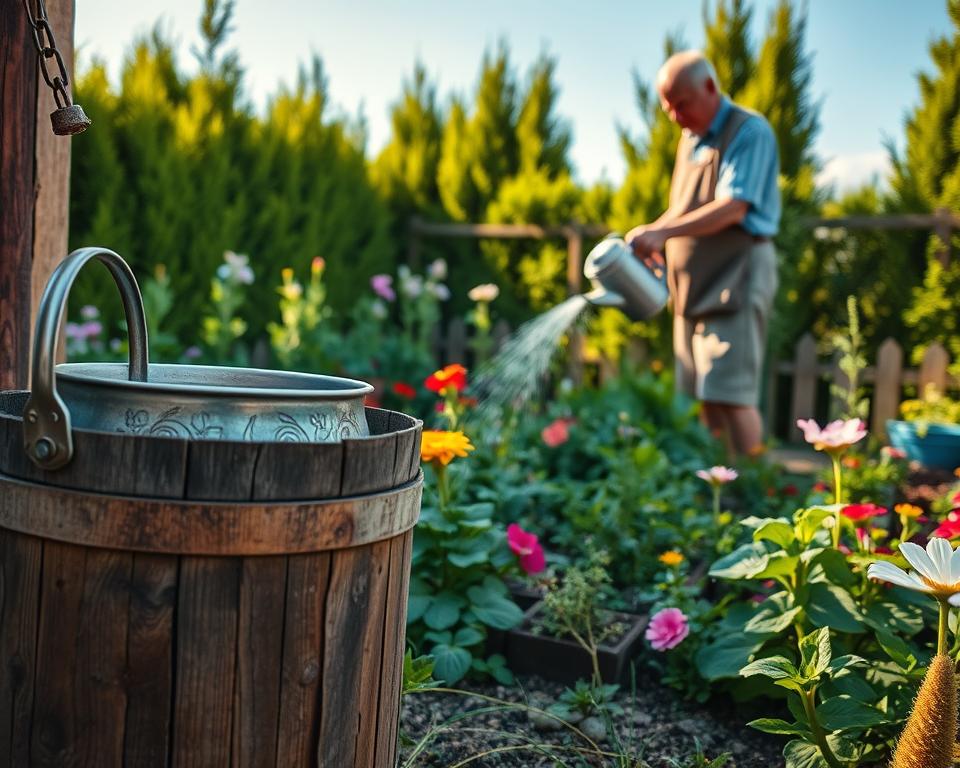
Traditional watering methods include two primary tools that have stood the test of time:
- Watering can: Perfect for precise, gentle watering of delicate plants and seedlings
- Garden hose: Ideal for covering larger areas and reaching distant garden sections
Each traditional watering technique offers unique advantages for different garden scenarios. A watering can allows for meticulous moisture control, while a garden hose provides broader coverage with less physical effort.
| Watering Method | Best Suited For | Pros | Cons |
|---|---|---|---|
| Watering Can | Small gardens, container plants | Precise water distribution | Limited water capacity |
| Garden Hose | Large garden areas | Quick coverage | Less precise watering |
Your choice of traditional watering techniques depends on your garden’s specific needs. Consider factors like garden size, plant types, and your personal physical capabilities when selecting the most appropriate method.
Pro tip: Combine different manual watering techniques to create a comprehensive garden care strategy.
Drip Irrigation Systems Explained
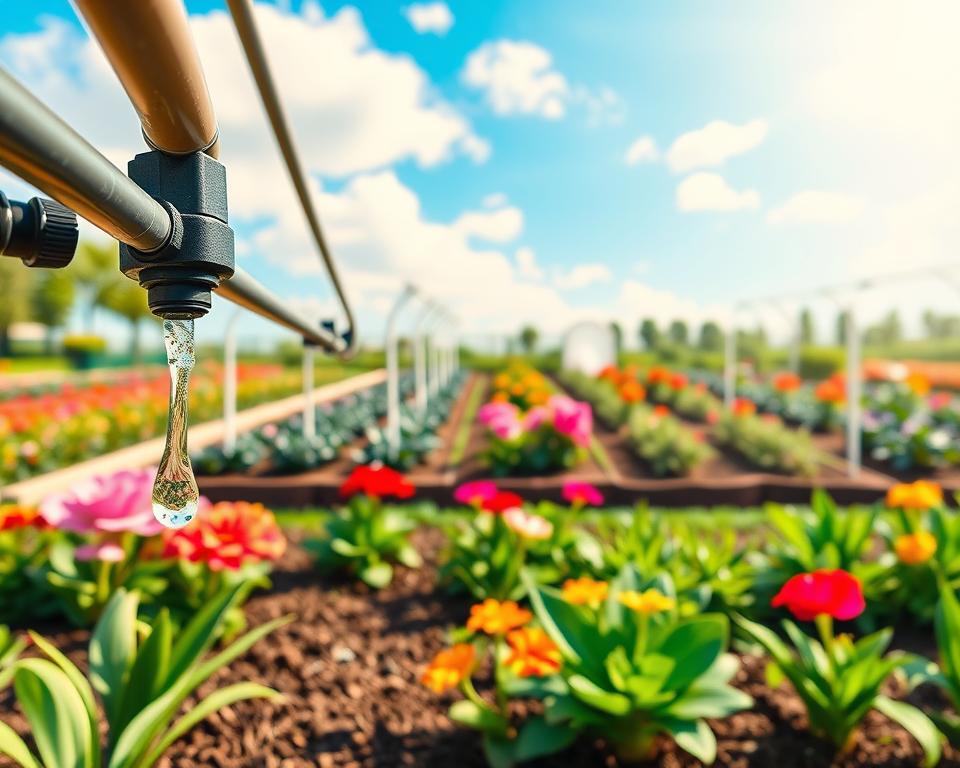
Garden irrigation has transformed with drip systems, offering a revolutionary approach to efficient watering. Drip irrigation provides gardeners with a precise and intelligent method of delivering water directly to plant roots, minimising waste and maximising plant health.
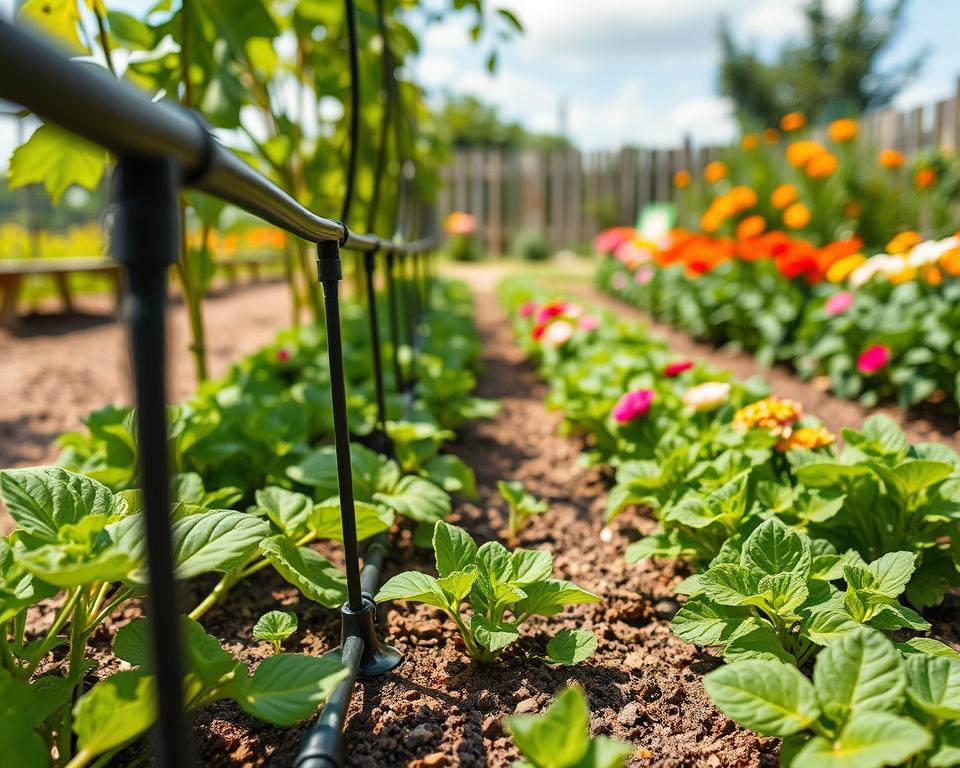
Modern gardeners seeking water efficiency are turning to drip irrigation as their preferred watering solution. This innovative approach ensures every precious drop reaches its intended destination.
How Drip Irrigation Works
A drip system operates through a network of tubes and emitters that release water slowly and directly onto soil. Key components include:
- Pressure regulators
- Filter systems
- Flexible tubing
- Precision emitters
Advantages of Drip Systems
Drip irrigation offers multiple benefits for garden management:
- Reduces water consumption by up to 50%
- Minimises weed growth
- Prevents leaf diseases
- Supports targeted nutrient delivery
Installation and Maintenance Requirements
Successful irrigation installation involves careful planning. You’ll need to map your garden, select appropriate emitters, and ensure proper water pressure. Regular maintenance includes checking for blockages and seasonal adjustments.
“Efficient watering is not just about saving water, but nurturing your garden’s potential.” – Garden Irrigation Experts
Investing in a drip system transforms your garden’s water management, providing a sustainable and intelligent approach to plant care.
Soaker Hoses as a Garden Watering Solution
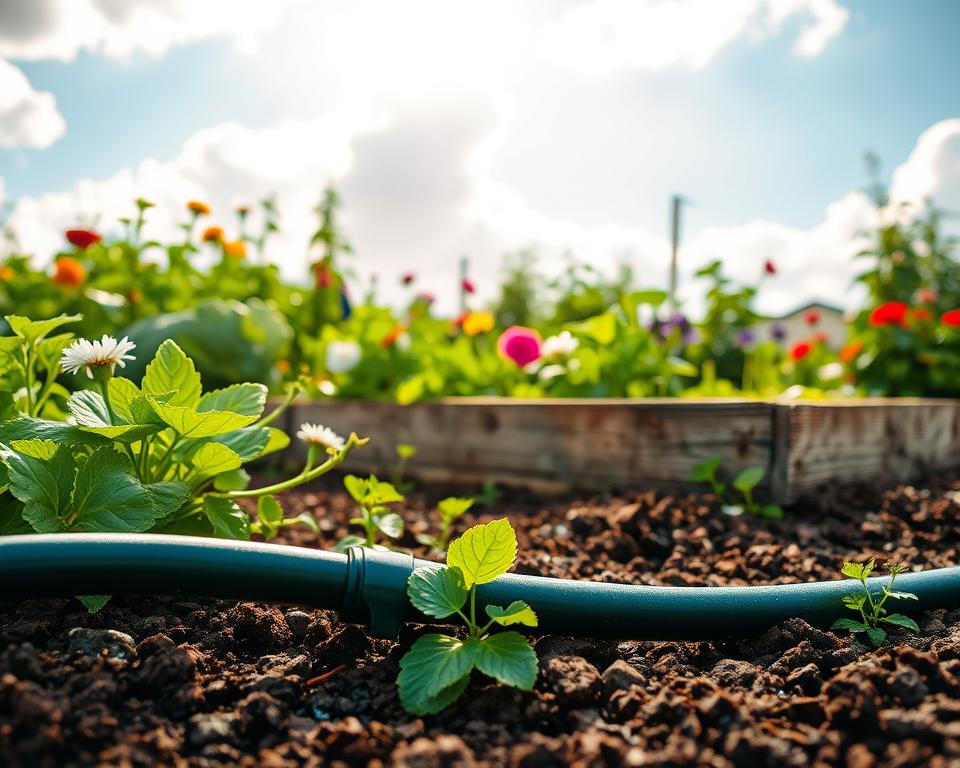
Gardeners seeking an efficient irrigation method often turn to soaker hoses as a smart garden watering solution. These porous hoses provide a gentle, precise approach to delivering water directly to plant roots, minimising water waste and maximising plant health.
A soaker hose offers several key advantages for your garden:
- Delivers water slowly and evenly to root zones
- Reduces water evaporation compared to traditional watering methods
- Keeps plant foliage dry, preventing fungal diseases
- Works effectively in vegetable gardens and flower beds
Different types of porous hoses exist for various garden needs. Recycled rubber versions provide durability, while fabric options offer flexibility in garden layouts. When installing your soaker hose, consider these critical placement strategies:
- Position hoses close to plant roots
- Create gentle curves rather than sharp bends
- Use landscape pins to secure the hose
- Connect to a timer for consistent irrigation
While soaker hoses represent an excellent garden watering method, they do have limitations. They work best on flat terrain and may struggle with uneven water distribution on sloped landscapes. Regularly inspect your efficient irrigation system to ensure optimal performance throughout the growing season.
Sprinkler Systems for Garden Irrigation
Garden sprinklers represent a versatile irrigation solution for homeowners seeking efficient water distribution across larger garden spaces. A well-designed sprinkler system can transform your garden maintenance, providing consistent moisture to plants and lawns with minimal manual intervention.
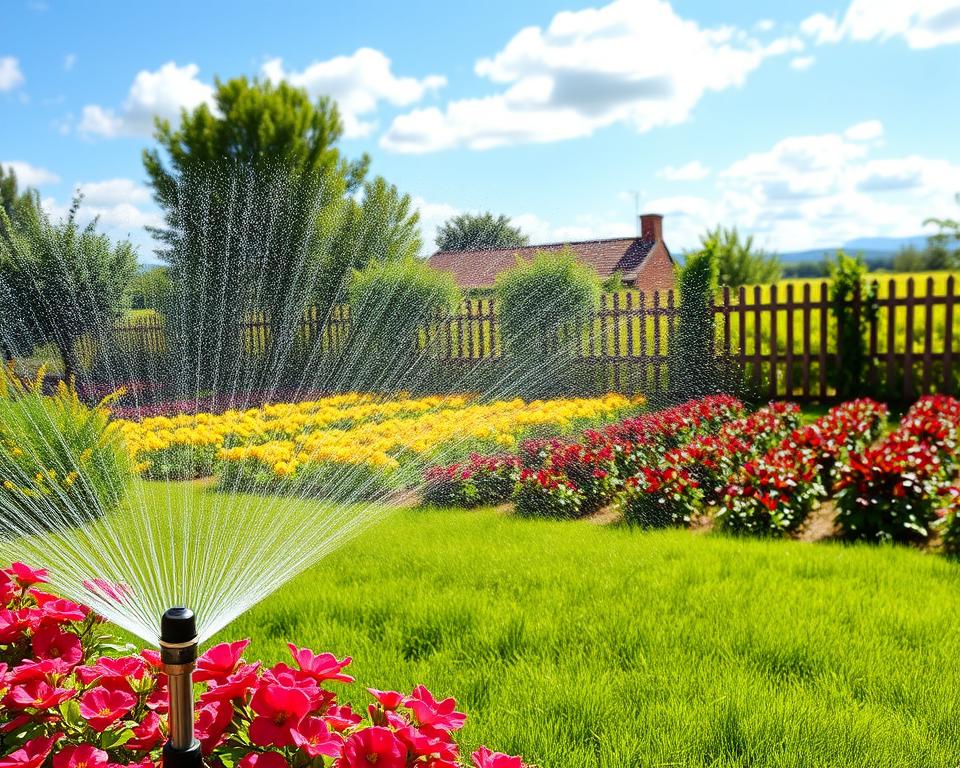
Understanding the different types of sprinkler systems helps you select the most appropriate option for your specific garden layout and watering requirements.
Types of Garden Sprinklers
- Oscillating sprinklers: Ideal for rectangular garden areas
- Rotary sprinklers: Excellent for circular coverage
- Impact sprinklers: Best for large, open spaces
- Fixed spray sprinklers: Suitable for smaller, compact gardens
- In-ground pop-up sprinklers: Seamless permanent irrigation solution
Irrigation Coverage and Efficiency
Effective sprinkler irrigation depends on understanding coverage patterns. Different sprinkler types offer unique distribution methods, which impacts overall water efficiency.
| Sprinkler Type | Coverage Area | Water Efficiency |
|---|---|---|
| Oscillating | Rectangular (10-15 metres) | Moderate |
| Rotary | Circular (8-12 metres) | High |
| Impact | Wide radius (15-20 metres) | Moderate to Low |
When selecting a sprinkler system, consider your garden’s specific characteristics. Factors like wind conditions, plant types, and soil moisture will influence your irrigation strategy.
Automated Timer Systems and Smart Controllers
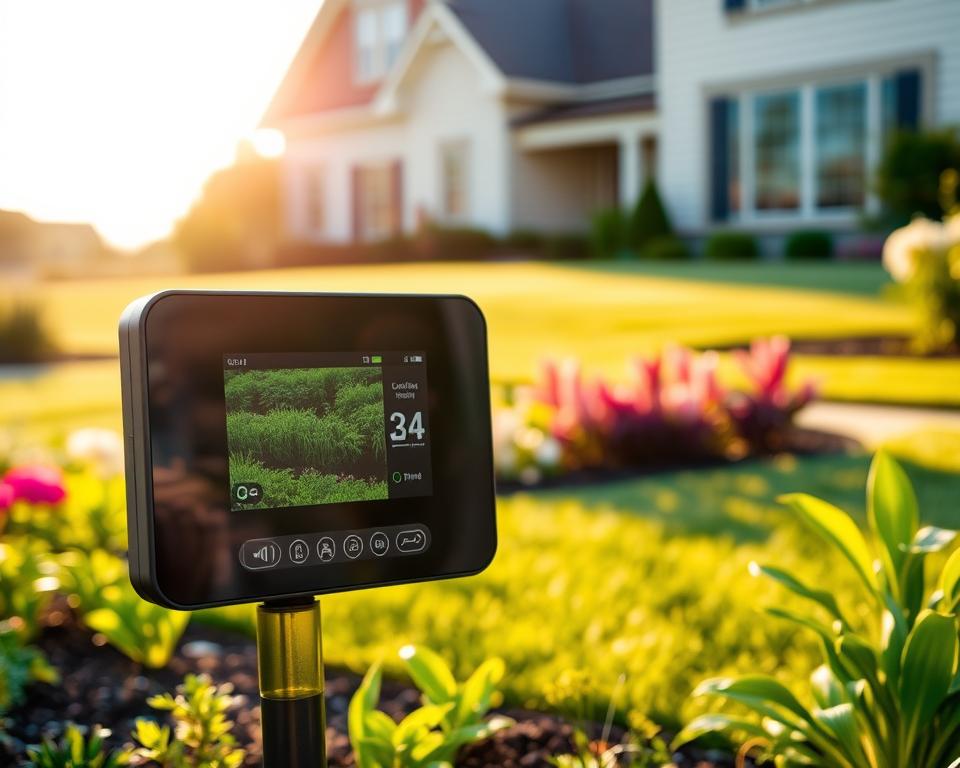
Transforming your garden’s irrigation approach starts with smart technology. Automated watering systems have revolutionised how gardeners manage water resources efficiently. An irrigation timer can dramatically simplify your garden care routine, providing precise water management without constant supervision.
Smart irrigation controllers offer several key advantages for modern gardeners:
- Weather-responsive watering schedules
- Remote smartphone app control
- Moisture sensor integration
- Zonal water distribution
These intelligent systems can reduce water consumption by up to 50% through advanced monitoring techniques. Your automated garden care strategy becomes more sustainable, adapting to environmental conditions automatically.
Modern controllers connect seamlessly with various watering systems, from drip irrigation to standard sprinkler networks. Wi-Fi-enabled devices allow you to manage your garden’s hydration from anywhere, ensuring your plants receive optimal care.
Key features to consider when selecting an automated watering system include:
- Compatibility with existing infrastructure
- Water conservation capabilities
- Ease of programming
- Budget considerations
Investing in a smart irrigation system represents a forward-thinking approach to garden management, balancing technological convenience with environmental responsibility.
What is the Best Watering System for a Garden?
Selecting the best irrigation system requires careful consideration of multiple factors. Your garden’s unique characteristics will determine the most suitable watering solution, balancing cost-effectiveness, water efficiency, and garden size considerations.
Comparing Cost-Effectiveness
When evaluating the best irrigation system, understanding the financial implications is crucial. Different watering methods offer varying levels of cost-effectiveness:
- Soaker hoses: Budget-friendly option (£15-50)
- Basic drip irrigation: Mid-range investment (£100-300)
- Automated systems: Premium solution (£300-1000+)
Water Conservation and Efficiency
Water-efficient gardens require strategic irrigation approaches. The efficiency of different systems varies significantly:
| Irrigation Method | Water Efficiency | Estimated Water Savings |
|---|---|---|
| Drip Irrigation | 90-95% | Up to 50% reduction |
| Sprinkler Systems | 60-75% | 20-35% reduction |
| Traditional Watering | 40-60% | Minimal savings |
Suitability for Different Garden Sizes
Your garden’s dimensions play a critical role in selecting the most appropriate irrigation system:
- Small gardens (under 50m²): Traditional methods or simple hose watering
- Medium gardens (50-200m²): Soaker hoses or basic drip systems
- Large gardens (200m² and above): Comprehensive automated irrigation solutions
By carefully assessing your specific requirements, you can implement a cost-effective watering strategy that ensures your garden remains healthy and vibrant while minimising water consumption.
Rainwater Harvesting and Collection Systems
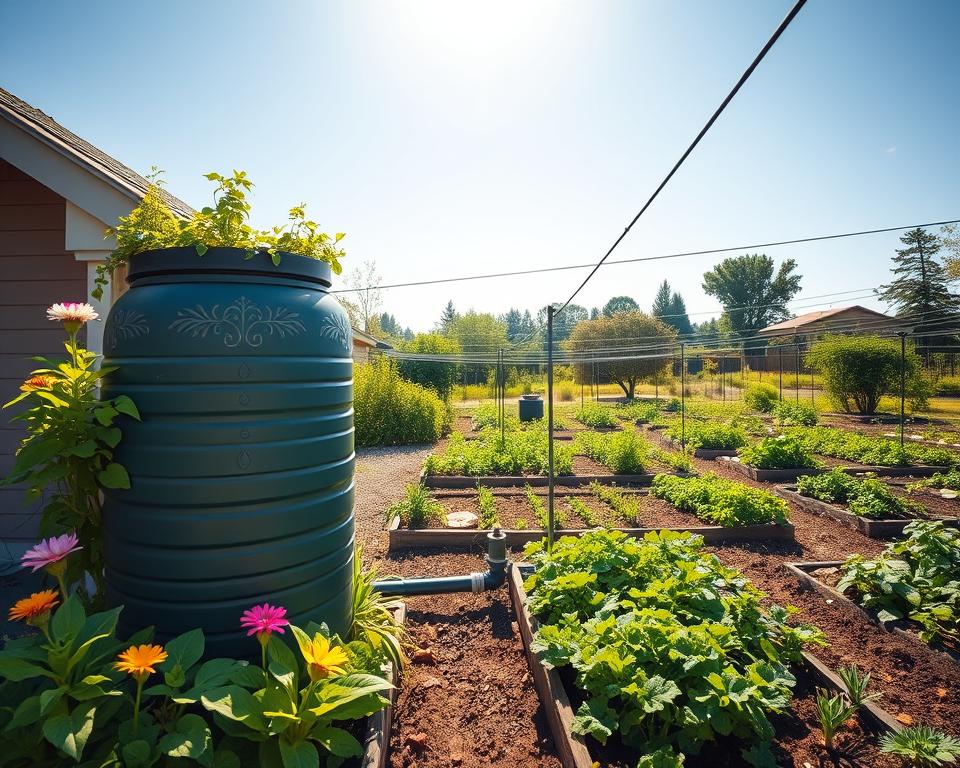
Rainwater harvesting offers an intelligent solution for sustainable watering in your garden. The UK’s generous rainfall provides an excellent opportunity to collect and utilise water directly from nature, reducing your reliance on mains water supply.
A well-designed rainwater system can transform how you approach garden water conservation. By capturing rainfall from rooftops and storing it in dedicated tanks, you can create a reliable water collection strategy that benefits both your garden and the environment.
- Collect up to 80,000 litres of rainwater annually from an average UK home’s roof
- Reduce water bills through sustainable watering practices
- Provide chemical-free water that plants naturally prefer
“Rainwater harvesting is not just about saving money, but about creating a more sustainable garden ecosystem.”
Implementing a rainwater system involves several key components:
| Component | Function | Typical Cost Range |
|---|---|---|
| Water Butt | Basic collection point | £50-£150 |
| Underground Tank | Large-scale storage | £500-£2,000 |
| Filtration System | Water purification | £100-£300 |
Your garden’s specific requirements will determine the most suitable rainwater harvesting approach. Consider factors like garden size, local rainfall patterns, and existing drainage infrastructure when planning your water collection strategy.
Installing Your Chosen Watering System
Transforming your garden irrigation dream into reality requires careful planning and precise execution. Whether you’re attempting a DIY irrigation project or preparing for professional installation, understanding the watering system setup is crucial for garden success.
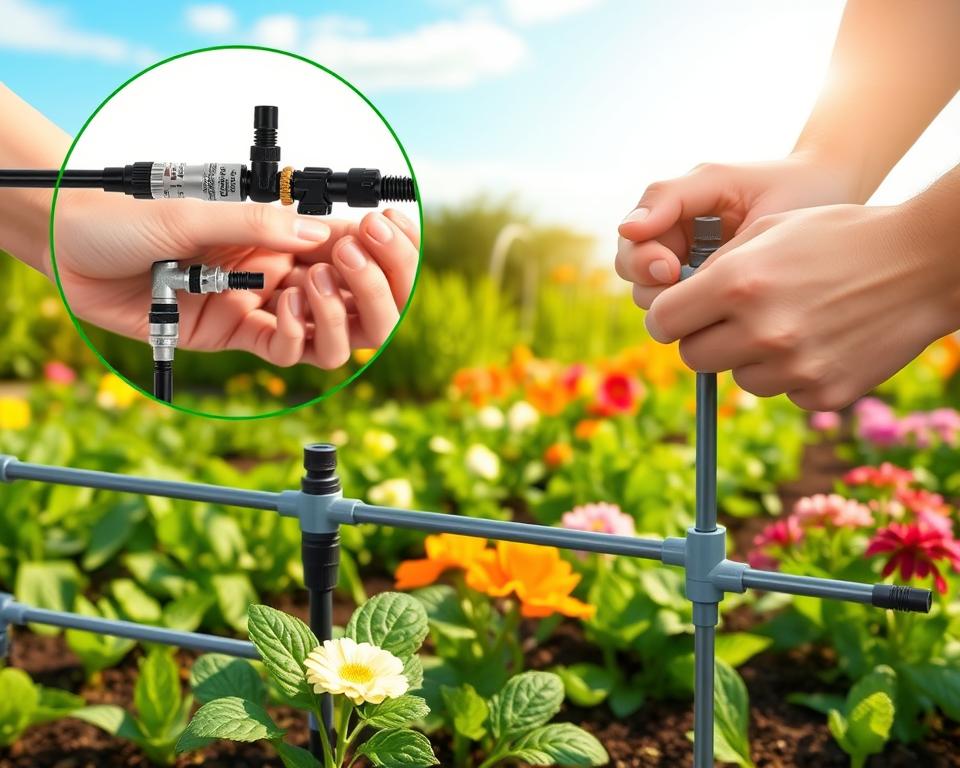
Selecting the right watering equipment can make a significant difference in your garden’s health and water efficiency. The irrigation installation process might seem daunting, but with the right approach, you can create a robust watering system that nurtures your plants perfectly.
Essential Tools and Materials
Before beginning your installation, gather these critical items:
- Measuring tape
- Pipe cutter
- Garden stakes
- Connectors and fittings
- Pressure regulator
- Filter system
Step-by-Step Installation Guide
- Map your garden’s layout
- Determine water source connection points
- Measure and mark distribution lines
- Install primary water line
- Position emitters or sprinkler heads
- Test system pressure and coverage
When implementing your DIY irrigation strategy, remember that precision matters. Take time to understand your specific garden’s requirements, ensuring each plant receives optimal hydration.
Pro tip: Always protect outdoor connections from potential frost and check local water regulations before installation.
Maintaining Your Garden Watering System
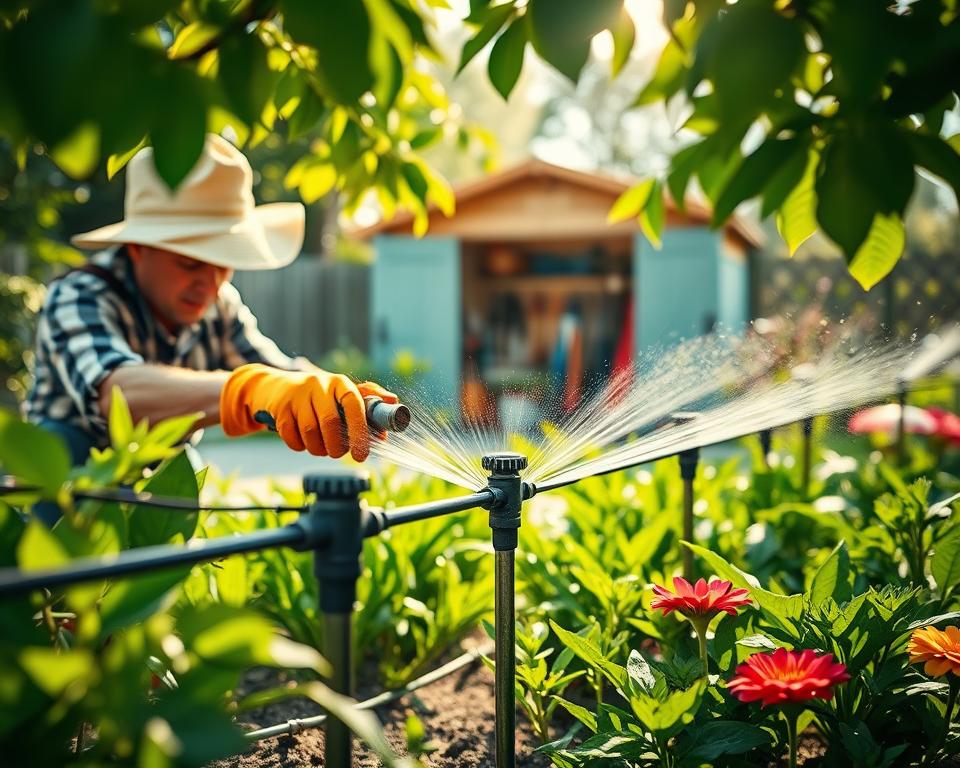
Proper irrigation maintenance is crucial for keeping your garden watering system in top condition. Regular system upkeep ensures your garden remains healthy and your watering infrastructure performs optimally throughout the year.
Garden maintenance requires a proactive approach to watering system care. Start by creating a comprehensive maintenance schedule that covers different seasonal needs:
- Spring: Activate and inspect the entire system after winter
- Summer: Monitor performance and make necessary adjustments
- Autumn: Prepare for reduced watering requirements
- Winter: Implement protective measures against frost damage
Key maintenance tasks include:
- Checking for leaks and potential damage
- Cleaning filters and emitters
- Flushing drip lines to remove sediment
- Adjusting sprinkler heads for optimal coverage
“A well-maintained irrigation system can last 10-20 years, making regular care an excellent investment in your garden’s infrastructure.”
Watch for early warning signs of potential issues, such as:
- Uneven water distribution
- Unexplained pressure changes
- Visible leaks or moisture around components
By dedicating time to systematic watering system care, you’ll prevent costly repairs and ensure efficient water usage for your garden’s long-term health.
Common Watering System Problems and Solutions
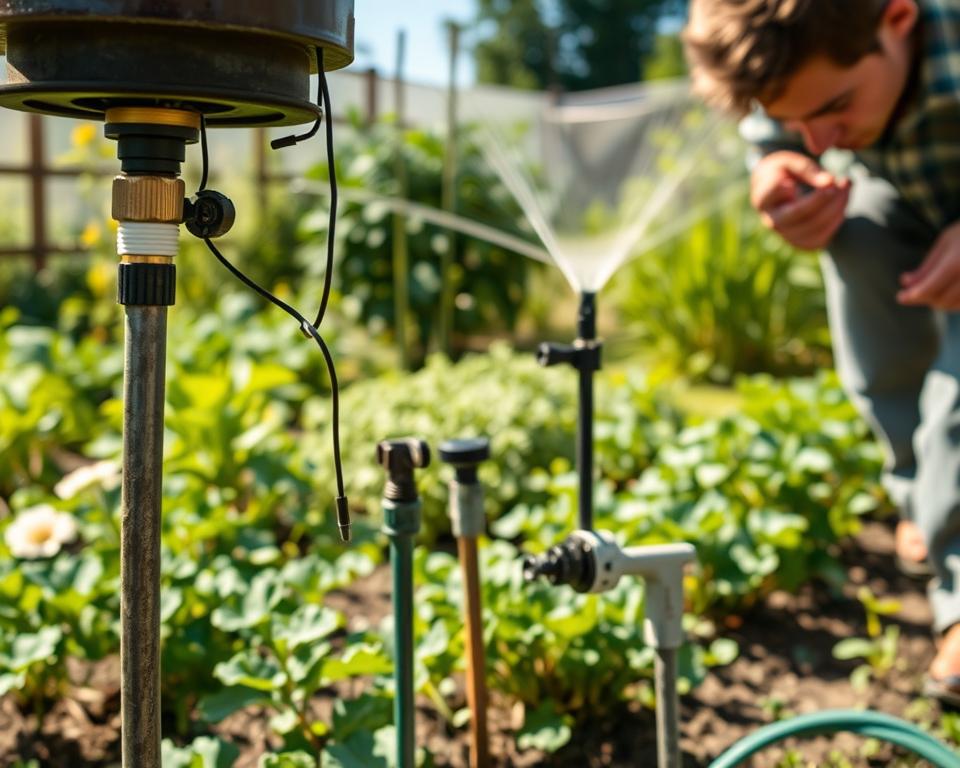
Gardeners often encounter irrigation problems that can disrupt their carefully planned watering systems. Understanding watering system troubleshooting helps you maintain an efficient garden irrigation setup and prevent costly damages.
Effective system optimisation begins with recognising common issues that can impact your garden’s water delivery.
Identifying and Resolving Blockages
Blockages in irrigation systems can seriously compromise water distribution. Key areas to inspect include:
- Drip emitters with mineral build-up
- Soaker hoses with sediment accumulation
- Filter screens collecting debris
Fixing leaks requires a systematic approach. Check for warning signs such as:
- Unexplained wet patches in your garden
- Reduced water pressure
- Visible cracks in irrigation pipes
Performance Adjustment Techniques
Optimal system performance demands regular maintenance. Pressure management is crucial for preventing water waste and ensuring even distribution. Consider these strategies:
- Repositioning sprinkler heads to eliminate dry spots
- Adjusting timer settings for seasonal variations
- Installing pressure regulators
When troubleshooting irrigation problems, remember that most issues can be resolved with careful inspection and timely intervention. Regular system checks will help maintain your garden’s health and water efficiency.
Conclusion
Selecting the best garden watering system requires careful consideration of your unique landscape needs. Your irrigation decision will ultimately depend on multiple factors, including garden size, plant varieties, soil type, and local climate conditions. Drip irrigation stands out as an exceptionally water-efficient solution for targeted plant nourishment, while sprinkler systems remain ideal for expansive lawn areas.
Each watering approach offers distinct advantages for garden irrigation. Soaker hoses provide an affordable middle ground, delivering gradual moisture directly to plant roots. Smart controllers and automated systems can transform your garden maintenance, reducing manual labour and ensuring consistent hydration. The key is matching your chosen watering system to your specific garden requirements.
Budget, water conservation goals, and long-term garden development should guide your selection process. Investing in a scalable system allows for future expansion as your garden evolves. By prioritising efficiency and understanding your landscape’s unique needs, you can create a sustainable irrigation strategy that supports healthy plant growth while minimising water waste.
Remember that no single garden watering system works perfectly for every landscape. Take time to assess your specific conditions, experiment with different approaches, and be prepared to adapt your irrigation strategy as your garden grows and changes. Your thoughtful approach will result in a thriving, well-nourished garden that brings joy and beauty to your outdoor space.
FAQ
What are the most water-efficient irrigation systems?
Drip irrigation systems are considered the most water-efficient, with up to 90-95% efficiency. They deliver water directly to plant roots, minimising evaporation and waste. Soaker hoses are also highly efficient, providing targeted watering with minimal runoff.
How often should I water my garden in the UK climate?
Watering frequency depends on several factors, including soil type, plant species, and seasonal variations. Generally, most UK gardens require watering once or twice a week during dry periods. Clay soils retain moisture longer, while sandy soils need more frequent watering. Always check soil moisture before watering.
Can I install a garden irrigation system myself?
Many irrigation systems are DIY-friendly, particularly soaker hoses and basic drip irrigation kits. More complex automated systems might require professional installation. Ensure you have the necessary tools, understand your garden’s layout, and follow manufacturer instructions carefully.
How much does a garden watering system cost?
Costs vary widely. Basic soaker hoses start around £15-50, mid-range drip irrigation systems range from £100-300, and comprehensive automated systems can cost £300-1000+. Consider your garden size, plant needs, and long-term water savings when budgeting.
Are automatic watering systems worth the investment?
Smart controllers can reduce water usage by 20-50% by adjusting for weather conditions and plant needs. They’re particularly valuable for busy gardeners or during holidays. The initial investment can be offset by water bill savings and improved plant health.
How do I protect my irrigation system during winter?
Winterisation is crucial in the UK climate. Drain all water from pipes and components, disconnect hoses, and store them indoors. For in-ground systems, use compressed air to blow out remaining water or install insulation. Remove and store sensitive components like timers and filters.
What are the best watering methods for container plants?
Container plants often require more frequent watering. Drip irrigation with individual emitters or self-watering systems work excellently. These methods provide consistent moisture, prevent overwatering, and are ideal for balconies, patios, and small garden spaces.
Can I integrate rainwater harvesting with my irrigation system?
Absolutely! The UK’s average rainfall makes rainwater harvesting highly effective. You can connect water butts to drip irrigation or sprinkler systems using pumps and filters. This approach saves on water bills and provides chlorine-free water that plants often prefer.