
Create an English Garden: A Step-by-Step Guide

Transforming your outdoor space into a serene English garden is a delightful way to enhance your home’s beauty. Characterised by lush greenery, vibrant flowers, and a sense of relaxed elegance, English gardens have captivated homeowners for centuries.
To create your own English garden, you’ll need to understand the key elements that define this style, from the selection of plants to the design of pathways and borders.
In this comprehensive guide, we will walk you through the process, providing English garden ideas and practical advice to help you achieve your dream garden.
Inhaltsverzeichnis
Key Takeaways
- Understand the historical context and key characteristics of English gardens.
- Learn how to select the perfect plants for your climate and soil type.
- Discover practical tips for maintaining your garden through the seasons.
- Explore creative ideas for designing pathways, borders, and other features.
- Find out how to create a harmonious balance between different elements in your garden.
Understanding the English Garden Style
Understanding the English garden style is key to recreating its charm in your own outdoor space. The essence of an English garden lies in its ability to blend natural beauty with thoughtful design, creating a haven that is both serene and inviting. This style has captivated gardeners for centuries, and its appeal continues to endure.
Historical Context of English Gardens
The English garden style has its roots in the 18th century, emerging as a response to the more formal French garden designs. It was influenced by the works of landscape gardeners such as Lancelot ‘Capability’ Brown, who advocated for a more naturalistic approach to garden design. This period saw a shift towards gardens that mimicked the natural landscape.
Key Characteristics and Elements
English gardens are characterized by their use of naturalistic planting schemes, meandering pathways, and classic garden structures. They often feature a mix of flowers, shrubs, and trees, creating a layered and textured appearance. The incorporation of water features, such as ponds or fountains, adds to the tranquil ambiance.
Different Types of English Gardens
There are several types of English gardens, each with its unique charm. The cottage garden, for instance, is known for its informal, lush planting and traditional cottage-style features. The landscape garden, on the other hand, emphasizes naturalistic design, often incorporating rolling lawns and woodland areas. Understanding these different types can help you decide which style best suits your space and preferences.
Assessing Your Space and Conditions
To create an English garden that flourishes, you need to understand the unique conditions of your outdoor space. This involves evaluating several key factors that will influence your garden’s design and plant selection.
Evaluating Soil Quality and Drainage
Your soil’s quality and drainage play a crucial role in determining the health and vitality of your garden. You should test your soil to determine its type and nutrient content. Soil testing kits can help you identify your soil’s pH level and nutrient deficiencies. Improving drainage may involve adding organic matter like compost or manure.
- Check for soil compaction
- Test for pH levels
- Assess nutrient content
Understanding Your Climate and Microclimate
Understanding your local climate and microclimate is vital for selecting plants that will thrive. Consider factors like temperature ranges, rainfall patterns, and wind direction. Your garden may have microclimates, areas with unique conditions different from the surrounding areas.

Considering Light Conditions and Exposure
Light conditions significantly affect plant growth. Observe your garden throughout the day to understand the light patterns. Consider the amount of sunlight and shade, as well as any obstructions that might affect light exposure.
- Record sunlight hours
- Note areas of shade
- Consider reflective surfaces to enhance light
By carefully assessing these conditions, you can make informed decisions about your garden design and plant choices, ensuring your English garden thrives.
Planning Your English Garden Layout
Now that you have a clear understanding of your garden’s conditions, you can start designing your English garden layout. A well-planned layout is essential for creating a harmonious and visually appealing garden that reflects the classic English style.
Creating a Scaled Drawing
To begin, create a scaled drawing of your garden. This will help you visualise the space and make informed decisions about the layout. Use graph paper to sketch the garden’s boundaries, noting any existing features such as trees, paths, and slopes. Consider using a scale of 1:100 or 1:50 to ensure accuracy.
Establishing Garden Rooms and Divisions
English gardens often feature distinct ‘rooms’ or areas, each with its own character. Divide your garden into separate sections using hedges, screens, or other natural barriers. This will create a sense of intimacy and discovery as you move through the garden.

Incorporating Pathways and Focal Points
Pathways and focal points are crucial elements in an English garden. Use meandering paths to guide visitors through the garden, and create focal points with statues, water features, or statement plants. These features will draw the eye and create visual interest, adding depth and complexity to your garden design.
By following these steps, you can create a beautiful and functional English garden layout that showcases your personal style and complements the natural surroundings.
Essential Elements to Create an English Garden
When designing an English garden, it’s crucial to incorporate a mix of structural, natural, and decorative elements to achieve the desired ambiance. These elements work together to create a harmonious and visually appealing outdoor space that reflects the traditional charm of English gardens.
Structural Features: Walls, Hedges and Fences
Structural features such as walls, hedges, and fences are fundamental to defining the layout and character of an English garden. They provide boundaries, create secluded areas, and add texture to the landscape. For instance, a well-trimmed hedge can serve as a beautiful backdrop for flowering plants, while a stone wall can add a rustic charm.

Water Features: Ponds and Fountains
Water features are another essential element in creating an authentic English garden. Ponds and fountains not only add visual interest but also create a soothing atmosphere. The sound of gently flowing water can enhance the sensory experience of the garden, making it more inviting and relaxing.
| Type of Water Feature | Characteristics | Benefits |
|---|---|---|
| Ponds | Still water, often with aquatic plants | Attracts wildlife, creates reflection |
| Fountains | Moving water, various designs | Adds sound, visual interest |
Garden Ornaments and Focal Points
Garden ornaments and focal points play a significant role in adding character and personality to an English garden. These can range from statues and sundials to benches and garden art. By strategically placing these elements, you can create visual interest and guide the visitor’s eye through the garden.
When selecting garden ornaments, consider the overall style and theme of your garden to ensure that the chosen pieces complement the existing landscape. For example, a classic stone statue can add a touch of elegance, while a wooden bench can provide a cozy seating area.
Selecting the Perfect Plants for Your English Garden
An English garden’s charm lies in its plant selection, a crucial step in its creation. The right plants not only enhance the aesthetic appeal but also ensure a harmonious and thriving garden ecosystem.
Foundational Trees and Shrubs
Trees and shrubs form the backbone of an English garden, providing structure and year-round interest. Consider native species like Quercus robur (English oak) and Taxus baccata (yew) for their timeless appeal and adaptability.
Perennial Borders and Cottage Garden Plants
Perennial borders are a hallmark of English gardens, featuring a mix of plants that return year after year. Incorporate cottage garden favourites like peonies, delphiniums, and foxgloves for a vibrant display.

Climbing Plants and Roses
Climbing plants and roses add vertical interest and fragrance to the garden. Train climbing roses like ‘Cecile Brunner’ over arches or trellises, and use clematis and honeysuckle for added colour and scent.
Bulbs for Seasonal Interest
Bulbs provide seasonal highlights, from spring’s daffodils and tulips to autumn’s cyclamen and colchicums. Planting a variety of bulbs ensures a dynamic and changing garden landscape throughout the year.
| Plant Type | Seasonal Interest | Example Plants |
|---|---|---|
| Bulbs | Spring, Autumn | Daffodils, Tulips, Cyclamen |
| Perennials | Spring, Summer | Peonies, Delphiniums, Foxgloves |
| Climbing Plants | Summer | Roses, Clematis, Honeysuckle |
By thoughtfully selecting a mix of these plants, you can create a lush, layered, and dynamic English garden that delights throughout the seasons.
Creating Lush, Layered Planting Schemes
To create a truly English garden, you need to master the art of lush, layered planting schemes. This involves combining plants in a way that creates depth, texture, and visual interest throughout the seasons.

Principles of Plant Combination
The key to a successful planting scheme lies in the combination of plants. You should consider factors such as plant height, texture, and colour when selecting plants. A good rule of thumb is to use a mix of:
- Taller plants towards the back of the border
- Mid-height plants in the middle
- Low-growing plants at the front
This layering creates a sense of depth and prevents the planting from looking flat.
Colour Schemes and Seasonal Planning
Colour schemes play a crucial role in creating a visually appealing English garden. You can choose from a variety of colour schemes, such as:
- Monochromatic: using different shades of the same colour
- Complementary: using colours that are opposite each other on the colour wheel
- Harmonious: using colours that are next to each other on the colour wheel
Seasonal planning is also essential to ensure that your garden looks its best throughout the year. Consider incorporating plants that provide interest during different seasons, such as:
- Spring bulbs
- Summer perennials
- Autumn foliage
- Winter berries
Achieving the “Organised Chaos” Look
The “organised chaos” look is a hallmark of English gardens. To achieve this, you should aim for a balance between order and randomness. This can be done by:
- Planting in drifts rather than straight lines
- Allowing plants to spill over onto pathways
- Incorporating a mix of formal and informal elements
By following these principles, you can create a lush, layered planting scheme that is quintessentially English.
Incorporating Traditional English Garden Features
Incorporating traditional features into your English garden can add depth and character. These classic elements not only enhance the aesthetic appeal of your garden but also create a sense of history and authenticity.
Formal Elements: Topiary and Knot Gardens
Formal elements like topiary and knot gardens can bring a touch of elegance to your English garden.Topiaryinvolves shaping plants into decorative forms, such as spheres or animals, adding a sculptural quality to your garden. You can use boxwood, yew, or holly for topiary. Knot gardens, on the other hand, feature intricate patterns created using low-growing herbs like thyme or rosemary. These formal elements can be used to create a sense of structure and order in your garden.

Cottage Garden Elements: Picket Fences and Arbours
Cottage garden elements, such as picket fences and arbours, can add a charming, rustic touch to your English garden. Picket fences can be used to define different areas within your garden, while arbours provide a secluded spot to relax and enjoy your surroundings. You can train climbing plants like roses or clematis to grow over your arbour, creating a beautiful, fragrant canopy.
Kitchen Garden Components
Incorporating kitchen garden components can make your English garden both beautiful and functional. Consider adding raised beds for growing your own fruits, vegetables, and herbs. You can also include a garden shed or greenhouse to extend the growing season and provide storage for your gardening tools.
By incorporating these traditional English garden features, you can create a unique and inviting outdoor space that reflects the classic charm of an English garden.
Preparing the Soil and Garden Beds
To create a thriving English garden, it’s essential to start with well-prepared soil. The quality of your soil directly impacts the health and vitality of your plants. Therefore, understanding and improving your soil is a critical first step.
Soil Testing and Amendment
The first step in preparing your soil is to test its pH level and nutrient content. You can purchase a soil testing kit or send a sample to a laboratory for analysis. Based on the results, you may need to amend your soil by adding organic matter such as compost or manure to improve its structure and fertility.
Creating Raised Beds Where Necessary
If your garden has poor drainage or heavy clay soil, consider creating raised beds. Raised beds allow you to control the soil composition and improve drainage, creating a more favorable environment for your plants. To create a raised bed, use untreated wood or stone to construct the frame, and fill it with a mix of topsoil, compost, and other organic matter.

Improving Drainage in Problem Areas
In areas with poor drainage, water can accumulate, potentially leading to root rot and other problems. To improve drainage, you can add organic matter like compost to the soil, or install drainage pipes to direct excess water away from the area.
| Soil Type | Drainage Issue | Solution |
|---|---|---|
| Clay Soil | Poor drainage | Add organic matter, create raised beds |
| Sandy Soil | Rapid drainage | Add compost to retain moisture |
| Loamy Soil | Good drainage | Maintain with regular compost additions |
By addressing your soil’s needs and making necessary adjustments, you can create a strong foundation for your English garden, ensuring it remains healthy and vibrant for years to come.
Planting Techniques for English Garden Success
Planting techniques play a crucial role in the overall success and aesthetic appeal of an English garden. By mastering these techniques, you can ensure that your garden thrives and remains beautiful throughout the seasons.
Proper Planting Depths and Spacing
One of the fundamental aspects of planting is ensuring that plants are placed at the correct depth and spacing. Planting too deeply can lead to root rot, while insufficient depth can expose roots. Similarly, spacing plants too closely can result in competition for resources, while too much space can leave the garden looking sparse.
For most plants, a general rule of thumb is to plant them at the same depth as they were in their pot and to space them according to their mature width. Consulting the specific planting instructions for each species can provide more tailored guidance.

Establishing Trees and Shrubs
Trees and shrubs form the backbone of an English garden, providing structure and year-round interest. When planting trees and shrubs, it’s essential to dig a hole that is twice as wide as the root ball and just as deep. Gently remove the plant from its container, taking care not to damage the roots.
| Plant Type | Spacing | Depth |
|---|---|---|
| Trees | 3-5 meters | Same as root ball |
| Shrubs | 1-3 meters | Same as root ball |
| Perennials | 30-60 cm | Same as pot |
Creating Naturalistic Drifts and Groupings
To achieve a naturalistic look in your English garden, consider planting in drifts or groupings rather than in straight lines or uniform patterns. This approach mimics the natural occurrence of plants in the wild and can create a more dynamic and interesting landscape.
“The planting of trees and shrubs in odd numbers and irregular groups gives a more natural appearance than planting in even numbers or straight lines.”
By following these planting techniques, you can create a beautiful and thriving English garden that brings joy and tranquility to your outdoor space.
Adding Hardscaping Elements
Hardscaping is a vital component of English garden design, providing structure and visual interest to your outdoor space. By incorporating well-chosen hardscaping elements, you can enhance the beauty and functionality of your garden.
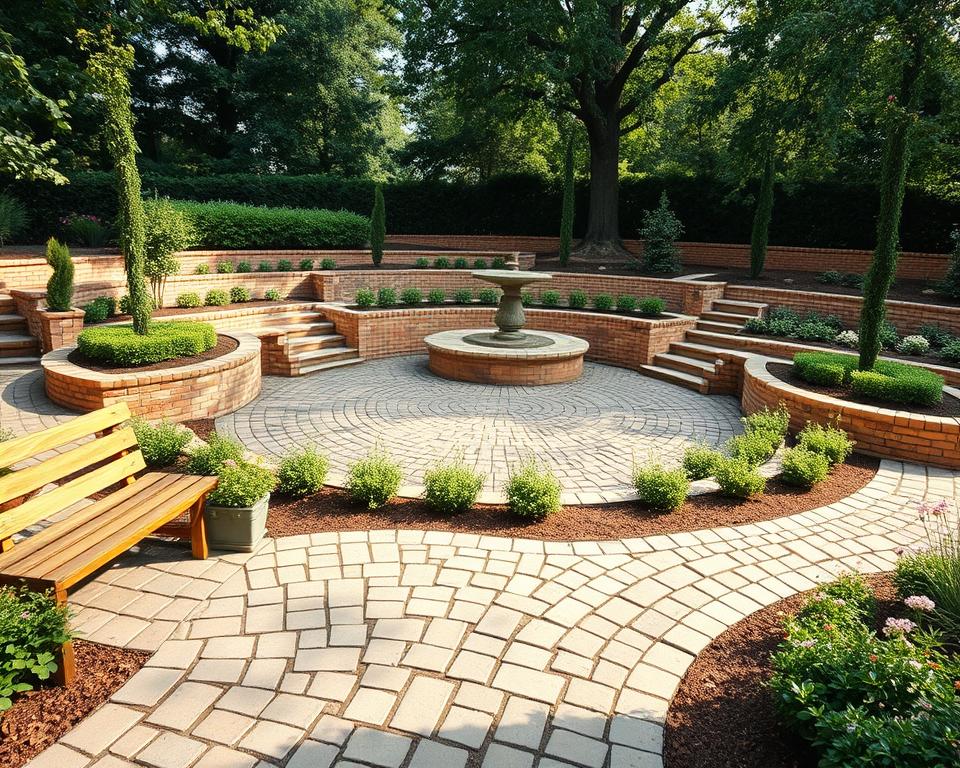
Selecting Materials for Paths and Walls
The choice of materials for paths and walls is crucial in creating a cohesive and inviting English garden. Consider using natural materials such as stone, brick, or gravel, which complement the organic feel of the garden. For paths, ensure the material is durable and slip-resistant, while walls should be constructed with materials that provide structural integrity and aesthetic appeal.
- Stone: Ideal for creating a rustic or formal look, depending on the type of stone used.
- Brick: Offers a classic, timeless appearance that works well with traditional English garden designs.
- Gravel: A cost-effective option that allows for good drainage and a natural, informal appearance.
Installing Garden Structures
Garden structures such as arbours, pergolas, and gazebos add depth and character to your English garden. When installing these structures, consider their purpose and how they will integrate with the rest of the garden. Ensure they are proportionate to the garden size and placed in a way that creates focal points or provides sheltered areas.
- Arbours: Perfect for creating a secluded, romantic spot within the garden.
- Pergolas: Can be used to define pathways or create a shaded area.
- Gazebos: Provide a more substantial structure that can serve as a focal point or a place to relax.
Incorporating Seating Areas
Seating areas are essential for enjoying your English garden. Choose locations that offer scenic views or secluded spots for relaxation. Use materials that complement the garden’s style, such as wooden benches or stone seats. Consider adding decorative elements like garden ornaments or lighting to enhance the ambiance.
By thoughtfully incorporating hardscaping elements, you can create a beautiful and functional English garden that invites relaxation and enjoyment.
Maintaining Your English Garden Through the Seasons
To keep your English garden thriving, it’s essential to understand the seasonal tasks required. Each season brings its own set of challenges and opportunities for garden maintenance.

Spring Tasks and Pruning
Spring is a critical time for garden maintenance. Start by cleaning up debris and pruning plants. Pruning is essential for promoting healthy growth and maintaining the shape of your plants.
- Remove dead or damaged branches
- Cut back perennials to encourage new growth
- Prune roses before new growth begins
Summer Watering and Deadheading
During the summer, focus on watering and deadheading. Ensure that your plants receive adequate water, especially during dry spells.
- Water plants deeply but infrequently to encourage deep root growth
- Deadhead flowers to promote continuous blooming
- Monitor for pests and diseases
Autumn Clean-up and Preparation
Autumn is the time to clean up your garden and prepare for the next growing season. Clear away dead foliage and debris.
- Compost leaves and other organic matter
- Cut back perennials
- Plant spring bulbs
Winter Protection and Planning
Winter is a time for protection and planning. Protect tender plants from frost and plan for the upcoming season.
- Apply mulch to protect roots from freezing
- Plan your garden layout and plant selections
- Order seeds and plants for the next growing season
By following these seasonal tasks, you can keep your English garden beautiful and thriving throughout the year.
Troubleshooting Common English Garden Problems
One of the joys of having an English garden is troubleshooting the inevitable problems that arise. Even with meticulous care, your garden can be affected by pests, diseases, and other issues that impact its beauty and health.
Managing Pests and Diseases
Pests and diseases can significantly damage your English garden if left unchecked. Common pests include aphids, slugs, and snails, while diseases like powdery mildew and root rot can harm plants. To manage these issues, it’s essential to identify the problem early and take appropriate action.
Using organic methods to control pests is a preferred approach in English gardens. For example, introducing beneficial insects like ladybugs or lacewings can help control aphid populations. Additionally, maintaining good garden hygiene by removing weeds and debris can reduce the risk of disease.
| Pest/Disease | Symptoms | Control Measures |
|---|---|---|
| Aphids | Curled or distorted leaves, sticky honeydew | Introduce beneficial insects, spray with soapy water |
| Powdery Mildew | White, powdery coating on leaves | Improve air circulation, remove infected leaves, fungicide application |
| Slugs and Snails | Holes in leaves, slimy trails | Use traps, barriers, or organic baits |
Addressing Plant Health Issues
Plant health issues can arise from various factors, including nutrient deficiencies, poor soil conditions, and environmental stress. Regularly inspecting your plants and understanding their needs can help you address these issues promptly.
Nutrient deficiencies can be addressed through soil testing and amendment. For instance, adding compost or well-rotted manure can improve soil fertility and structure.
Rejuvenating Tired Garden Areas
Over time, certain areas of your garden may start to look tired or neglected. Rejuvenating these areas involves assessing the soil condition, pruning or replacing plants, and adding new features or plants to enhance visual interest.
Pruning is a crucial step in rejuvenating tired garden areas. It helps maintain plant health and encourages new growth. Consider adding new perennials or shrubs to fill gaps and create a more vibrant display.
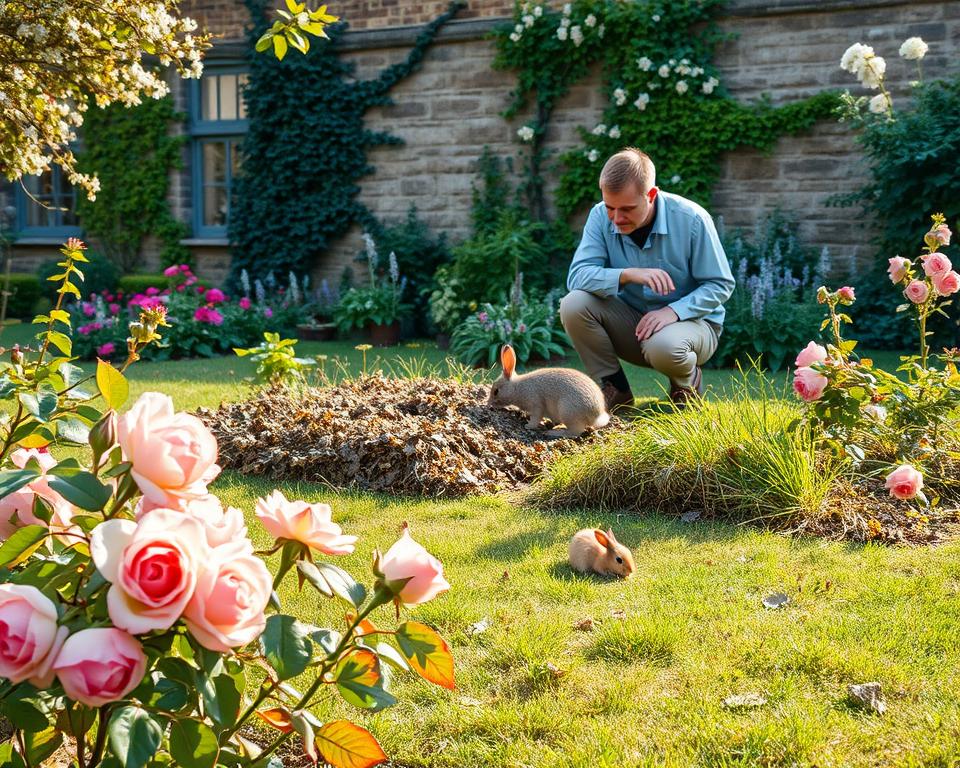
By addressing common garden problems, managing pests and diseases, and rejuvenating tired areas, you can maintain the beauty and health of your English garden throughout the seasons.
Conclusion: Enjoying Your English Garden Retreat
As you sit amidst the lush greenery and vibrant blooms of your English garden, you’ll discover a tranquil oasis that invites relaxation and contemplation. Enjoying your garden becomes a daily pleasure, with every season bringing new delights and surprises.
To fully appreciate your English garden retreat, take time to meander along winding paths, breathe in the scents of blooming flowers, and listen to the soothing sounds of nature. As you do, you’ll find that your garden becomes a haven, a place to escape the stresses of everyday life and reconnect with the natural world.
Regular maintenance is key to keeping your garden looking its best. By following the tips outlined in previous sections, you’ll be able to enjoy your garden to the fullest. Whether you’re sipping tea on a sunny afternoon or strolling through the garden at dusk, your English garden retreat is sure to become a cherished part of your daily life, allowing you to truly enjoy your garden.
FAQ
What are the key characteristics of an English garden?
English gardens are known for their naturalistic planting schemes, meandering pathways, and classic garden structures, such as walls, hedges, and fences.
How do I assess my garden’s soil quality and drainage?
To assess your garden’s soil quality and drainage, you should test the pH level and nutrient content of your soil, and observe how water drains through it after rainfall.
What types of plants are typically used in English gardens?
English gardens often feature a mix of foundational trees and shrubs, perennial borders, cottage garden plants, climbing plants, and roses, as well as bulbs for seasonal interest.
How do I create a lush, layered planting scheme?
To create a lush, layered planting scheme, you should combine plants with different textures, heights, and growth habits, and consider the colour schemes and seasonal planning.
What are some traditional English garden features I can incorporate into my garden?
Traditional English garden features include formal elements like topiary and knot gardens, cottage garden elements like picket fences and arbours, and kitchen garden components.
How do I maintain my English garden through the seasons?
To maintain your English garden, you should perform seasonal tasks, such as spring pruning, summer watering and deadheading, autumn clean-up and preparation, and winter protection and planning.
What are some common problems that can affect English gardens, and how can I troubleshoot them?
Common problems that can affect English gardens include pests, diseases, and plant health issues, which can be managed through proper care, pruning, and treatment.
How do I choose the right hardscaping elements for my English garden?
When choosing hardscaping elements, such as paths, walls, and garden structures, you should consider the style and materials that will complement your garden’s design and surroundings.
Can I create an English garden in a small or urban space?
Yes, you can create an English garden in a small or urban space by selecting compact or vertical plants, using containers, and incorporating traditional English garden features in a scaled-down way.
How do I prepare my soil for planting an English garden?
To prepare your soil, you should test its pH level and nutrient content, amend it if necessary, and create raised beds if your soil is poorly draining.

