Overwintering Tender Plants in a Polycarbonate Greenhouse
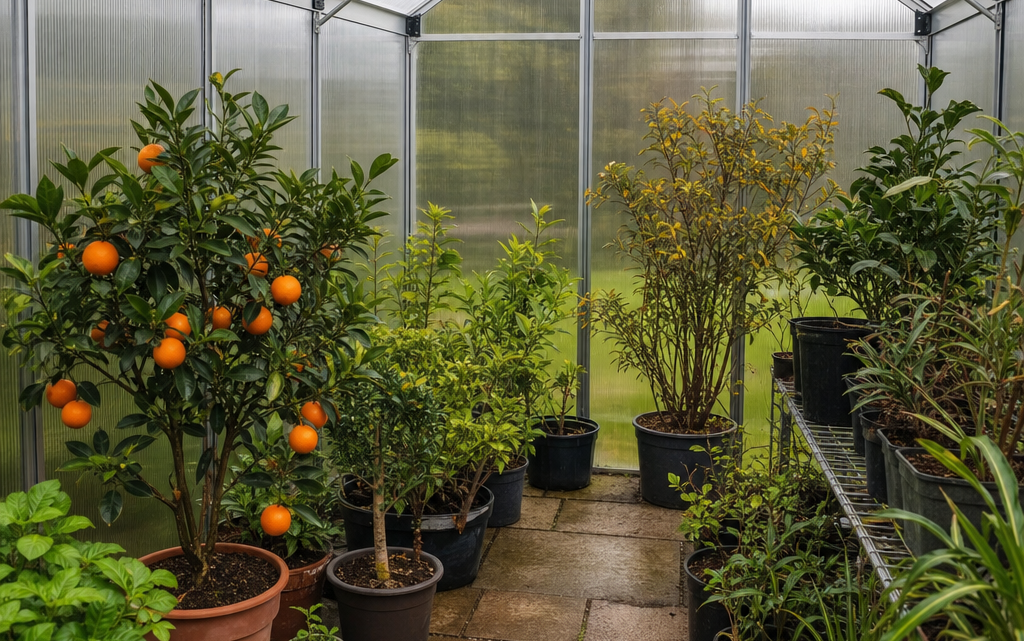
When the first proper autumn chill arrives, many gardeners face the same problem: the patio is still full of pelargoniums, citrus, fuchsias, aeoniums, salvias, cannas and young shrubs that have looked superb all summer, but will not tolerate a wet, freezing British winter outdoors. A twin-wall polycarbonate greenhouse can make overwintering much more reliable, provided you manage temperature, ventilation, watering and hygiene carefully. The aim is not to keep tender plants in active summer growth, but to carry them through winter safely, compactly and with as little stress as possible.
Inhaltsverzeichnis
Overwintering Tender Plants in a Polycarbonate Greenhouse
Twin-wall polycarbonate greenhouses are well suited to winter plant protection because the panels provide better insulation than single glazing and diffuse the light more evenly. That can help reduce sharp temperature swings on sunny winter days and freezing nights. However, a greenhouse is not automatically frost-free. In much of the UK, an unheated greenhouse can still fall below 0°C during cold spells, especially overnight. Your success depends on matching the plants’ needs to the level of protection you can realistically provide.
Decide What Level of Winter Protection You Need
Before moving plants inside, decide whether you are aiming for frost protection, cool storage or active growth. These are different approaches and they affect how much heat, light and watering your plants will need.
Frost-free protection
This suits plants that can tolerate cool conditions but not freezing, such as many pelargoniums, tender salvias, fuchsias, marguerites, some succulents and young half-hardy perennials. The usual target is to keep the greenhouse just above freezing, often around 3–5°C as a minimum. Plants will grow very slowly, so they need little water and no routine feeding.
Cool but brighter overwintering
Citrus, some tender evergreen shrubs and many conservatory plants may need more light and a slightly higher minimum temperature, often closer to 5–10°C depending on the plant. They should not be left wet and cold, but they also should not dry out completely for long periods.
Dormant storage
Dahlias, cannas, begonias and some tender bulbs or tubers may be better stored nearly dry and dormant, rather than kept in leafy growth. A greenhouse can be useful for drying, sorting and storing them, but they may need extra protection inside crates, boxes or insulated areas during very cold weather.
Why Twin-Wall Polycarbonate Helps in Winter
Twin-wall polycarbonate panels trap a layer of air between two skins, improving insulation compared with a single sheet. They also diffuse sunlight, which can reduce scorching and help spread light around the greenhouse. In winter, this is useful because low sun can otherwise create bright hot spots followed by rapid cooling at night.
Polycarbonate is also less fragile than horticultural glass, which is an advantage in exposed gardens or busy family spaces. The practical point for overwintering is that the structure should reduce extremes, but it will still need good siting, a solid base and careful day-to-day management.
Choose the Right Position and Base
If you are installing or relocating a greenhouse before winter, position matters. Choose the sunniest practical site, away from heavy shade cast by fences, sheds, conifers or buildings. Winter sun is low, so a site that seems bright in summer may be shaded in December and January.
The base should be firm, level and well drained. A draughty or uneven base allows cold air in and can undermine the frame during high winds. If the greenhouse is designed without a floor, fix it securely to a suitable solid base as instructed by the manufacturer. This is especially important in exposed locations, because winter storms can be more damaging than frost.
Prepare Plants Before Bringing Them Inside
Do not wait until the first severe frost is forecast. Move tender plants under cover in stages during autumn, ideally before they have been chilled, waterlogged or damaged by wind. Plants that go into winter clean, compact and healthy are much easier to manage.
Inspect for pests and disease
Check leaves, stems, pot rims and compost surfaces for aphids, whitefly, vine weevil larvae, scale insect, mealybug, slugs and snails. A greenhouse concentrates plants into a smaller area, so a small pest problem can spread quickly. Remove dead leaves, weeds and old flowers before plants go inside.
Prune to reduce bulk
Many tender plants benefit from light pruning before storage. Reduce long, soft, sappy growth that is likely to rot or collapse in low light. Avoid very hard pruning of plants that dislike it, and do not cut back citrus heavily before winter. For pelargoniums and fuchsias, reducing top growth can make them easier to space and improve air movement.
Check compost moisture
Plants should enter the greenhouse neither bone dry nor saturated. Wet compost stays cold and encourages root rot, fungus gnats and mould. If pots are waterlogged, allow them to drain before moving them in. Raise pots off the ground where possible to improve drainage and air circulation.
Set Up the Greenhouse for Winter
A good winter layout is about airflow, access and prioritising warmth. Put the most tender plants in the most protected part of the greenhouse, usually away from the door and not touching the panels. Keep hardier plants nearer the entrance or cooler edges.
Leave space between pots. It is tempting to pack everything in tightly, but overcrowding is one of the main causes of winter failure. Stagnant, damp air encourages botrytis, mildew and stem rot. You should be able to inspect plants, remove fallen leaves and water accurately without knocking everything over.
Use staging and insulation wisely
Staging helps keep plants away from the coldest ground-level air and improves air flow. For very tender plants, group pots on a bench and cover the group with horticultural fleece on cold nights. Bubble insulation can be fitted to the inside of the greenhouse in winter, but use greenhouse-grade material and avoid blocking vents completely. Insulation is useful only if you still ventilate when conditions allow.
Practical Example: A Robust Twin-Wall Polycarbonate Greenhouse
As a practical example of the type of structure that can support winter plant protection, an 8′ x 8′ twin-wall polycarbonate greenhouse gives you enough space to group plants by temperature need, maintain access and use staging. A model with 10mm twin-wall polycarbonate panels, roof and side ventilation, a secure door and an aluminium frame can help moderate winter conditions while still allowing light into the growing space. The example below should be treated as a reference point for the kind of specifications to compare, rather than as the only option.
When comparing any greenhouse for overwintering, look closely at panel thickness, ventilation, frame strength, door sealing, guttering and whether the base arrangements suit your site. The best choice is the one that matches your garden’s exposure, the plants you intend to keep and the amount of winter monitoring you can commit to.
Temperature Management: Do Not Guess
A minimum-maximum thermometer is essential. Place it at plant height, not in direct sun and not right beside a heater. Check it regularly so you know how cold the greenhouse actually gets overnight and how warm it becomes on sunny days.
If you need reliable frost protection, consider a thermostatically controlled electric fan heater designed for greenhouse use. The thermostat is important because it prevents unnecessary heating while maintaining a safer minimum temperature. Electric heaters must be used with suitable outdoor-rated electrical installation and residual current device protection. Avoid improvised extension leads, overloaded sockets or domestic heaters not intended for damp greenhouse conditions.
Group plants by temperature need
Not every plant needs the warmest spot. Keep the most tender specimens together, so you can protect a smaller zone with fleece, cloches or gentle heat. Tougher plants can occupy cooler areas. This approach saves energy and reduces the risk of keeping everything too warm, which can encourage weak winter growth.
Ventilation Is as Important as Heat
Many winter losses are caused by damp, stagnant air rather than cold alone. Open vents or the door briefly on mild, dry days, especially after watering or after a sunny spell has raised humidity. The goal is to exchange moist air without chilling plants severely.
Close vents before temperatures fall in the afternoon. In winter, the greenhouse can lose heat quickly once the sun drops. If you are away during the day, automatic vent openers may help in some circumstances, but check that they are suitable for winter use and do not leave plants exposed during sudden cold winds.
Watering Tender Plants Through Winter
Most overwintered plants need far less water than they did in summer. Growth is slow, light levels are low and evaporation is reduced. Overwatering is therefore one of the quickest ways to lose plants.
Water in the morning on a mild day so excess moisture can evaporate before night. Aim water at the compost, not over the foliage. Let the surface of the compost dry between waterings for many tender plants, but do not allow plants such as citrus to remain completely dry for extended periods. Succulents and cacti may need very little water indeed.
Signs you are watering too much
- Compost remains wet for many days.
- Leaves yellow and drop despite cool conditions.
- Stems become soft, blackened or mouldy.
- Fungus gnats appear around the pots.
- Green algae forms on compost surfaces and staging.
Winter Light and Plant Spacing
Even with good light transmission, winter days are short. Keep the panels clean and remove shading materials used in summer. Place taller plants where they will not cast heavy shade over smaller pots. Rotate plants occasionally if they lean towards the light.
Do not feed most plants in midwinter unless they are actively growing and clearly need it. Feeding in low light can produce soft, weak growth that is more prone to pests and disease. Resume feeding gradually in spring as growth restarts.
Useful Overwintering Checklist
- Move tender plants in before damaging frost, not after.
- Inspect every plant for pests, slugs and diseased leaves.
- Prune back excessive soft growth where appropriate.
- Clean greenhouse benches, floors, trays and pots.
- Fit insulation if needed, while keeping vents usable.
- Place a minimum-maximum thermometer at plant height.
- Group plants by temperature requirement.
- Keep pots raised where possible and spaced for airflow.
- Water sparingly, preferably in the morning on mild days.
- Ventilate on dry, mild days to reduce humidity.
- Use fleece or a thermostatically controlled heater during cold spells.
- Remove dead leaves promptly throughout winter.
Common Practical Mistakes to Avoid
Packing the greenhouse too tightly
Overcrowding blocks airflow, hides pest problems and makes careful watering impossible. If you have more plants than space, prioritise the most valuable, rare or difficult-to-replace specimens. Take cuttings as insurance rather than trying to store oversized plants badly.
Keeping plants too warm
Warmth without enough winter light leads to soft, leggy growth. Many plants are better kept cool and just ticking over. Heat should usually be used to prevent damaging cold, not to recreate summer.
Closing everything for months
A sealed greenhouse becomes damp and stale. Even in winter, ventilation is needed whenever conditions allow. Brief, regular airing can prevent many fungal problems.
Watering by routine instead of need
A weekly watering habit may be too much in December. Check compost moisture first. Pot size, plant type and position in the greenhouse all affect how quickly a plant dries.
Ignoring the weather forecast
Cold snaps, snow and strong winds need preparation. Add fleece before temperatures plunge, check doors and vents are secure, and make sure heaters or thermometers are working before the coldest night arrives.
Spring: Bringing Plants Back Into Growth
As days lengthen, plants will start to respond. Increase watering gradually, but do not suddenly soak pots that have been kept dry. Remove dead growth, repot where necessary and begin feeding only when active growth is visible.
Harden plants off before moving them outdoors. A plant that has spent winter under cover can be damaged by cold wind, strong sun or a late frost. Open the greenhouse more often in mild weather, then move plants outside during the day and back under cover at night for a period before leaving them out permanently.
FAQ
Will a twin-wall polycarbonate greenhouse stay frost-free without heat?
Not reliably in most parts of the UK. Twin-wall polycarbonate improves insulation, but an unheated greenhouse can still fall below freezing during cold nights. Use a thermometer and add fleece or thermostatic heat if your plants cannot tolerate frost.
What temperature should I maintain for tender plants?
It depends on the plant. Many tender patio plants can be overwintered with a minimum of around 3–5°C, while citrus and some evergreens may prefer slightly warmer conditions. Check the needs of each plant group rather than applying one rule to all.
Should I insulate the greenhouse with bubble wrap?
Greenhouse insulation can be useful, especially around the coldest sides and roof areas. However, do not block all ventilation. Damp, still air can be more damaging than brief cool ventilation on a suitable day.
How often should I water overwintered plants?
Water only when needed. In winter this may be infrequent, particularly for dormant plants, succulents and lightly pruned specimens. Always check the compost first and water in the morning if possible.
Can I overwinter plants on the greenhouse floor?
You can, but the floor is often colder and damper than staging. Use benches, pot feet, gravel trays or raised boards to improve drainage and air movement, especially for plants prone to root rot.
Conclusion
A twin-wall polycarbonate greenhouse can be an excellent place to overwinter tender plants, but success comes from management rather than the structure alone. Keep plants clean, spaced and only lightly watered; monitor real temperatures; ventilate whenever conditions allow; and provide extra protection during cold spells. If you treat winter as a period of careful holding rather than active growth, your plants are far more likely to emerge healthy and ready for spring.