

Description
Forest 6′ x 4′ Kyoto Decorative Fence Panel in pressure-treated PEFC timber, with slatted top, smooth finish and 15-year anti-rot guarantee.
A Contemporary Timber Boundary with a Kyoto-Inspired Character
The Forest 6′ x 4′ Kyoto Decorative Fence Panel, also listed as the Forest 5’11” x 3’11” Kyoto Decorative Fence Panel, is designed for gardens where a boundary should do more than simply mark the edge of a space. Measuring approximately 1.8m x 1.2m, this panel combines a solid lower section with a refined slatted top, creating a balanced appearance that suits modern outdoor settings, patio areas, landscaped gardens and spaces around garden buildings.
For a garden house shop, this panel is a relevant choice because fencing often plays an important role in the overall garden layout. A shed, summer house, log cabin or garden office is rarely seen in isolation. The surrounding boundary affects privacy, shelter, visual structure and the way the garden is divided into practical zones. The Kyoto panel offers a structured, contemporary look while retaining the natural appeal of timber.
The panel is built from pressure-treated timber and comes with a 15-year anti-rot guarantee. This makes it suitable for customers looking for a timber fencing option that is made for long-term outdoor use and does not require further treatment after purchase. The timber is also PEFC-certified, meaning it is sourced from sustainably managed forests.
Horizontal Lines, Vertical Strength and a Refined Garden View
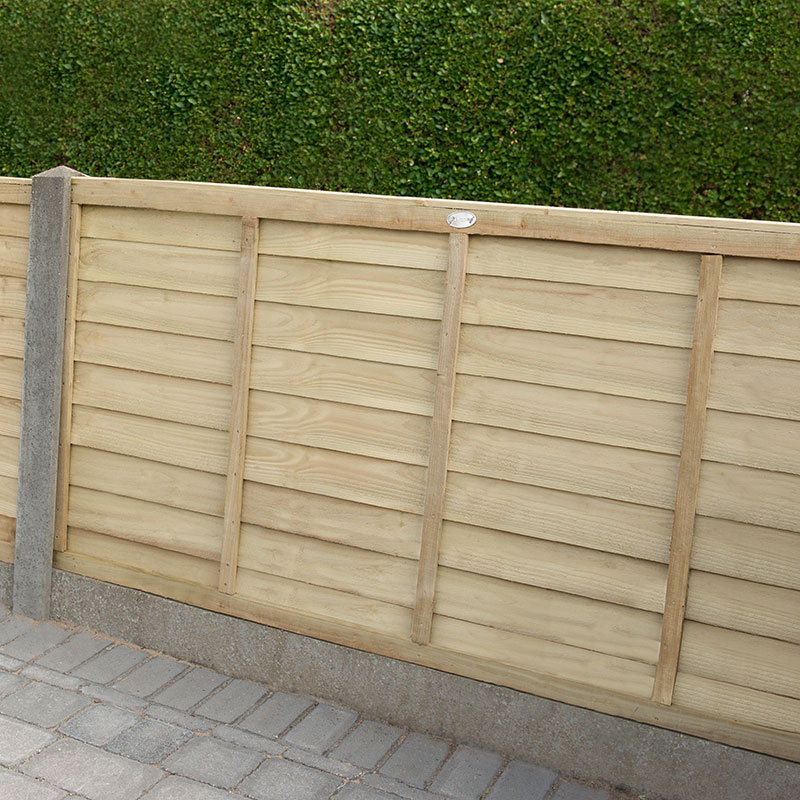
The design of the Kyoto decorative fence panel is based on horizontally mounted timber boards. These boards are alternately arranged on either side of robust vertical battens. This construction creates a fence panel that feels substantial while also offering increased privacy. The alternating board arrangement is not only a structural detail; it also contributes to the visual depth of the panel.
Horizontal lines are often used in contemporary garden design because they can make outdoor spaces feel calm, ordered and wider in appearance. In this panel, the horizontal boards form the main body of the fence, while the vertical battens give the structure stability. The result is a garden boundary that looks considered rather than plain.
The slatted top section gives the panel its distinctive character. Instead of a fully closed panel from top to bottom, the upper part introduces a more open detail. This creates a lighter visual finish while retaining the solid privacy offered by the main section below. In smaller gardens, this can be useful because it avoids the appearance of a completely heavy barrier, while still clearly defining the boundary.
For gardens with modern timber buildings, decking, planters or contemporary paving, this style can sit naturally within the wider layout. The design does not rely on ornate shaping or decorative curves. Instead, it uses simple timber lines and a smooth-planed finish to create a neat and current appearance.
Built Details That Matter in Everyday Garden Use
Fence panels are exposed to regular outdoor conditions, so their construction is important. The Forest Kyoto panel includes several structural details that support strength and durability. It features mortise and tenon joints, a traditional woodworking method used to create strong connections between timber components. This type of joint helps the frame hold together securely and contributes to the panel’s overall stability.
The panel also has a rebated frame. A rebated frame adds strength by allowing components to sit more securely together. In fencing, this matters because panels must withstand seasonal changes, repeated exposure to weather and normal garden use. A strong frame helps the panel maintain its form and supports the boards within the construction.
The robust vertical battens are another important part of the build. They provide the support for the horizontally mounted boards and help create the alternating pattern. When combined with the mortise and tenon joints and rebated frame, the panel is designed as a sturdy garden boundary rather than a purely decorative screen.
The product description describes the panel as supremely sturdy, and this is linked directly to the way it is constructed. It is not simply a flat sheet of timber boards. Its strength comes from a combination of framing, battens, joints and board arrangement. For customers comparing wooden fence panels, these construction details are useful indicators of quality.
Pressure Treatment for Long-Term Outdoor Performance
One of the key practical features of this timber fence panel is that it is pressure treated. Pressure treatment is used to help protect timber against rot. For garden fencing, this is especially relevant because panels are permanently located outdoors and exposed to damp conditions, changing temperatures and seasonal moisture.
The Kyoto panel is backed by a 15-year anti-rot guarantee. This gives a clear indication of the manufacturer’s confidence in the treated timber. It also means that, according to the product information, the panel requires no further treatment. For many garden owners, this saves time and reduces ongoing maintenance costs.
Timber fencing can often require regular staining, painting or treating depending on the product and finish. In this case, the pressure treatment is already part of the product specification. Customers who want a natural timber boundary without immediately planning additional protective treatment may find this practical.
It is still sensible to treat any timber garden product with care during installation and use. Good installation, appropriate support posts and keeping the panel clear of avoidable standing water can all help fencing perform well. However, the important point here is that the panel itself is supplied pressure treated and protected against rot under the stated guarantee.
Smooth-Planed Timber with a Clean Contemporary Finish
The Forest Kyoto panel has a smooth-planed finish. This finish gives the timber a neater and more refined surface than rough-sawn fencing. It supports the contemporary style of the panel and helps the horizontal boards and slatted top look crisp and intentional.
A smooth-planed finish can be especially relevant in visible garden areas. Boundary fencing is not always hidden at the far end of a garden. It may sit alongside a patio, near a seating area, around a garden office or behind a summer house. In these locations, the texture and finish of the timber are noticeable. A smooth-planed panel gives a tidier visual result.
The design also offers a useful balance between privacy and style. The main body of the panel is built with horizontally mounted boards arranged for increased privacy, while the slatted top adds a lighter detail. This makes the panel suitable for customers who want a decorative garden fence without choosing a design that is purely ornamental.
Because the panel is made from timber, it has a natural look that can work with a wide range of garden materials. Timber fencing can sit well beside lawns, planting schemes, gravel, paving, decking and garden buildings. The Kyoto panel’s modern layout makes it particularly suitable for structured gardens where clean lines are part of the design.
A Boundary Panel for Privacy, Structure and Garden Zoning
A fence panel does more than enclose a garden. It can organise outdoor space, provide privacy and create a backdrop for planting or garden buildings. The Kyoto panel is described as offering increased privacy, which comes from the board arrangement and solid lower section. This makes it useful where a more enclosed boundary is preferred.
Privacy is particularly relevant around seating areas, patios and spaces close to neighbouring gardens. While the slatted top introduces an open decorative detail, the main panel remains substantial. This combination gives the garden a defined edge without making the whole fence appear visually heavy.
In gardens with outbuildings, fencing can also help create zones. A garden shed may sit in a practical storage area, while a summer house or garden office may form a quieter leisure or working space. A contemporary panel such as this can help separate these areas visually and make the whole layout feel more intentional.
The 1.2m height is also worth noting. It provides a lower boundary than a full 1.8m high fence panel, while retaining a strong visual presence. This can be useful where a full-height panel is not required or where the garden design calls for a more open feeling. The product range also includes 5ft and 6ft versions, offering alternative heights for different boundary needs.
Measured for Planning: Size, Thickness and Range Options
The stated dimensions of this panel are 1200mm x 1800mm x 40mm. In imperial terms, it is approximately 5’11” x 3’11”, and it is commonly referred to as a 6′ x 4′ fence panel. These measurements are important when planning a fence run, replacing an existing panel or designing a boundary around a garden building.
The width of 1800mm is a standard fencing width, which helps with planning. The height of 1200mm gives a 4ft-style panel suitable for lower boundaries. The 40mm thickness indicates the depth of the panel construction and is useful to know when considering posts, fixings and the overall fence line.
The Kyoto range also includes 5ft and 6ft versions. This allows customers to maintain the same design style at different heights if required. For example, a garden may need a lower section in one area and taller screening in another, while still keeping a consistent visual theme. A matching garden gate is also available, according to the product information, which is useful where a coordinated entrance point is needed.
When planning a purchase, it is advisable to measure the intended area carefully. The number of panels required will depend on the length of the boundary and the spacing of posts. Because the panel has a defined modern appearance, alignment can be visually important, especially along patios, paths or garden building frontages.
Responsible Timber from PEFC-Certified Sources
The timber used for this panel is PEFC-certified. PEFC certification indicates that the wood comes from sustainably managed forests. For many customers, the origin of timber is an important part of the purchasing decision, particularly when buying garden products that use natural materials.
Choosing certified timber helps support responsible forest management. In a garden retail context, this is a clear specification point because it provides more information than simply stating that a product is made from wood. It tells the customer that the timber has been sourced through a recognised certification system.
This is relevant for fencing because a complete garden boundary can require several panels. When multiple timber products are used in a garden, the sourcing of materials becomes more significant. A PEFC-certified fence panel allows customers to select a timber product with a documented sustainability standard.
The combination of pressure treatment and PEFC certification also gives the panel a practical and responsible profile. The timber is prepared for long-term outdoor use, while its source is linked to sustainable forest management. These are useful facts for customers who want both durability and clarity about material origin.
How It Complements Garden Buildings and Outdoor Layouts
In a garden house shop, fencing is often closely connected with the way customers use outdoor buildings. A garden shed may need a neat boundary behind it. A summer house may benefit from a more attractive backdrop. A garden office may require surrounding privacy to make the space feel more settled. The Forest Kyoto fence panel can support these layouts by providing a structured timber boundary with a contemporary appearance.
The horizontal board pattern can work well with many timber garden buildings, especially those with clean lines or modern cladding. It can also contrast neatly with softer planting. The slatted top creates a lighter visual line that may suit areas where a completely solid fence would feel too enclosed.
The panel’s modern style does not mean it is limited to minimalist gardens. Timber remains a flexible material, and the smooth-planed finish gives the panel a tidy appearance without making it look artificial. It can be used as part of a simple garden boundary or as a designed feature within a larger landscaping plan.
Customers considering new fencing alongside a shed, greenhouse, summer house or log cabin should think about the whole setting. Fence height, panel style, material finish and privacy level all affect the final look. This panel provides a clear option for those who prefer a decorative timber boundary with stronger construction details than a basic panel.
Practical Notes Before Ordering
Before buying the Forest 6′ x 4′ Kyoto Decorative Fence Panel, customers should confirm the required size and quantity. The panel measures 1200mm high by 1800mm wide and 40mm deep. It is suitable where a lower decorative boundary is required, but taller 5ft and 6ft versions are also available if more height is needed.
It is also worth considering whether a matching garden gate is required. A coordinated gate can help maintain the same visual style across an entrance. This is especially useful in gardens where the fence is visible from the house, patio or garden building.
Delivery is free to most UK addresses on orders above £100, according to the product information. Customers should check the delivery details for their address before ordering, as availability and conditions can depend on location.
For installation, suitable posts, fixings and ground preparation will be needed. These are not specified in the product description, so they should be chosen according to the site and the intended fence layout. If replacing an existing panel, the existing gap and post condition should be checked carefully before purchase.
A Strong, Modern Panel for a Considered Garden Boundary
The Forest Kyoto Decorative Fence Panel is a practical choice for customers who want a timber fence panel with a contemporary look, a solid construction and clear material credentials. Its horizontally mounted boards, vertical battens, mortise and tenon joints, rebated frame and slatted top all contribute to a panel that is both functional and visually distinctive.
The pressure-treated wood, 15-year anti-rot guarantee and PEFC-certified timber are especially important specification points. They show that the panel is designed for long-term garden use, with protection against rot and timber sourced from sustainably managed forests.
For gardens around sheds, summer houses, garden offices or landscaped seating areas, this panel offers privacy, structure and a clean decorative finish. It is not simply a basic boundary panel; it is a considered timber product with useful construction details and a modern slatted design.
Customers looking for a decorative fence panel, wooden garden fencing, pressure-treated fence panel or modern timber boundary can use the Kyoto panel to create a neat and durable edge to their outdoor space. With alternative 5ft and 6ft versions and a matching garden gate also available, it can form part of a consistent garden fencing scheme.
 Forest 6′ x 4′ Pressure Treated Overlap Fence Panel (1.83m x 1.22m)
 6′ x 4″ x 4″ Forest Green UC4 Incised Fence Post (1800mm x 100mm x 100mm)
 Forest 6′ x 4′ Pressure Treated Contemporary Slatted Fence Panel (1.8m x 1.2m)
 Forest 6′ x 4′ Pressure Treated Vertical Closeboard Fence Panel (1.83m x 1.22m)