Floor care planning for timber garden rooms used in different ways
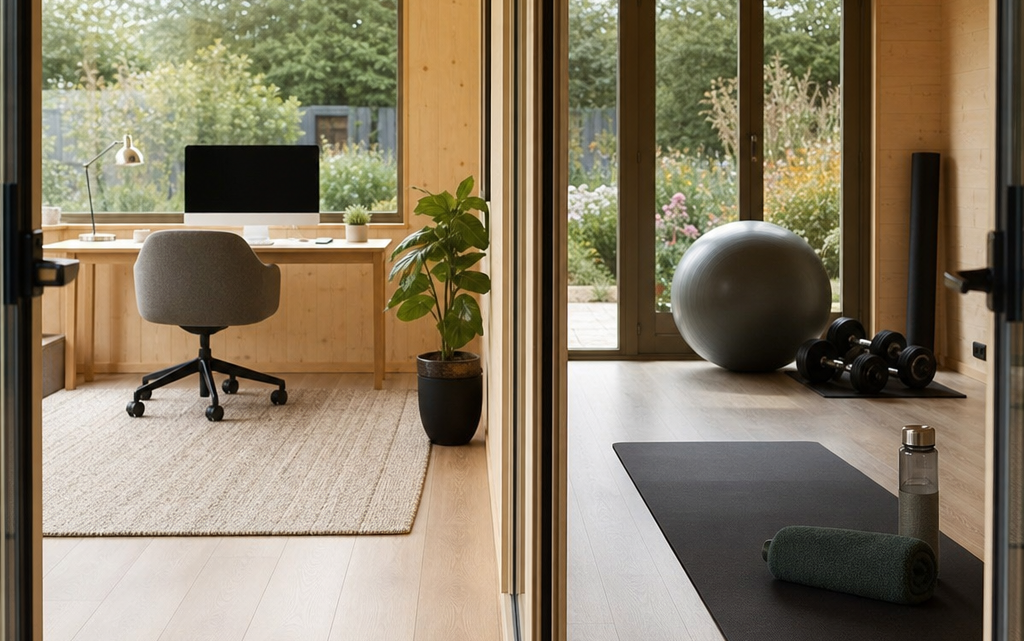
A timber garden room often starts with one clear purpose: a quiet office, a hobby space, a gym, a children’s room or a place to sit on wet weekends. In practice, many are used in several ways at once. You might work there during the week, store bikes at one end, bring muddy boots through the door, set up a sofa in winter and use the covered area for garden furniture in summer. That variety is useful, but it also means the floor has to cope with changing loads, moisture, grit, furniture movement and everyday wear.
Good floor care is not just about cleaning. It is about planning how the space will be used, protecting high-risk areas before they become damaged, and setting up a simple maintenance routine. This is particularly important in timber garden rooms, where the floor may be a timber tongue and groove construction and the building may be supplied untreated. The right approach helps reduce staining, swelling, scuffing, indentation and avoidable damp problems.
Inhaltsverzeichnis
Start by dividing the garden room into use zones
Before choosing mats, coatings or furniture pads, think about how the room is actually used. Multi-purpose buildings often fail to have a clear floor plan, which leads to the same weak spots being punished every day. A simple zoning plan helps you match protection to risk.
Typical zones to identify
- Entrance zone: the area immediately inside the doors, where water, grit and mud are brought in.
- Work or office zone: where chair castors, desk legs and foot traffic can wear the surface.
- Relaxation zone: where sofas, rugs, heaters and drinks may create pressure marks or stains.
- Hobby or craft zone: where paint, glue, tools, plant pots or sharp objects may damage the floor.
- Storage zone: where bikes, boxes, logs, barbecues or garden equipment may introduce moisture and abrasion.
- Covered outdoor or sheltered zone: where rain drift, wind-blown debris and damp items can be more of an issue than inside.
Once you know the zones, you can decide where the floor needs breathable protection, where it needs impact resistance, and where regular cleaning will be enough.
Understand the main risks to timber floors
Timber floors in garden buildings are exposed to conditions that are different from those inside a main house. Temperature changes are usually greater, ventilation can be more variable, and people often enter directly from the garden. The main risks are moisture, grit, concentrated loads and unsuitable coverings.
Moisture and damp transfer
Moisture is the biggest issue for timber flooring. It may come from wet shoes, dripping bicycles, potted plants, condensation, stored logs, wet garden furniture or a roof that is not yet fully protected. Water left on the surface can stain or raise the grain. Repeated dampness can encourage mould or affect the boards over time.
Timber also needs to breathe. Completely trapping moisture beneath impermeable floor coverings can create problems, especially in a garden room that is not heated and ventilated consistently. If you use vinyl-backed rugs, rubber mats or interlocking gym tiles, lift them periodically to check the floor beneath.
Grit and abrasion
Small stones and grit act like sandpaper. They are especially damaging near doorways, under office chairs and where bikes or storage boxes are moved. A hard-wearing entrance mat system is one of the most effective forms of floor protection.
Weight and point loading
Heavy desks, filing cabinets, free weights, exercise equipment and stacked storage can concentrate pressure on small areas. Timber flooring can often cope well with normal use, but small feet, narrow wheels or metal stands can dent or mark the surface. Spread the load with furniture cups, boards or protective mats where needed.
Choose floor protection to suit each activity
There is no single best covering for every timber garden room. The right option depends on how much moisture is expected, whether the space is heated, how often it is used and whether you want to preserve the appearance of the timber floor.
For a garden office
A garden office usually needs protection from chair movement more than anything else. Standard office chair castors can mark timber or grind in grit. Use a good-quality chair mat with a smooth underside, or replace castors with softer floor-friendly versions. Avoid cheap mats that curl at the edges, as they become trip hazards and allow dirt to collect underneath.
Place felt pads under desk legs, bookcases and drawer units. If you use a filing cabinet or printer stand, check that the weight is not concentrated on sharp metal feet. A rigid board beneath very heavy items can help spread the load.
For a family room or occasional living space
Rugs can make a timber garden room more comfortable, but choose them carefully. Breathable rugs are usually safer than rubber-backed mats if the building has variable humidity. Use rug underlay only if it is suitable for timber floors and check underneath from time to time.
Protect against spills by keeping coasters, trays and absorbent cloths in the room. If children use the space, consider washable play mats that can be removed and aired rather than permanent coverings that trap crumbs and moisture.
For bikes, tools and garden storage
Storage use is hard on floors. Bike tyres bring in water and grit, metal stands can scratch, and garden tools may have sharp edges. Create a dedicated storage strip using a removable, heavy-duty mat or a raised rack system. Do not leave wet items sitting directly on timber. If you store logs, keep them in a ventilated log holder and avoid stacking them against internal walls or directly on the floor without airflow.
For exercise or hobby use
Exercise equipment can cause vibration, dents and sweat marks. Use protective mats beneath static bikes, rowing machines or weight benches, but lift the mats regularly to allow the floor to dry and to check for trapped moisture. For free weights, a thicker impact-absorbing mat is sensible, but you should still avoid dropping weights unless the floor construction and base have been designed for that use.
For crafts, painting or potting plants, use a temporary wipe-clean surface over a breathable base. Clean spills immediately and avoid leaving plant trays where hidden leaks can soak into the timber.
Prepare the timber before regular use
If your garden room is supplied untreated, floor care should start before furniture goes in. Follow the manufacturer’s treatment guidance and pay attention to any guarantee conditions. Untreated timber is more vulnerable to moisture and staining, so it is sensible to apply appropriate protection promptly.
For the internal floor, common options include timber floor oil, varnish, lacquer or specialist floor paint. The choice depends on the finish you want and how the room will be used. Oils can preserve a natural appearance and are often easier to touch up locally. Varnishes and lacquers can provide a more sealed surface, but worn patches may need more careful preparation before recoating. Floor paint can be practical for utility use, provided it is suitable for timber and expected foot traffic.
Always check compatibility with the timber, moisture content and existing treatments. Apply products in suitable weather and ventilation conditions, and allow full curing time before placing rugs or heavy furniture on the surface.
Use the building layout to guide your floor plan
Some timber garden rooms combine enclosed indoor space with a sheltered outdoor area. That can be very useful, but it also means floor protection needs to change across the building. The enclosed area may be used as an office or sitting room, while the covered area may shelter bikes, barbecues, logs or garden furniture. The transition between these areas becomes important because dirt and moisture can easily move from one zone to the other.
As a practical example, a building such as the Palmako Ella 6m x 3.2m Log Cabin Summer House has an internal area described as 8.7m² and a sheltered outer area described as 8.2m². It is constructed with 28mm Nordic spruce interlocking logs and has a 19mm tongue and groove roof and floor. Details like these are useful when thinking about use zones: an internal office area would need chair and entrance protection, while a sheltered outer area used for bikes, barbecues or logs would need more robust moisture and abrasion control. Because the cabin is supplied untreated and requires treatment, the floor care plan should begin before the space is fully furnished.
Doorways also deserve attention. A low doorsill with a protective cover can help reduce wear at the threshold, but it does not remove the need for proper matting and regular cleaning. Treat the doorway as a high-risk strip and protect it accordingly.
Create an entrance system, not just a single mat
One small mat is rarely enough for a garden room used in all seasons. A better approach is to use a two-stage or three-stage entrance system.
Practical entrance arrangement
- Outside the door: use a scraper mat or boot brush to remove mud and stones before entering.
- At the threshold: use a tough, low-profile mat that does not obstruct the door and can be lifted to dry.
- Inside the room: use an absorbent mat large enough for at least two steps, so wet soles are dried before reaching the main floor.
Clean these mats regularly. A dirty mat stops protecting the floor and starts spreading grit. In wet weather, lift and dry mats so moisture does not sit against the timber for long periods.
Checklist: floor care plan for a multi-purpose timber garden room
- List every intended use of the room, including occasional storage and seasonal activities.
- Mark high-risk areas: entrances, chair positions, bike storage, plant areas and heavy furniture locations.
- Apply suitable timber treatment before regular use, especially if the building is supplied untreated.
- Use a scraper mat outside and an absorbent mat inside each main entrance.
- Fit felt pads, furniture cups or load-spreading boards under heavy or sharp furniture feet.
- Use a proper chair mat or soft castors in office areas.
- Keep wet bikes, tools, logs and plant pots off bare timber.
- Choose breathable rugs where possible and inspect beneath them regularly.
- Wipe up spills immediately and dry the area fully.
- Ventilate the building regularly to reduce condensation and stale damp air.
- Inspect the floor seasonally for scratches, raised grain, staining, mould or worn finish.
- Refresh protective coatings according to the product instructions and level of wear.
Cleaning routine for everyday care
A simple cleaning routine prevents most floor damage. Sweep or vacuum regularly using a soft brush attachment. Do not use a soaking wet mop on timber flooring. If damp cleaning is needed, use a well-wrung cloth or mop and dry the surface afterwards. Avoid harsh household cleaners unless they are suitable for the floor finish.
In autumn and winter, increase cleaning frequency near doors. Mud, leaves and grit are more likely to enter the building, and condensation may be more common if the room is heated intermittently. If you use a heater, try to avoid sudden extremes of heat that dry the timber too quickly. Gentle, consistent ventilation and heating are usually better for both comfort and the building fabric.
Common practical mistakes to avoid
Covering the whole floor too soon
It is tempting to lay a large sheet of vinyl, rubber or foam tiles over the entire floor immediately. This may look tidy, but it can trap moisture if the floor is not fully dry or if condensation forms underneath. If you want broad coverage, choose materials carefully, allow the timber to acclimatise, and inspect beneath the covering regularly.
Ignoring the sheltered outdoor area
A covered area is not the same as a dry internal room. Wind-driven rain, damp furniture, bikes and stored logs can all introduce moisture. Use raised storage, removable mats and good airflow. Avoid treating a sheltered exterior zone as though it were a living room floor.
Putting plant pots directly on the floor
Plants are a common source of hidden water damage. Even careful watering can lead to condensation beneath pots or slow leaks from saucers. Use waterproof trays raised slightly to allow airflow, and check underneath frequently.
Using office chairs without protection
Chair castors create repeated local wear. In a small office zone, the same patch of floor may be rolled over hundreds of times each week. A chair mat or suitable castors is a small cost compared with sanding and refinishing a damaged area.
Forgetting about the roof and external weather protection
Floor care is affected by the whole building. If a roof covering is not included with a particular garden building, a suitable permanent covering must be selected and installed as required. Temporary roof underlay should not be relied upon as a long-term weatherproof solution. Water entering from above will quickly undermine even the best internal floor protection.
Seasonal inspection and maintenance
Inspect the floor at least twice a year, ideally in spring and autumn. In spring, look for any signs of winter damp, mould, staining or swollen boards. In autumn, check the floor finish before the wettest months arrive and refresh worn protection if needed.
Pay particular attention to corners, the entrance strip, beneath rugs, under storage items and around any furniture that is rarely moved. If you see dark staining, musty smells or persistent dampness, deal with the source rather than simply covering the mark. Improve ventilation, remove damp items and check whether water is being tracked in or entering through the building envelope.
FAQ
Should you seal a timber garden room floor?
In many cases, yes, especially if the timber is supplied untreated. The right seal, oil, varnish or paint can help protect against staining and wear. Choose a product suitable for timber floors and follow the manufacturer’s preparation, application and drying instructions.
Can you put carpet in a timber garden room?
You can, but it needs care. Carpet can make the room warmer and quieter, but it may trap moisture if the building is not consistently dry and ventilated. Consider removable rugs or carpet tiles that can be lifted for inspection, particularly near entrances.
What is the best mat for a garden office chair?
Use a mat designed for hard floors with a smooth, non-damaging underside. It should be large enough for your full chair movement and should lie flat without curled edges. Keep grit from getting underneath it.
How do you protect the floor when storing bikes?
Let bikes drip dry outside where possible, wipe wet tyres, and use a removable heavy-duty mat or rack in the storage area. Avoid leaving wet tyres or metal stands directly on timber for long periods.
How often should you re-treat the floor?
It depends on the finish, use level and exposure to wear. High-traffic areas may need attention sooner than quiet corners. Inspect the surface regularly and follow the maintenance guidance for the product used.
Conclusion
Protecting the floor in a multi-purpose timber garden room is mainly about planning ahead. Decide how each part of the space will be used, treat the timber appropriately, control moisture at the entrance, and use targeted protection under furniture, chairs, bikes and storage items. Avoid trapping damp beneath unsuitable coverings and check the floor seasonally. With a practical floor care plan, you can use your garden room flexibly while keeping the timber surface in good condition for everyday life.