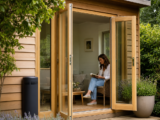
Planning a corner shed for accessible garden storage

Many gardens have a corner that never quite earns its keep: a shaded patch behind the patio, an awkward angle near the fence, or a triangular space where tools, pots and bags of compost gradually gather. Planning a corner shed can turn that underused area into organised, accessible storage, but it needs more thought than simply choosing a shed and placing it wherever there is room. You need to consider access, door swing, base preparation, drainage, light, security and how you will actually use the space throughout the year.
This guide explains how to plan a corner shed for practical garden storage, with clear decision criteria and steps you can use before buying or building. A specific corner shed is mentioned later as a practical example of the sort of features you might compare, but the aim is to help you assess any suitable shed for your own garden.
Inhaltsverzeichnis
Why a corner shed can be a good storage solution
A corner shed is designed to make better use of spaces that are often left empty or cluttered. In many gardens, the central lawn, patio and planting beds are carefully planned, while the far corner becomes a dumping ground for spare canes, hosepipes, old pots and children’s outdoor toys. A correctly positioned corner shed can tidy all of that away while keeping the main garden area open.
The main advantage is efficiency. By setting storage into a corner, you can often preserve the visual width of the garden and avoid placing a bulky shed directly in the middle of a sightline. This is particularly useful in compact gardens, courtyard gardens and plots with several competing uses, such as entertaining, growing, laundry drying and children’s play.
However, a corner location is only successful if it remains accessible. If you have to squeeze past shrubs, step over edging or drag a lawnmower around tight bends, the shed will quickly become inconvenient. The best corner shed plans combine neat placement with a clear route, suitable doors and enough internal organisation to make frequently used items easy to reach.
Start by deciding what you need to store
Before measuring the corner itself, make a realistic list of what will go inside. This prevents you from choosing a shed that looks right in the garden but fails in daily use. Divide items into categories, because they need different types of access.
Everyday garden items
These are the things you reach for regularly: secateurs, trowels, gloves, plant food, watering cans, hose fittings and small hand tools. They should be stored close to the entrance, preferably on hooks, shelves or a wall-mounted organiser. If everyday items end up behind large machinery, you will soon stop putting them away properly.
Bulky seasonal items
Lawnmowers, strimmers, pressure washers, parasol bases, outdoor cushions and folding furniture need more floor space. They also need a wide enough route into the shed. If you store a mower, measure its width, height and handle position rather than relying on guesswork.
Messy or moisture-sensitive items
Compost, grit, fertiliser, kindling and wet boots are best kept low down and away from items that need to stay dry. Paints, electrical tools and soft furnishings may require extra protection, and you should always check manufacturers’ storage guidance for anything temperature-sensitive.
Assess the corner properly before choosing a shed
A corner that looks spacious when empty may become awkward once you account for foundations, roof overhangs, door openings and maintenance access. Spend time assessing the site before you commit.
Measure more than the footprint
Measure the available width along both fence lines or boundaries, but also allow for the shed’s roof, door swing and a working gap around the structure where possible. Even if a shed fits exactly into a corner on paper, you may struggle to build it, treat it or repair it if it is pressed hard against fences or walls.
Use canes, string or masking tape on the ground to mark out the proposed footprint. Then physically walk the route from the house, gate, greenhouse, veg beds or lawn to the shed. Carry a broom or garden chair through the route to mimic moving awkward items. If it feels cramped at this stage, it will feel worse when the shed is full.
Check the ground and drainage
Corners can collect water, especially where fences slow airflow and shade keeps the ground damp. A shed should sit on a firm, level and well-drained base. Avoid placing it directly onto soil or grass. A proper base helps prevent distortion, reduces damp problems and makes doors easier to open and close.
Suitable base options often include paving slabs, a concrete base, a timber sub-frame on appropriate supports, or a purpose-made plastic grid system filled and levelled correctly. The right choice depends on your ground conditions, budget and the shed manufacturer’s installation guidance.
Think about light and visibility
A shaded corner can be practical because it keeps the shed visually discreet, but it may also make the interior gloomy. If you plan to find small tools quickly, choose a layout that benefits from natural light where available. Windows can help, but they also affect privacy and security, so consider what will be visible from outside.
Plan access before you plan storage
Accessibility is not just about getting into the shed on installation day. It is about whether you will be able to use it comfortably in February rain, during summer gardening, or when you are in a hurry to put things away before guests arrive.
Door position and opening width
Corner sheds may have angled or front-facing doors depending on the design. Consider which direction you will approach from and whether the doors will open fully without hitting a fence, planter, water butt or nearby wall. Wide double doors can be useful for bulky equipment, but only if you have clear standing space in front of them.
Path surface and threshold
A neat shed in a muddy corner is not truly accessible. Plan a stable path to the entrance. It does not have to be elaborate, but it should be safe and usable in wet weather. Paving, compacted gravel with suitable edging, or stepping stones set level can help, depending on the garden style and how often you use the shed.
Also consider the threshold. If you will wheel a mower, barrow or pressure washer in and out, a small ramp may be more practical than lifting equipment over an edge. Check the shed design and base height before deciding.
Key decision criteria when comparing corner sheds
When you start comparing products, avoid focusing only on the outside dimensions. A useful corner shed should match your storage habits, the corner’s constraints and the level of durability you need.
- Size: Check the footprint against the available space, including access for assembly and maintenance.
- Door arrangement: Make sure the doors suit your approach route and the largest items you need to move.
- Construction: Look at cladding type, frame size, floor construction and roof material where these are specified.
- Treatment and maintenance: Understand whether the shed is supplied treated, and what ongoing retreatment is required.
- Light and ventilation: Windows and opening vents can make the space easier to use, but think about privacy and security.
- Security: Consider locking arrangements, visibility from the house and whether valuable equipment will be stored inside.
- Delivery and installation: Check access through gates, side passages and steps before ordering.
As a practical comparison point, a timber corner shed with a footprint around 7 ft by 7 ft may suit gardeners who want more than a small tool store but do not want to dominate the garden. Details such as tongue and groove construction, double doors, opening windows and treatment guarantees are the sorts of features worth checking carefully against your own needs.
Designing the inside for easy access
Once the shed is in place, the biggest factor in day-to-day convenience is internal layout. A generous shed can still become frustrating if everything is stacked on the floor. Plan the interior before you fill it.
Create zones
Think of the shed as having zones rather than one general storage area. Keep frequently used tools on the side nearest the door. Store tall tools, such as rakes, spades and brooms, upright on hooks or in a rack. Place heavier items low down and avoid stacking them where they might fall when you pull something else out.
If you use the shed for both gardening and household overflow, separate those uses clearly. For example, keep garden chemicals, compost and tools away from outdoor cushions or children’s sports equipment. Labelling boxes or shelves may feel unnecessary at first, but it saves time later.
Preserve a central working space
One of the most common problems with garden sheds is losing the floor to clutter. Leave a clear strip of floor from the doors into the shed so that you can step inside, turn and remove items safely. If the shed has double doors, make use of the wider opening by keeping bulky items near the front rather than wedged at the back.
Use walls and height carefully
Wall storage is valuable, particularly in a corner shed where the shape may create shorter runs of wall than a standard rectangular shed. Hooks, shelves and tool clips can release floor space, but avoid overloading walls beyond what the shed structure can reasonably support. Follow the manufacturer’s guidance and use fixings appropriate for the wall construction.
Planning checklist for a corner shed
Use this checklist before you order or install a shed. It will help you catch practical issues while they are still easy to solve.
- Measure both boundary sides of the corner and mark the proposed footprint on the ground.
- Check that doors can open fully and that you have enough standing space in front.
- Walk the access route from the house, gate and main garden areas.
- Measure the largest item you need to store, including handles, wheels and folded parts.
- Decide whether you need windows, ventilation or a more private design.
- Check drainage and avoid low spots where water gathers.
- Choose a firm, level base suitable for the shed and the site.
- Allow for future maintenance, including retreatment if required.
- Plan internal zones for tools, machinery, seasonal items and small accessories.
- Check delivery access before placing an order.
Common practical mistakes to avoid
Choosing a shed that only just fits
A shed that fits tightly into a corner may look efficient, but it can create problems. You may not be able to install it properly, maintain exterior surfaces, clear leaves from around it or repair fencing behind it. Leave sensible working space wherever your garden allows.
Forgetting the door swing
Door clearance is often overlooked. Before installation, mark where the doors will open and check for obstacles such as raised beds, pots, washing lines, steps and trees. If doors cannot open fully, you will struggle to move larger items and may damage the doors over time.
Putting the shed on an inadequate base
An uneven or damp base can lead to sticking doors, water ingress, floor problems and premature deterioration. The base is not the place to cut corners. Make it level, stable and appropriate for the shed type.
Storing everything on the floor
If every item sits on the floor, the shed will become difficult to use within weeks. Plan shelves, hooks and racks from the start. Keep the floor for genuinely bulky items and maintain a clear route inside.
Ignoring maintenance requirements
Many timber sheds require ongoing care, including retreatment. If a guarantee depends on annual retreatment and following manufacturer guidelines, build that into your plan. A corner position can make maintenance harder if you cannot reach the sides.
Security and safety considerations
Garden sheds often contain expensive and potentially dangerous items, including power tools, sharp equipment and chemicals. Positioning a shed in a quiet corner can be tidy, but it may also make it less visible from the house. Consider whether the doors and windows are overlooked, and avoid displaying valuable tools through windows.
If the shed is supplied with a hasp, staple or padbolt, check whether you need to provide a suitable padlock separately. For higher-value contents, you may want to consider additional security measures appropriate to the shed construction, such as stronger locks, marking tools, or installing a battery-powered shed alarm. Always ensure any security additions are compatible with the shed and do not compromise its structure.
Safety matters inside as well. Store sharp tools with blades covered or facing away from walkways. Keep chemicals in their original containers and out of reach of children and pets. Do not block the entrance with heavy items, as you may need to access the shed quickly or remove equipment safely.
Making the shed blend into the garden
A corner shed should be practical first, but it can also be visually sympathetic. The simplest approach is to align it neatly with existing boundaries and keep the surrounding area tidy. A path, a small gravel apron or low planting can make the shed feel intentional rather than squeezed in.
Avoid planting vigorous climbers directly against a timber shed unless you are prepared to manage them carefully. Dense growth can trap moisture and make maintenance difficult. If you want to soften the look, use containers or planting set slightly away from the walls, leaving space for air movement and treatment access.
Colour can also help. Many timber sheds can be treated or painted with suitable exterior products, provided these are compatible with the manufacturer’s requirements. A darker shade may help the shed recede, while a lighter colour can brighten a shaded corner. Always check treatment guidance before applying any finish.
Short FAQ
Do I need planning permission for a corner shed?
Many garden sheds fall within permitted development rights, but rules depend on size, height, position, property type and location. Restrictions can apply in conservation areas, listed properties and front gardens. Check current local planning guidance before installing, especially if the shed will be close to a boundary.
How much space should I leave around a shed?
Leave enough space to assemble, inspect, treat and repair the shed. The exact amount depends on the shed and your garden, but avoid placing timber directly where you cannot reach it. Also allow for roof edges, guttering if fitted, and air movement.
Is a corner shed suitable for a lawnmower?
It can be, provided the door opening, threshold and internal floor space are suitable. Measure the mower carefully and check that you can wheel it in without twisting or lifting awkwardly.
Should a shed have windows?
Windows improve natural light and can make the shed easier to use. Opening windows may also help ventilation. However, windows can reduce privacy and may reveal valuable contents, so balance convenience with security.
What is the best base for a corner shed?
The best base is firm, level, well-drained and suitable for the shed manufacturer’s requirements. Common options include concrete, paving slabs, timber sub-frames and plastic grid systems, depending on the site and shed type.
Conclusion
Planning a corner shed is about more than filling an empty space. A successful layout starts with the items you need to store, then works through access, door clearance, ground conditions, base preparation, maintenance and internal organisation. If you measure carefully, preserve a practical route and choose a shed that suits both the corner and your storage habits, you can turn an awkward part of the garden into a useful, accessible and tidy storage area.
Use product specifications as comparison tools rather than letting one feature decide the purchase. Size, construction, doors, windows, treatment requirements and installation practicalities all matter. With a clear plan, your corner shed can support the way you actually garden, instead of becoming another cluttered corner to avoid.