Overwintering tender plants in a glazed timber summerhouse
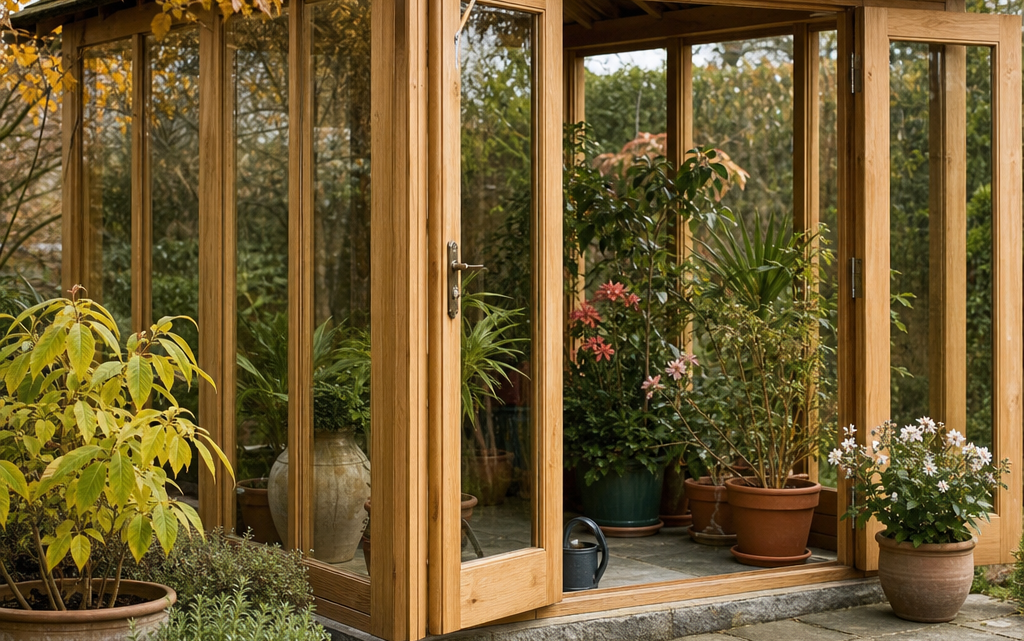
When the nights start to draw in and the first frost is forecast, many gardeners face the same problem: the patio still looks good, but the tender plants in pots will not survive a typical British winter outdoors. Cannas, pelargoniums, citrus, aeoniums, tender salvias and young exotics may all need somewhere brighter than a garage and more sheltered than a cold corner of the garden. A glazed timber summerhouse can be a practical seasonal refuge, provided you understand what it can and cannot do.
A summerhouse is not automatically a greenhouse, and it is not a substitute for a properly insulated, heated conservatory. However, if it has decent glazing, a sound roof, a dry floor and enough space for air to move around the pots, it can protect many container plants from wind, excessive rain and light frosts. Used carefully, it gives you a flexible overwintering space without giving up a room in the house.
Inhaltsverzeichnis
What a glazed timber summerhouse can do for tender plants
The main benefit of using a glazed timber summerhouse is shelter. Plants in containers are more vulnerable than those planted in the ground because their roots are exposed to cold from all sides. A summerhouse reduces wind chill, keeps compost from becoming saturated by winter rain and allows you to group plants together in a controlled area.
Glazing also matters. Even relatively small glazed areas let in natural light, which is essential for evergreen tender plants that continue to tick over through winter. Plants such as citrus, succulents, streptocarpus, young bay, tender ferns and pelargoniums dislike being shut away in complete darkness for months. A glazed door or window gives them a better chance of staying healthy until spring.
Timber buildings also warm up more gently on sunny winter days than metal sheds, and they are often easier to modify with staging, shelving, blinds, insulation panels or a small thermostatic heater if you have a safe electrical supply installed by a qualified person. Even so, temperatures inside can still fall very low during hard frosts, so plant choice and monitoring are important.
Decide whether your summerhouse is suitable
Before moving plants inside, assess the building as a plant shelter rather than as a seating space. The best summerhouse for overwintering is dry, reasonably bright, accessible and easy to ventilate. You do not need a large building for a modest collection, but you do need enough room to avoid cramming foliage against cold glass or damp walls.
Light levels
Look at where the glazing faces. South and west-facing glazing will give the most winter light, but can also cause sudden temperature spikes on bright days. North-facing glazing may be enough for dormant plants, but not ideal for plants that keep leaves through winter. Clean the glass before plants go in, as algae and grime noticeably reduce winter light.
Temperature protection
A summerhouse mainly buffers temperature rather than guaranteeing warmth. On a still, frosty night, it may remain a few degrees warmer than outside, but that margin can disappear in prolonged cold weather. If you are overwintering plants that must remain frost-free, such as many citrus, bananas in leaf or tender succulents, use a minimum-maximum thermometer and be ready to add fleece, insulation or gentle heat.
Ventilation
Winter shelter should not mean stagnant air. Damp, still conditions encourage botrytis, mildew, fungus gnats and rotting stems. A summerhouse with an opening door and accessible window is easier to manage. On mild, dry days, open up for a short period to exchange the air, then close again before temperatures fall.
Floor and layout
Check that the floor is sound and dry. Container plants can be heavy, particularly when compost is wet. Spread the load by using trays, boards or staging rather than putting numerous large pots in one concentrated area. Avoid letting water sit directly on timber flooring; use saucers carefully, empty them after watering and keep pots raised on feet where possible.
Which plants are best suited to this method?
A glazed timber summerhouse is most useful for plants that need cool, bright, frost-reduced conditions rather than warm indoor comfort. Good candidates often include pelargoniums, fuchsias, brugmansias cut back for dormancy, agapanthus in pots, tender salvias, cannas after their top growth has been reduced, dahlias in containers, aeoniums, echeverias if kept very dry, young olives and some citrus in milder areas.
Plants that prefer warm, humid indoor conditions may struggle. Tropical houseplants such as calatheas, anthuriums and many philodendrons are usually better indoors. Conversely, fully hardy plants do not need valuable sheltered space unless they are in small pots, newly propagated or vulnerable to waterlogging.
Preparing the summerhouse before plants go in
Do the preparation on a dry autumn day, ideally before the first serious frost. It is much easier to organise the space while it is empty than when you are carrying heavy pots in the dark.
- Clean the interior: sweep out leaves, cobwebs and old compost that could harbour pests.
- Check for leaks: inspect the roof, glazing, corners and door threshold after rain.
- Improve light: clean the glass and remove unnecessary curtains, clutter or shading.
- Protect the floor: use trays, pot feet, capillary matting in trays, or removable waterproof protection where watering will take place.
- Plan access: leave a clear path so you can inspect plants without knocking them over.
- Prepare ventilation: make sure doors and windows open and close properly.
- Gather winter supplies: horticultural fleece, labels, secateurs, yellow sticky traps, a thermometer and a watering can with a fine rose.
If the timber building requires preservative treatment, follow the manufacturer’s instructions and allow products to dry and ventilate fully before filling the space with plants. This is particularly important where freshly treated surfaces, confined air and delicate foliage would otherwise be in close contact.
Using a compact glazed log cabin as a practical example
A small glazed timber building can be enough for a useful overwintering collection if you organise it carefully. For example, a 2.1m x 2.3m log cabin-style summerhouse gives roughly the footprint of a small garden room rather than a large greenhouse, so it suits selected container plants rather than an entire patio display. Features such as glazed door panels, a long window, tongue and groove construction and a roof canopy can all be relevant when considering light, dryness and day-to-day access.
The important point is not the specific model, but the way you read the specification. Wall construction, glazing, roof finish, floor type and door security all affect how practical the building will be for winter plant storage. A compact building with 19mm timber cladding, 12mm roof and floor, felt roof covering and 3mm glass, for instance, should be treated as a sheltered, cool space rather than a guaranteed frost-free greenhouse. You would still need to monitor temperature and manage moisture carefully.
Setting up the inside for plant health
Once the building is ready, think in layers. The brightest positions near the glazing should be reserved for plants that keep their leaves or continue slow growth through winter. More dormant plants, such as cut-back cannas or dahlias in pots, can sit further back where light is lower. Avoid pressing foliage directly against glass, as leaves can scorch on sunny days and chill rapidly at night.
Use staging and shelves sensibly
Staging helps you use height, but it must be stable and suitable for the weight of wet pots. Place smaller pots on shelves where they can receive light and remain easy to inspect. Keep large pots on the floor, ideally on pot feet or timber battens so air can circulate underneath. This reduces the risk of cold, wet compost sitting directly against the floor for months.
Create a cold-night protection zone
Group the most tender plants together so they can be covered quickly with horticultural fleece during a severe frost. A simple double layer of fleece over a group of pots can make a meaningful difference, especially when combined with the shelter of the building. Do not leave fleece on permanently if it blocks light and traps damp; remove or lift it during milder spells.
Keep wet and dry plants separate
Succulents, aeoniums and tender Mediterranean plants often need very little water in winter. Leafy plants such as citrus may need occasional watering, especially if they are still transpiring on bright days. Grouping plants by watering need prevents accidental overwatering and makes your routine simpler.
How to move plants in without bringing problems with them
Do not simply drag every pot indoors on the first cold night. Inspect each plant first. Remove dead leaves, weeds and fallen petals from the compost surface, as these encourage fungal disease. Check under leaves, around stems and beneath pot rims for aphids, scale insect, vine weevil adults, slugs and snails.
Cut back soft, sappy growth that is unlikely to survive winter, but avoid excessive pruning of plants that need foliage to recover in spring. For pelargoniums and fuchsias, reducing height can make storage easier and improve air movement. For citrus and evergreen shrubs, only remove dead, crossing or clearly unwanted growth unless you know the plant’s pruning needs.
If compost is saturated, let the pot drain under cover before placing it on the summerhouse floor. Very wet compost stays cold, excludes air and increases root rot risk. For plants that like dry winter conditions, consider standing them under the summerhouse canopy or another sheltered spot for a few days before bringing them inside, so excess moisture can reduce naturally.
Winter watering: less, but not never
The most common cause of losses in overwintered container plants is overwatering. Growth slows in cool weather, and plants use far less water than they do in summer. In a summerhouse, rain cannot flush the pots, so every watering decision matters.
Check compost with your finger rather than watering on a fixed timetable. If the top few centimetres are still damp, wait. Water in the morning on a mild day so surfaces dry before night. Avoid splashing stems and leaves, and empty standing water from trays. Succulents may need only occasional light watering, while citrus may need a more regular but still restrained approach.
Do not feed most plants during winter unless they are actively growing and you have a specific reason. Fertiliser encourages soft growth, which is more prone to pests, disease and cold damage.
Managing temperature through the coldest months
Place a minimum-maximum thermometer inside at plant height, not high in the roof space. This tells you what your plants actually experience overnight. After a cold snap, check the recorded minimum. If it approaches the tolerance limit of your plants, improve protection before the next frost.
Practical ways to moderate temperature include lining vulnerable walls temporarily with insulation board, using bubble wrap on glazing, grouping pots together, wrapping individual pots, and covering plants with fleece on cold nights. Keep insulation away from damp areas where it might trap moisture against timber, and ensure you can still ventilate on mild days.
If you use electric heat, choose equipment designed for greenhouse or outbuilding use, with appropriate thermostatic control and a safe electrical installation. Do not run domestic extension leads across wet ground or overload sockets. The aim is usually frost protection, not warmth: keeping the space just above freezing may be enough for many tender container plants.
Common mistakes to avoid
Assuming glazing means frost-free
Glass admits light, but it also loses heat quickly. A glazed summerhouse can still freeze inside during severe weather. Always monitor temperatures rather than relying on guesswork.
Packing plants too tightly
It is tempting to squeeze in every pot, but crowded foliage stays damp and hides pests. Leave gaps for air movement and inspection.
Watering as if it were summer
Cool roots in wet compost are highly vulnerable to rot. Water sparingly and only when needed.
Forgetting ventilation
A sealed-up building may feel protective, but stale damp air causes disease. Ventilate briefly on mild, dry days.
Ignoring pests until spring
Aphids, scale insects and vine weevil larvae can continue causing damage under cover. Inspect plants regularly, especially new shoots and the undersides of leaves.
Placing pots directly on a timber floor
Water marks, decay risk and cold transfer are all more likely when pots sit flat on timber. Use pot feet, trays and removable floor protection.
Monthly care routine for winter
From November to February, a simple routine is usually enough. Visit at least once a week, and more often during extreme weather. Open the door on mild days for fresh air, remove yellowing leaves, check for pests and feel the compost before watering. After storms, check that no water has blown in around the door or glazing. After hard frosts, look for blackened foliage and remove it once you are sure the damage is not spreading into healthy stems.
By late February or March, light levels improve and some plants begin to grow. Increase ventilation gradually and water a little more often as plants wake up. Do not move everything straight back outside at the first sunny weekend. Harden plants off gradually, bringing them out on mild days and protecting them at night until the risk of frost has passed in your area.
Quick overwintering checklist
- Choose only plants that genuinely need protection.
- Clean the summerhouse and glazing before use.
- Check the roof, door and window for leaks or draught problems.
- Keep pots raised off the timber floor.
- Group plants by light and watering needs.
- Inspect every plant for pests before bringing it inside.
- Use a minimum-maximum thermometer at plant height.
- Water sparingly and avoid standing water in trays.
- Ventilate on mild, dry days.
- Keep fleece ready for sudden cold snaps.
FAQ
Can a glazed timber summerhouse replace a greenhouse?
Not completely. A greenhouse is designed primarily for plant growing, usually with more glazing and better light distribution. A summerhouse can work well as seasonal shelter, especially for selected container plants, but it needs careful management of light, water and ventilation.
Will my plants survive without heating?
Some will, especially those that are dormant or only need protection from wet and wind. Plants that must remain frost-free may need extra protection or thermostatic heat during cold spells. Check each plant’s tolerance and monitor actual temperatures inside the building.
Should I insulate the windows?
Temporary insulation such as horticultural bubble wrap can help reduce heat loss, but it also reduces light. Use it selectively, particularly during the coldest months, and remove or adjust it when light levels become more important in spring.
How often should I water overwintered plants?
There is no fixed schedule. Check the compost first. Most plants need far less water in winter, and many losses are caused by wet compost rather than drought.
Can I store garden furniture and plants together?
Yes, if there is enough space and airflow. Avoid blocking light with furniture, and make sure you can reach all plants for inspection. Soft furnishings should be kept away from damp pots and watering areas.
Conclusion
A glazed timber summerhouse can be a very useful winter shelter for tender container plants, provided you treat it as a cool, bright, managed space rather than a fully controlled greenhouse. Success depends on choosing suitable plants, preparing the building, keeping pots dry but not neglected, ventilating whenever conditions allow and monitoring night-time temperatures. With a simple routine and a realistic understanding of its limits, your summerhouse can help valuable patio plants come through winter ready for a strong start in spring.