
Specifying Glazing for Timber Garden Cabins
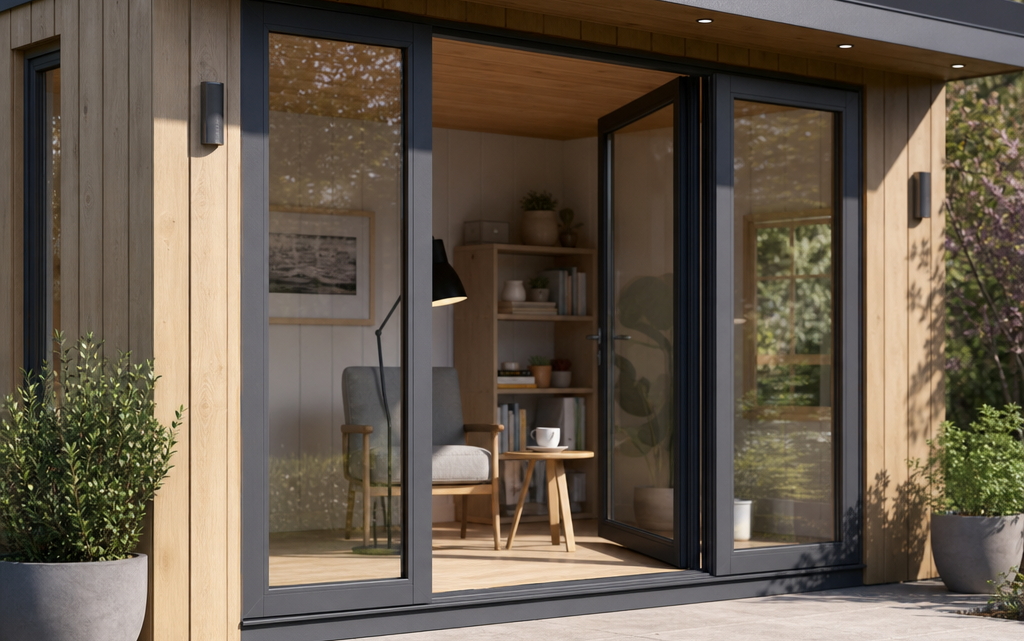
You have found a timber garden cabin that looks right for the space: it has enough room for a small office, hobby area or summer seating, and the style suits the garden. Before you place the order, however, it is worth looking closely at the glazing. Windows and glazed doors affect light, comfort, security, safety, privacy, condensation and long-term maintenance. They can also influence where you position the building and how you use it through the year.
Glazing is often treated as a minor detail when buying a summer house, log cabin or garden room, but it deserves proper attention. A cabin with large areas of glass can feel bright and inviting, while a cabin with limited glazing may be easier to secure and keep cool. The right choice depends on how you intend to use the building, who will use it, and how exposed the site is. This guide explains the main glazing options and the safety points you should consider before specifying or buying a timber garden cabin.
Inhaltsverzeichnis
Why glazing matters in a timber garden cabin
Glazing performs several jobs at once. It admits daylight, gives you a view of the garden, allows ventilation when windows open, and changes the appearance of the building. At the same time, glass is a potential weak point. It can break, transmit heat and cold, allow views into the cabin, and create glare in the wrong orientation.
For a simple summer house used mainly in mild weather, basic glazing may be adequate. For a building used as a workshop, craft room, children’s play space or occasional home office, you should apply more demanding criteria. In particular, think about:
- Safety: what happens if the glass is knocked, slammed or broken?
- Security: can someone easily see or access valuable items inside?
- Comfort: will the building overheat in summer or feel cold in spring and autumn?
- Ventilation: can you open windows without compromising security too much?
- Maintenance: are frames, seals and glazing beads easy to inspect and keep in good order?
Understand the common glazing types
Not all garden building glazing is the same. Product descriptions may refer to horticultural glass, styrene, acrylic, toughened glass or double glazing. Each has advantages and limitations.
Horticultural glass
Horticultural glass is a basic, thin glass commonly used in sheds, greenhouses and value-focused garden buildings. It lets in good light and is usually inexpensive to replace, but it is more fragile than toughened safety glass. If broken, it can form sharp shards. For that reason, you should be cautious about using it where children play, where doors may be slammed, or where the glass is at low level and likely to be hit.
If a cabin includes 3mm horticultural glass, treat it as a practical, entry-level glazing specification rather than a safety upgrade. It may be perfectly acceptable for light leisure use by adults, but it is not the same as toughened or laminated safety glass.
Toughened safety glass
Toughened glass is heat-treated to make it stronger than ordinary glass. If it breaks, it typically fragments into small pieces rather than long, sharp shards. This makes it a better choice for doors, low-level glazing and family gardens. It is often the sensible upgrade where people may brush past the glass, carry tools, or move furniture in and out.
If you are specifying a cabin for regular use, ask whether toughened glass is available as an option, especially for glazed doors and any panes close to floor level. Even if it increases the upfront cost, it can be worthwhile in terms of safety and peace of mind.
Laminated glass
Laminated glass contains an interlayer that helps hold the glass together if it cracks. This can improve safety and security because the pane is less likely to fall away immediately. It is commonly associated with buildings where impact resistance, security or noise reduction are priorities.
Laminated glass is not always offered on standard garden buildings, but it is worth considering if your cabin will contain expensive equipment, face a public footpath, or be used in a location where breakage would be particularly inconvenient.
Acrylic, polycarbonate and styrene glazing
Some garden buildings use plastic glazing materials rather than glass. These can be lighter and more impact-resistant than ordinary glass, which may make them useful in family gardens. However, they may scratch more easily, flex in the frame, discolour over time, or feel less substantial. The exact performance depends on the material and thickness, so check the specification carefully rather than assuming all plastic glazing is the same.
Double glazing
Double glazing is often associated with better insulation and reduced condensation, but it should be considered alongside the whole building specification. A thin-walled timber cabin with uninsulated floor and roof will not perform like a fully insulated garden room simply because it has double-glazed windows. Nevertheless, double glazing can improve comfort if you plan to use the building for longer periods or in cooler months.
Match the glazing to how you will use the cabin
The best glazing choice depends on the intended use. Start by being realistic about how often you will use the building and what will happen inside it.
Occasional summer seating
For a summer house used mainly in dry, warm weather, a modest amount of single glazing can be sufficient. You may prioritise appearance, garden views and price. Even so, safety still matters if the building has a glazed door or is used by children or pets.
Home office or hobby room
If you plan to work in the cabin, glazing affects screen glare, privacy, temperature and security. Consider where the sun falls during the working day. South- and west-facing glass can make the interior bright but may also cause overheating and glare on screens. Opening windows are helpful for ventilation, but you should also consider lockability and whether valuables can be seen from outside.
Workshop or storage space
For a workshop, too much glass can be a disadvantage. Tools, mowers, bikes and power equipment may be visible, increasing security risk. Glass can also be vulnerable to accidental impact from timber, ladders or machinery. Smaller windows, higher-level glazing, blinds or obscuring film may be more practical.
Children’s play space
If children will use the cabin, safety should be the leading factor. Low-level panes, glazed doors and windows near play areas should ideally be safety glass or another suitable impact-resistant material. You should also check that opening windows do not create finger-trap hazards or allow unsafe climbing.
Key safety considerations before you buy
Safety is not only about the type of glass. It also involves location, frame condition, door operation and day-to-day use.
Low-level glazing and doors
Glazed doors are more likely to be hit than fixed windows because they move, slam and are used frequently. A part-glazed single door can be attractive and practical, but check what type of glazing is fitted and whether the pane is at a height where it could be struck by knees, tools or garden furniture. If the product includes standard glass, ask whether a safety-glass upgrade is possible.
Opening windows
Opening windows are useful because timber buildings can become warm and humid. Ventilation helps reduce condensation and makes the cabin more comfortable. However, opening sashes need secure catches, smooth operation and regular inspection. A window that does not close properly can let in water, draughts and insects, and may be a security weakness.
Edges, beads and fixings
Glazing is only as reliable as its frame and fixings. Check that glazing beads are properly seated and that there are no gaps where water can sit. Timber moves naturally as moisture levels change, so inspect the window and door frames after installation and after the first few months of use. If the building is supplied untreated, apply the recommended preservative promptly, including around frames, joints and end grain where permitted by the manufacturer’s instructions.
Location and exposure
A cabin in an exposed spot will experience more wind-driven rain and impact from debris. In such locations, stronger glazing and careful sealing become more important. Avoid placing vulnerable glazed elevations where footballs, falling branches, gravel from paths or frequent knocks are likely.
Practical glazing checklist
Use this checklist when comparing timber cabins or speaking to a supplier:
- What glazing material is supplied as standard?
- Is the glass toughened, laminated, horticultural, acrylic or another material?
- What is the stated thickness of the glazing?
- Are glazed doors fitted with safety glass, or is an upgrade available?
- Are any panes at low level where impact is more likely?
- Which windows open, and how are they secured?
- Can you ventilate the cabin without leaving it obviously vulnerable?
- Will the glazing face strong sun, prevailing wind or a public view?
- Can blinds, curtains or privacy film be fitted without affecting operation?
- Are replacement panes easy to source if one breaks?
- Does the building need immediate timber treatment after installation?
- Are the door and window frames easy to inspect and maintain?
If you cannot answer these questions from the product page, ask before ordering. Glazing details are easier to clarify before delivery than after assembly.
Using a standard cabin specification as a practical example
A value-focused timber log cabin may include a part-glazed single door and an opening front window, with standard 3mm horticultural glass. That type of specification can make sense for a simple garden summer house where the priority is an affordable, attractive building for seasonal use. For example, a cabin with 19mm timber wall logs, a glazed opening window and a part-glazed door can provide a pleasant light-filled space without moving into the specification of a fully insulated garden room.
However, the glazing should still be assessed against your use. If the building will mainly be used by adults for occasional relaxation, standard horticultural glass may be acceptable. If it will be used by children, placed next to a busy play area, or used to store valuable items, you should think carefully about whether the standard glazing is robust enough. The same applies if the glazed door is likely to be knocked while moving chairs, garden tools or storage boxes in and out.
Where a product description states that the building is supplied untreated, you should also factor in early maintenance. Untreated timber needs prompt preservative treatment after installation, and the areas around windows and doors need particular care because water can collect around joints and beads. Good timber care will not change the strength of the glass, but it can help the frames continue to support the glazing properly.
Balancing light, privacy and security
More glass is not always better. A garden cabin with generous glazing may look appealing in photographs, but it can create practical problems if the interior is visible from a lane, neighbouring property or upstairs window.
Think about sightlines
Stand where the cabin will be positioned and look back towards the house, boundaries and public areas. Consider what people will see through the glass. If the cabin will contain a computer, tools, sports equipment or furniture, you may want to reduce visibility. Options include choosing a design with fewer windows, fitting blinds, using curtains, applying privacy film, or positioning the building so the main glazing faces a private part of the garden.
Do not rely on glass for security
Even good glazing should not be treated as the main security measure. A key lock on a door is useful, but overall security also depends on door construction, hinges, fixings, window catches and what is left inside. Avoid storing high-value items in a lightly glazed garden building unless you have considered additional security measures. These may include a discreet alarm, internal anchor points, secure storage boxes, external lighting or careful screening from public view.
Control solar gain
Large panes facing south or west can cause overheating, especially in a small timber building. Overheating may make the cabin uncomfortable and can affect stored items, paints, craft materials or electronics. If you want good daylight without excessive heat, consider orientation, shading from trees or structures, roof overhangs, blinds and ventilation. A verandah or overhang can help shade the entrance area, but you should still assess where direct sun will strike the windows at different times of day.
Condensation and ventilation
Condensation is common in garden buildings, particularly where single glazing is used and the building is not heated or insulated. Moisture from people, damp shoes, stored fabrics and wet weather can condense on cold glass. Over time, persistent moisture can affect timber frames, furnishings and stored items.
To reduce condensation, you should:
- Open windows regularly in dry weather to exchange moist air for fresh air.
- Avoid storing wet garden furniture, damp cushions or muddy tools inside.
- Use breathable storage and keep items away from external walls where possible.
- Ensure the base is sound, level and not allowing water to pool beneath the building.
- Maintain timber treatment and check around window frames for water staining.
If you plan to heat the cabin occasionally, be aware that warm air can hold more moisture. When the heater is turned off and the glass cools, condensation may form. Ventilation remains important even in colder weather.
Common mistakes when specifying glazing
Choosing on appearance alone
Attractive Georgian-style windows, large glazed doors and decorative panes can improve the look of a cabin, but appearance should not be the only factor. Always check the glazing material, thickness, opening arrangement and safety suitability.
Ignoring how the door will be used
Doors are high-risk areas for accidental impact. People carry chairs, tools and boxes through them, and wind can catch them if they are left unsecured. If the door is glazed, check whether the glass is suitable for that level of use.
Assuming all “glass” is safety glass
Product descriptions may simply say “glass glazed” or may specify horticultural glass. Do not assume that this means toughened safety glass. If safety glass is important to you, look for clear wording or ask the supplier directly.
Forgetting privacy until after installation
Once the cabin is built, you may discover that neighbours or passers-by can see straight into it. Plan privacy before ordering. The orientation and window layout are easier to address at the planning stage than after the base is laid and the cabin is assembled.
Not treating timber promptly
Where a timber cabin is supplied untreated, delaying preservative treatment can expose frames and glazing surrounds to moisture movement and weathering. Follow the manufacturer’s instructions and treat the external timber surfaces promptly after installation.
Overlooking replacement and repair
Breakages happen. Before buying, consider whether replacement panes are straightforward to obtain and fit. Simple rectangular panes are usually easier to replace than unusual shapes or complex decorative arrangements.
Practical steps before placing an order
- Define the use: decide whether the cabin is for occasional seating, work, hobbies, storage or children’s use.
- Check the glazing specification: identify the material, thickness and whether it is safety glass.
- Assess impact risk: look at glazed doors, low panes, play areas, paths and areas where tools or furniture will be moved.
- Review orientation: consider sun, shade, wind and views from outside the garden.
- Plan ventilation: confirm which windows open and how you will manage condensation.
- Consider privacy and security: decide whether you need blinds, film, screening or additional security measures.
- Check maintenance requirements: note whether the timber is untreated and what treatment is required after installation.
- Ask about upgrades: if the standard glazing is not suitable, ask whether toughened, laminated or alternative glazing is available.
Short FAQ
Is horticultural glass suitable for a garden cabin?
It can be suitable for basic, occasional use, particularly where cost is important and impact risk is low. However, it is not the same as toughened safety glass. If children use the cabin, or if the glass is in a door or low-level position, consider a safer glazing option.
Do I need toughened glass in a summer house?
It depends on the design and use. Toughened glass is strongly worth considering for glazed doors, low-level panes and family gardens. It is also sensible where the cabin will be used frequently or where accidental knocks are likely.
Will double glazing make a timber cabin warm enough for year-round use?
Not by itself. Double glazing can help improve comfort, but the walls, roof, floor, draught sealing and heating strategy also matter. A lightly built cabin with double glazing may still feel cold if the rest of the structure is not insulated.
How can I improve privacy without changing the windows?
You can use blinds, curtains, frosted or reflective film, planting, trellis or careful internal layout. Avoid blocking ventilation routes completely, and make sure any coverings do not interfere with opening windows or door operation.
What should I do if a pane breaks?
Keep people and pets away from the area, wear suitable gloves and footwear, and remove broken pieces carefully. Measure the pane accurately and replace it with the same type or consider upgrading to a safer material if appropriate. If you are unsure, use a competent glazier or installer.
Conclusion
Glazing is a key part of specifying a timber garden cabin, not an afterthought. The right choice depends on safety, use, orientation, privacy, security and maintenance. Basic horticultural glass may be adequate for a simple seasonal summer house, but tougher or safer glazing is often the better choice for doors, low-level panes, children’s use and regular occupation.
Before you buy, check exactly what glazing is supplied, where it is positioned and whether upgrades are available. Think about how you will ventilate the cabin, protect privacy, reduce condensation and maintain the timber around the frames. A careful glazing decision at the planning stage will help you choose a garden building that is safer, more comfortable and better suited to the way you actually intend to use it.

