Airflow, Light and Heat Control in Compact Metal Garden Sheds

A compact metal shed can be a very practical place to keep tools, garden chemicals, bikes or outdoor cushions, but it can also become uncomfortable if airflow, daylight and heat are not thought through. On a still summer afternoon, a small steel building in full sun can warm up quickly. In winter, the same shed may feel cold and damp if moist air is trapped inside. If you use your shed only for storage, these conditions can still affect what you keep in it; if you also pot plants, repair tools or sort equipment inside, comfort becomes even more important.
This guide explains how to manage ventilation, natural light and heat build-up in compact metal garden sheds. It is written for typical small garden buildings where space is limited, openings may be modest, and the shed is used mainly for storage rather than as a fully insulated garden room.
Inhaltsverzeichnis
Airflow, Light and Heat Control in Compact Metal Garden Sheds
Metal sheds are durable, secure and low-maintenance, but they behave differently from timber sheds. Metal panels can respond quickly to changes in outdoor temperature, so the inside can heat up fast in direct sun and cool down rapidly after sunset. Good siting, sensible ventilation and careful storage choices all help to keep the interior usable and protect your belongings.
Why compact metal sheds need airflow planning
In a small shed, there is less air volume to buffer temperature and humidity changes. A lawnmower put away after use, damp gloves, wet plant pots or bags of compost can all release moisture. Without airflow, that moisture may settle on cooler surfaces, leading to condensation, musty smells and possible corrosion on stored metal tools.
Airflow matters for three main reasons:
- Moisture control: moving air helps reduce condensation and stale, damp conditions.
- Heat management: ventilation allows hot air to escape instead of being trapped beneath the roof.
- Comfort and safety: fresh air makes short periods of working inside more pleasant, especially when handling soil, fuel containers or cleaning products.
Even if the shed has built-in ventilation, you should think about how the building is positioned, what you store against the walls and whether the door or window can be used to create short bursts of extra air movement.
Choosing the right position in the garden
The easiest time to control heat and light is before the shed is installed. Once it is fixed to a base, your options become more limited, so it is worth planning the location carefully.
Consider sun exposure through the day
A south-facing position in an open garden will usually receive the most sun and may create the highest internal temperatures. This can be acceptable for general tool storage, but it may be less suitable if you store items that dislike heat, such as candles, some paints, adhesives, aerosols or delicate plastics.
If possible, place the shed where it receives morning sun and some afternoon shade. Morning light helps dry the exterior after rain or dew, while afternoon shade reduces heat build-up during the hottest part of the day. A nearby fence, wall, pergola or deciduous tree may provide useful shade, but avoid squeezing the shed into a damp, airless corner.
Leave space around the building
Compact gardens often tempt you to push a shed tight against a boundary. However, leaving a gap around the sides improves air movement and makes it easier to inspect, clean and maintain the base area. It also reduces the risk of vegetation holding moisture against the shed.
As a practical rule, aim for enough clearance to allow air to circulate and for you to reach around the shed safely. Keep shrubs, long grass and stored items away from vents, door gaps and window areas.
Ventilation: what to look for and how to use it
Ventilation is not just about having a hole in the wall. Effective airflow usually needs both an inlet and an outlet so that air can move through the building. Warm air naturally rises, so high-level ventilation can be useful for releasing heat, while lower-level gaps or vents can allow cooler air to enter.
Check the shed’s built-in ventilation
Some metal sheds include vented panels or design features that allow air to move through the interior. When assessing a compact shed, look for:
- high-level ventilation near the roofline;
- opposing vents or openings that encourage crossflow;
- a door design that closes securely without sealing the interior completely;
- a window or door arrangement that can be opened when you are working inside.
If the shed has vents, do not block them with shelving, hooks, bicycles, storage boxes or insulation boards. Blocked vents are one of the most common reasons a shed becomes stuffy or damp.
Use the door and window for purge ventilation
For many small sheds, the simplest ventilation method is to open the door for a few minutes when you visit, especially after wet weather or after storing damp equipment. If there is a window that opens, using it together with the door can create better air change. If the window is fixed, the door still provides useful purge ventilation, though not continuous crossflow.
Do not leave a shed open unattended unless it is safe and secure to do so. Good ventilation should not compromise security, particularly if you store power tools, bikes or expensive garden equipment.
Managing daylight without overheating the shed
Natural light is helpful in a compact shed because it makes tools easier to find and reduces the need for battery lamps during daytime. However, more glazing can also mean more solar gain, especially if the window faces south or west.
Decide how much light you really need
If you mainly store a mower and hand tools, a modest window or a translucent panel may be enough. If you use the shed for potting, sharpening tools or sorting seed trays, you may value more daylight. The key is to match the light level to the use, rather than assuming the brightest shed is always best.
For security, consider whether the window allows passers-by to see valuable contents. You may be able to arrange shelves so that high-value items are not visible from outside, while still benefiting from daylight.
Control glare and solar gain
Where a window admits strong sun, you can manage it without permanently losing daylight. Options include fitting a light-coloured blind, using removable shading film if suitable for the glazing material, or positioning the shed so the window receives less intense afternoon sun. Any film, blind or covering should be compatible with the window material and should not interfere with drainage, ventilation or door operation.
For a small metal shed, shading the outside is often more effective than dealing with heat once it has entered. A fence panel, trellis with seasonal planting, or nearby canopy can reduce direct sunlight, provided it does not trap damp air around the shed.
Practical example: reading product details sensibly
When comparing compact sheds, use product information to ask practical questions rather than focusing only on size or appearance. For example, a small metal shed such as the 6′ x 4’6 Trimetals Premium Titan 640 Metal Shed is described as being made from PVC-coated galvanised steel, with an acrylic window and a single door, and the description notes a well-ventilated interior. Those details help you think about light, access, ventilation and security together. The window may improve daytime visibility, while the door arrangement affects how easily you can air the shed when you are inside. The important point is to apply the same checks to any compact metal shed you are considering.
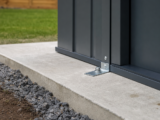
Also check the base requirements. A level, correctly sized concrete base can help the shed fit as intended and reduce unwanted gaps, distortion or pooling water. Poor installation can undermine ventilation and weather resistance because doors may not sit correctly and panels may not align as designed.
Heat build-up: what causes it and how to reduce it
Heat build-up in a compact metal shed is usually caused by a combination of direct sun, limited air volume, dark surfaces nearby, poor airflow and stored items that restrict internal circulation. Metal panels can become warm in sunlight, and the air inside may heat rapidly if it cannot escape.
Use shade intelligently
Shade is one of the most effective heat-control measures. If you cannot choose a shaded position, you may still be able to create partial shade using planting, a trellis, a nearby fence or a garden structure. Keep shade solutions sensible: climbing plants should not grow directly over vents or into panel joints, and dense evergreen planting close to the shed may increase dampness in winter.
Seasonal shade can be particularly useful. Deciduous trees and climbing plants can reduce summer heat while allowing more light and airflow in winter. Just ensure roots, falling leaves and overhanging branches do not create maintenance problems.
Think about the base and surrounding surface
Hard landscaping can reflect and radiate heat. A shed surrounded by dark paving or gravel in full sun may feel hotter than one near lawn or lighter surfaces. If you have a choice, avoid placing a compact metal shed in a heat trap between walls, fences and dark paving.
The base itself must be firm, level and suitable for the shed. Do not compromise the structural base in an attempt to cool the shed. Instead, manage the surrounding area with lighter materials, planting at a sensible distance and clear airflow around the walls.
Avoid storing heat-sensitive items
A compact metal shed is not the best place for every item. During hot weather, temperatures can exceed comfortable indoor levels. Avoid storing items that may be damaged by heat unless the manufacturer’s storage guidance allows it. Be cautious with:
- paint, varnish, adhesives and sealants;
- aerosols and pressurised containers;
- candles, wax products and some plastics;
- electronic devices or battery packs;
- soft furnishings that may fade, warp or develop odours.
For garden chemicals, fuels and batteries, always follow the product label and safety instructions. Ventilation helps, but it does not turn a small shed into a climate-controlled store.
Condensation control in everyday use
Condensation is often most noticeable in autumn and winter, when damp air meets cold surfaces. It may appear as droplets on the underside of the roof, on tools or inside storage boxes. You cannot control the weather, but you can reduce the moisture load inside the shed.
Do not put wet items straight into closed storage
Wet mowers, hoses, boots and tools add moisture to the air. If you can, let items drain or dry before storing them. If that is not practical, open the shed door briefly the next dry day to release moist air. Wipe down tools before hanging them and avoid leaving wet fabric, cardboard or compost sacks pressed against metal panels.
Use shelving to improve circulation
Storing everything on the floor makes it harder for air to move. Use freestanding shelves, hooks and racks where appropriate, making sure they do not block vents or overload the shed walls. Keep a small gap behind storage boxes and avoid stacking items tightly from floor to roof.
Plastic storage boxes can protect contents from drips, but they can also trap moisture if damp items are sealed inside. For tools, open racks are often better than airtight containers.
Checklist: setting up a compact metal shed for better airflow and heat control
- Choose a location with some airflow and, ideally, afternoon shade.
- Install the shed on the specified firm, level base.
- Leave practical clearance around the sides for air movement and inspection.
- Check that vents, door gaps and any window areas are not blocked.
- Position shelves so air can circulate behind and above stored items.
- Keep damp equipment, compost and fabrics away from the walls where possible.
- Use the door for short purge ventilation after wet weather or heavy use.
- Avoid storing heat-sensitive or hazardous products unless their labels allow it.
- Use external shade where possible without creating a damp, enclosed corner.
- Inspect the shed periodically for condensation, trapped leaves and blocked vents.
Common practical mistakes to avoid
Blocking the ventilation with storage
It is easy to fill a small shed so efficiently that it can no longer breathe. Tall boxes, stacked chairs or hanging tools can block vents and prevent warm, moist air from escaping. Leave ventilation routes clear, even if that means using fewer bulky storage containers.
Assuming a window solves every daylight problem
A window improves natural light, but it may not illuminate every corner once shelves and equipment are added. Plan the internal layout so frequently used tools are visible. A small battery light or solar-powered light may be useful, but install any electrical or lighting product according to its instructions and suitability for outdoor buildings.
Installing the shed in a damp corner
A shaded corner under overhanging vegetation may keep the shed cooler in summer but damp all year round. Constant shade, poor air movement and wet leaves can increase condensation and make the shed unpleasant. Balance shade with ventilation.
Using insulation without thinking about ventilation
Some owners add insulation to reduce temperature swings. This can help in certain circumstances, but badly fitted insulation can trap moisture against metal panels or block vents. If you choose to insulate, use materials and methods suitable for metal sheds and maintain airflow. Do not cover drainage paths or structural fixings without understanding the consequences.
Leaving valuable items visible
Daylight is convenient, but a clear window can also reveal what is stored inside. Arrange storage so valuable tools are not on display. Security and light control should be considered together.
Simple decision criteria before you buy or reorganise
Before choosing a compact metal shed, or before changing the way you use one, ask yourself these questions:
- What will you store? Basic tools tolerate shed conditions better than paints, batteries or soft furnishings.
- Will you work inside? If yes, daylight, headroom, door access and ventilation become more important.
- How sunny is the site? Full afternoon sun increases the need for shade and ventilation.
- Can air move around the shed? Tight corners and dense planting can make damp problems worse.
- Is the base suitable? A level, stable base supports proper door operation and panel alignment.
- Can you keep vents clear? A shed that is too small for your belongings may become poorly ventilated simply because it is overfilled.
FAQ
Do metal sheds get hotter than timber sheds?
They can heat up quickly in direct sun because metal conducts heat readily, especially in a compact building with limited air volume. However, siting, shade, ventilation and colour of surrounding surfaces all affect the actual temperature. A well-positioned metal shed can be perfectly practical for general garden storage.
Should I leave the shed door open to reduce condensation?
Opening the door for short periods in dry weather can help release moist air. Do not leave it open when security is a concern, during driving rain, or when unattended if that would be unsafe. Regular brief ventilation is usually more practical than leaving the shed open for long periods.
Is a window a good idea in a compact metal shed?
A window can make the interior easier to use during the day, but it may add solar gain and reduce privacy. It is best where you need natural light and can position the shed or arrange storage to manage heat and visibility.
Can I fit extra vents to a metal shed?
It may be possible on some models, but you should check the manufacturer’s guidance before cutting or drilling panels. Alterations can affect weather resistance, security and warranty terms. If extra ventilation is important, it is better to choose a shed that already meets your needs.
What should not be stored in a hot shed?
Be cautious with paints, adhesives, aerosols, batteries, electronics, candles and any product with temperature limits on the label. Always follow the manufacturer’s storage instructions for chemicals, fuels and pressurised containers.
Conclusion
Managing airflow, daylight and heat in a compact metal garden shed is mainly about good planning and sensible everyday habits. Choose a position with airflow and some shade, install the shed on the correct level base, keep vents clear and avoid overfilling the interior. Use daylight to make the shed practical, but balance it with security and solar gain. Finally, remember that a small shed is not a controlled indoor environment, so store heat-sensitive and moisture-sensitive items with care. With these steps, your metal shed will be more comfortable to use and better suited to protecting everyday garden equipment.