Daylight and Privacy Considerations for Glazed Garden Summer Houses
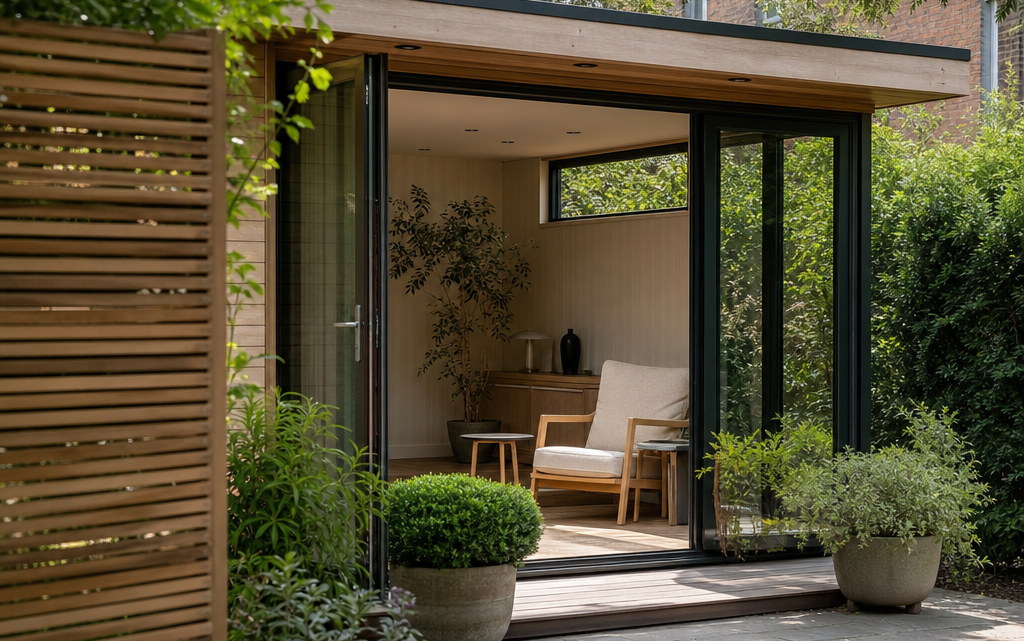
You have found a glazed summer house you like, the garden has a pleasant view, and you can already imagine using the building for reading, working, hobbies or entertaining. Then the practical questions begin: will it be too exposed to neighbours, too hot in July, too gloomy in winter, or too visible from the house at night? Glazed garden summer houses work best when daylight, ventilation and privacy are considered together, rather than treated as separate afterthoughts.
This advice article explains how to assess glazing, window positions, airflow, shading and screening before you buy or install a garden summer house. It is written for UK gardens, where weather can vary sharply through the year and where nearby boundaries, overlooking windows and changing daylight angles often influence how comfortable the building feels in practice.
Inhaltsverzeichnis
Why daylight, ventilation and privacy must be balanced
Large windows and glazed doors can make a garden building feel welcoming, spacious and connected to the outdoors. They also bring trade-offs. The more glass you have, the more visible the interior may be from the garden, neighbouring properties or the street. More glazing can also mean more solar gain, especially if the building faces south or west. Conversely, too little glazing can leave the space feeling shed-like rather than relaxing.
Ventilation is the third part of the decision. A bright glazed summer house with limited opening windows may quickly become stuffy on warm days, particularly if it is used as a hobby room, gym, occasional office or social space. A practical design should let you admit light, release warm air and maintain a sense of privacy without permanently closing curtains or blinds.
Start with how you will use the summer house
Before comparing window layouts, decide what the building is actually for. A peaceful reading room has different requirements from a garden office, art studio or entertaining space. Be specific, because the right level of glazing depends heavily on use.
Garden office or study
If you plan to work in the summer house, you need good natural light without screen glare. Side light is usually better than direct sunlight onto a desk or monitor. You may prefer glazing on two adjacent sides, with the desk positioned so that you face into the room or towards a shaded garden view. Privacy matters more if laptops, documents or work equipment will be left inside.
Relaxation and entertaining
For a social retreat, wider views are often desirable. Glazed doors facing a patio or lawn can help the building feel connected to outdoor seating. Opening windows are useful for cooling the space when several people are inside. Privacy can be handled with planting, low fencing, internal blinds or careful orientation rather than by reducing glass too much.
Hobbies, crafts and exercise
Crafts and art benefit from consistent daylight, but direct sun can fade materials and create harsh glare. Exercise spaces need more ventilation, because warmth and moisture build up quickly. If privacy is important, consider high-level screening, obscured lower panels, or planting that blocks views at eye level while leaving upper glazing clear for daylight.
Assess the garden before choosing the glazing layout
The same summer house can feel open and private in one garden, but exposed and overheated in another. Spend time in the intended location at different times of day before making a decision.
Check the sun path
In the UK, south-facing glazing receives the strongest sunlight for much of the day, while west-facing glazing can create late-afternoon heat and glare. East-facing glazing gives morning light and is often comfortable for early use. North-facing glazing is more even and subdued, which can suit work or art, but may feel cooler and less bright in winter.
If possible, mark the intended footprint on the ground and note where sunlight falls at breakfast time, midday and late afternoon. Also consider seasonal change: winter sun is lower and may enter deeper into the room, while summer sun can cause overheating through large panes.
Identify overlooking points
Stand where the summer house will go and look back towards neighbouring houses, upstairs windows, side gates, public paths and your own home. Then reverse the view: stand at those points, where accessible, and look towards the proposed summer house position. Privacy is not only about neighbours seeing in; it is also about whether you feel overlooked while using the space.
Consider prevailing wind and shelter
Ventilation is improved by airflow, but a very exposed position can make open doors and windows uncomfortable. In many UK locations, prevailing winds often arrive from the south-west, though local conditions vary. Hedges, fences, walls and nearby buildings can either shelter the summer house or create gusty channels. A sheltered position with opening windows on more than one side usually gives the best balance.
Choosing the right amount of glazing
There is no single correct amount of glass. The best choice depends on how much view you want, how close the building is to boundaries, and how often you will use it in strong sun or cold weather.
High glazing for views and daylight
A summer house with multiple windows and glazed doors is suitable if the building faces your own garden, a private corner, or a pleasant open outlook. This arrangement works well for relaxation and entertaining. However, it is sensible to plan privacy measures from the outset rather than waiting until the interior feels exposed.
Moderate glazing for flexible use
A balanced layout, such as glazed doors plus several opening windows, can provide good daylight and ventilation without turning every wall into a viewing panel. This is often a practical choice for mixed use: occasional work, reading, family use and summer entertaining.
Lower glazing for privacy and storage
If the building is close to a shared boundary, visible from a lane, or used to store valuable equipment, fewer windows may be more appropriate. You can still improve daylight with lighter interior finishes, careful door orientation and task lighting. Do not choose extensive glazing if you know you will keep the blinds closed all the time.
Decision criteria before you buy
Use the following criteria to judge whether a glazed summer house is suitable for your garden and intended use:
- View: Does the main glazing face something you actually want to look at?
- Privacy: Can neighbours, passers-by or upper windows see directly inside?
- Ventilation: Are there opening windows, and are they positioned to create airflow?
- Solar gain: Will the building receive strong south or west sun for long periods?
- Security: Will valuable items be visible through the glass when the building is unattended?
- Use pattern: Will you use it mainly in summer, all year, during work hours or in the evening?
- Shading options: Is there room for blinds, curtains, trees, pergolas or external screening?
- Maintenance: Are you prepared to treat and maintain timber and check seals, hinges and roof coverings?
A practical example: an octagonal glazed summer house
As a practical example, consider a glazed octagonal summer house such as the Palmako Veronica 3.4m x 3.4m Octagonal Summer House Log Cabin with 4 Windows. Its octagonal form and four large opening windows are intended to provide generous natural light and useful ventilation, while the partially glazed double doors add further daylight and a garden-facing entrance. The 34mm Nordic spruce interlocking log construction, tongue and groove floor and roof, safety glass to the doors, key-operated cylinder lock and opening windows show the type of features you might compare when assessing comfort, security and everyday use. It is also supplied untreated, so timber treatment after assembly and ongoing maintenance are part of the practical planning. The roof covering is not included as standard, so that is another detail to check when budgeting.
This kind of design can suit a garden retreat where you want a bright interior and outward views. However, because the glazing is a significant part of the experience, you would still need to decide where the doors and windows should face, how to shade the sunniest elevations, and whether planting or blinds are needed to prevent the interior feeling exposed.
Practical steps to improve daylight without losing privacy
1. Orientate the main glazing carefully
If you have a choice, face the principal doors or largest glazed area towards your own garden rather than towards a neighbouring boundary or public route. A view across your lawn, planting or patio will feel more restful than a direct line of sight to a fence or another house. If the best view is also the most exposed direction, plan screening before installation.
2. Use layered privacy rather than one heavy barrier
Privacy is often best achieved in layers. For example, you might combine a trellis with climbing plants, a small tree, internal roller blinds and careful furniture placement. This approach allows you to preserve daylight while interrupting direct views. A solid fence immediately in front of glazing can make the interior feel enclosed, whereas filtered screening feels softer and more natural.
3. Keep eye-level views under control
Most privacy problems occur at seated or standing eye level. You may not need to cover the whole window. A half-height blind, café-style curtain, frosted lower film or planting at the right height can block direct views while leaving the upper glass clear for daylight.
4. Choose light interior finishes
Pale walls, ceilings and floors reflect light around the room, making the space feel brighter even with fewer windows or partially closed blinds. If the timber is left natural, it may darken over time, so consider whether a light internal finish would better support your daylight goals. Always follow the manufacturer’s guidance for suitable treatments and finishes.
5. Plan lighting for evenings and dull days
Natural daylight is only part of comfort. If you use the summer house in the evening or during overcast weather, add suitable lighting. Warm general lighting creates a relaxed atmosphere, while task lighting is useful for reading, hobbies or desk work. Remember that at night, lit interiors are much easier to see from outside, so privacy measures become more important after dark.
Ventilation: what to look for and how to use it
Good ventilation helps control heat, condensation and stuffiness. In a glazed garden building, opening windows are particularly valuable because glass can admit warmth quickly on sunny days.
Create cross-ventilation
Cross-ventilation occurs when air can enter from one side and leave from another. Windows on different elevations are therefore more useful than several openings on one wall only. Even a small gap on the shaded side, combined with a larger opening on the warmer side, can encourage air movement.
Ventilate early on hot days
On warm summer days, open windows and doors early if it is safe to do so. Once the interior has overheated, it can take longer to cool. If the sun is strong, combine ventilation with shading rather than relying on open windows alone.
Manage moisture
Moisture can build up from people, wet clothing, plants, exercise, drinks and temperature changes. Ventilate after use, particularly in cooler months. Avoid pushing furniture hard against walls if it restricts airflow. If you use the building regularly, check for condensation on glass and around frames, as this may indicate that more ventilation or heating control is needed.
Checklist: before installing a glazed summer house
- Mark out the proposed footprint and check sunlight at several times of day.
- Stand inside the marked area and assess views in and out.
- Identify any overlooking from neighbours, paths, roads or upper windows.
- Decide which direction the doors and largest windows should face.
- Check that opening windows can provide practical airflow.
- Plan shading for south- and west-facing glazing.
- Choose privacy measures such as blinds, curtains, planting, trellis or screening.
- Consider night-time privacy when internal lights are switched on.
- Check what is and is not included, such as roof covering, treatment or optional upgrades.
- Allow for ongoing timber treatment, cleaning of glass and maintenance of moving parts.
Common practical mistakes to avoid
Choosing the brightest option without considering heat
A very bright summer house can be appealing in a showroom or online image, but direct sun through large areas of glass can make the interior uncomfortable. If the building will face south or west, include shading in the budget from the beginning.
Ignoring privacy until after installation
Once the summer house is built, changing its position is difficult. Privacy should be planned at the same time as the base, orientation and access route. If you will need screening, check that there is enough space for planting or structures without blocking doors and windows.
Assuming all windows open
Some glazed designs include fixed panes, while others include opening windows. Always check the specification. Ventilation depends not just on the number of windows, but on whether they open and where they are positioned.
Placing a desk or seating directly in glare
Even if the room itself is pleasant, a badly positioned desk, reading chair or sofa can suffer from glare. Think about furniture layout before deciding which elevation should have the most glass.
Forgetting security visibility
Glazing allows you to enjoy the garden, but it can also allow others to see valuable items. If you will keep tools, computers, sports equipment or furniture inside, consider blinds and avoid leaving high-value items visible. A lock is useful, but privacy and sensible storage also matter.
Overlooking maintenance
Timber garden buildings usually require treatment, and glazed areas need cleaning and inspection. Hinges, seals, locks and window openings should be checked periodically. If a product is supplied untreated, treatment is not optional if you want to protect the timber and meet guarantee conditions.
Privacy options that still let in light
You do not have to choose between a bright room and a private one. The following options can help you retain daylight:
- Sheer curtains: soften views and reduce visibility during the day while keeping the room bright.
- Roller blinds: allow precise control, especially if fitted to individual windows.
- Venetian or slatted blinds: adjust the angle of view and light, though they may need more cleaning.
- Frosted window film: useful on lower panes or elevations facing boundaries.
- Planting: shrubs, pleached trees and climbers can filter views naturally.
- Trellis or screens: can provide immediate privacy while plants establish.
- External shading: awnings, pergolas or shade sails can reduce heat and glare as well as visibility.
Short FAQ
Is more glazing always better in a summer house?
No. More glazing can improve daylight and views, but it can also increase heat, glare and visibility from outside. The best amount depends on orientation, use, privacy and ventilation.
Which direction should a glazed summer house face?
There is no universal answer. South-facing glazing is bright but can overheat. West-facing glazing gives strong afternoon and evening sun. East-facing glazing is pleasant in the morning. North-facing glazing gives softer, steadier light. Choose according to when and how you will use the space.
How can I keep a glazed summer house private at night?
Use blinds, curtains or shutters, because internal lighting makes the interior much more visible after dark. Planting helps, but fabric or fitted coverings usually provide more reliable night-time privacy.
Do opening windows make a big difference?
Yes. Opening windows help release heat, reduce stuffiness and manage condensation. They are especially useful when placed on more than one side of the building to create cross-ventilation.
Can planting provide enough privacy?
Planting can be very effective, but it may take time to mature and can change with the seasons. For immediate or year-round privacy, combine planting with blinds, trellis, screens or partial window coverings.
Conclusion
A glazed garden summer house should feel bright, comfortable and private enough for real use, not just attractive from the outside. The key is to consider daylight, ventilation and privacy as one combined design decision. Assess the sun path, views, overlooking, wind and intended use before choosing the glazing layout. Then support the building with practical measures such as opening windows, shading, layered screening, suitable blinds and regular maintenance.
If you plan carefully, you can enjoy the best qualities of a glazed summer house: natural light, a strong connection to the garden, fresh air on warm days and a comfortable retreat that still feels suitably private.