How Greenhouse Glazing Affects Light, Safety and Insulation

Choosing glazing for a small garden greenhouse is not just a matter of picking the clearest-looking panels. The material you specify affects how much light reaches your plants, how safe the greenhouse is around children and pets, how well it holds warmth overnight, and how much maintenance you will face after storms or accidental knocks. If you are buying a compact greenhouse for a patio, allotment plot or narrow garden border, the glazing decision can be just as important as the frame size.
For example, a small 6 x 4 greenhouse may be used for raising seedlings in spring, growing tomatoes in summer and protecting tender plants in winter. Those three uses place different demands on the glazing. Seedlings need bright but not scorching light; summer crops need ventilation and sometimes shading; overwintered plants benefit from reduced heat loss. This article explains how to compare greenhouse glazing materials in practical terms so you can choose the best option for your site, budget and gardening plans.
Inhaltsverzeichnis
How Greenhouse Glazing Affects Light, Safety and Insulation
Greenhouse glazing has three main jobs: it lets in sunlight, protects the growing space from weather, and helps control the internal temperature. No single material is perfect in every respect, so the best choice depends on what you value most. Traditional horticultural glass gives excellent clarity, toughened safety glass improves safety and impact performance, while twinwall polycarbonate offers useful insulation and diffuses light.
When specifying glazing for a small garden greenhouse, you should consider the whole setting rather than the panel material alone. Think about exposure to wind, whether children play nearby, how close the greenhouse is to paths or seating areas, and whether you intend to heat it in colder months. A sheltered greenhouse used mainly in spring may need a different specification from one in an exposed garden used all year round.
The Main Glazing Options for Small Greenhouses
Horticultural glass
Horticultural glass is the traditional greenhouse glazing material. It is usually supplied in overlapping panes and is valued for its high light transmission and classic appearance. Plants receive strong, direct light, which is helpful for many crops, especially early in the season when sunshine is limited.
The main drawback is safety. Standard horticultural glass can break into sharp pieces if struck by a ball, falling branch, tool handle or heavy pot. In a quiet adult-only garden this may be an acceptable risk, but it is less suitable where children, pets or frequent visitors are present. It can also require more care during installation because smaller panes need to be aligned properly and secured with the correct clips and gaskets.
Toughened safety glass
Toughened safety glass is treated so that, if it breaks, it tends to shatter into smaller granules rather than large sharp shards. This makes it a common upgrade for domestic greenhouses, particularly near lawns, paths, play areas and family gardens. It also often uses larger panes than traditional horticultural glass, giving a cleaner appearance and reducing overlaps where dirt can collect.
In terms of plant growth, toughened glass provides excellent light transmission. It is a good choice if you want the bright, traditional feel of glass but with improved safety. It is still glass, however, so it does not provide the same insulation as twinwall polycarbonate and may still break under severe impact.
Twinwall polycarbonate
Twinwall polycarbonate is a lightweight plastic glazing made from two layers with an internal air gap. The air gap improves insulation compared with single-sheet glass, helping to reduce temperature swings and heat loss. This can be useful if you want to start seeds early, overwinter tender plants or reduce the running cost of a greenhouse heater.
Polycarbonate also diffuses sunlight. Instead of strong direct beams, light is scattered more evenly around the greenhouse. This can reduce scorching and help lower-leaf growth. The trade-off is that it may not look as clear as glass, and over time lower-quality plastics can discolour or become brittle. If choosing polycarbonate, look for UV-stabilised material and ensure the sheets are fitted the correct way round according to the manufacturer’s instructions.
Light: What Your Plants Actually Need
It is tempting to assume that maximum light is always best, but greenhouse growing is more nuanced. In late winter and early spring, high light levels help seedlings develop strong, compact growth. In midsummer, however, a small greenhouse can quickly become hot and bright enough to stress plants, particularly if ventilation is limited.
Clear glass gives strong direct light. This suits sun-loving crops such as tomatoes, peppers and cucumbers, provided you manage ventilation and shading. Polycarbonate spreads light more softly, which can be beneficial for propagation and for mixed planting where some plants sit under staging or behind taller crops.
In a compact greenhouse, light distribution matters because there is less distance between glazing, staging and plants. Shadows from shelves, pots and the frame are more noticeable. If you plan to use tiered staging, consider whether diffused glazing would help provide more even light to lower trays. If you grow mainly fruiting crops in summer, clear glazing with good roof ventilation may be preferable.
Safety: Assess the Real Risks in Your Garden
Safety is one of the most practical reasons to upgrade glazing. A greenhouse may look tucked away, but garden activity often brings unexpected impacts. Footballs, wheelbarrows, ladders, falling branches and storm-blown objects can all damage panels.
You should give particular weight to safety if the greenhouse is:
- near a children’s play area or family lawn;
- beside a narrow path, patio, seating area or doorway;
- on an allotment or shared site with regular foot traffic;
- close to trees, fences or stored garden equipment;
- used by elderly gardeners or anyone who may have difficulty clearing broken glass safely.
In these settings, toughened safety glass or polycarbonate is usually a more practical specification than standard horticultural glass. Polycarbonate has the added advantage of being lightweight and resistant to shattering, although it must be properly secured because lighter panels can be more vulnerable to wind uplift if poorly fitted.
Insulation and Temperature Control
Glazing has a direct effect on how quickly your greenhouse gains and loses heat. On sunny days, any small greenhouse can warm rapidly. At night, heat escapes through the glazing and frame. This is why insulation matters most in early spring, late autumn and winter.
Standard glass and toughened glass provide limited insulation compared with twinwall polycarbonate. If you intend to use an electric greenhouse heater, propagate early seedlings, or keep pelargoniums, citrus, succulents or other tender plants frost-free, polycarbonate may help moderate heat loss. It will not make an unheated greenhouse frost-proof in severe weather, but it can reduce extremes and improve efficiency.
Ventilation is the partner to insulation. A well-insulated greenhouse still needs air movement to prevent overheating, condensation and fungal disease. Roof vents, louvre vents and automatic vent openers can make a major difference, especially when you are away during the day and temperatures rise suddenly.
A Practical Example: Comparing Options on a Small 6 x 4 Greenhouse
To make the decision more concrete, consider a typical small aluminium greenhouse in the 6 x 4 size range. A model such as the 6’4 x 4’4 Halls Popular 64 Small Greenhouse, measuring 1.93m wide by 1.31m deep with a base area of 2.53m², illustrates the sort of choices many gardeners face. It is supplied with 3mm horticultural glazing as standard, with options to upgrade to toughened safety glass or 4mm twinwall UV-stabilised insulating polycarbonate. This is a useful example because the same basic frame size can be specified with different glazing depending on how and where you intend to use it.
In a compact greenhouse of this size, the glazing choice will be felt quickly. Clear glass maximises brightness for spring seedlings and summer crops. Toughened glass makes more sense if the greenhouse sits near everyday garden activity. Twinwall polycarbonate may be the better fit if you want more insulation, gentler light and a lighter glazing material. The correct answer is not universal; it depends on your garden and your growing priorities.
Decision Criteria: How to Choose the Right Glazing
1. Start with the greenhouse location
Before choosing glazing, stand where the greenhouse will be installed and look around. Is the site exposed to wind? Is it overlooked by trees? Will people walk close to the sides? Is there a risk of balls, tools or furniture striking the panels? A sheltered corner used by one careful gardener may be suitable for standard glass. A busy family garden usually justifies a safer upgrade.
2. Match the glazing to your main use
If you mainly want to grow summer tomatoes and cucumbers, high light transmission and good ventilation are priorities. Toughened glass is often a strong choice because it combines clarity with improved safety. If you want to raise seeds earlier, overwinter plants or reduce heating demand, twinwall polycarbonate deserves serious consideration.
3. Consider maintenance and cleaning
Glass is easy to clean and retains its clear appearance well, but broken panes must be handled carefully. Polycarbonate is lighter and safer to handle, but it should be cleaned with suitable non-abrasive methods to avoid scratching. With twinwall sheets, pay attention to the open ends and manufacturer’s fitting details so dirt and moisture are less likely to enter the channels.
4. Think about installation
Small greenhouses are often assembled by householders rather than professional installers. Larger panes of safety glass can be heavy and need careful handling. Polycarbonate sheets are easier to lift but must be secured correctly. Whatever you choose, use the clips, gaskets and fixings specified for the greenhouse model. Poorly fitted glazing is one of the most common causes of rattling, leaks and storm damage.
5. Balance initial cost against long-term value
The cheapest glazing option may not be the best value if it is unsuitable for the site. Replacing broken glass, losing plants to frost, or retrofitting safer glazing later can cost more than specifying the right material at the outset. If your budget allows, prioritise safety and durability before decorative extras.
Glazing Selection Checklist
Use this checklist before you place an order or confirm your greenhouse specification:
- Garden use: Will children, pets or visitors regularly pass near the greenhouse?
- Exposure: Is the site windy, open or close to trees and fences?
- Growing season: Will you use the greenhouse only in spring and summer, or throughout the year?
- Heating: Do you plan to run a greenhouse heater or keep plants frost-free?
- Light needs: Are you growing sun-loving fruiting crops, seedlings, ornamentals or a mix?
- Ventilation: Does the greenhouse include roof ventilation, and would an automatic opener be useful?
- Handling: Are you comfortable lifting and fitting glass, or would lighter sheets be preferable?
- Cleaning: Can you access all sides safely for regular washing?
- Budget: Have you allowed for glazing upgrades, a firm base and essential ventilation before non-essential accessories?
Practical Steps Before and During Installation
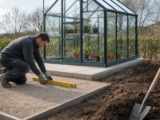
- Prepare a firm, level base. Glazing performs best when the frame is square and stable. A twisted frame can place stress on panels and make doors or vents run poorly.
- Check all glazing components before assembly. Confirm panel quantities, clips, rubber gaskets and fixing details against the instructions.
- Handle panels safely. Wear gloves, eye protection and sturdy footwear. Store glass upright on a safe surface and keep children and pets away during assembly.
- Fit glazing in calm weather. Wind makes glass dangerous to handle and can catch lightweight polycarbonate sheets.
- Follow the correct panel orientation. This is especially important with UV-stabilised polycarbonate, which may have a designated external face.
- Secure every panel properly. Do not skip clips or gaskets. Missing fixings can lead to movement, rattling and water ingress.
- Test ventilation and door operation. Once glazed, check that vents open freely and the sliding door runs smoothly without fouling the frame.
Common Practical Mistakes to Avoid
Choosing solely on appearance
Clear glass has a classic look, but appearance should not override safety or insulation. If the greenhouse is in a busy location, safer glazing may be the more sensible choice even if it changes the look slightly.
Underestimating summer heat
Good insulation can help in cold weather, but a small greenhouse can overheat very quickly in sunshine. Do not rely on opening the door occasionally. Roof ventilation, shading and possibly automatic vent openers are practical parts of the specification.
Ignoring wind exposure
Lightweight panels must be secured carefully. Even glass greenhouses can suffer damage if the frame is not properly anchored. Always install on a firm, level surface and consider a suitable base where recommended for the greenhouse.
Forgetting about condensation
Condensation is common in greenhouses, especially in cooler months. Poor air movement encourages mould and disease. Whichever glazing you choose, manage watering, spacing and ventilation to reduce stale, humid air.
Buying accessories before essentials
Staging, seed tray racks and potting benches are useful, particularly in a small greenhouse, but they should not come before the core specification. A stable base, appropriate glazing and adequate ventilation are more important than extra shelves at the point of purchase.
Short FAQ
Is horticultural glass still a good choice?
Yes, it can be suitable for low-risk, sheltered gardens where maximum clarity and a traditional appearance are priorities. However, it is less forgiving if broken, so it is not always the best option for family gardens or exposed sites.
Is toughened glass worth the upgrade?
For many domestic gardens, yes. It offers the brightness and appearance of glass with improved safety characteristics. It is particularly sensible near paths, lawns, patios and areas used by children or pets.
Does polycarbonate make a greenhouse warm in winter?
Twinwall polycarbonate improves insulation compared with single glazing, but it does not make a greenhouse fully heated or frost-proof by itself. In cold weather, you may still need heating, insulation measures, fleece or careful plant selection.
Will polycarbonate reduce plant growth because it is less clear?
Not necessarily. Polycarbonate diffuses light, which can create more even illumination and reduce scorching. For some crops and propagation work, diffused light is beneficial. Very light-hungry crops may still perform best with good-quality clear glazing and strong ventilation.
Can I change the glazing later?
Sometimes, but it depends on the greenhouse design and compatible glazing options. It is usually easier and neater to specify the preferred glazing when you buy the greenhouse rather than replacing panels later.
Conclusion
The right greenhouse glazing is the material that best matches your garden, your safety needs and the way you intend to grow. Horticultural glass offers traditional clarity, toughened safety glass adds reassurance in everyday domestic settings, and twinwall polycarbonate improves insulation while giving softer, diffused light. For a small greenhouse, these differences are especially noticeable because temperature, light and air movement change quickly in a compact space.
Before making a decision, assess the site honestly, decide whether safety or insulation should take priority, and make sure the frame will be installed on a firm, level base with adequate ventilation. If you choose the glazing as part of the whole greenhouse specification rather than as an afterthought, you will create a safer, more practical growing space that supports healthier plants throughout the season.